In the hustle and bustle of daily life, we all need a moment to pause. I truly hope these heartwarming, furry characters help you slow down, catch your breath, and stay inspired for the week ahead. To bring this journey into the past vividly to life, each original black-and-white photograph has been meticulously colorized. 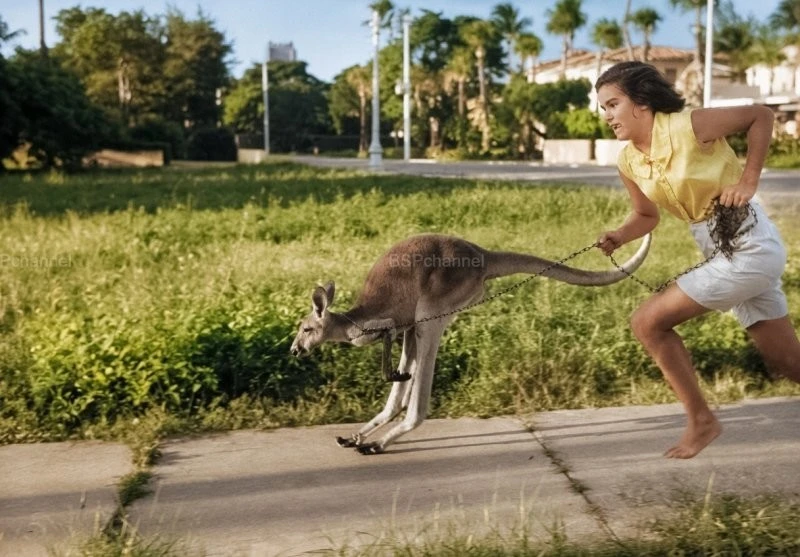
Mishka the bear cub, mascot of the battleship "Sevastopol", 1955. 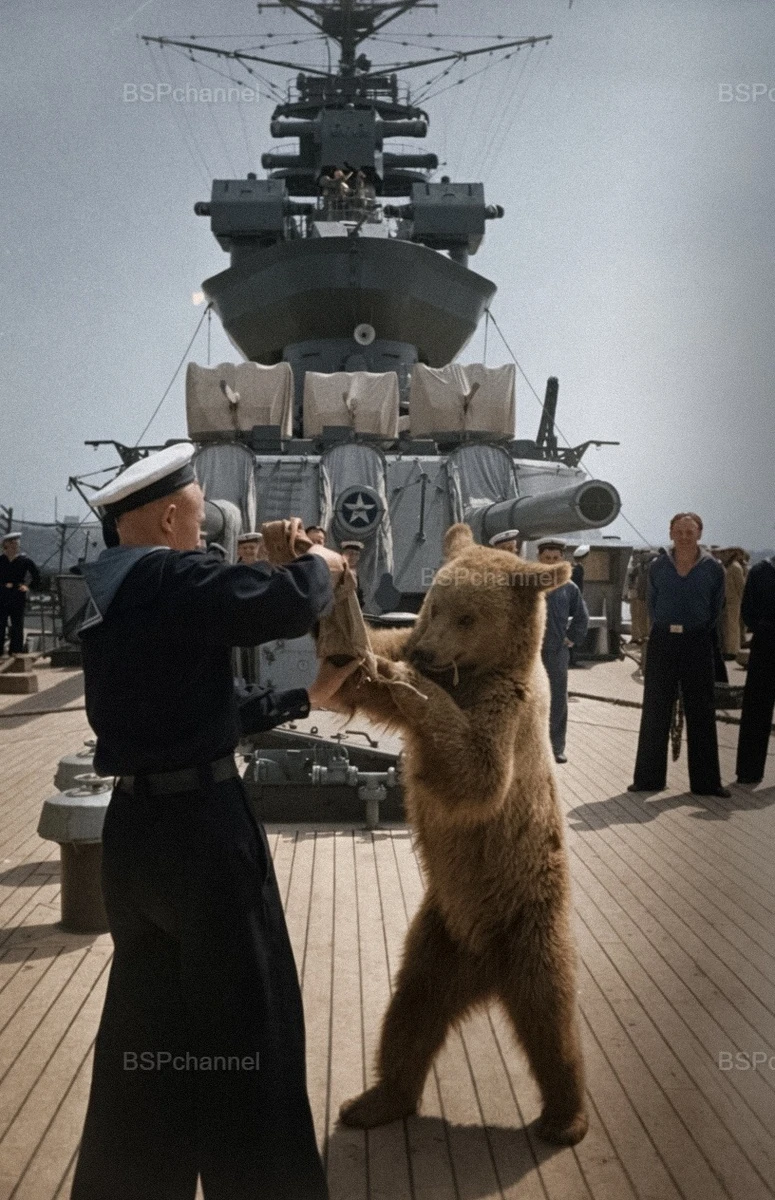
Photo by N. Verinchuk
One of the most striking and heartwarming photos in our collection takes us aboard a legendary Soviet warship. Pictured here is the crew’s beloved mascot, captured during daily life at sea. Live bear cubs were surprisingly common on naval vessels in the mid-20th century: sailors frequently adopted orphaned wild cubs, turning formidable warship decks into havens of genuine care.
Racing a pet kangaroo, 1961. 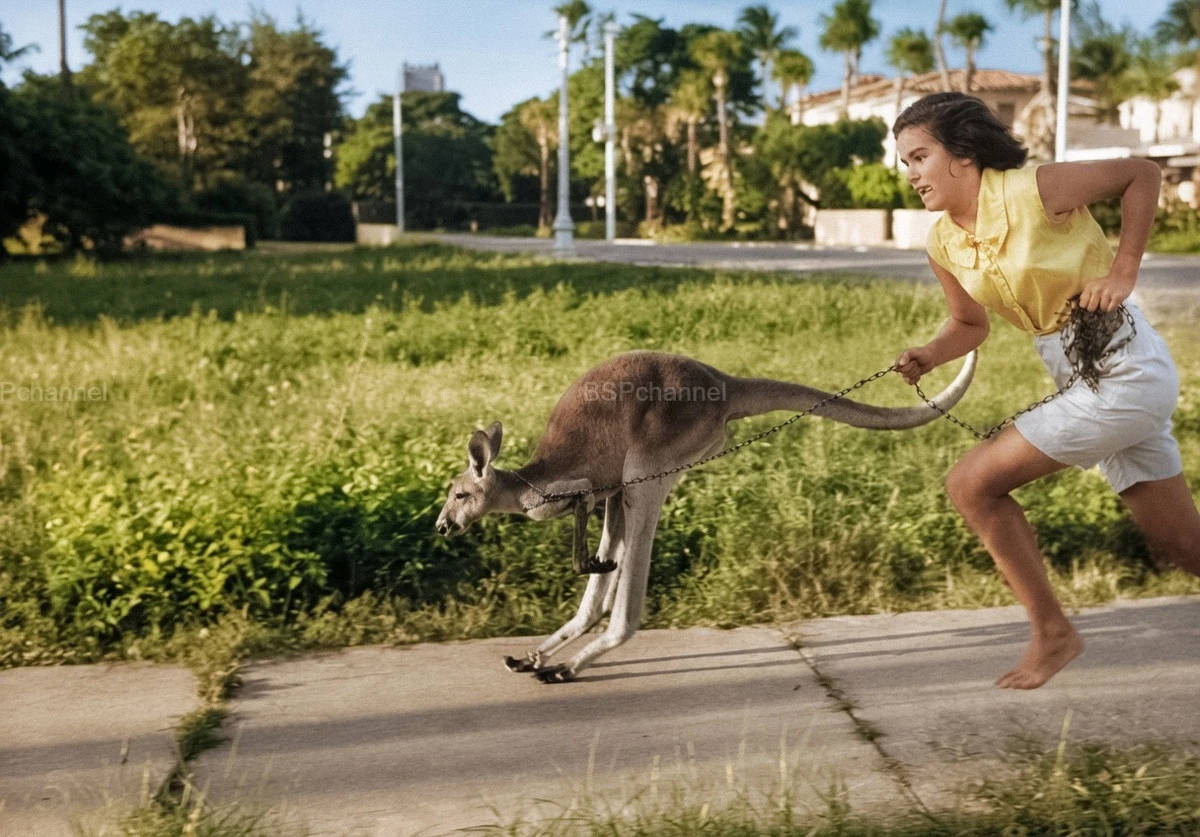
Photo by Donald Uhrbrock
When casually moving about, adult kangaroos hop at speeds of 20 to 25 km/h. At this steady cruising pace, they can cover vast distances effortlessly. However, when startled or pursued, larger species—such as the Red Kangaroo and the Eastern Grey Kangaroo—can burst into short sprints reaching 56 to 71 km/h.
The Kirov Collective Farm in the village of Prochnookopskaya, Novokubansky District, Krasnodar Krai. Collective farm beekeeper Ivan Malko with his animals, 1973. 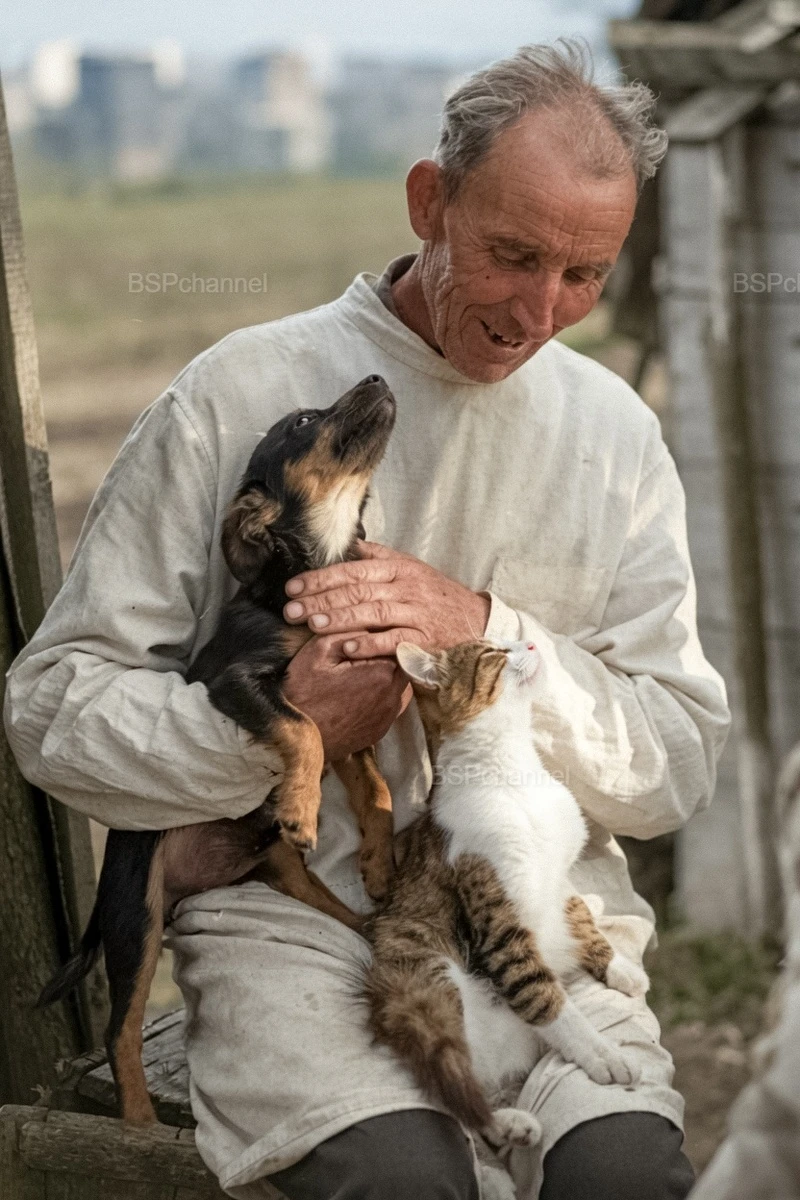
Photo by Valery Shustov
A young girl holds an Easter bunny on a leash during an Easter egg hunt in the grass, 1955. 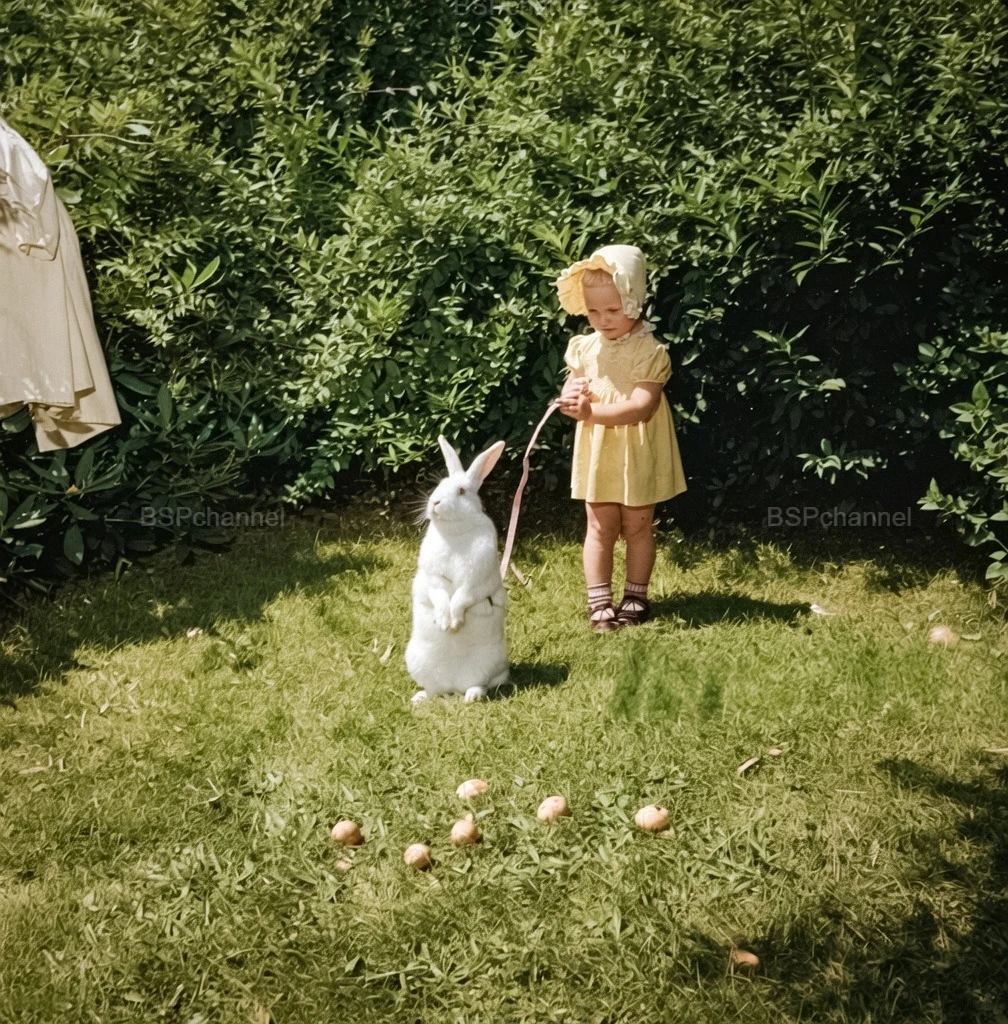
Photo by George Pickow
An Easter egg hunt featuring a live "Easter bunny" on a leash is a classic holiday tradition. The game revolves around adults secretly hiding artificial, chocolate, or real dyed eggs in the garden, tall grass, or around the house before the holiday. In the morning, children grab woven baskets and set off on a hunt, with the top collector winning a special prize. According to folklore brought to the U.S. by German immigrants, a magical Easter bunny brings and hides these eggs overnight for well-behaved children. In the mid-20th century, it became trendy among American suburban families to acquire live white pet rabbits around Easter time. During garden egg hunts, these pets were fitted with festive silk ribbon leashes so they could "help" children hunt for hidden treasure without hopping off into the bushes.
Young girls from Moscow Kindergarten No. 703 in the nature corner with a guinea pig, 1978. 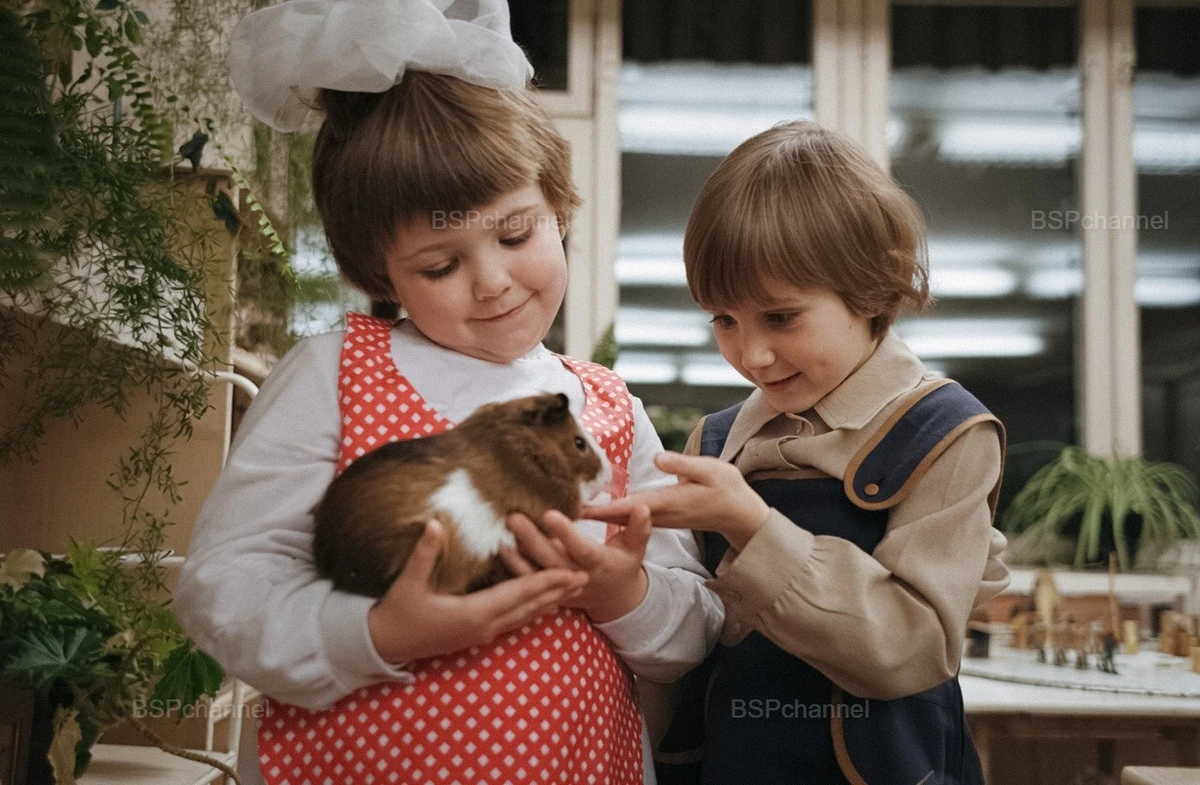
Photo by I. Nevelev
A young girl enjoys an ice cream alongside her pets—a dog and a raccoon. USA, 1930. 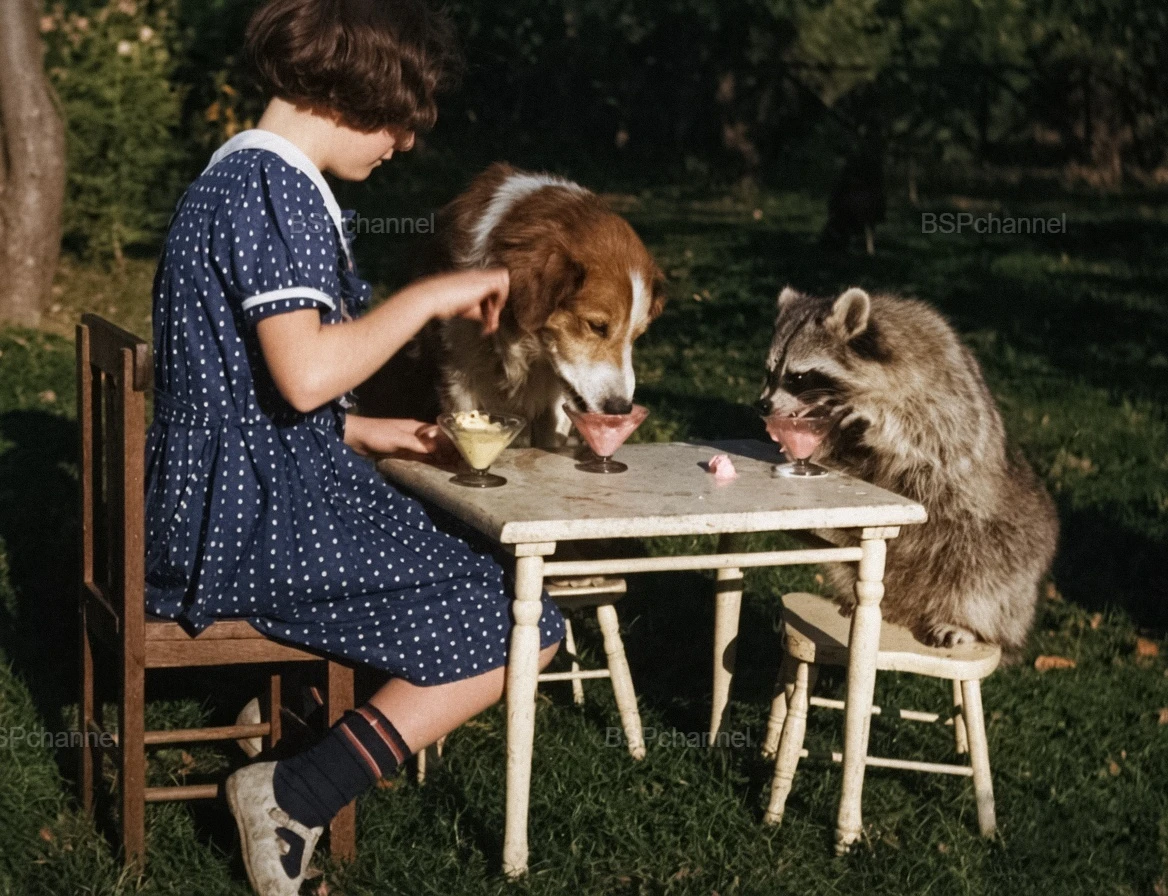
Raccoons are incredibly intelligent, charismatic, and clever mammals native to North America. Thanks to their signature black eye "masks" and ringed tails, they are often dubbed nature's lovable bandits. The most famous and widespread species is the northern raccoon. Their front paws are remarkably dexterous, resembling human hands, and house thousands of tactile receptors that become far more sensitive when wet. This explains why raccoons constantly touch objects and "wash" them in water—they are effectively "seeing" things with their hands to gauge texture and edible potential. Studies show that raccoons surpass cats in problem-solving ability and rival some primates. Boasting impressive memories, they can recall solutions to complex tasks for up to three years and effortlessly dismantle latches, locks, and food containers.
A Laika dog and polar bear cubs at the research camp of the drifting ice station "North Pole-19" in the Arctic Ocean, 1971. 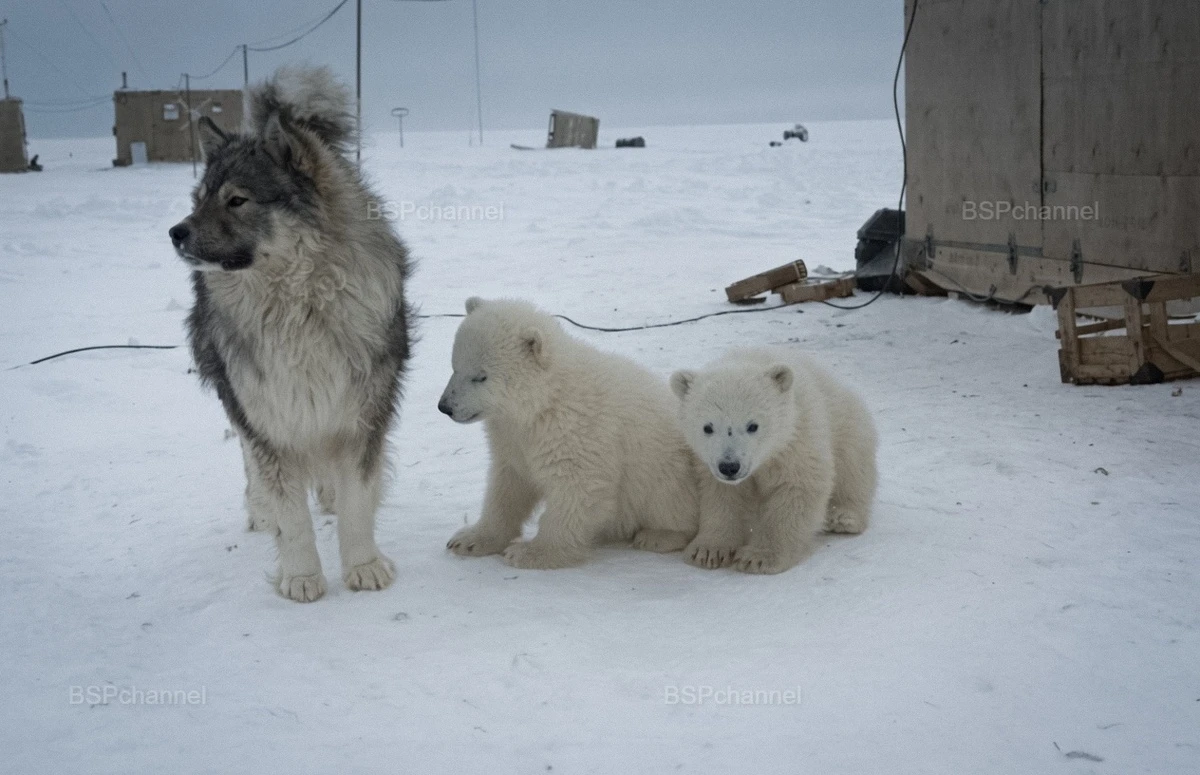
Photo by Roman Denisov
A fashionable squirrel. USA, 1940s. 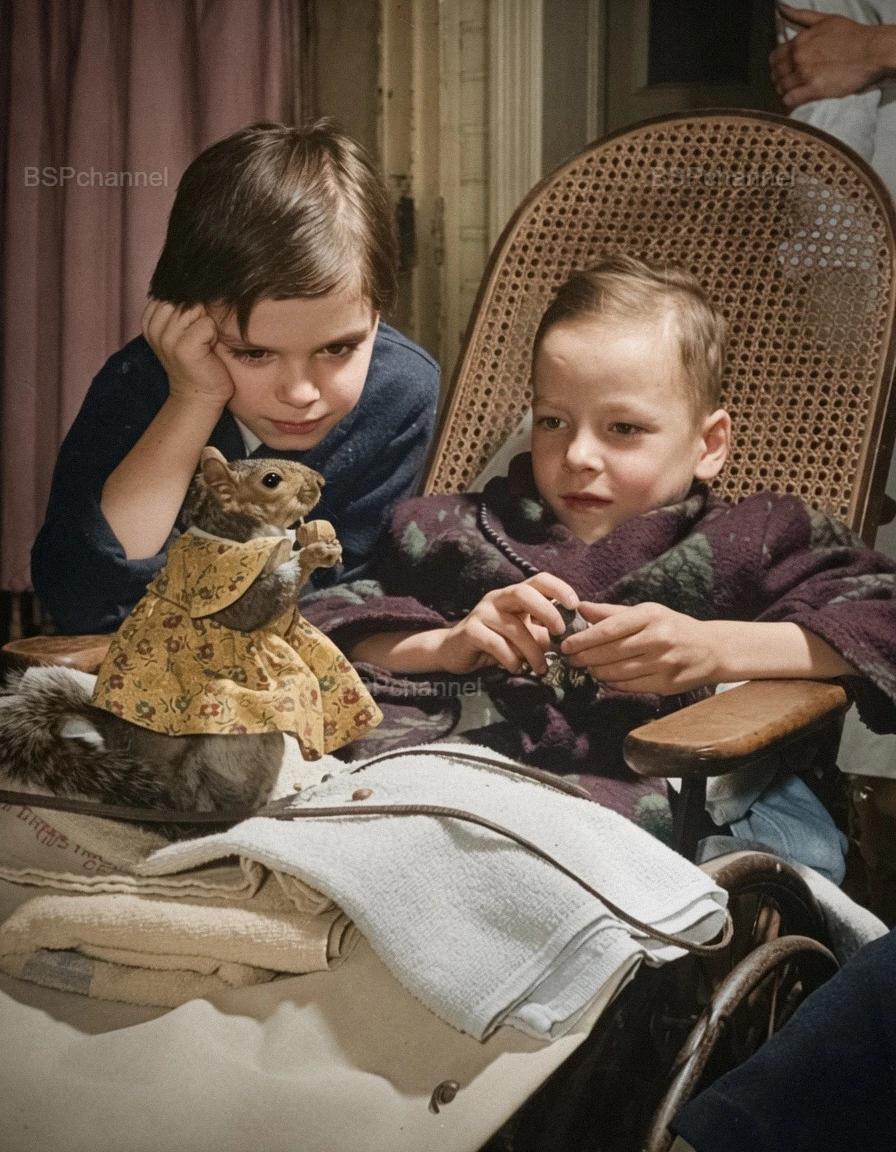
Photo by Nina Leen
Pictured here is Tommy Tucker, a famous squirrel who captured American hearts during the 1940s. Rescued in 1942 after falling from a tree, the orphaned squirrel was raised by Mark and Zaidee Bullis. The wild animal became fully domesticated and remained with the couple. Mrs. Bullis hand-sewed over 100 custom outfits for Tommy, including dresses, suits, and hats. In this photo, Tommy wears one of his famous yellow floral dresses. During World War II, Tommy Tucker emerged as a national patriotic symbol, touring the United States to promote War Bond sales and raise funds for the Red Cross. The squirrel frequently visited schools and hospitals to cheer up wounded soldiers and hospitalized children, as shown in this shot.
A lynx and a dog play together in an enclosure at the Stolby Nature Reserve. Krasnoyarsk Krai, 1968. 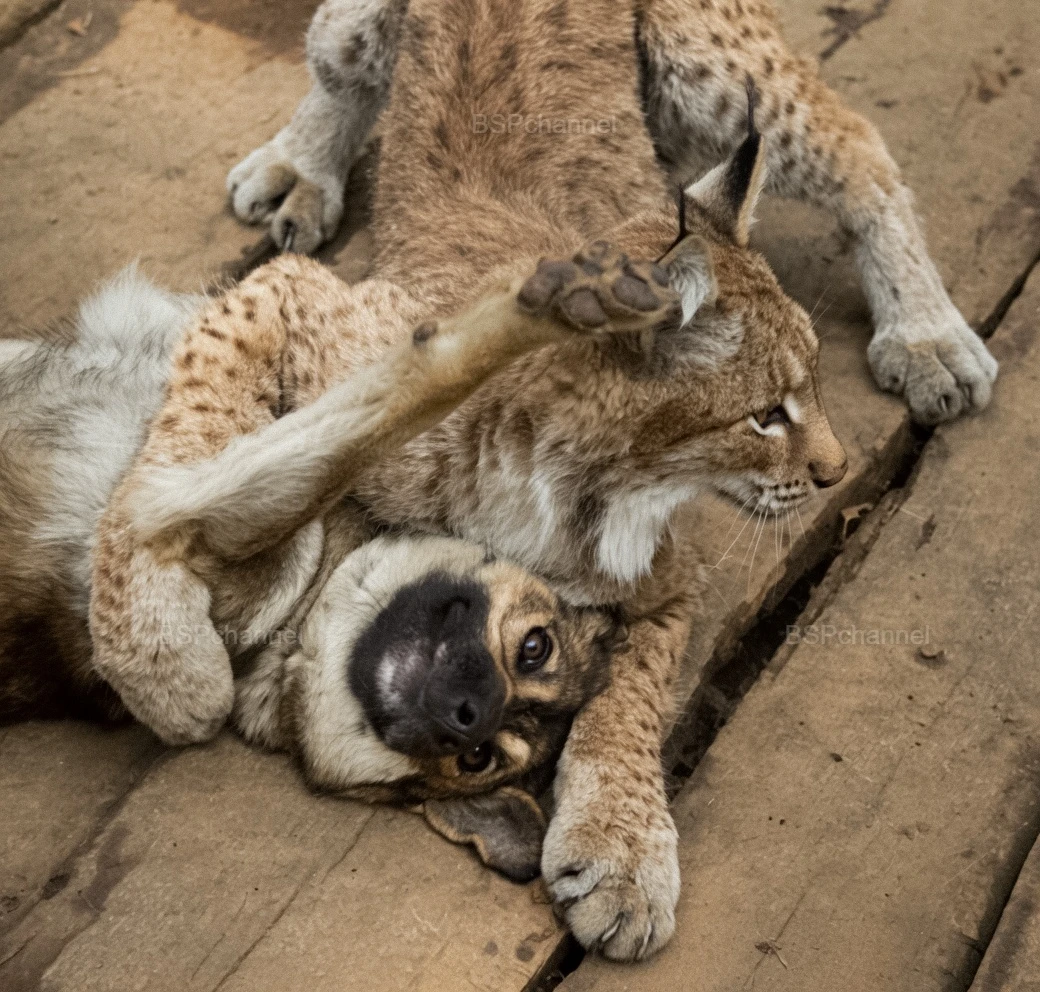
Photo by Vasily Shaposhnikov
Alberto Rossi and his fiancée Rossana Teatini watch a ewe nuzzling her newborn lamb, Italy, 1953. 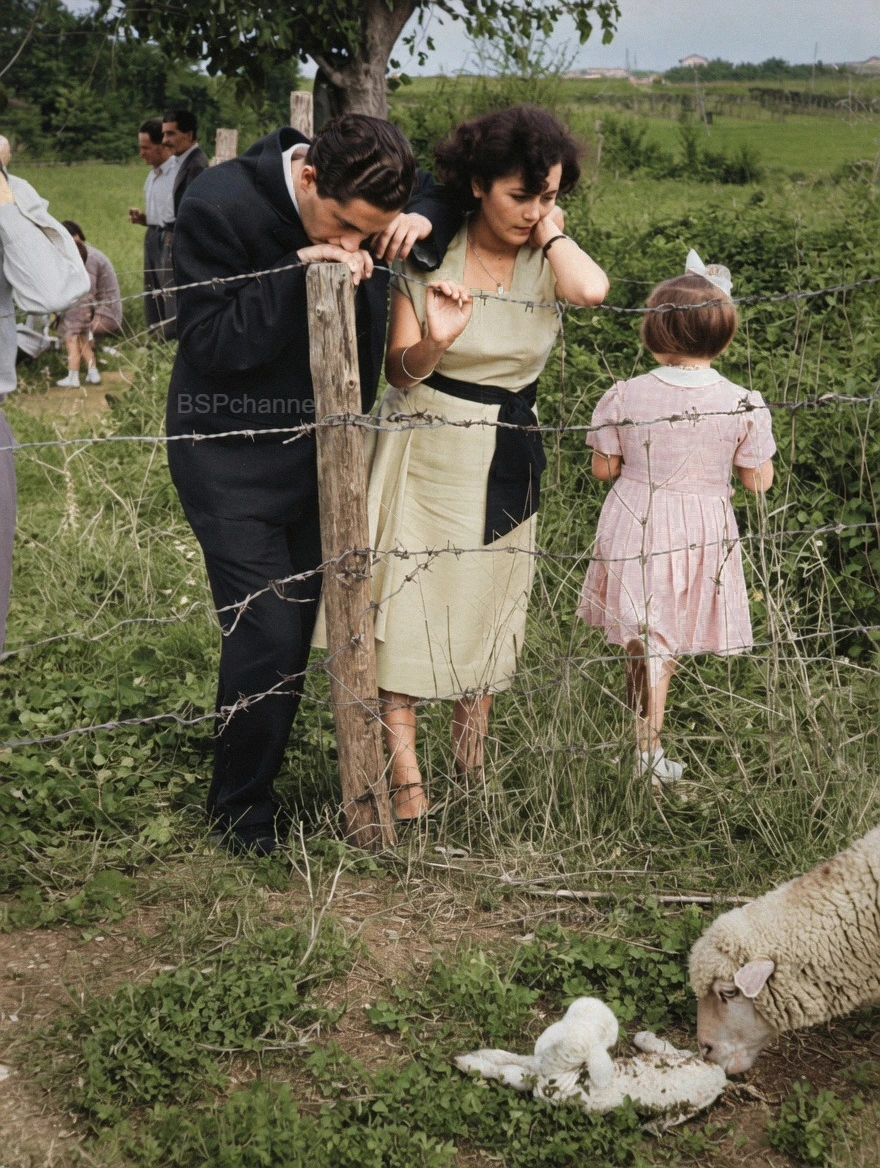
Photo by Henri Cartier-Bresson
A seal, 1974. 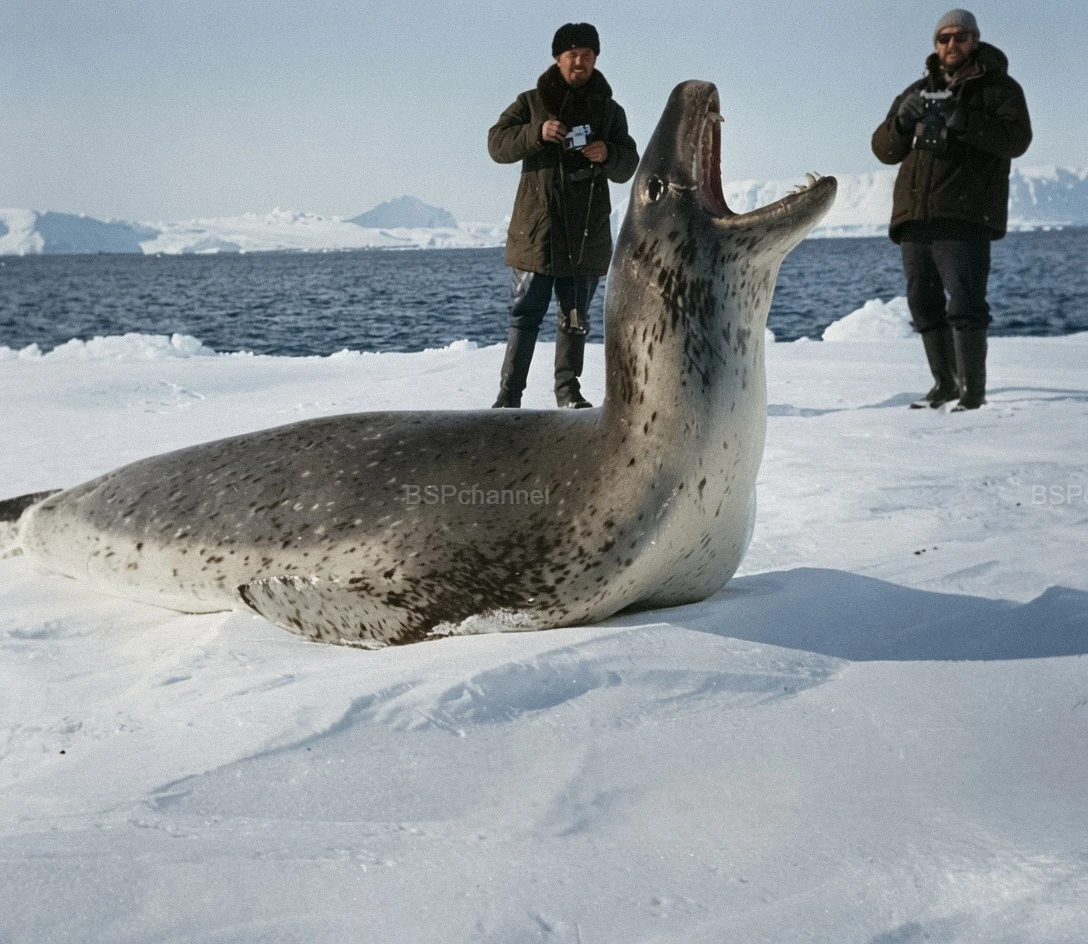
Photo by V. Baranovsky
Kenya, 1961. 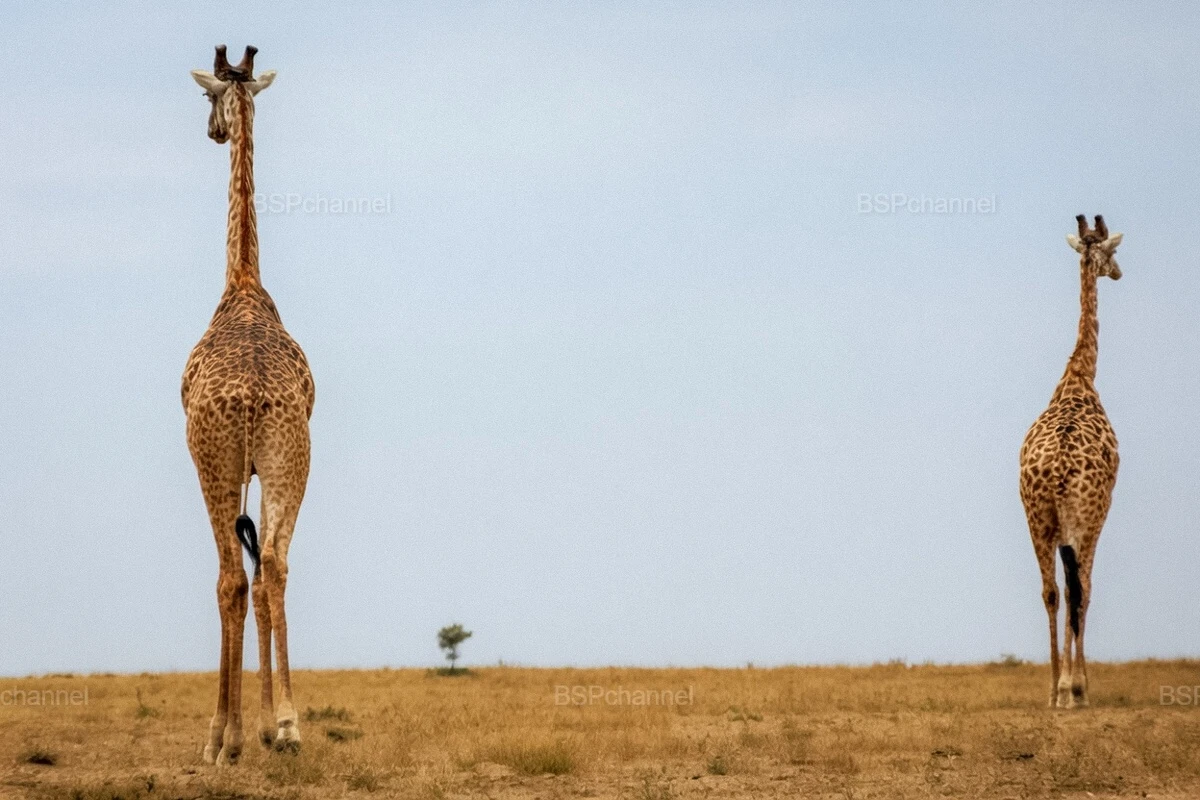
Photo by Marc Riboud
Kenya is a paradise for admirers of these graceful creatures, as it is the only place on Earth home to three distinct giraffe subspecies. In total, Kenya supports a population of around 30,000 giraffes. Giving birth is a fascinating yet rigorous evolutionary process for giraffes. A calf's life begins with an extreme test dictated by its mother's anatomy. Female giraffes always give birth standing up, refusing to lie down so they remain ready to flee from predators like lions or hyenas at a moment's notice. Because of this upright stance, the newborn enters the world feet first and falls roughly 1.5 to 2 meters to the ground. Far from harming the newborn, this impact stimulates its first deep breath and expands its lungs. As the calf falls, the umbilical cord stretches and naturally snaps in a precise spot. Giraffe pregnancies are exceptionally long, lasting 14 to 15 months (about 450 days). Females almost always give birth to a single calf, with twins being extremely rare. Even at birth, the newborn is a giant, standing 1.8 to 2 meters tall and weighing between 50 and 70 kilograms.
A sika deer fawn at the Istra State Forestry and Hunting Reserve, 1964. 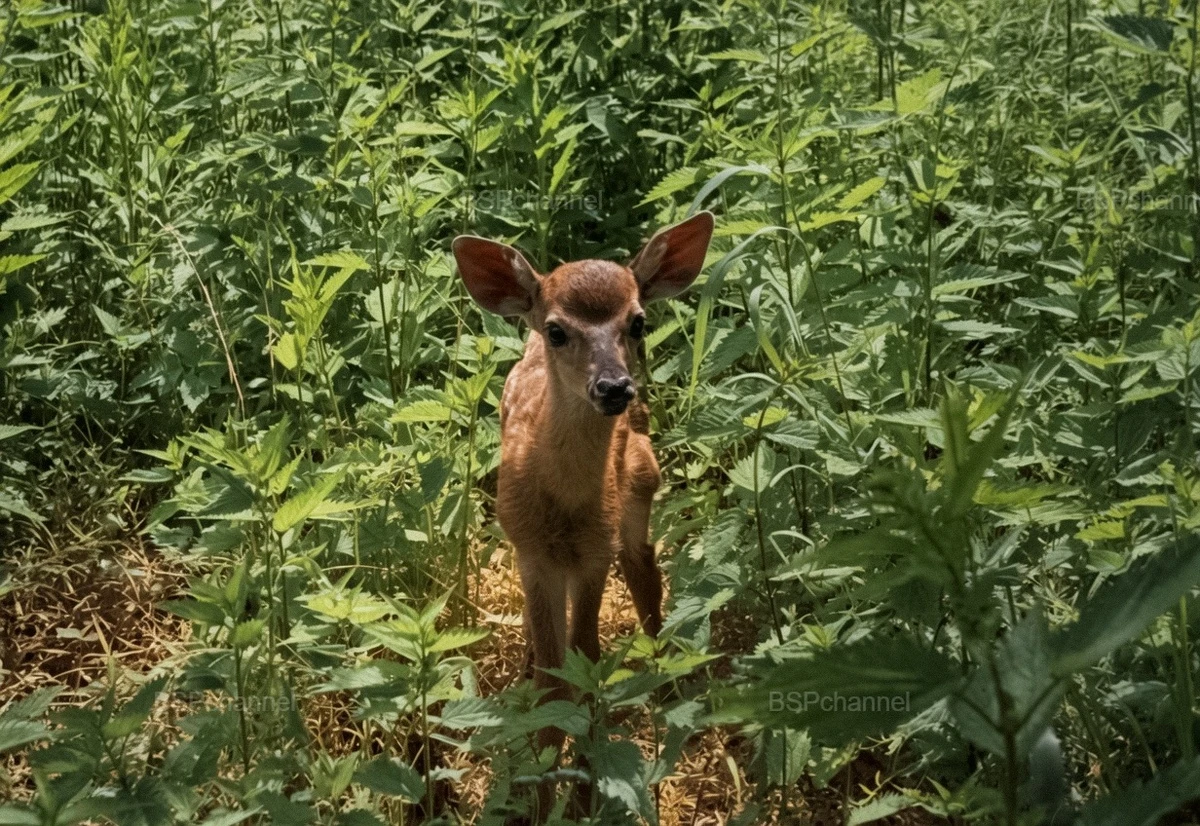
Photo by D. Zhitenev
Horace the hare with Cecil S. Webb, director of the Dublin Zoo, 1956. 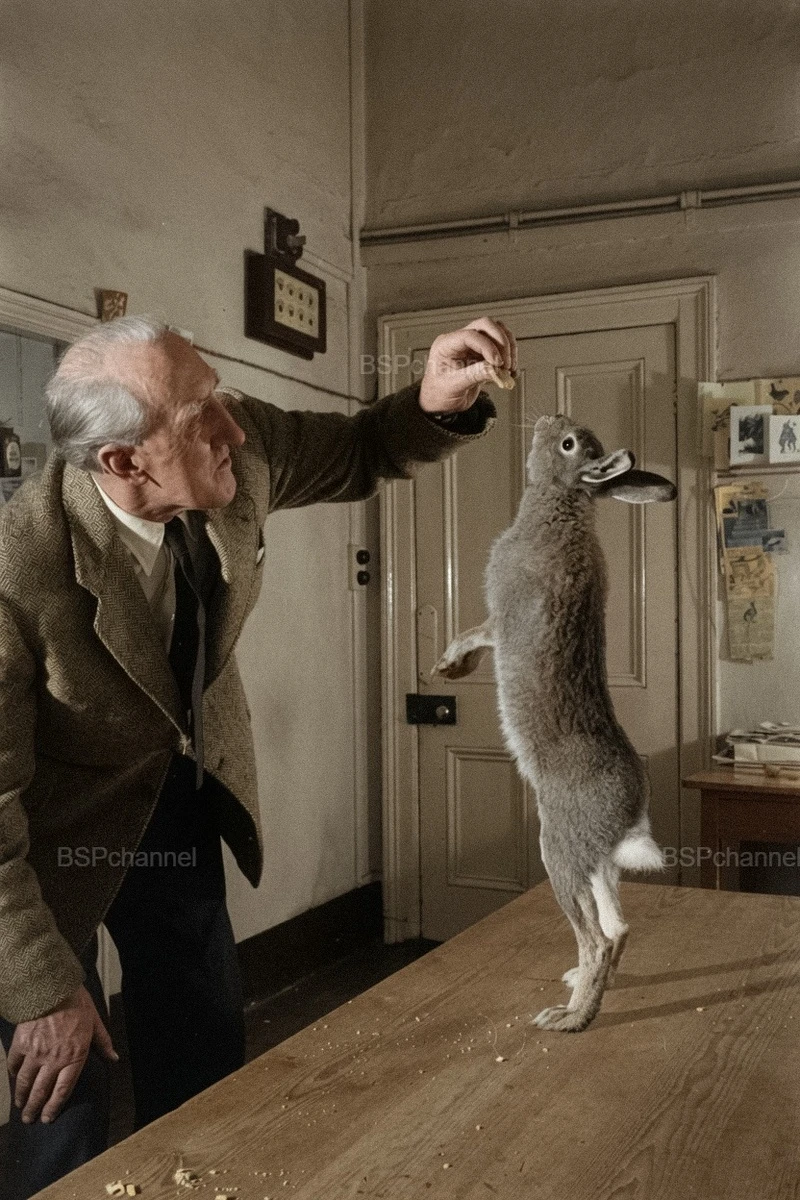
Cecil Webb feeds a treat to his famous pet Irish hare, Horace. Webb brought the orphaned leveret home to study the behavior of these secretive creatures up close. To his surprise, Horace became fully tamed, as affectionate and obedient as a dog or cat, hopping freely around the house. The naturalist documented his observations in his book "A Hare About the House" (1955).
Fearless Fagan the lion with film producer Sidney Franklin. Los Angeles, 1951. 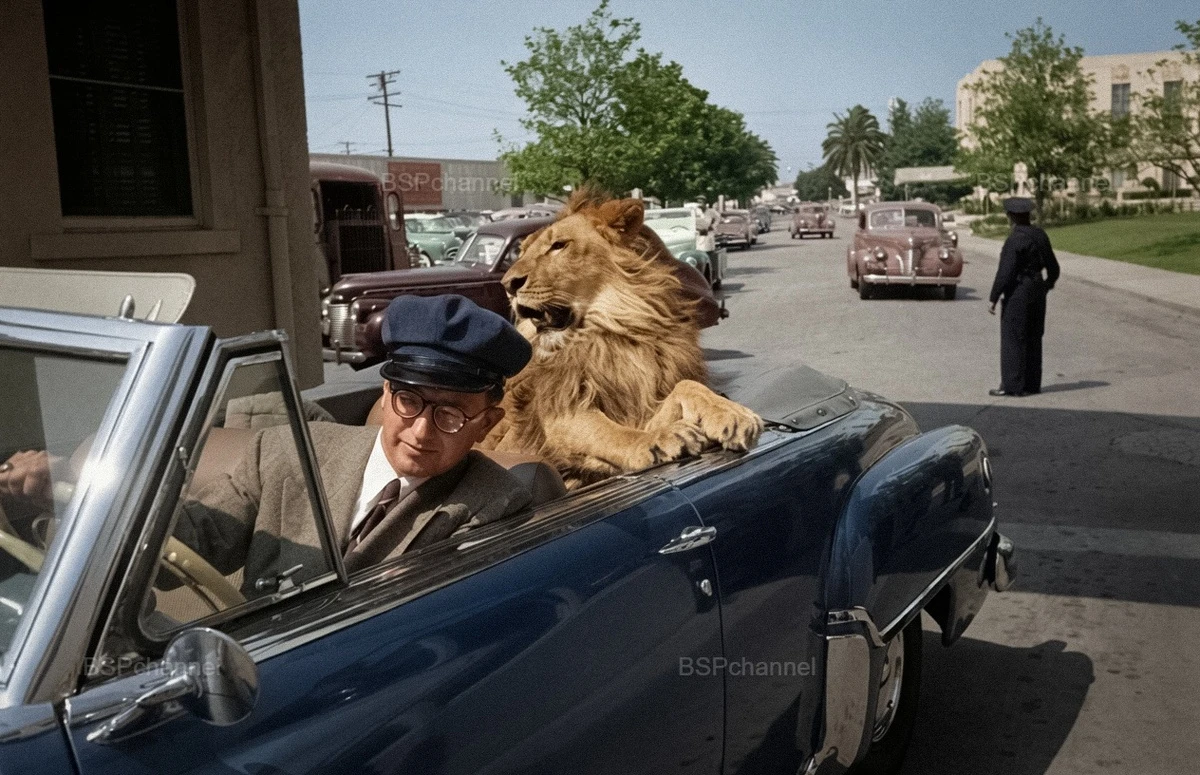
Fagan originally belonged to a young man named Floyd Humeston, who raised him as a household pet. When Floyd was drafted into the U.S. Army, he was determined not to abandon his lion and managed to find him a home with a Hollywood movie studio. Fagan became a star, even playing himself in the comedy film "Fearless Fagan" (1952).
A female hawk spreads her wings and prepares for flight while perched on her trainer's hand, 1950. 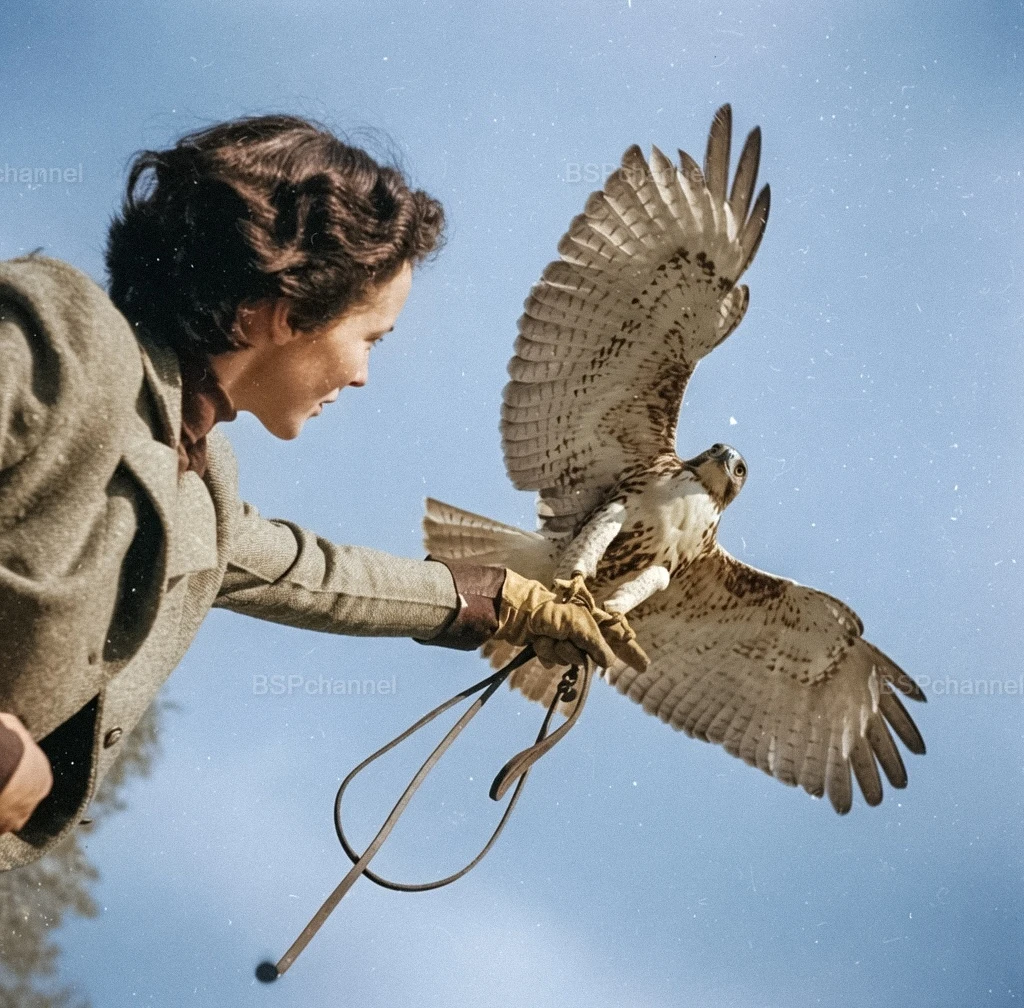
A pig with its trainer before an appearance on the American game show "I've Got a Secret". USA, 1956. 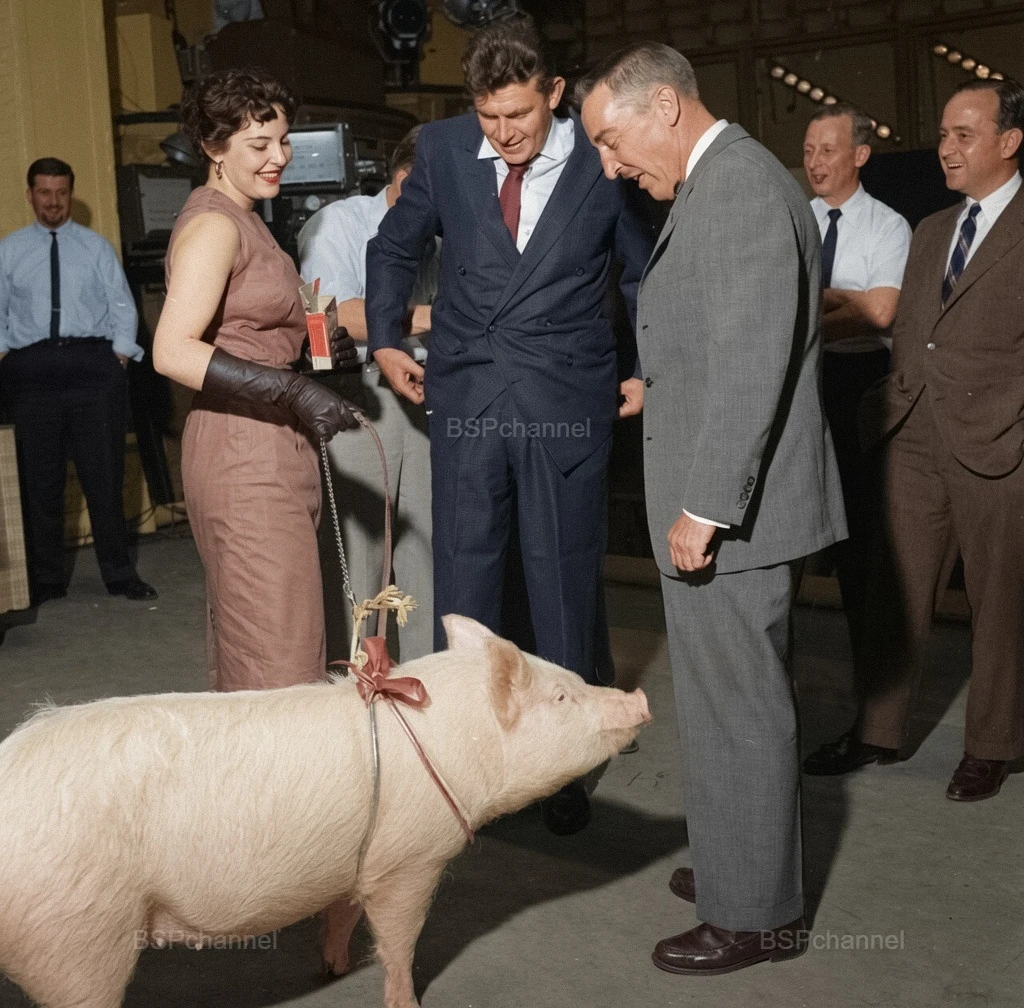
Explorer Kenneth Gandar-Dower with one of the cheetahs he brought from Kenya to the Hackbridge kennels in Surrey. England, 1937. 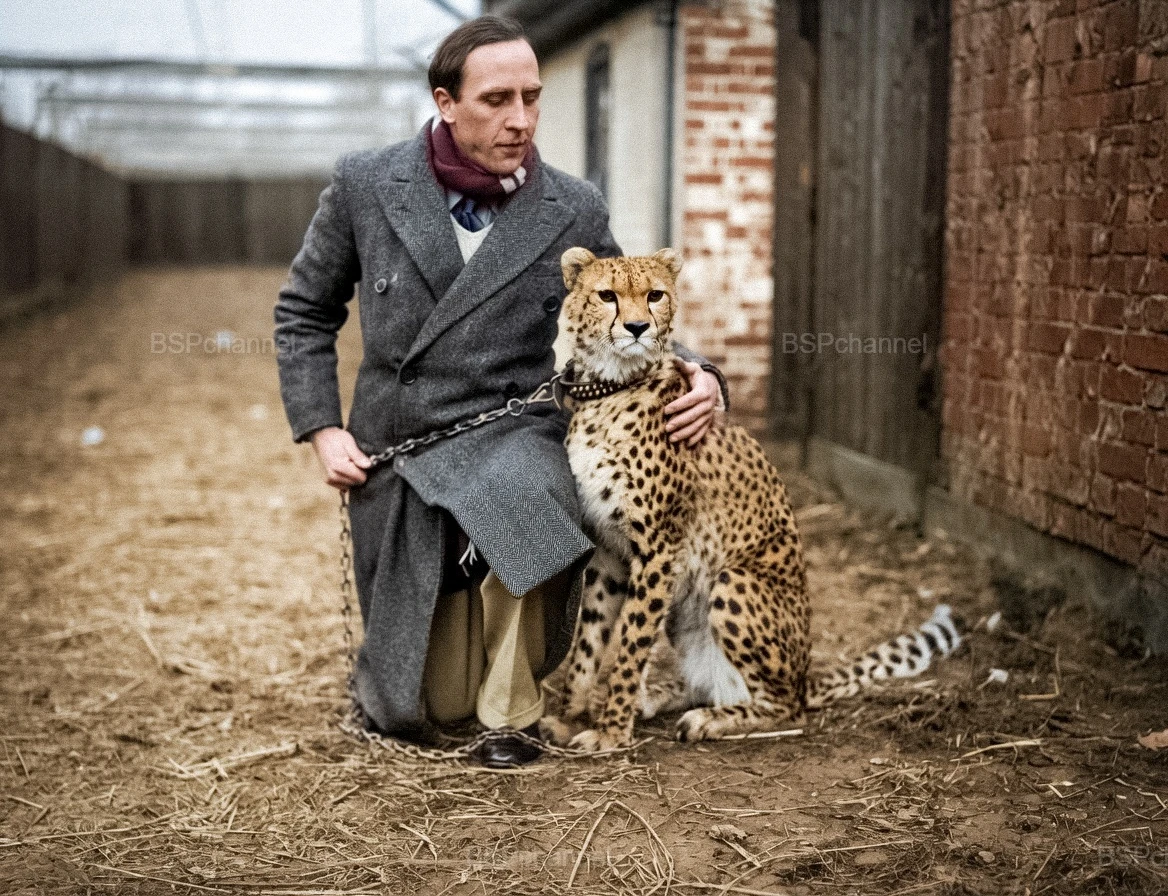
A street artist with his tame fox. Dublin, 1973. 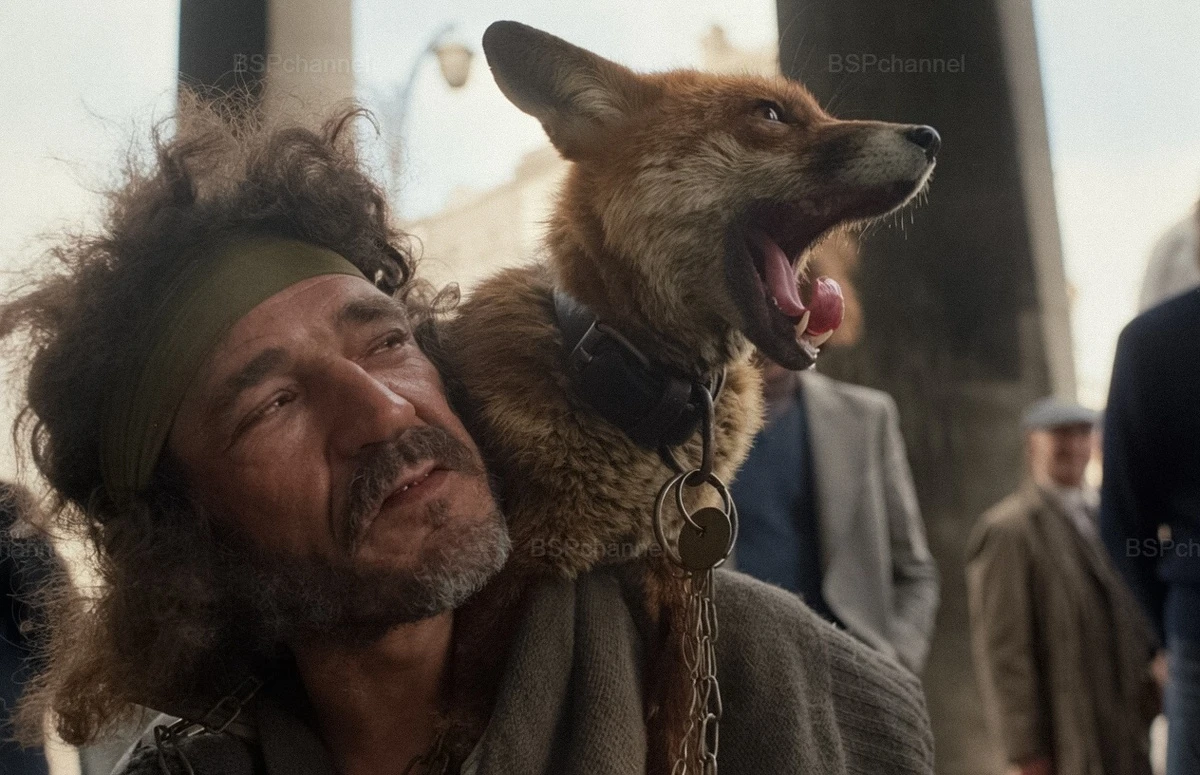
Pet foxes are fascinating animals that blend the traits of cats, dogs, and independent wild beasts. When discussing foxes as pets, it is crucial to distinguish between wild individuals that have merely been tamed and genetically domesticated foxes. True domesticated foxes were created through the Novosibirsk domestication experiment, launched in 1959 by Soviet geneticist Dmitry Belyaev alongside Lyudmila Trut. Scientists selectively bred silver foxes based on a single trait: friendliness and lack of aggression toward humans. In just a few dozen generations, the foxes changed not only in temperament but also in appearance. White patches ("stars") appeared on their foreheads, their tails began curling upward, and some even developed floppy ears like puppies. Their stress hormone (adrenaline) levels dropped, giving way to higher levels of happy hormones. A domesticated fox is not simply an alternative dog, but a distinct pet with unique behaviors. They wag their tails upon seeing their owners and can be trained, yet they gracefully leap onto cabinets, squeeze into tight spaces, and retain cat-like independence. Foxes do not bark like dogs; instead, they produce a vast range of vocalizations—from funny clucks and whimpers to ear-piercing shrieks, especially at night. Left unsupervised, a fox can quickly tear apart a sofa, strip wallpaper, or chew through electrical wires. Foxes also carry a distinct musky odor; even a litter-trained fox smells stronger than a tidy cat. Allowing a fox free rein in an apartment is extremely challenging, so they require a spacious enclosure or a dedicated room equipped with safe toys and hides. Lifespan: with proper care, a balanced diet, and timely spaying or neutering, domesticated foxes can live up to 20–25 years.
Florida Keys, USA, 1968. 
Photo by Elliott Erwitt
Add your comment
You might be interested in:












Persistence in achieving a goal

A biker prevented a hit-and-run driver from escaping

Not everyone is having fun on the amusement ride

Absolute perfection

17 Photos That Will Stop You in Your Tracks (18 Photos)

Young women, Dancing and George Michael: nothing superfluous

The cutest lunch delivery ever

What Would Happen to a Human on Every Planet in the Solar

Toyota Celica ST165 on a rally track
