European Broadcasting Union Bans Camera Operators From Close-Ups of Female Athletes' Buttocks (3 photos + 1 video)
For now, the ban applies to track and field events. Authors of the new guidelines say the rules are aimed at curbing the sexualization of female athletes. 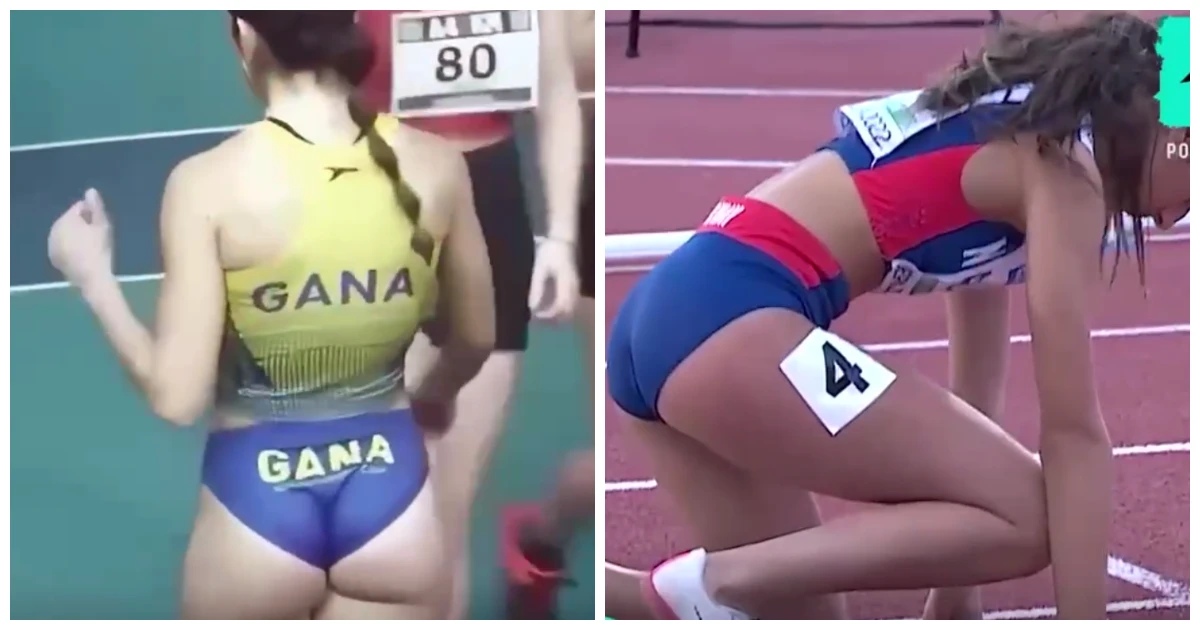
The European Broadcasting Union (EBU) and European Athletics (EAA) have drawn up a set of instructions for camera operators on how to cover women's competitions.
From now on, close-up shots of female athletes' body curves will be banned during track and field broadcasts. Camera operators are advised to focus on the athletes' emotions and highlight their technical skill instead. They are also strongly urged to avoid low-angle shots, crotch shots, and close-ups of the buttocks, particularly when athletes are bending over. The document further calls on operators to use slow-motion replays only when relevant, avoiding "compromising" footage. 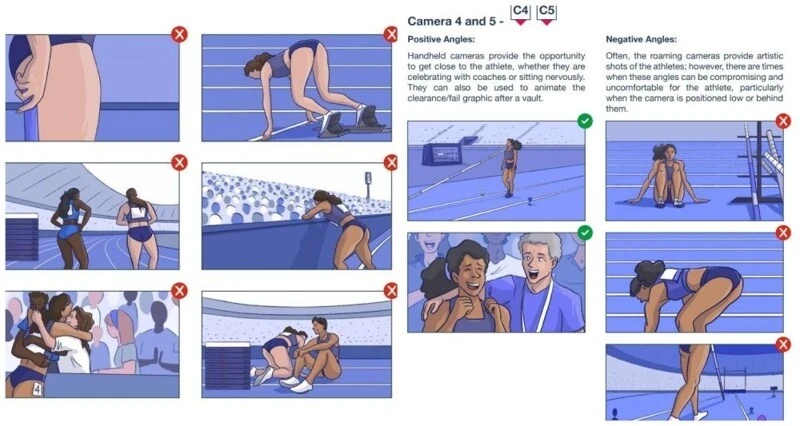
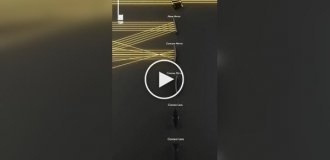
Illustrations from the camera operators' handbook
The 23-page document notes that the new rules were prompted by complaints from female athletes. Officials from the EBU and EAA believe the guide will help combat the sexualization of women in sports. According to media outlets that reviewed the document, the organization aims to ensure gender-balanced and respectful coverage, shifting the focus from physical appearance to athletic achievements.
"The sexualization of female athletes through selective camera angles and editing decisions remains a serious issue in many sports broadcasts. Lingering on bodies, low-angle cameras capturing revealing views, and excessive slow-motion replays that serve no technical or narrative purpose are among the problems currently seen in athletics coverage," stated EBU Executive Director Glenn Killen. 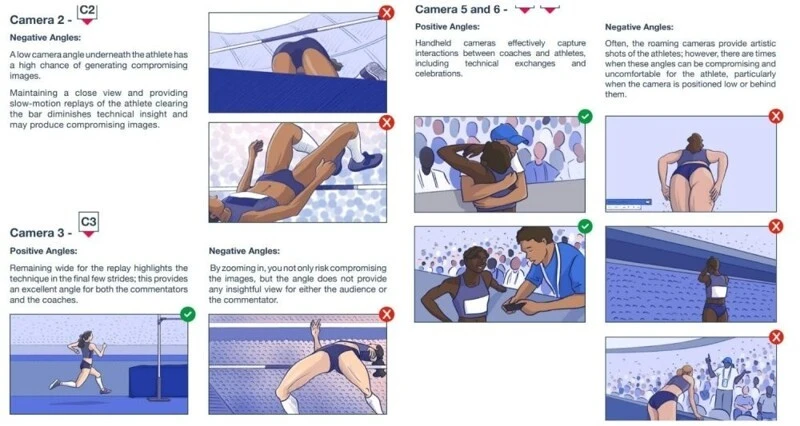
Several athletes have expressed support for the initiative. British Olympic pole vaulter Holly Bradshaw admitted that during competitions, she was thinking more about the cameras than her performance. Many female athletes later shared that "compromising" clips of them were cropped and circulated on social media out of context, with some even facing online harassment and abuse as a result of the camera work.
Pretty soon, camera angles like this in the EU will probably get operators executed