How to survive the city heat? 7 Rules of Chinese Medicine (9 photos)
Hot weather has arrived: the asphalt in cities is melting from the heat, megacities are slowly melting under the scorching heat, and their unfortunate inhabitants must not only survive this inferno but also continue to work, take care of themselves and their loved ones, and maintain a high standard of success.
If you, like thousands of others, feel unwell on hot days, these tips from a Chinese medicine doctor will help you cope. 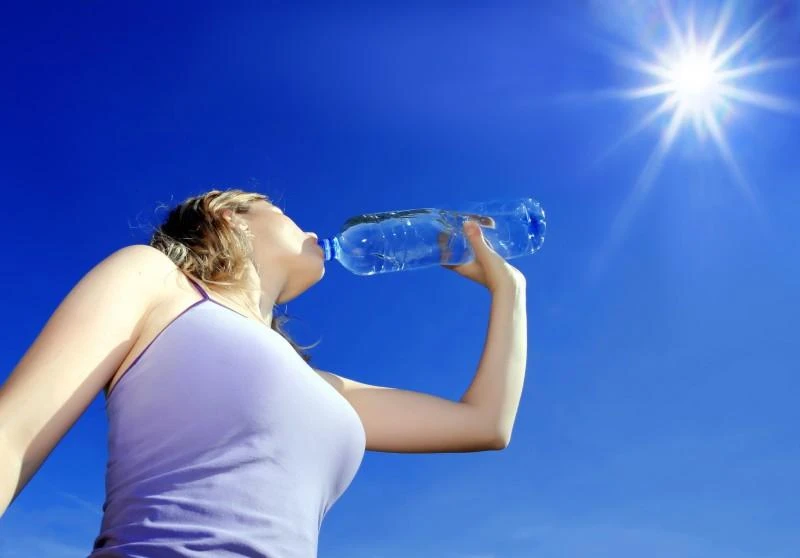
1. Control your emotions.
It is known that a person's emotional reactions affect the functioning of internal organs. In Chinese medicine, heat is considered not only an external phenomenon but can also be an internal factor. Internal heat primarily negatively affects the heart, which is what suffers from high temperatures. If a person is also experiencing emotional stress, the cardiovascular system is at even greater risk. 
Increased internal heat combined with external heat causes increased heart rate, changes in blood pressure, headaches, and weakness. How can you determine the intensity of internal heat? Examine your tongue in a mirror; the heart zone is located at its tip. If the tip has a bright red surface or red dots, this indicates the presence of "heart heat." Balance can be restored through nutrition, beverages, proper exercise, and therapeutic methods.
2. Eat foods from the "cool" and "cold" groups.
According to the classification of Chinese medicine, all foods are divided into five groups: hot, warm, neutral, cool, and cold. Naturally, in hot weather, you should reduce your consumption of hot foods (meat such as lamb, ham, salami, and strong seasonings and spices such as hot peppers, garlic, ginger, cinnamon, and curry), as these shift energy processes toward the hot side. 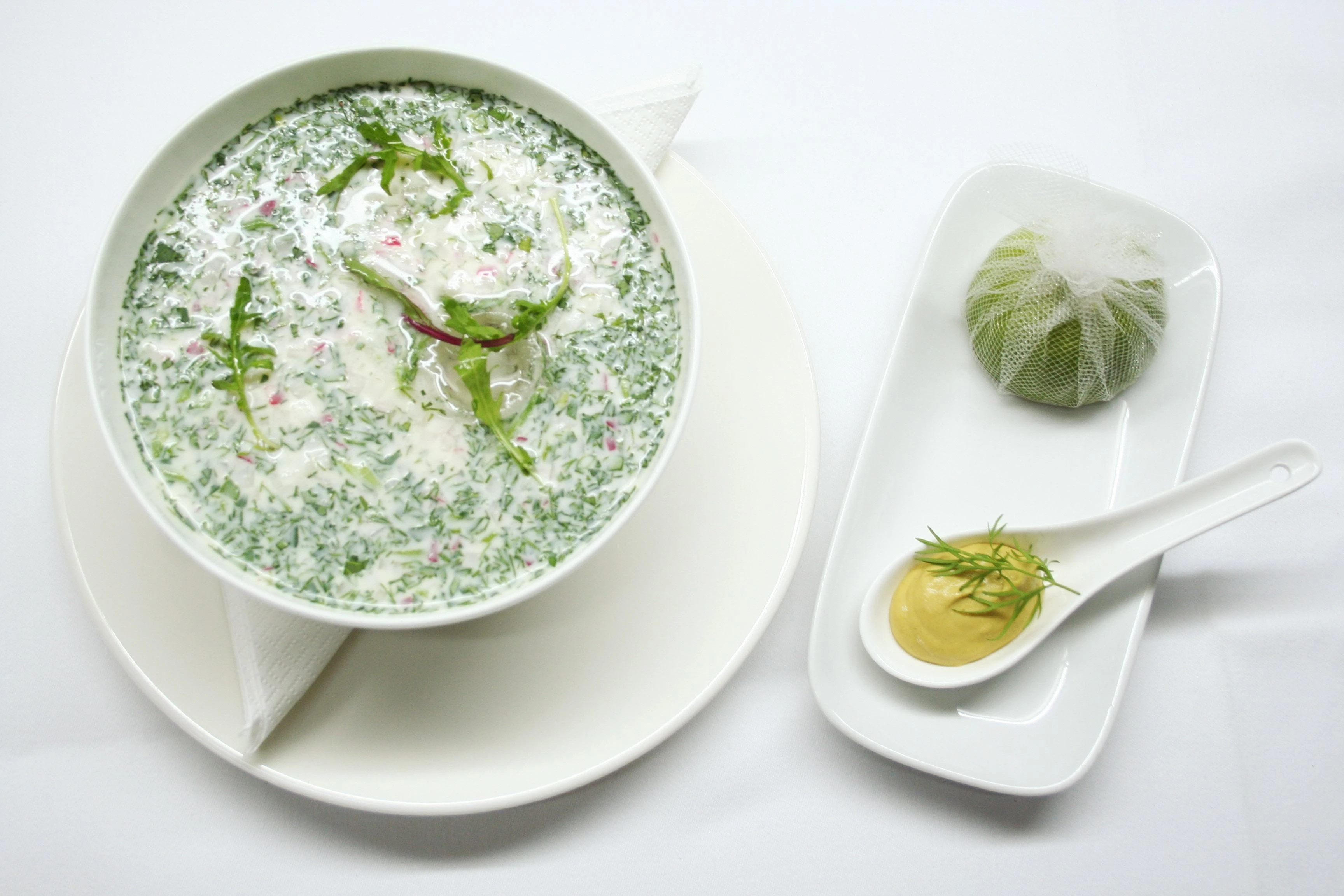
It's best to balance the condition with cold and cool foods: wheat, wheat germ, barley, millet, wild rice, duck, goose, hare, rabbit, fish, squid, oysters, Chinese cabbage and cauliflower, broccoli, bell peppers, zucchini, eggplant, cucumbers, tomatoes, asparagus, radishes, watercress, artichokes, avocado, rhubarb, celery, spinach, soybeans, tofu, soy milk and sauce, sunflower, sesame, and olive oil, beans, peas, Cashews, saffron, mushrooms, yogurt, banana, persimmon, kiwi, lime, tangerine, lemon, orange, grapefruit, gooseberry, apple, blueberry, blackberry, currant, watermelon, melon, mango, pear, mint, pineapple, quince, raspberry, strawberry. This classification is especially important for people with "internal heat." Food temperature also matters: a dish straight from the refrigerator certainly has a cooling effect.
3. Drink small portions throughout the day.
In hot weather, sweating becomes more intense, and it's necessary to replenish fluids, as all biochemical processes in the human body occur in an aqueous environment. 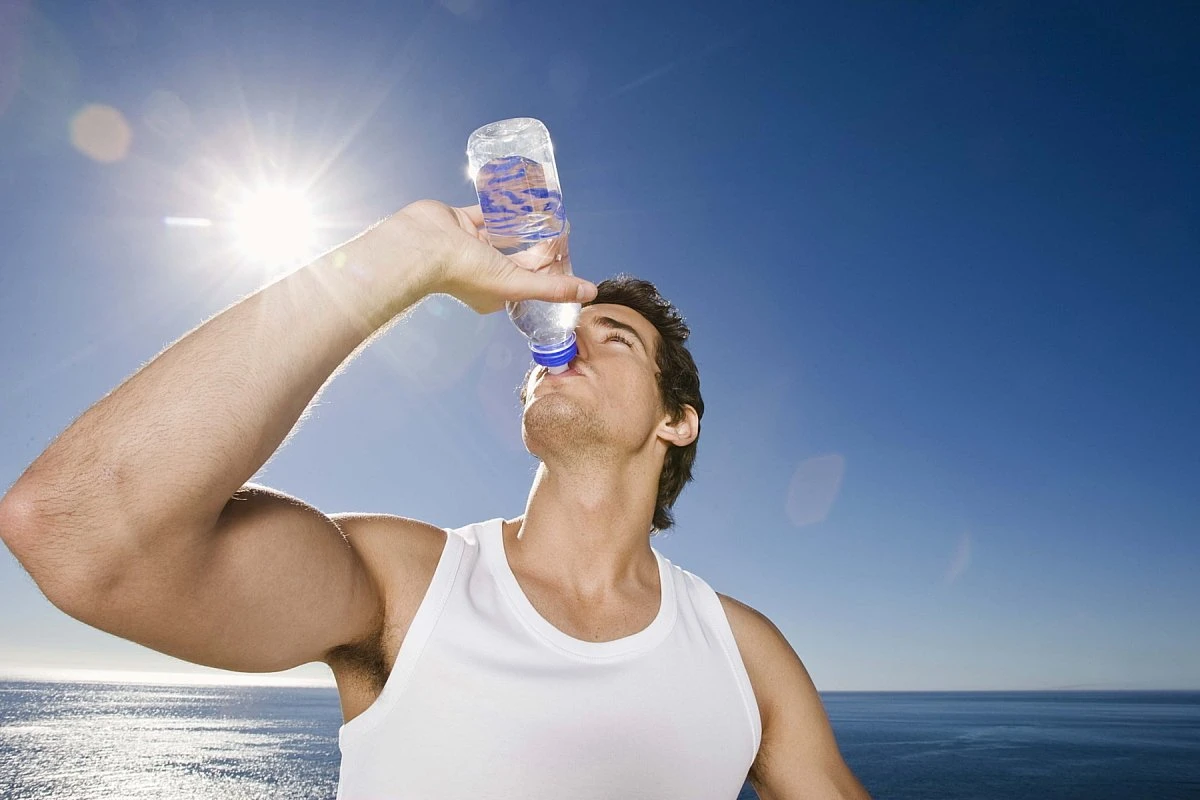
While it's generally believed that drinking one and a half to two liters of water a day is sufficient, the need may increase in hot weather. The simplest indicator of fluid deficiency is a change in urine color. Normally, urine should be light straw-colored, and the more water the body needs, the darker it becomes. Therefore, you can individually adjust your fluid intake, focusing not on general standards, but primarily on your individual needs, which depend on your age, gender, metabolic characteristics, and physical activity.
Those who spend long periods in hot weather and sweat heavily should include mineral water in their diet to compensate for the loss of minerals and microelements.
Carry a bottle of water with you throughout the day and drink regularly, in small amounts. However, avoid drinking too much after 7 PM to avoid disrupting your sleep. 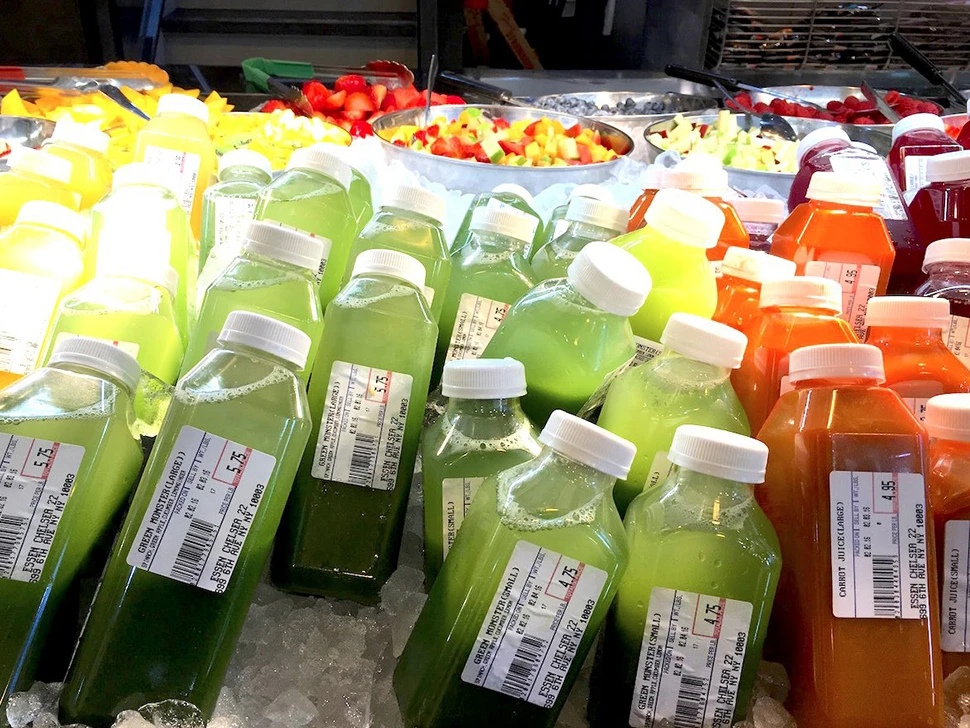
Another very important question: what kind of water should you drink? If you have a choice between spring water, tap water, or bottled water, the smartest choice is bottled water. More specifically, bottled water from a large, sturdy bottle. Please note: thin plastic bottles, which easily develop white creases, release substances into the water that are similar in effect to female sex hormones and can negatively impact your cycle. Therefore, choose water in thick-walled bottles that are free of creases; glass containers are preferable.
If you drink water from a well or spring at home, it's a good idea to have it tested to determine its composition.
Cool drinks are the best choice. Hot tea in the summer will increase sweating, thus cooling the body's surface through increased evaporation. Very cold drinks can trigger a sore throat.
4. If you have swelling, don't restrict your fluid intake; address the cause. 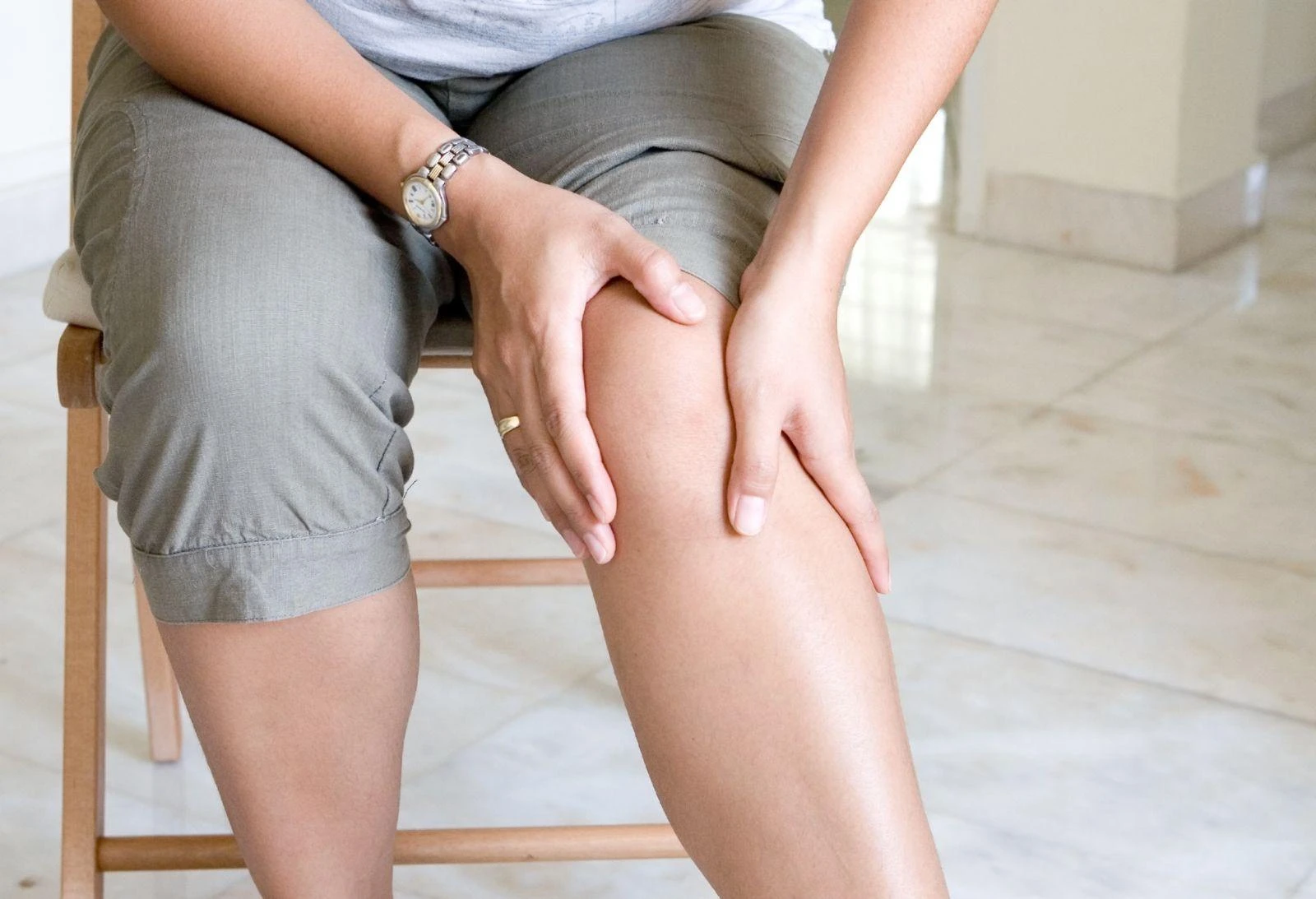
European doctors sometimes recommend drinking less if you frequently experience swelling in hot weather. From the perspective of a doctor who adheres to a synergistic approach to health, this advice seems strange. First, it's important to determine why the body is retaining water and causing swelling. It could be due to the condition of the veins in the lower legs, liver, kidneys, thyroid or adrenal function, or a mineral or microelement imbalance. Clearly, if fluid isn't being eliminated, the body is out of balance.
From a Chinese medicine perspective, fluid retention is often observed as a result of spleen deficiency syndrome. This syndrome develops as a result of mental and physical overwork, excessive anxiety and worry, and a diet high in mucus-forming foods. Dietary modification, herbal infusions, and acupuncture can alleviate spleen deficiency syndrome and reduce or completely eliminate excess swelling.
5. Don't give up physical activity. 
But introduce reasonable restrictions into your normal routine. While it's natural to cool the surface when we run, if we have normal thermoregulation, it's important to adjust your normal physical activity regimen. Avoid running in the scorching sun, indoors, and in the morning or evening.
6. Avoid sudden temperature changes. 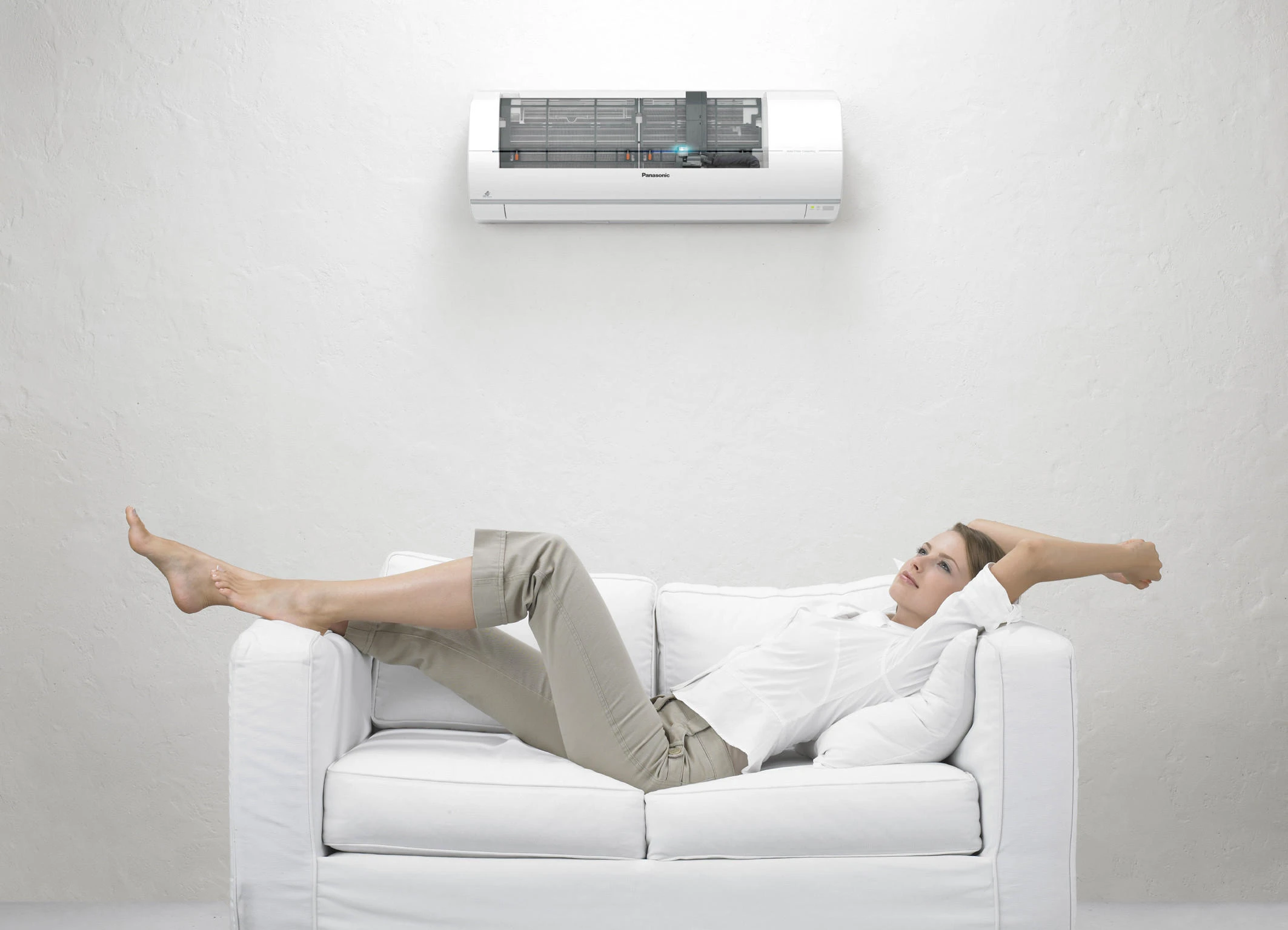
If you move from a hot environment into a room where the temperature is maintained at 18-19 degrees Celsius, you can experience what's known as a "cold shock." In hot weather, your pores open up, making your body more susceptible to various pathogenic factors.
The risk of developing upper respiratory tract diseases increases, as the Qi energy of the lungs protects the body from natural pathogens. If cold penetrates the skin first, then the muscles, the temperature difference can cause muscle inflammation (myositis). Therefore, avoid direct cold airflow from cooling systems.
7. Train your cerebral blood vessels to improve well-being in hot weather. 
The simplest thing you can do is regular standing and bending. Try bending and rising smoothly several times in the morning. These simple exercises will help train your blood vessels and improve cerebral circulation. Additionally, to stabilize the autonomic nervous system, it's worth doing exercises to balance the cerebral hemispheres. For example, try alternate-nostril breathing from yoga or tree poses. Spend 7 minutes a day doing these exercises, and you'll be able to more easily tolerate not only the heat, but also any changes in temperature and atmospheric pressure.