The mysterious ruins of Kenmure Hill and their legends (8 photos + 1 video)
Locals say servants prayed there. Or that a sick child lived there. Or that the ladies did cross-stitch while the men hunted foxes. But no one knows the real truth about the temple on Kenmure Hill. 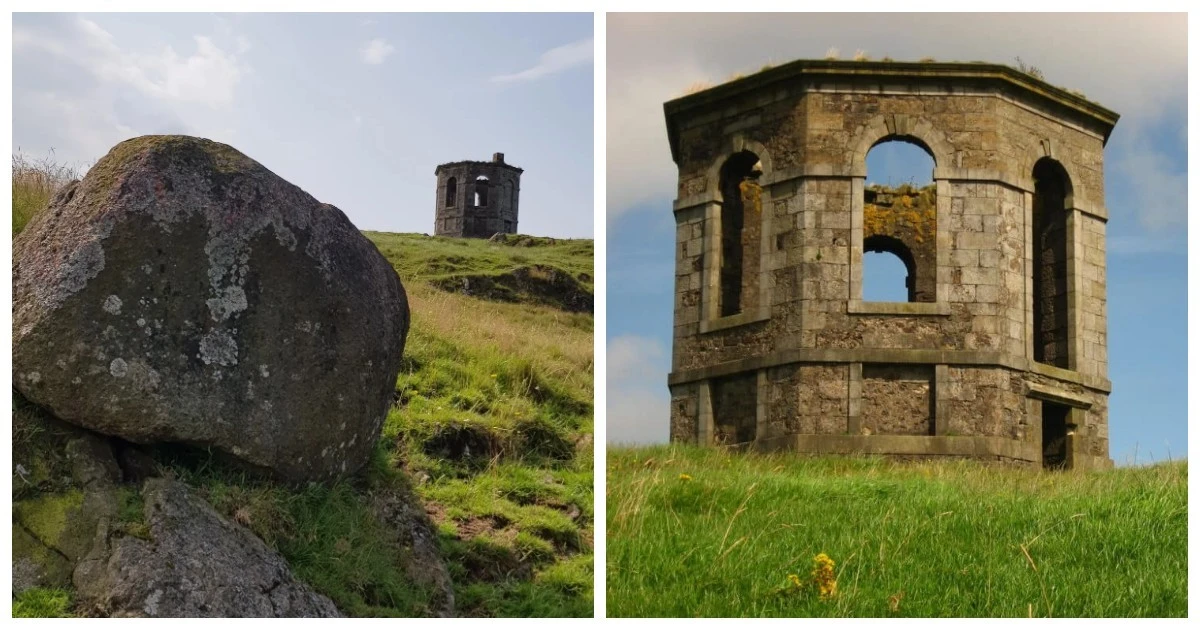
Any passenger on the train traveling through Scotland from Johnstone to the coast, or a driver on the A737, will surely notice the roofless ruins crowning Kenmure Hill. 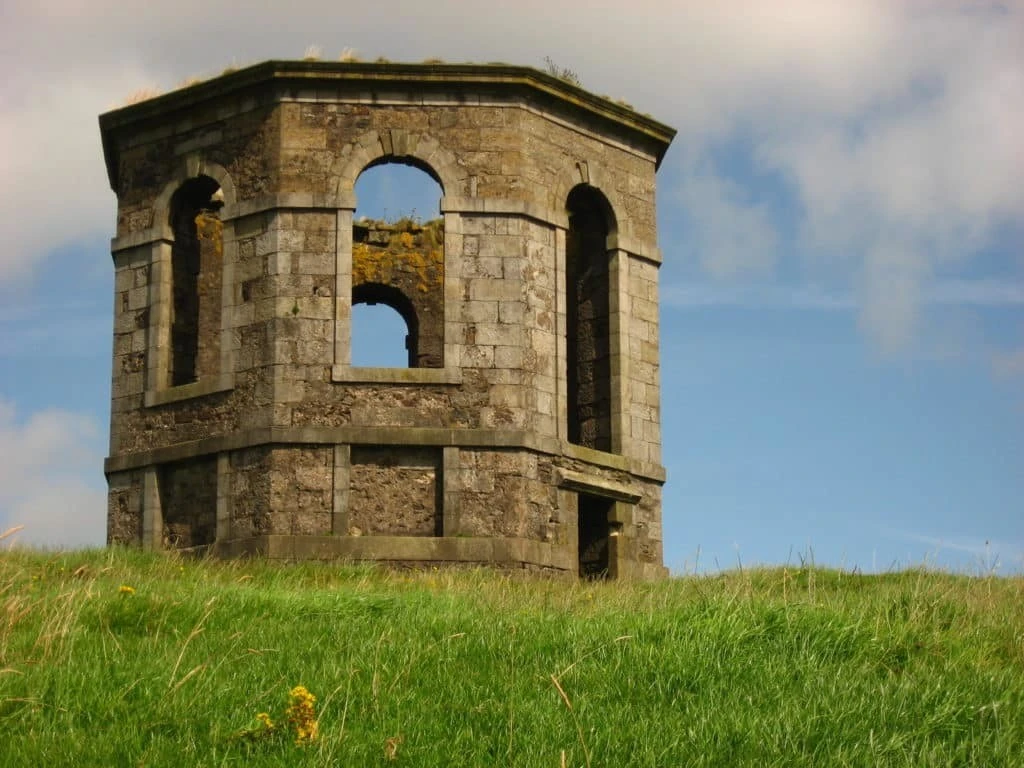
Little is known about this mysterious structure. Local folklore holds that this octagonal structure served as a place of worship for the landowner's servants or his foreign wife. Other legends claim it was a nursery for a sick child or a watchtower where ladies embroidered while watching their husbands out hunting. 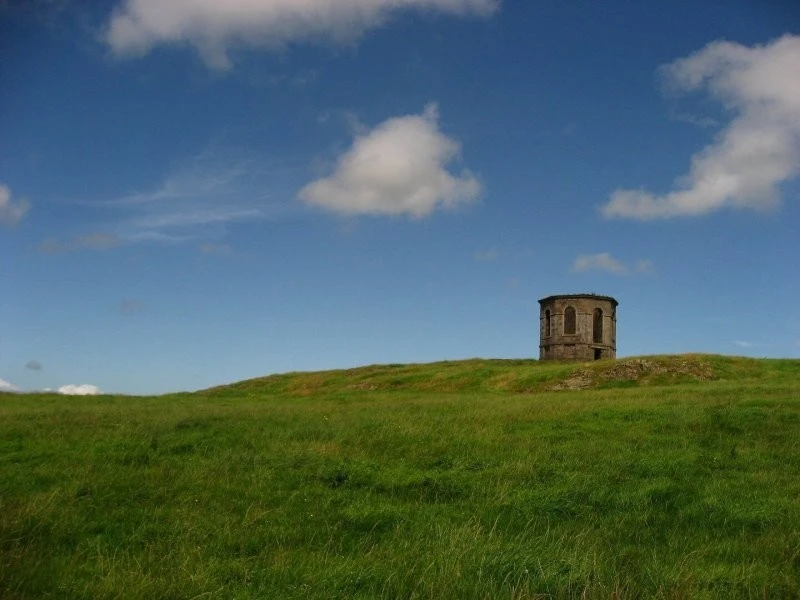
Documents indicate that the building was erected around 1760 for Colonel William McDowell, a wealthy merchant who made his fortune in the West Indies. The hill was originally lined with avenues of trees, a typical feature of summer houses of the era. 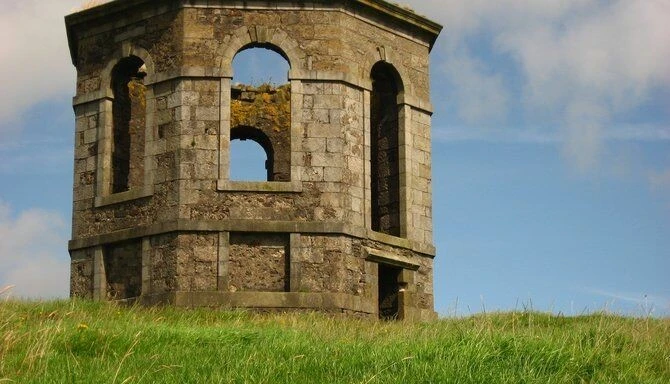
The design may have been inspired by James Gibbs's 1728 book, "The Book of Architecture, Containing Designs of Buildings and Ornaments," a sort of scrapbook of architectural ideas. 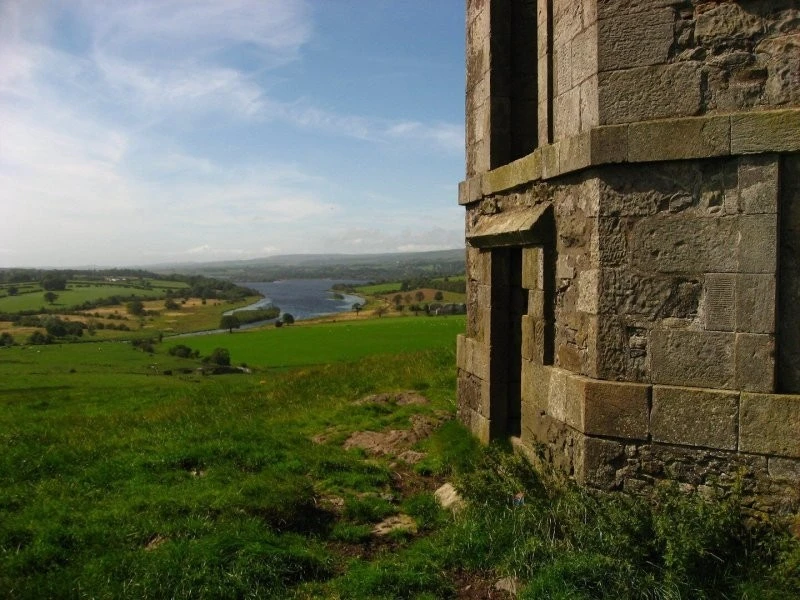
The very fact that so much mystery surrounds the building's purpose also suggests that it could very well have been a Masonic temple. Freemasonry was widespread in the area. 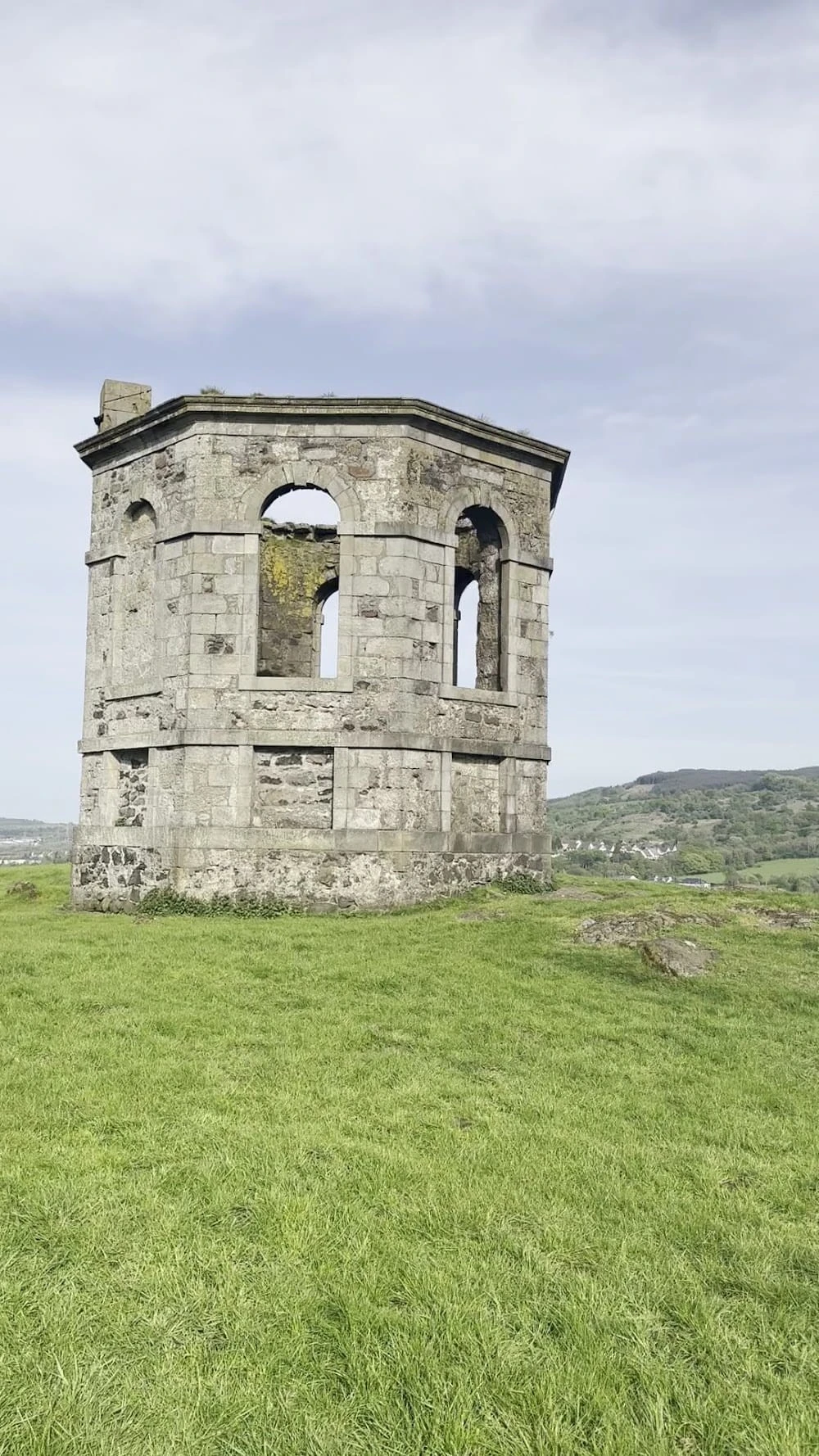
In 1830, a lightning strike and subsequent fire destroyed the roof. Despite this, the building remains in remarkably good condition, a testament to the high quality of its construction. 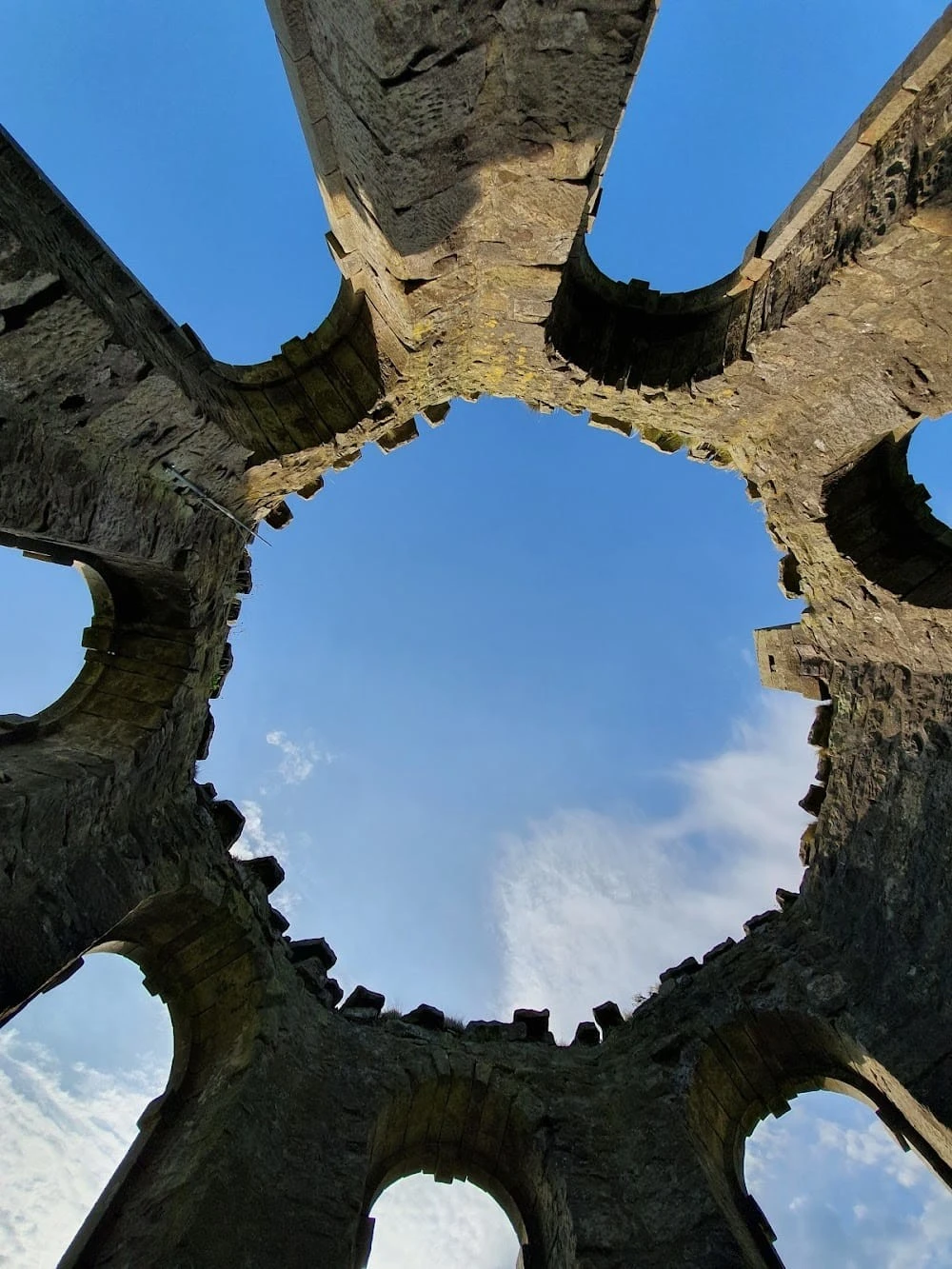
The temple on Kenmure Hill remains one of the most atmospheric and little-known landmarks in the area. Today, the ruins are open to the public, but no official restoration is underway. Local authorities maintain only minimal security. 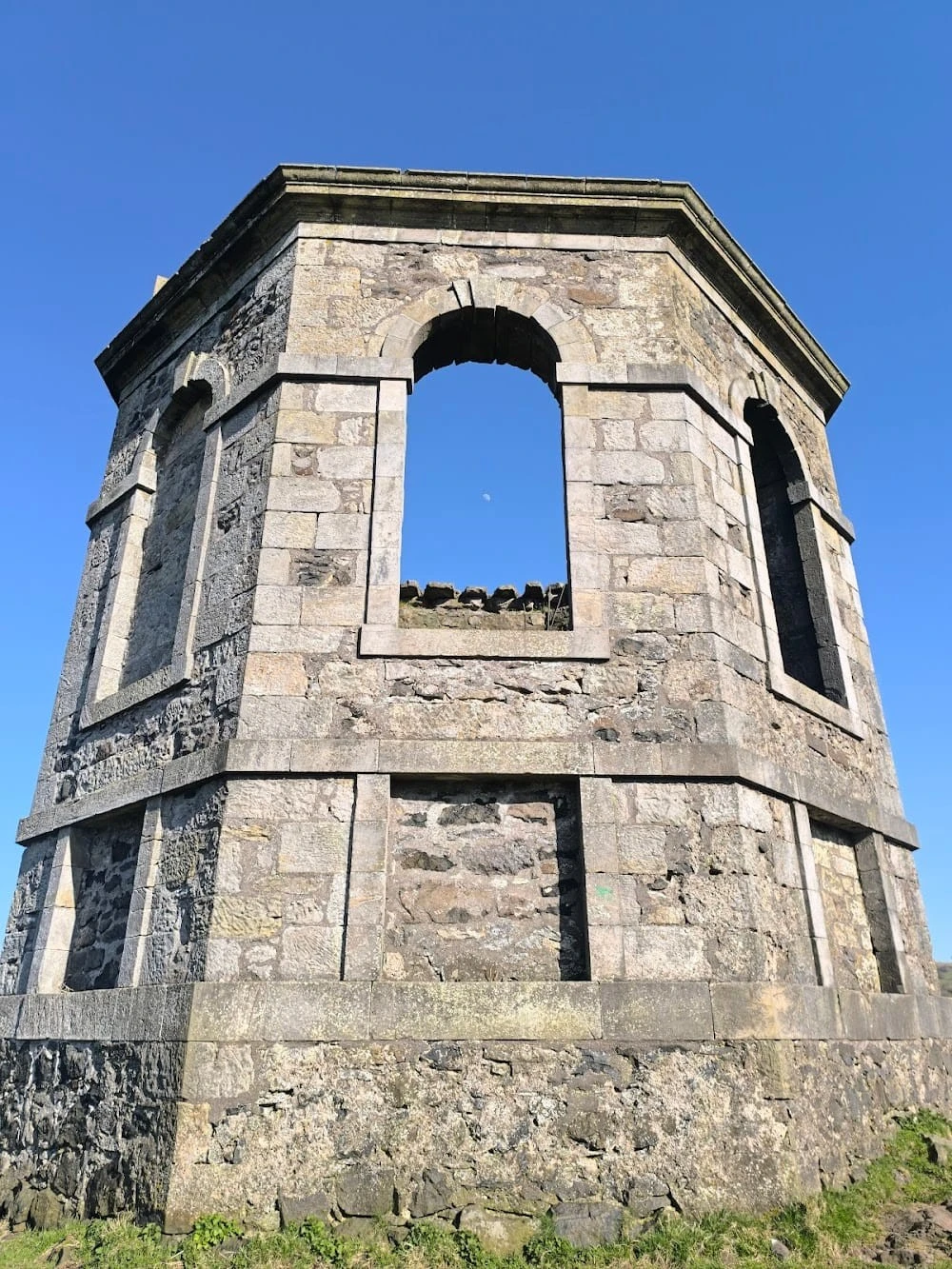
The site is popular with stalkers, photographers, and lovers of Scottish folk music, and locals still debate whether it was a temple, a chapel, a gazebo, or a Masonic lodge. The truth, as often happens with such places, remains somewhere between truth and legend.