Turnspit Dogs: The Mysterious Kitchen Breed That Is No More (9 photos)
Today’s dog breeds are generally categorized into groups: hunting, working, fighting, toy, and herding dogs. But if you had found yourself in England a couple of centuries ago, you would have known about another group: turnspit dogs. No, this has nothing to do with exotic Asian cuisine—though life for these domestic animals was certainly far from sweet. 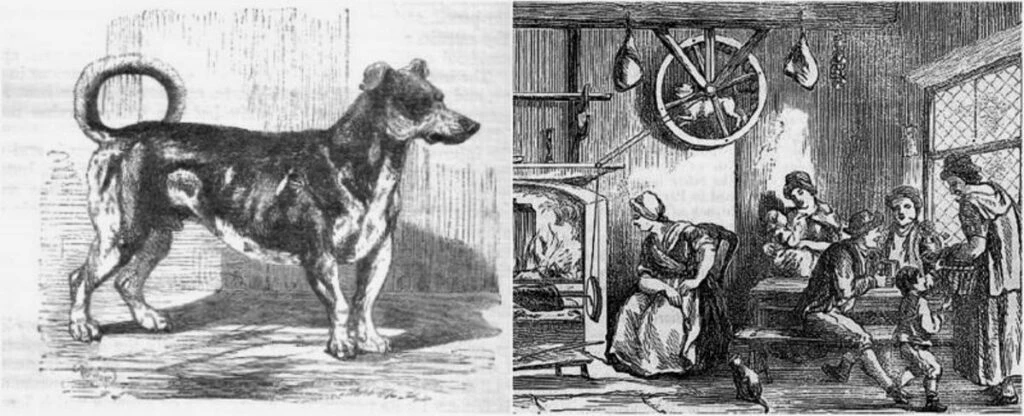
The history of turnspit dogs spans several centuries, with the British breeding and using them from the 16th through the late 19th century. While their story might strike us as bizarre and cruel today, back then, breeds like the "Turnespete" or Turnspit dog were as familiar as Boxers are today. 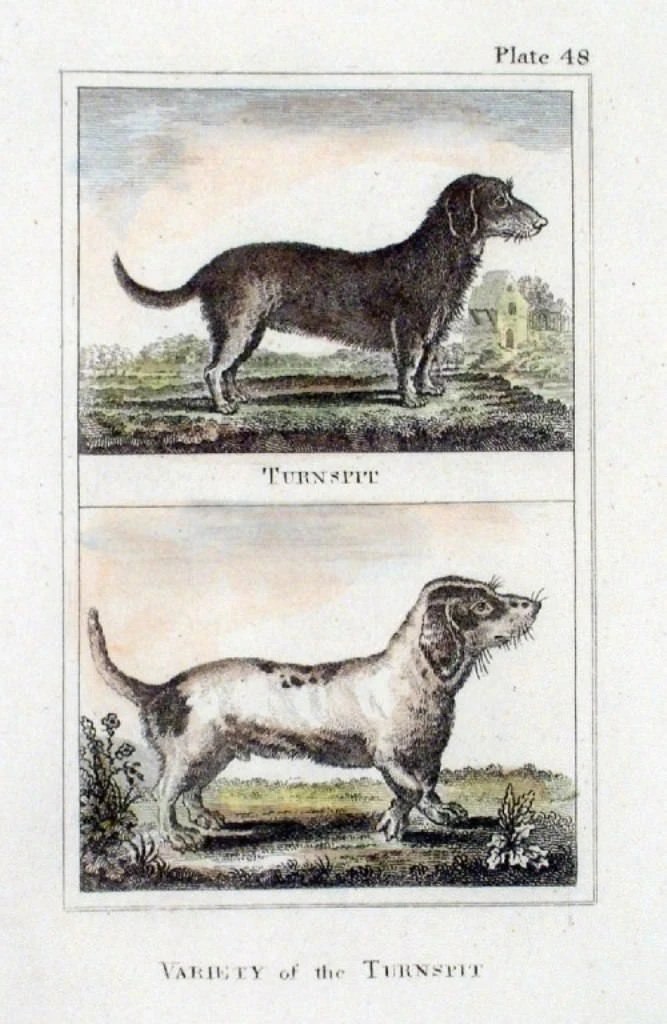
The first mention of turnspit dogs appears in the 1576 treatise
Of Englishe Dogges
. They were kept in homes, but lounging on the master’s bed or curling up by the fire was out of the question. Their sole job was turning the roasting spit over the kitchen hearth, powering a mechanism that ensured meat cooked evenly. 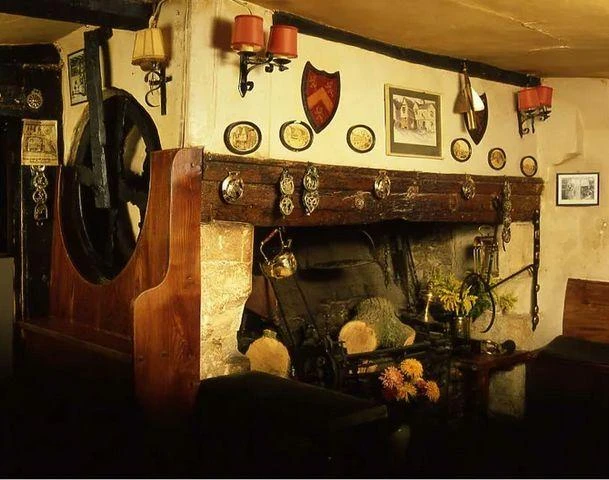
A kitchen featuring a hearth and a dog wheel
Renowned scientists such as Carl Linnaeus and Charles Darwin mentioned the breed in their works. Zoologists documented several variations of turnspit dogs—both short-haired and long-haired—assigning them the Latin name
Canis vertigus
. Though the breed is now extinct, historical records offer a wealth of information about these remarkable animals.
The Origins of Turnspit Dogs
Bred specifically for kitchen labor, these animals were unmistakable. Turnspit dogs were small, with long bodies and sturdy frames set on short, crooked legs. Their coats varied in color, though most were dark grey with distinct dark patches. 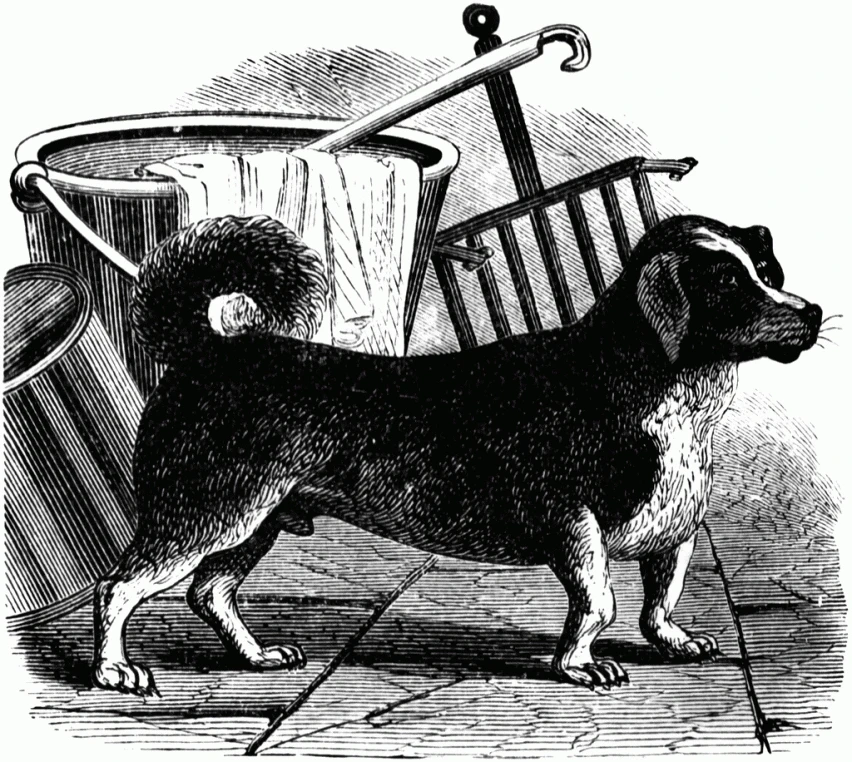
Unfortunately, the precise origin of the breed remains shrouded in mystery. Who first thought of using dogs to turn a spit—and selectively bred them for the job—is lost to history. Several theories exist regarding their lineage, with Welsh Corgis and Glen of Imaal Terriers mentioned most frequently. 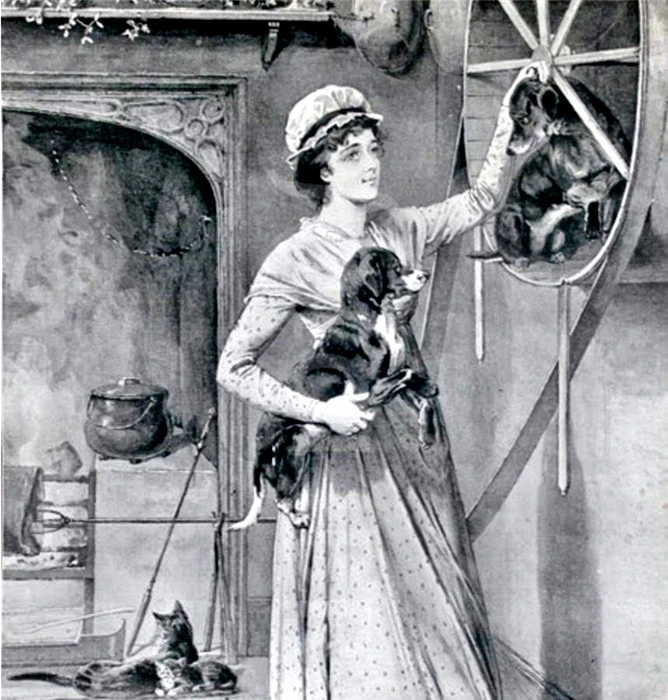
To the British of the era, these dogs held little charm or appeal. Viewed strictly as utility animals, no pedigrees or studbooks were ever kept. As a result, the turnspit dog gradually faded into obscurity, becoming another mysterious chapter in canine history. Today, only experts and historians piece together fragments of information about this lost breed.
A Dog's Work
Roasting meat or poultry on a spit was demanding work. Beyond proper butchery and spices, maintaining the right cooking temperature required constant vigilance. Once mounted over the fire, the spit had to be kept in continuous motion so the meat cooked evenly without scorching on one side. In British kitchens, this crucial yet monotonous task fell to the turnspit dog. 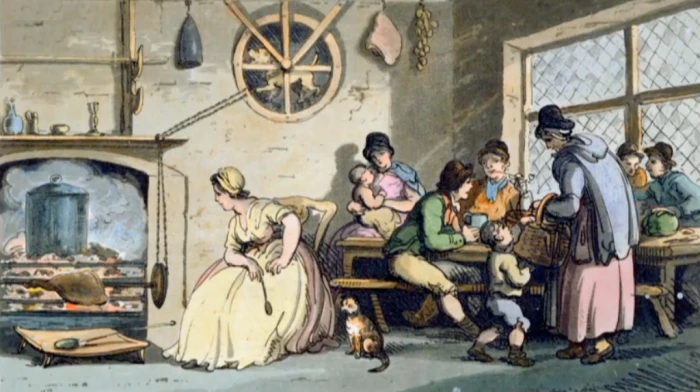
A wooden running wheel—resembling giant hamster or squirrel wheels—was built next to the hearth. Connected to the spit mechanism via a simple pulley system, the wheel turned as the dog walked steadily inside it. To ensure efficiency, dogs were trained for the job from a young age. 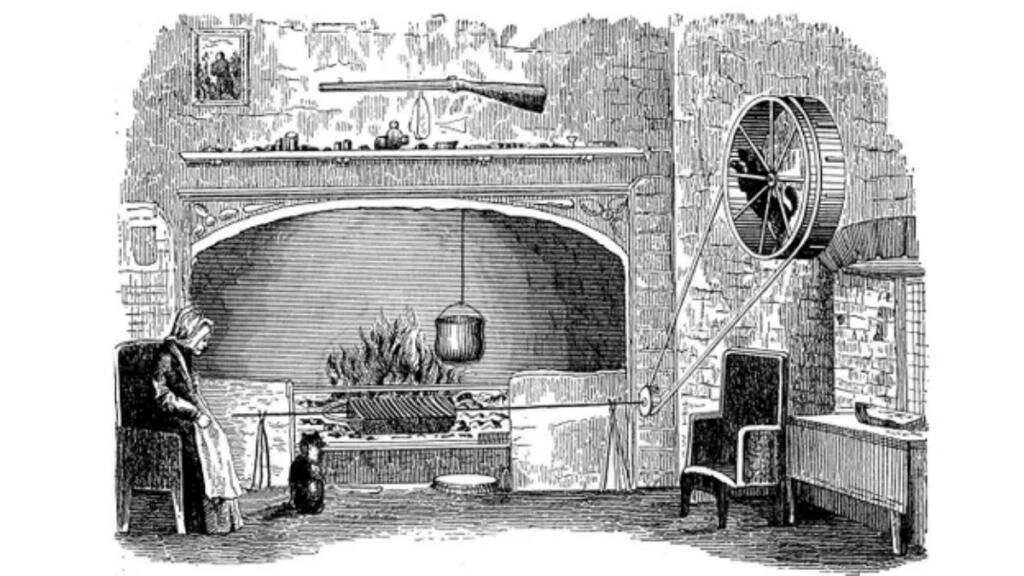
When cooking large animal carcasses, larger wheels were used that accommodated two or even three dogs at once. The breed was also put to work churning butter, harnessed to walk in circles and drive a vertical axle with paddles. They were even used outside the kitchen; for example, turnspit dogs were sometimes employed to power the bellows in blacksmith forges. 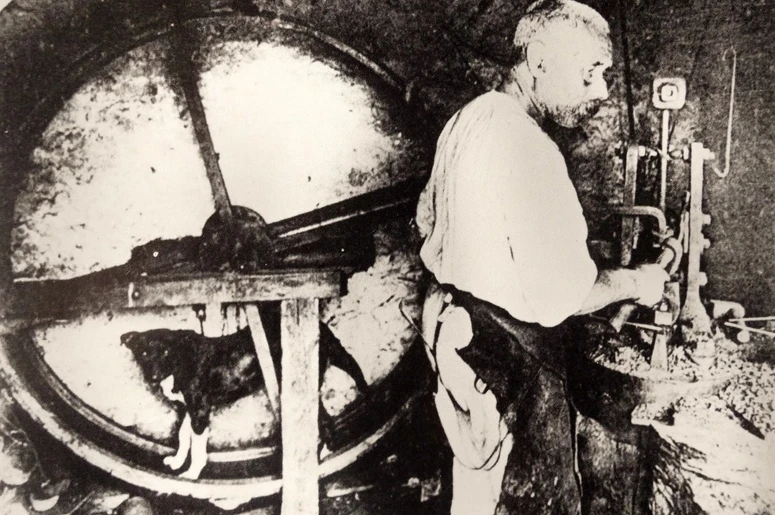
A turnspit dog powering forge bellows
In any case, life for these dogs was grim and exhausting. Conditions were particularly harsh in busy taverns, where meals were prepared constantly. Roasting meat was a slow process—cooking a side of beef could take up to four hours—during which the dogs slaved away in the sweltering heat of the kitchen. 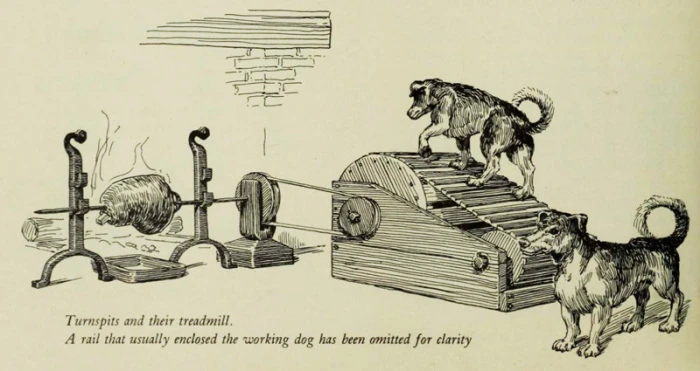
One variation of a spit-turning mechanism
Turnspit dogs began to fade from use in the late 19th century as steam and electricity replaced animal power. Sadly, the cruel exploitation of working dogs hasn't entirely disappeared from Europe—a prime example being the fate of Spanish Galgos, greyhounds that are far too often treated as disposable tools.