The world is full of amazing details—sometimes so unusual that they're hard to believe. We've compiled a selection of facts for you from various fields: from biology and physics to history and linguistics. 
1. The platypus glows in the dark 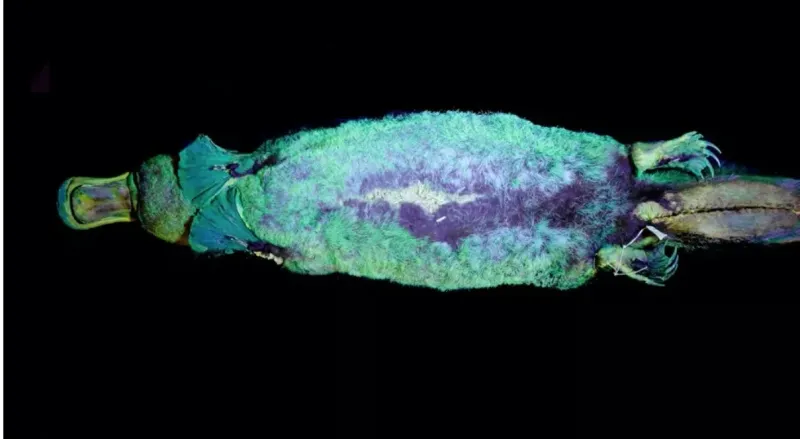
Under ultraviolet light, the platypus's fur begins to fluoresce with a greenish-blue light. Scientists haven't yet determined the purpose of this feature, but they speculate it may aid in communication or camouflage in moonlight.
2. There are no mosquitoes in Iceland 
Despite the humid climate and abundant water, not a single species of mosquito is found on the entire island. This is likely due to the sudden and frequent temperature changes, which prevent the larvae from completing their developmental cycle.
3. Bananas are slightly radioactive 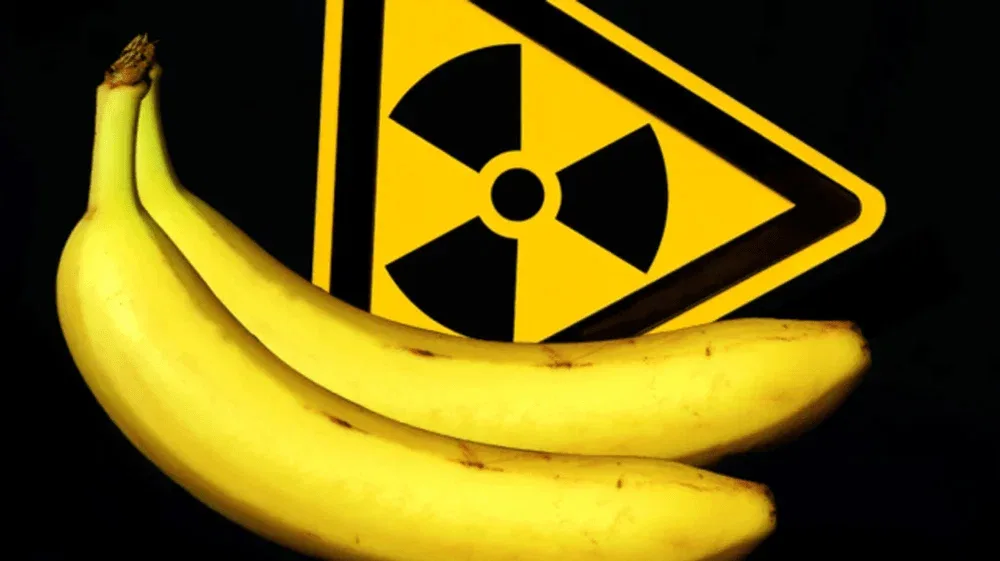
Bananas contain the isotope potassium-40, a natural source of radiation. The dose is negligible and not dangerous to humans, but physicists have even coined a humorous unit of measurement—the "banana equivalent dose"—to compare small doses of radiation with what a person receives from eating a single banana.
4. Bees have five eyes 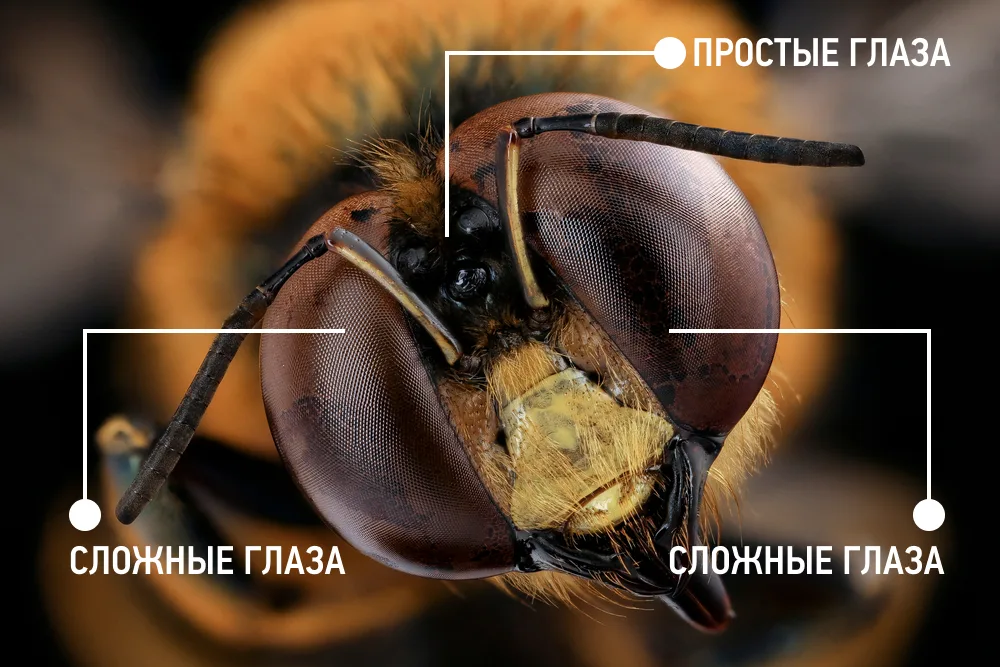
Each bee has two large compound eyes on the sides of its head and three small simple eyes on the top. The latter help it detect light levels and navigate by the sun.
5. There's a word in the English language that contains 189,819 letters 
This is the full chemical name of the protein titin—the largest known protein. It would take several hours to read it out loud. In everyday speech, of course, the shortened name "titin" is used.
6. Lightning heats the air to a temperature higher than the surface of the Sun. 
The temperature of a lightning discharge can reach 30,000°C—five times hotter than the surface of the Sun (≈5,500°C). However, the heating lasts only a fraction of a second and affects a very small volume of air.
7. Octopuses have three hearts 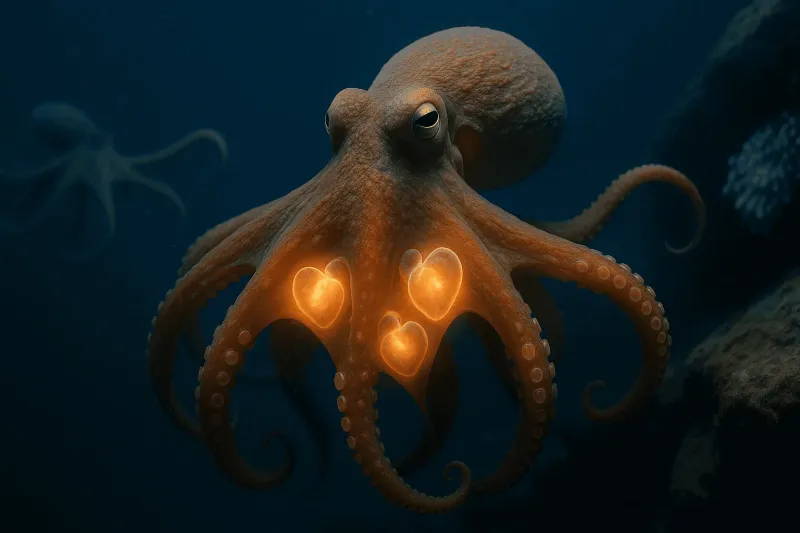
Two hearts pump blood to the gills, and the third ensures circulation throughout the body. Octopuses' blood is blue because of hemocyanin, a protein containing copper instead of iron.
8. In the Middle Ages, cats were sometimes tried for crimes. 
In Europe from the 14th to 17th centuries, there were recorded cases of animals, including cats, being tried. They were accused of "witchcraft" or property damage, sentenced to punishment, and even executed.
9. The Earth makes one "extra" rotation per year than it appears 
In a calendar year, the Earth makes 366 rotations around its axis, not 365. The difference arises because the planet simultaneously orbits the Sun: as a result, each solar day is slightly longer than a celestial day.
10. Honey Never Spoils 
Archaeologists have found edible honey in ancient Egyptian tombs over 3,000 years old. Thanks to its low water content, high acidity, and the presence of natural antiseptics (such as hydrogen peroxide), honey is virtually impervious to bacteria and mold.
Add your comment
You might be interested in:













Persistence in achieving a goal

A biker prevented a hit-and-run driver from escaping

17 Photos That Will Stop You in Your Tracks (18 Photos)

Not everyone is having fun on the amusement ride

The cutest lunch delivery ever

Stunning Views of the Martian Horizon from 400 Kilometers

A book titled "A Guide to Rebuilding

Young women, Dancing and George Michael: nothing superfluous

An apology delivered with a running start
