Siafu is a genus of army ants native to the central and southern African jungles. Their black and red columns send not only insects but also mammals fleeing in panic. And all thanks to their queen. 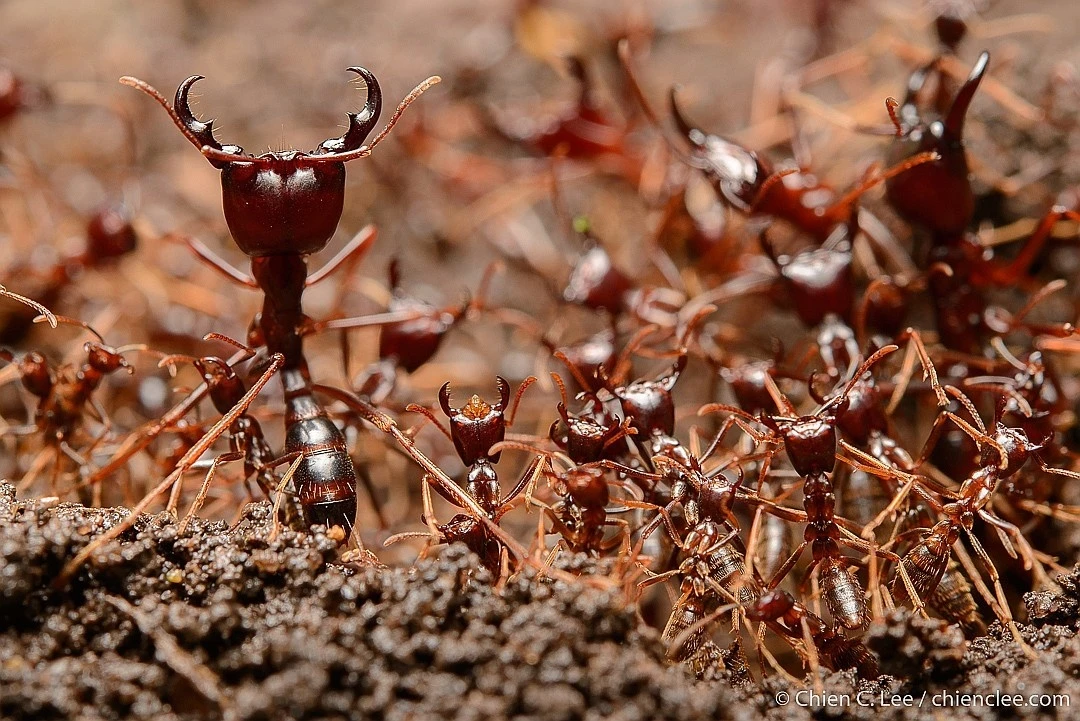
The monsters whip up morale before the harvest.
Siafu is a genus of army ants native to the central and southern African jungles. The black and red columns of these ants send not only insects but also mammals fleeing in panic. And all thanks to their queen. 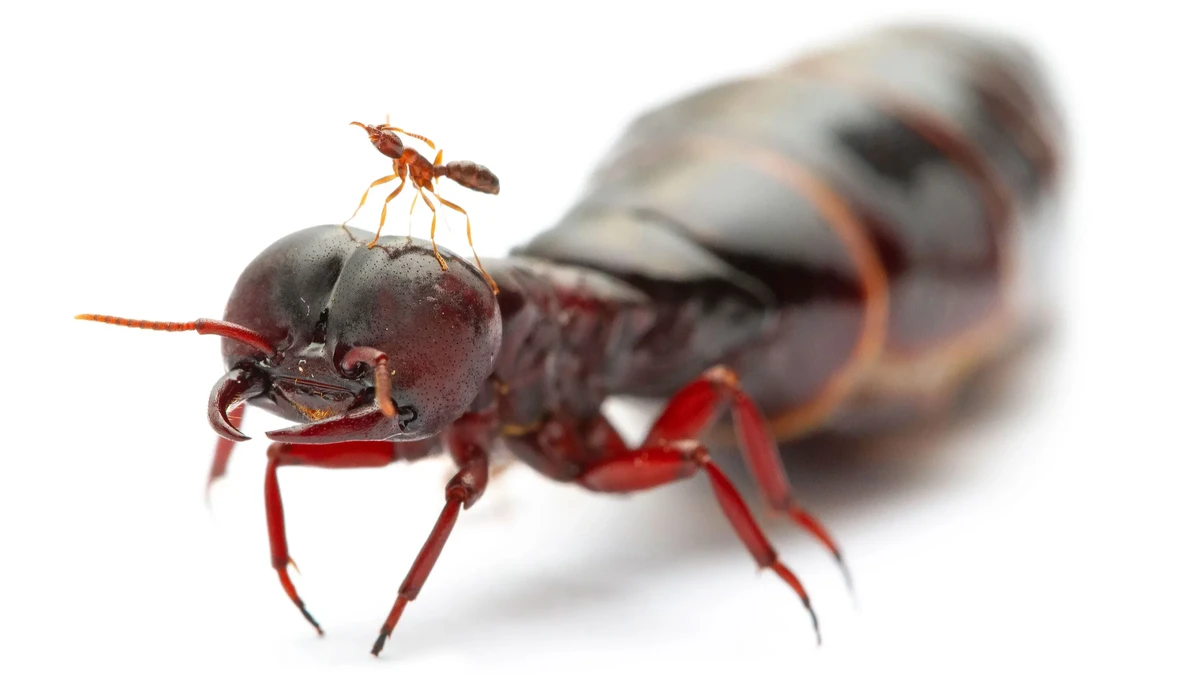
A mother and her worker daughter. 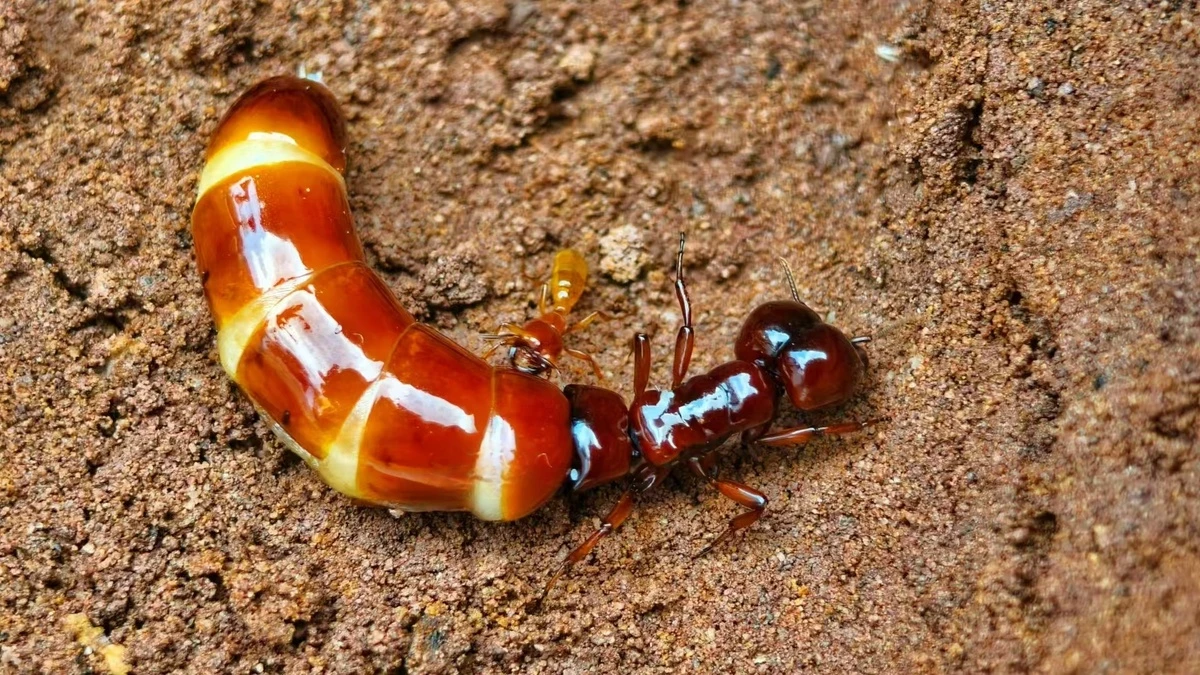
An incubator on a walk.
Siafu queens are powerful creatures, measuring 6 centimeters. A female this size is extremely fertile, so a siafu colony can reach 20 million individuals. Columns of this size are dangerous even to humans, as they can eat someone alive who has passed out or is drunk to the point of unconsciousness. African peoples once practiced execution by simply tying the condemned person in the path of the swarm. 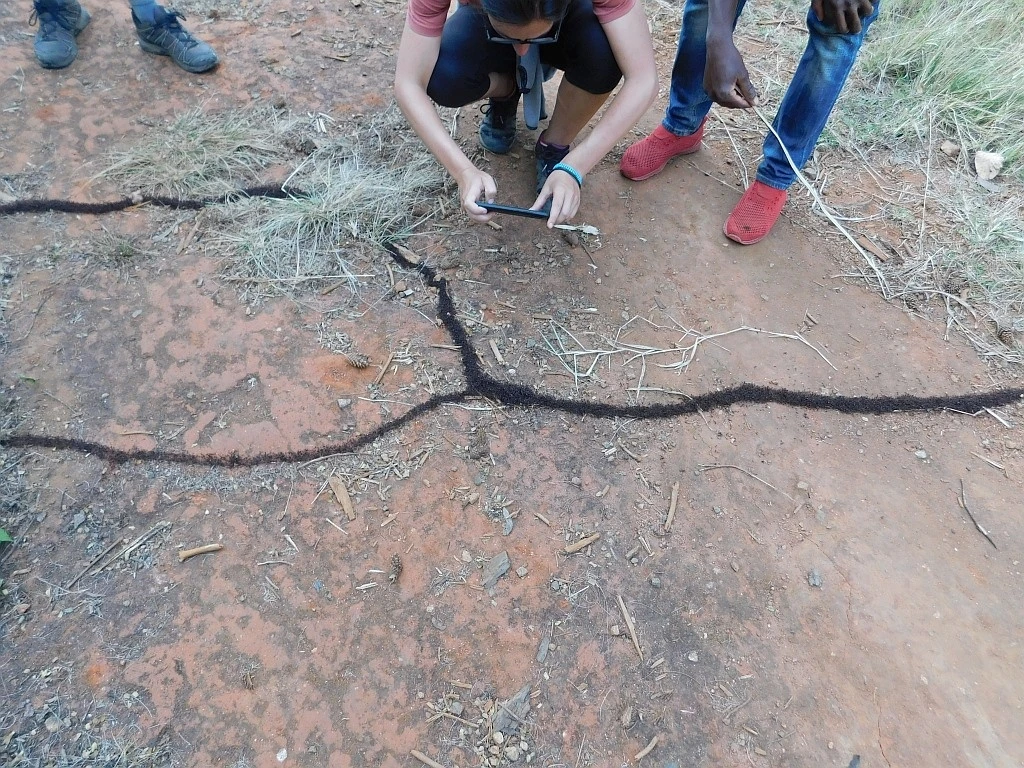
Literally a river of death. 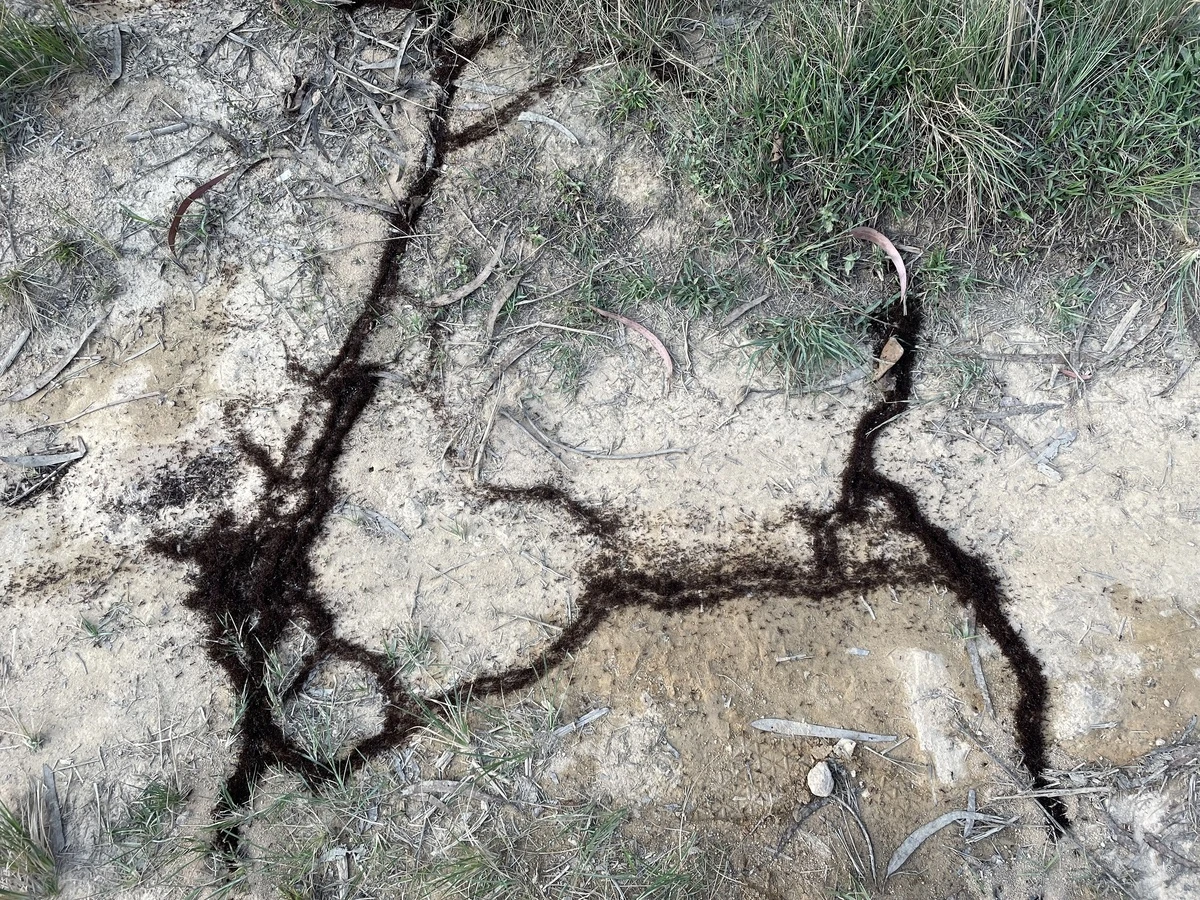
I hope they're not trying to draw something obscene...
But overall, the jungle natives have a quite positive attitude towards them, because if an armada of siafu passes through a field, there won't be any pests left. All the beetles, snails, aphids, along with the ants guarding them, and even rats will simply disappear into the stomachs of the army ants. 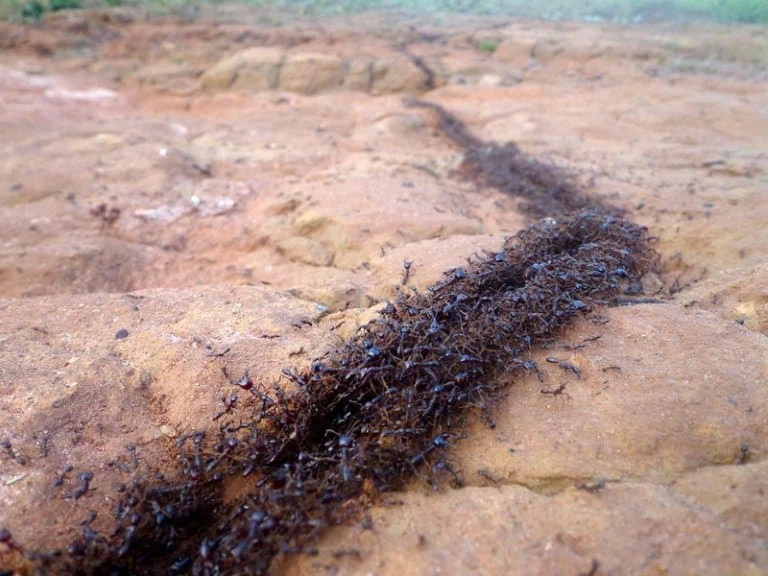
Let's move on, don't linger! 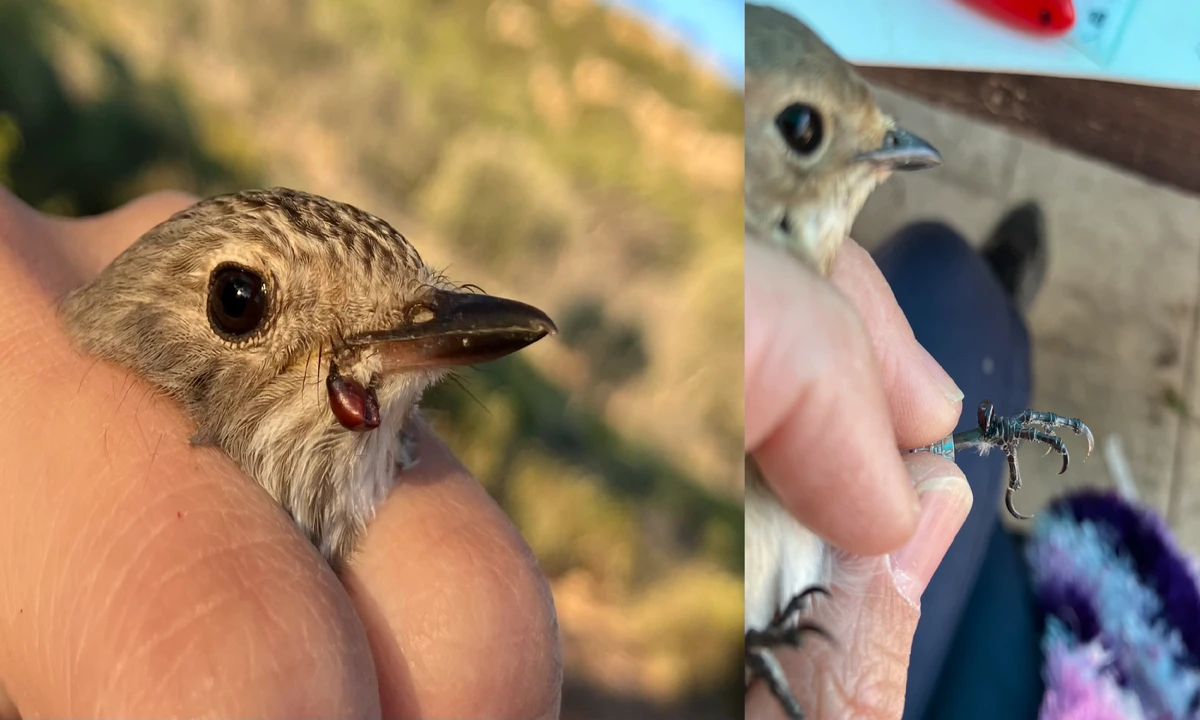
Even a bird might not have time to escape. These photos show the soldier ants' heads firmly stuck in the bird.
At first glance, it might seem like the ants in the column are moving haphazardly, but this is not the case. The ants march in a precise formation, and the position of each individual depends on its caste. Workers always walk in the center of the column, carrying queens, larvae, and eggs. Worker ants are comparable in size to the familiar red ants and are unremarkable, except for being divided into three subdivisions—small, medium, and large. 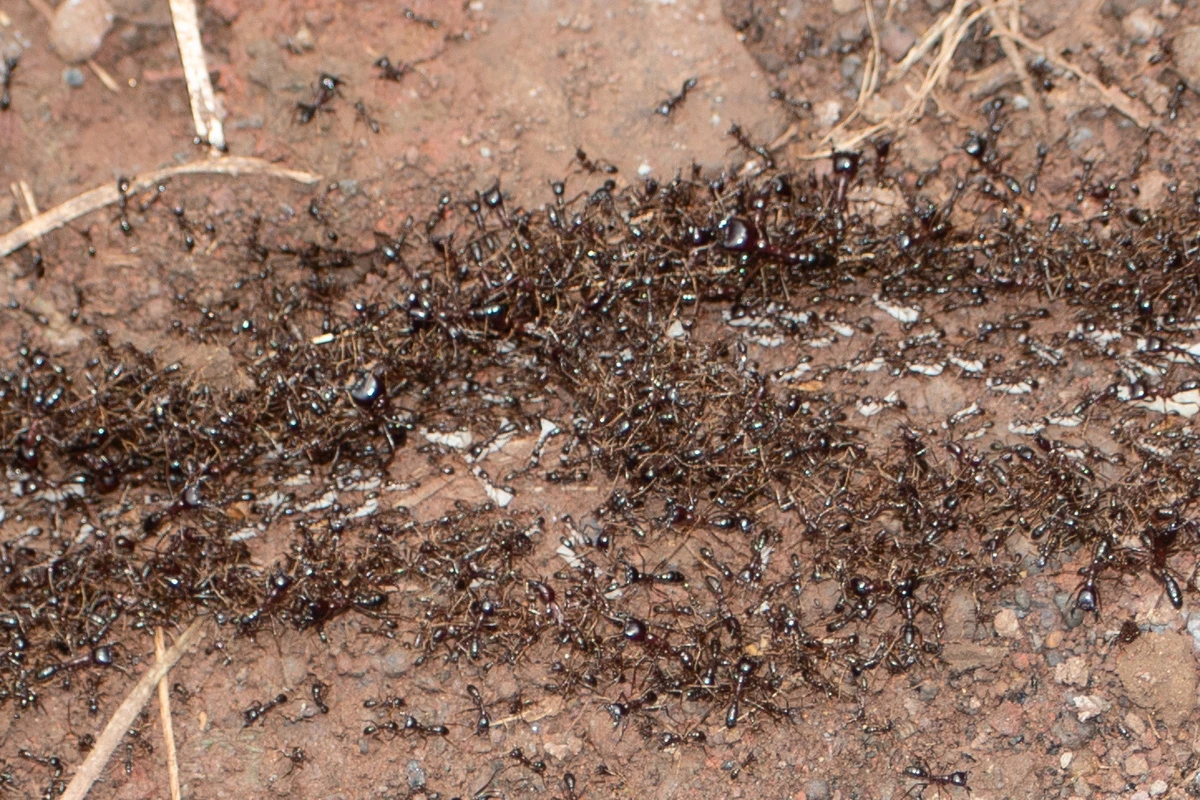
In the center of the improvised road, workers carry the most valuable goods—eggs and larvae. 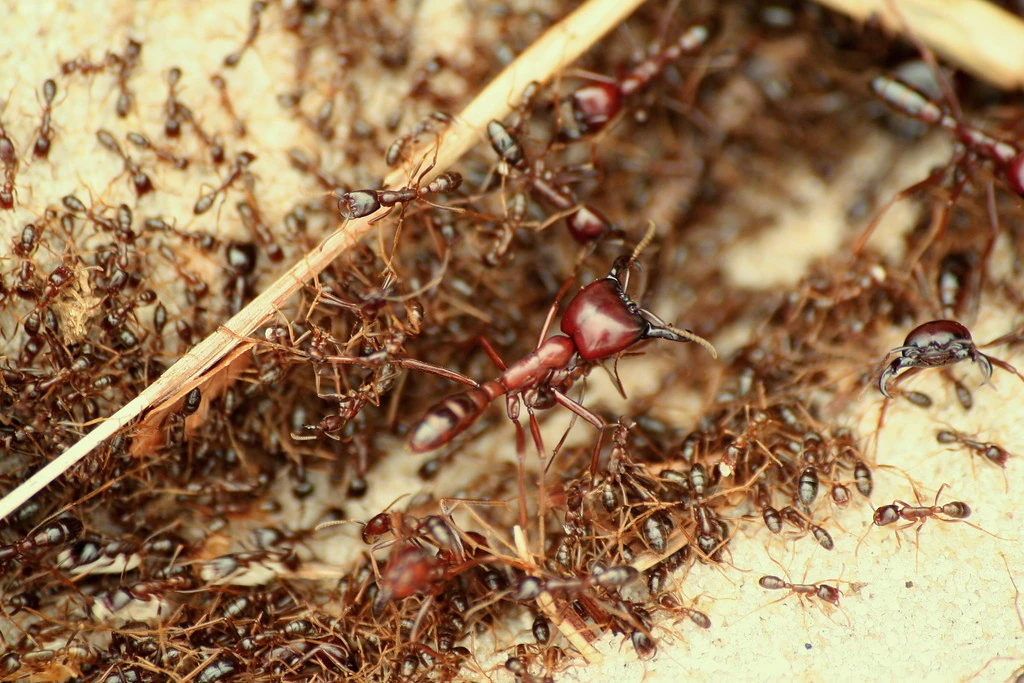
Visual distinction between soldiers and workers.
The soldiers guarding their flanks are a different matter entirely. The average soldier is an insect over a centimeter long, with a powerful head and curved mandibles. These mandibles are so powerful that they allow the soldiers to snap insects in half! And as if that weren't enough, the soldiers possess a small but sharp stinger with paralytic venom. It's not strong enough to cause significant harm to a human. But against other insects, it's a formidable weapon. Especially when numbers are on their side. 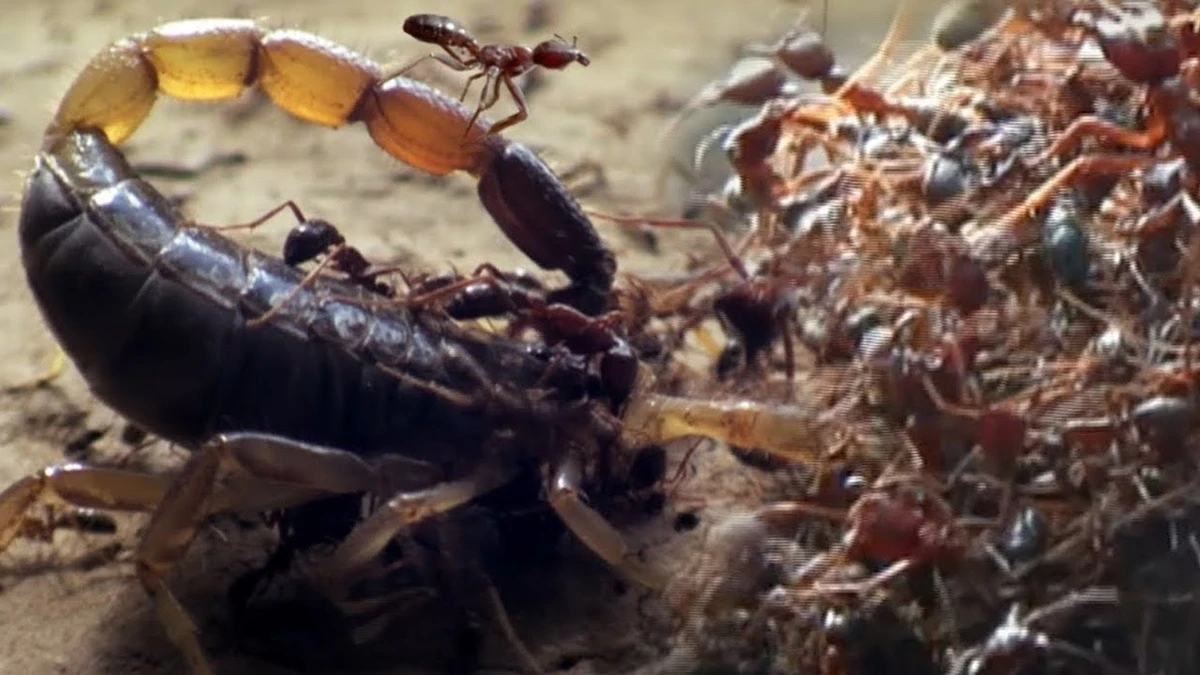
A triumphant attack on a scorpion. 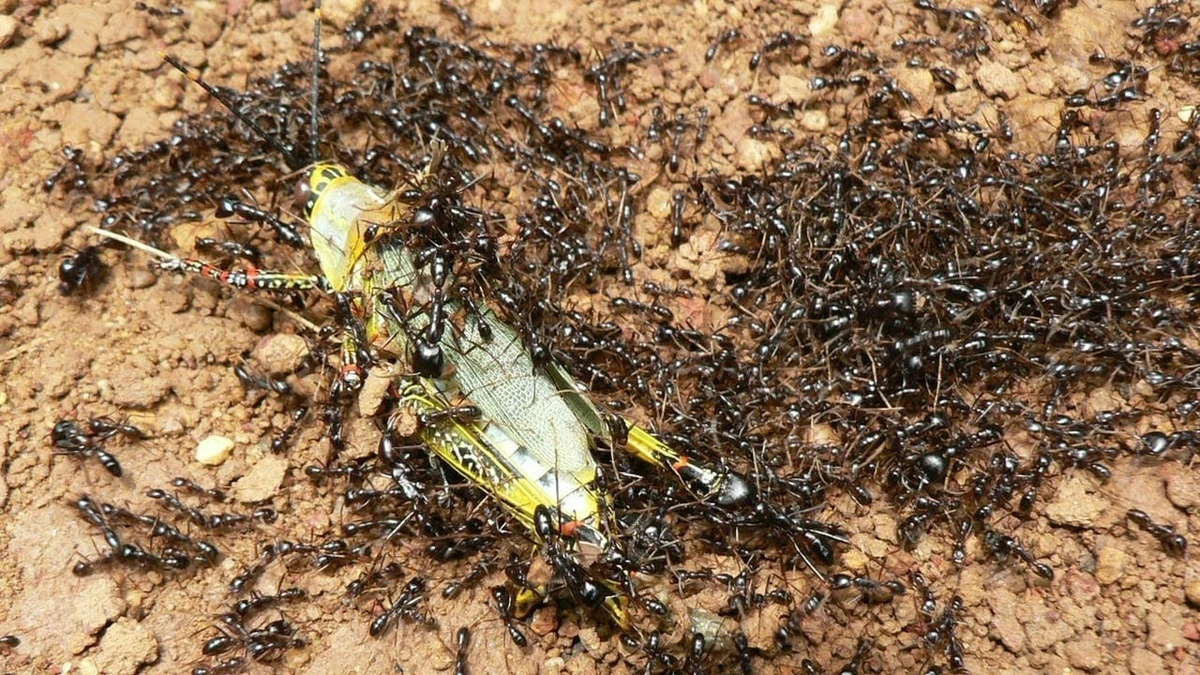
This is a case where quality is nothing against quantity.
When an ant colony has accumulated enough biomass in its crops and stomachs, it will form a temporary campsite—a bivouac. Unlike other nomadic species, siafu nests are underground, but large clusters can also be seen aboveground. 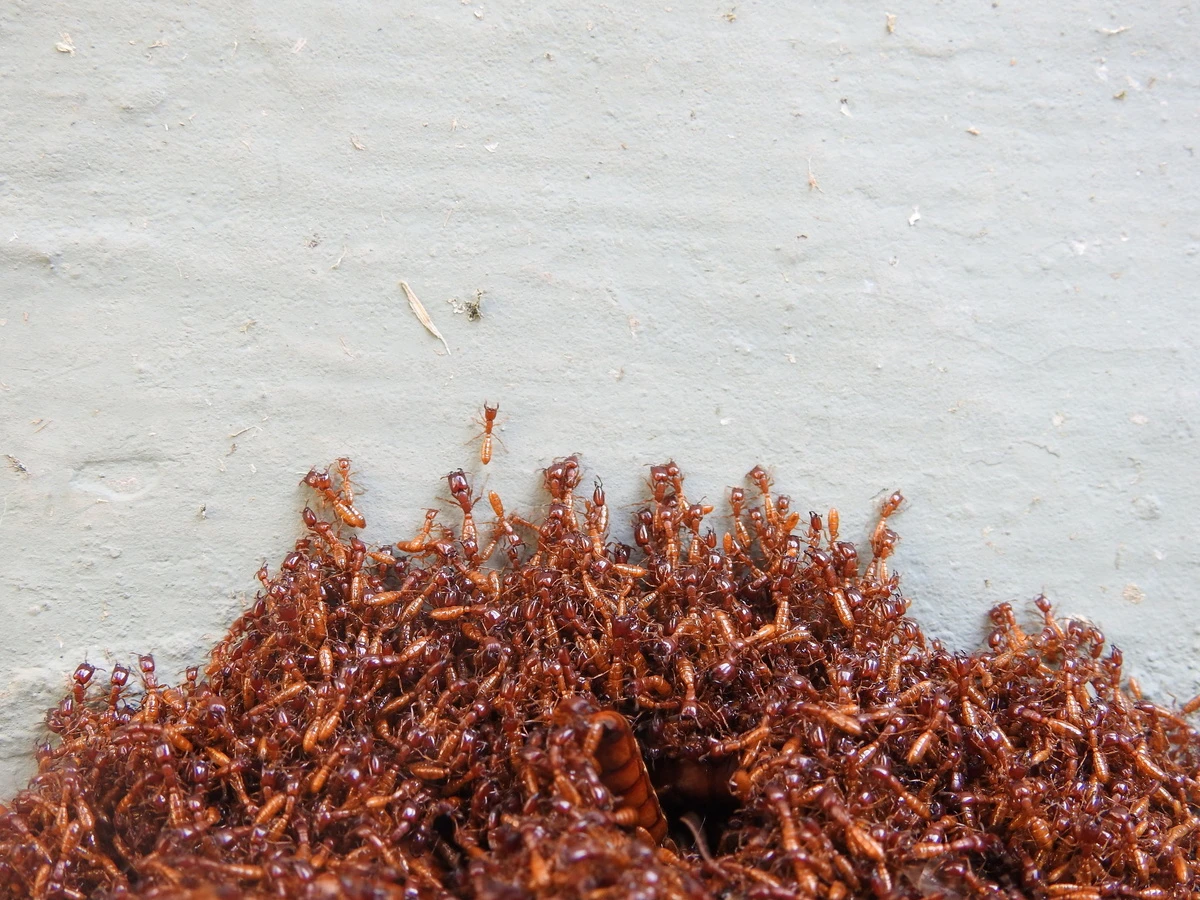
When I invited all my friends from the yard to a get-together. 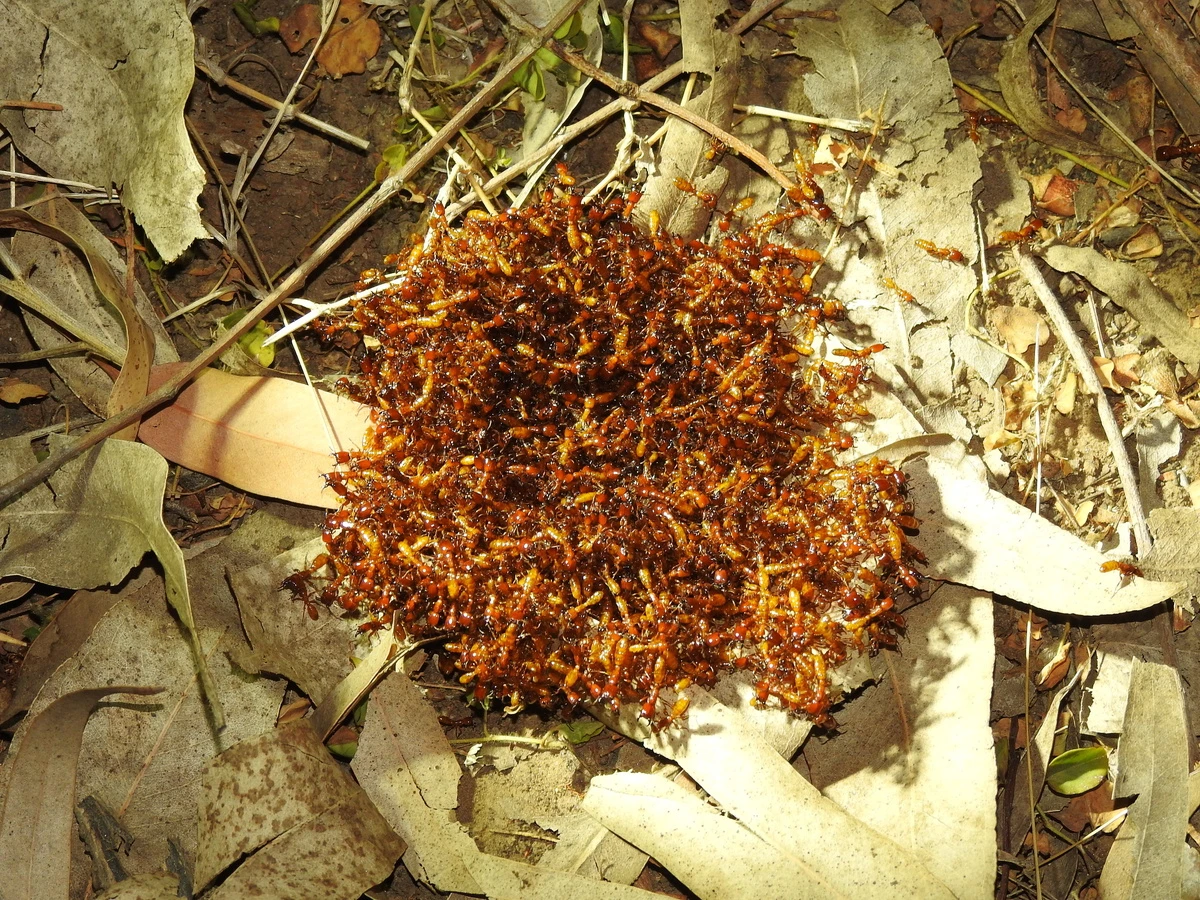
Mmm... "anthill" cake.
They stay in this temporary encampment, the walls of which are made up of worker ants, for anywhere from three days to three months. During this time, they even somewhat resemble regular sedentary ants and feed from their territory. However, a significant portion of their diet in a sedentary environment consists of earthworms, which is quite unusual. 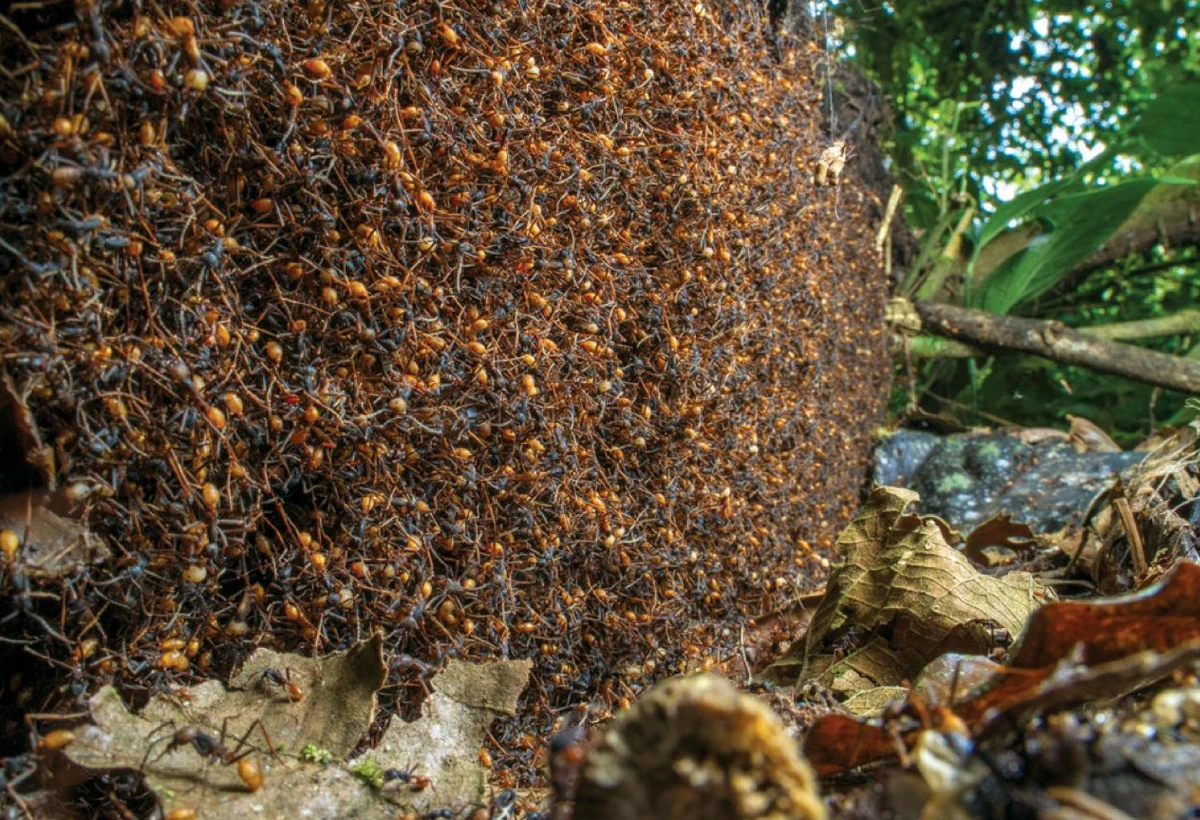
Of course, you can't see the siafu's underground bivouac. But here's a photo of a South American army ant camp. To give you an idea of the scale. 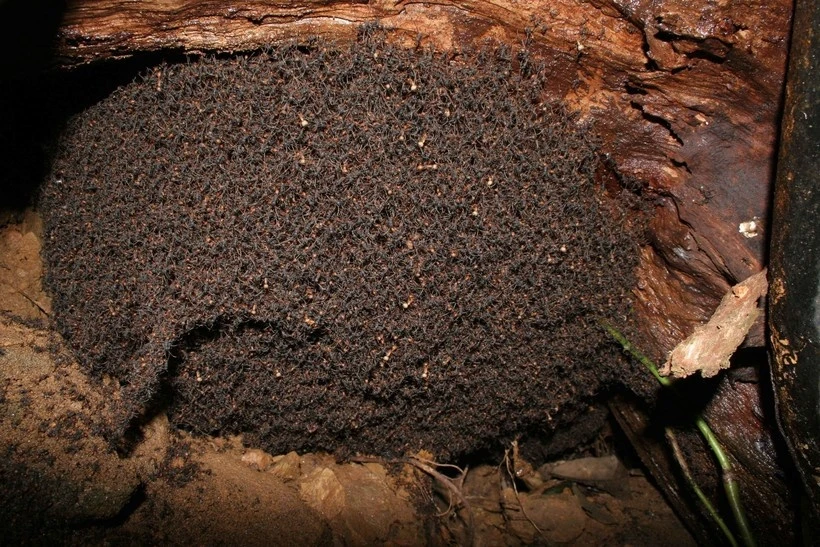
This is also a bivouac of South American nomads.
While foragers and soldiers try to compensate for the nest's rapidly depleting reserves, the queen ant begins producing an insane amount of eggs. Over the course of a month in the camp, she gives birth to 3 to 4 million babies, which are quickly raised by her army of servants. However, among her offspring are not only workers and soldiers, but also princes and princesses. The former will leave the colony as soon as they are strong enough, but the latter are more interesting. 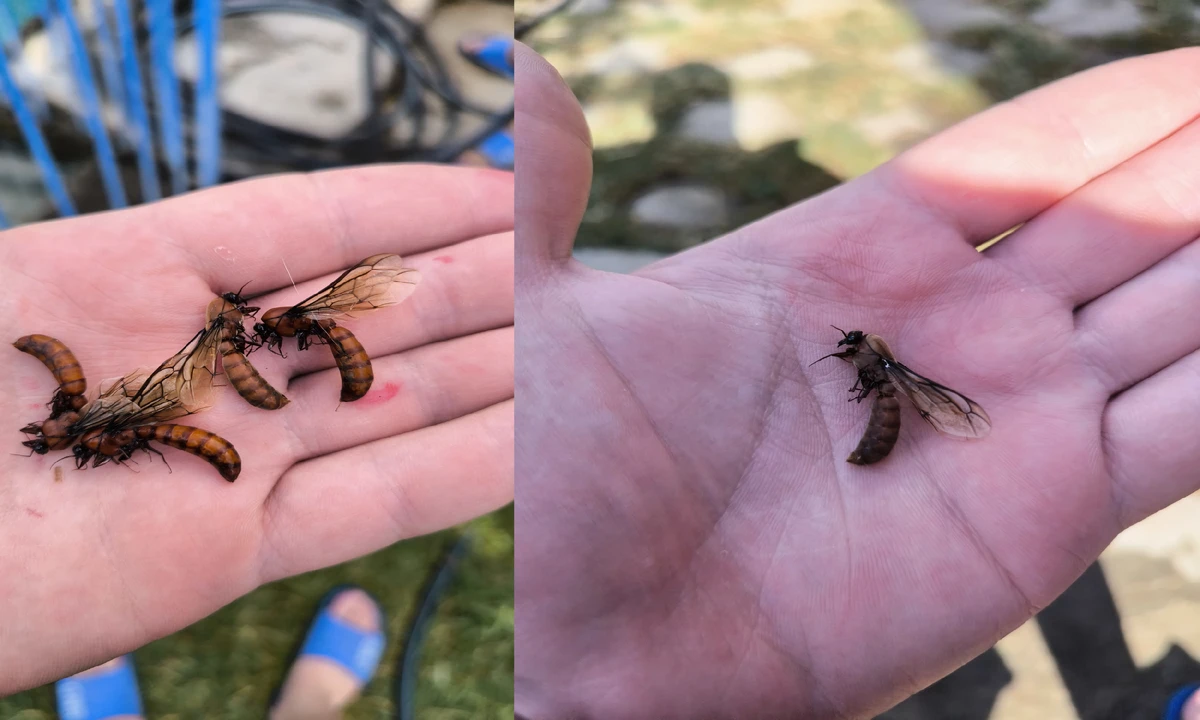
Siafu Princesses and Princes 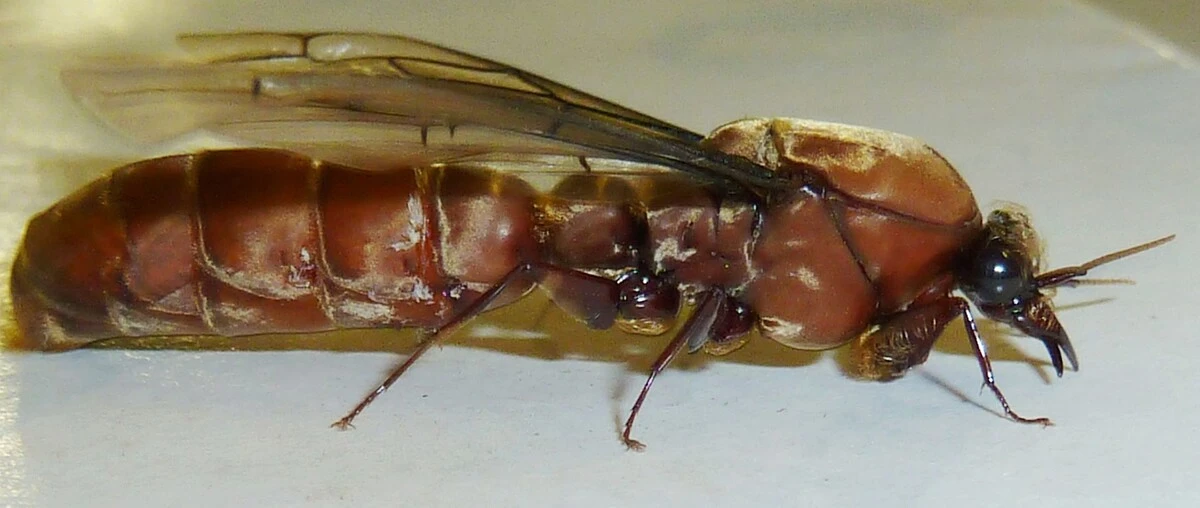
In ants, males serve as disposable carriers of genetic material. It's even more surprising that in siafu, they are not much smaller than females.
Females will fight each other until only one future queen remains in the colony. Princes from other colonies will flock to the sweet scents of the victorious one. The victor will have the opportunity to mate with a couple dozen males. After this, the old queen will allow the new one to take part of the swarm with her, and their paths will diverge. Now two armies will simultaneously clear the jungle of all life in their path.
Add your comment
You might be interested in:













Persistence in achieving a goal

A biker prevented a hit-and-run driver from escaping

17 Photos That Will Stop You in Your Tracks (18 Photos)

Not everyone is having fun on the amusement ride

The cutest lunch delivery ever

Stunning Views of the Martian Horizon from 400 Kilometers

A book titled "A Guide to Rebuilding

Young women, Dancing and George Michael: nothing superfluous

An apology delivered with a running start
