Elon Musk Launches Tesla Cybercab Without Steering Wheel and Pedals (6 photos + 1 video)
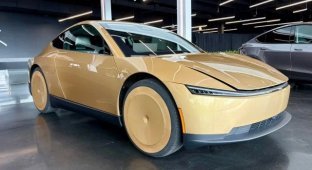
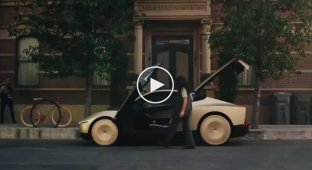
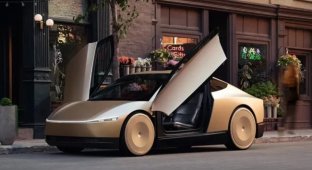
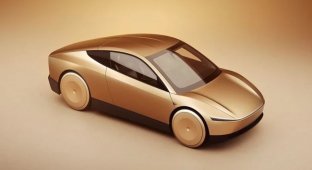
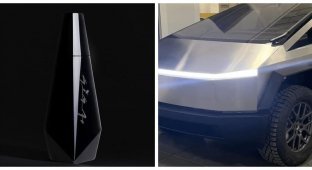
Elon Musk has officially announced the start of serial production of his latest ambitious project, the Cybercab robotaxi. 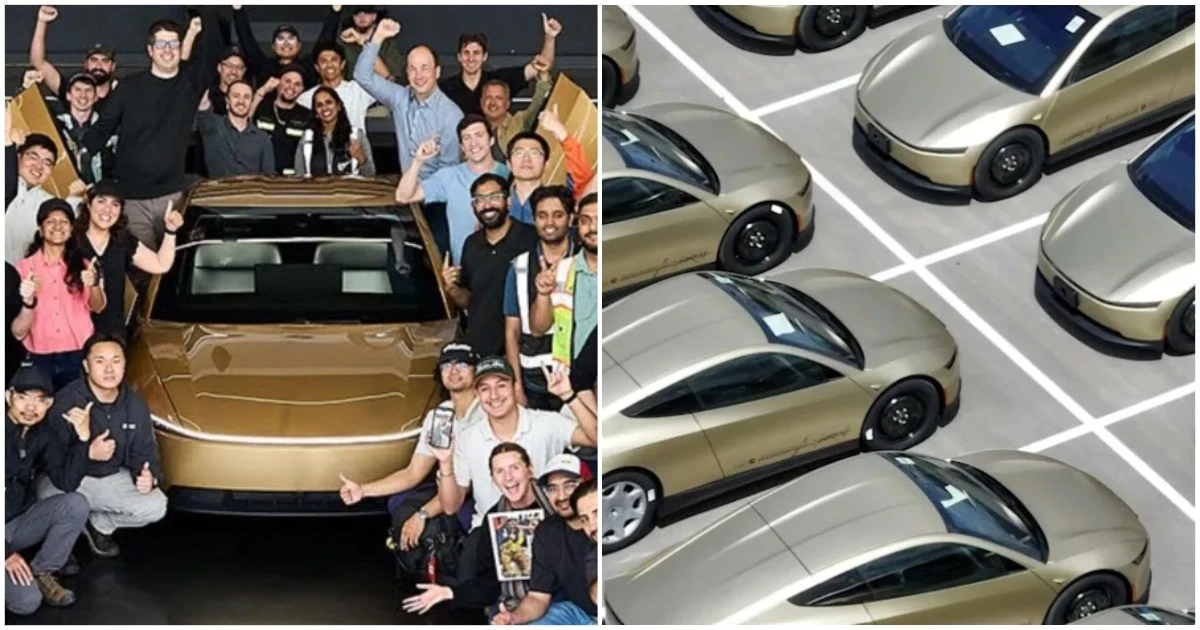
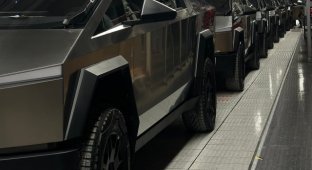
In April 2026, the first production models of the vehicle, which has no steering wheel or pedals, began to be assembled at a factory in Texas. Musk promises a price of $30,000, which sounds impressive, but experts are skeptical. 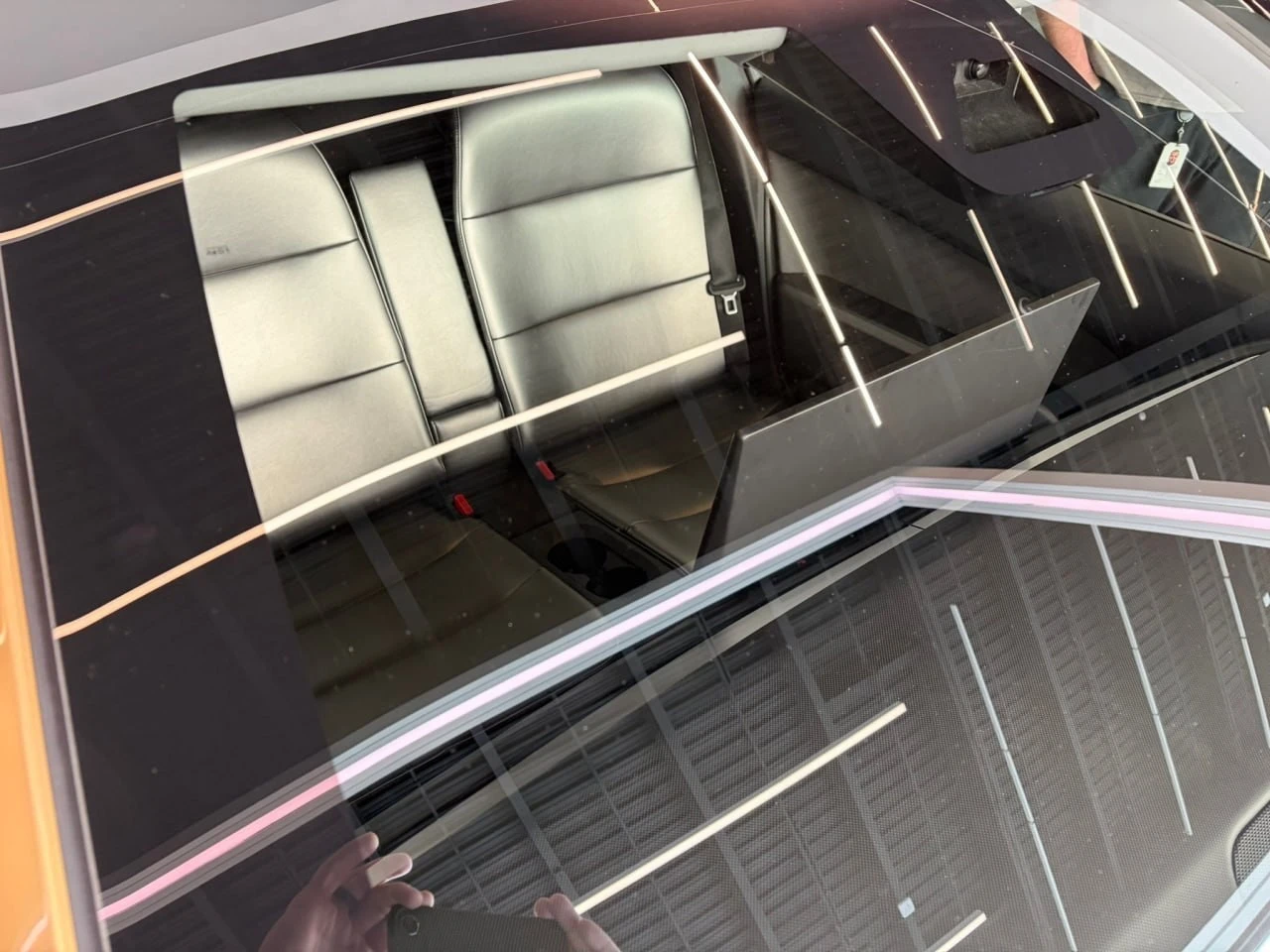
The Cybercab's technological minimalism borders on asceticism: there's no steering wheel, pedals, or rearview mirrors in the cabin. All control is delegated to the updated AI5 chip and camera system, for which engineers had to develop special micro-washer nozzles. If the AI's "eyes" get dirty, the passenger will have to hope for the best. 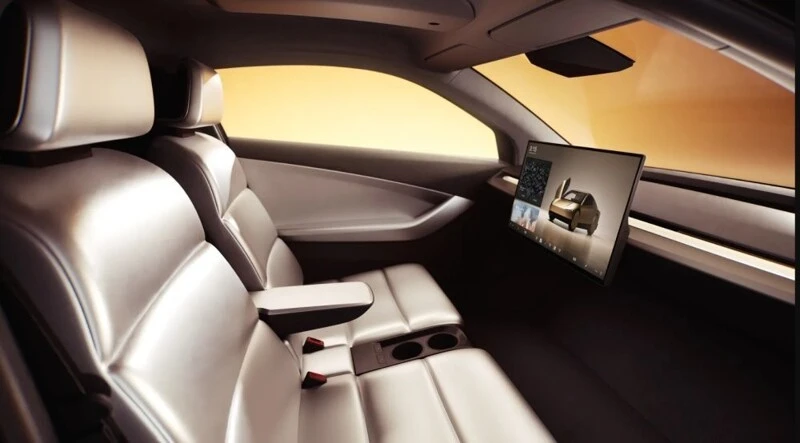
The loss of physical control leaves the car hostage to software, which, according to independent audits, still requires human intervention tens of times more often than competitors' systems. 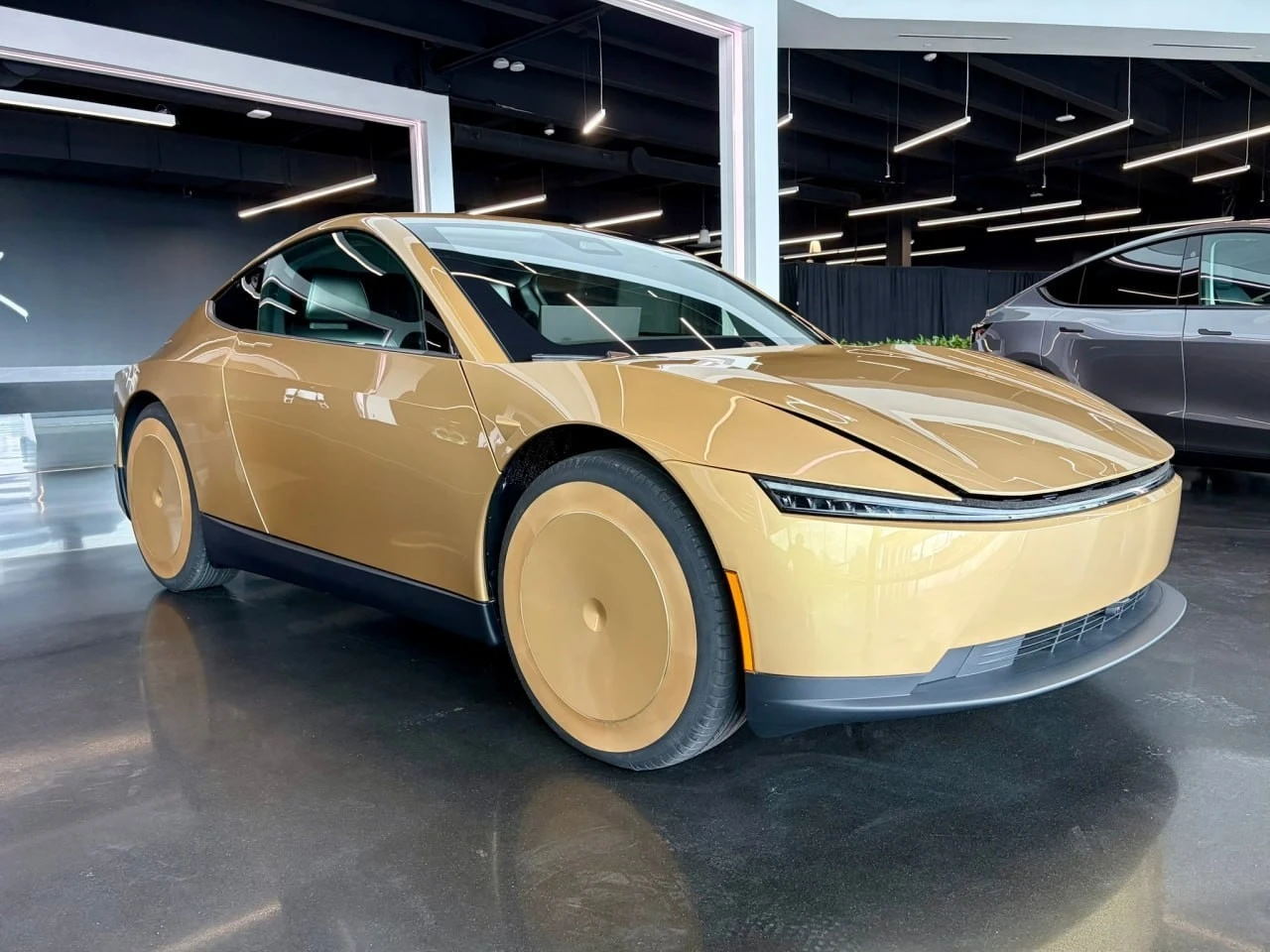
The model's technical specifications also raise questions among skeptics. A range of 320–350 km (200 miles) makes the car suitable solely for city driving. The Cybercab only supports wireless inductive charging via a magnetic panel on the underbody. 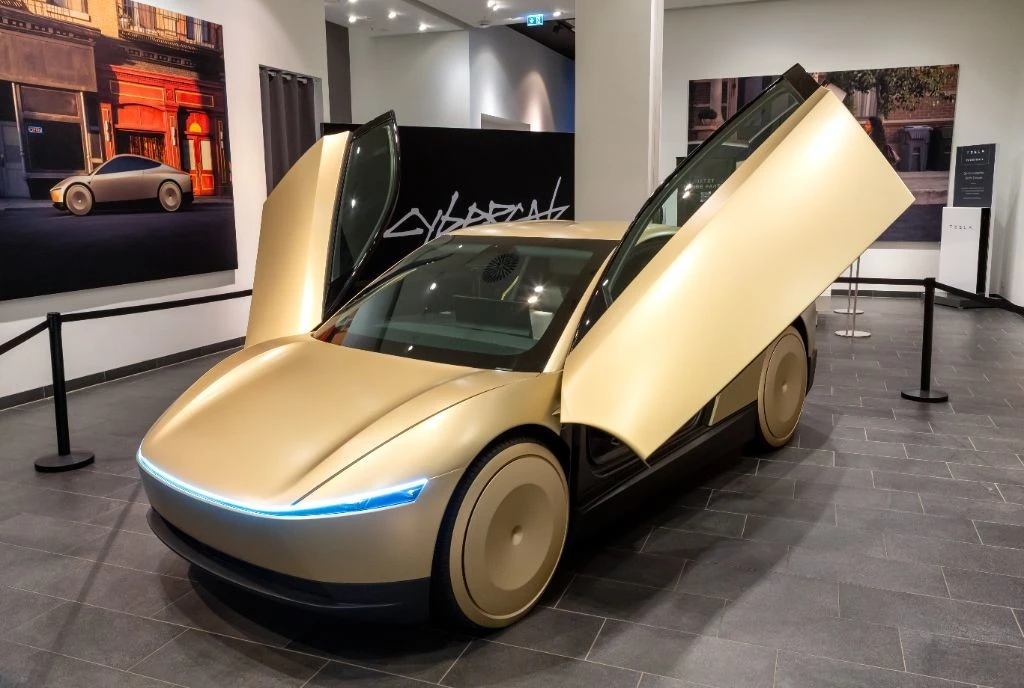
This solution is effective for automated fleets, but in real-world urban infrastructure, especially in areas with snow and mud, power transfer efficiency can drop significantly, turning this innovation into a liability. 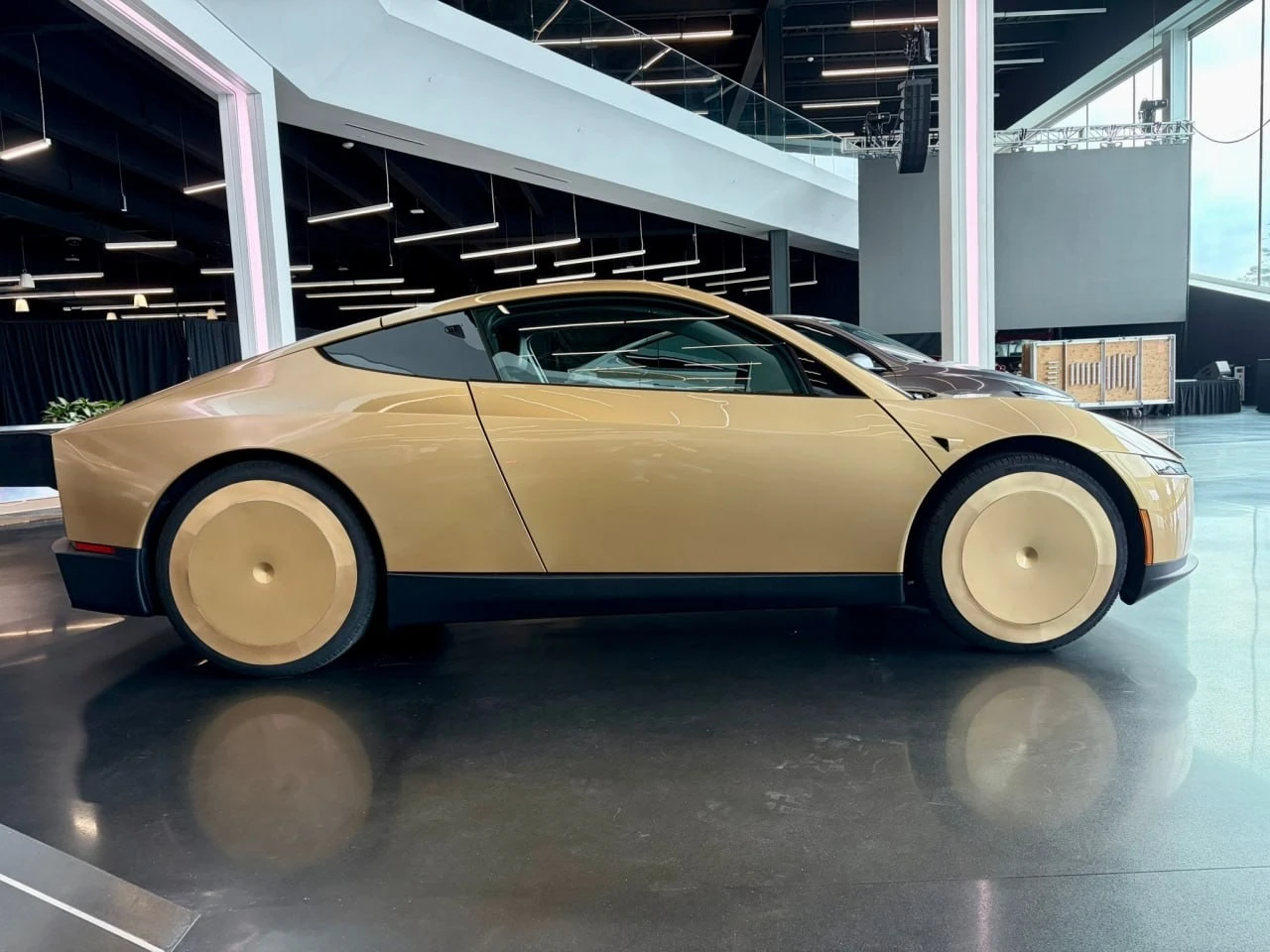
The main obstacle to Cybercab's success remains not technology, but legislation. Currently, most countries prohibit the use of vehicles without manual control on public roads.
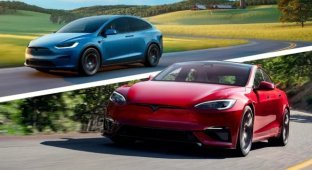
While Musk lobbies for changes to safety regulations, his new brainchild risks remaining an expensive attraction for restricted areas. Against the backdrop of declining sales of Tesla's core models, the Cybercab launch looks more like an attempt to retain investor attention with yet another promise of a bright future yet to be achieved.