How the Swedish "Mars" Spacecraft Burned in 30 Minutes Due to Its Own Power (8 photos + 2 videos)
Imagine a brand-new superbattleship, so huge that the enemy is afraid to even approach it. Its first battle begins, and victory is almost within reach. But the wind cuts off the allies, leaving only enemies all around, and medieval incendiary cocktails—fireballs—are brought into play. 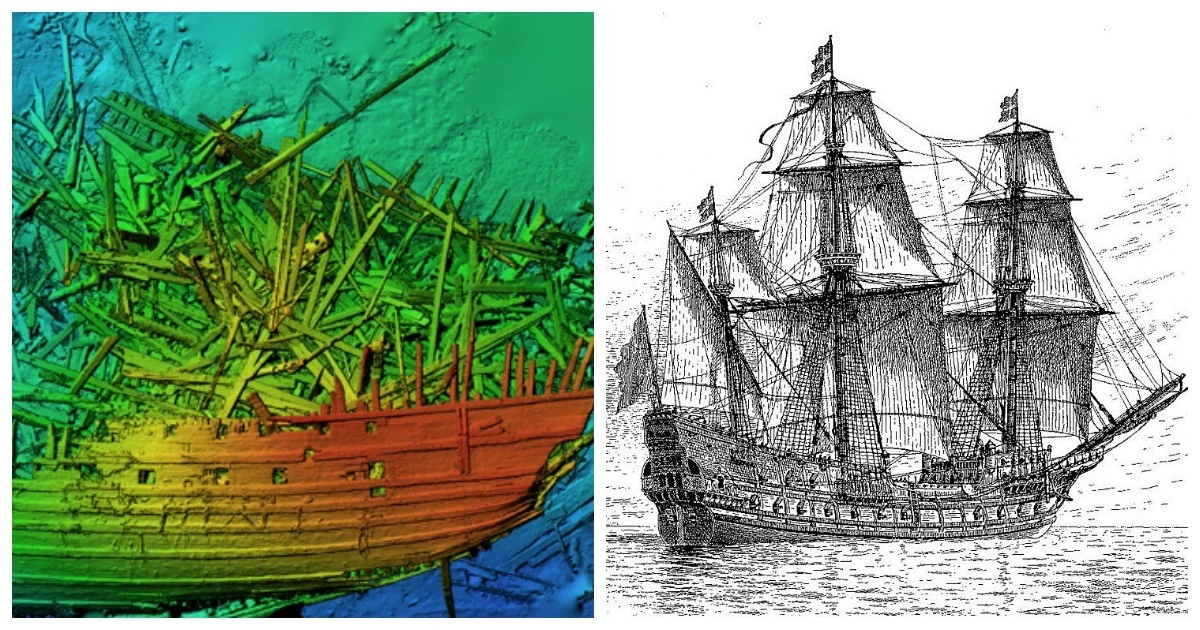
This is not a TV series plot, but the true story of the flagship Mars, which lay at the bottom of the Baltic for over 460 years and was transformed into the perfect time machine. 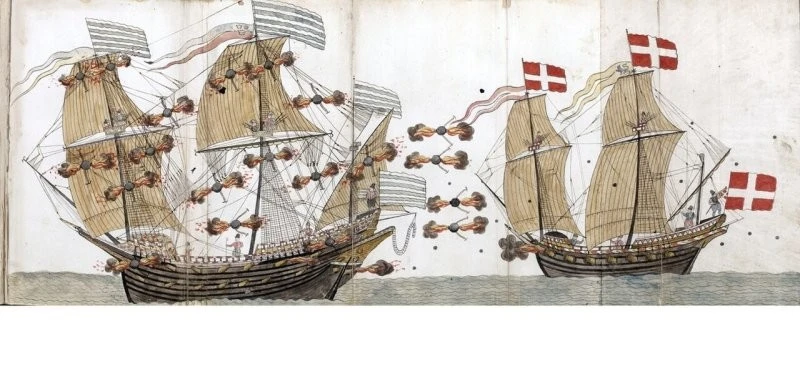
Illustration of a Swedish warship, presumably the "Mars," attacked by a Danish ship
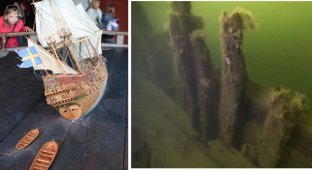
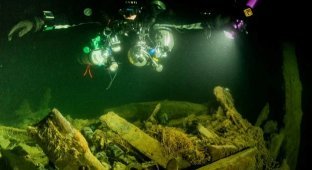
Approximately 18 kilometers off the coast of the Swedish island of Öland, in the Baltic Sea, at a depth of approximately 75 meters, lies one of the most beautiful and informative shipwrecks in history. Thanks to low sediment levels, gentle currents, brackish water, and, crucially, the absence of woodworms, the 16th-century hull has been preserved in remarkably good condition. 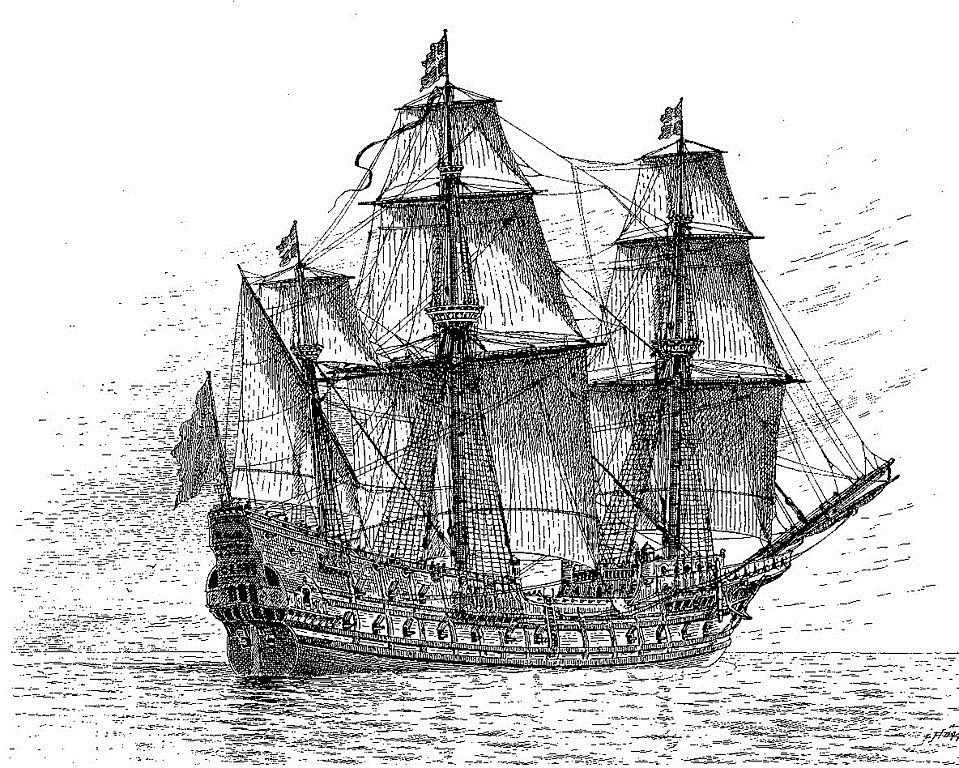
Drawing of the Swedish warship "Mars"
Named after the Roman god of war, "Mars" (also known as Mars Makalös — "Inimitable" or "Unparalleled") was built in 1563 by order of King Eric XIV of Sweden. The ship was approximately 48 meters long (although some sources claim a longer keel), displaced up to 1,800 tons, and carried up to 107 guns. 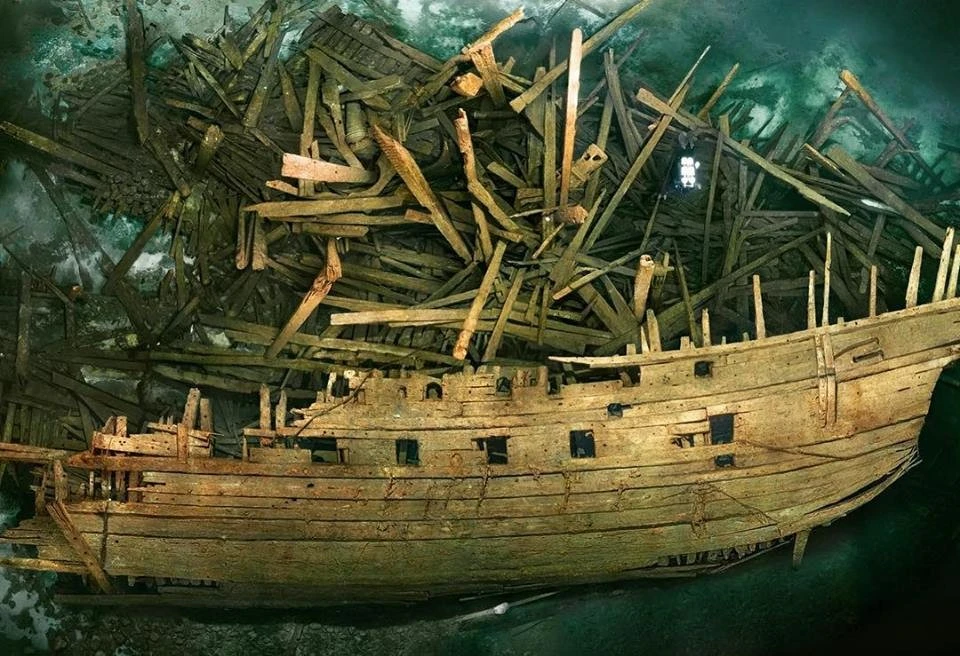
This was one of the first European three-masted giants, designed to end Denmark's dominance in the region, which led to the outbreak of the Northern Seven Years' War. 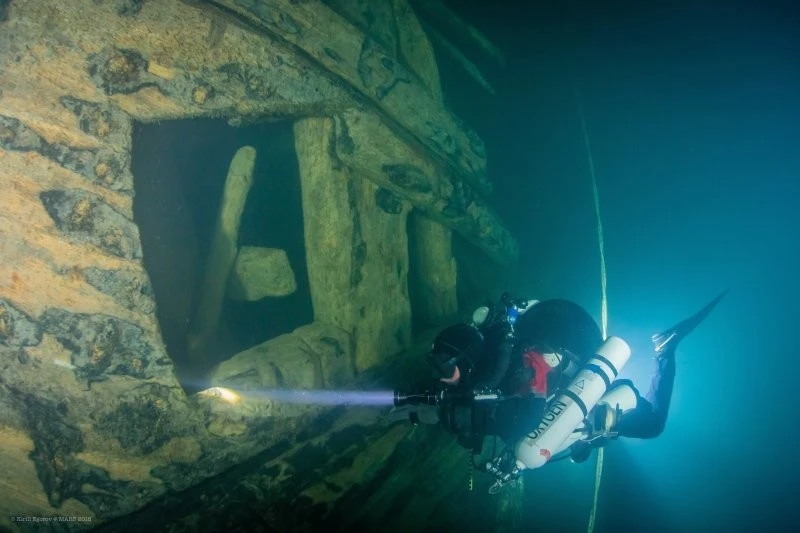
On May 30, 1564, the Mars engaged the Danish-Lübeck fleet. The first day belonged to the Swedes. Their artillery literally swept the enemy away. But on the second day, tide turned. Due to bad weather, the Swedish squadron dispersed, and the enormous Mars was left alone against Admiral Friedrich Knebel's squadron. 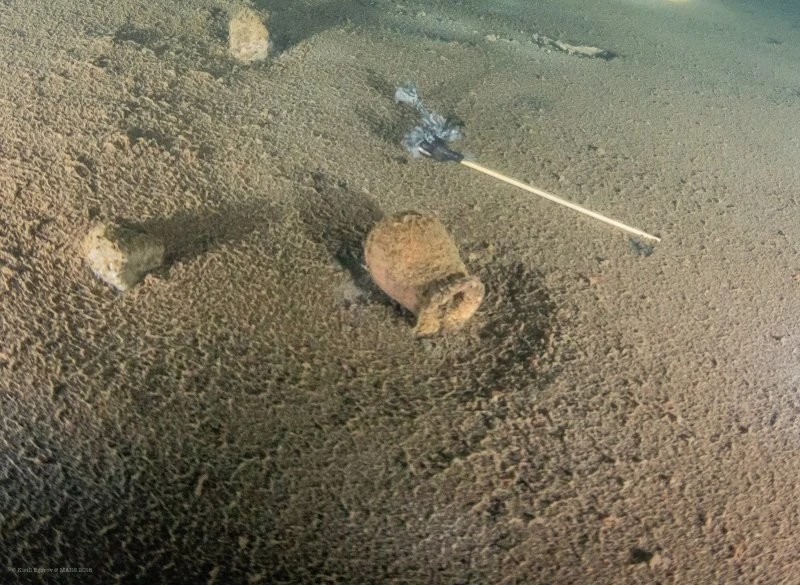
The German ships employed a tactic that today would be called fire support from boats. They pelted the flagship's deck with fireballs—incendiary shells containing sulfur, saltpeter, and tar. While the Swedes were extinguishing the fire, about 300 boarders from Lübeck and Denmark boarded. In the midst of the melee, the fire reached the powder magazine. 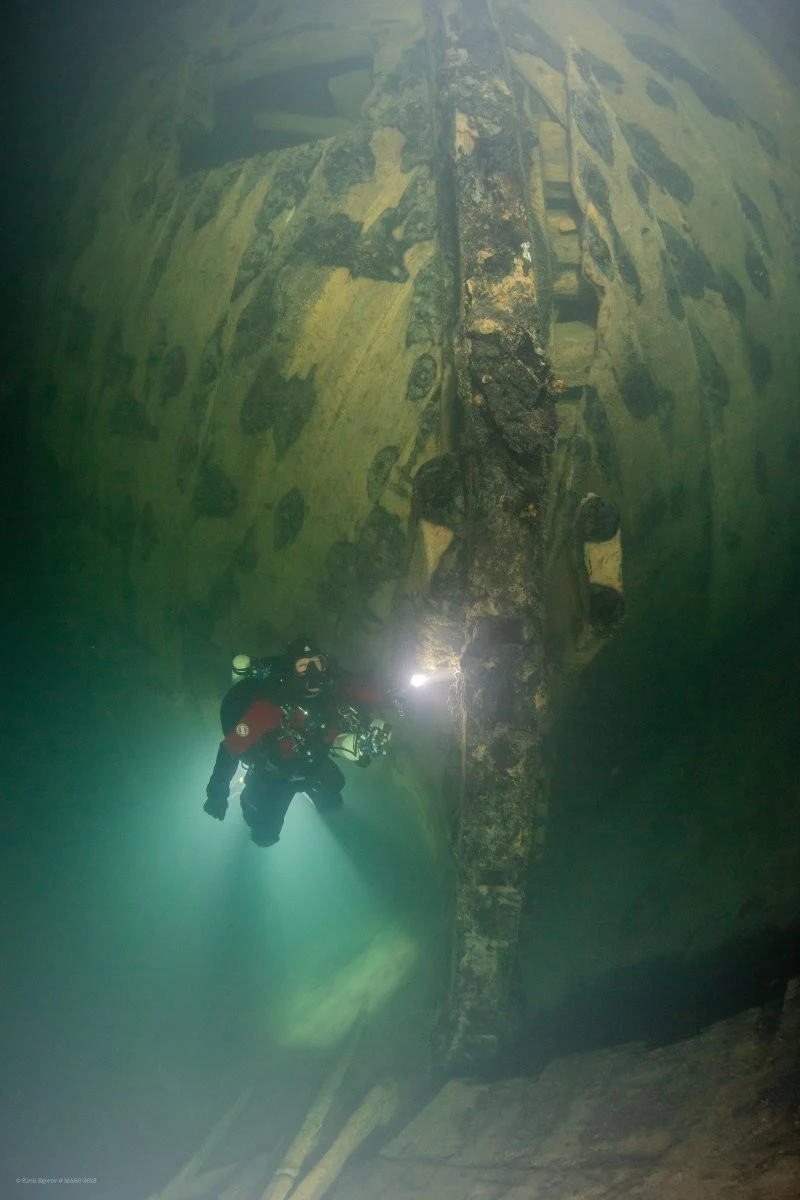
A monstrous explosion followed, after which the bow of the ship was found 40 meters from the main hull. Along with the Mars, 700-800 Swedes and several hundred Germans went to the bottom. 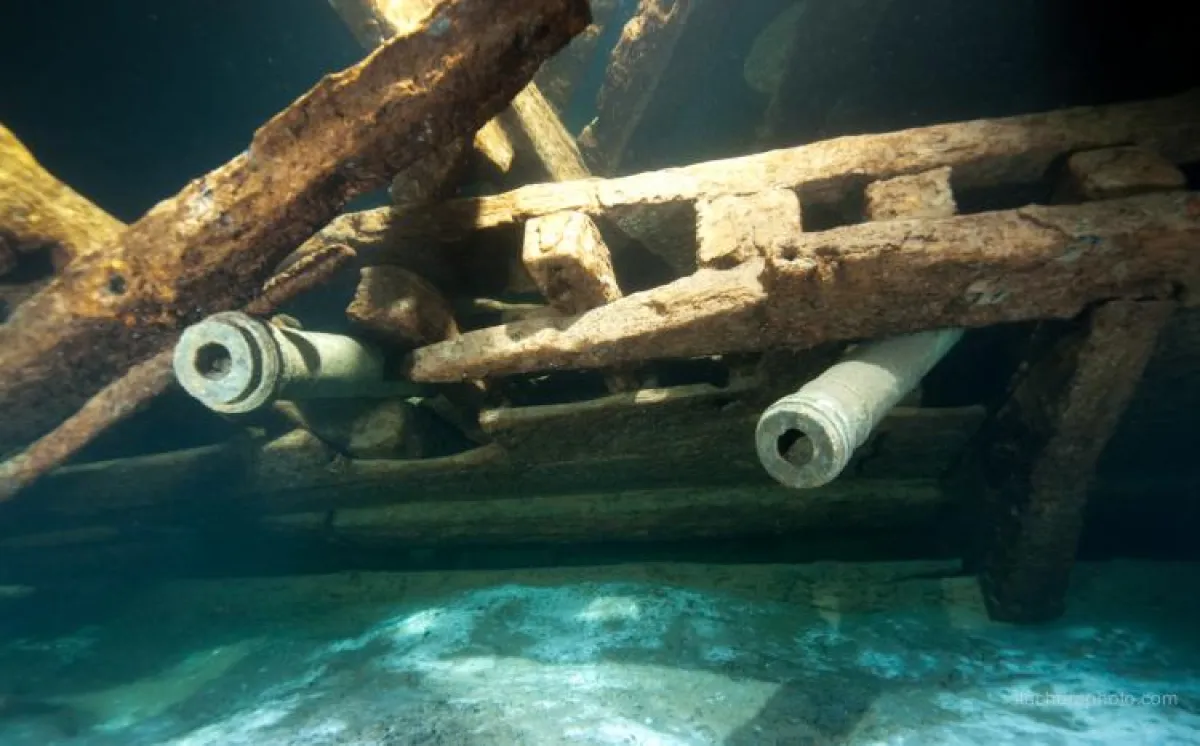
The Mars is an industrial revolution in metal. The explosion turned the battlefield into a technological dump. Scientists are finding grenades, unique grappling hooks previously seen only in paintings, and bronze cannons deformed by explosions. The Baltic Sea has preserved not just a ship, but a complete picture of a Renaissance naval battle, complete with saber marks on the bones.