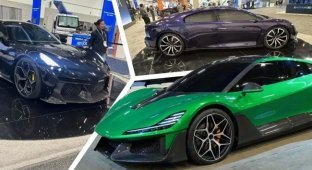
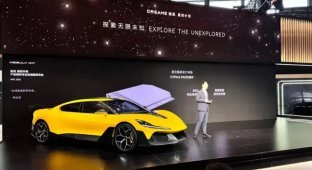
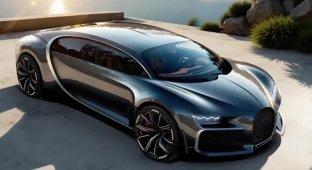
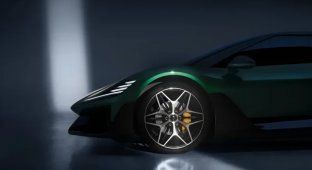
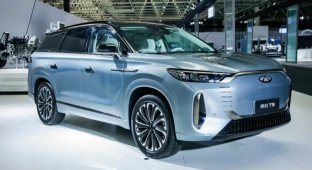
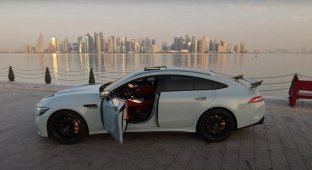
To 100 km/h in a second: Dreame unveiled a hypercar with jet boosters and a solid-state traction battery (4 photos)
Back in the last decade, Elon Musk, discussing the evolution of the Tesla Roadster sports car, proposed equipping the car with jet nozzles that would allow it to not only accelerate faster but also take corners more quickly. The Chinese company Dreame, known for its robot vacuum cleaners, was ready to put Musk's ideas into practice. 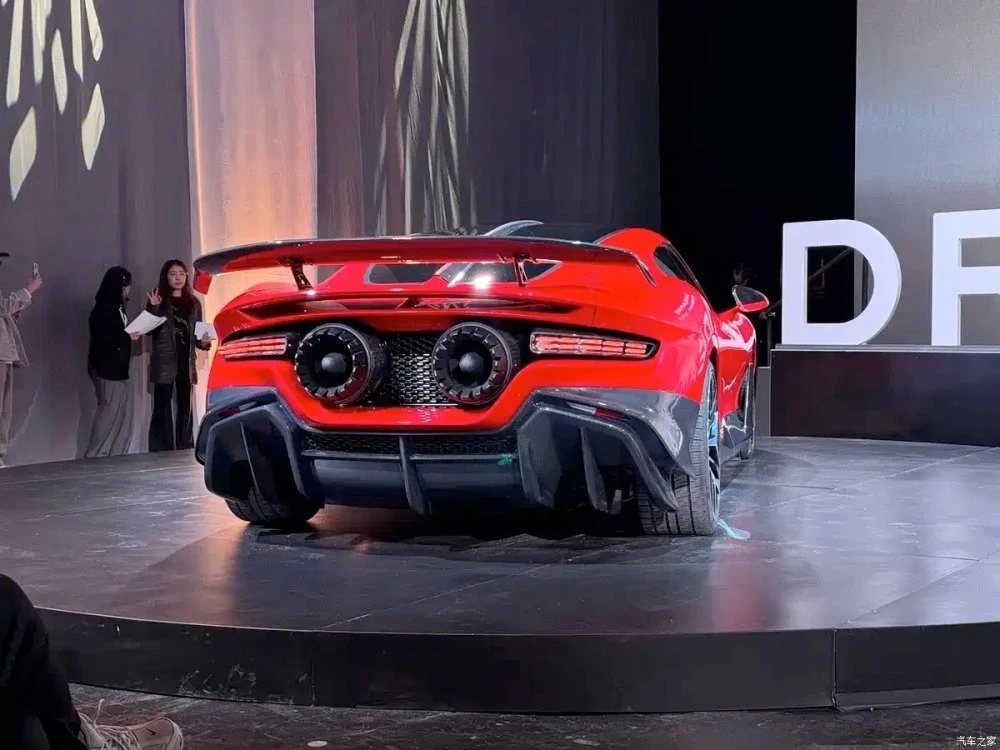
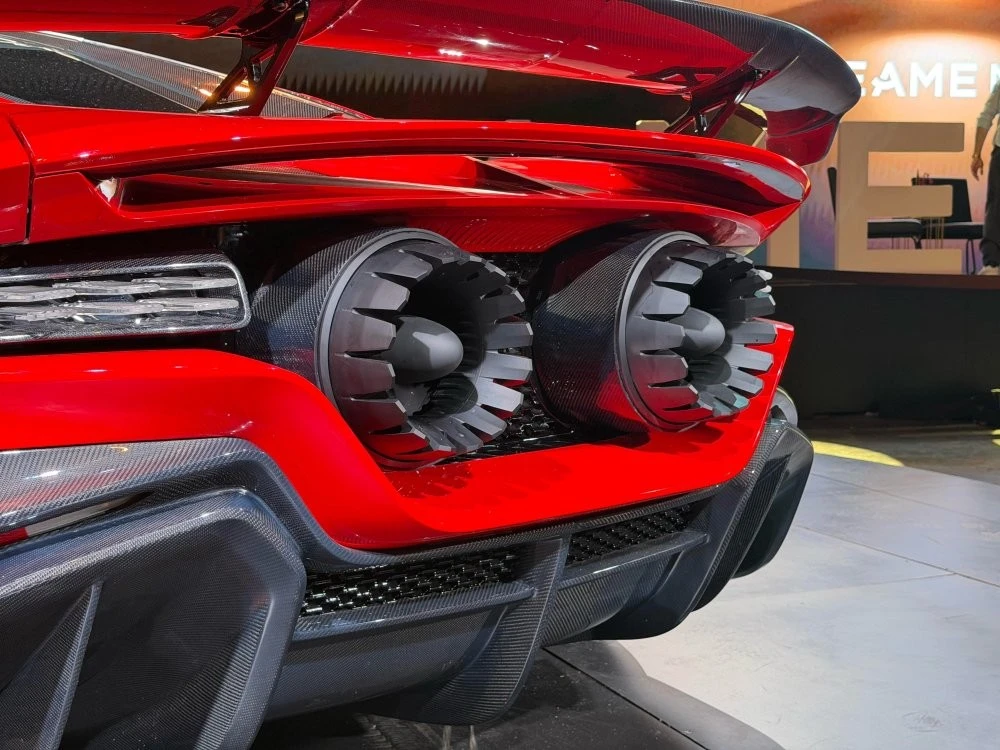
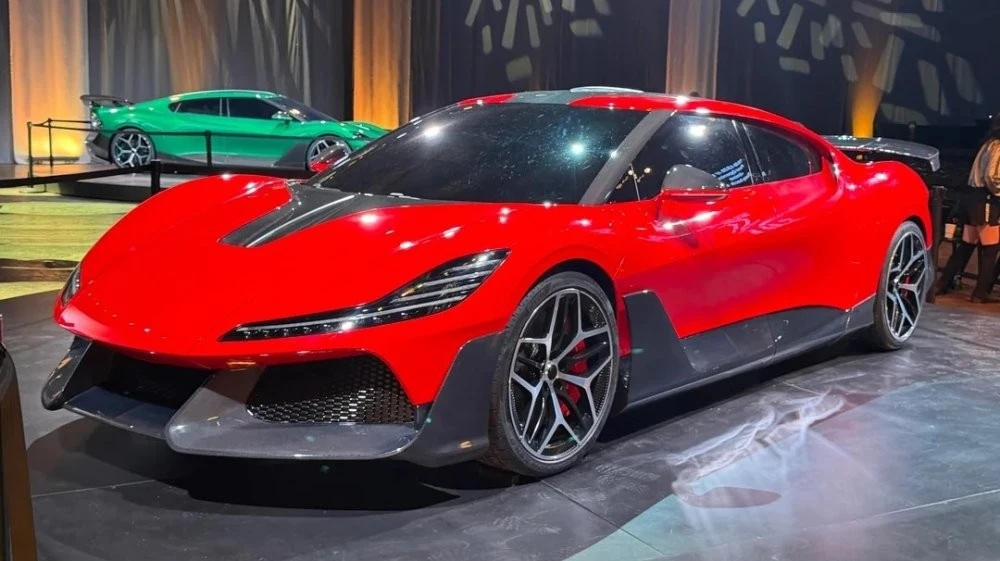
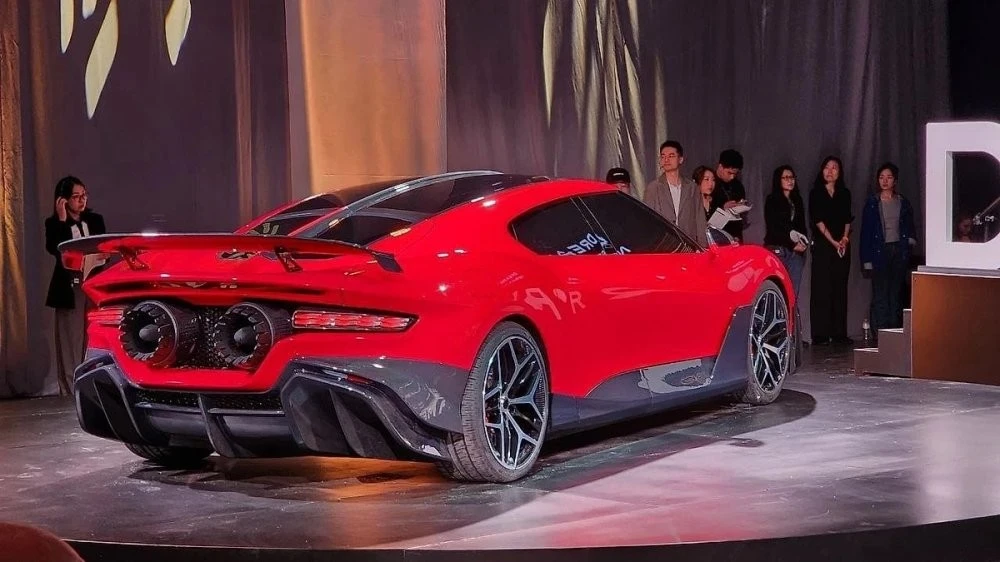
Dreame's commitment to becoming a manufacturer of electric hypercars has been repeatedly confirmed by the demonstration of not only sketches but also full-scale prototypes. At CES 2026 in Las Vegas, the Nebula Next 01 concept was unveiled. It boasted a 1,903-horsepower powertrain, enabling a 0-62 mph (0-100 km/h) acceleration time of just 1.8 seconds. According to preliminary specifications for the new Nebula Next 01 Jet Edition, Dreame is poised to halve this time to 0.9 seconds by integrating two jet exhausts into the rear of the hypercar.
As usual, Dreame held its hypercar unveiling outside its native China, in California. According to reports, the jet propulsion system is capable of delivering a maximum of 100 kilonewtons (100 kilonewtons) and boasts a response time of no more than 150 milliseconds (ms), allowing for impressive short-term acceleration. The idea of using jet engines to accelerate cars is not new; it has been used for decades to break speed records on special proving grounds, but Dreame is aiming to implement it in the consumer market.
Among the more mundane features of the Nebula Next 01 Jet Edition is its solid-state sulphide traction battery, which provides an energy storage density of over 450 Wh/kg. Low weight is crucial for sports cars, so a solid-state battery will provide a range of over 550 km with a relatively light battery pack. Dreame's solid-state battery technology is currently in the pre-production stage.
The Dreame hypercar will use a "steer-by-wire" system, eliminating a direct mechanical connection between the steering wheel and the front wheels. It will provide 14 degrees of freedom and a reaction time of no more than 1 ms. In addition to improving maneuverability, this steering system will maintain directional stability in the event of a sudden tire failure.
The onboard autopilot system will rely, among other things, on a DHX1 lidar with a resolution of 4,320 lines and full-color 4K resolution. This type of sensor can recognize objects at a distance of up to 600 meters, detect objects with a reflectivity of only 10% at 400 meters, and detect small animals at a distance of 280 to 300 meters. It appears that Hesai is the developer of the lidar with full-color image recognition capability in this case.