Hornets: Pure Evil for Humans, but Without Them, Bees Will Kill Themselves (7 photos)
First and foremost, they're beautiful. Bees and bumblebees, of course, have their charm too—they're cute, slightly awkward, furry creatures that aren't particularly graceful and don't evoke a sense of danger. But hornets are the epitome of that same predatory beauty found in snakes and sharks. 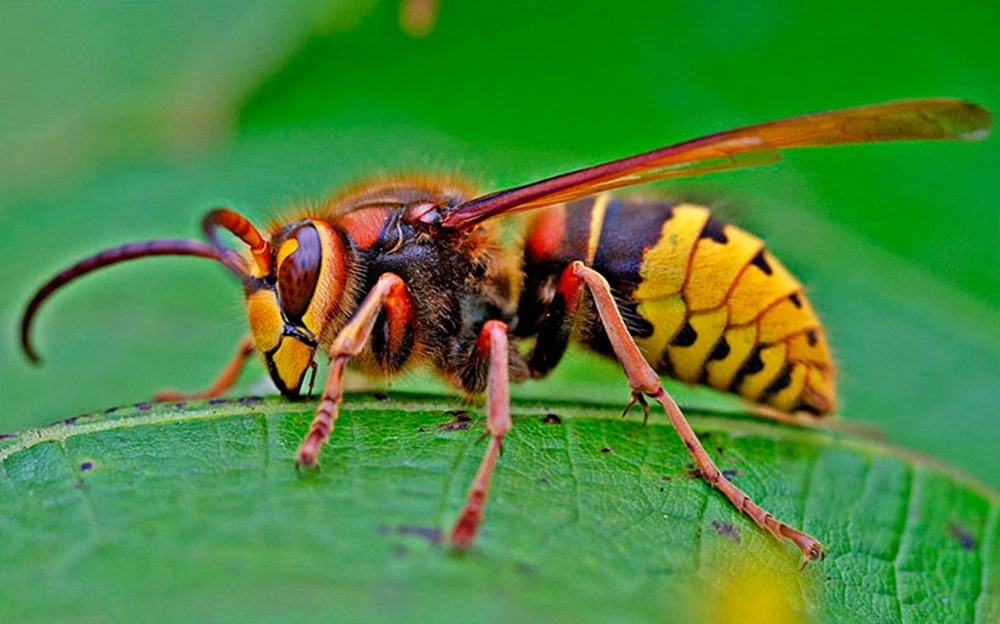
His Majesty has arrived.
They look graceful but not fragile, powerful but not heavy. Their chitinous armor is perfectly tailored, and their long, narrow wings are designed for effective attacks and quick retreats. 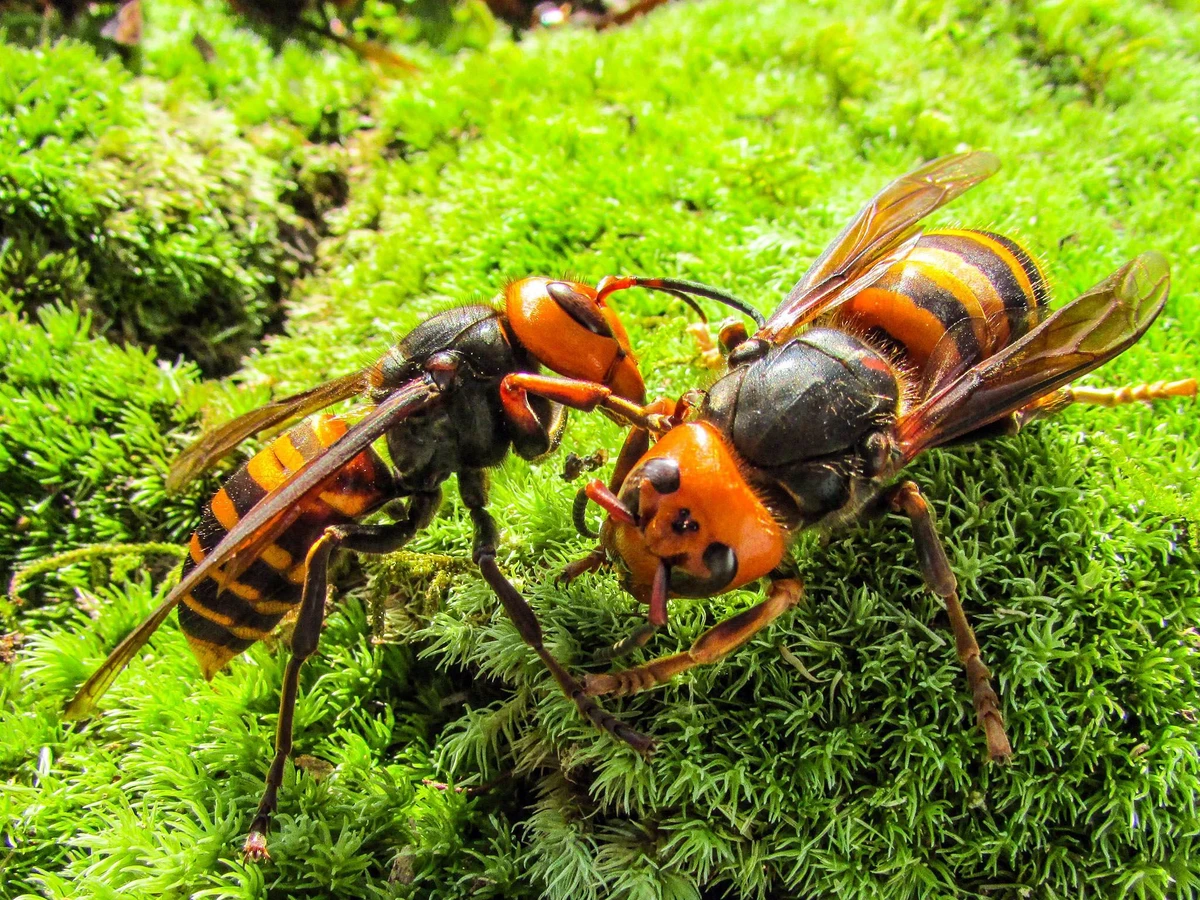
Air unit refueling.
Furthermore, this black and yellow fighter isn't just beautiful; it's also well-armed. Its mandibles are powerful and tireless, capable of cutting through 40 bees per minute, and its venomous stinger, reaching 6 millimeters in length, can pierce the armor of even the toughest beetle! Strength, grace, and elegant design—all merged to create the hornet! 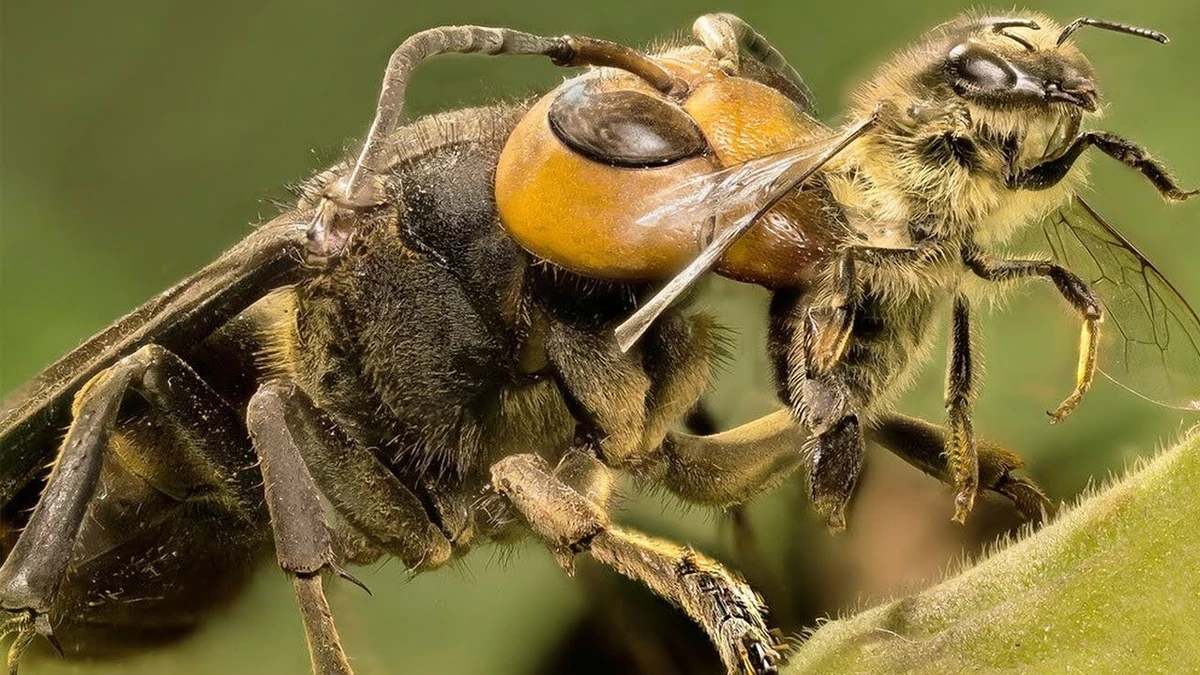
Gotcha!
But all this is, of course, subjective. However, hornets also bring objective benefits to the ecosystem: they act as forest health workers. The fact is that this flying pest, although capable of destroying hundreds of bees, is reluctant to attack large, healthy hives—it's too dangerous. Therefore, they prefer to raid weakened and sick colonies, which begin to suffocate under the weight of diseases and parasites. Thus, they prevent local outbreaks from turning into epidemics. 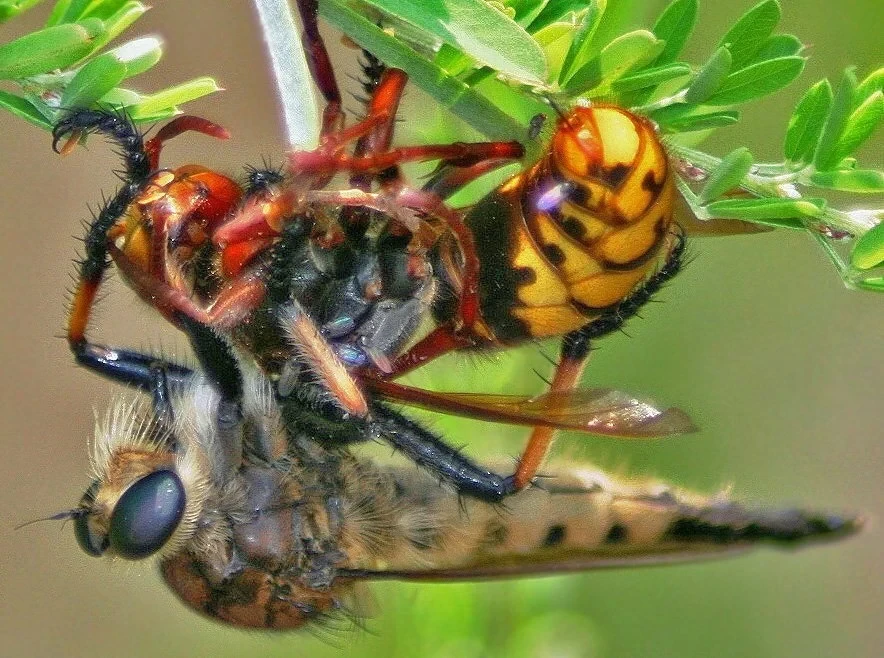
Hornets are also prey. Here we see one caught in the clutches of a giant arthropod—the elite of the arthropod aviation.
Besides, bees don't take up much of their diet. Caterpillars, leaf beetles, butterflies, and even aphids are the hornets' main prey. By keeping their numbers under control, these striped predators maintain the fragile balance of nature. 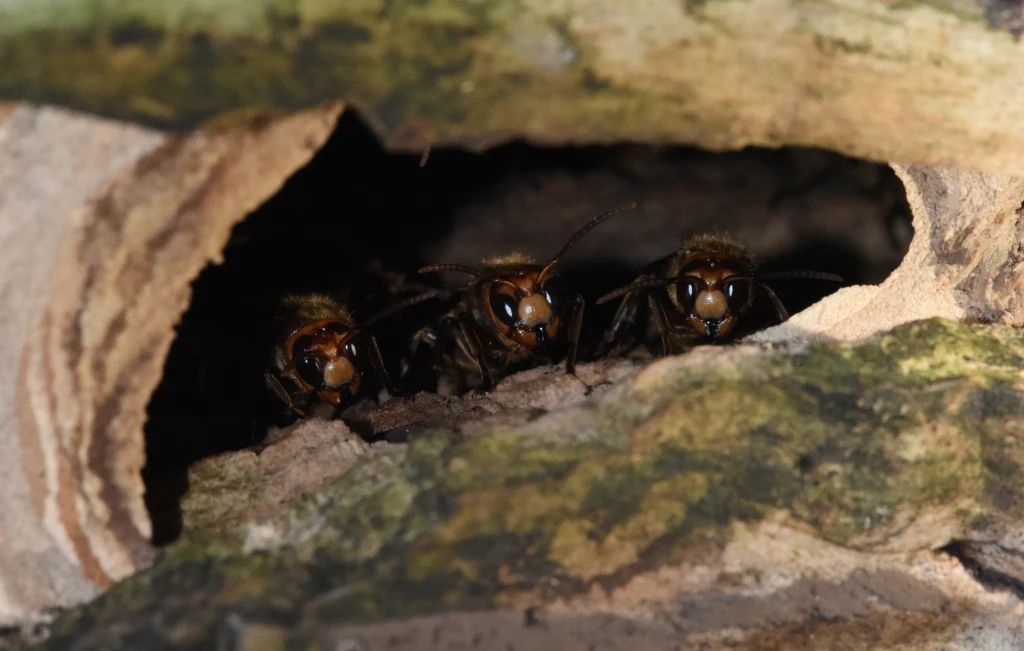
Come visit us, we're not dangerous (we're lying)!
But the most unexpected evidence of hornets' benefits to the ecosystem is the fact that they create new living space! These insects' paper nests are true works of architectural art, which can last for years even after their owners have abandoned them. Therefore, over time, other insects seeking a safe place take over. What's more, even some birds choose hornet nests as their nesting sites. Without hornets, these species wouldn't exist. 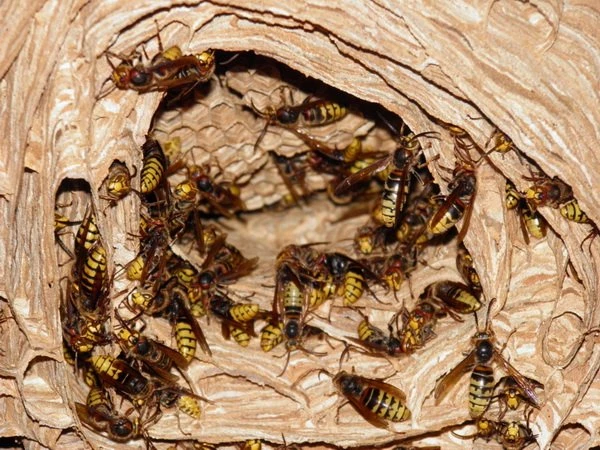
You saw the hornets. The hornets saw you. What do you do? 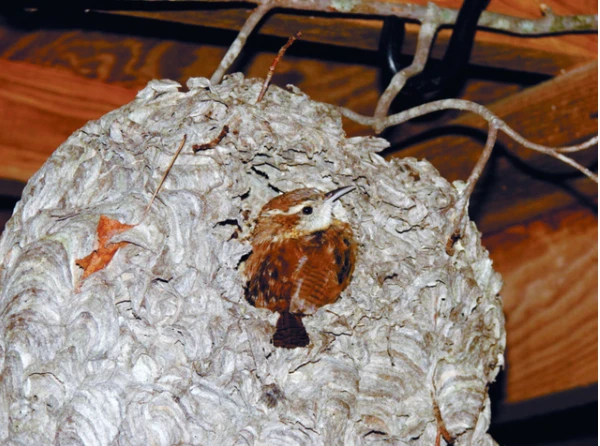
The Carolina wren and its new home.
That's what these contradictory hornets are like. Dangerous to bees, terrifying to humans, beneficial to the ecosystem, and beautiful in the eyes of one author of The Book of Animals. And I think this diversity of roles makes them worth living.