10 Animal Species Whose Population Has Halved in 40 Years Due to Human Mistakes (21 photos)
In the near future, lions, elephants, and hippos will only be seen in zoos and Disney cartoons. This is the depressing conclusion drawn from the World Wildlife Fund's Living Planet report, which states that wild animal populations worldwide have declined by 52% since 1970. The report, prepared jointly by the Global Footprint Network and the Zoological Society of London, was based on a study of 3,038 animal, bird, and fish species from 1970 to 2010. Remarkably, the human population doubled during this same period (from 3.7 billion to almost 7 billion). 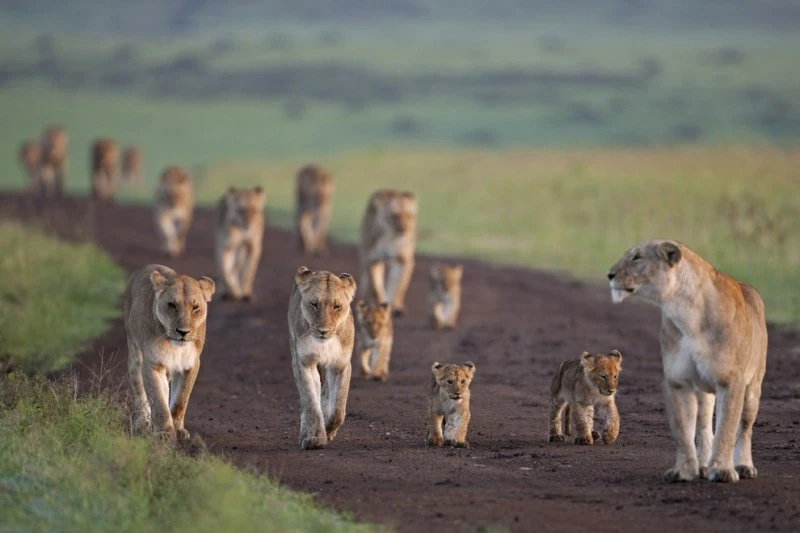
Wildlife populations are declining in tropical and temperate latitudes, but the largest decline—63% since 1970—has been observed in the tropics. The most severe regional decline in animal numbers has been observed in Central and South America, at 83%. We present a selection of those wildlife species that have felt the impact of civilization most severely. 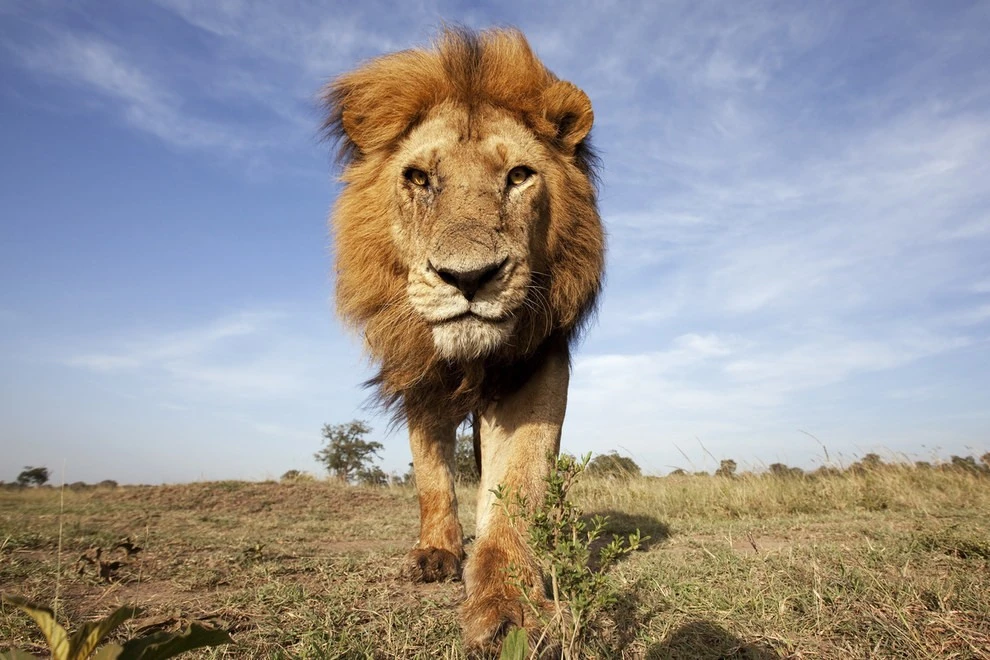
African lion. Number of remaining individuals: 30-35 thousand. 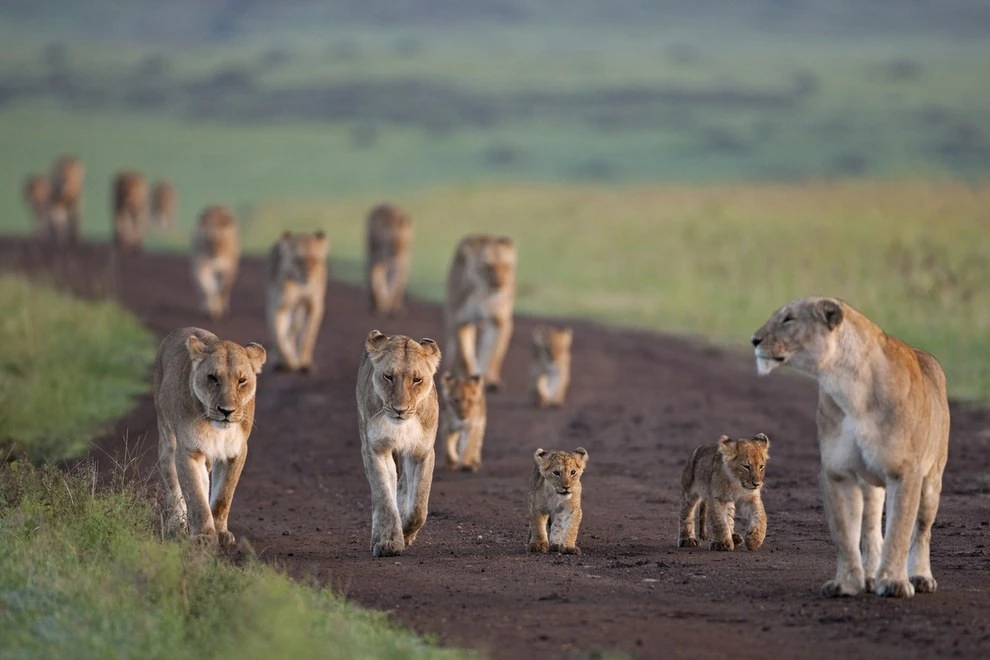
In Ghana's Mole National Park, the lion population has declined by more than 90% over 40 years. This is believed to be due to human killings of lions in retaliation for conflicts between the animals and local people. 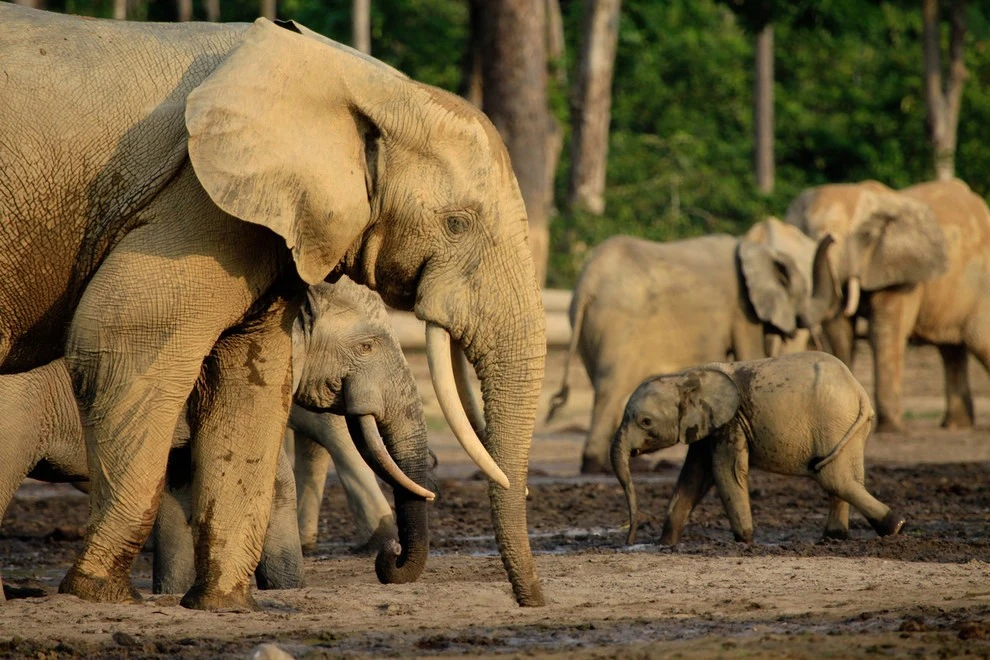
Forest elephant. Number of remaining individuals: approximately 600,000. 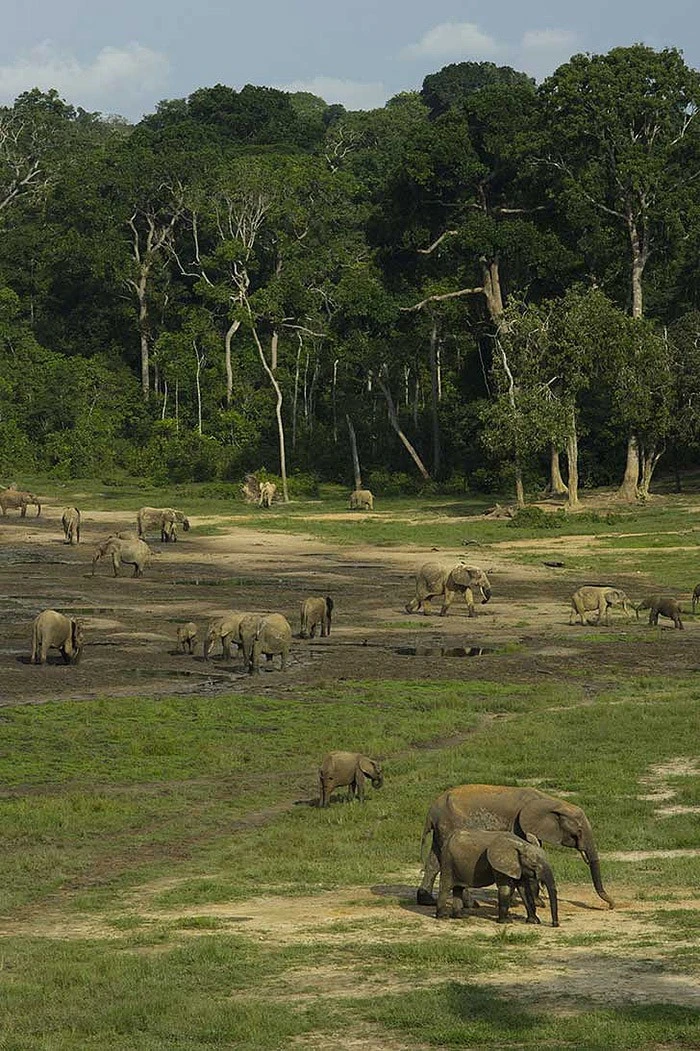
Forest elephant numbers declined by more than 60% between 2002 and 2011, largely due to ivory poaching. Due to deforestation and human development, elephants now live in only 7% of their historical range. 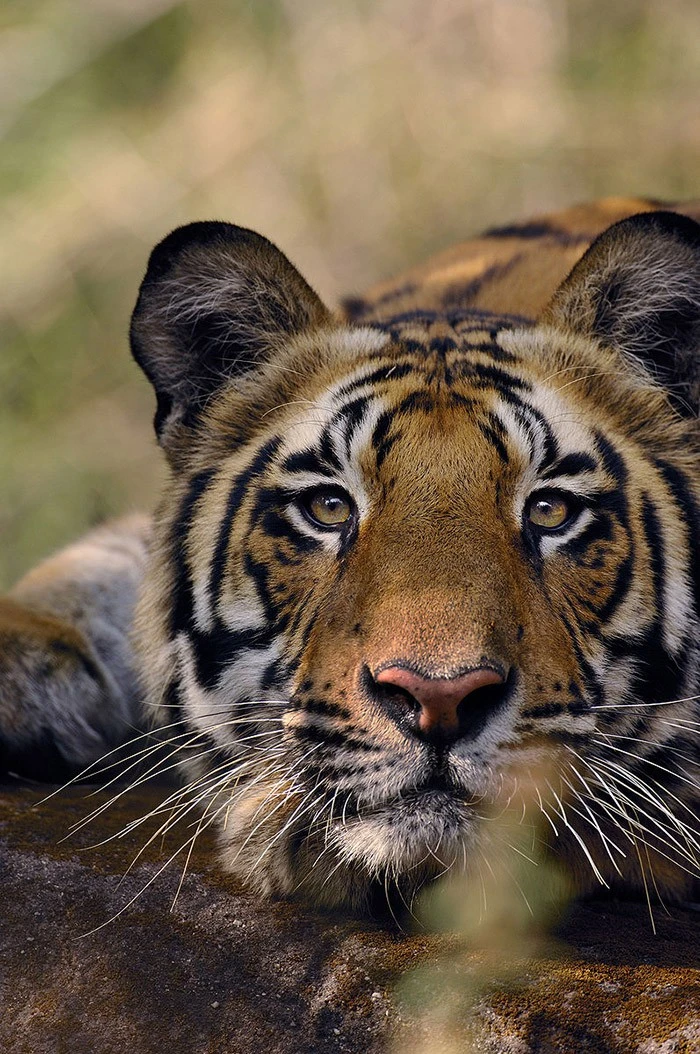
Bengal tiger. The number of remaining individuals is approximately 3,200. 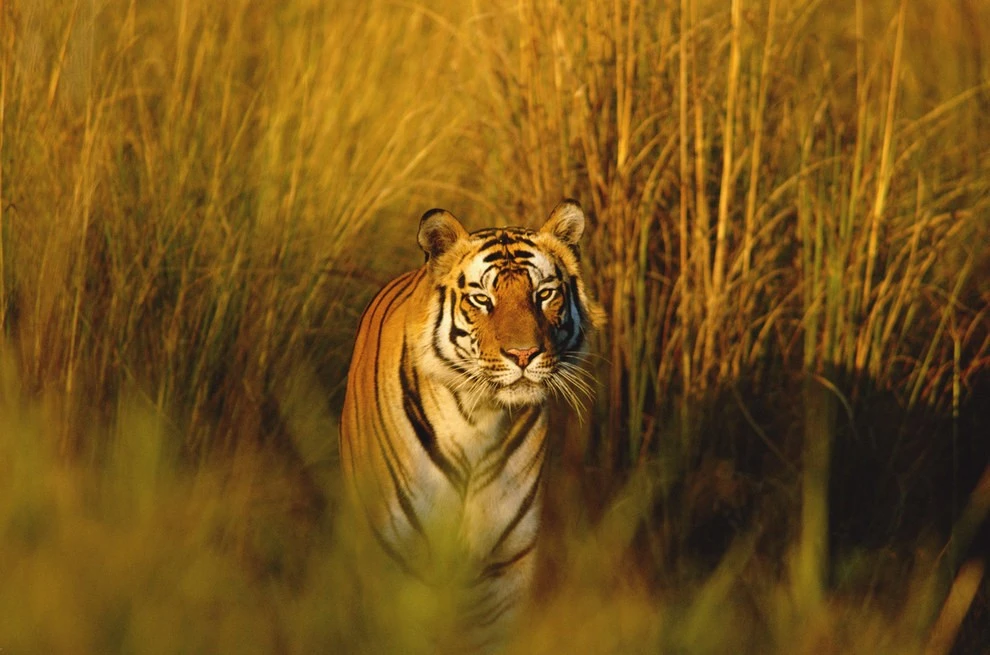
The population has become virtually extinct over the past hundred years: in 1910, there were approximately 100,000 tigers in the wild, while in 2010, there were only about 3,200. This dramatic decline is due to habitat destruction and poaching. 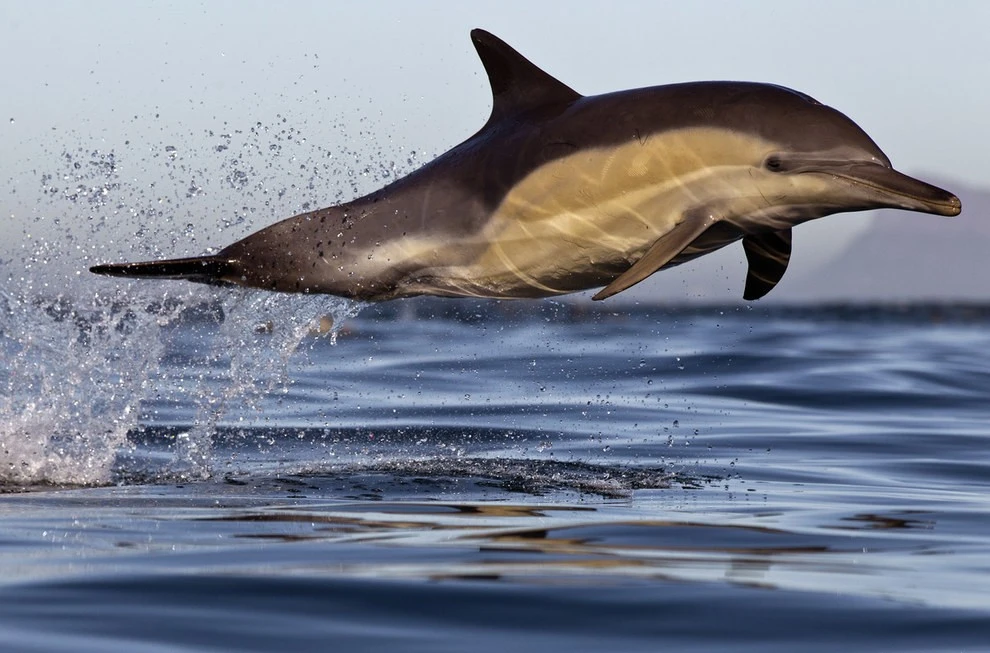
Dolphin. 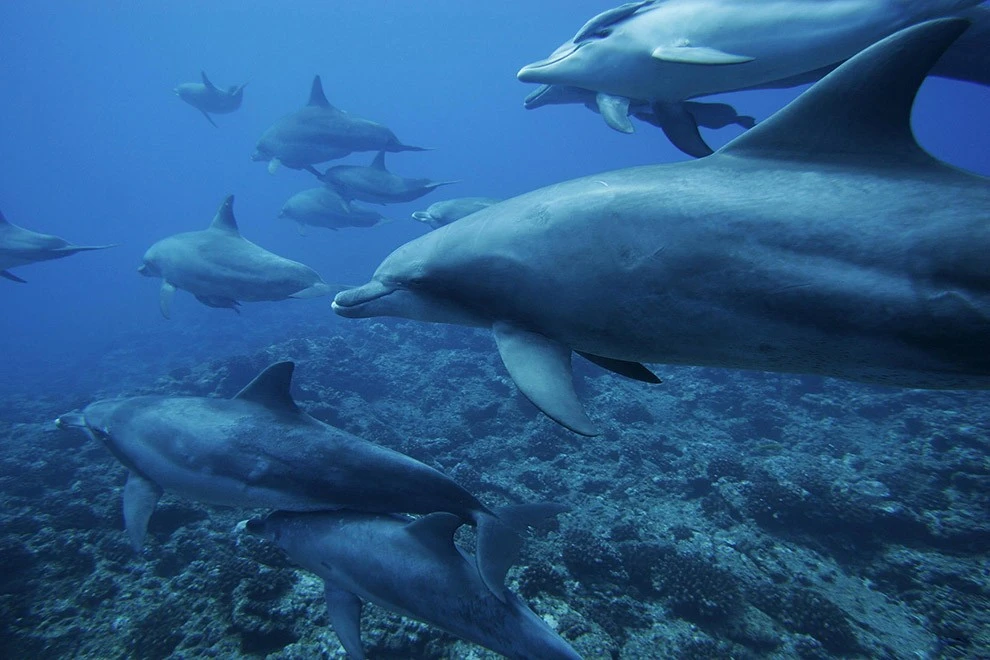
In some places, dolphins were hunted, for example in the Black Sea and off the coast of Peru. Although dolphins are never deliberately killed in most parts of the world, they often die in fishing nets or are caught in ship propellers. In the 1960s, their population declined sharply in the Mediterranean, and the reasons for this decline are still unknown. In the Ionian Sea, the number of dolphins fell from 150 to 15 between 1996 and 2007. 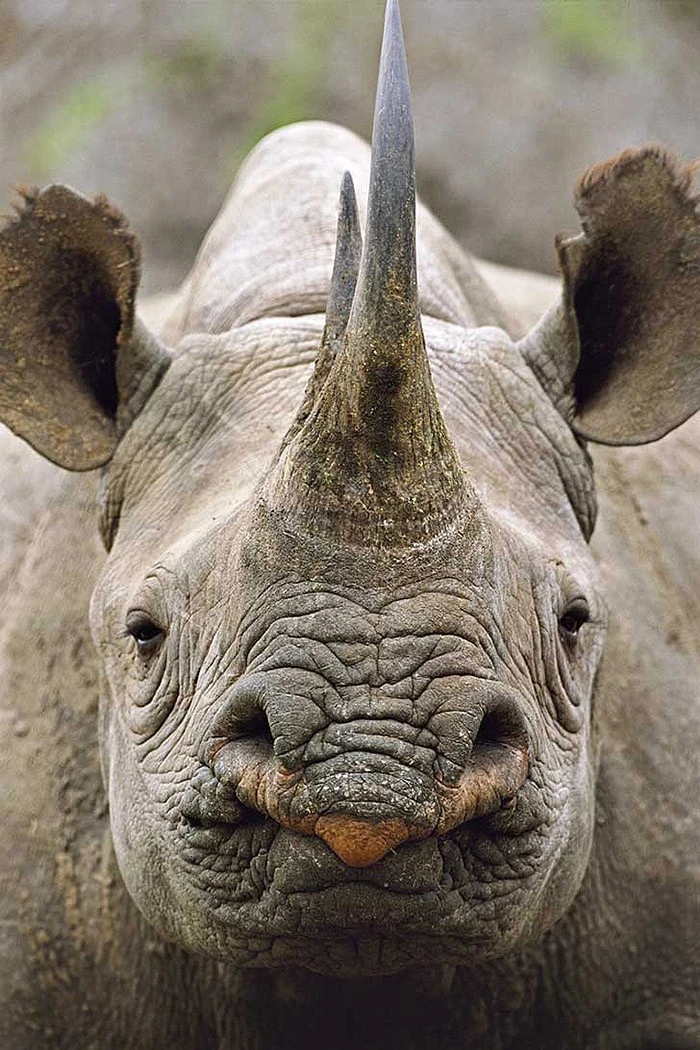
Black and white rhinoceroses. 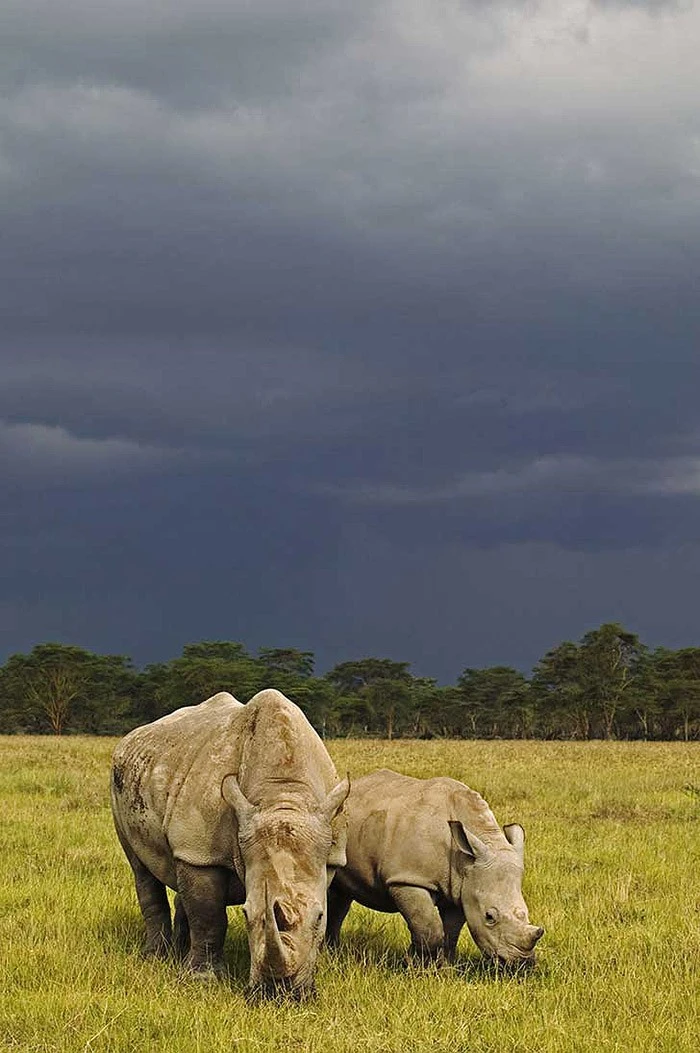
Black and white rhino populations declined by an average of 63% between 1980 and 2006. The greatest threat to these animals is the demand for their horns. Poaching is particularly widespread in South Africa. The number of individuals killed for their horns increased from 13 in 2007 to over 1,000 in 2013. 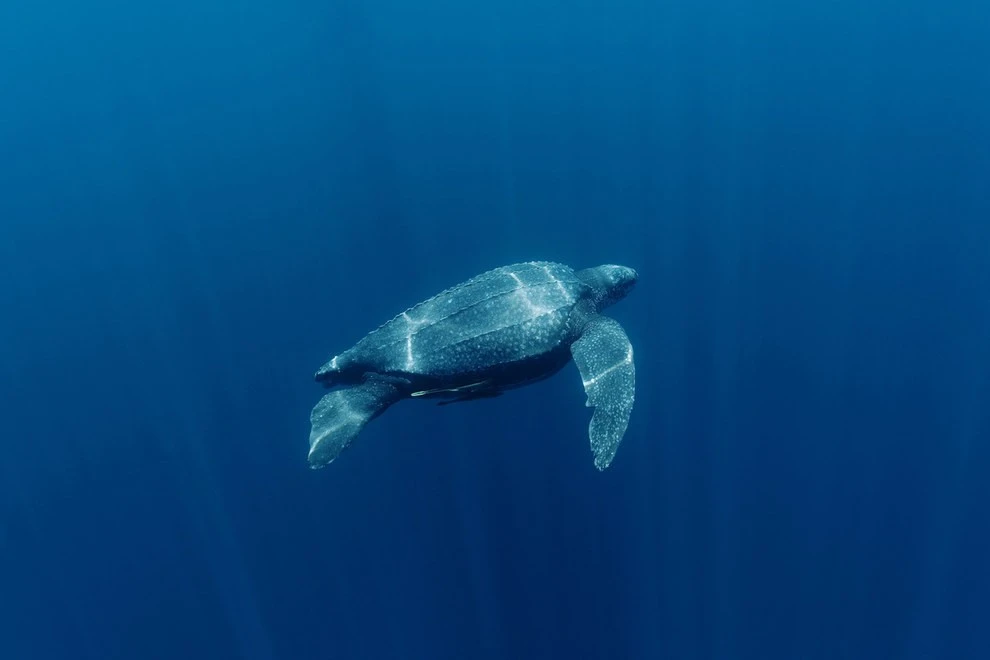
Leatherback turtle. 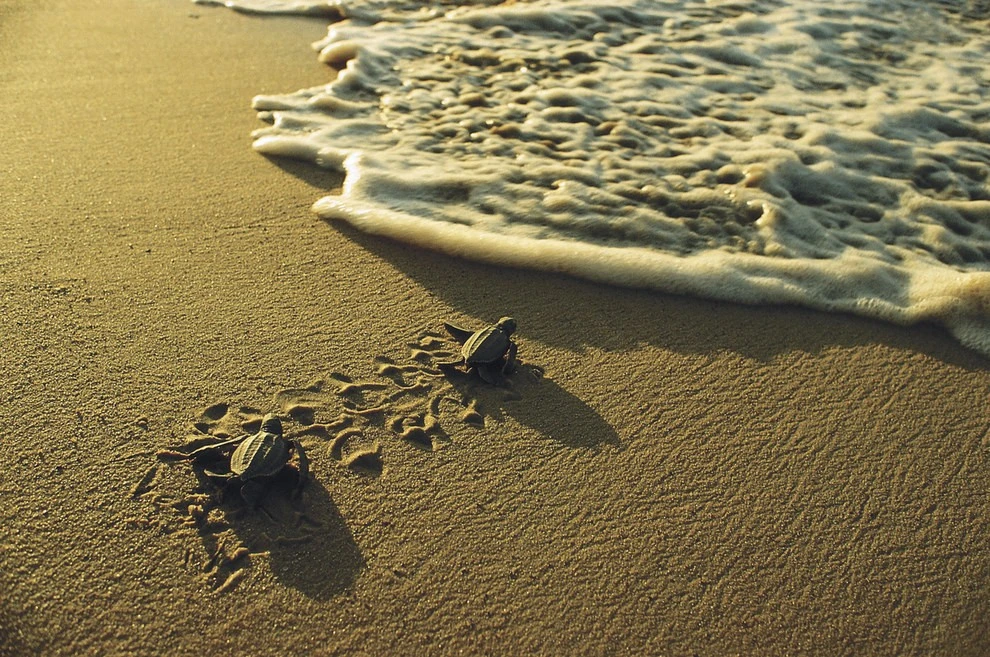
The largest modern sea turtles are rapidly disappearing from the waters of the Atlantic and Pacific Oceans. In Costa Rica's Las Baulas National Marine Park, for example, their numbers fell by 95% between 1989 and 2002. This is primarily due to the death of turtles caught in commercial fishing and the construction of beaches in their nesting areas. 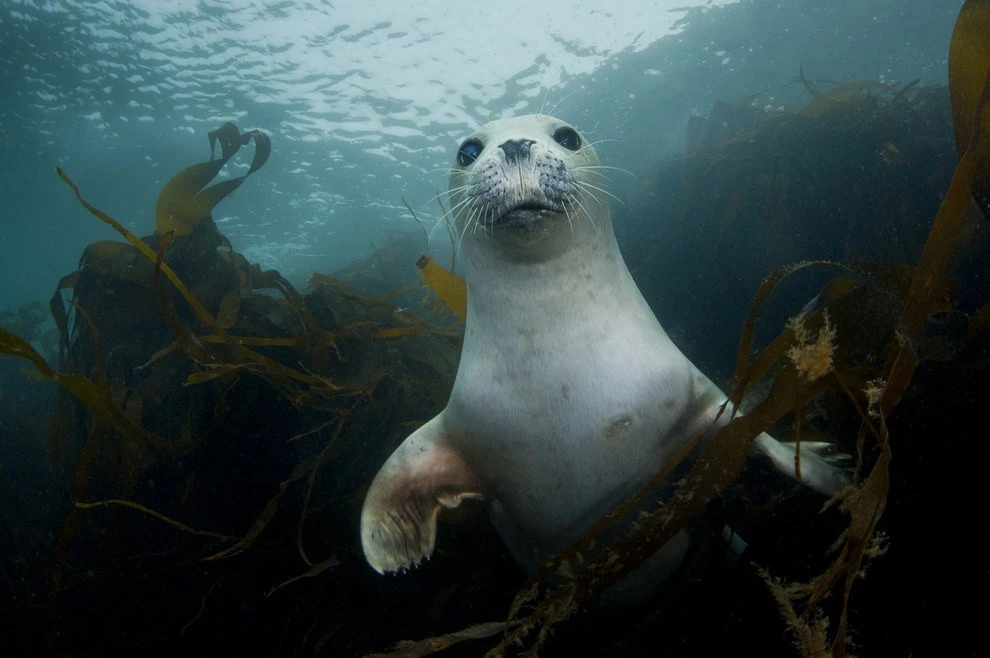
Seal. 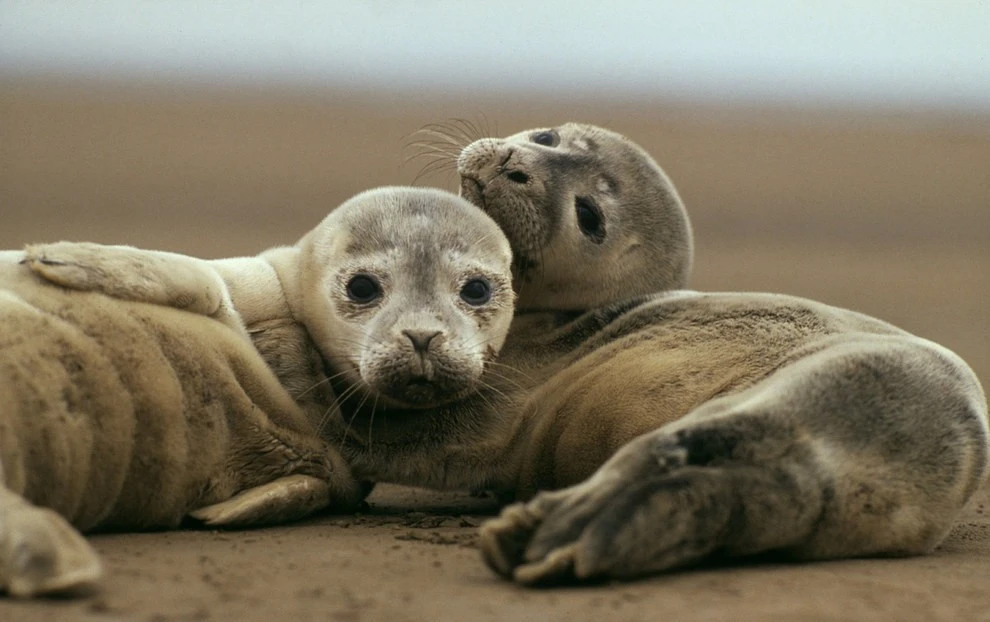
In addition to death from viruses and natural epidemics, seals are also killed by farmers and fishermen. Such killings have been carried out, for example, in the Moray Firth in the North Sea to protect salmon farms. Between 2001 and 2006, the seal population in the Orkney and Shetland Islands declined by 40%. 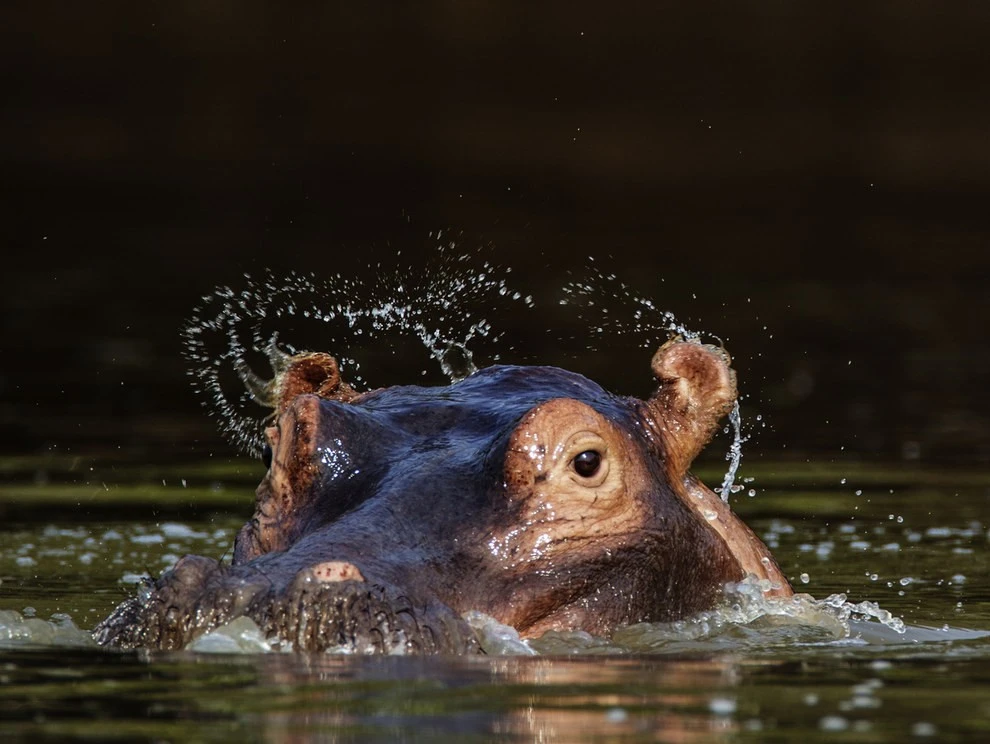
Hippo. 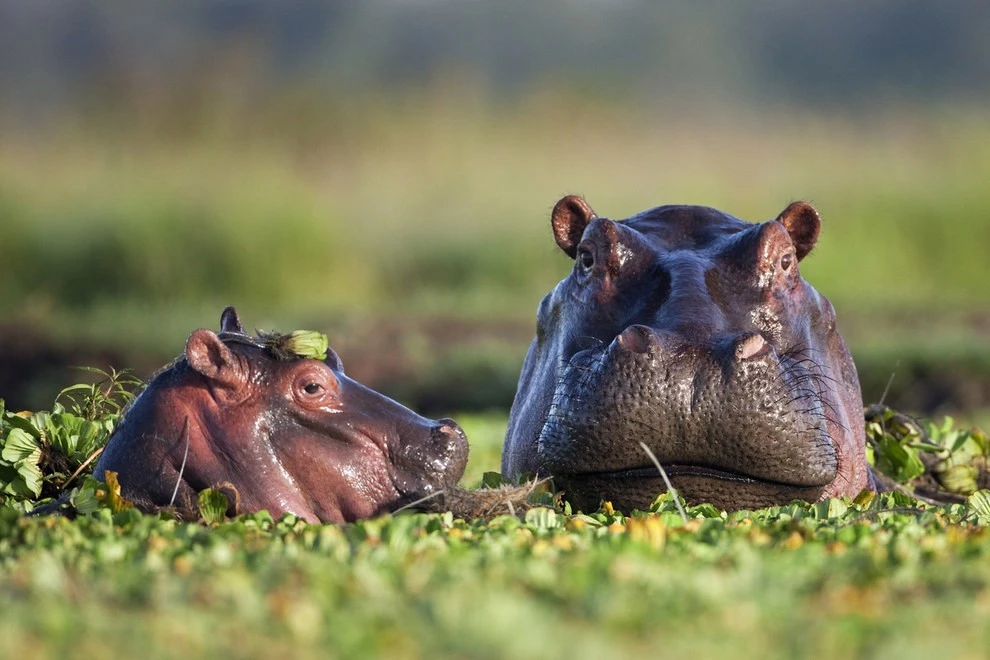
As of 2006, the population of these animals in Africa was approximately 125,000-150,000. Their main threat is hunting. For example, in Virunga National Park in the Congo, hunting has reduced the hippopotamus population from 29,000 in 1970 to 1,515 in 2003. 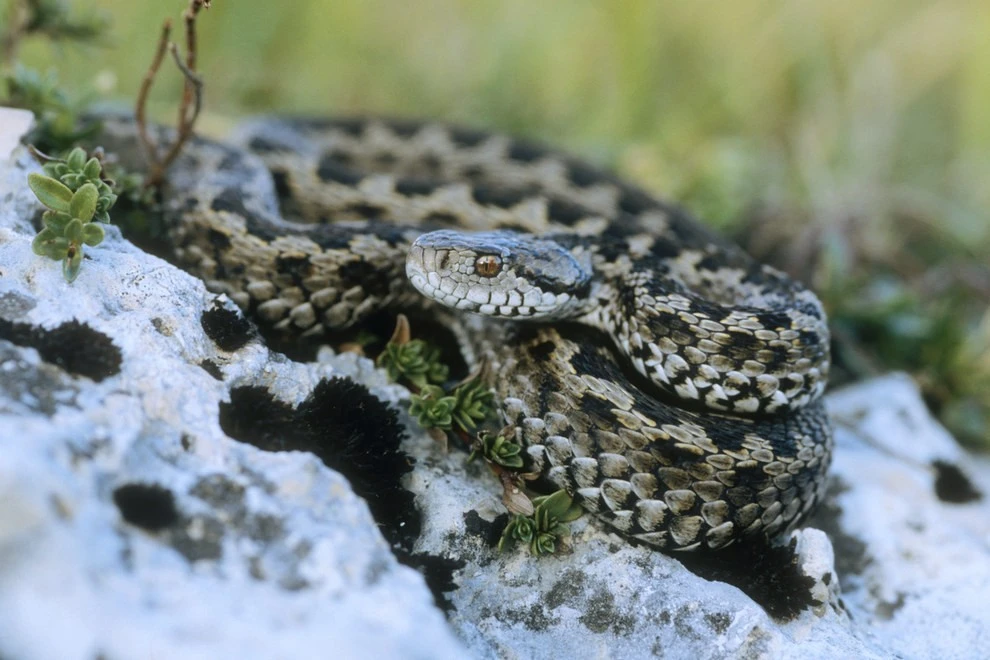
Steppe viper. 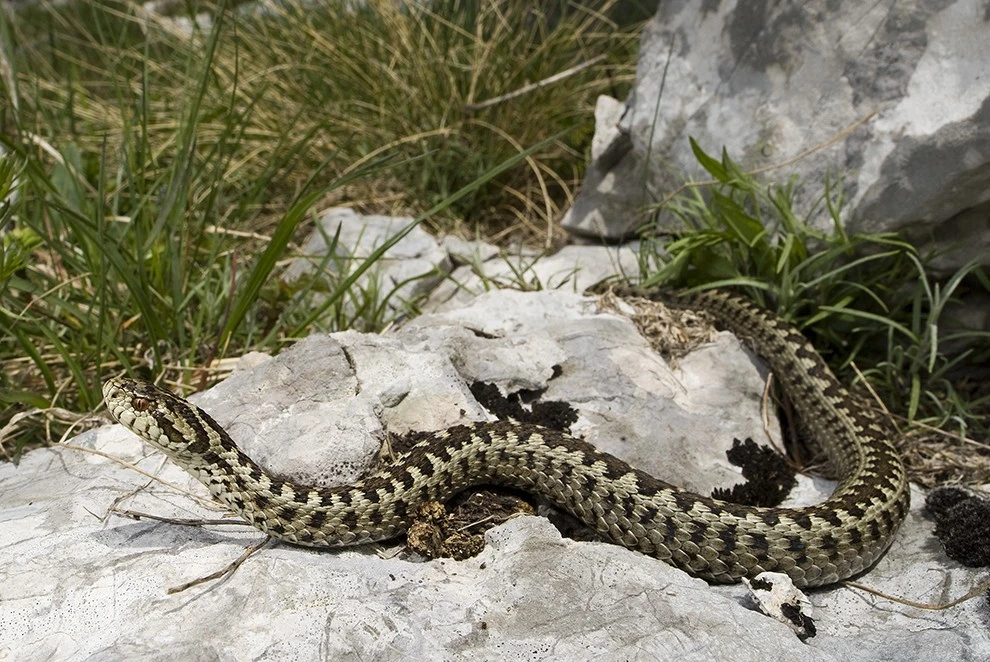
In recent decades, 11 snake populations in Europe have experienced sharp declines, and eight of them decreased by more than 50% between 1990 and 2009. The exact cause is unknown, but it was likely due to a combination of factors, including habitat loss and prey depletion. 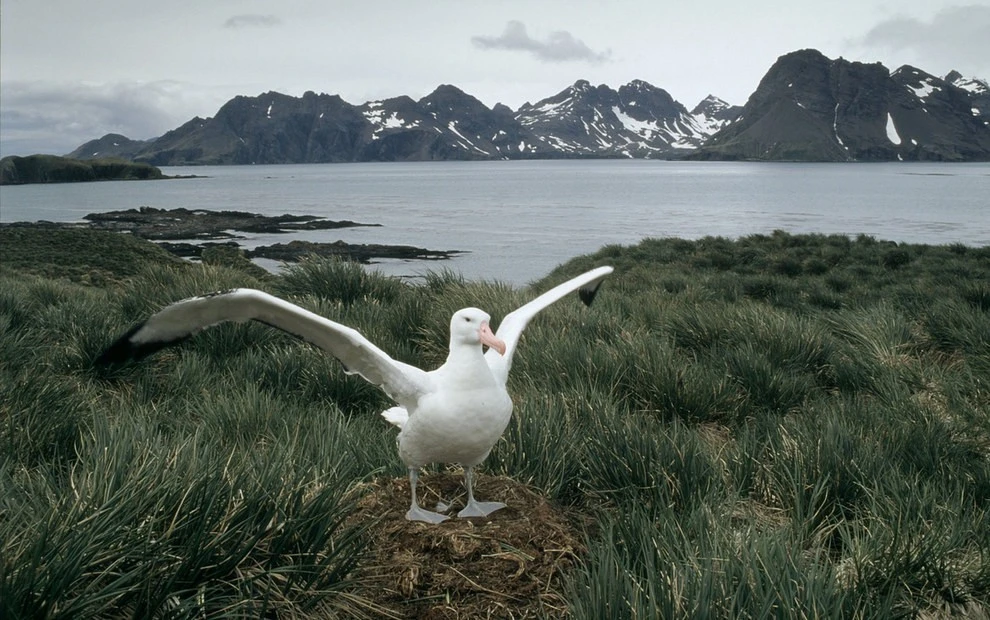
Wandering Albatross. 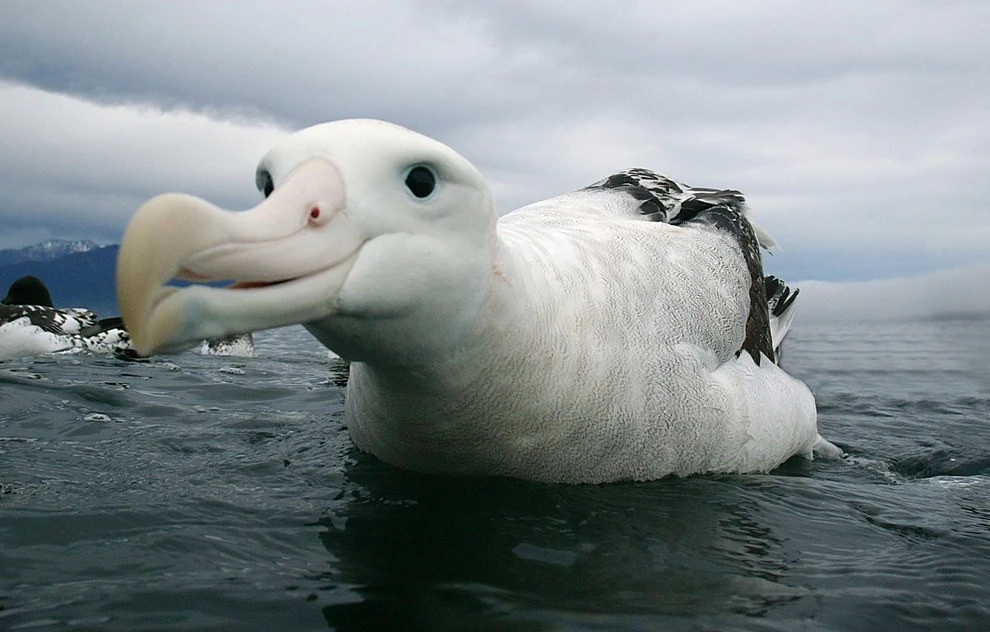
The rapid decline in wandering albatrosses is due to their death in fishing nets. For example, the population on Bird Island in the South Atlantic Ocean declined by 50% from 1972 to 2010.