The Paracas Candelabra - a mysterious Peruvian artifact (12 photos + 2 videos)
The famous Nazca Lines are located in southern Peru. But the Nazca Desert holds more than just these. 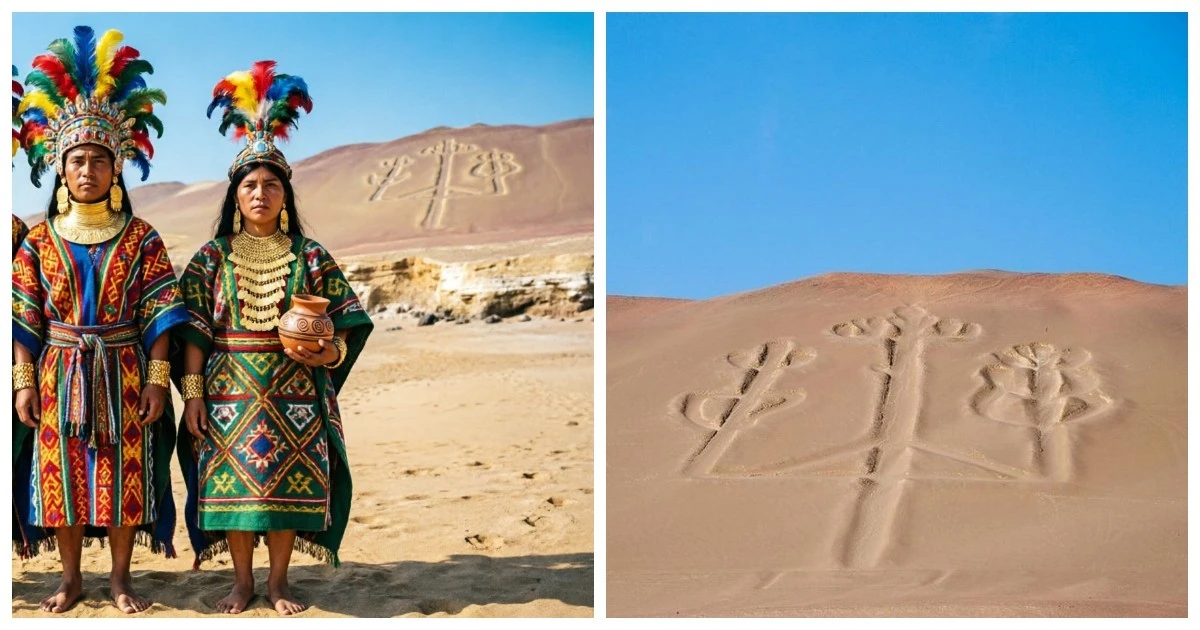
About 200 kilometers to the northwest lies another secluded and lesser-known geoglyph. 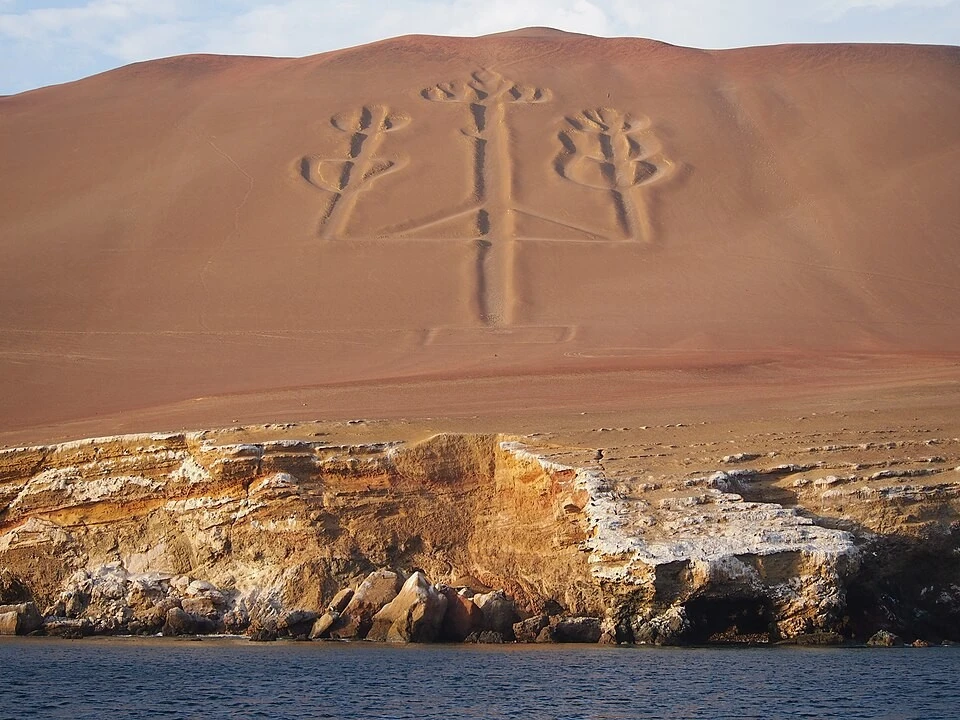
It is called the Paracas Candelabra or the Andean Candelabra because its shape resembles a three-armed candlestick. 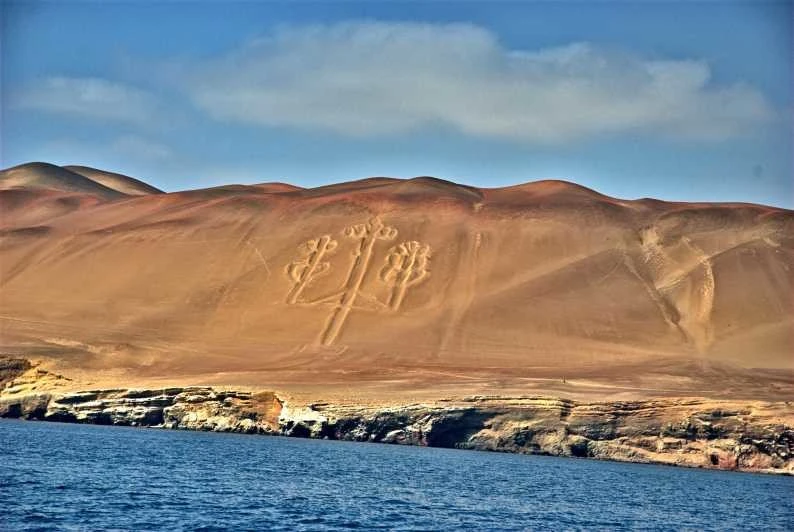
The geoglyph is carved into a hillside in Pisco Bay on the Peruvian coast. The drawing is sunk into the soil to a depth of approximately 60 centimeters and is edged with stones, possibly added later. 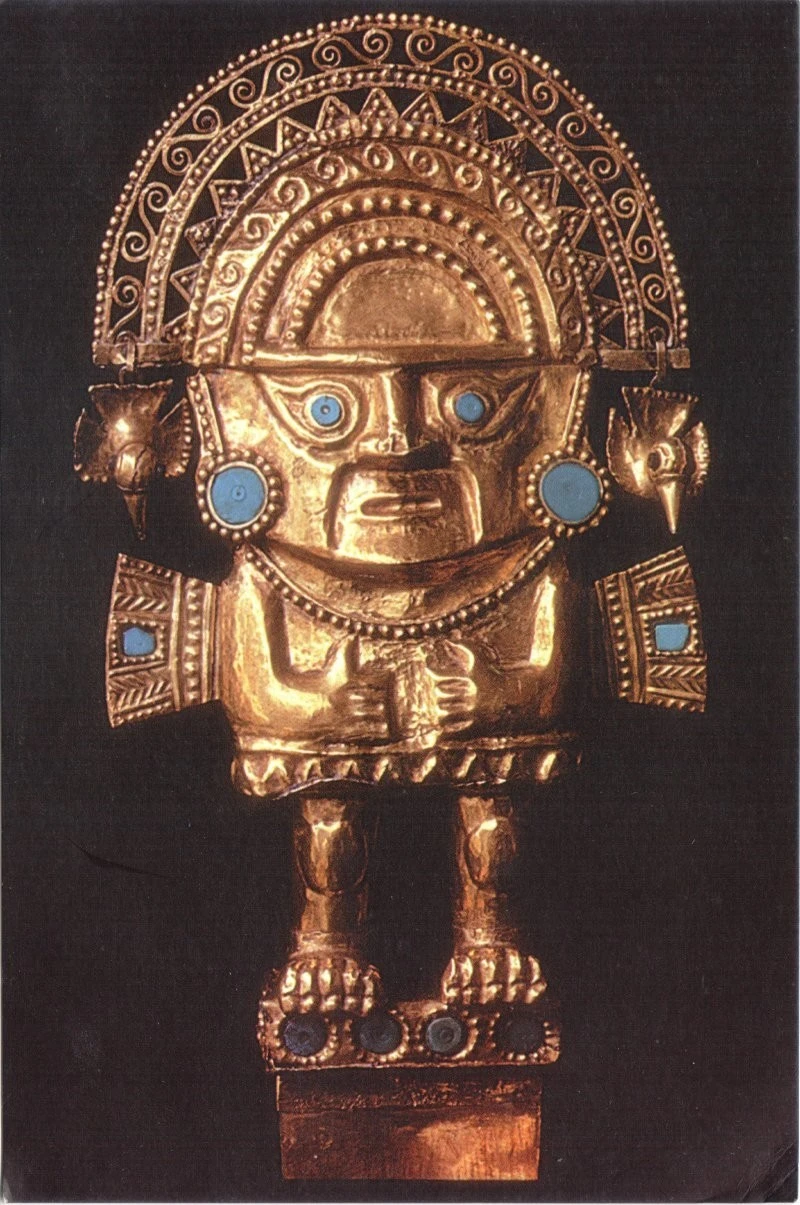
Viracocha is a deity in the religion and mythology of many pre-Columbian peoples of the Andean region.
The figure reaches 181 meters in height. It is visible from a distance of 20 kilometers out to sea. 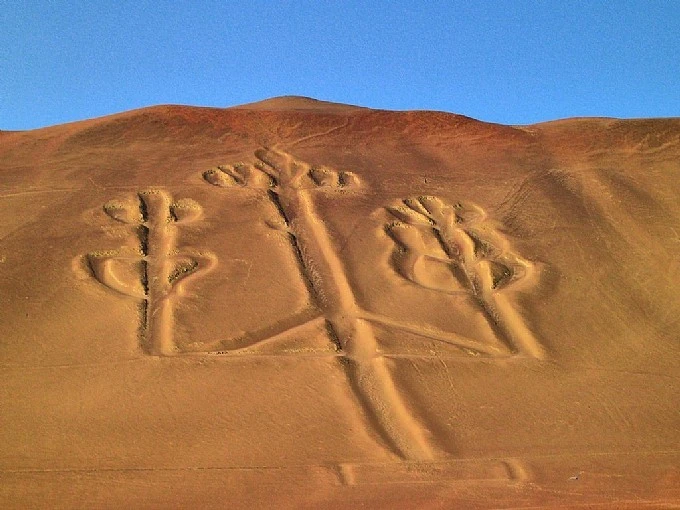
The Paracas Candelabra is usually attributed to the Paracas culture, which existed in the first millennium BC. Archaeologists have found ceramics in the area that have been radiocarbon-dated to 200 BC. 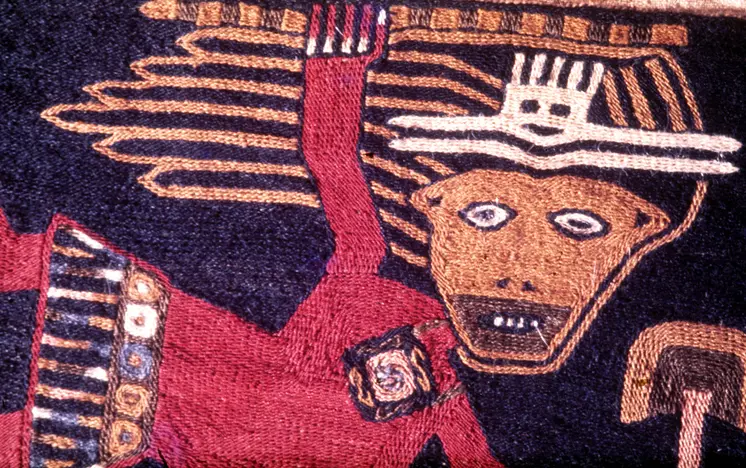
The people of Paracas were known for their beautiful textiles.
The clay vessels most likely belonged to the Paracas people, although there is no confirmation that they created the geoglyph. 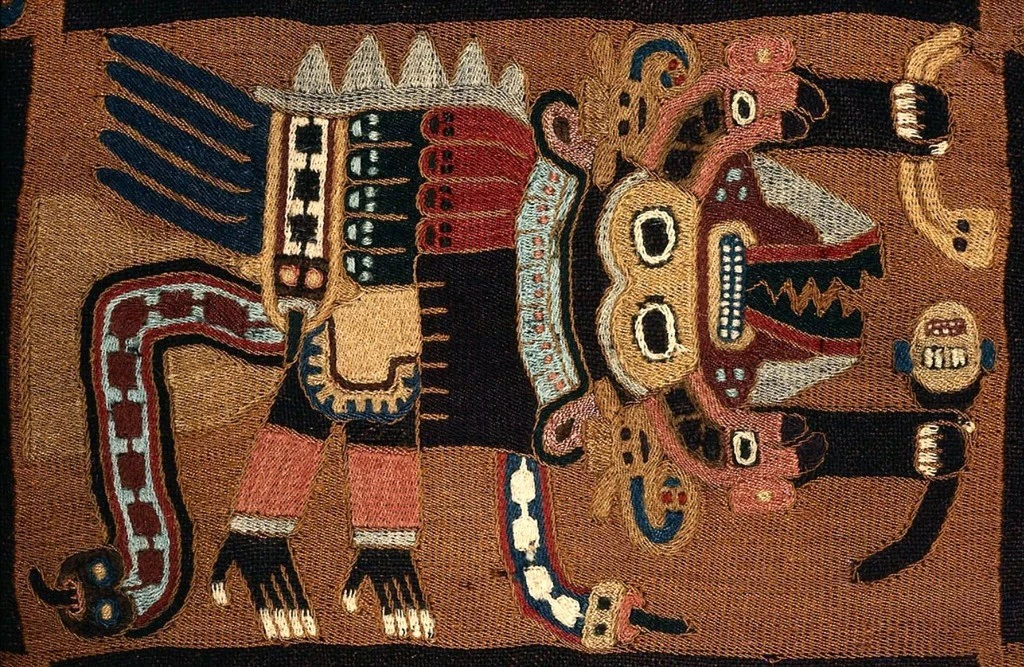
The overall silhouette of the drawing resembles a trident. It is possible that this is the staff of the god Viracocha, a South American mythological figure associated with lightning. 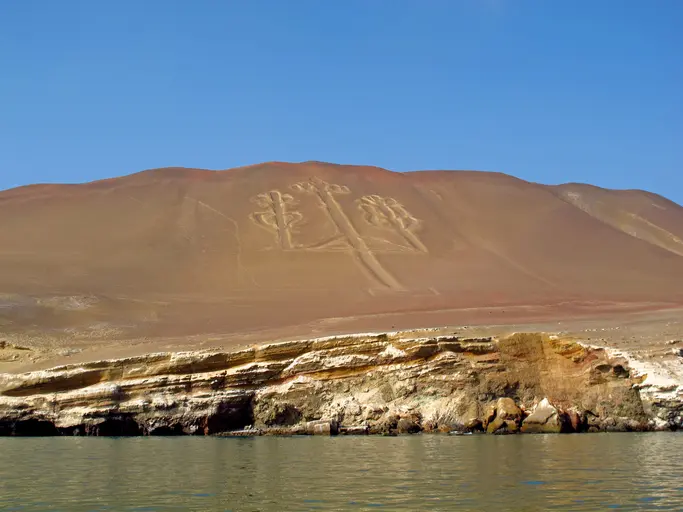
The branches of the trident further branch out into smaller branches. Some say the candelabrum looks more like a cactus. 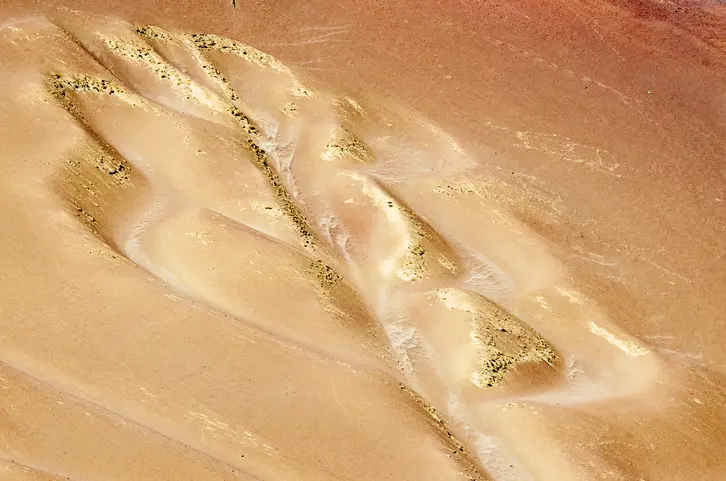
Frank Joseph, an author interested in alternative theories, found similarities to datura in the Paracas Candelabra. He theorizes that the region's ancient inhabitants traveled north to California in search of this plant, and the geoglyph helped them find their way home. 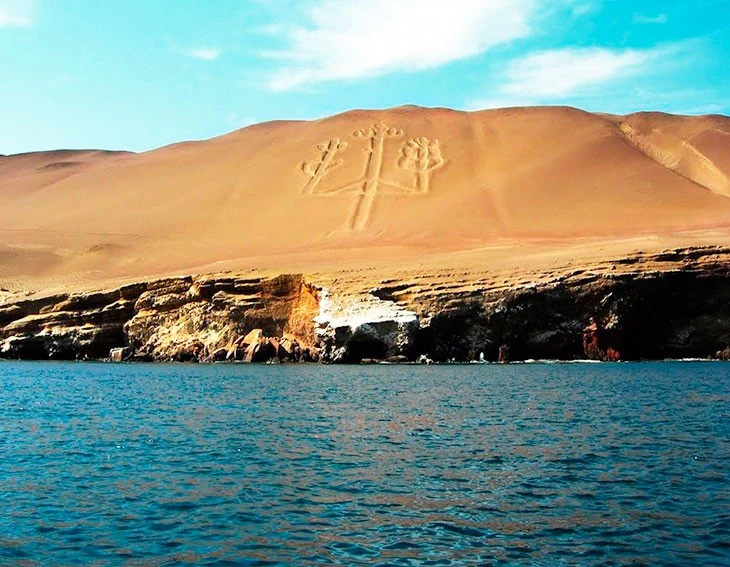
The idea that the candelabrum served as a navigational aid is not new. Locals believe sailors used it to identify the peninsula. 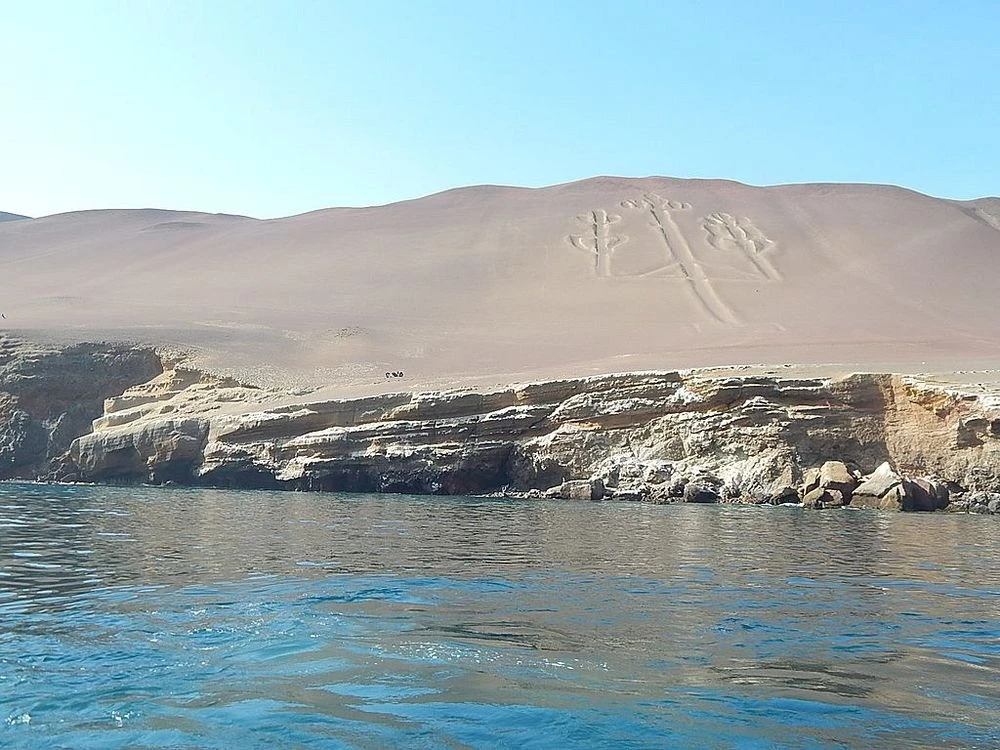
The Paracas Candelabra remains a mystery. Along with the Nazca Lines, it demonstrates how little the world knows about these monuments and pre-Columbian cultures in general.