When a predator approaches a Spanish dancer, it transforms from a sluggish, slow-moving, but very colorful overgrown pancake into a magnificent dancer, impossible to take your eyes off! 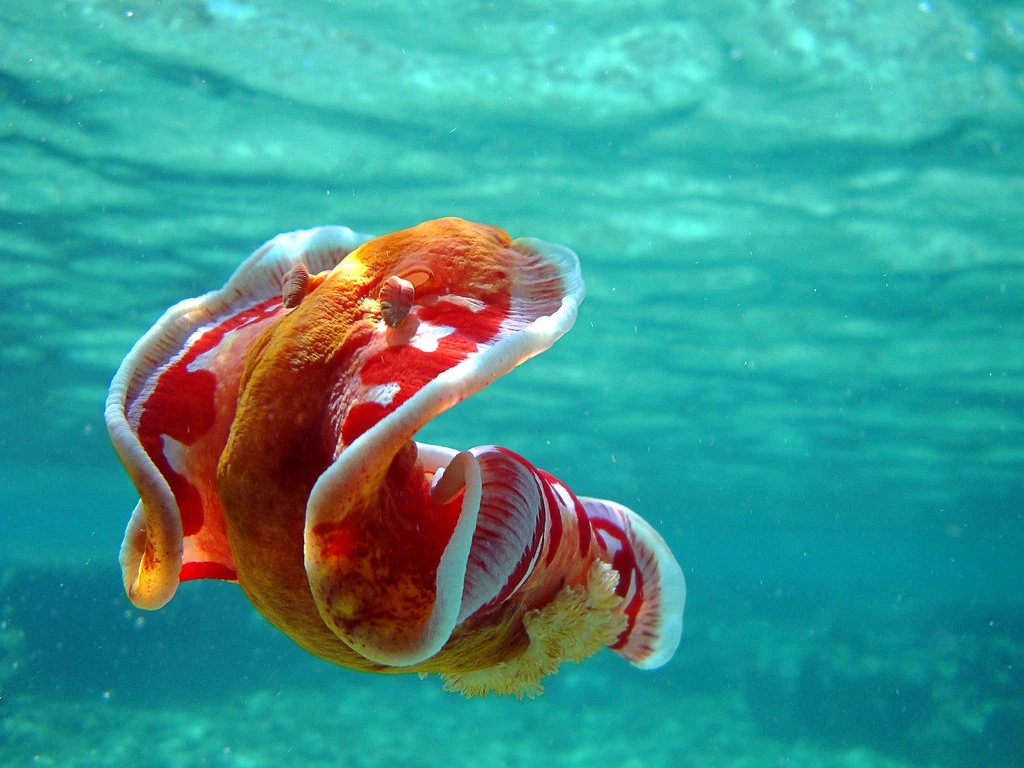
Dance while you're young!
Yes, and how! There's a very ancient and unspoken rule in nature: if an animal looks deliberately bright, it's poisonous. And the more attention it attracts, the more inedible it is. By this logic, the Spanish dancer should be the most poisonous creature on the planet! But he's stretching the truth a bit. 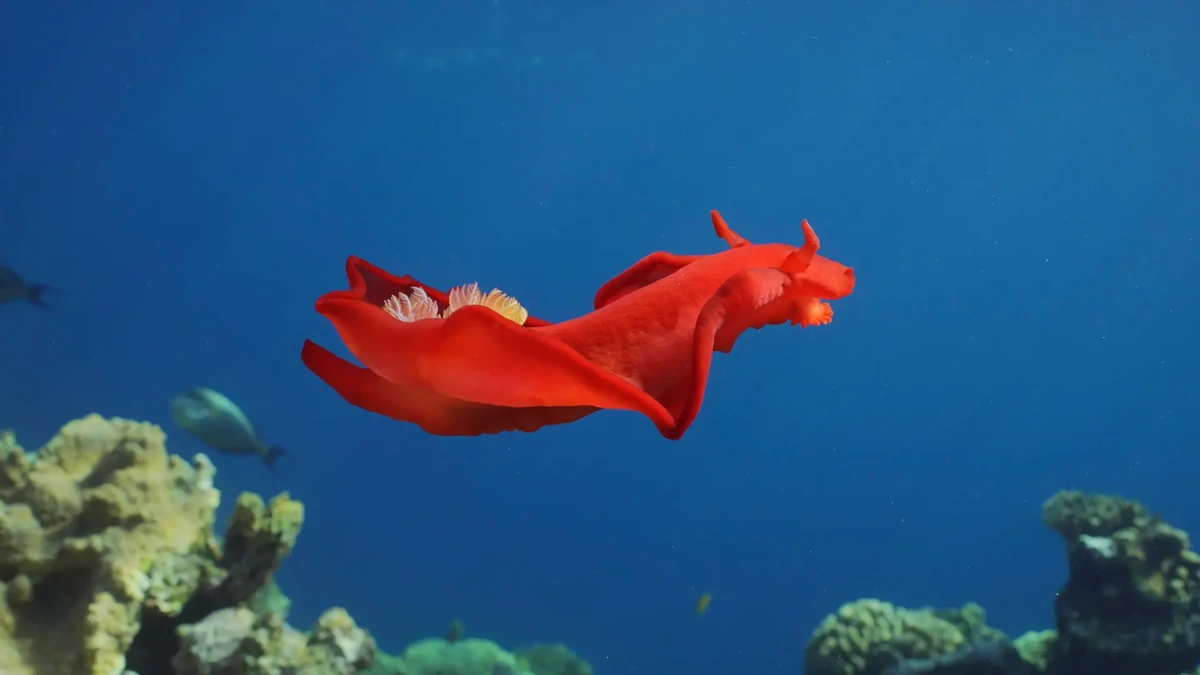
Its entire appearance seems to scream: "Fear me, I'm made of pure poison!"
The Spanish dancer doesn't produce any poison, but it feeds on poisonous sea sponges, to whose toxins it is immune. This poison is deposited in all its organs and tissues. However, there's a catch: the sponges themselves use it to repel small invertebrates and fish. Therefore, theoretically, large fish and crustaceans could dine on a half-meter-long pancake weighing up to 2 kilograms. 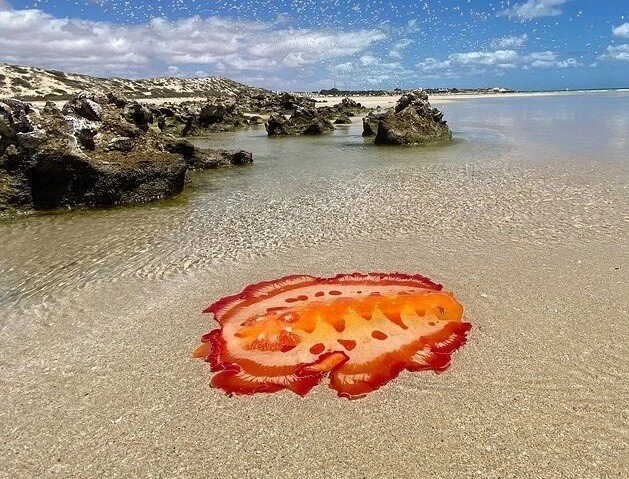
When you're on vacation after a tough project and can finally relax like a colorful puddle on the ocean shore.
But they don't. The dancer is so disgusting to the taste that even humans, with their remarkable ability to eat inedible things, couldn't figure out how to make the flat shellfish even edible. Only two predators—the wrasse and the hermit crab—can eat the dancer, but even they choose any other alternative to the toxic, brightly colored snot. 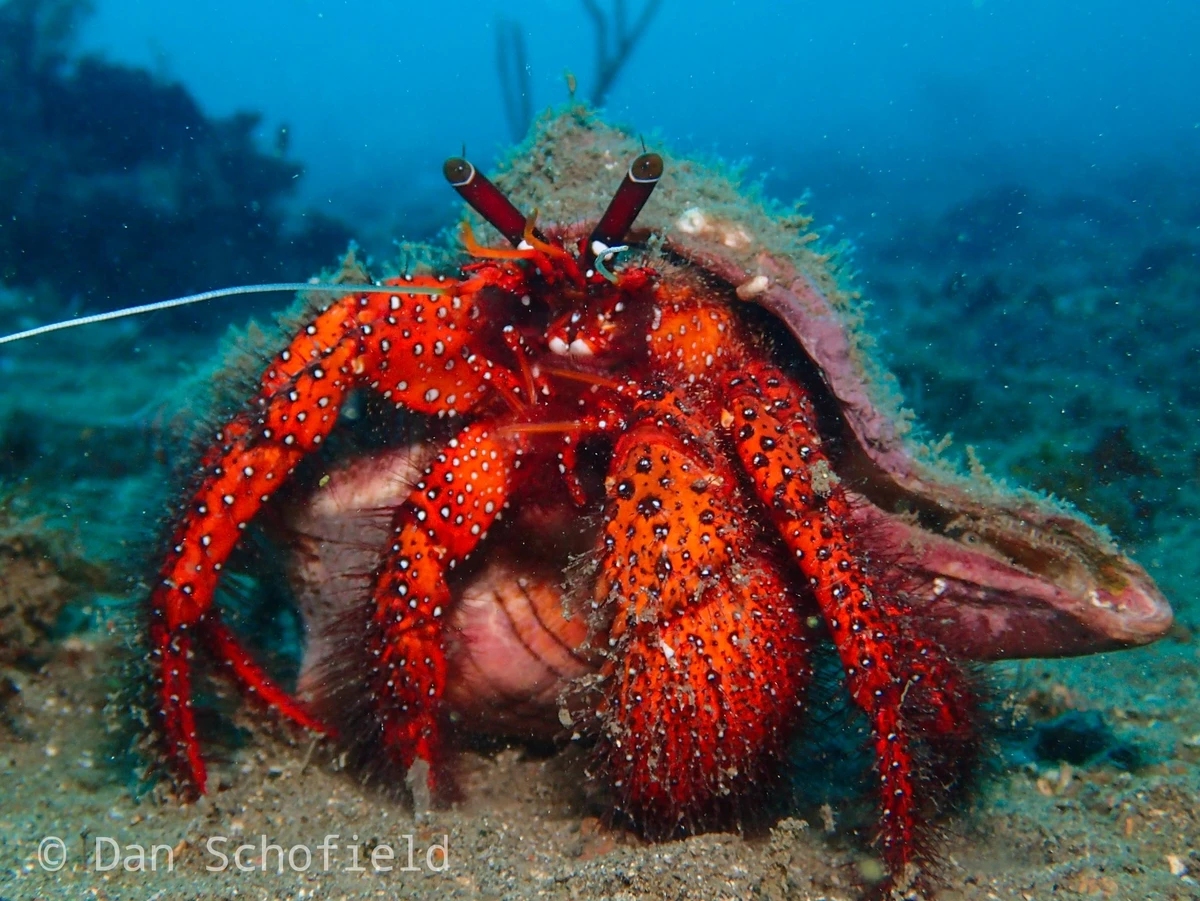
"No, I can certainly eat this crap, but I'd rather dine on crab sticks," the spotted hermit crab tells us.
The Spanish dancer, as you can imagine, is perfectly happy with these conditions. Millions of years ago, it populated all the coral reefs of the western Indian and Pacific Oceans, where it simply basks in its moral and physical superiority over predators. And he doesn't notice that someone else is using it... 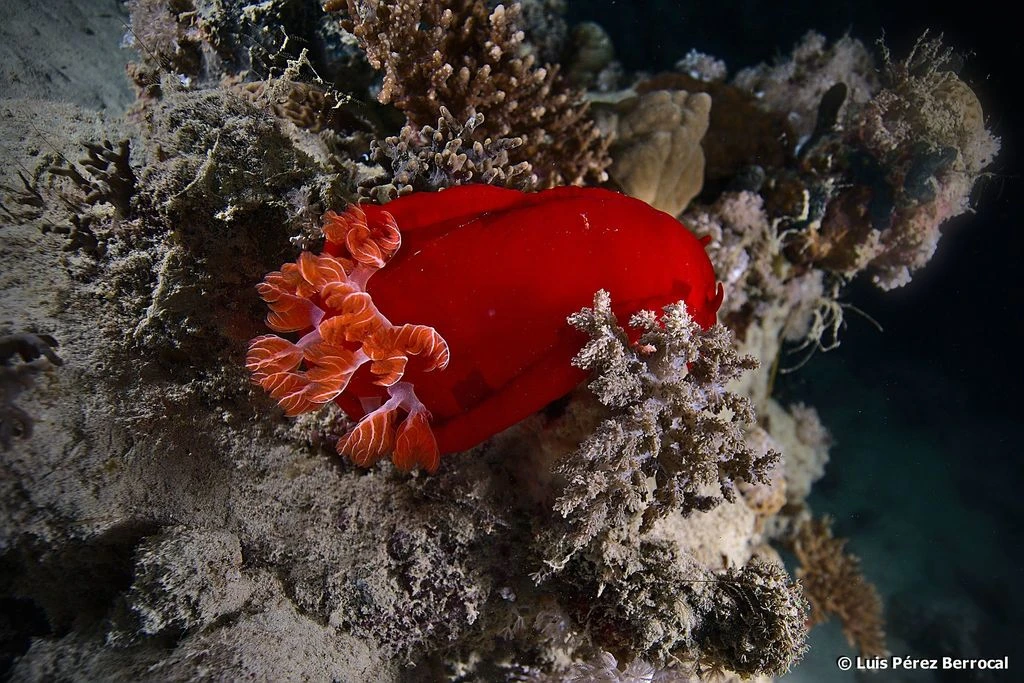
A Spanish dancer's snack looks like this.
Emperor shrimp—bright red crustaceans up to 3 centimeters long—often inhabit the backs of Spanish dancers, where they sit amid the shellfish's protruding gills and rest peacefully. The shrimp are non-venomous and stand out with their red shells even against the colorful backdrop of coral reefs, but it's almost impossible to spot them on a dancer's back. And even if they do, what can you do with them? 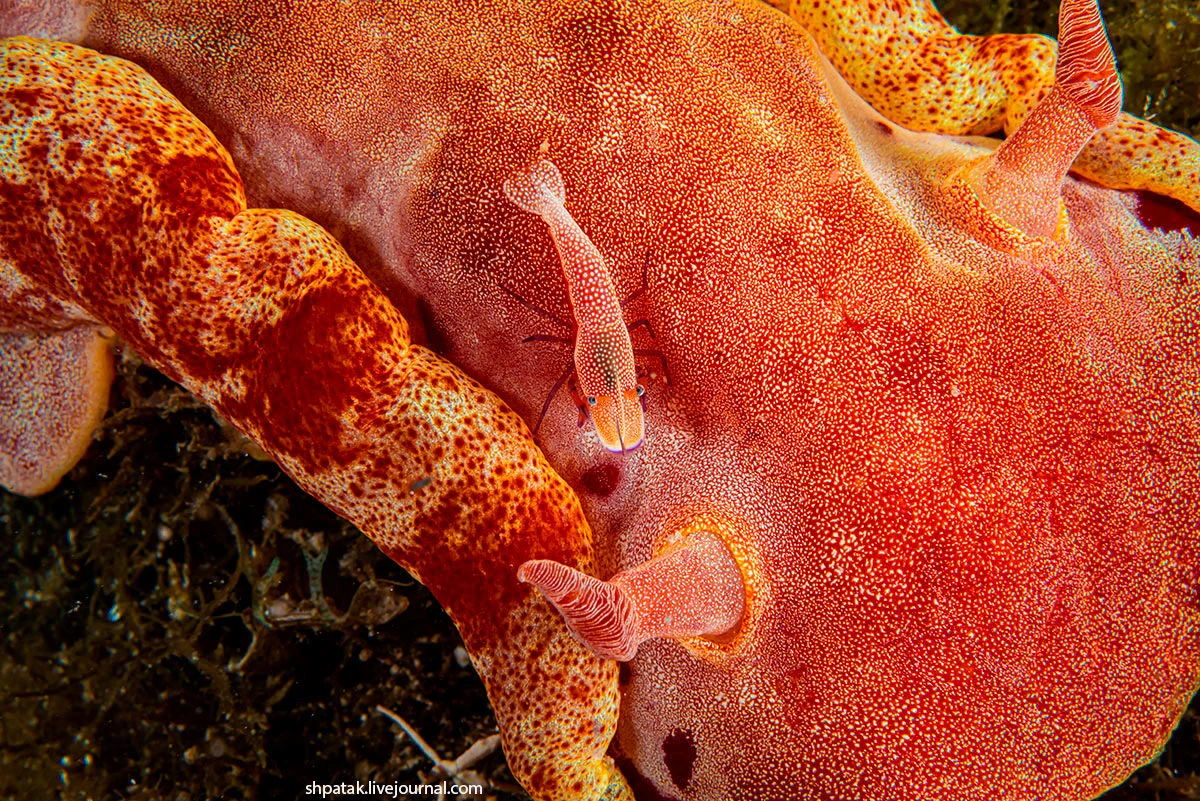
If this photo makes your eyes water, that's normal. It's not just us who get watery, by the way, but predators too.
The eggs of dancers, by the way, are also bright red, and the clutch looks like a beautiful flower, captivating. And the logic is the same: poison from the "mother"'s body seeps into the eggs, turning a potential delicacy into a completely inedible dish. Incidentally, the eggs hatch into amazingly funny little eared creatures—veliger larvae. 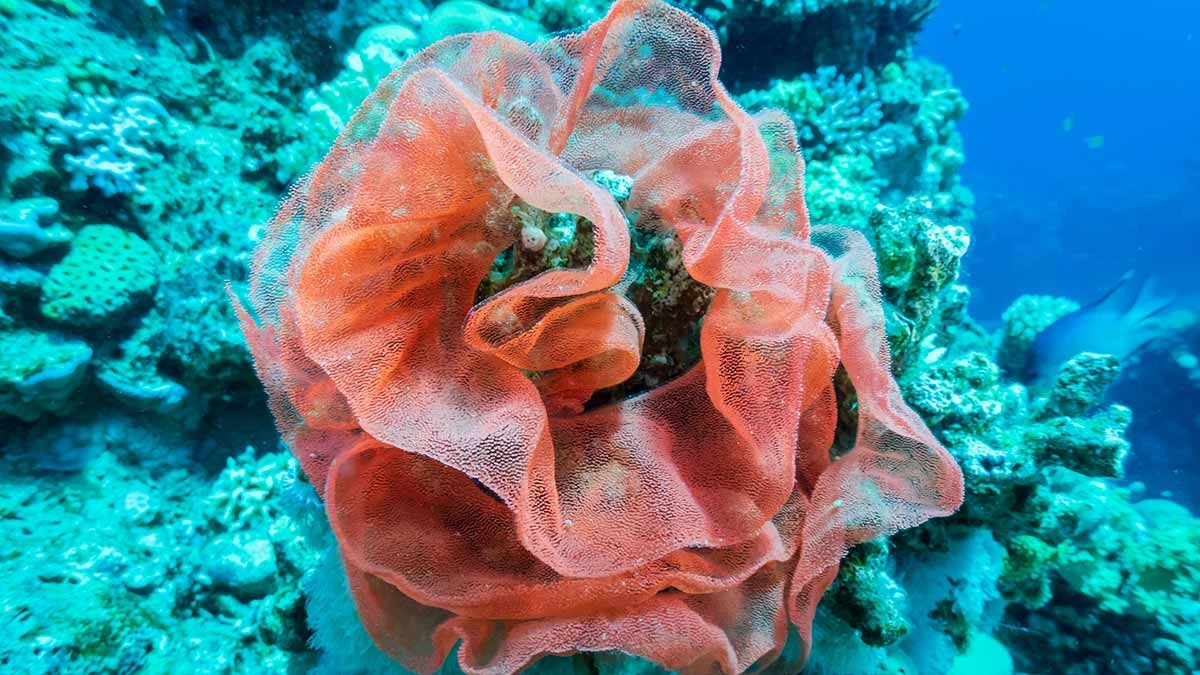
Unusual clutch of a Spanish dancer. 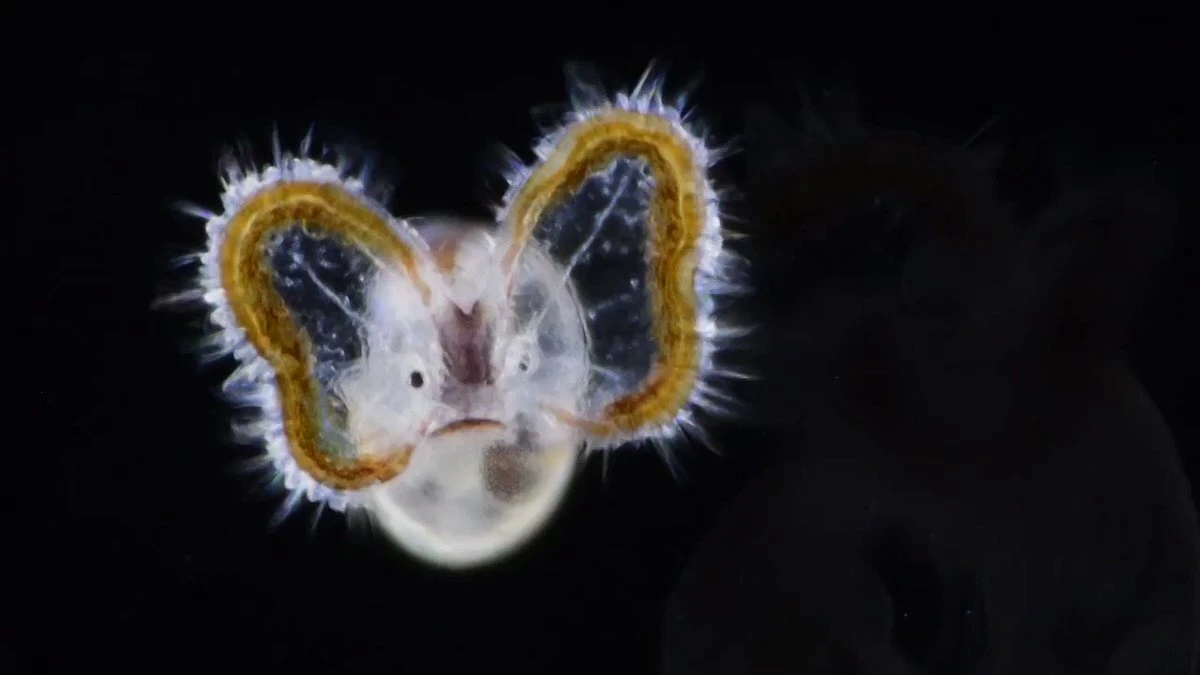
Veligers lack the venom protection of their parents. Maybe that's why they look so frightened?
I'm sure most of you noticed that I put the word "mother" in quotation marks. And that was for a reason. All dancers are hermaphrodites, males and females in one bottle, so when they meet, they fertilize each other and both individuals lay eggs. Which is very convenient if all members of your species are slow-moving bottom-dwelling pancakes!
Add your comment
You might be interested in:

















Persistence in achieving a goal

A biker prevented a hit-and-run driver from escaping

Not everyone is having fun on the amusement ride

A book titled "A Guide to Rebuilding

Young women, Dancing and George Michael: nothing superfluous

An apology delivered with a running start

A steam locomotive for "big boys"

The cutest lunch delivery ever

A race for a parking spot
