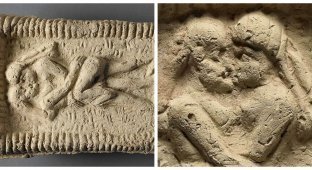
A Day in the Life of Humanity: How the "Standard Glass" Has Changed Over 6,000 Years (11 photos)
Imagine the entire history of humanity as one endless day. The sun rises over the dusty bricks of Mesopotamia, reaches its zenith over medieval Europe, sets in the glittering New York of the late 19th century, and fades in the neon haze of modern Tokyo. And for all these six thousand years, a glass sways steadily in a person's hand. What exactly is in it, how many proofs are there, and why do we even raise this glass? We answer through four scenes—four still frames from human history. 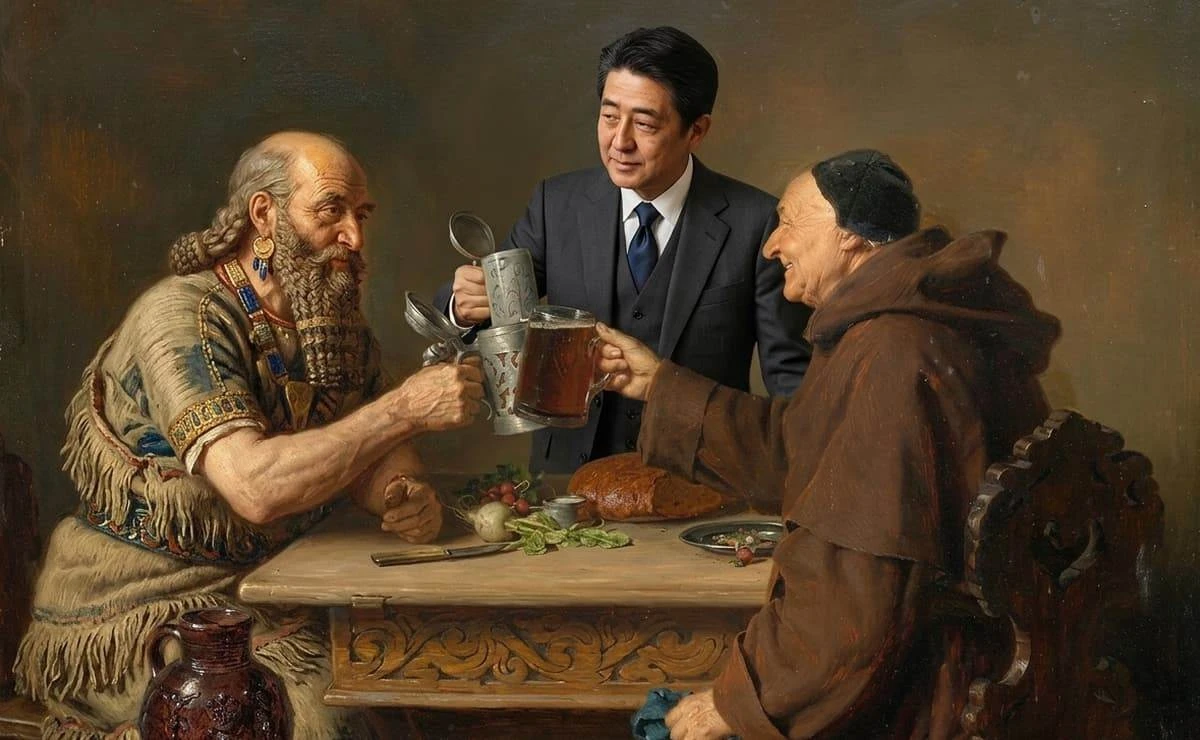
Sumer, 3000 BC. Payroll
A dusty afternoon in ancient Uruk. A crowd bustles at the ziggurat construction site. A scribe in a linen loincloth carefully presses a reed stick into the wet clay. A line of workers forms before him—but they aren't expecting gold coins or even sacks of grain. Today, they are being paid their daily wages in beer. 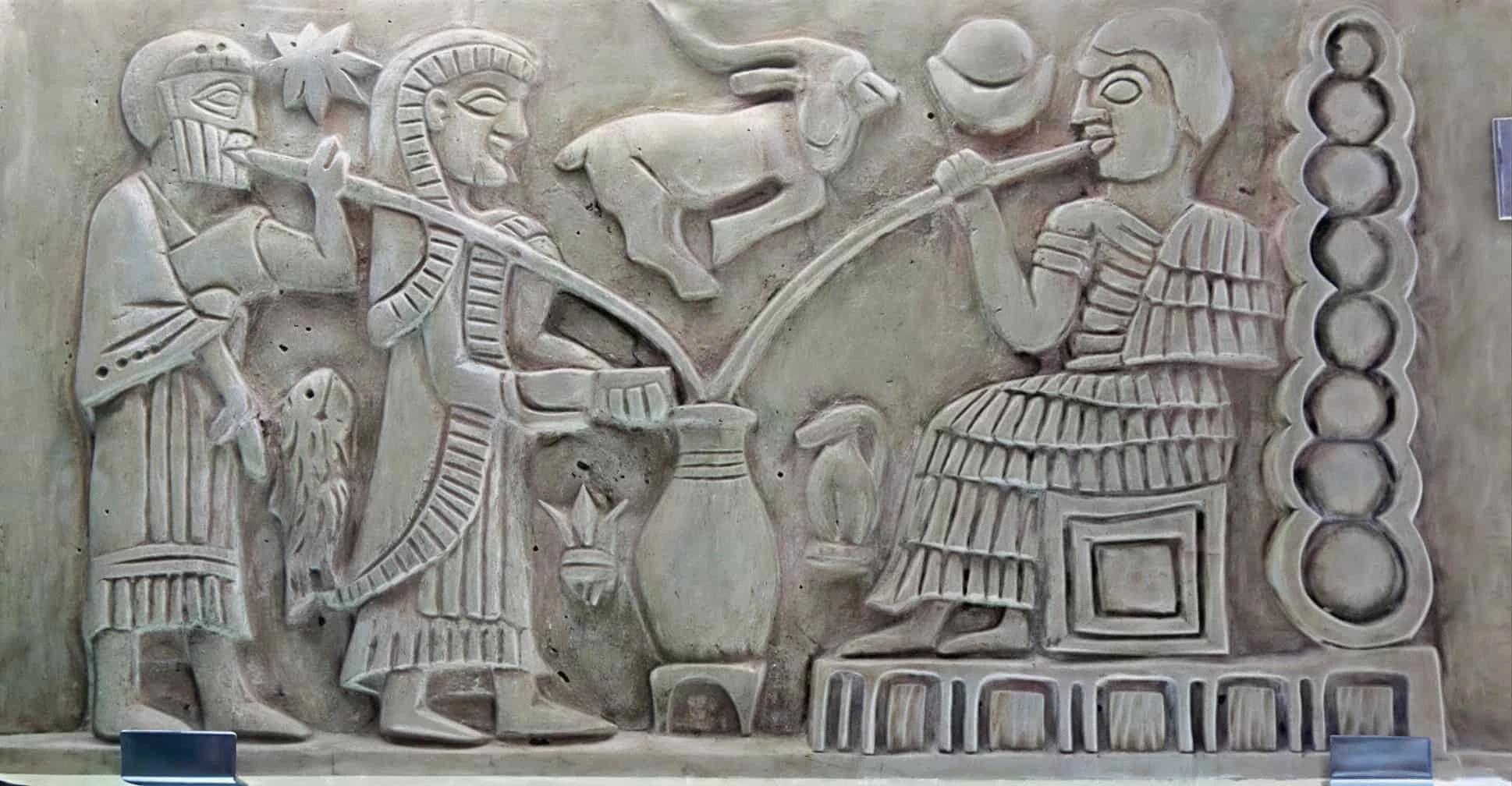
On a bas-relief created between 3500 and 2900 BC, Sumerians drink beer through reed straws.
A common builder receives two liters of the thick, nutritious drink. An overseer takes four, an official or priest—all five. A clay tablet from Uruk, covered in pictograms, is the oldest accounting record in history. Two symbols: a human head with a bowl ("ration") and a conical vessel ("beer"). The number of scratches next to it represents the number of servings. Accountancy arose not from a thirst for gold, but from the need to account for alcohol. 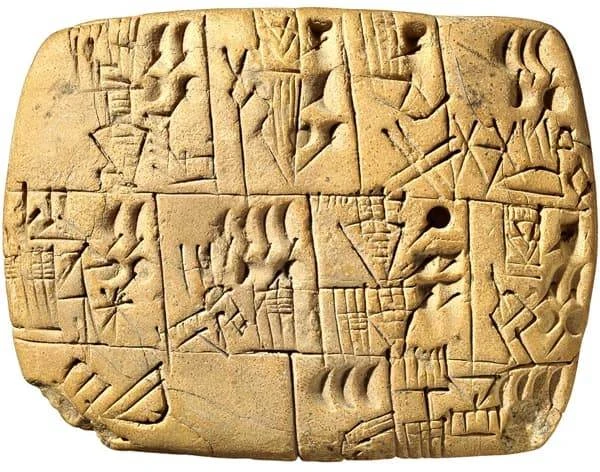
That very clay "payroll" from Uruk is the oldest accounting document in history
For the Sumerians, beer wasn't a way to unwind after a hard day. It was liquid bread, a source of pure calories and hygiene in a world where raw water was deadly. They drank it through reed straws—otherwise, they couldn't get through the thick, yeasty sediment. The drink itself was unhopped, made from barley and spelt, with an alcohol content of about 3–3.5%. The taste was somewhere between modern beer and hard cider.
Sumer: Beer as a Civilizing Force
In the great "Epic of Gilgamesh," the wild half-man, half-beast Enkidu is civilized precisely when he drinks seven jugs of beer: "His soul leaped and rejoiced, his heart rejoiced, his face shone." Afterward, he washes himself, dresses, and becomes human. Beer here is not a vice, but a civilizing force, a boundary between nature and culture.
The Sumerians even had a goddess of beer, Ninkasi the Bright-Flowing, to whom they dedicated separate poems. It was in her hymn of praise, recorded on clay tablets, that the world's oldest beer recipe was preserved: in 1989, Sumerology professor Miguel Civil of the University of Chicago translated these verses, and brewer Fritz Maytag brewed a drink from them. The result was semi-dry, not bitter, and lively. 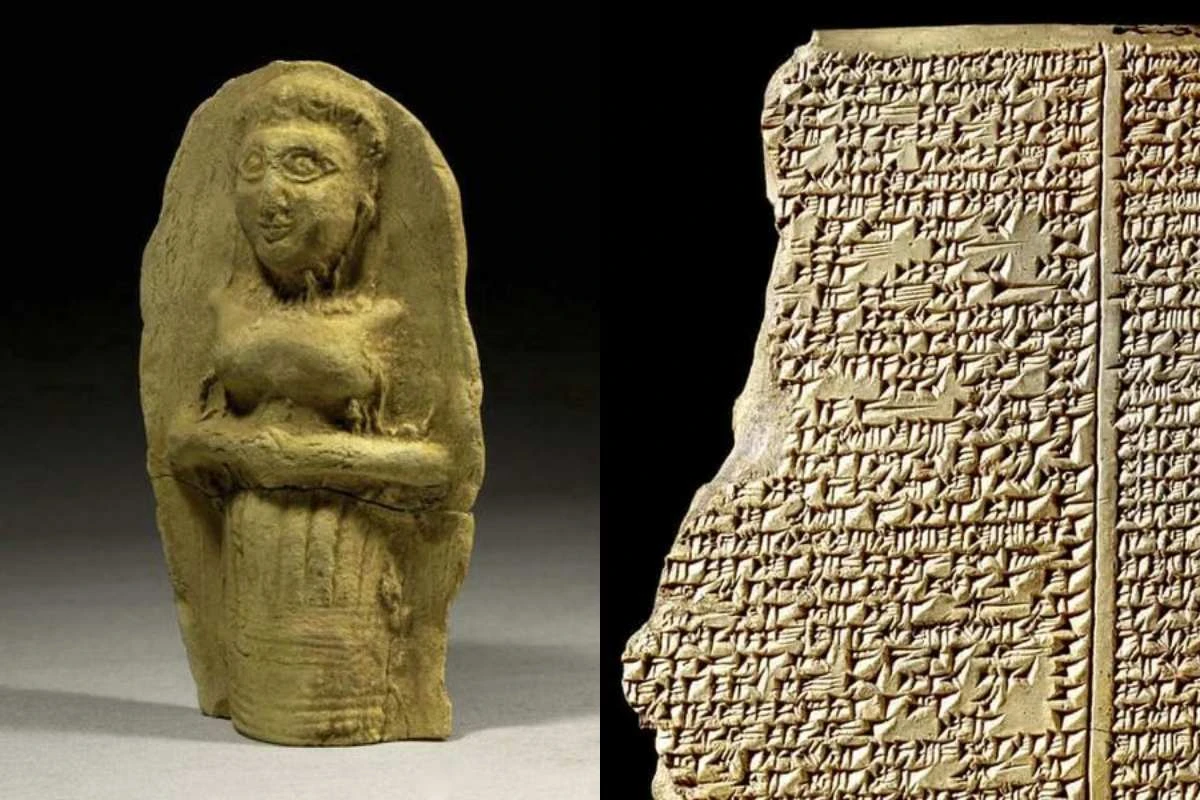
A hymn to the goddess of beer, Ninkasi, is the oldest beer recipe in history, recorded around 1800 BC.
So alcohol wasn't just a pastime, but the economic foundation of the world's first urban civilization: the first salary, the first accounting document, and the first literary symbol of the transition from savagery to order.
Florence, 1348. A Cure for the Black Death
Florence is suffocated by the plague's heat. The streets are empty, the air is heavy with the smell of burning and vinegar. Dr. Ruffo writes a prescription for a frightened city dweller: take pills of aloe, saffron, and myrrh, washed down with a liter and a half of dry white wine daily. The poor don't have the money for imported spices, so they simply follow the second part of the prescription and down wine by the liter. 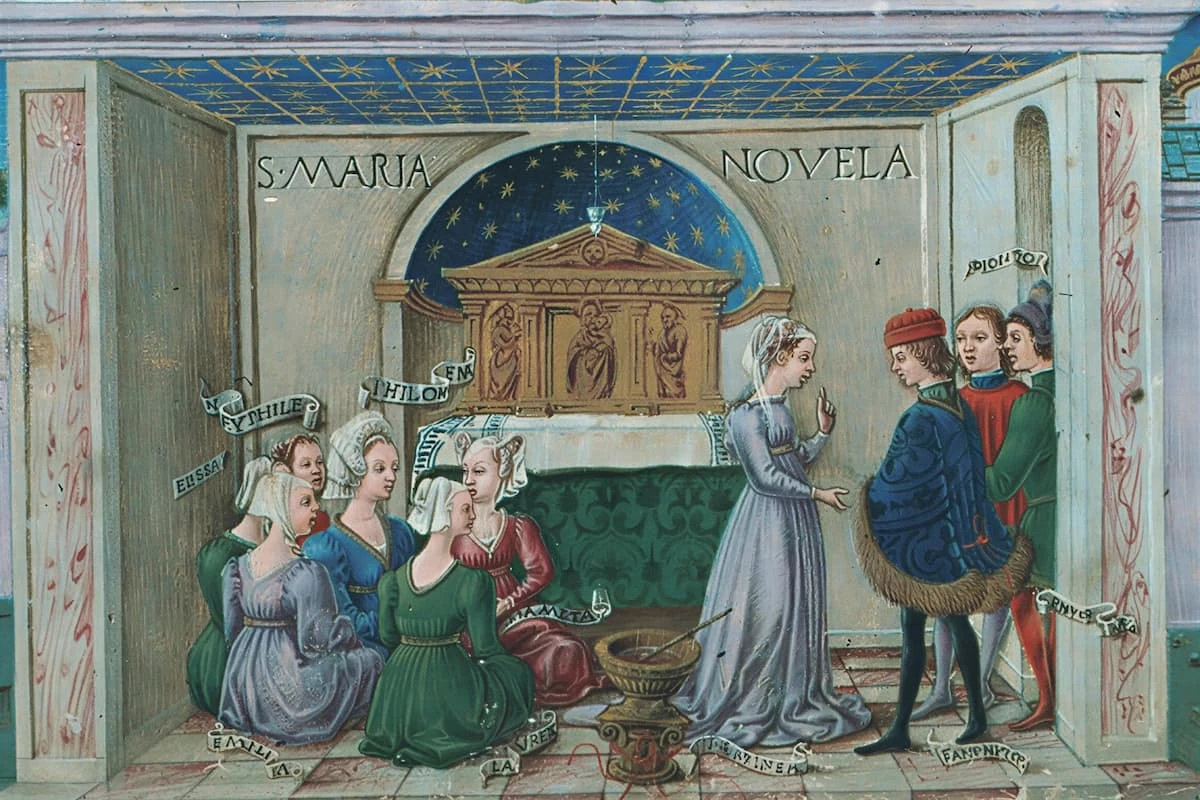
Those who took refuge from the Florentine plague in the church of Santa Maria Novella. Miniature by Taddeo Crivelli for Giovanni Boccaccio's "Decameron." 1467
And, oddly enough, they survive more often. In an era when well water was teeming with bacteria and no one thought of boiling it, weak wine was the only truly safe drink. Modern science confirms this: the acidic environment of dry white wine kills cholera vibrios and salmonella in seconds. Residents of wine-growing regions were indeed less likely to suffer from epidemics—and this was noted long before the advent of microbiology. 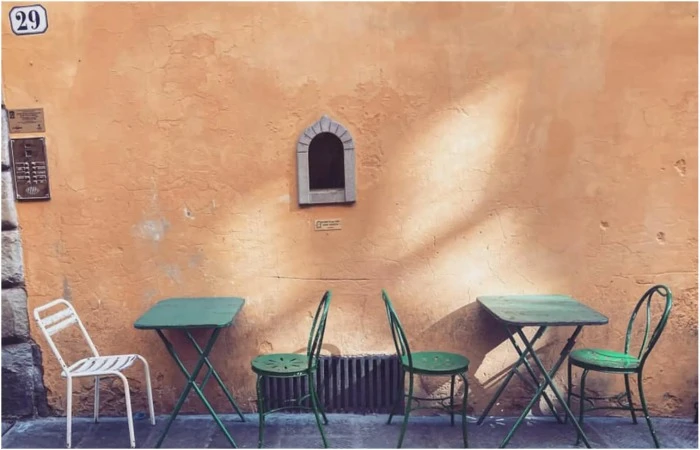
"Wine windows"—a medieval touch in the historic center of Florence
A little later, during subsequent waves of plague, tiny arched openings—buchette del vino, or "wine windows"—were revealed on the blank walls of stone palazzos. Customers would knock and slip coins in, and the merchant would immediately drop them into a bowl of vinegar for disinfection. In exchange, a life-saving jug would emerge from the window. Wine offered protection not only from thirst but also from panic, becoming a fragile shield between man and the epidemic.
New York, 1874. The Birth of Cocktail Culture
The crystal chandeliers of the Manhattan Club bathe the oak paneling of the bar in warm light. Outside, the brash, towering New York of the Gilded Age roars. A bartender in a starched shirt confidently mixes rye whiskey, sweet vermouth, and a few drops of aromatic Angostura bitters into a glass. A cocktail cherry is skewered. 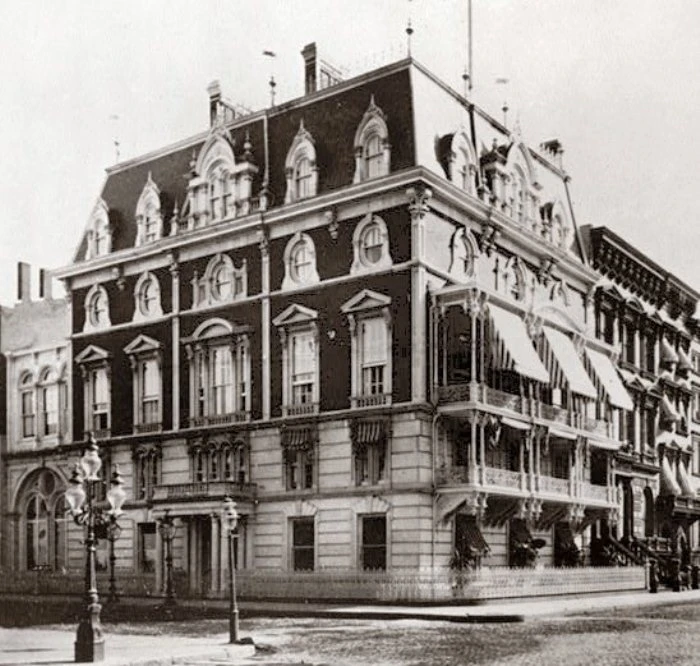
The Manhattan Club building in New York City. Late 19th century
This is how the legendary Manhattan cocktail was born. The exact date is a matter of debate: the most plausible version places the banquet at the Manhattan Club in 1874, while the first newspaper mention dates back to 1882. But it's not the date that matters, but the shift. Alcohol ceased to be a means of survival or sheer intoxication—it became an aesthetic ritual, a marker of the social status of a new urban class. The "happy hour" culture (initially a bar marketing gimmick) emerged, the first bar guides were published, and bartending acquired the status of an art form. 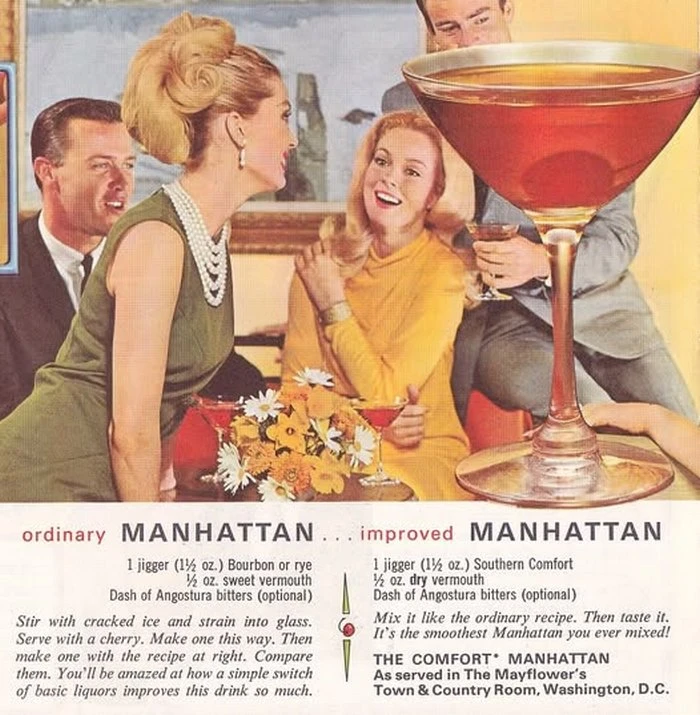
Manhattan cocktail recipe. Poster from the 1950s. USA
By the mid-20th century, the Manhattan had become the second most popular cocktail in the world. Since 1961, it has been included in the official list of the International Bartenders Association (IBA) in the "unforgettable" category. A Gilded Age citizen goes to a bar not for calories, but for the atmosphere, the taste, and a touch of glamour. It's no longer "how much" that matters, but "how" and "with" them.
Tokyo, 2024. Solitude with a "zero"
The bright neon light of a 24-hour convenience store in Shinjuku. A tired salaryman (office clerk) glances at the beverage shelves after a 12-hour workday. His choice falls on a can of non-alcoholic beer, stylishly labeled "Zero." At home, in his tiny studio apartment, with the television flickering, he takes his first sip. 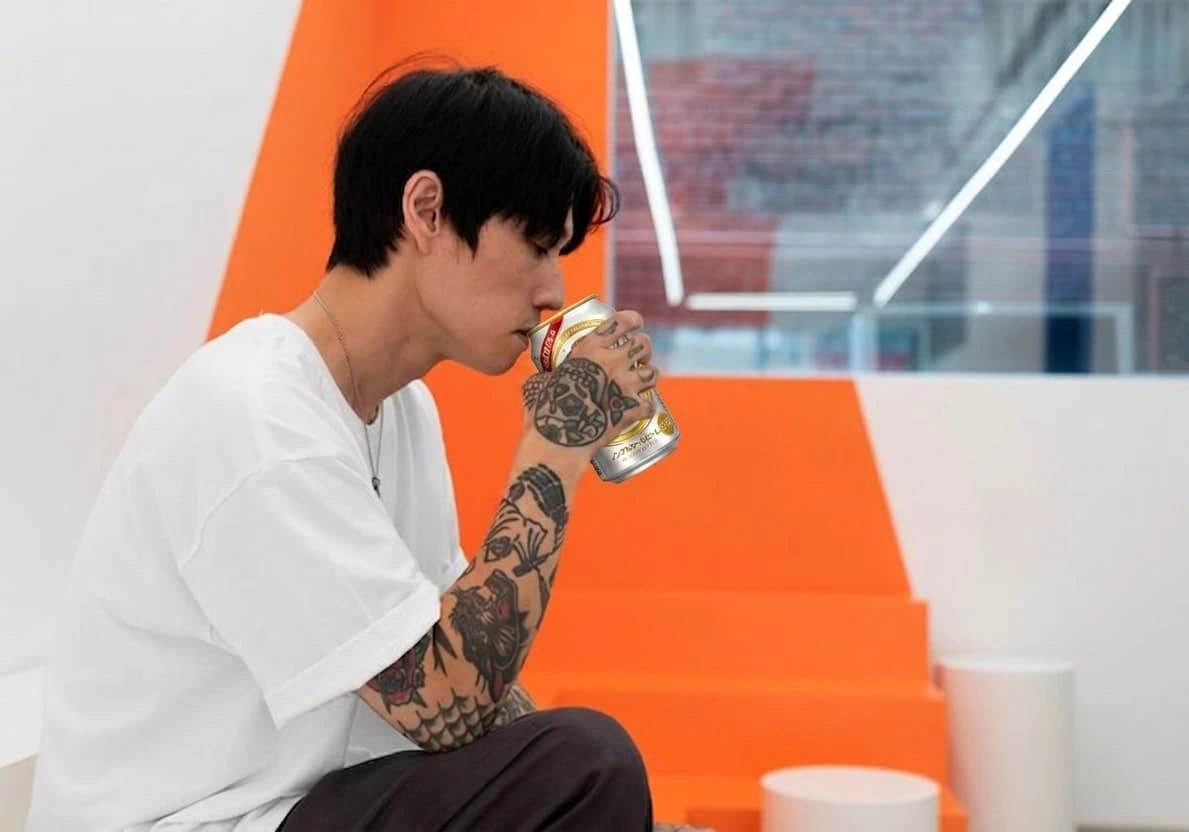
For Japanese sararaiman, an evening "zero-voucher" is a way to switch off without affecting the next workday.
Today, Japan is experiencing a veritable "zero-voucher" boom. According to research firm IWSR, global sales of non-alcoholic beer will grow by 9% in 2024—and Japan is leading the way. Generation Z overall drinks approximately 20% less than millennials of the same age, according to research by Berenberg Research and CivicScience. But the need for an evening recharge hasn't gone away. Non-alcoholic beer, wine, and gin allow you to maintain a familiar ritual—relieving stress, feeling "almost tipsy" (even if it's a placebo effect)—without a hangover or career damage. 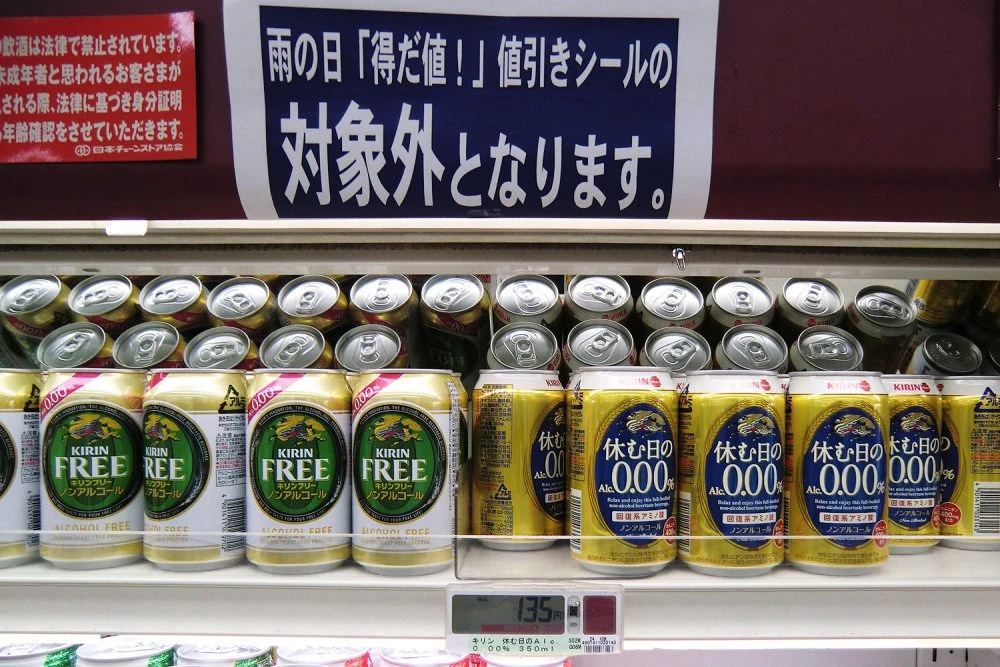
Non-alcoholic beer is rapidly growing in popularity in Japan
At this point, history takes a surprising turn. Six thousand years ago, the Sumerians drank beer with an ABV of 3–3.5% to simply live and work without worrying about getting drunk. Today, we open a can of non-alcoholic beer for the same purpose—to stay productive in the frantic pace of the metropolis. The ritual remains, but its chemical essence has evaporated.
What next?
After six millennia, humanity transformed a crude tool of survival into a sophisticated taste industry—and ultimately, into an illusion. Our "standard glass" was sometimes filled with nutritious Sumerian slush, sometimes used as a lifesaver during epidemics, sometimes sparkled with an expensive cocktail, only to eventually become completely pure and alcohol-free. Eras, vessels, and degrees of alcohol changed, but one thing remained constant: alcohol has always reflected the very essence of human culture. 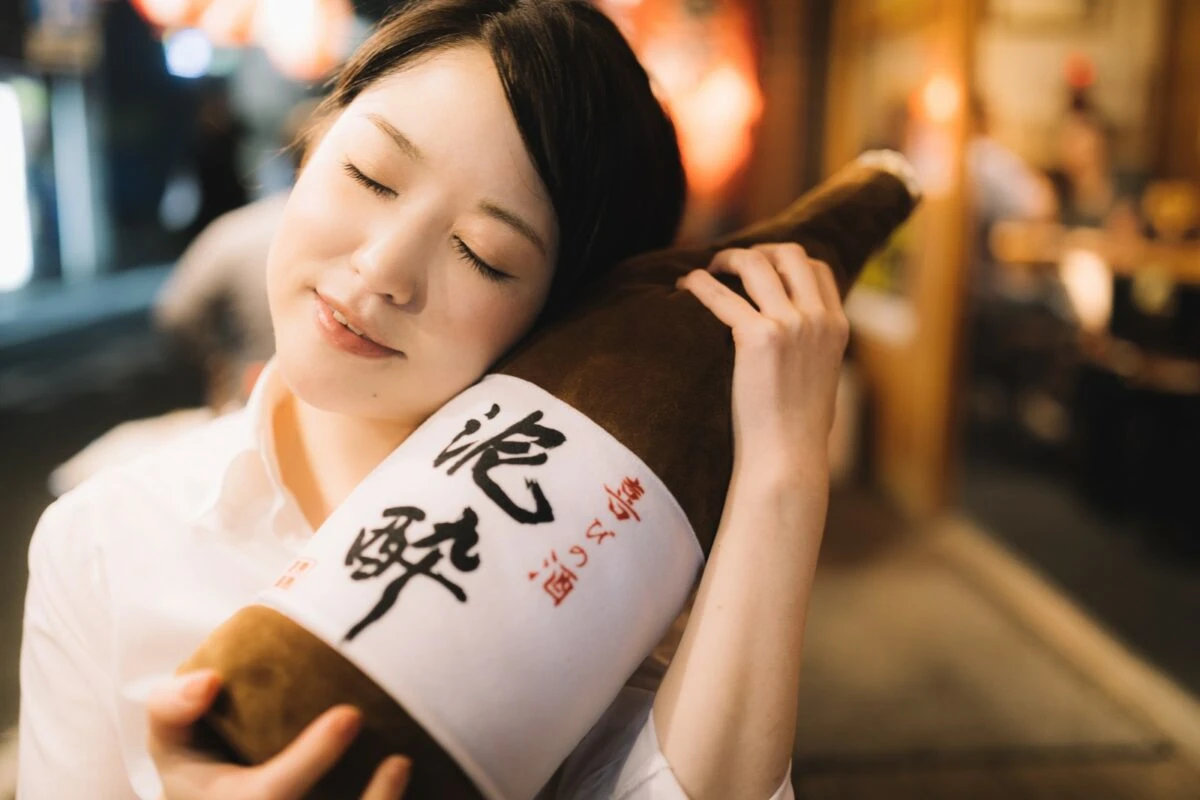
A Japanese woman hugs a plush pillow shaped like a traditional 1.8-liter bottle of Isshobin sake. Caption: "Dead drunk"
Where do you think this evolution will take us next? Will humanity be able to completely abandon alcohol rituals? Or perhaps the "zero" cocktails are just a temporary compromise before a new wave of cocktail fashion? Share your thoughts in the comments!