Unusual and Interesting Photos from Around the World Taken in the 20th Century (21 photos)
This is a journey through time through rare and intriguing photographs taken in various parts of the world throughout the 20th century. These images offer a glimpse into the past and reveal the daily routine, daily life, and lives of people in different eras of the past century. All photographs have been colorized. 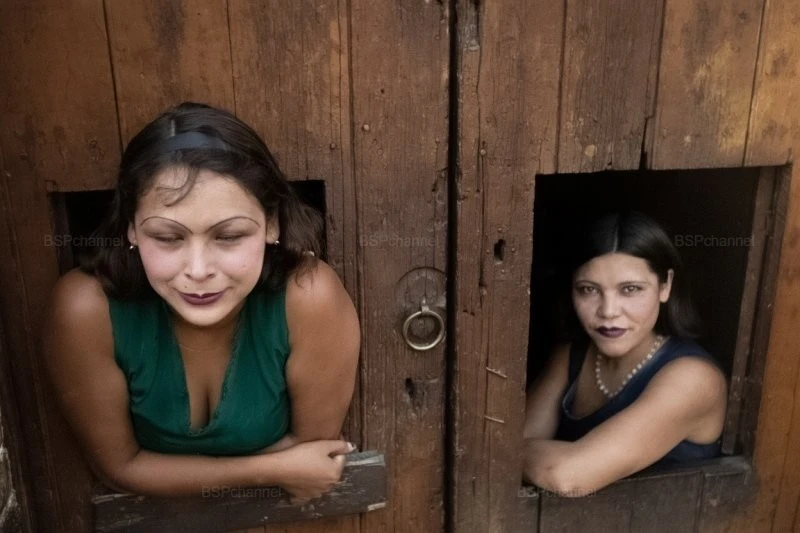
The port of Sherkhan in Kunduz Province, Afghanistan, built in 1981. 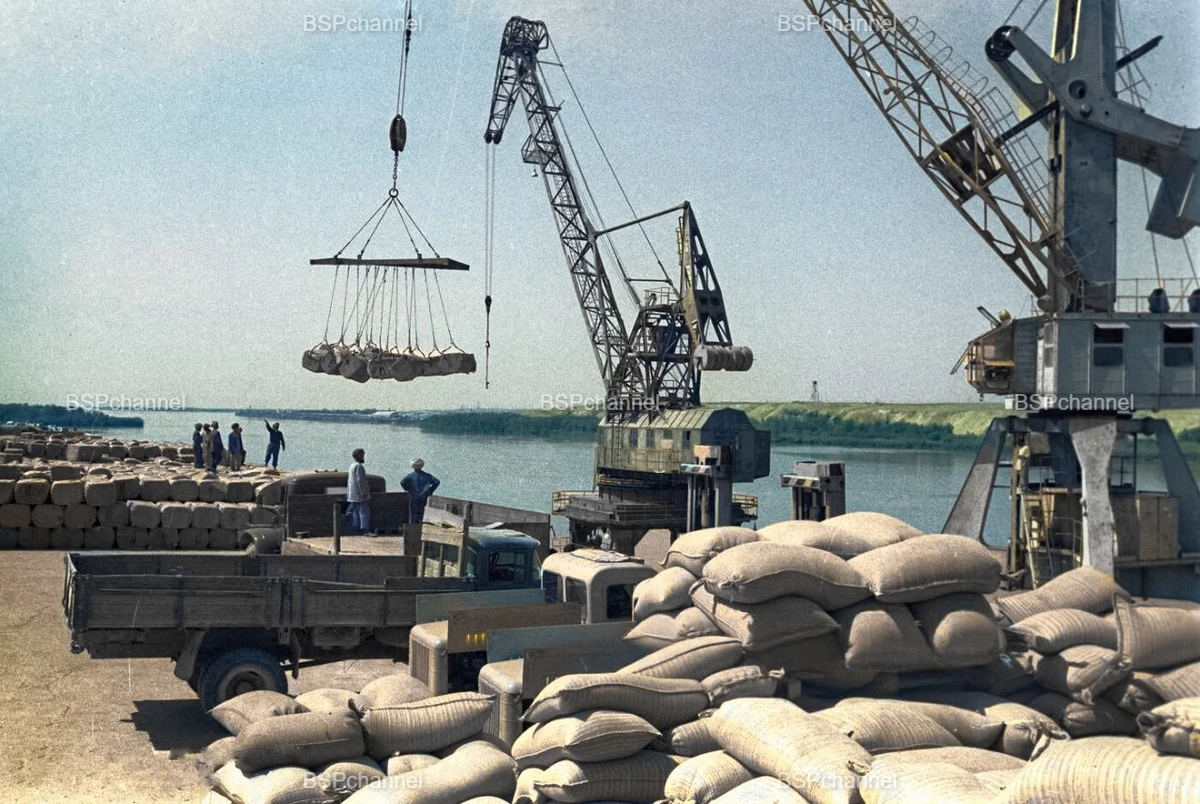
Photographer: V. Budan
Dutch Indies (Indonesia), 1938. 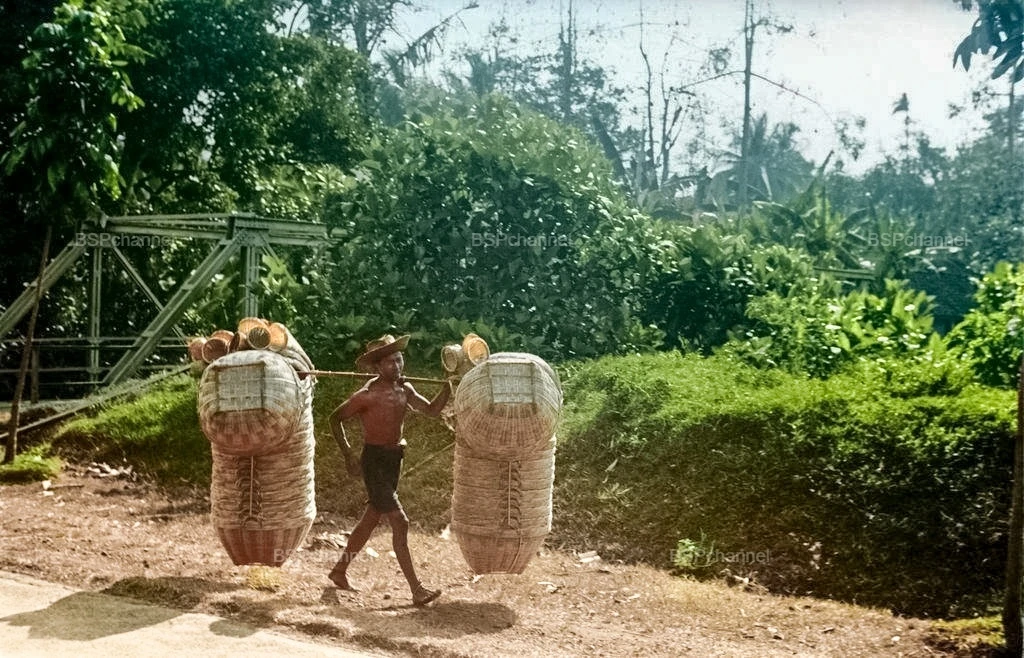
Havana, Cuba, 1963. 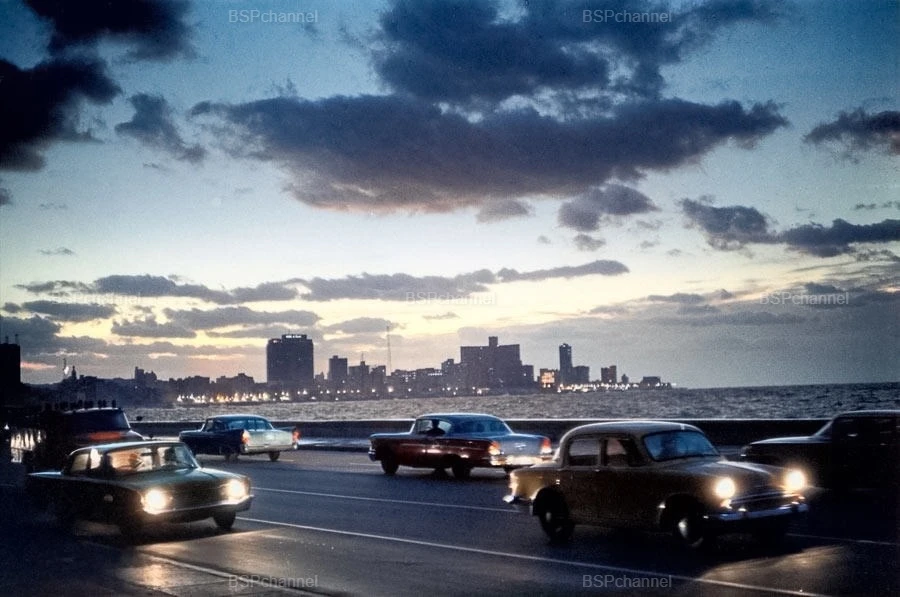
Photographer: Marc Riboud
Sherpas (return of the Swiss expedition led by Albert Egler from Everest), 1956. 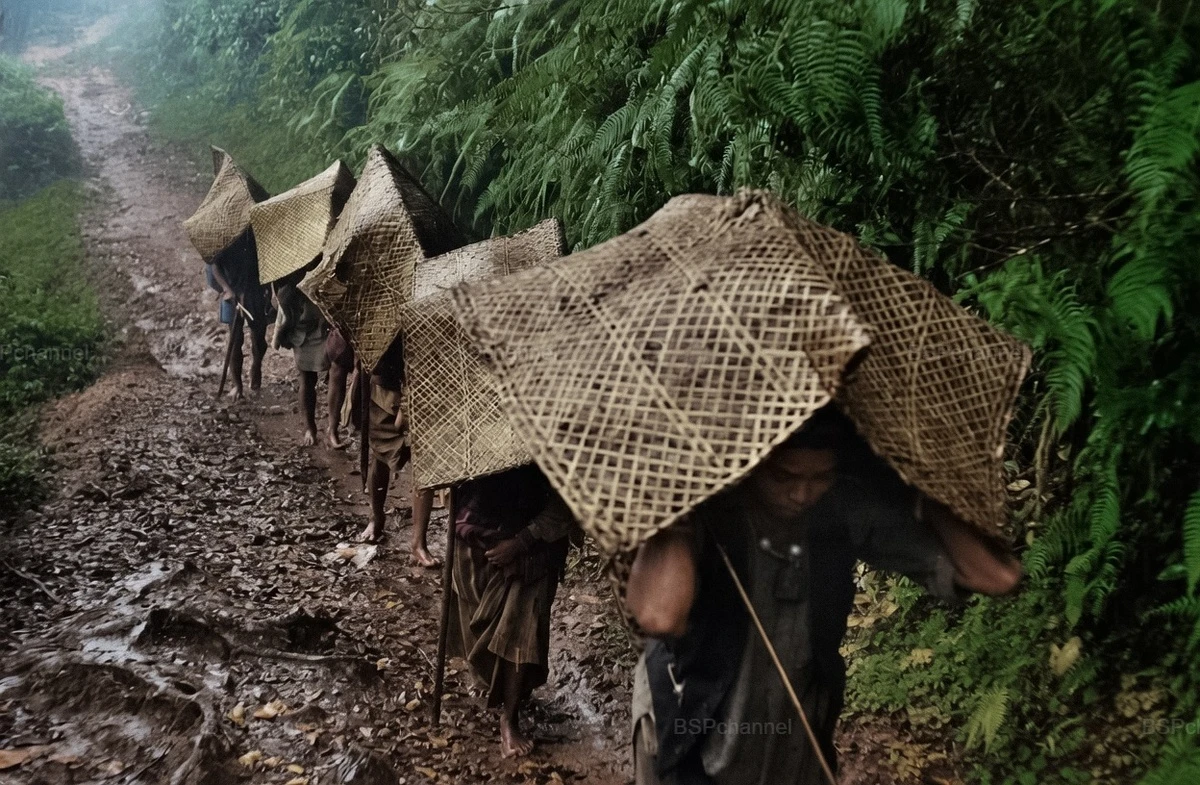
Photographer: Marc Riboud
Sherpas are an ethnic group inhabiting the eastern regions of Nepal, primarily the Solukhumbu region, including the famous Khumbu Valley at the foot of Mount Everest (locally known as Sagarmatha). They also live in the Tibet Autonomous Region of China, India (Sikkim state and Darjeeling district), and Bhutan. Sherpas are known worldwide for their unique adaptation to high altitudes and their indispensable role in mountaineering. Since the first expeditions to Everest in the 20th century, they have served as guides and guides, porters carrying equipment to high altitudes, and camp and route builders, including installing fixed ropes and ice ladders. Their endurance, knowledge of the terrain, and ability to work at altitudes above 8,000 meters make them key players in nearly all commercial ascents of Everest and other eight-thousanders.
Crossroads of Ferdowsi Avenue, Tehran, 1961. 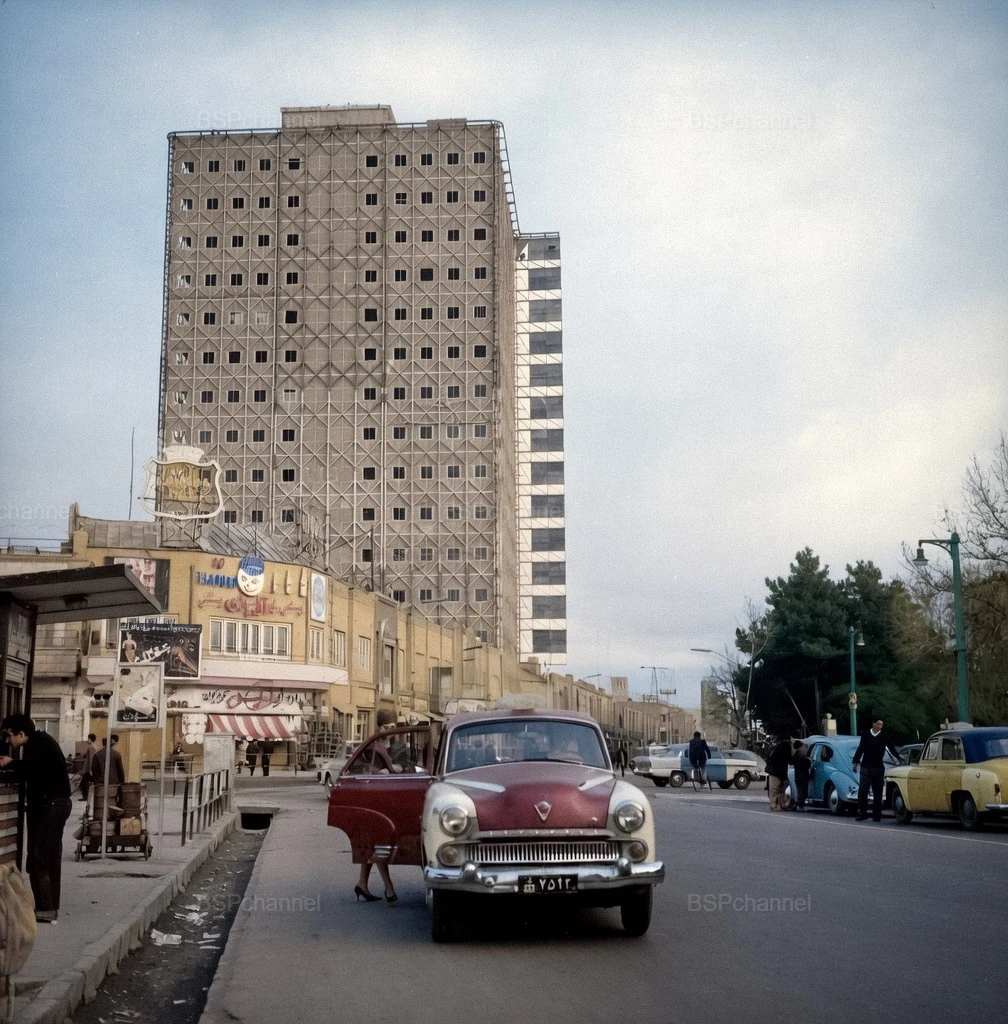
Friendly visit of Soviet ships from Vladivostok to India. Sailors of the Pacific Fleet, 1967. 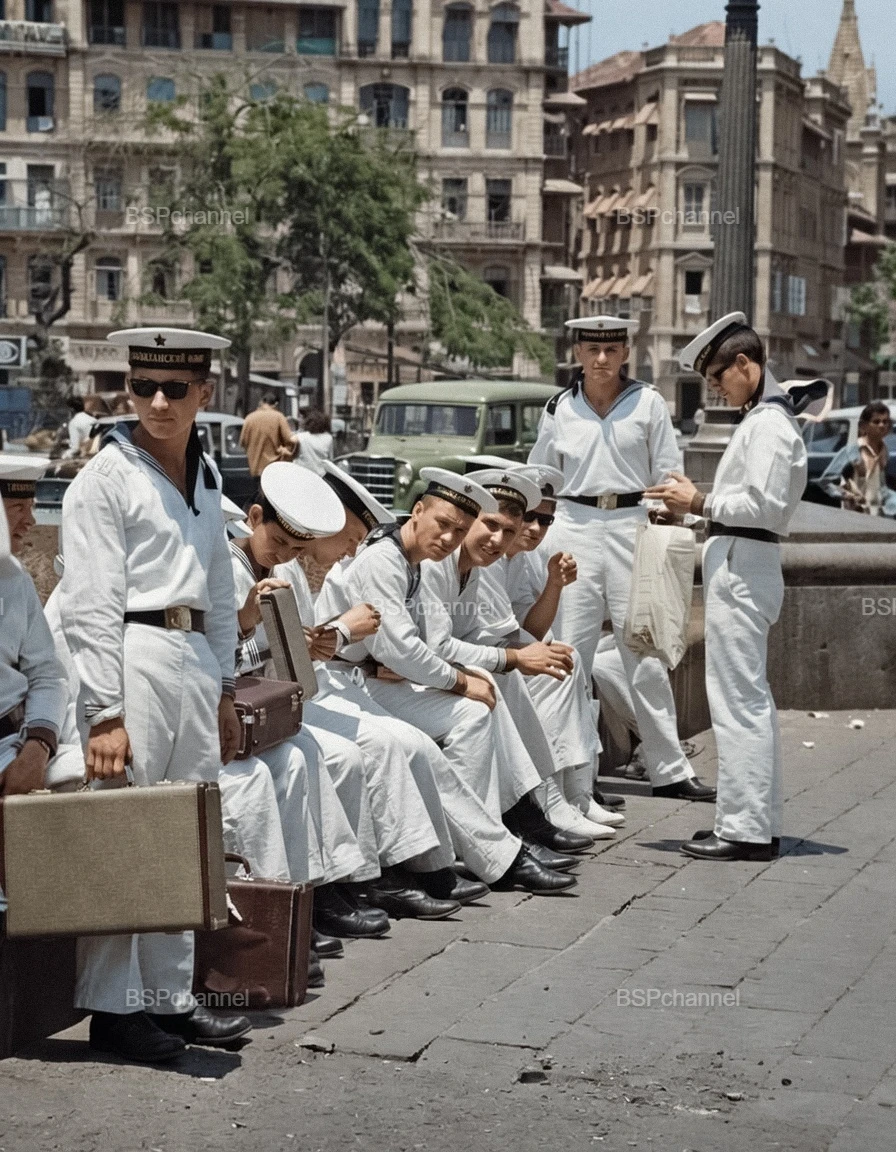
Photographer: Yuri Abramochkin
For the common man of that time, catching even a glimpse of the life and culture of another country was like flying into space.
Mexico City, 1934. 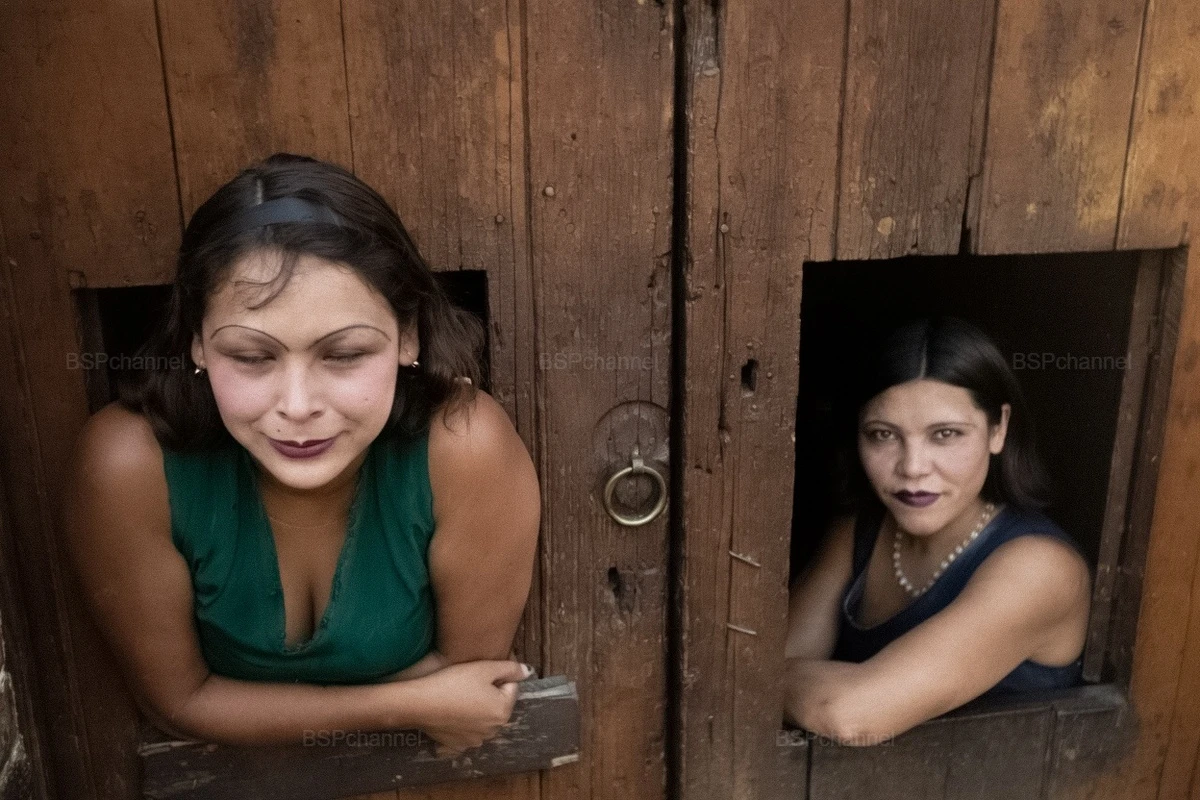
Photographer: Henri Cartier-Bresson
The photograph was presumably taken in Mexico's Red Light District. Calle Cuauhtémoc in Mexico City is a street that runs through one of the city's most famous neighborhoods, historically associated with nightlife.
Kuwait City, 1955. 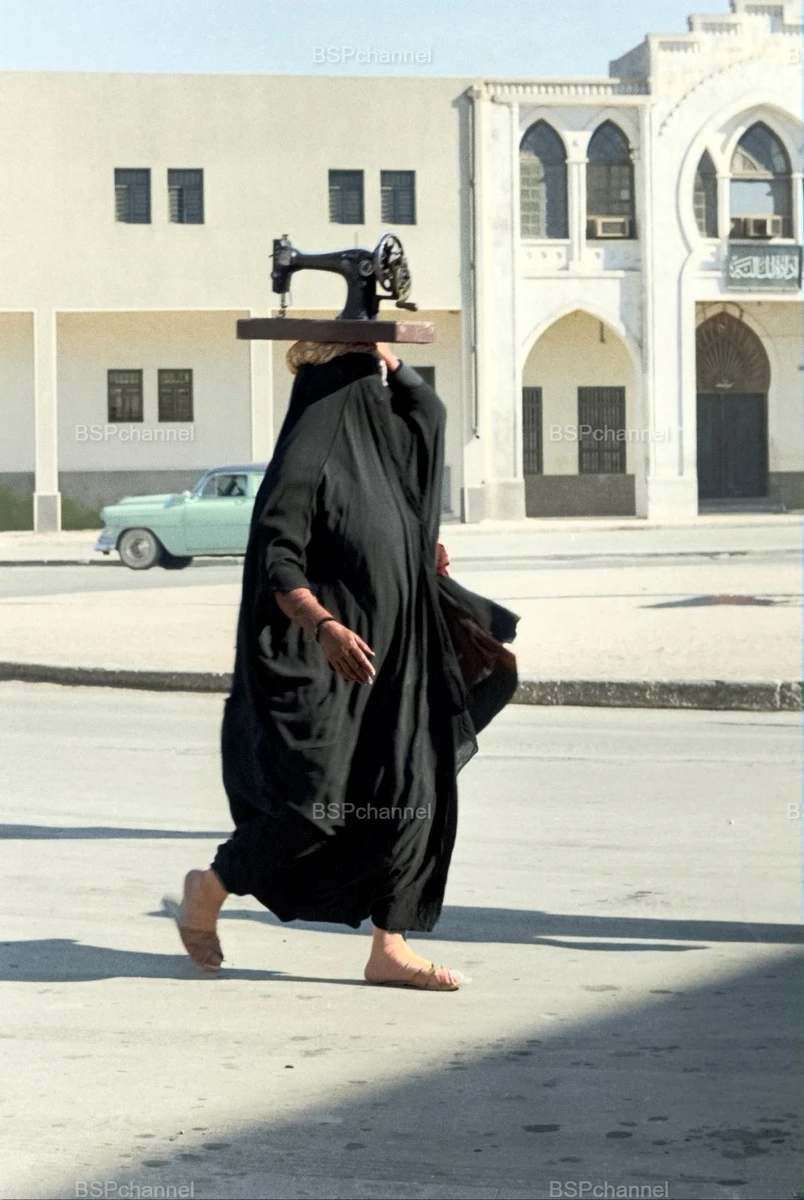
Photographer: Jean-Philippe Charbonnier
Every nation and every country has its own unique traditions, customs, and daily habits, which are shaped not only by religion but also by everyday life. Many travelers to Africa, India, and parts of Asia and the Middle East have noticed that women, and sometimes men, often carry loads on their heads, and the weight and bulk of these burdens can be quite substantial. While this method may seem unusual to us, locals find it graceful, natural, and even elegant. This practice has ancient roots and is preserved in places where cultural norms and lifestyles are passed down from generation to generation almost unchanged. Despite modern technology and globalization, this centuries-old wisdom lives on as part of cultural identity. Furthermore, practical necessity plays a significant role: in many regions, transportation infrastructure remains poorly developed, and remote villages are difficult to access. In such conditions, carrying loads on the head becomes the most efficient and accessible way to transport water, food, firewood, and other essentials.
Tree of Life. Mexico, 1982. 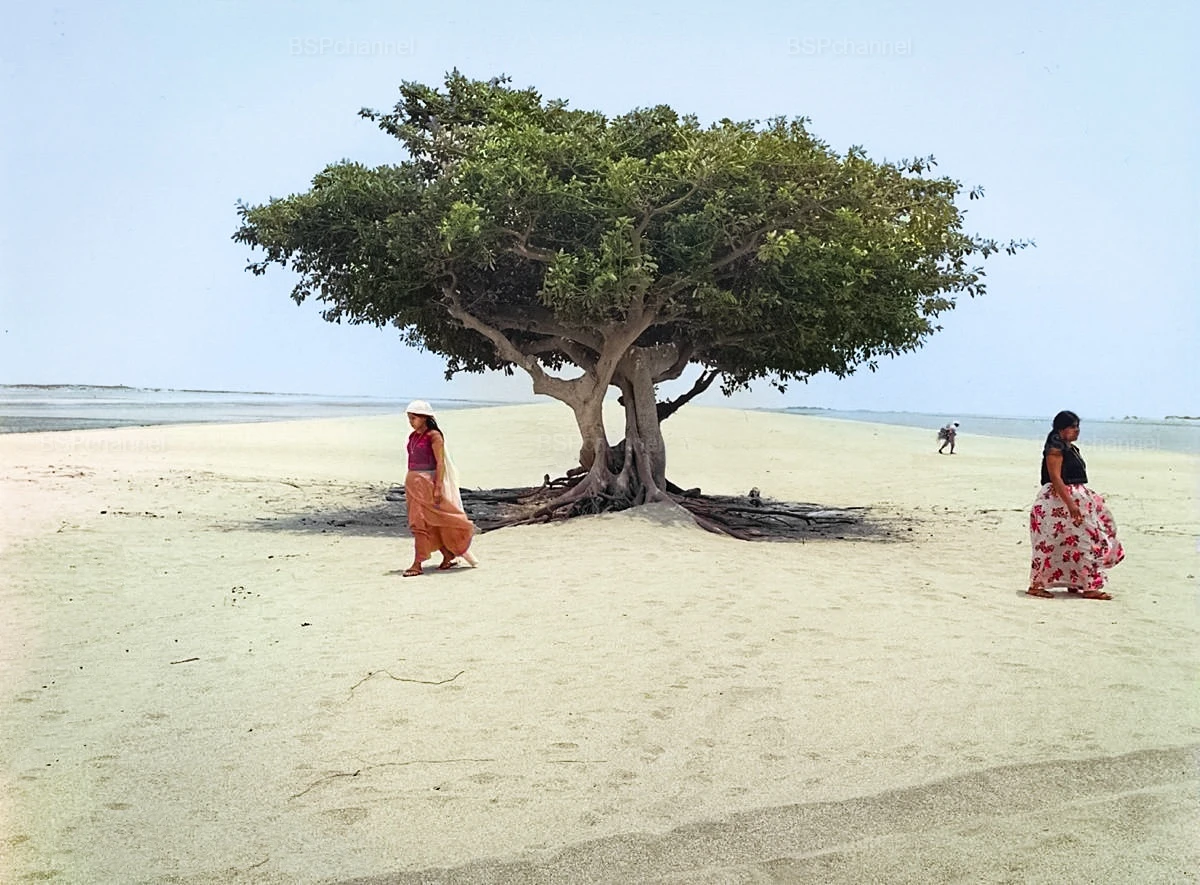
Photographer: Flor Garduño
In Colcampat, Peru, 1928. 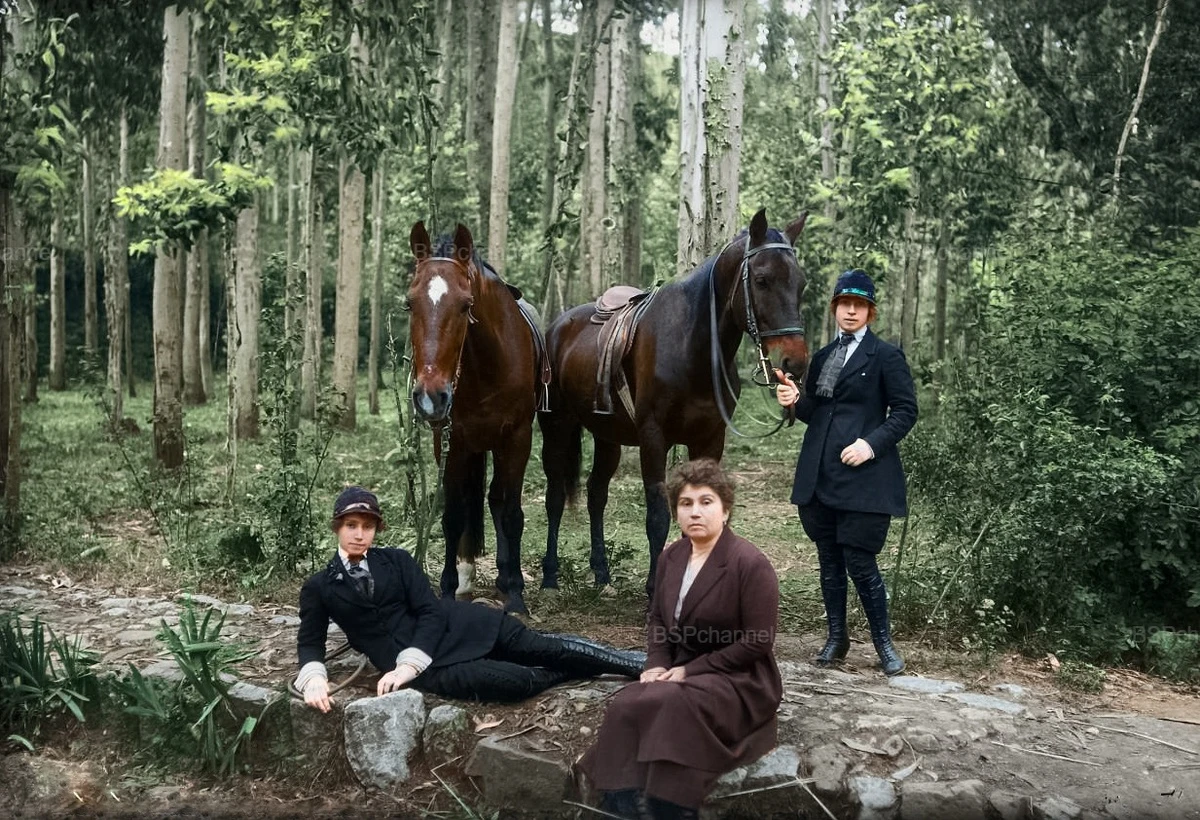
Photographer: Martin Chambi
Danish ballet dancer and choreographer Helene Kirsova with a puppy and a bottle of tomato sauce at Sydney Central Station, May 1937. 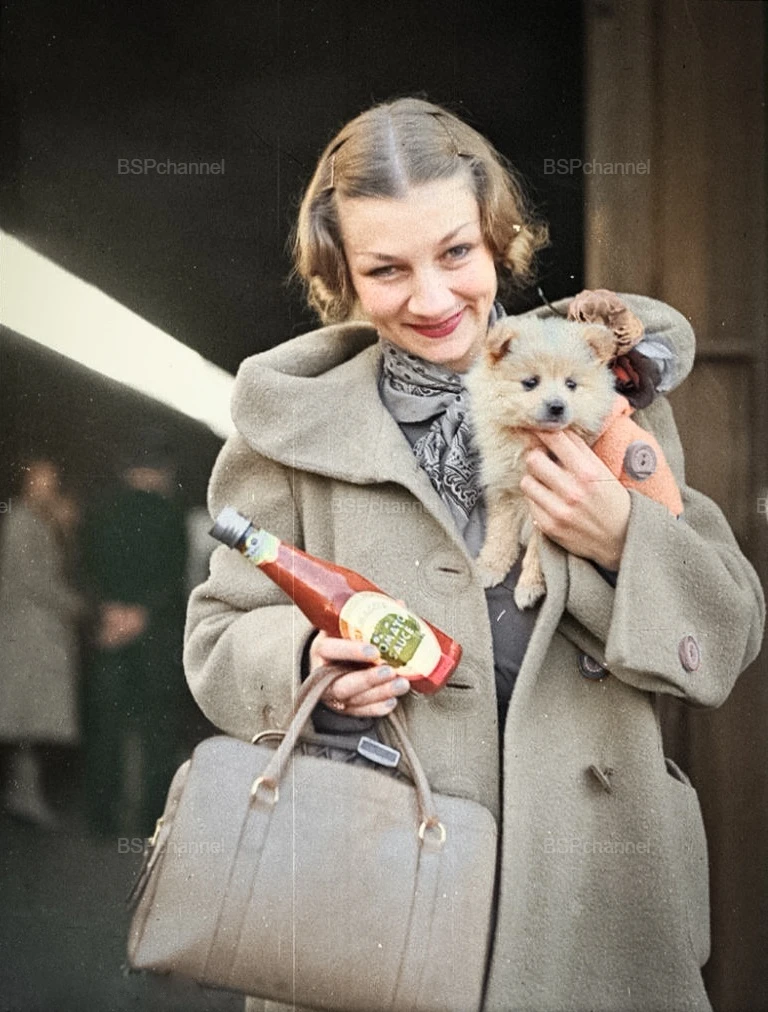
Birds, Guanajuato, Mexico, 1990. 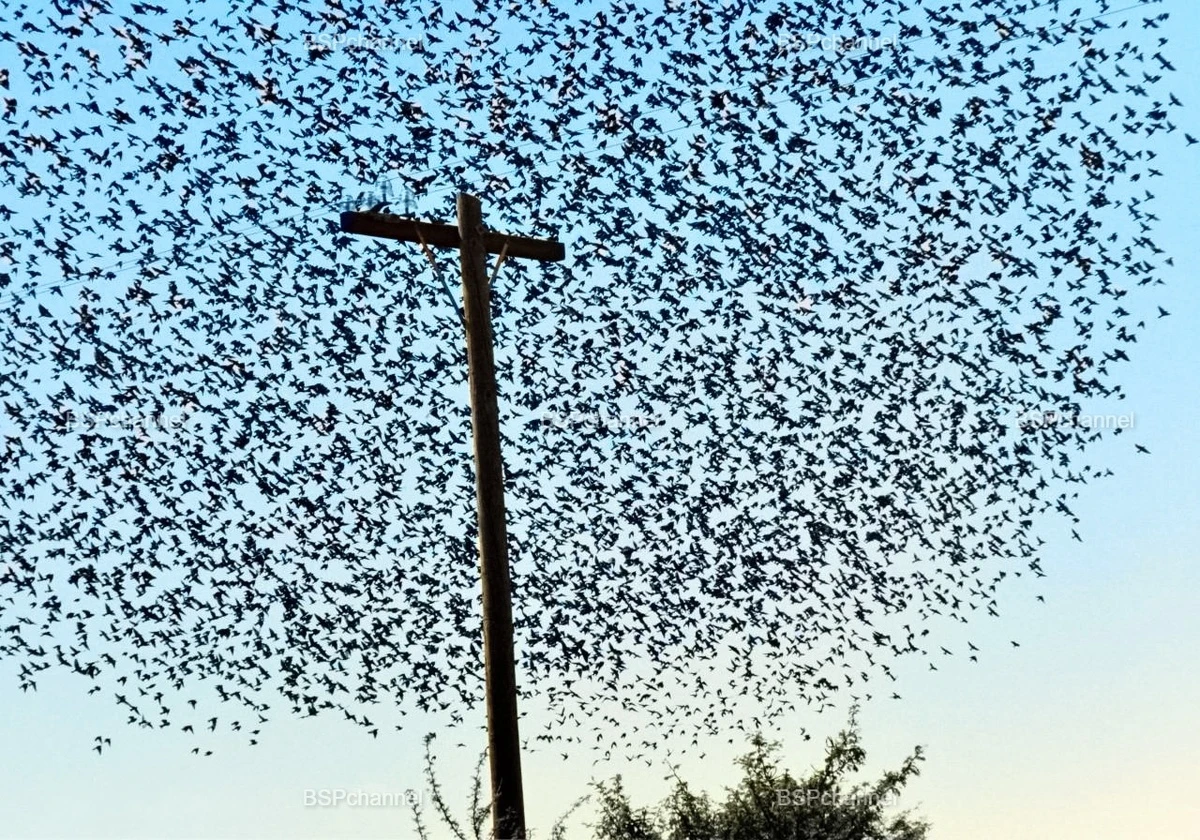
Photographer Graciela Iturbide
Picking tea leaves. Burma (now Myanmar), 1920s. 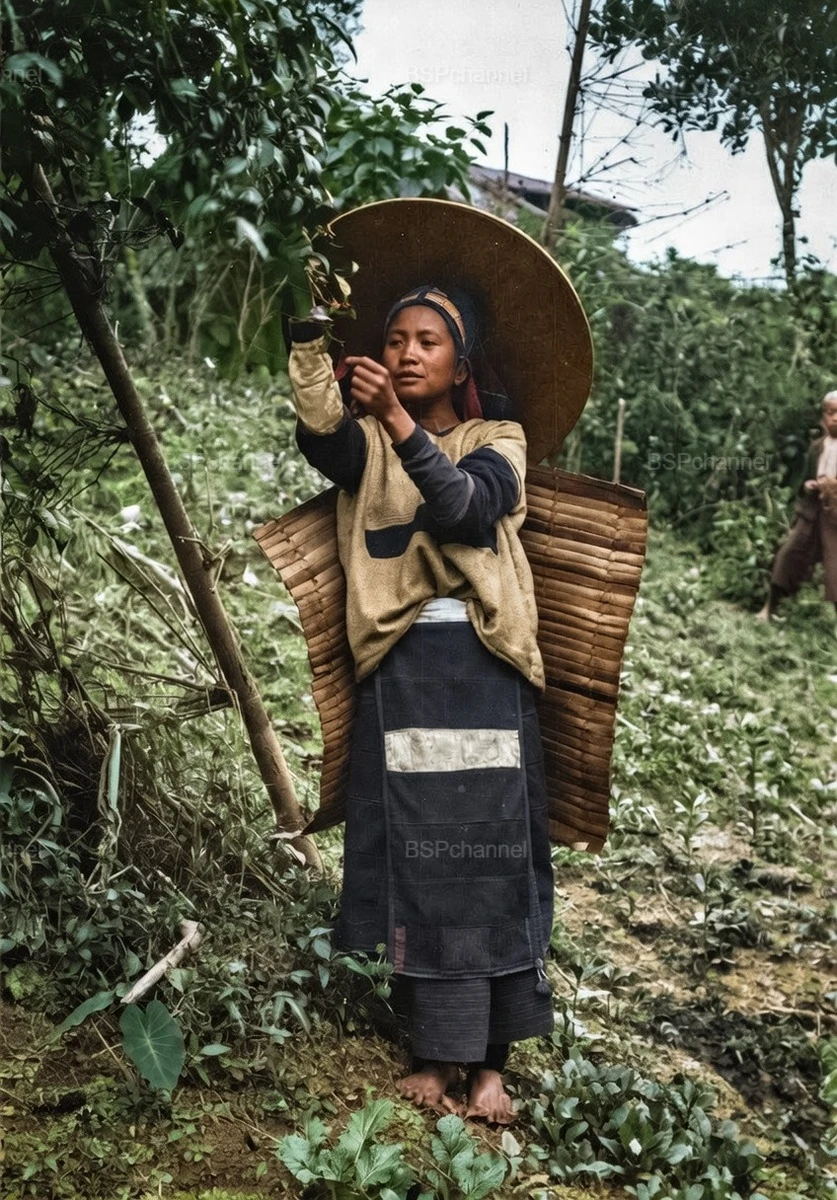
Tea is an integral part of Myanmar culture, and its cultivation has a long tradition, particularly in the northern and eastern regions of the country, such as Shan State and Nam Hsan District, where the climate and altitude are ideal for tea growing. Unlike many countries where tea is primarily consumed brewed, green tea leaves are widely used in Myanmar in salads—the famous lahpet thoke, a national dish that combines fermented tea leaves with nuts, garlic, pepper, and other ingredients. The harvesting process is usually done by hand: women and children, primarily, carefully pluck the young tops of the tea bushes—the so-called "two leaves and a bud." This work requires patience and precision, as the quality of the raw material directly affects the taste and price of the finished product.
Consequences of a prolonged drought. Sahel. North Africa, 1984-1985. 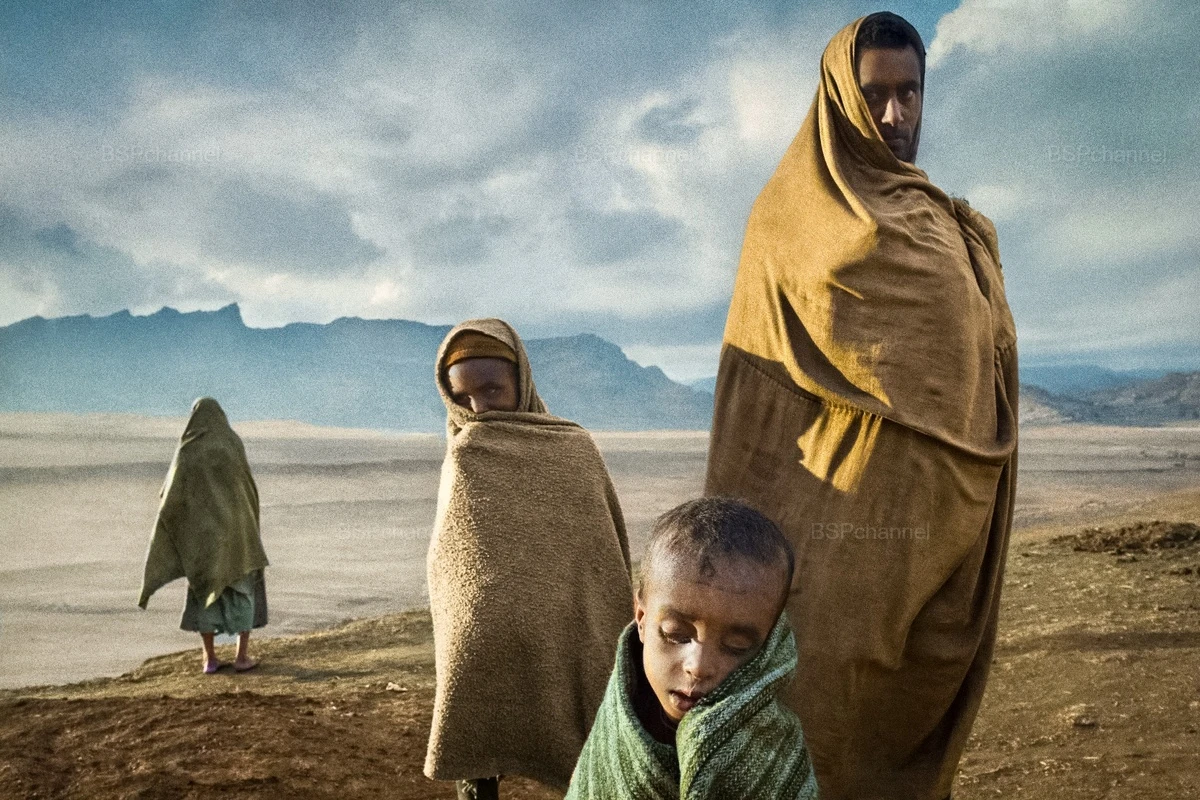
Photographer: Sebastiao Salgado.
A schoolboy from Bengerville. Ivory Coast (Côte d'Ivoire), 1968. 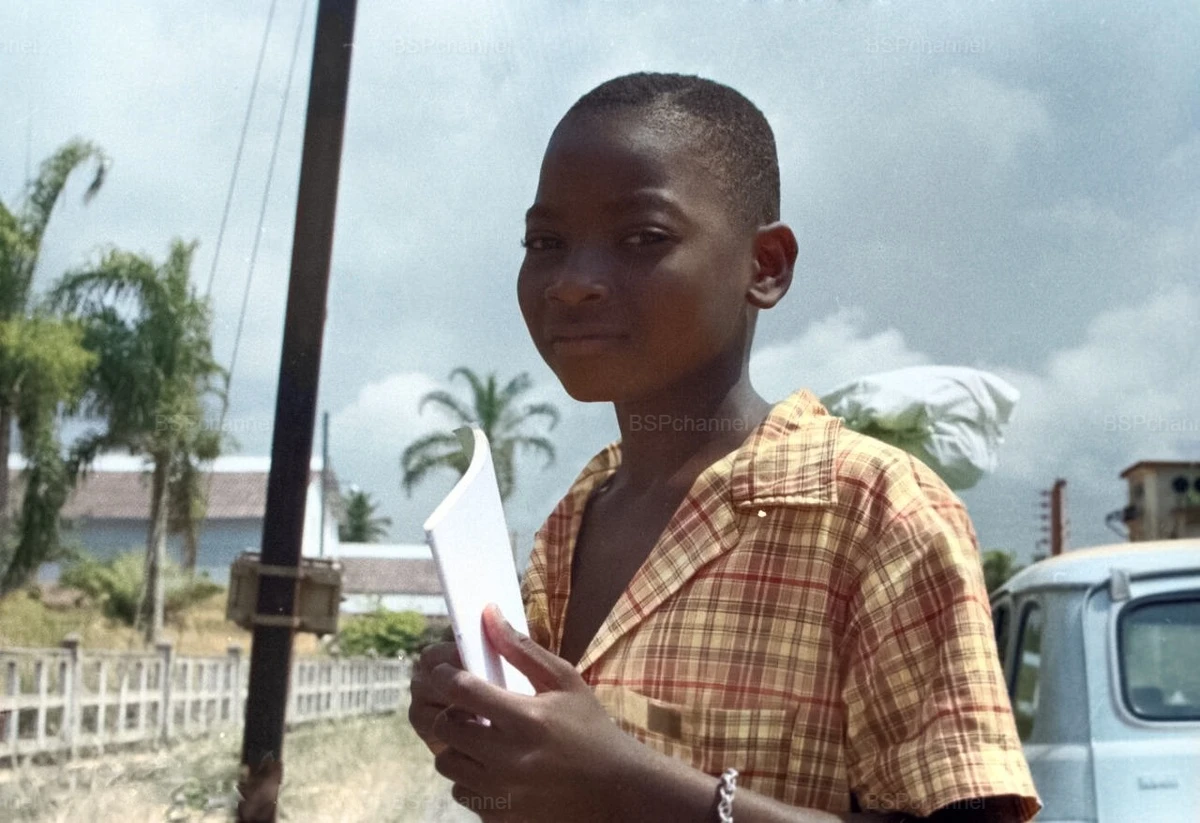
Photographer: B. Pilyatskin
Fruit seller in Tehran, 1961. 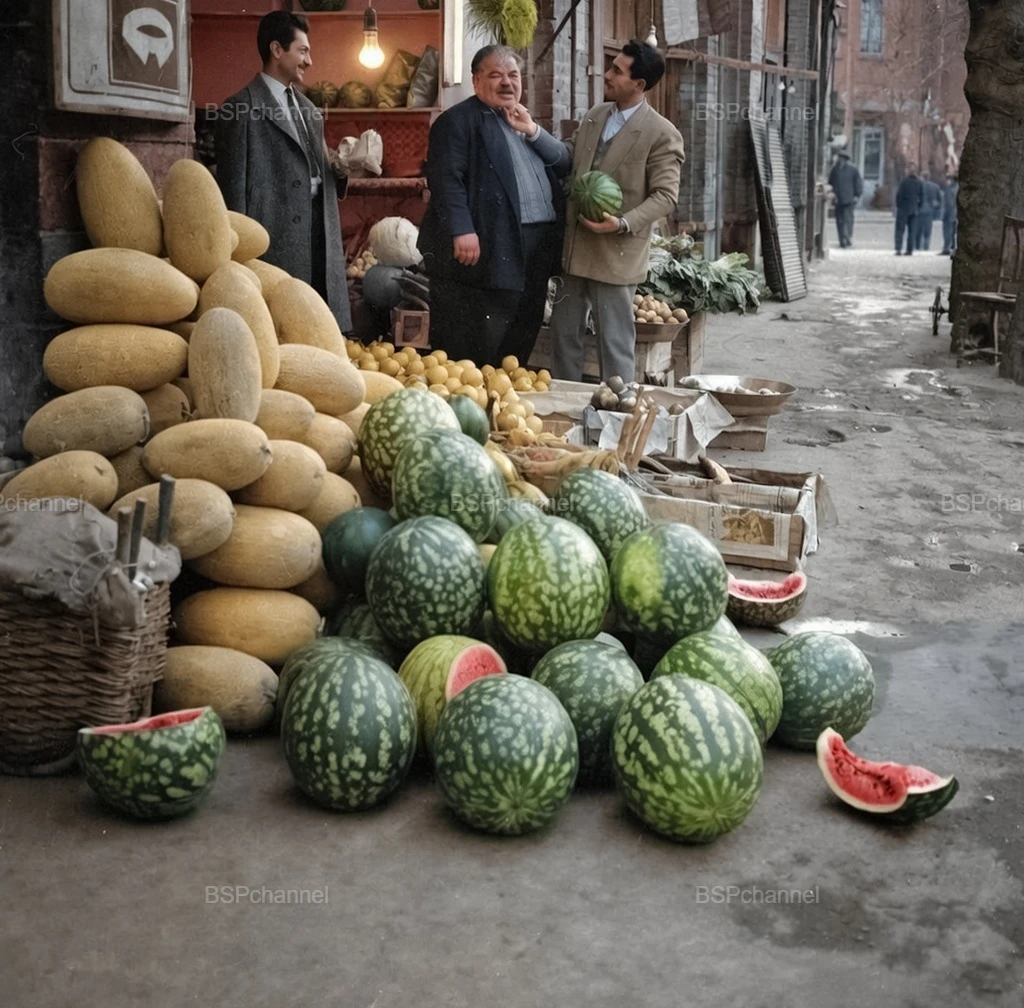
Royal Cafe. Rangoon (Burma), 1961. 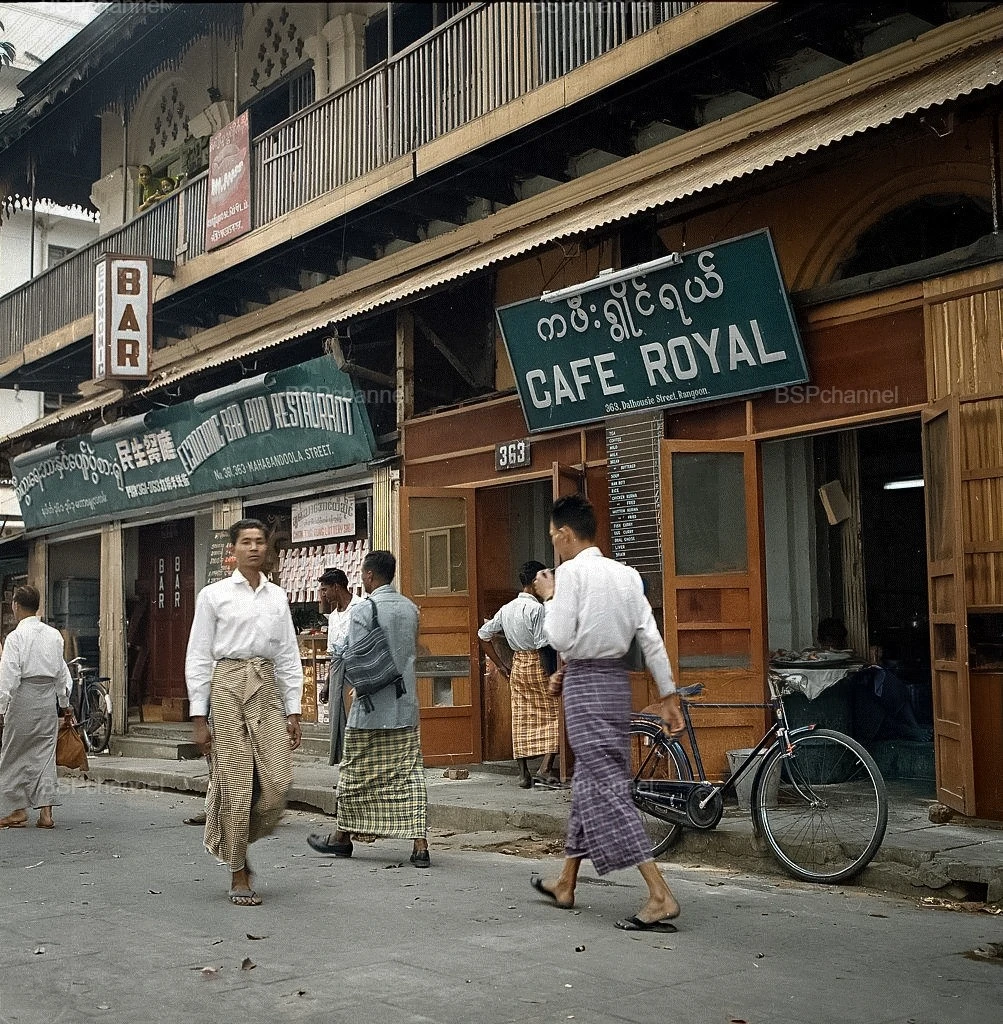
In the suburbs of Havana, 1963. 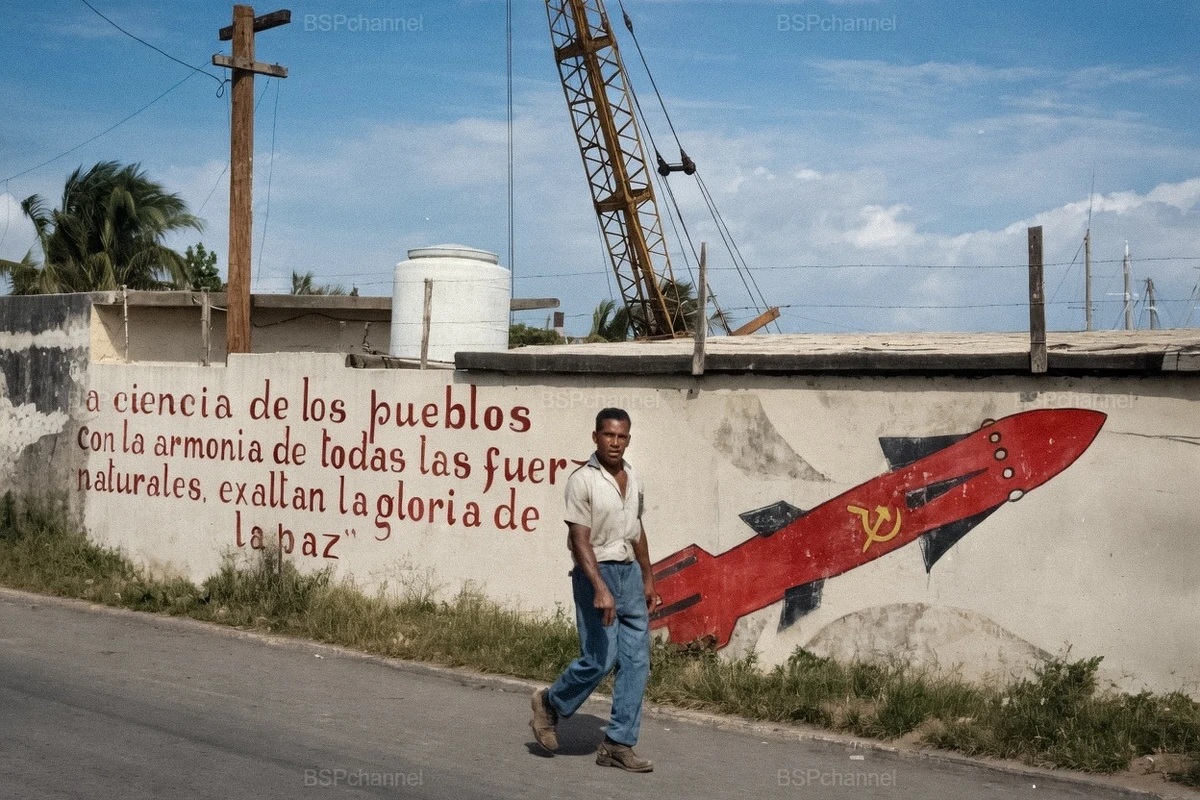
Photographer: Marc Riboud
Iranian woman with her daughter. Tehran, 1930s. 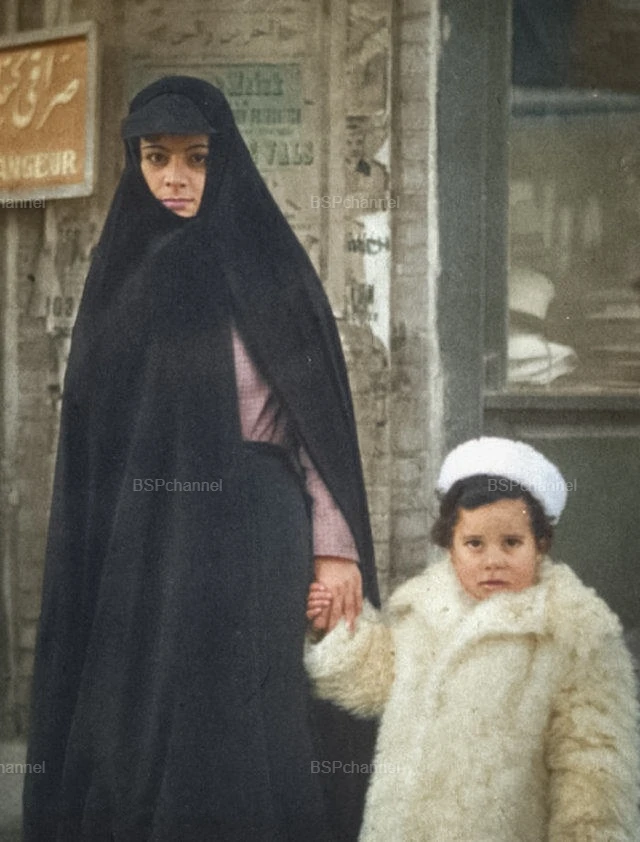
Mexico City, 1969. 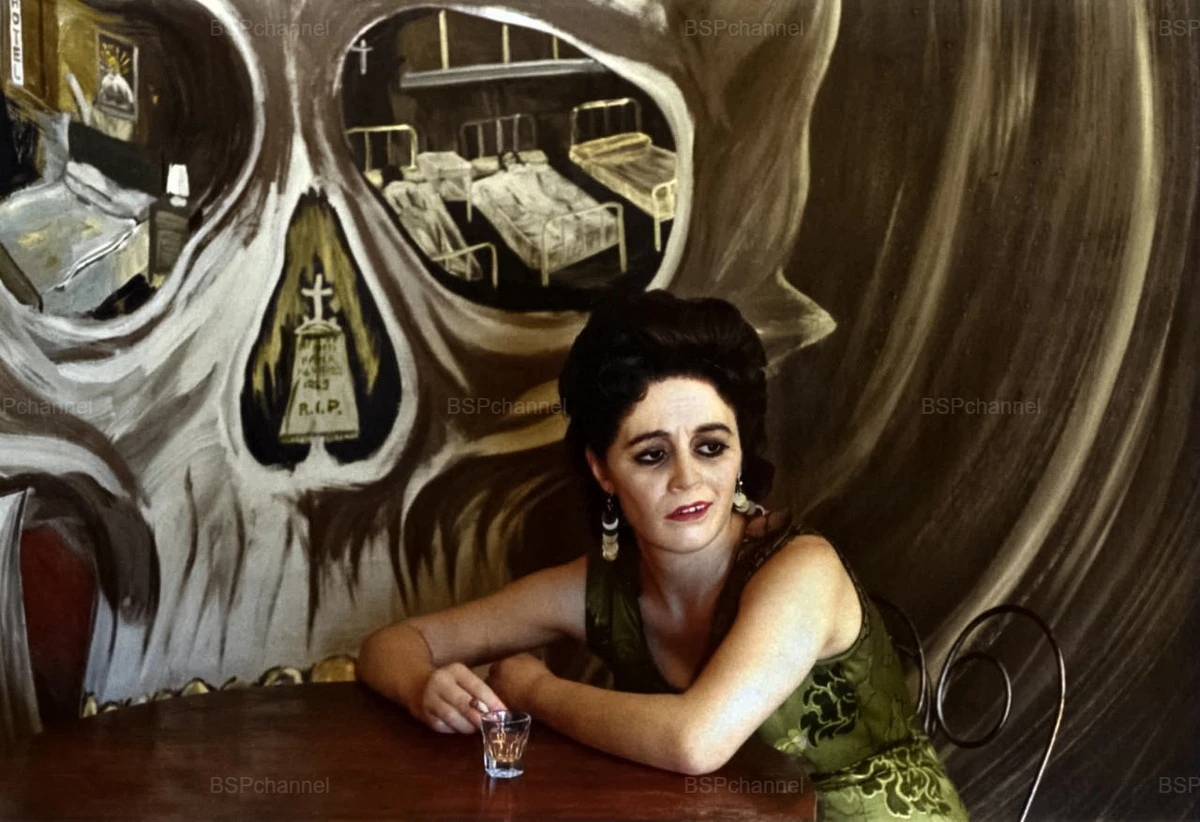
Photographer: Graciela Iturbide