No Way Out: Scientists Question the Possibility of Interplanetary Travel (4 photos)
One of the greatest minds of the century, Stephen Hawking, believed that humanity would soon destroy Earth. In this case, there would be only one solution: move to another planet and settle there. There is little doubt that the scientist's prophecy will come true, but experts have serious doubts about the possibility of resettling Earthlings. 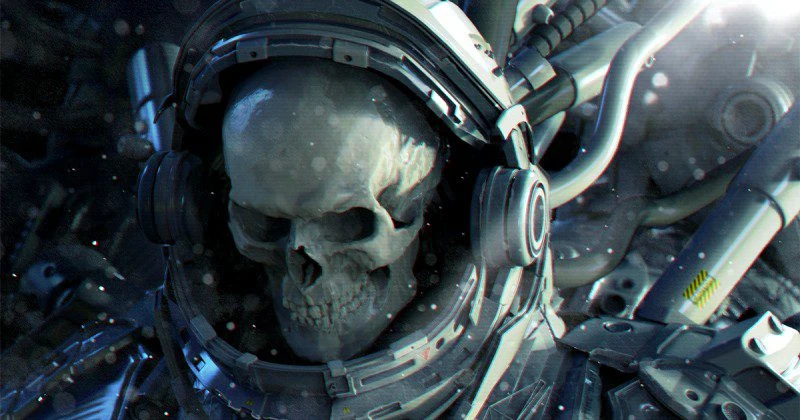
In science fiction films and books, people leave our planet without much trouble, and in space, the only threat they face is intelligent monsters from distant galaxies. In reality, things are much more prosaic and, alas, more terrifying. The colonists are unlikely to encounter alien monsters, but many other factors, unmentioned by science fiction writers, could destroy space travelers more quickly and reliably.
Recent studies have shown that humans cannot survive more than a year in deep space. They will be killed by simple radiation sickness. Astronauts on the ISS, which orbits 400 km above the Earth's surface, are protected from deadly cosmic radiation by the residual atmosphere and our planet itself, which partially obscures the station. 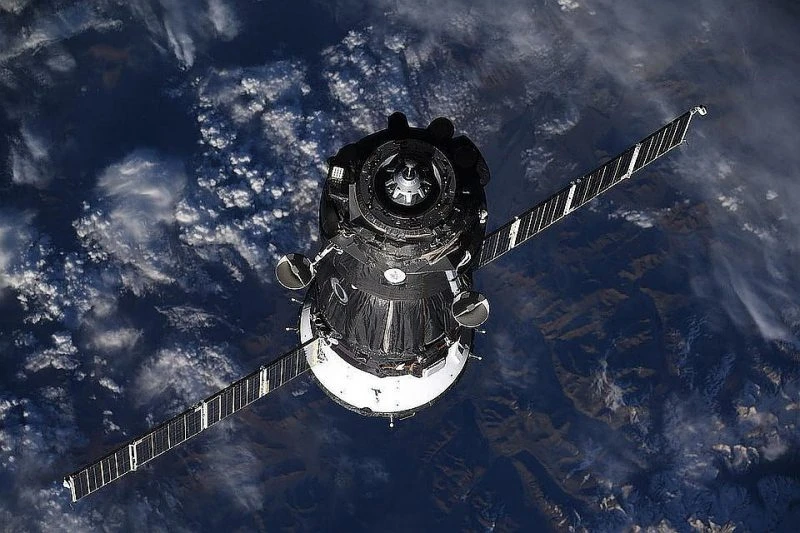
Far from Earth, radioactive radiation will be deadly, and materials known to science today will not protect against it. Even if such a material were theoretically created soon, the radiation would still be harmful, as its particles, colliding with the ship's atoms, would create neutron fluxes within.
Several years ago, scientists from South Korea simulated such conditions using laboratory rats. The experiment resulted in the destruction of stem cells in the animals' memory centers. Researchers from the Moscow Institute of Physics and Technology, the Anokhin Research Institute, and the Kurchatov Institute also worked in this direction and recently reported disappointing news. Even with minimal doses of radiation, damage to the body is inevitable. Stem cells, if not killed, cease to develop. 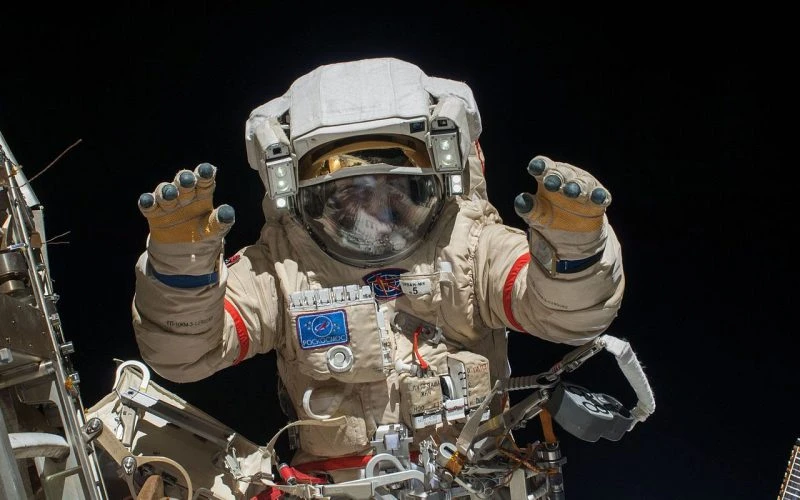
Experiments conducted at the Institute of Biomedical Problems of the Russian Academy of Sciences with mice and rats also showed that the animals became significantly more anxious due to radiation exposure. Add to this the absence of gravity, and the ideal conditions are created for even the most resilient astronaut to go crazy.
Furthermore, a year ago it was discovered that the immune system malfunctions in space. It perceives a threatening environment as a disease and launches a futile fight against unknown factors. This poses the risk of developing autoimmune diseases that can kill a person. 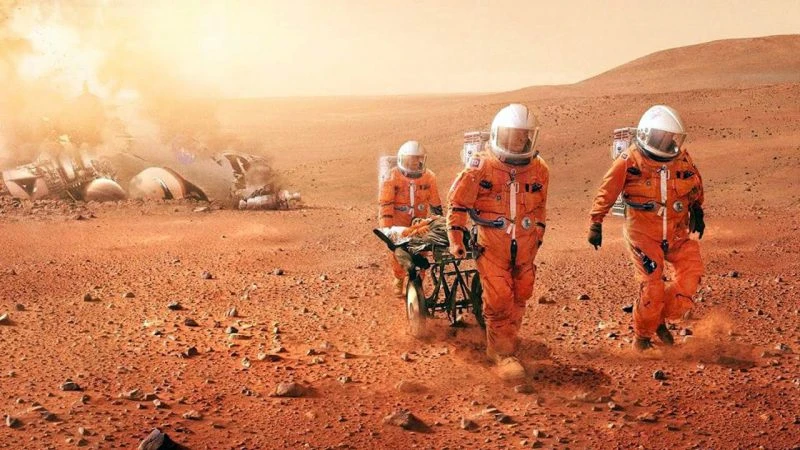
There are other factors that indirectly affect humans and exacerbate already unfavorable conditions. These include stress from prolonged confinement in a confined space with other people, disruption of circadian rhythms due to the lack of a day-night cycle, and depression from having to eat monotonous food and drink water extracted from the crew's urine. It's quite possible that these problems are the reason alien civilizations are reluctant to visit us.
But NASA isn't giving up and continues to conduct research into human capabilities for long-term space travel, rewarding volunteers with large sums of money and... strong weed.