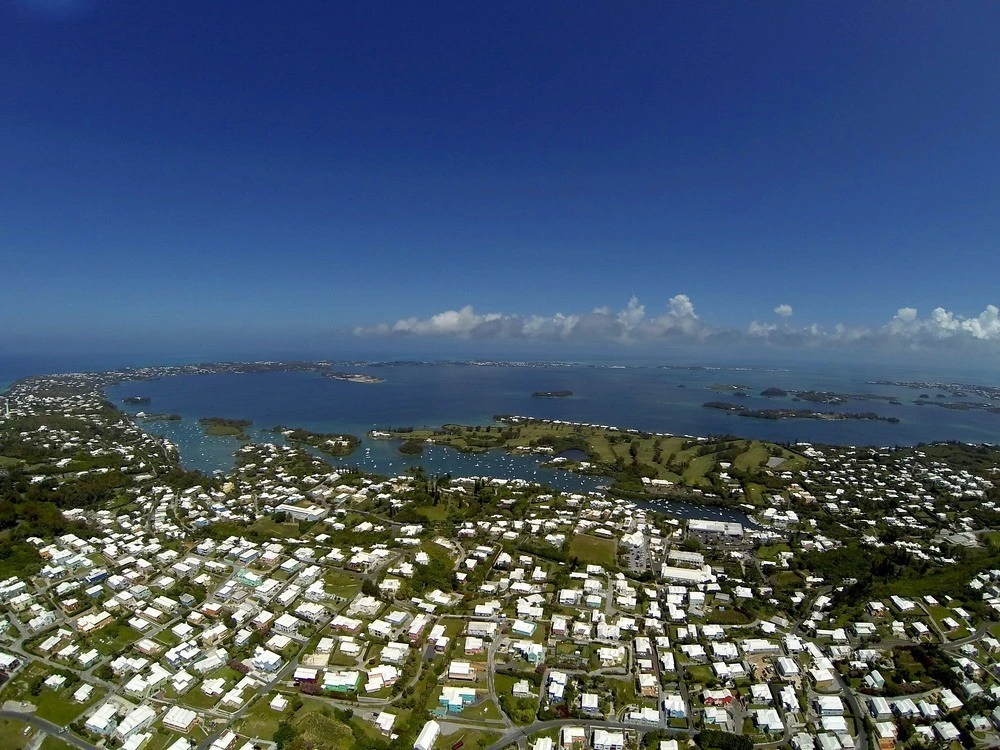
The white roof of Bermuda: how a shortage of fresh water created an architectural symbol (10 photos + 1 video)
Dazzling white stepped roofs have become the signature feature of Bermuda. This recognizable architectural element is not an aesthetic quirk, but a vital technology born of a centuries-old struggle to cope with fresh water shortages. 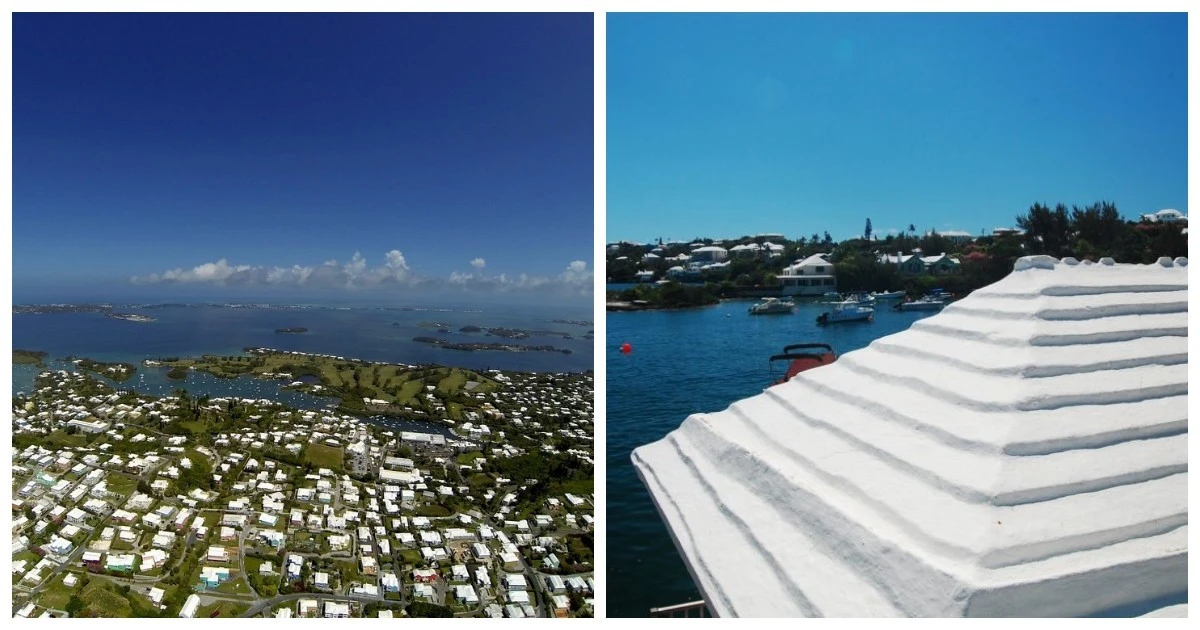
It was these limestone roofs that made the very existence of settlements on the islands possible. 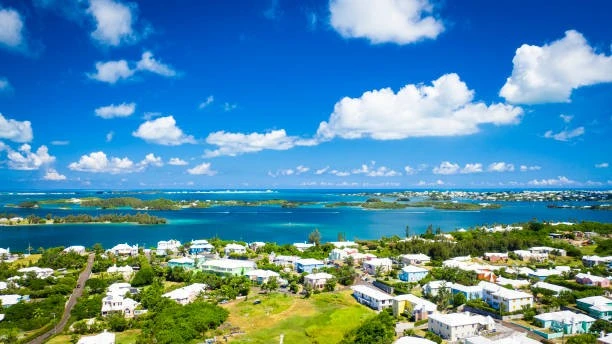
Bermuda
Bermuda is known for two natural features: hurricanes and a lack of fresh water. Although the islands lie in the path of storms, many hurricanes pass by, battering the archipelago with only squalls and heavy rains. These rains have become the only key to survival. 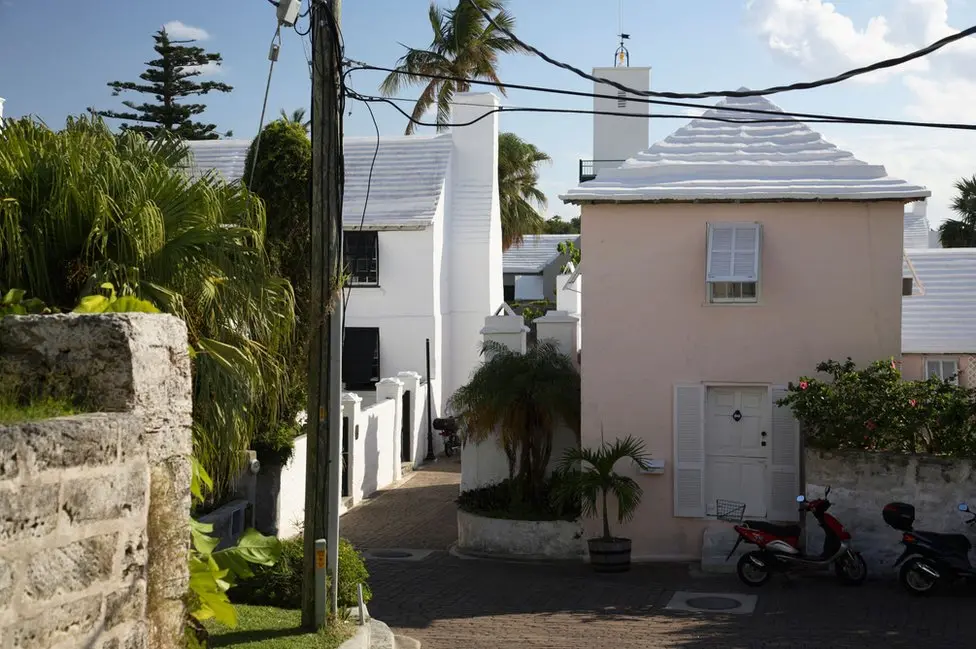
Early islander buildings had roofs made of palm fronds, but by the end of the 17th century, these began to be replaced with stone slabs. The heavy local limestone was wind-resistant, and over time, builders learned to create a stepped roof shape. These steps slow the flow of rainwater, preventing gutter overload and allowing every drop to be collected efficiently. Rainwater harvesting became a staple of life, as Bermuda has no rivers or freshwater lakes. 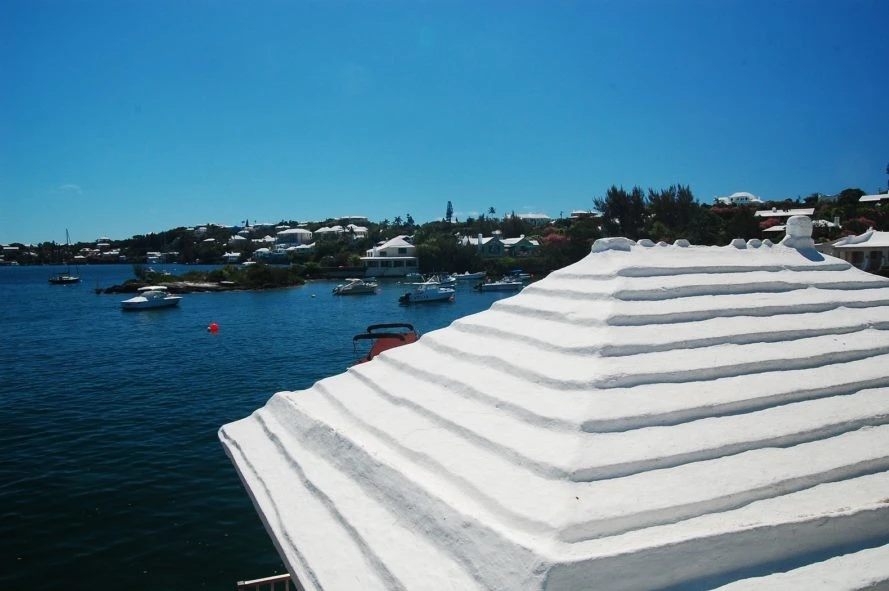
The climate favors this system. The islands receive approximately 1,400 mm of rainfall annually, evenly distributed throughout the seasons. Each household is required by law to collect at least 80% of the water falling on their roof. To achieve this, each house must have a cistern under it. Historically, this allowed each house to be self-sufficient. 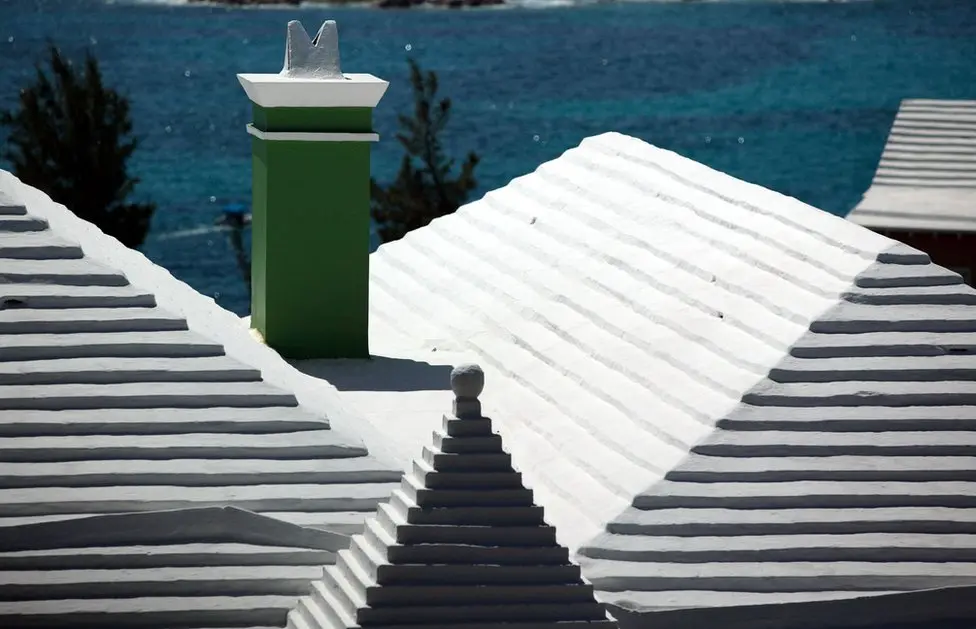
Traditional roofing consists of rectangular slabs of local limestone, bonded with mortar. The seams and edges are carefully sealed, creating those distinctive steps. A gutter along the bottom edge directs water into pipes leading to an underground cistern. Previously, the entire structure was coated with lime mortar, which had antibacterial properties. Today, this has been replaced by white paint, which reflects ultraviolet light, naturally disinfecting the water and helping keep homes cool. 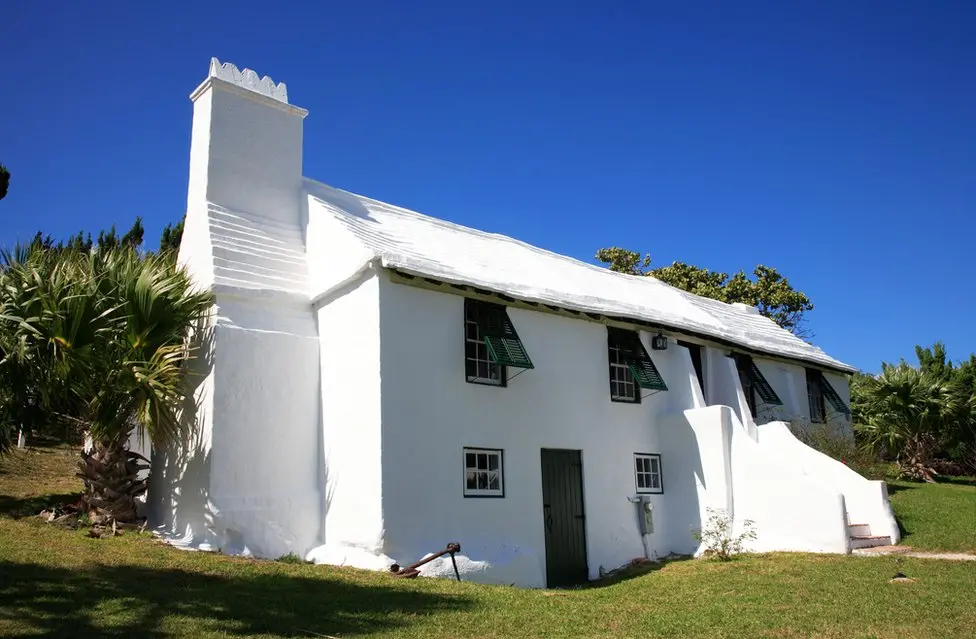
To conserve precious water, many homes have two separate water supply systems. The second system supplies desalinated or brackish water to toilets, reducing freshwater consumption by 40-50%. 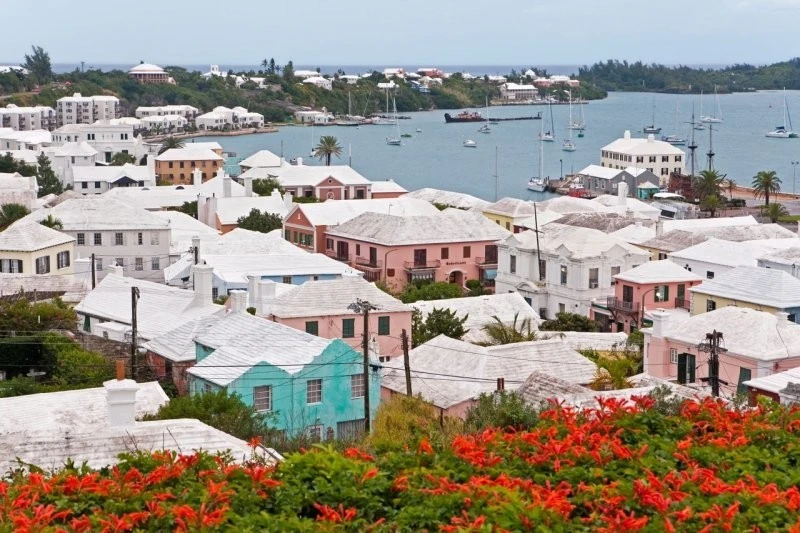
A culture of water conservation is instilled here from childhood. One cup of water was used to brush teeth, which was also enough for rinsing. Detergent was used sparingly so that after washing dishes, the water would be sudsy and could be poured into the garden. 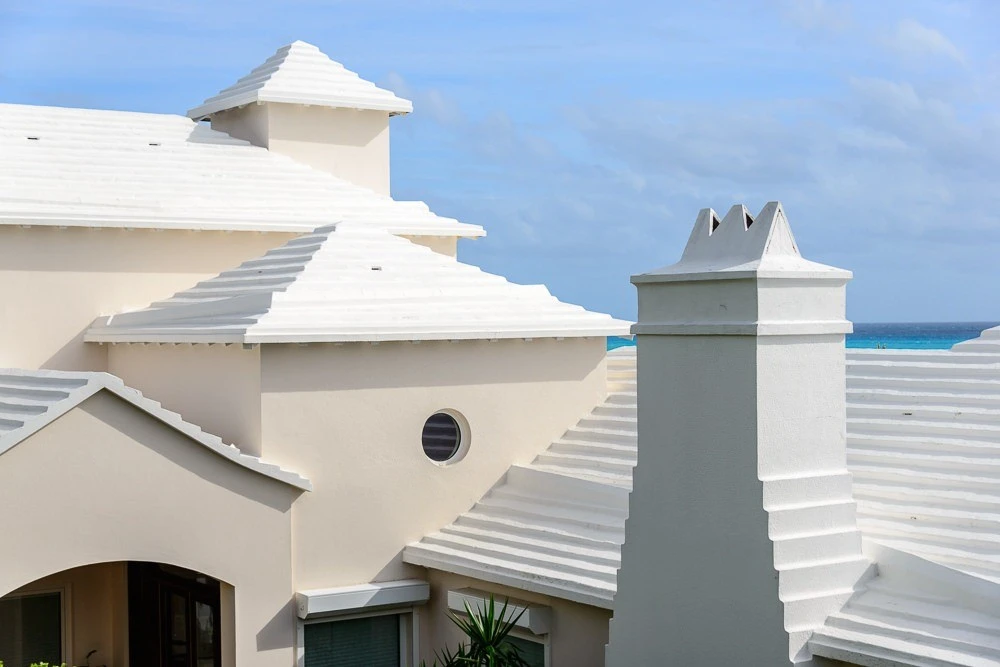
However, Bermuda's growing population and popularity as a resort have created new challenges to this centuries-old system. Multi-story buildings with multiple families have reduced the ratio of roof area to the number of residents. During peak tourist season, rainwater collection is no longer sufficient. Therefore, hotels, hospitals, and large enterprises now rely on underground aquifers and desalination plants. 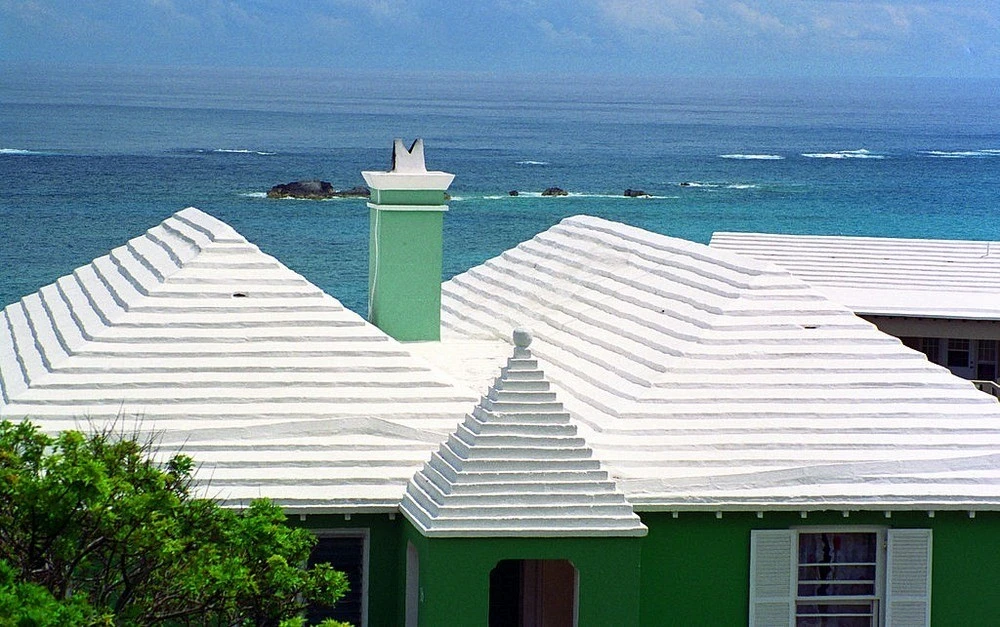
The white stepped roofs remain not just a symbol of Bermuda, but a monument to human ingenuity, which transformed a natural limitation into a unique and functional architectural tradition.