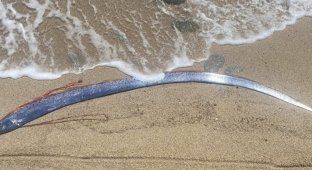
A scimitar fish: its body looks like it's cast from metal (6 photos)
Even a second's glance at it is enough to understand how different the swordfish is from its ocean neighbors. Its body is stretched almost to its limits, and its dorsal fin evokes associations with a punk mohawk. And most noticeably, the fish has no scales at all, only thin skin that sparkles like highly polished metal! 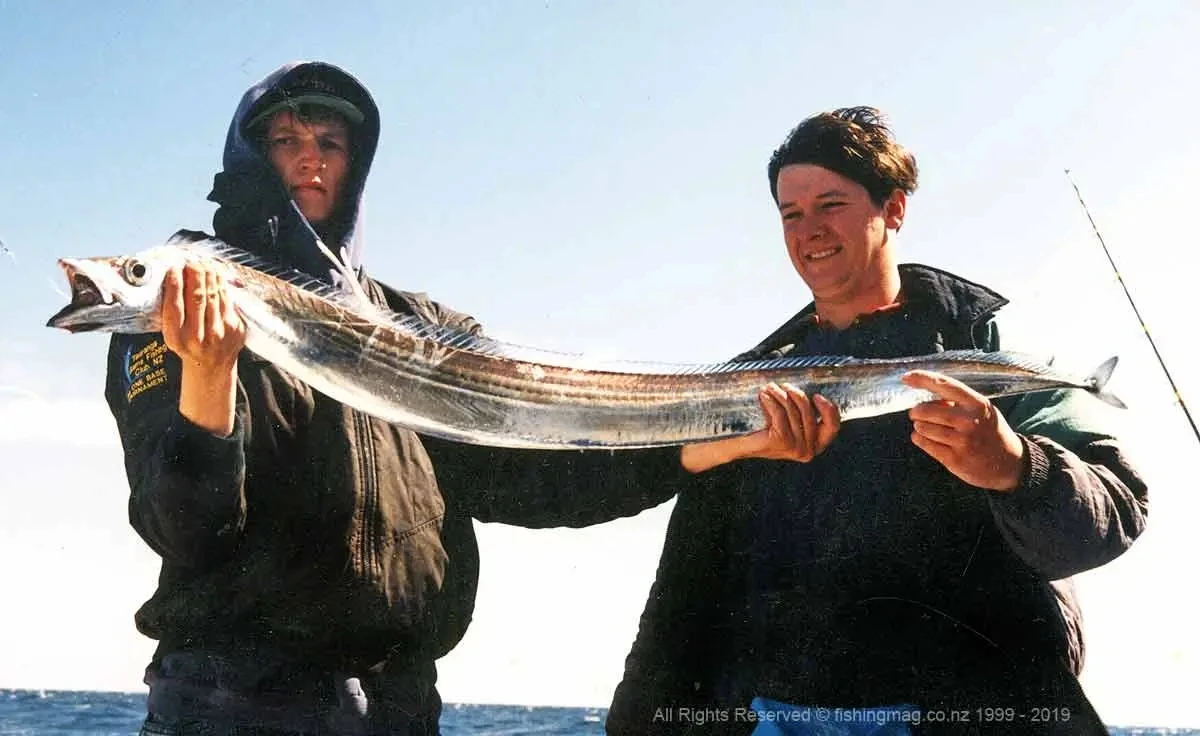
Look at this magnificent swordfish we caught!
The only thing that remains unclear is why this already small fish abandoned its only defense in favor of brightly shiny skin? 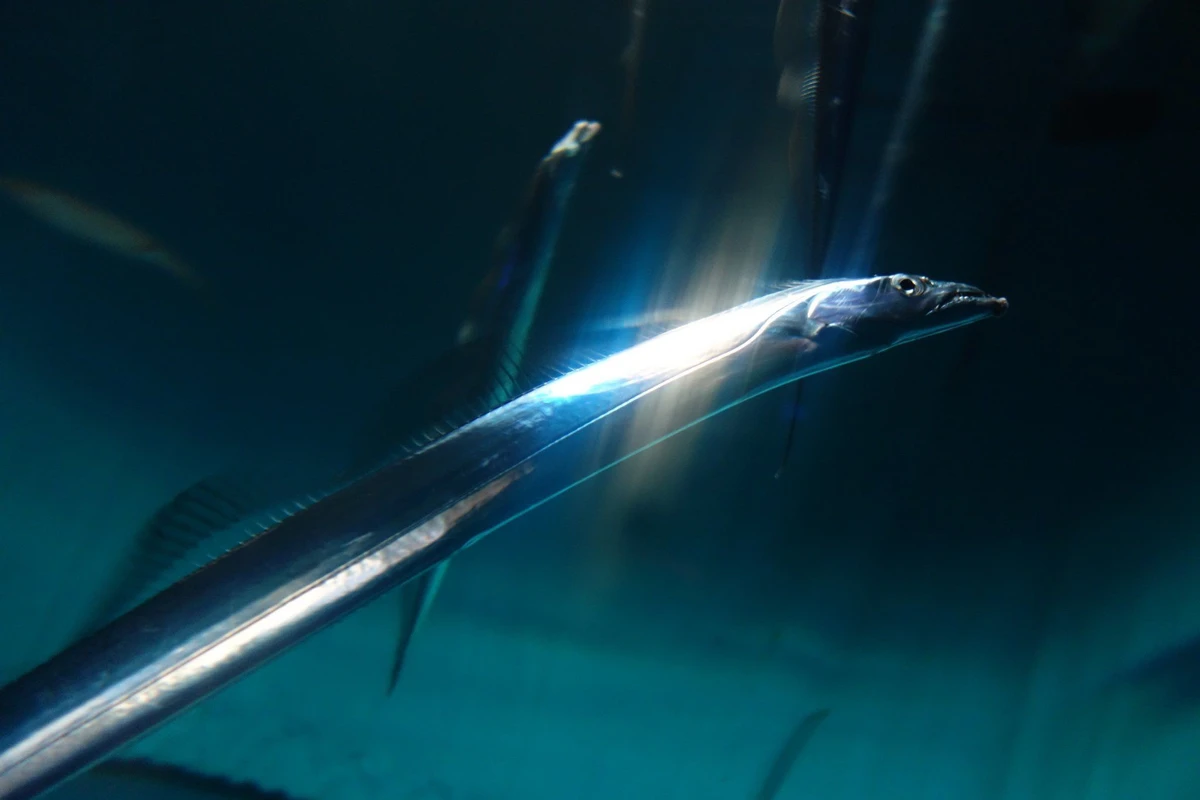
Is there any way to reduce the brightness? 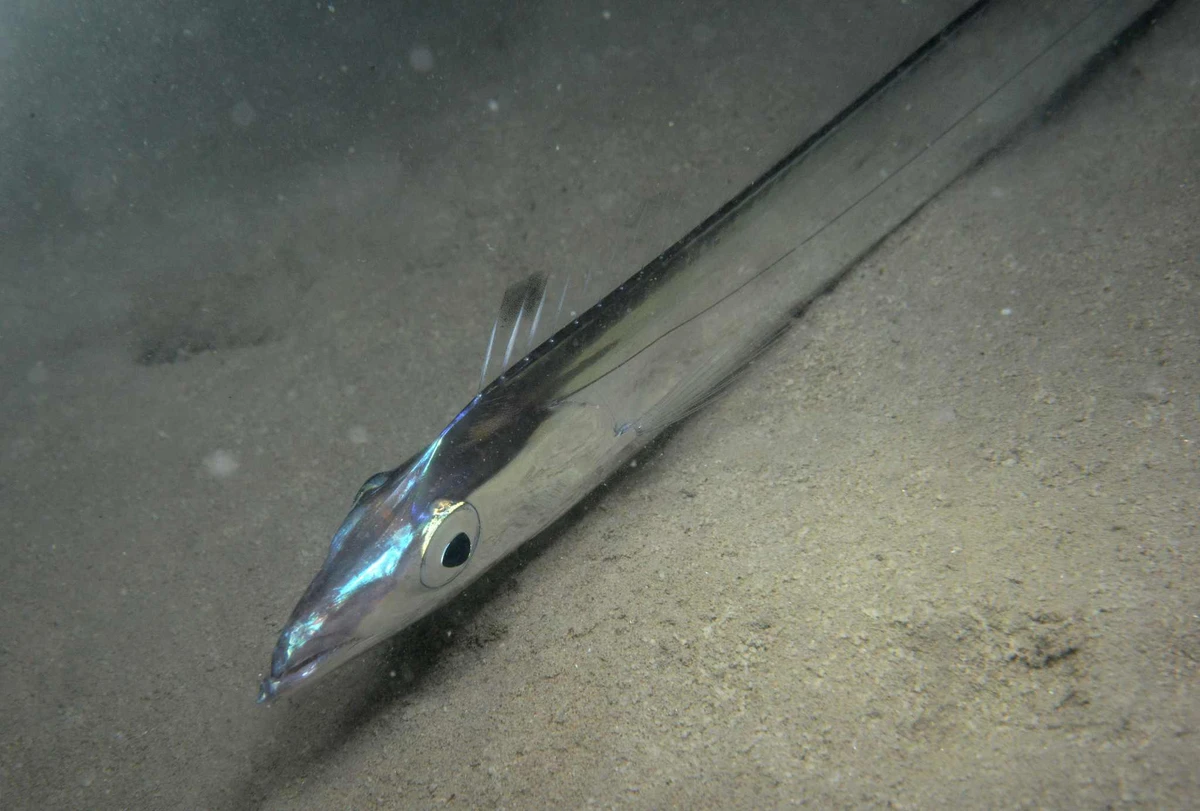
Wow, there's a shard of mirror floating right at the bottom. How we've polluted the planet!
The answer lies in the lifestyle of the scimitarfish. Unlike the similarly proportioned moray eel, our heroine doesn't hide among corals and underwater rocks, but lives right in the ocean, where there's no cover, and none expected. In such conditions, even the toughest scales won't protect this medium-sized fish from dolphins and sharks. 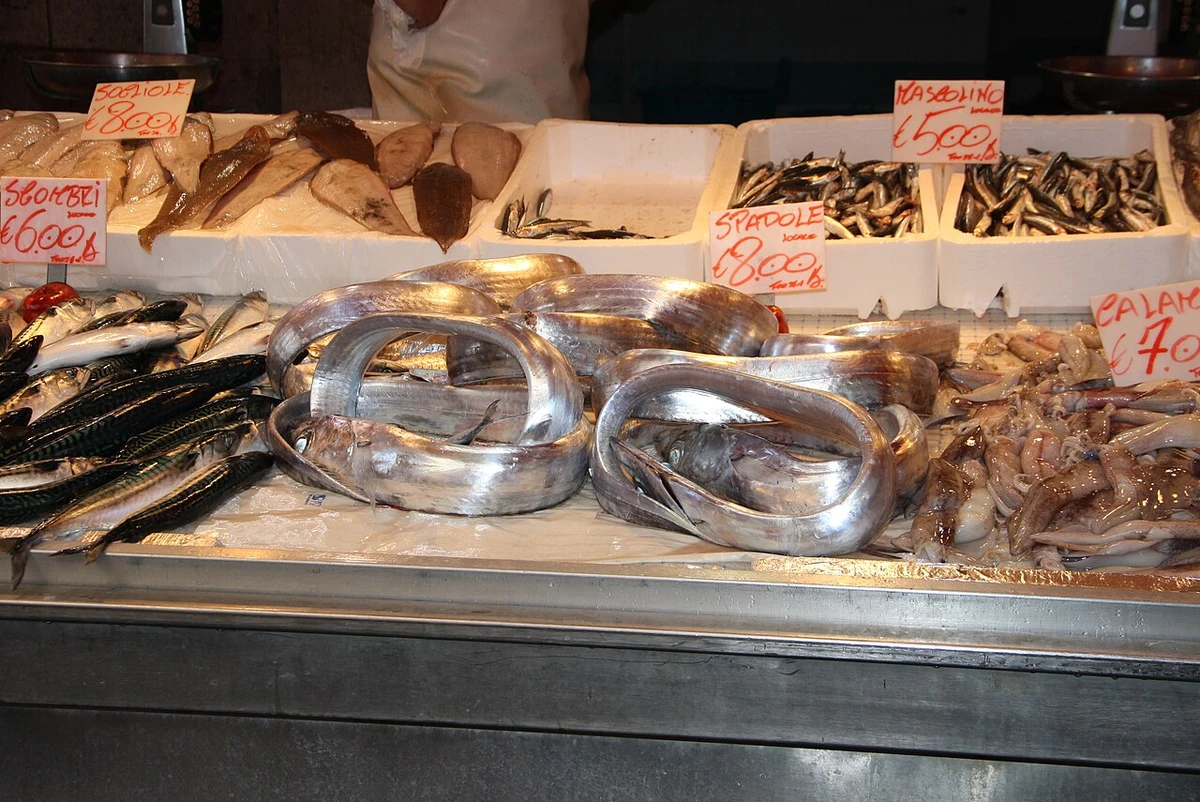
The scimitar fish is said to be quite tasty. And the Maori, the aborigines of New Zealand, consider it a true delicacy!
Therefore, the scimitar fish has decided to rely on optical camouflage. Its skin cells are almost entirely filled with guanine crystals, layers of which are interspersed with layers of cytoplasm—the cell's internal fluid. And it's this complex structure that creates a bright, metallic sheen that's very difficult to distinguish from the reflections on the water's surface. 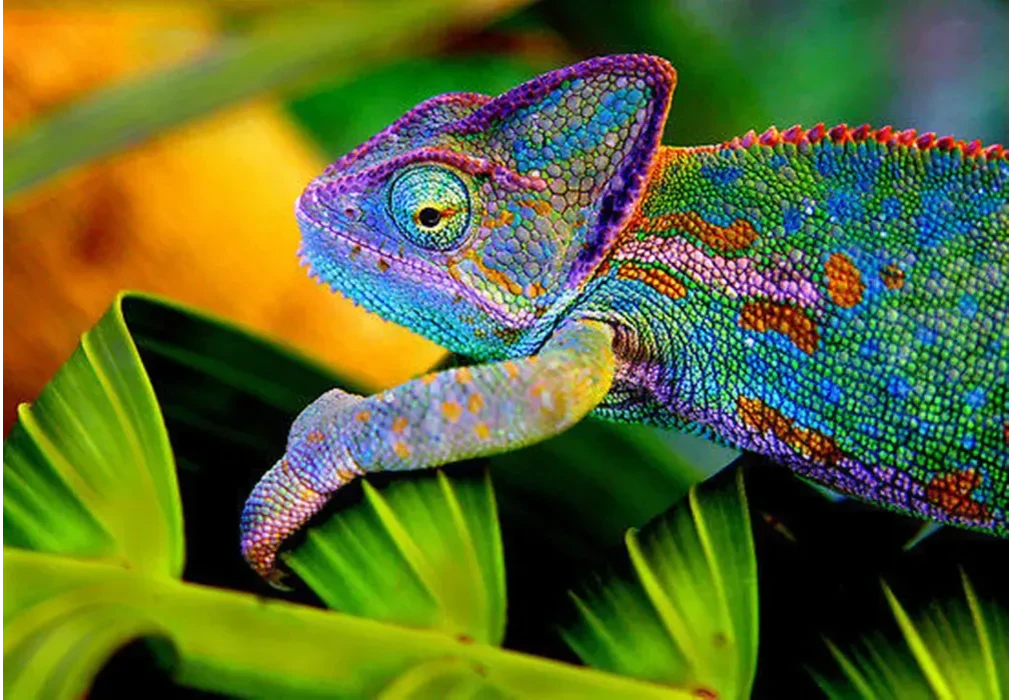
Chameleons, by the way, also use guanine to enhance their coloration. However, the guanine crystals in their cells are arranged differently, and the space between them is occupied by colored pigments.
And the most interesting thing is that camouflage works not only for fish, but also for people. We still know virtually nothing about the fish's lifestyle, and we learn about fluctuations in their populations from fishermen who catch scimitar fish as bycatch. This means that camouflage works! 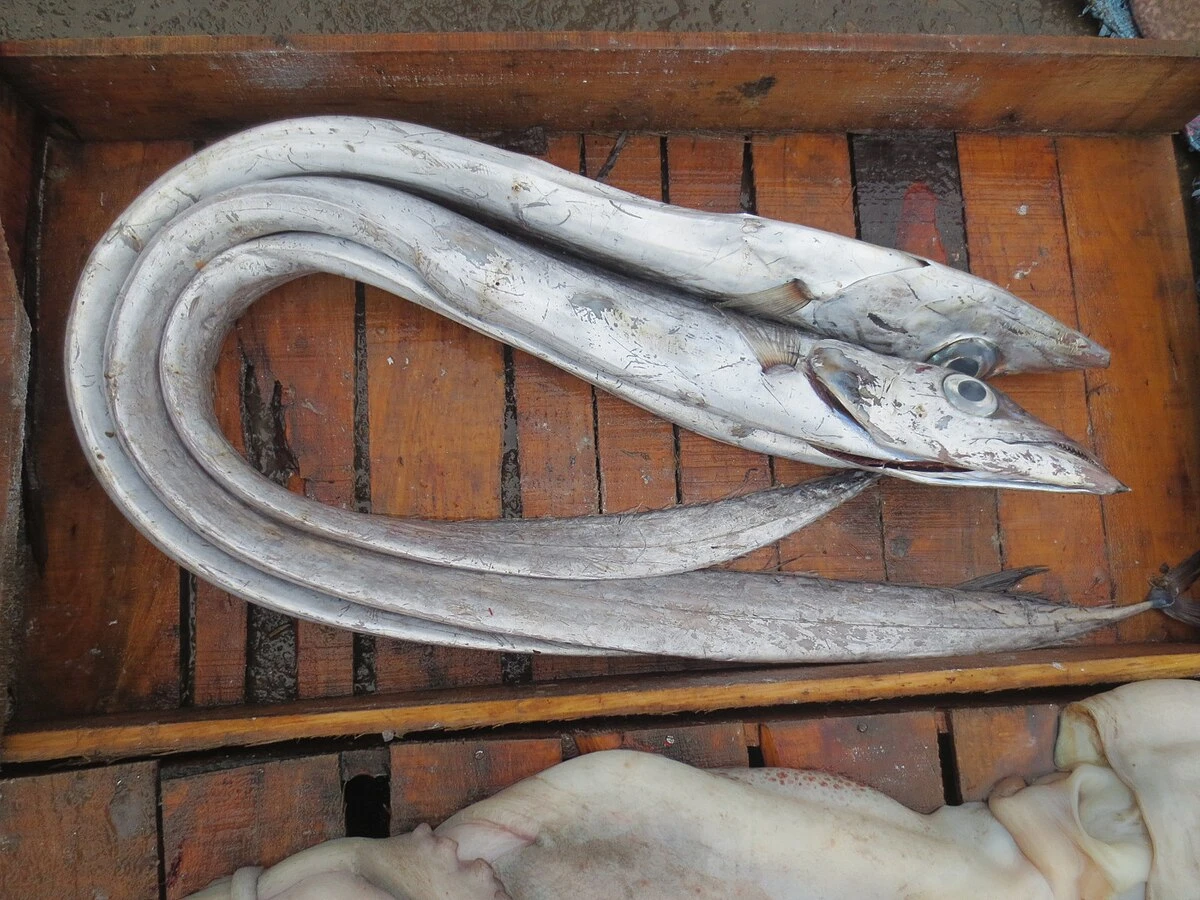
This coloring has only one serious drawback: the thin skin tears at literally any touch, so a few hours on dry land turns this beautiful metallic creature into a dull, mangy fish.