18 Unique Artifacts That Will Change Our View of Historical Milestones (19 photos)
What could a Neolithic lizard, a Viking boot, and a Roman mask-vessel have in common? 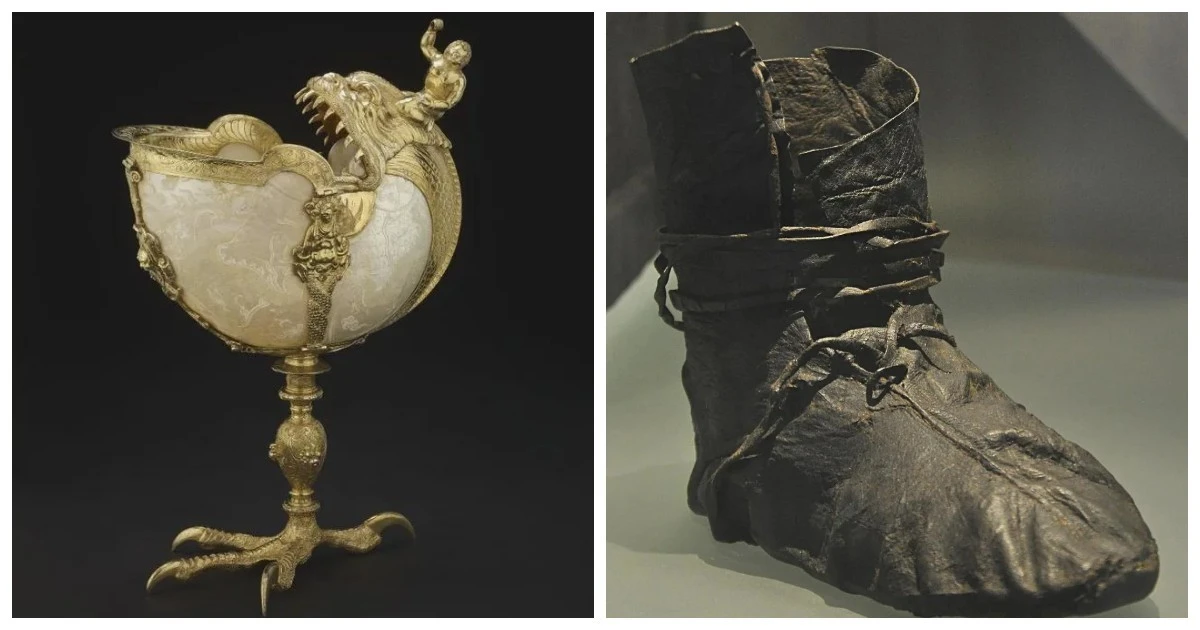
Each of these objects is not just an artifact, but also a window into bygone worlds. These artifacts will take you through 5,000 years of human ingenuity, which enabled the creation of a multitude of man-made wonders, from magical Mayan masks and jade buckles of ancient China to curious ear trumpets and Renaissance goblets. Here, science unites with art, power and faith are united, and the everyday walks hand in hand with eternity. Are you ready to hear voices whispering from bronze, stone, and silver?
1. Anthropomorphic lizard figurines from Mesopotamia, Ubaid period, 5000–4000 BC 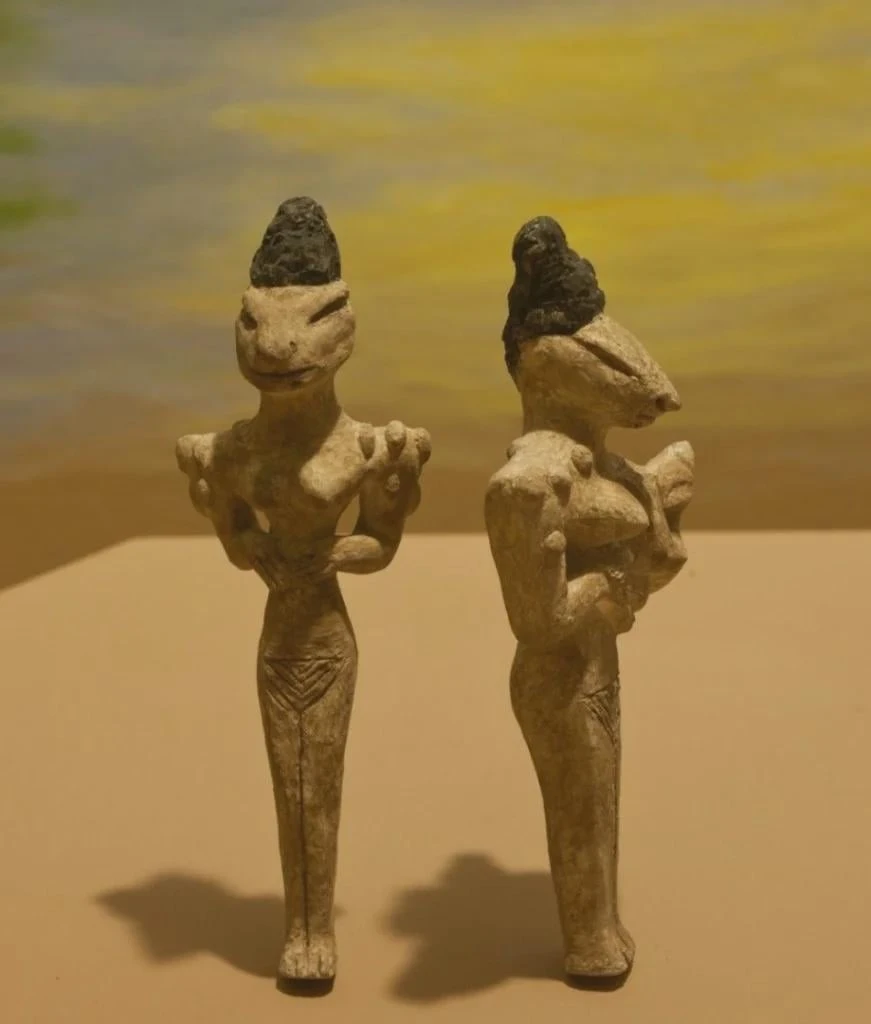
2. The costume worn by King Gustav III of Sweden during the masquerade ball on March 29, 1792, where he was fatally wounded. 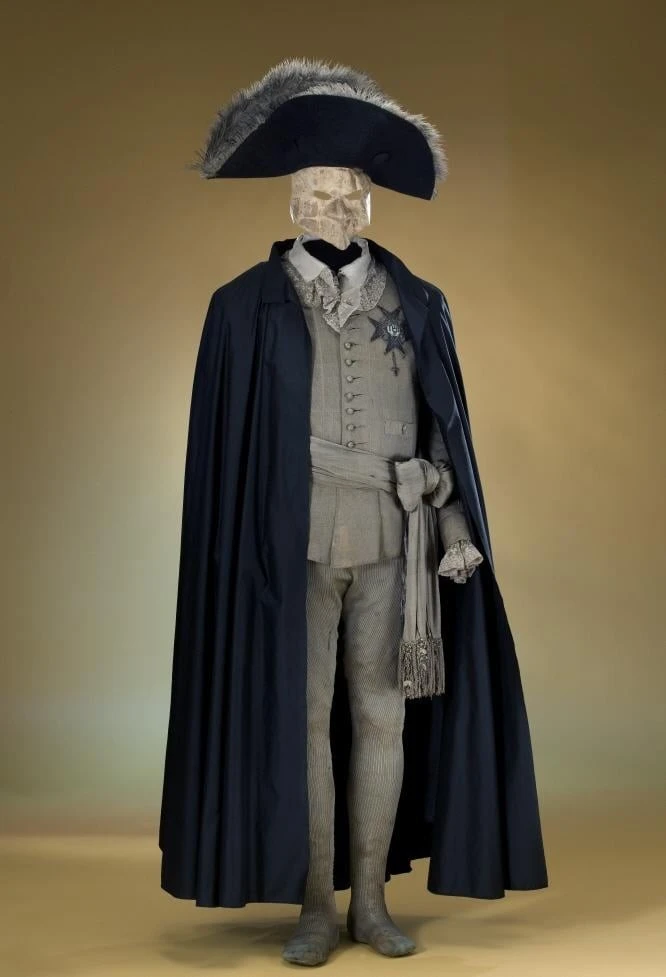
He was wearing a so-called domino – a loose hooded cloak that was a popular costume for masquerades of the time. The king wore a black velvet mask covering the upper part of his face and a tricorne adorned with ostrich feathers. It was through this hat that the bullet passed.
3. Foot of the statue of Constantine the Great, circa 315 AD 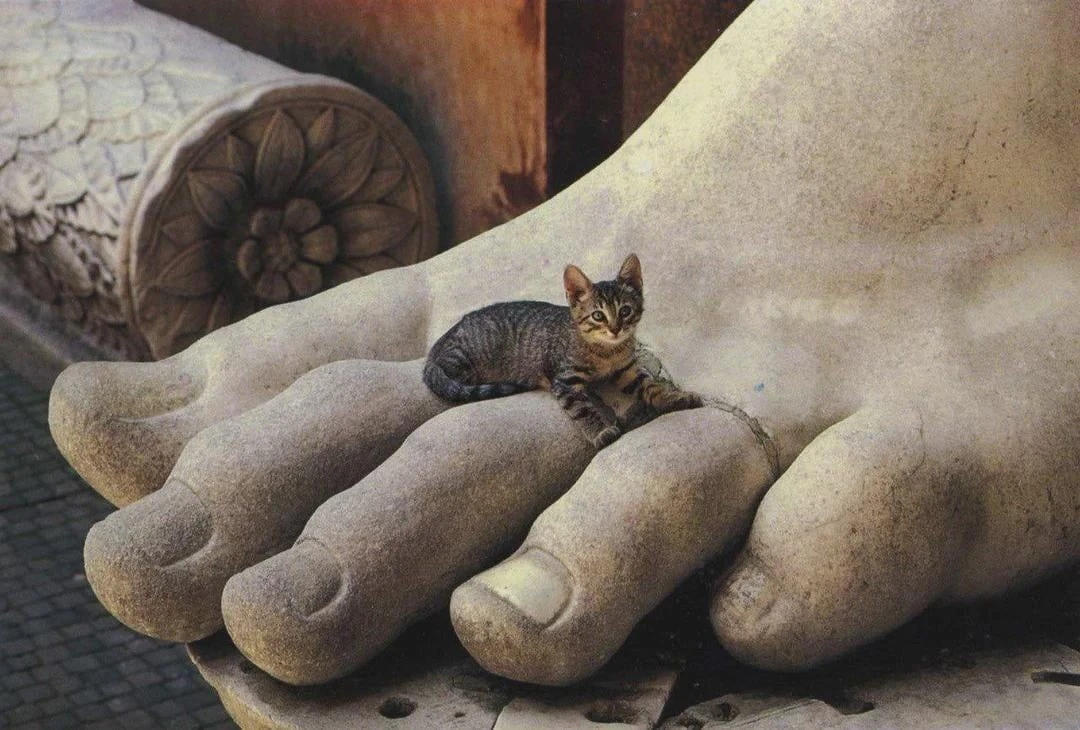
The full statue stood approximately 12 meters (40 Roman feet) tall and was installed in the Basilica of Maxentius and Constantine in the Roman Forum.
4. Watercolor painting of Grand Duchess Anastasia Romanova, circa 1914 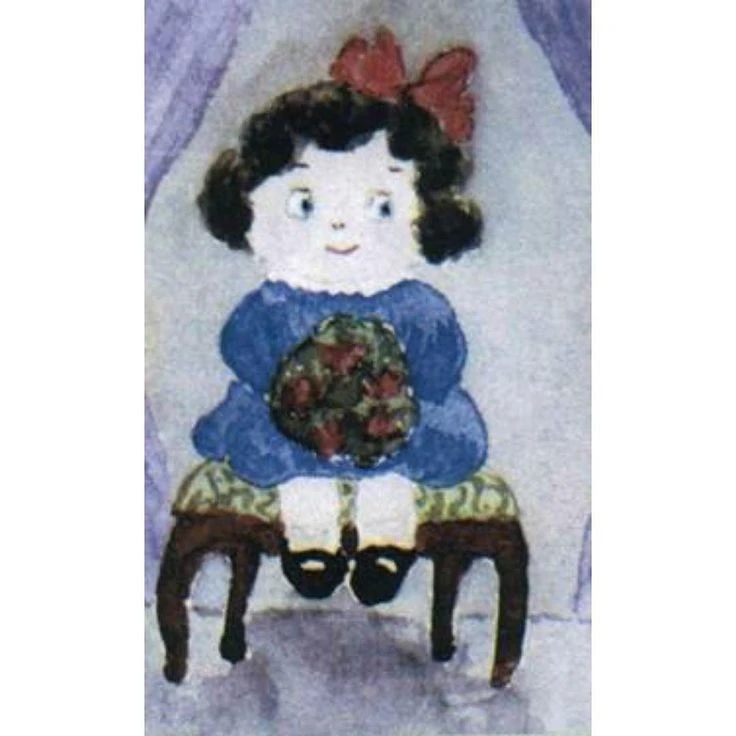
5. Mughal-era eyeglasses with lenses of flat faceted emeralds in silver and gold frames adorned with diamonds and antique-cut emeralds. India, lenses circa 17th century, frames 19th century 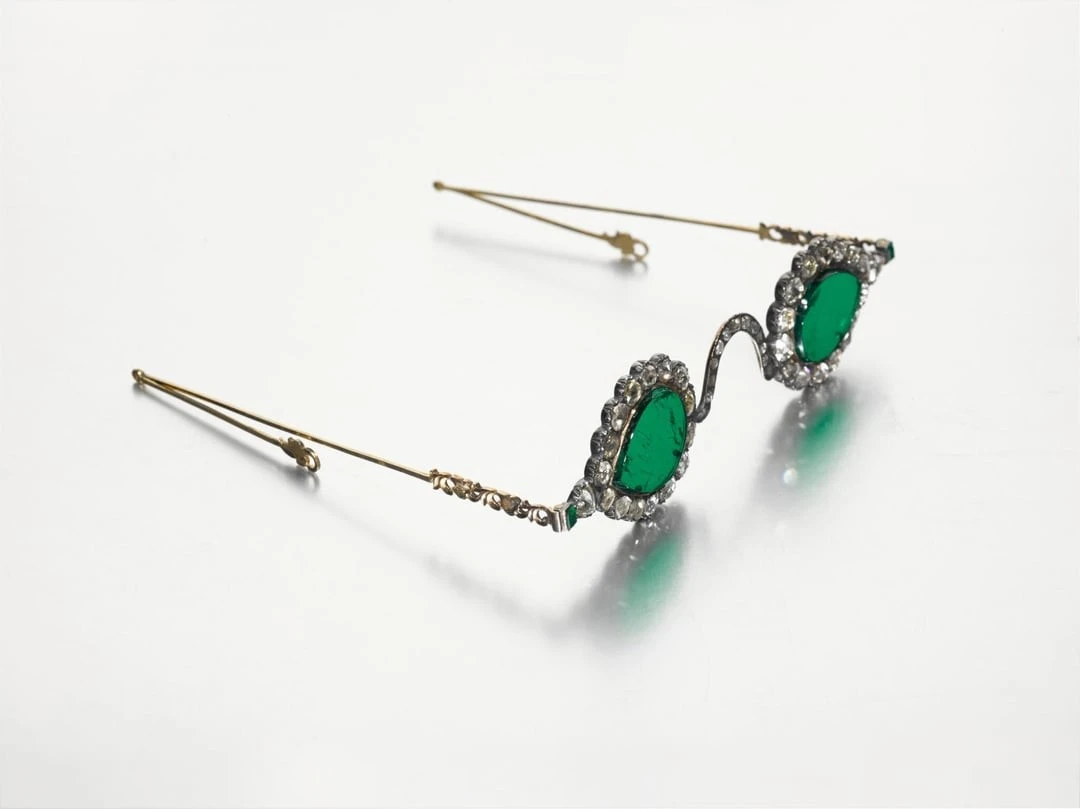
This unique luxury item demonstrates the supreme craftsmanship and wealth of Mughal rulers and the elite. The emerald lenses were likely symbolic or ceremonial, rather than intended for vision correction due to their high cost and opacity.
6. Tiger-shaped belt buckle, China, Warring States period, 4th century BC 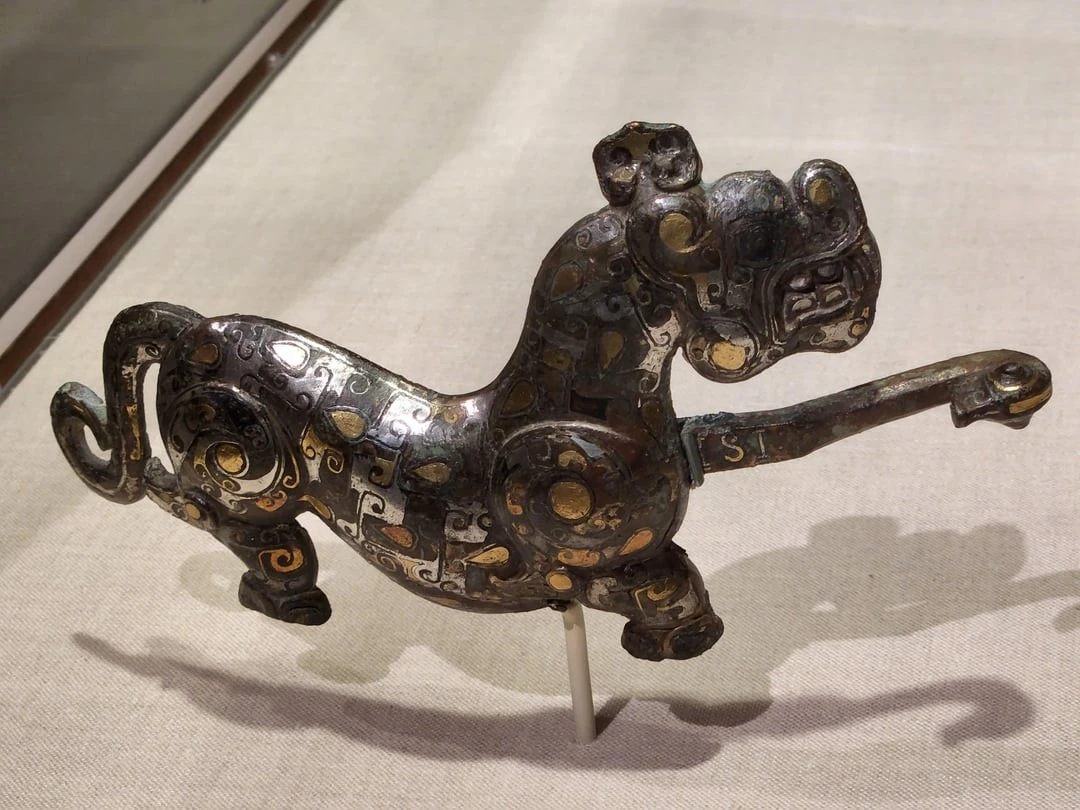
Bronze with gold and silver inlay.
7. "Monkey Holding a Cat" by Yi Yuanji. China, Song Dynasty, 11th century AD 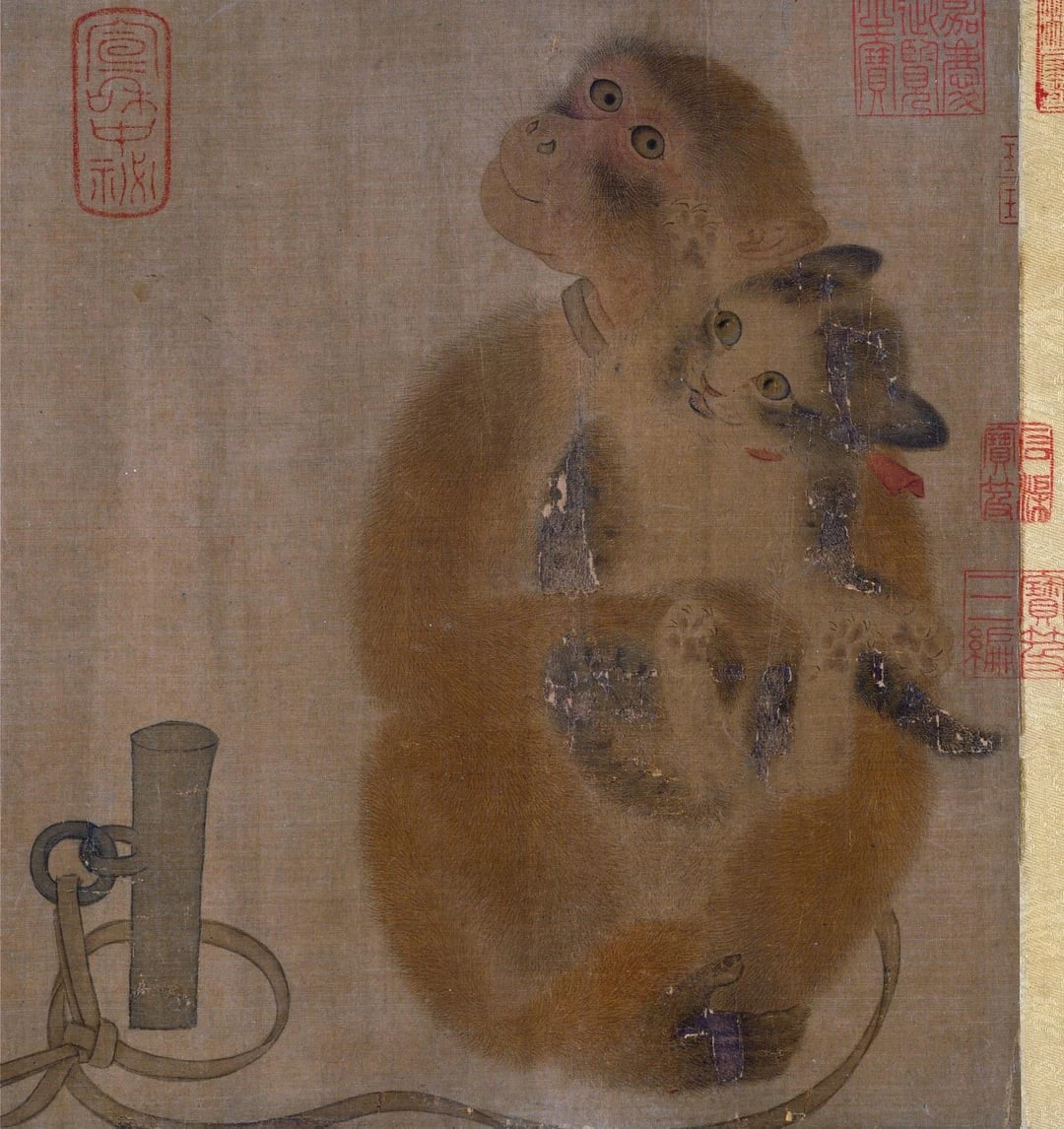
Yi Yuanji (c. 1000 – c. 1064) was a renowned court artist renowned for his extraordinarily realistic depictions of animals, particularly monkeys.
8. Three harpoons. India, 1500–500 BC. 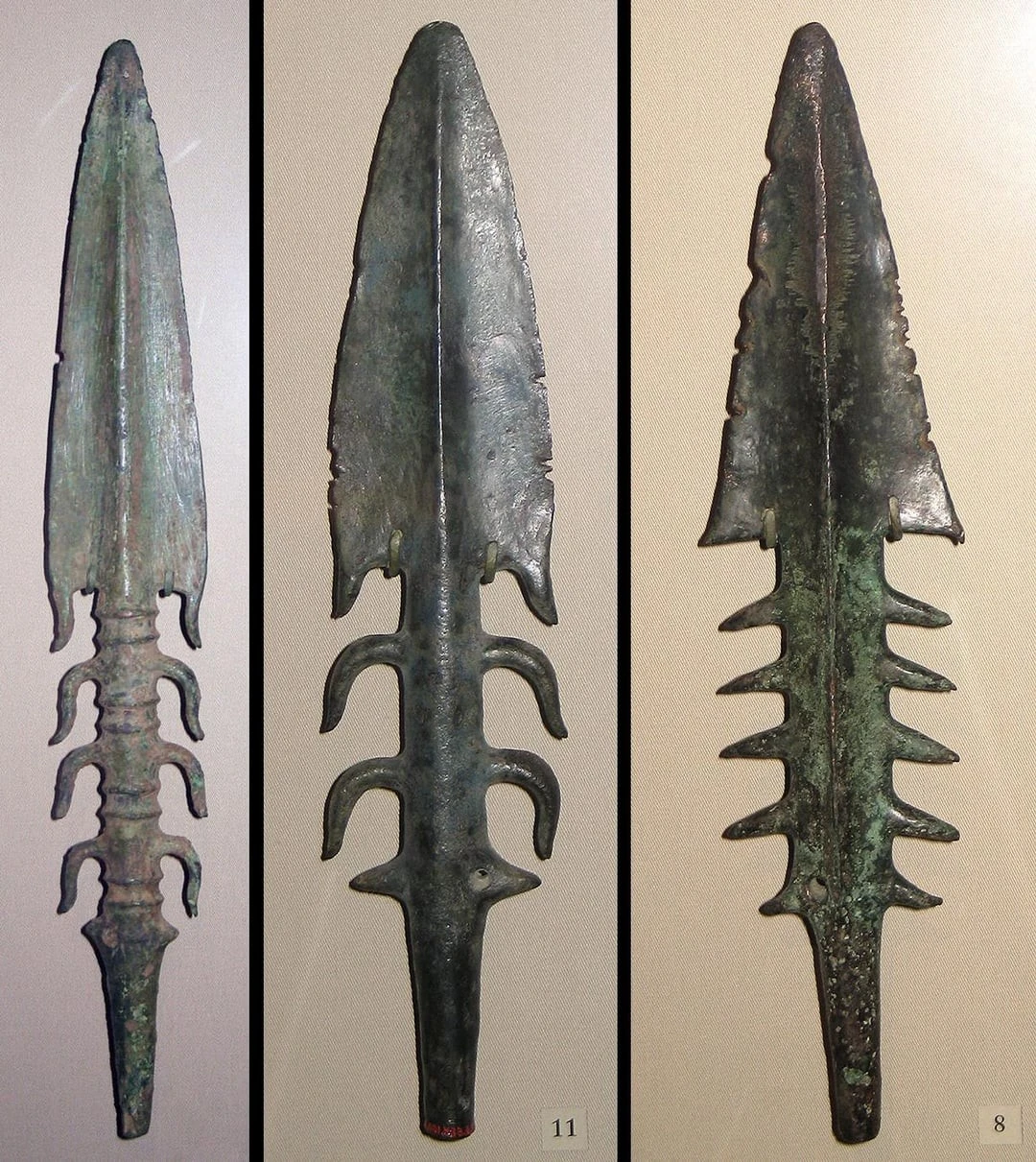
9. The Achaemenid king Darius I, depicted in the attire of an Egyptian pharaoh 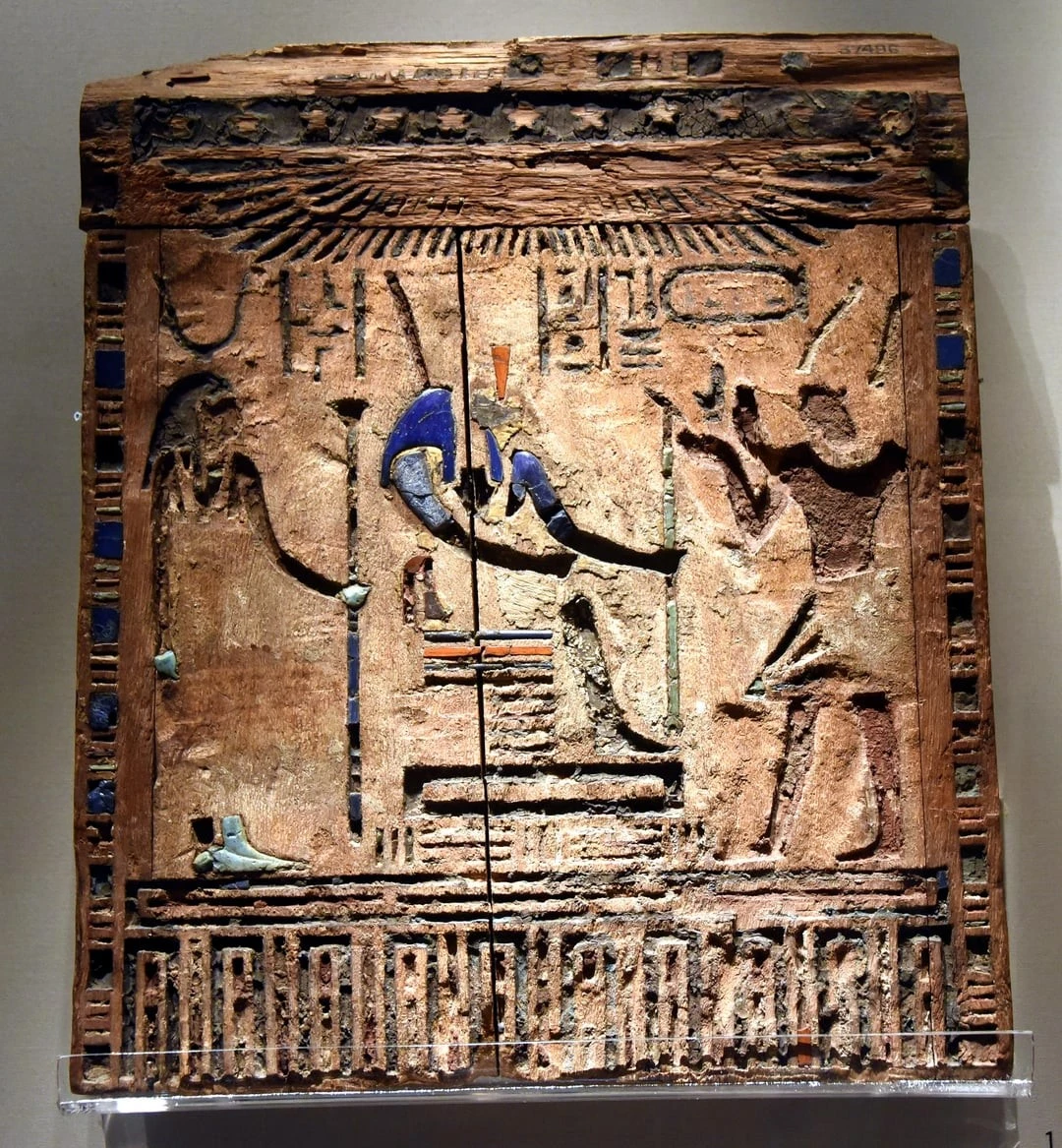
After the conquest of Egypt by the Persian king Cambyses II, his successor Darius I sought to consolidate his power over the Nile Valley, following the traditional policy of conquerors to legitimize themselves through local symbols of power.
10. Sculpture of Mahakala standing on two sacks of rice, Japan, 18th century 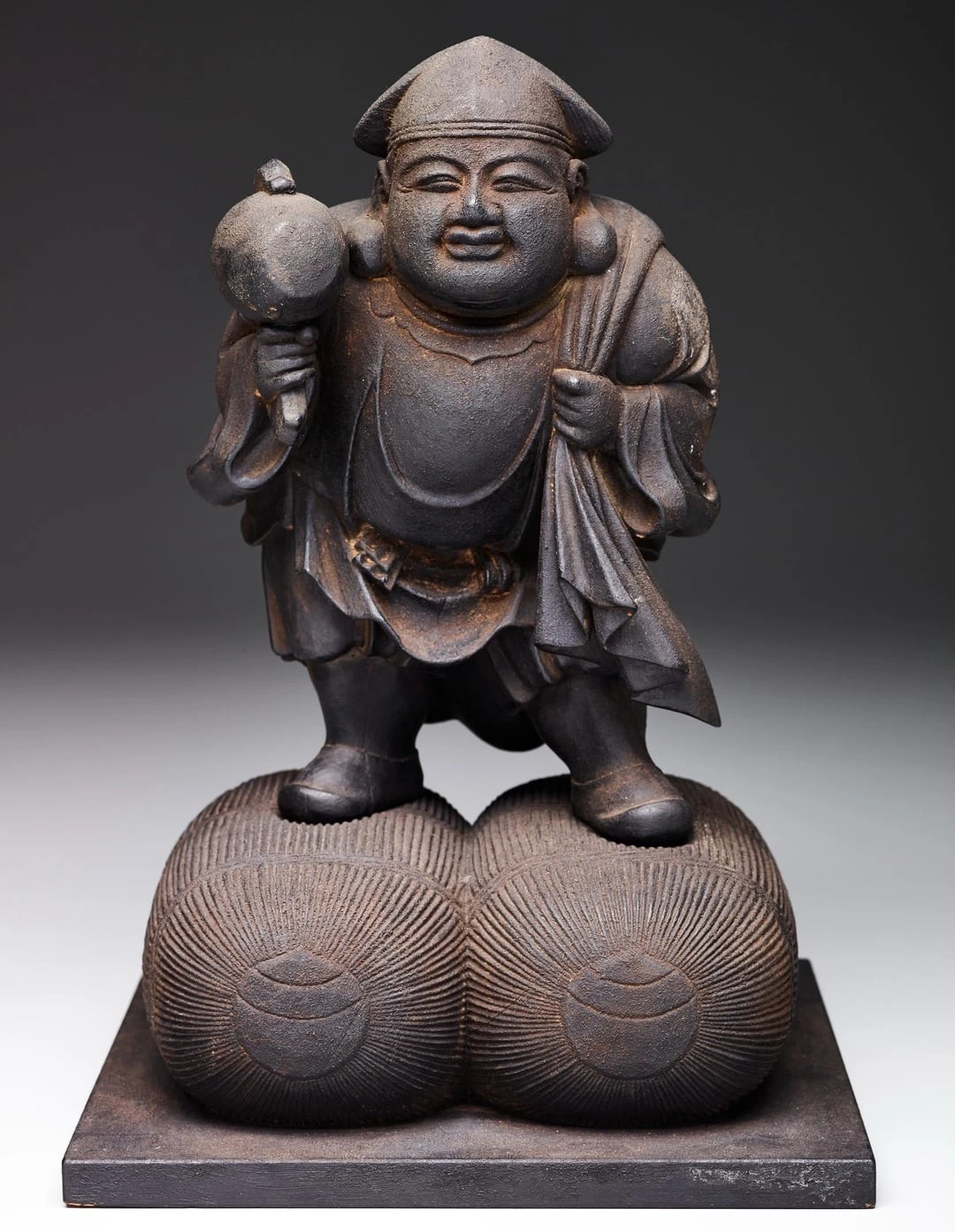
Mahakala (Daikokuten) is one of the Seven Fortunate Gods (shichifukujin) in Japanese mythology, the patron of wealth, prosperity, and the hearth.
11. Viking Age leather boot found among grave goods in a ship burial 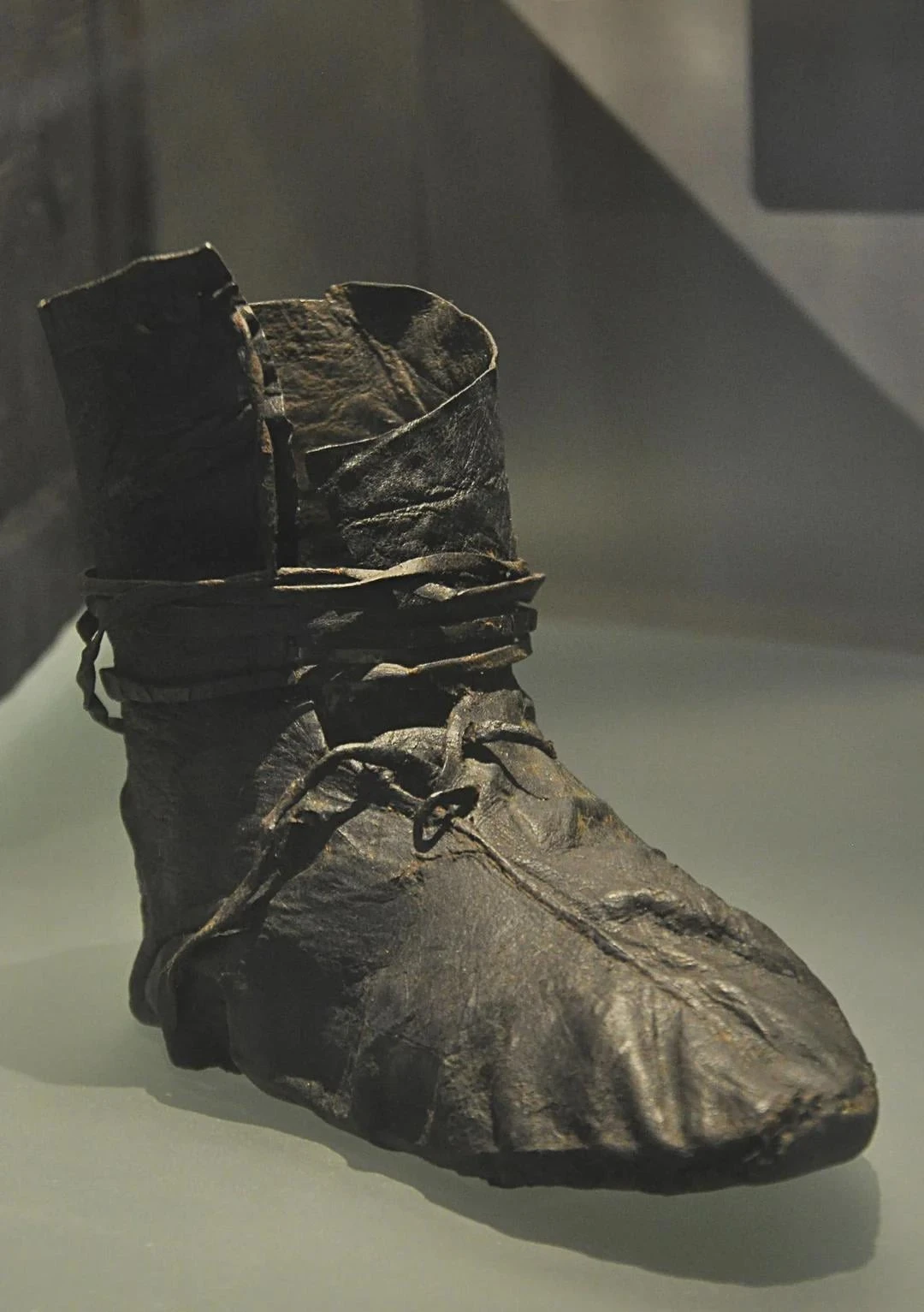
12. Earrings in the shape of pestilent turtles on gilded metal leaves, England (c. 1850), Victoria and Albert Museum 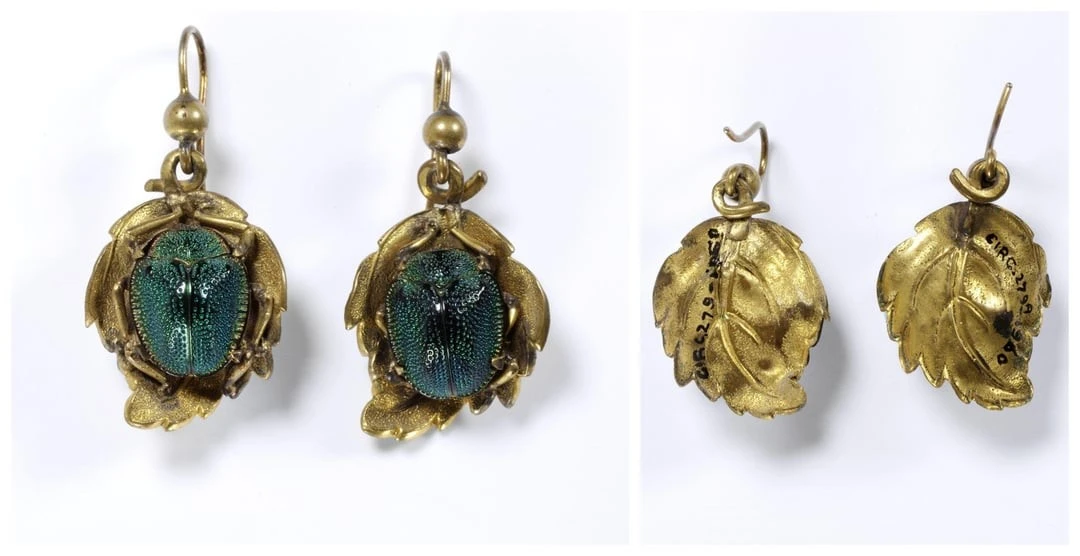
13. "Fish and Octopus (from the series "The Colourful Kingdom of Living Creatures")", created by the Japanese artist Ito Jakuchu in 1765-1766 CE. Currently housed in the Imperial Collections Museum in Tokyo. 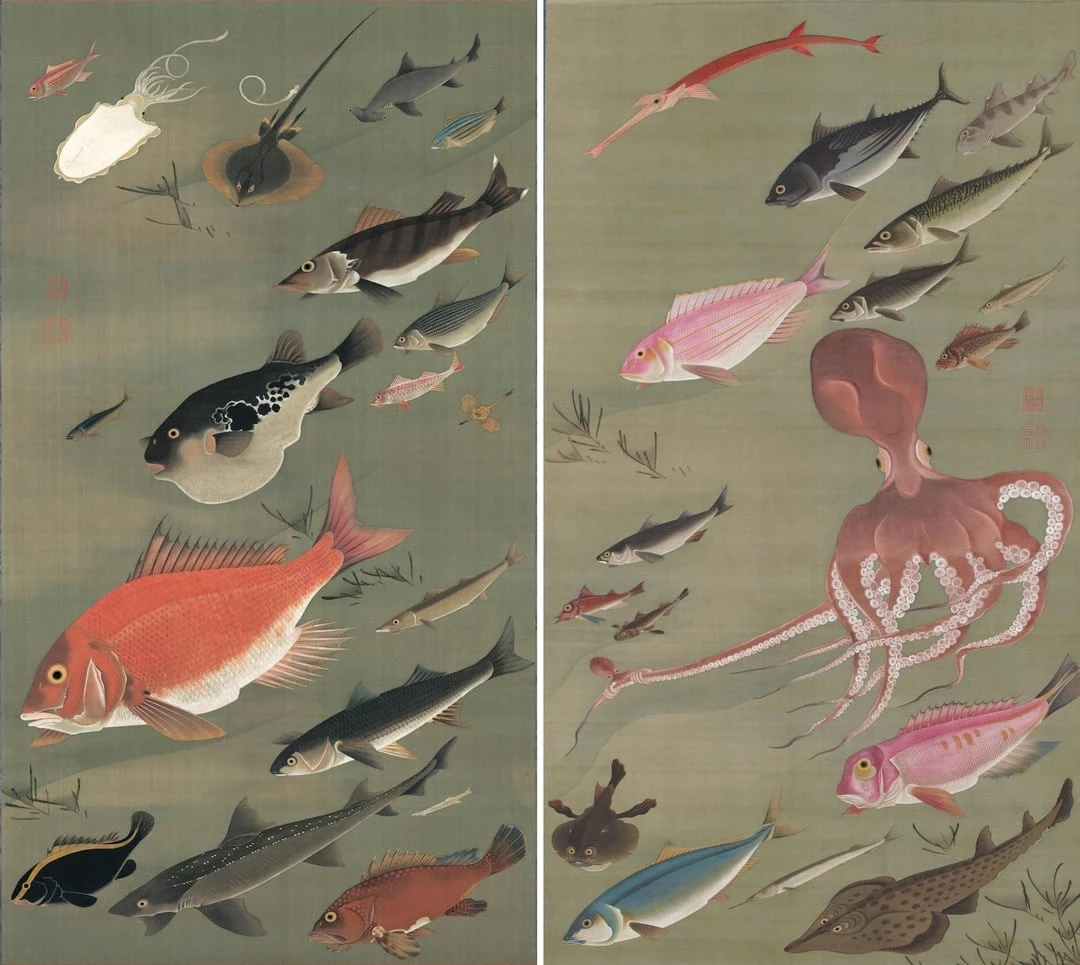
14. Eros (Cupid) on an amethyst Roman intaglio, 1st century. J. Paul Getty Museum 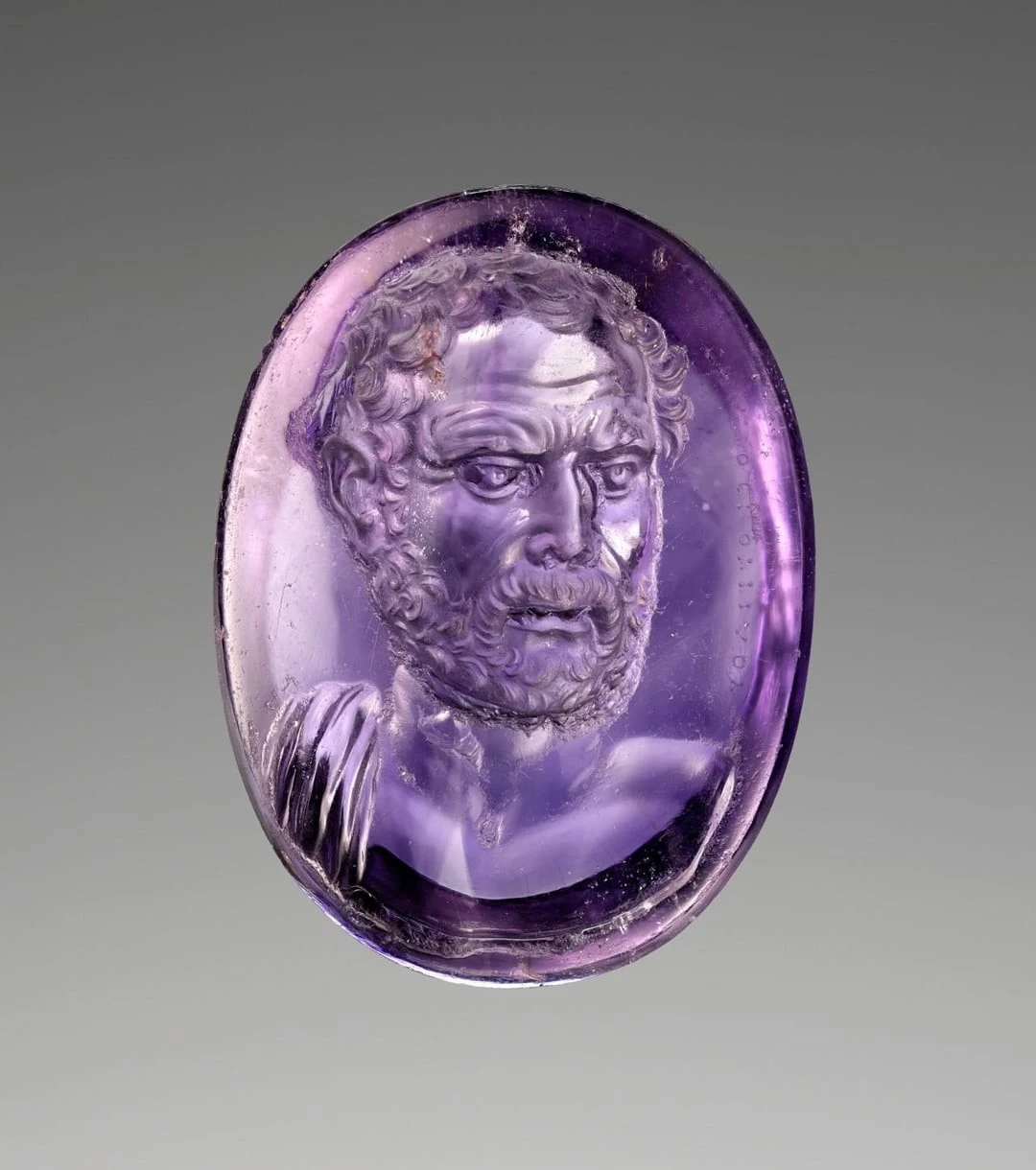
15. Funerary Mask of Te' Kab Chaak 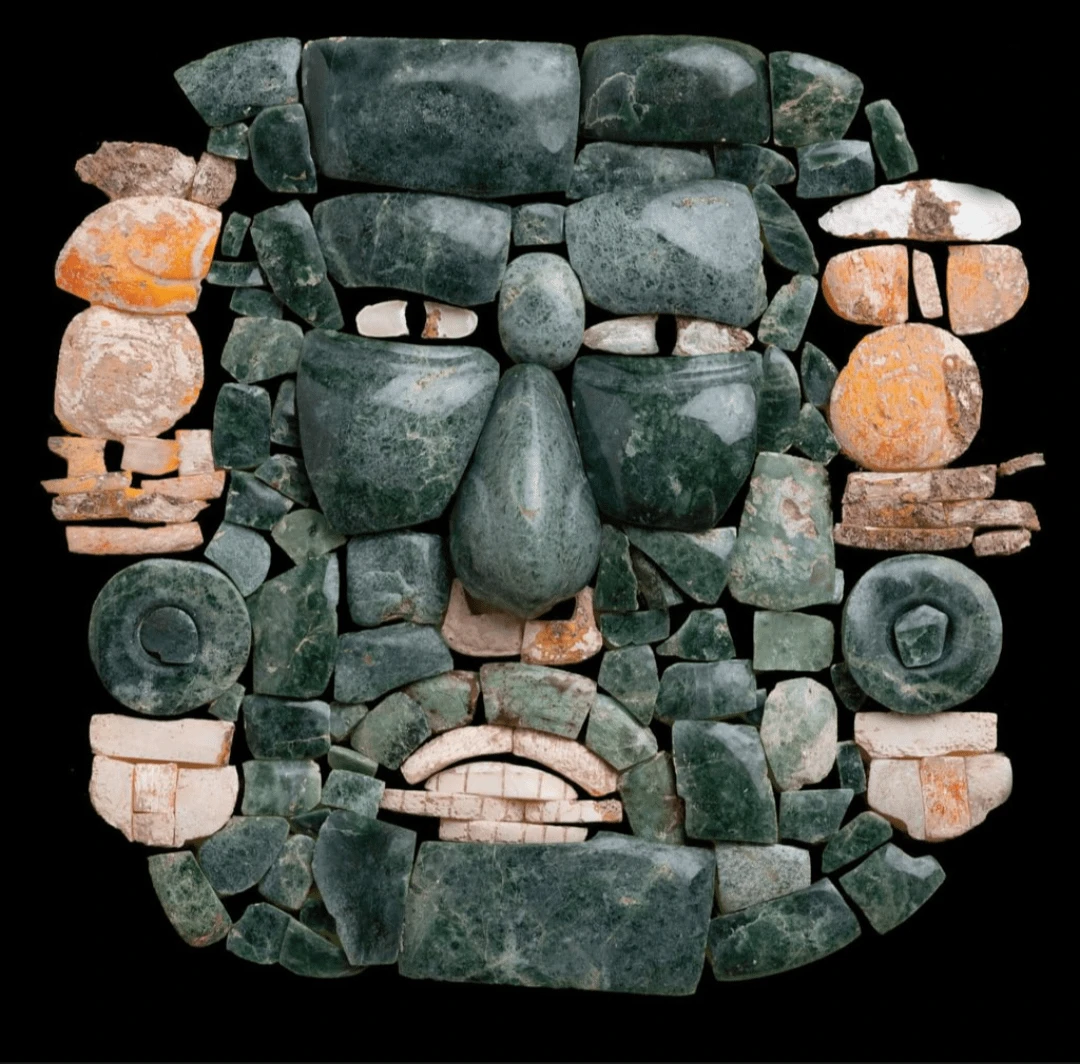
Found in the tomb of the founder of the Mayan ruling dynasty, the mask is composed of numerous pieces of jade (symbolizing eternity, life, and power) and possibly mother-of-pearl or oyster shells (symbolizing the underworld and water), reflecting the Mayan belief in the afterlife and the status of the deceased. Such masks were often placed in royal tombs to protect the face of the deceased and ensure their divine status in the world of their ancestors.
16. English Regency Ear Trumpet, 1820s 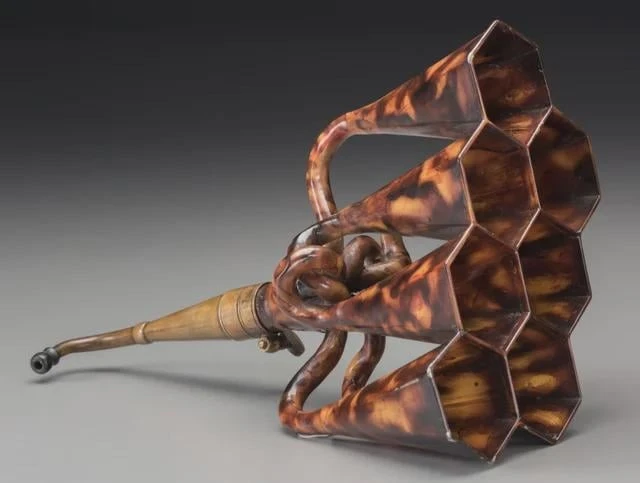
This acoustic device, a precursor to the modern hearing aid, was used by people with hearing impairments in the first half of the 19th century. Regency-era pipes (c. 1811-1820) often featured elegant designs, sometimes reminiscent of a musical instrument (such as a trombone) or a flower, and could be made of gilded silver, brass, or copper.
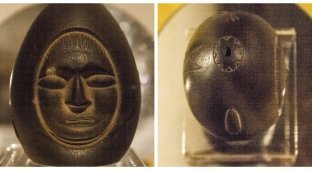
17. A very interesting Roman vessel in the shape of a human face, 2nd century AD. 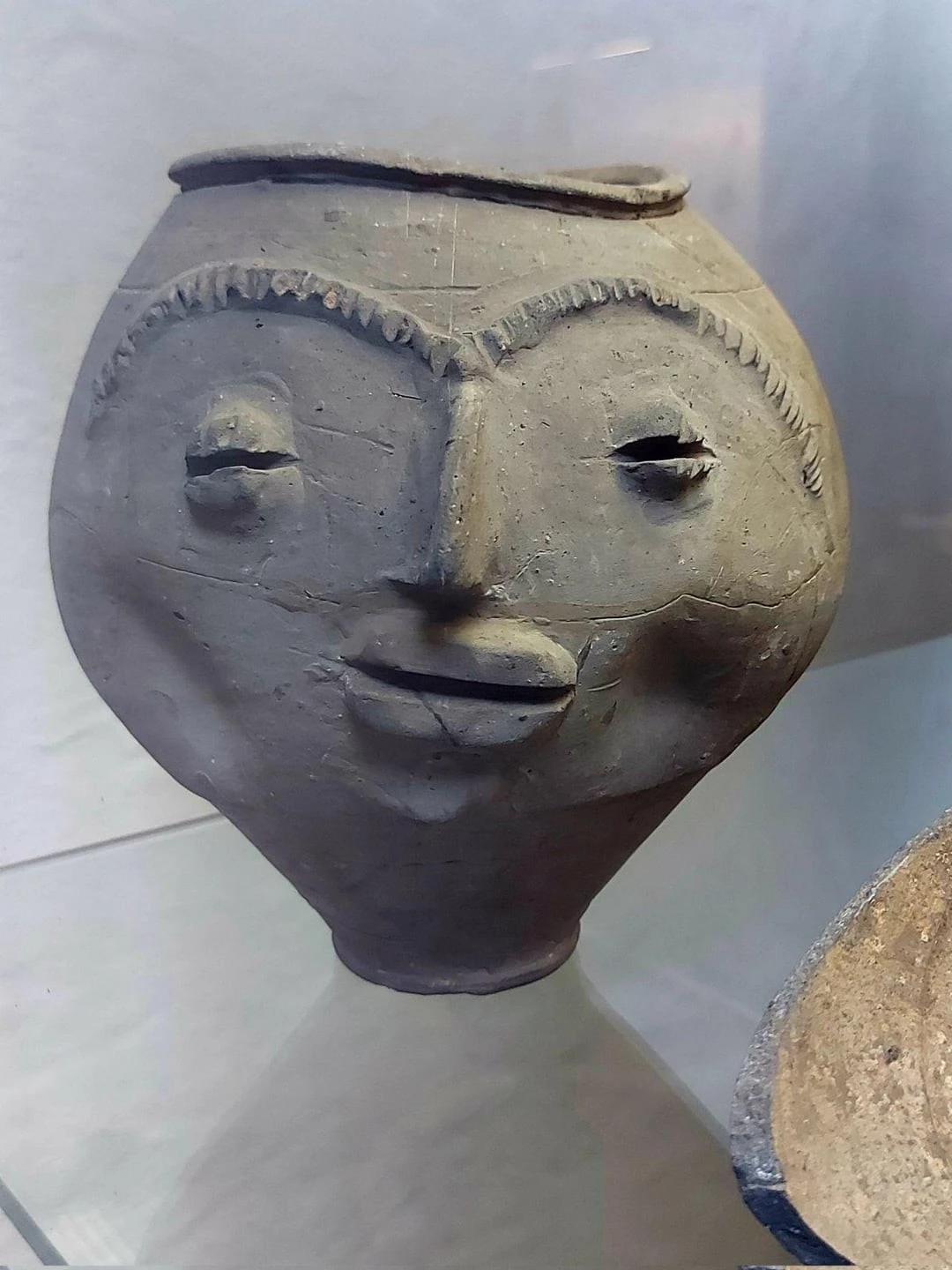
Found at the former Roman settlement of Nida (now the Heddernheim district of Frankfurt am Main, western Germany). This is likely a Roman ceramic vessel of the "face-urn" or "mask-vase" type, which were produced in the Germanic provinces of the Roman Empire. Such vessels were often used in funerary rites to hold ashes or as ritual offerings.
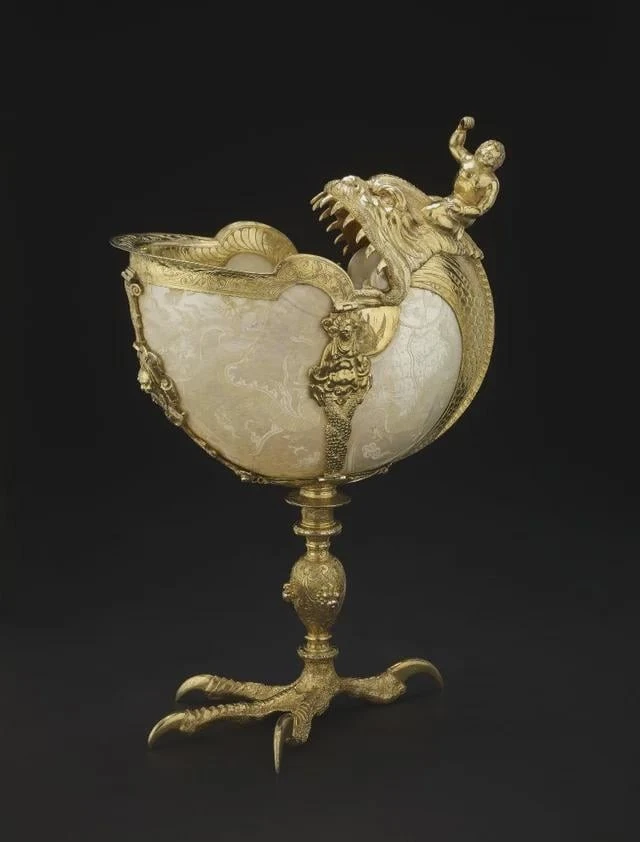
18. Nautilus shell cup on a stand, mounted in chased and gilded silver. Circa 1550