The Mystery of the Eight Tiny Coffins of Arthur's Seat (11 photos + 1 video)
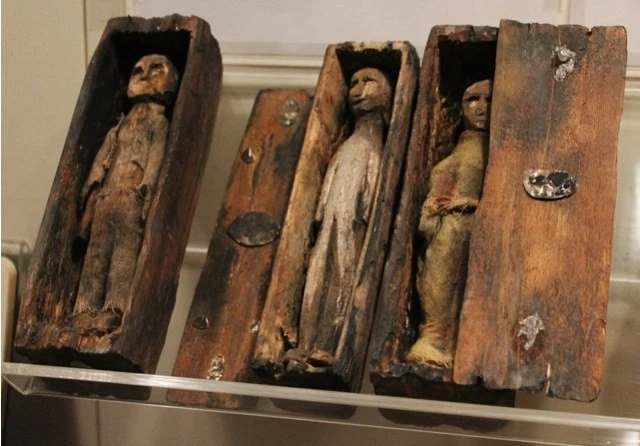
The National Museum of Scotland in Edinburgh houses a set of eight miniature wooden coffins trimmed with iron. Each contains a small figurine with a painted face, dressed in carefully sewn and glued clothing. 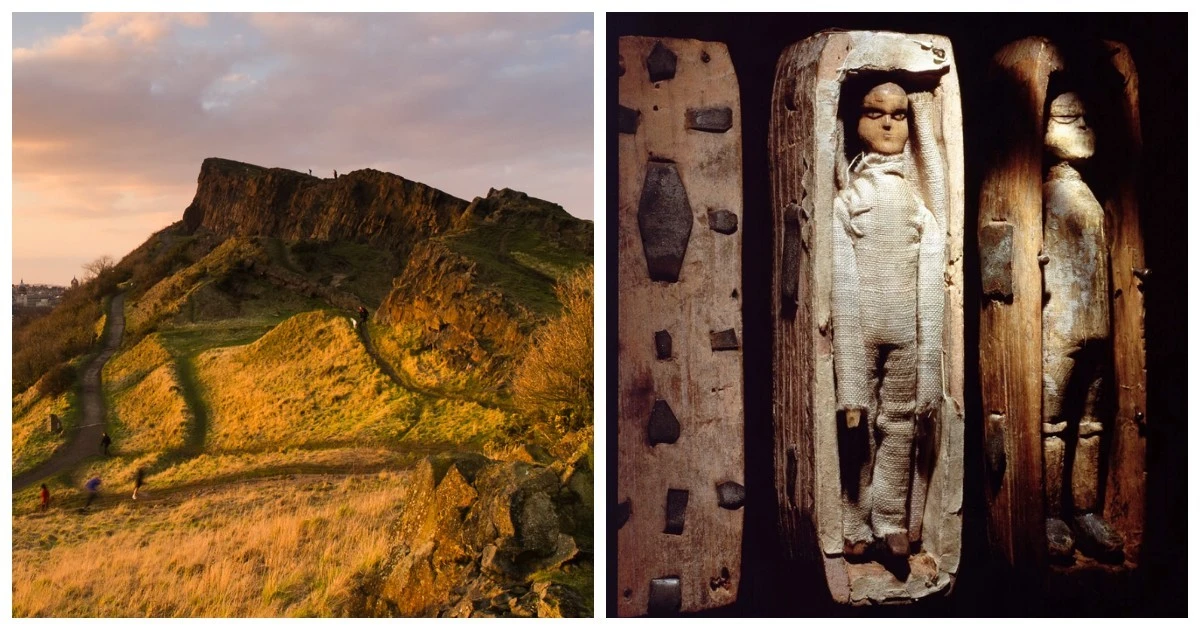
Since their discovery by a group of boys in a cave on a June day in 1836, these dolls have remained a source of intense curiosity and an unsolved mystery. 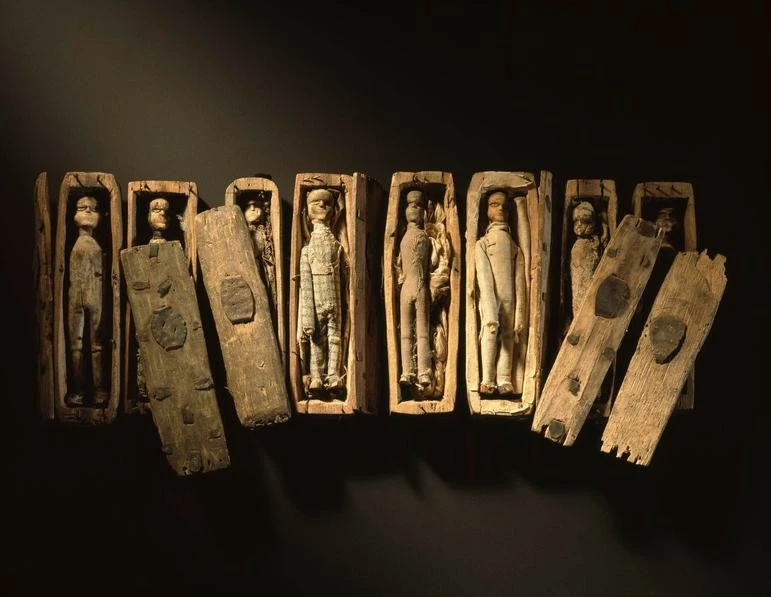
The boys had been hunting rabbits all day on the rocky slopes of Arthur's Seat when their attention was drawn to a small crevice hidden behind a slab of slate. Pulling back the stone, they discovered seventeen small coffins, each barely ten centimeters long, neatly stacked in three layers. 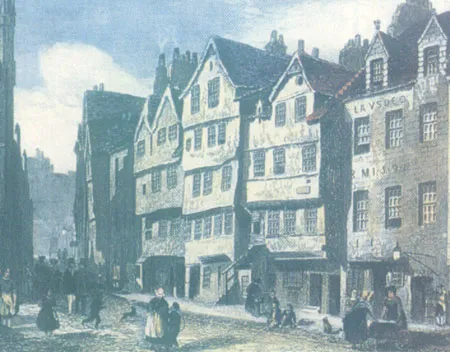
Edinburgh in the 1930s
This find was so curious that it made it into the pages of The Scotsman newspaper on July 16, 1836. The article reported that the coffins were skillfully carved from a single piece of wood, and their lids were heavily decorated with patterns made from pieces of tin. Strangest of all were the signs of age: the bottom row of coffins and figurines had almost completely decayed, while the top row looked as if it had been placed in the cave only a few days earlier. 
Arthur's Seat, a long-extinct volcano, towers over Edinburgh and has always had a special atmosphere.
The first and most obvious theory for Scots at the time was witchcraft. Edinburgh has a dark history of witch trials. However, other theories soon emerged: from an ancient Saxon rite of symbolic burial to a connection with the seventeen victims of the body snatchers Burke and Hare. 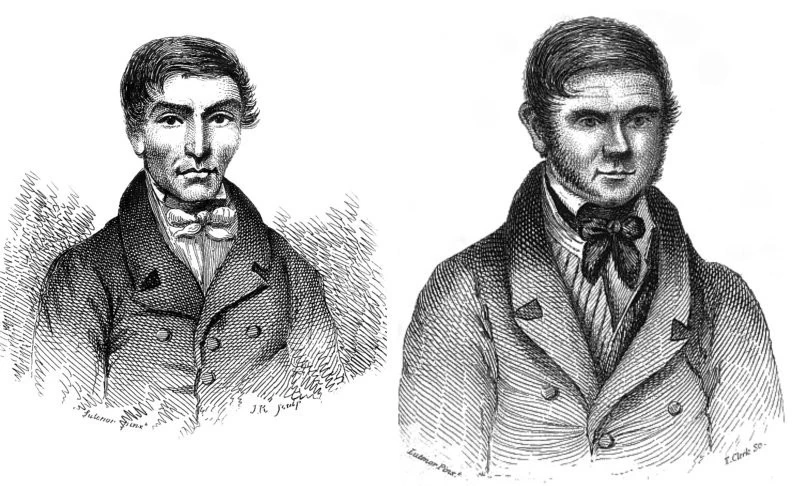
Irish immigrants William Burke and William Hare, who committed the Westport Murders
This series of 17 murders in Edinburgh was committed by Irish immigrants and body snatchers William Burke and William Hare, known as the Westport Murders. Although all the dolls were dressed in men's clothing, and the victims were mostly women, these figures may have been merely symbolic. 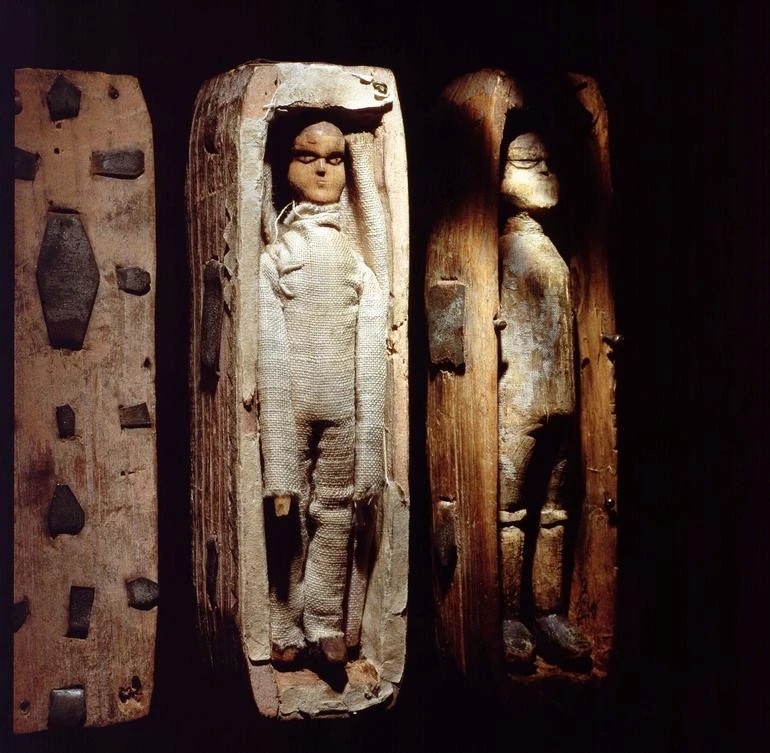
In the 1980s, another theory about the origin emerged. In Germany, there's a superstition associated with sailing. Sailors kept mandrake roots or dolls in tiny coffins as talismans. Therefore, one researcher suggested that the coffins were a hoard of good luck charms. He believed that a merchant had hidden them on the hillside to sell to sailors. 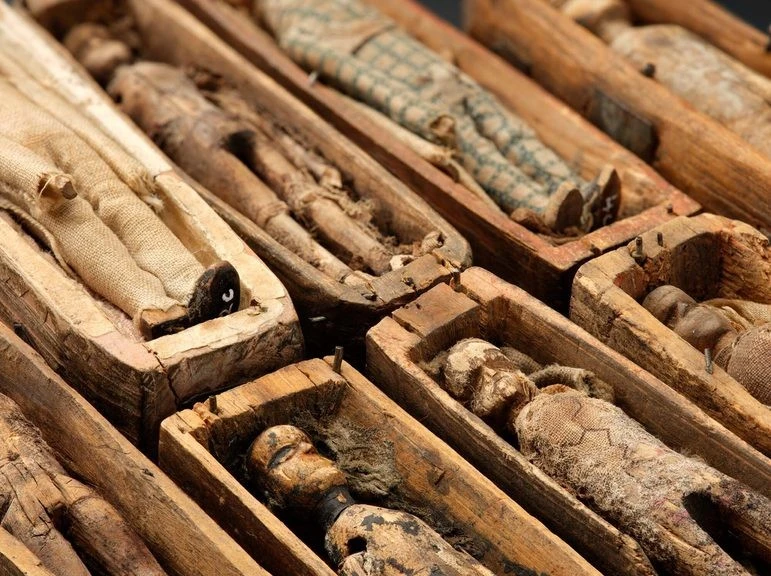
The use of amulets persisted in Scotland until the 19th century. However, no evidence of this specific maritime tradition has been found in Scotland. 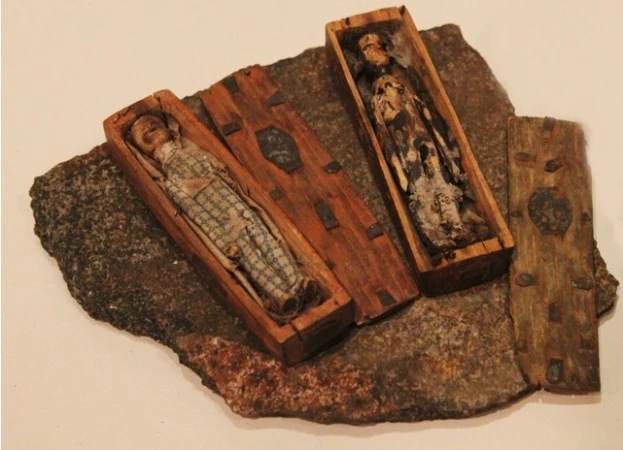
A thorough study in 1994 revealed that the figurines were likely converted from toy soldiers from the late 18th century; some even had their arms sawed off for placement in coffins. 
Their eyes were painted open, ruling out the original intention of depicting corpses. Of the seventeen original coffins, only eight remain. The rest, as the same newspaper reported, were scattered or damaged by boys while playing. 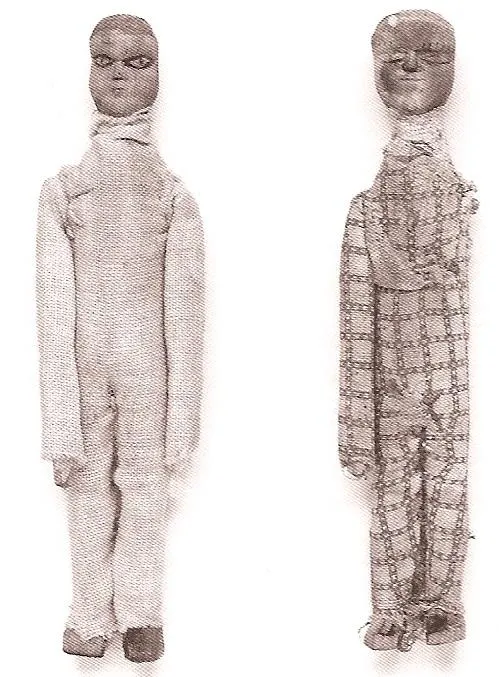
This mystery continues to haunt people, but it will likely never be solved.