Metallica: Life After Death, Hetfield's Demons (8 photos)
Note: This article is based on a candid interview with James Hetfield in 2008. It was a turning point: the band had just released the album Death Magnetic, recovering from the severe crisis of the early 2000s, and James himself was learning to live and create with a clear head. Surprisingly, these thoughts resonate even deeper and more relevant years later. 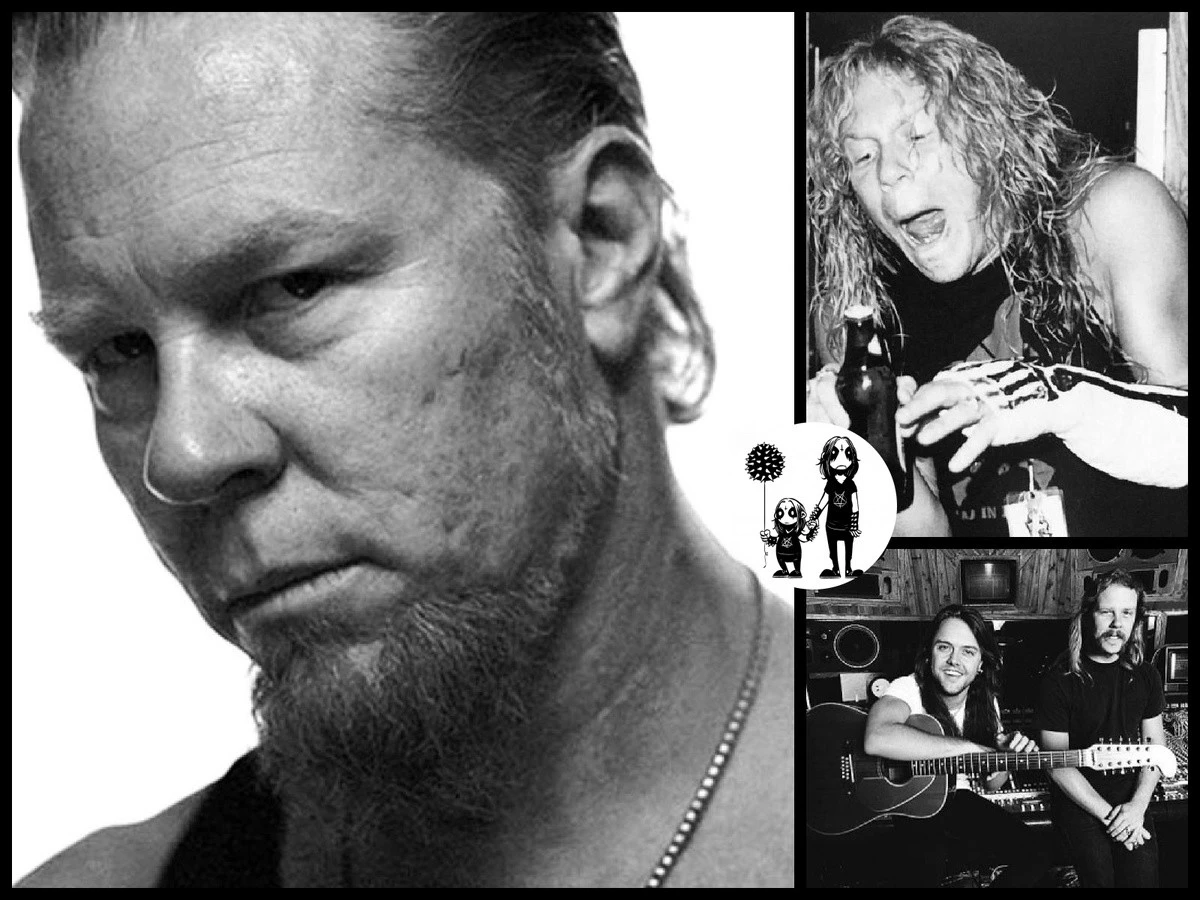
Metallica is often perceived as an unshakable monolith of heavy music. But behind the wall of guitar drive and the image of gritty metalheads lie ordinary people who have been through the hell of addiction, internal conflict, and loss. 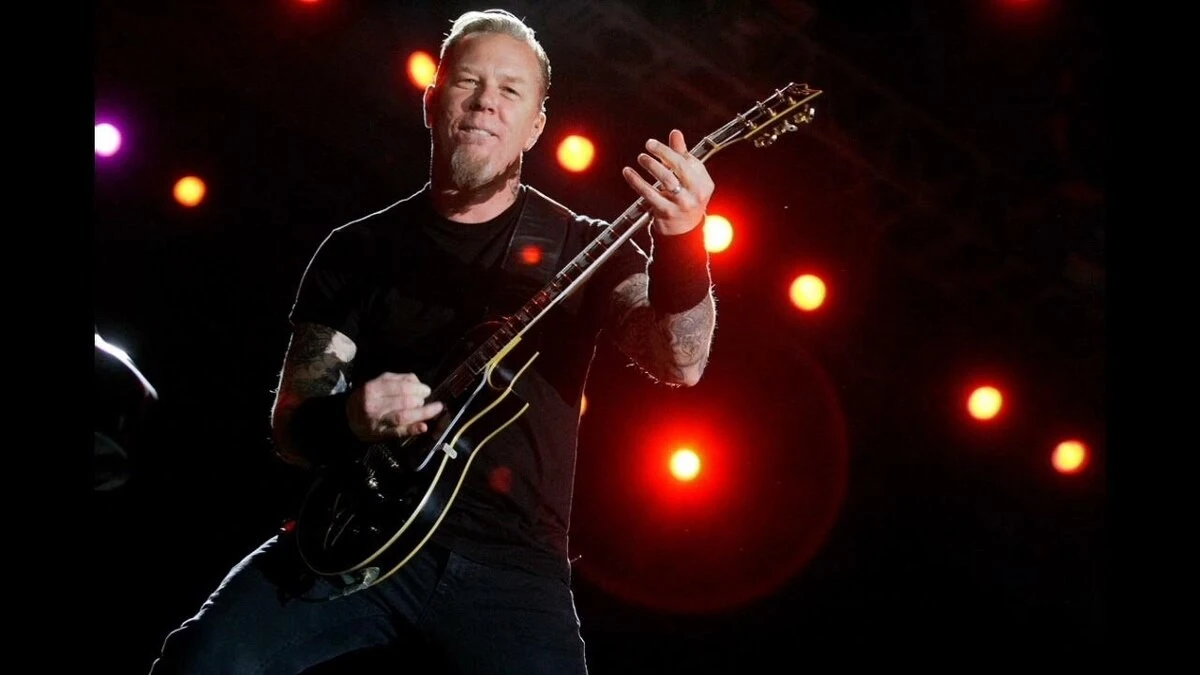
Band leader James Hetfield is an iconic figure. But how does he see himself when the spotlight goes out? Read our article to learn about life, death, his struggle with alcoholism, and the relationships within the legendary band.
"A New Kind of Monster": Life on Borrowed Terms
The period captured in the documentary "Some Kind of Monster" was a turning point for the band. It wasn't just a difficult time, but a true "near-death" experience for the band. Hetfield admits that everything that's happening to the band now is a kind of "extra life."
The anger and aggression that had underpinned Metallica's music for years gave way to another feeling: gratitude. Having gone through a crisis, the musicians realized the value of what they had. 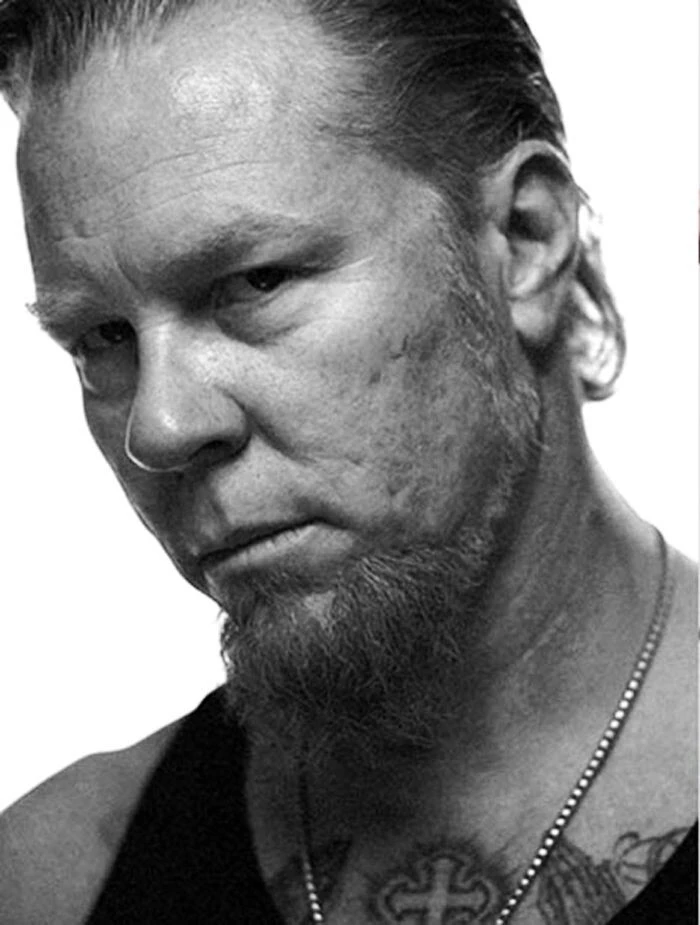
"When you realize you could have lost everything, you begin to feel truly alive. It's a feeling of purification. We closed a chapter of insane anger and began a new one."
The Magnetism of Death
The theme of death has always been a common thread throughout the band's lyrics. But over the years, their attitude toward it has changed. While working on the album Death Magnetic, Hetfield was inspired by the story of Johnny Cash and his vision of the afterlife.
For James, death is a magnet with two poles. On the one hand, it attracts: many rock 'n' roll icons have passed away too early, as if yearning for that edge. On the other hand, the fear of death repels us, forcing us to cling to life.
"In the culture I grew up in, death was taboo. You didn't talk about it. Someone just disappeared, and that was it. No funeral, no mourning. It created fear. Now I try to accept death not as an end, but as part of the journey. But it's a constant internal struggle: accepting the inevitable or trying to control the uncontrollable."
Tough Guy Image vs. Reality
James Hetfield on stage exudes power, confidence, and aggression. In real life, James is a biker, a hunter, and a lover of fast driving. He seems woven from the stereotypes of the brutal rock hero. But the musician himself admits: often, this is just armor. 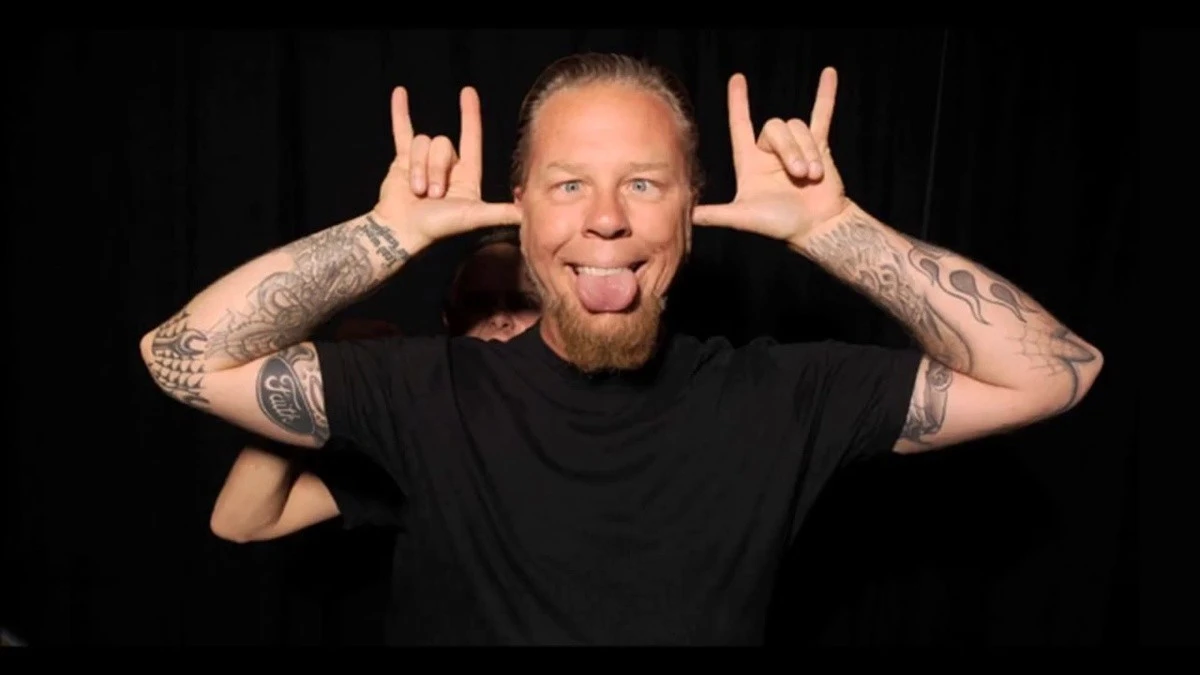
"That guy on stage is who I always wanted to be. But I'm not that," Hetfield says. In his everyday life, there's a vulnerability and softness that he tried to hide for years, afraid of being hurt again. The revelations of recent years have become a way for him to show that being open and admitting your weaknesses is true strength.
Fog in a Bottle: How Fear Conquered Alcohol
Alcohol entered Hetfield's life early, becoming a way to cope with the loss of his mother and teenage insecurities. For years, drinking was a "social lubricant" that allowed him to feel comfortable, interact with women, and perform on stage.
But over time, this "fun" turned into a routine, and then a nightmare. Memory lapses, fights, destruction of everything around him. James admits that alcohol was just an illusion, allowing him to appear "bigger" than he was, but in reality, destroying his true personality. 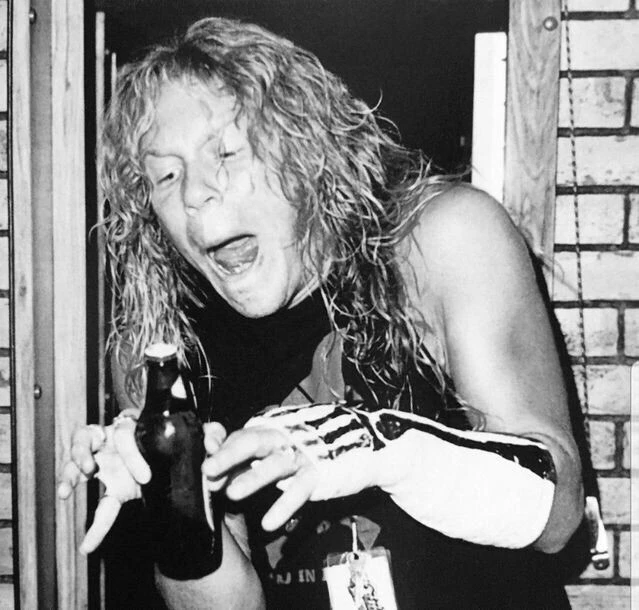
What helped him stop? It wasn't a desire for health or the doctors' persuasion.
"I was kicked out of the house. My wife simply said, 'Leave.' That shock, the fear of losing my family, became the best motivator. Fear is a great motivator when you're stubborn and won't listen the easy way."
Who drives the car called Metallica?
The relationship between Lars Ulrich and James Hetfield is legendary in itself. How do they manage to work together after so many years? James uses the perfect metaphor: 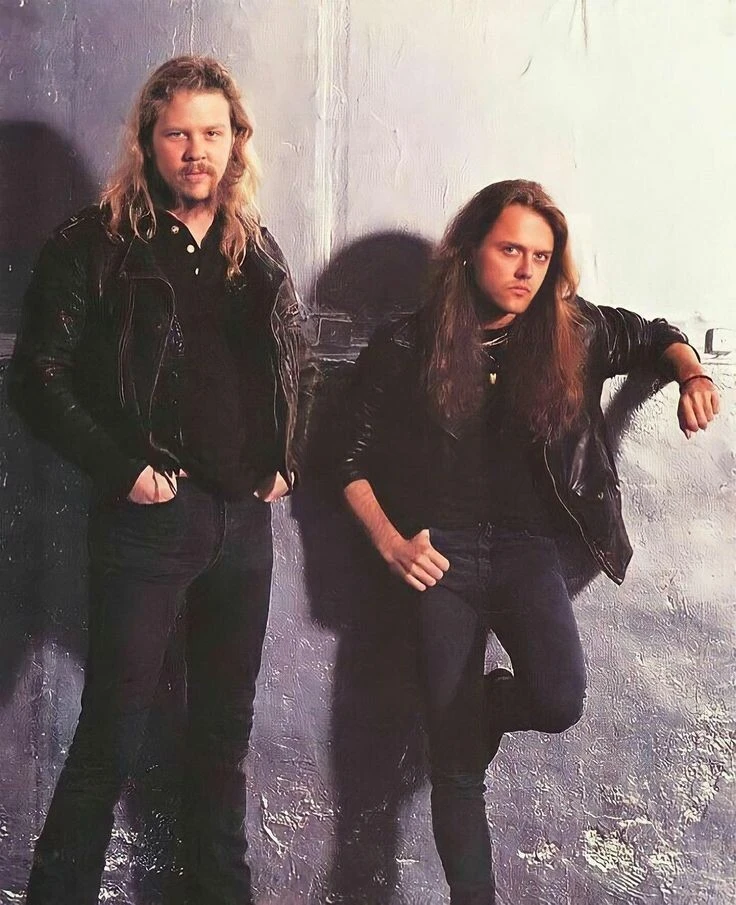
"Imagine a car. I'm behind the wheel. But Lars has the steering wheel too! And we're constantly fighting." And Kirk and Rob? They're sitting in the backseat, eating chips, playing games, and having a great time. Sometimes they'll just ask, "Hey, where are we going?" Lars and I stop arguing, tell them the directions, and they'll be like, "Cool, we're in!" 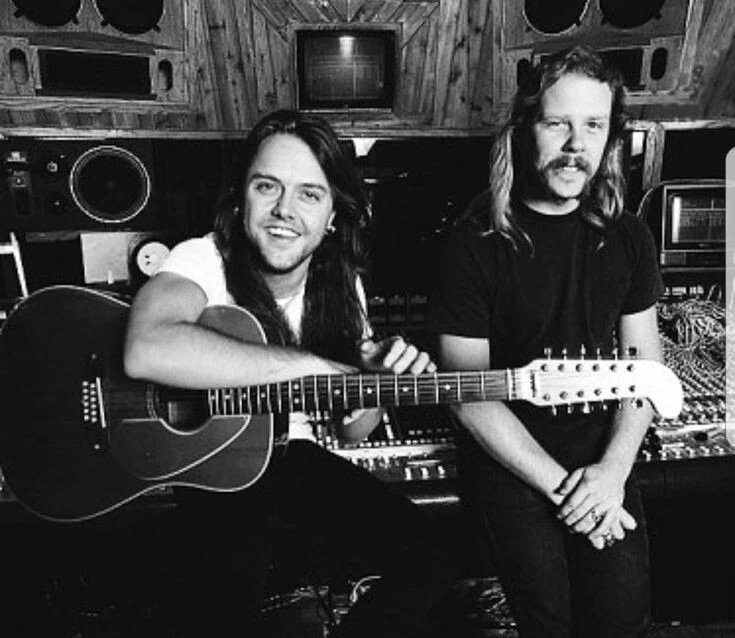
The secret to a band's longevity is acceptance. Metallica has two leaders and two followers. It's the perfect balance. Lars and James have learned to pick their battles, realizing the most important thing: they need each other more than they hate each other. 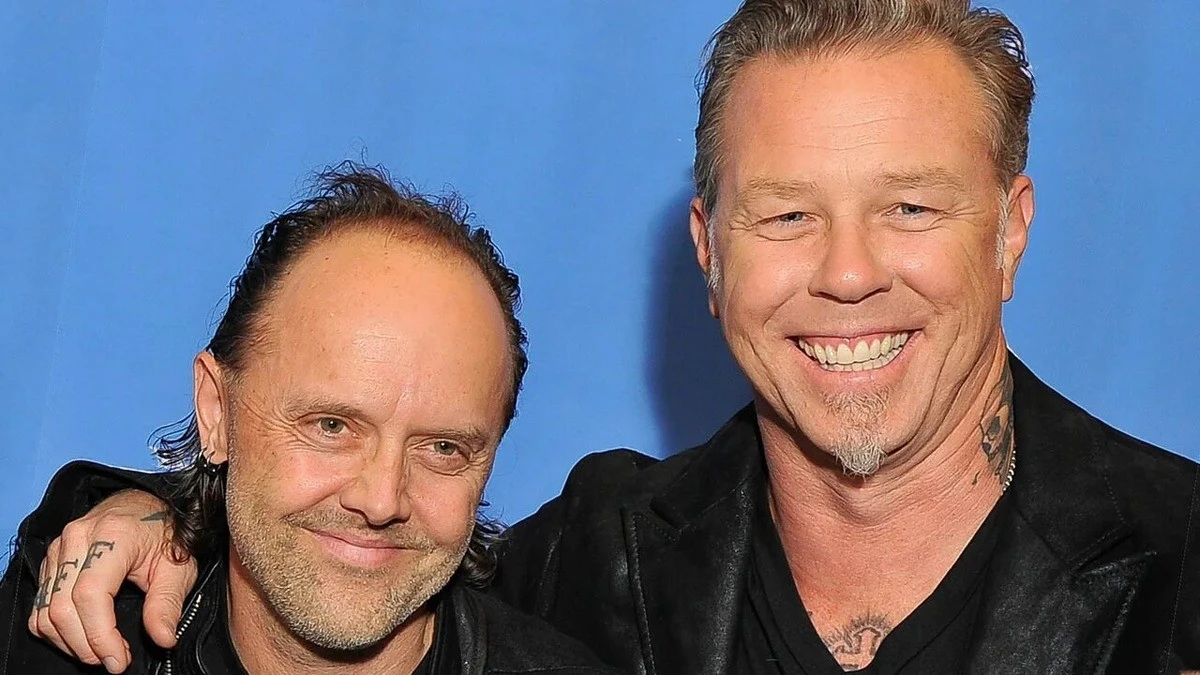
Why music should be above politics
In an era when every star feels obligated to speak out on politics, Metallica stands apart. For Hetfield, politics is what divides people. Music should unite.
"I get annoyed when musicians use their popularity as a platform for preaching. We're talking about human emotions: fear, hope, pain. These are universal things. Politics change every week, but feelings remain. I don't want to tell people who to vote for. I want our music to help them feel not alone."
Metallica today is more than just a band that survived the showbiz grind. They are four men who have embraced their scars, learned to negotiate, and continue to play music that, for them, is life itself.