In China, an employer has figured out how to stop employee turnover (3 photos)
In China, the owner of a small manufacturing company in Wenzhou decided to tackle employee turnover in a truly radical way. 
Everything ingenious turned out to be ridiculously simple. After five years of continuous work, employees were given apartments. And real estate in China, let's just say, isn't exactly budget-friendly. News of this unusual bonus quickly spread thanks to a publication in the Hong Kong newspaper The Standard, which even published a photo of the apartment document presentation ceremony.
The company manufactures various products, and its director faced a problem common to many Chinese businesses: qualified specialists are hard to find, and even harder to retain. The highly competitive labor market, particularly in the industrial regions of Zhejiang Province, forces employers to seek creative ways to motivate employees. The owner explained that purchasing several apartments near the office was a conscious investment in team stability. 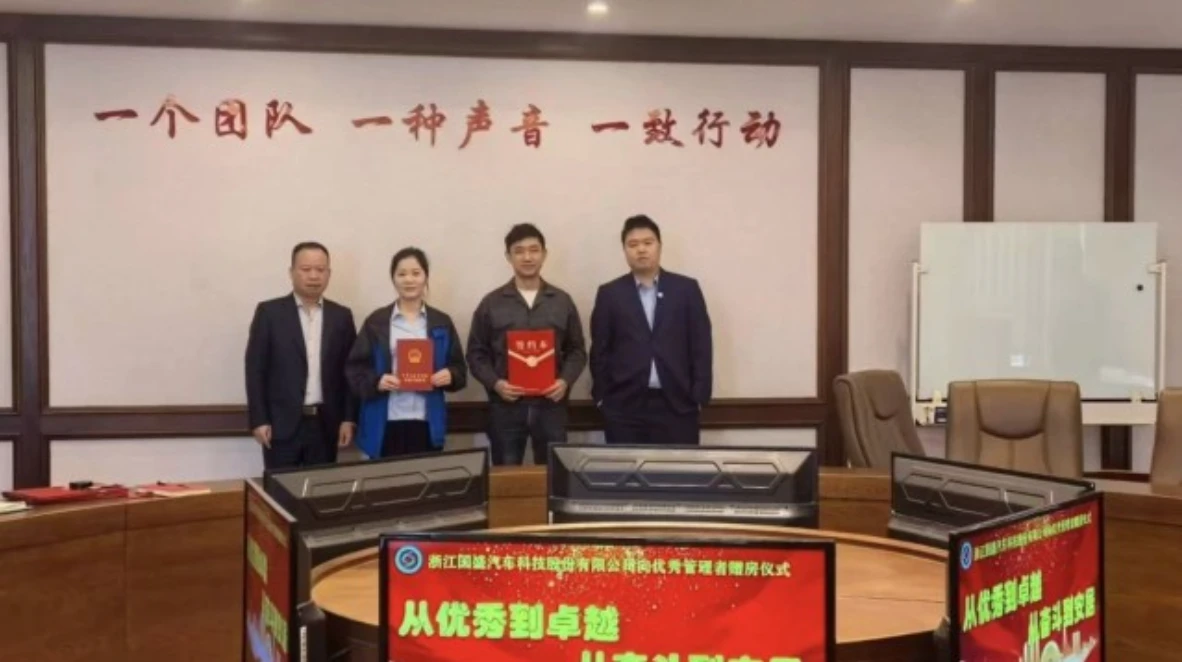
According to his calculations, loyal and experienced employees bring significantly more value to the company than a constant turnover of newcomers. Training, onboarding, and finding replacements are expensive, and ultimately, the donated housing pays for itself through increased productivity and reduced recruitment costs. At the ceremony, several employees received red folders containing apartment deeds—a traditional Chinese symbol of an important and joyful occasion.
While this is a local initiative of one company, it has already generated interest in the media and social media. Many note that, given the high real estate prices in China, such a bonus seems especially generous. For employees, especially young and newcomers, owning their own apartment remains a key life goal, often postponed for decades. 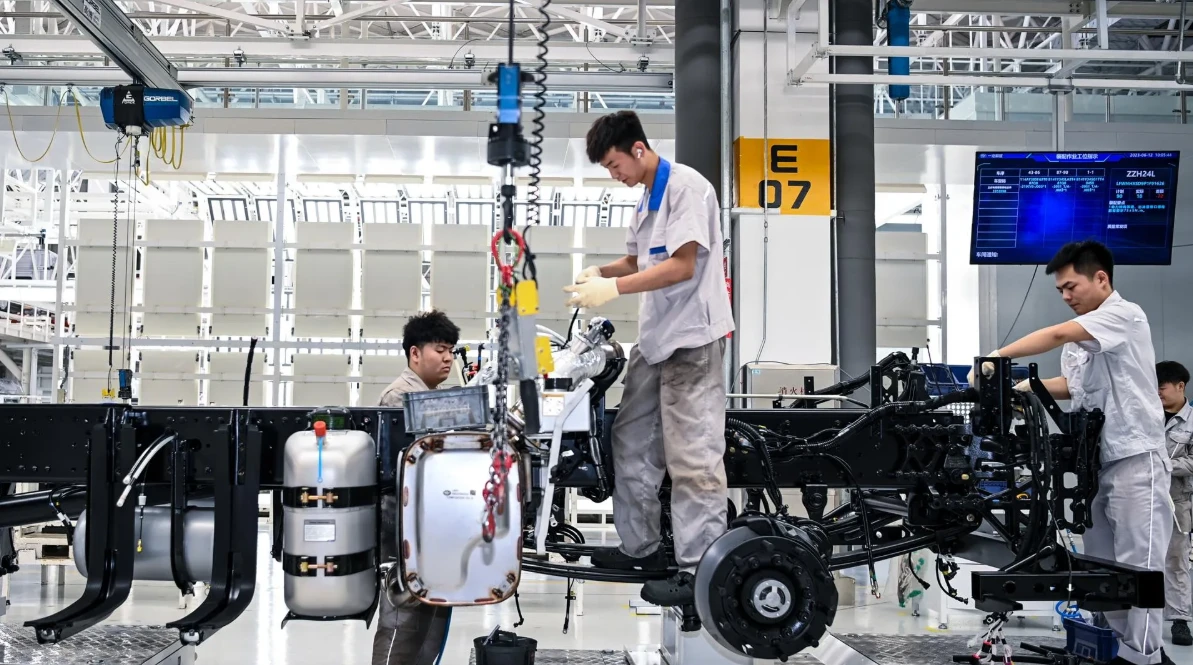
This story reminds us how Chinese entrepreneurs seek a balance between fierce competition and caring for their employees. While large corporations like Huawei or Alibaba offer complex systems of stock options and bonuses, smaller firms sometimes opt for more straightforward and understandable incentives. Employees who receive housing are now linked to the company not only by an employment contract but also by a tangible asset.
Whether this approach will become widespread remains to be seen, but it has already demonstrated that employers are willing to take serious steps in the competition for talent.