Orange cats are a familiar fixture in our homes. That makes it all the more surprising that until 2025, scientists couldn't pinpoint the genetic key to their ginger coat. They understood the rules of inheritance, but not the culprit behind it. The answer turned out to be a missing piece of genetic code. 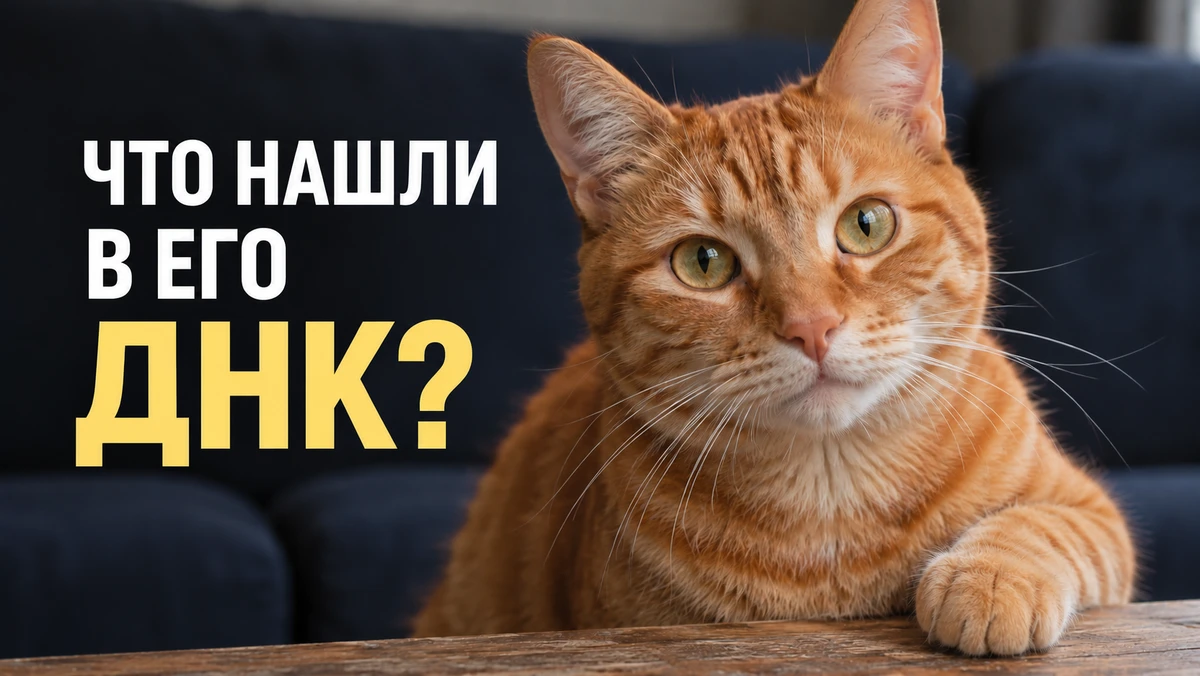
And this tiny deletion explains a lot: why male ginger cats outnumber females, and how two distinct colors can coexist on a single coat.
How a Missing Piece Changes Color
The X chromosome is missing a segment roughly five thousand base pairs long—the chemical "letters" that make up DNA. This deletion alters the function of the ARHGAP36 gene, which had never previously been linked to feline coat color. 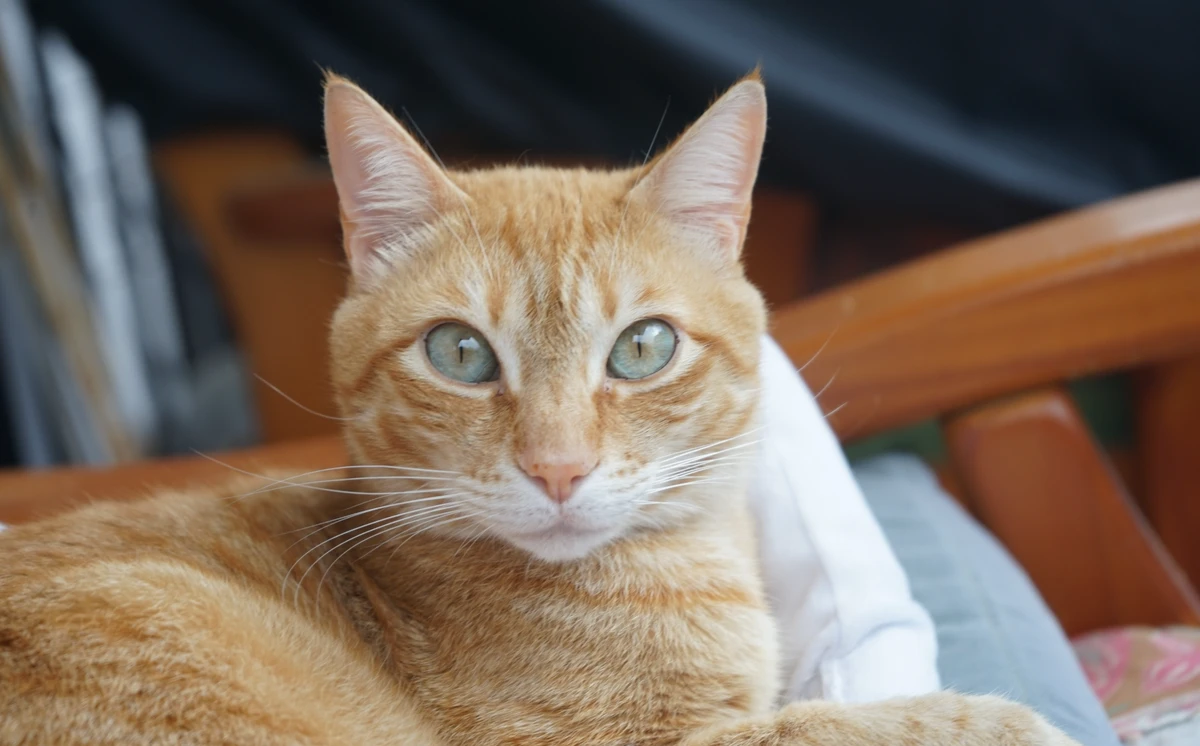
The cause of the familiar ginger coat was finally discovered in 2025: a missing piece of DNA
An orange cat's DNA is missing five thousand "letters." Judging by my cat's behavior, they probably read: "Don't eat the plastic bag."
In pigment-producing hair cells, this gene is normally silent. But in ginger cats, it gets switched on, prompting the cells to produce its protein. This protein dampens the signal that drives dark pigment production, shifting the coat color toward a yellowish-red.
A Japanese research team compared genetic data with the coat patterns of 67 cats. The mutation was present in all 26 cats with orange fur—even those with just a few patches—while the remaining 41 lacked it. Meanwhile, a team of US researchers examined gene expression in cat skin and tested the feline protein's effect in cell cultures.
The gene itself remains intact. The deleted segment didn't encode a protein, but its loss altered how the gene is regulated. Exactly how this deletion triggers the gene to turn on in pigment cells remains to be seen. 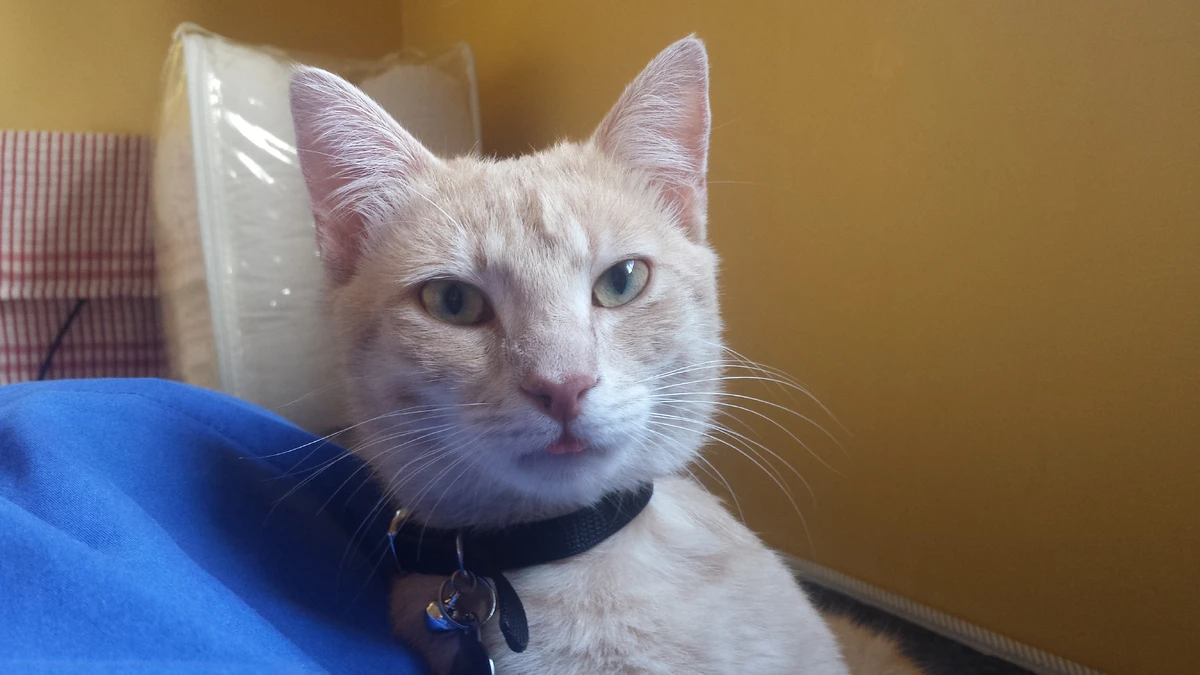
A cream cat is essentially a diluted ginger. A separate inherited variant alters how pigment granules are distributed within the hair shaft, turning a rich orange into cream and black into gray. Breeders refer to this gray coat as "blue." 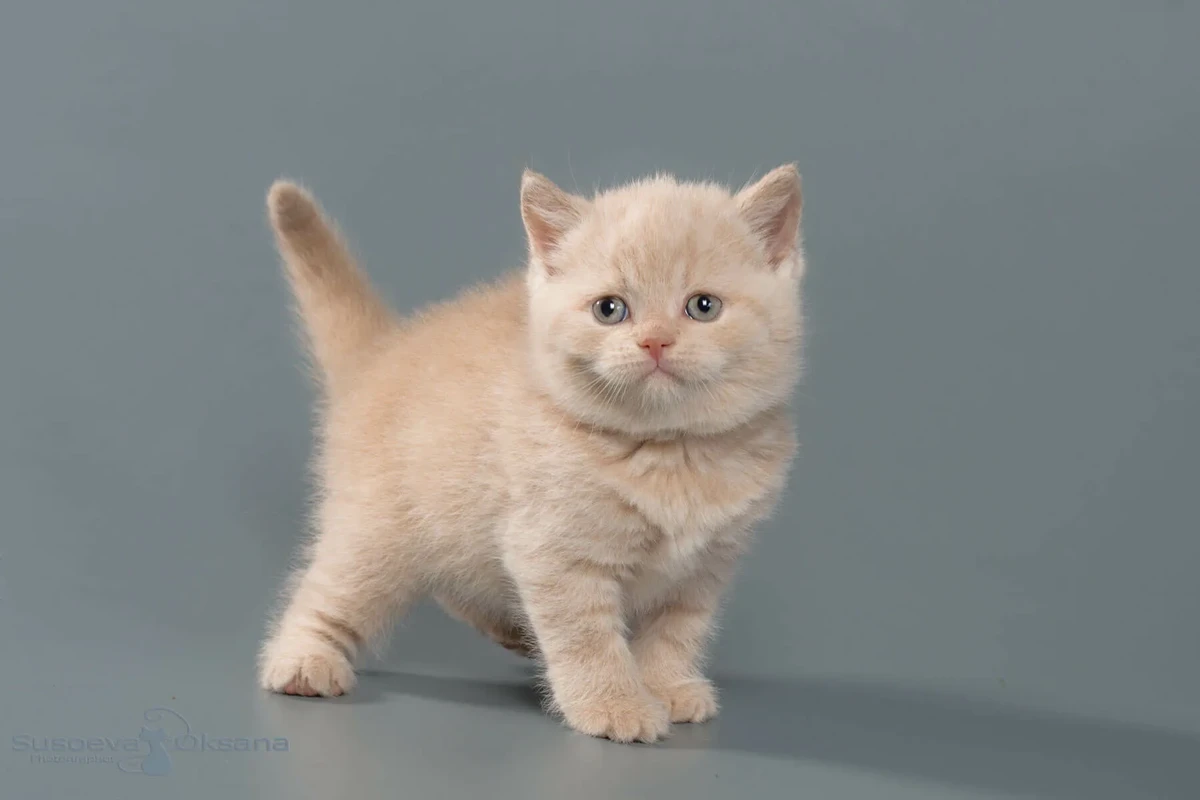
Why Male Cats Have It Easier Than Females When It Comes to Ginger Fur
The key lies on the X chromosome, which explains the well-known gender imbalance.
Male cats typically have one X and one Y chromosome. If their single X carries the "ginger" variant, that's all it takes for them to be orange.
Females usually have two X chromosomes. For a female to be fully ginger without dark patches, she generally needs the variant on both chromosomes. If she has it on only one, the result is a tortoiseshell coat, where orange patches alternate with dark ones.
Tortoiseshell coloration occurs because different X chromosomes are active in different cells. It's as if the body couldn't decide on a single color scheme, so it approved both. 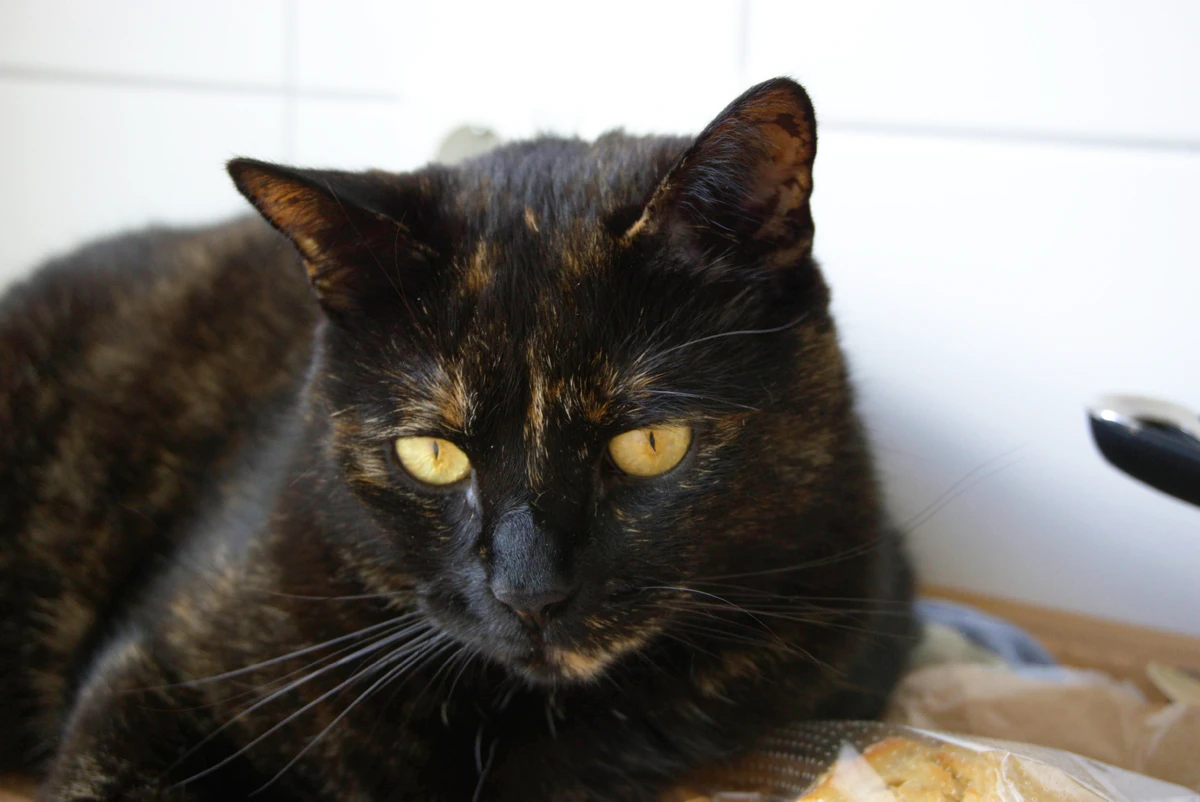
The orange and dark patches on a tortoiseshell cat reveal which of the two X chromosomes is active in different clusters of pigment cells.
A ginger father passes his "ginger" gene variant to his daughters, but not to his sons. Daughters inherit his X chromosome, whereas sons receive his Y, getting their sole X chromosome from their mother. As a result, a father's coat color can't directly predict the color of his male offspring.
The common ginger coat likely originated from a single ancestral event. The shared mutation and surrounding DNA segments in the studied cats point to a common origin. The American researchers suggest this occurred over 900 years ago, long before modern breeds emerged. Once the mutation arose, it stuck around for good.
How a Single Cat Becomes Two-Toned
The tortoiseshell pattern is set in motion long before birth. During early embryonic development, one of the two X chromosomes in each cell is largely shut down. Which one gets turned off is entirely random, and all descendants of that cell stick with the choice. 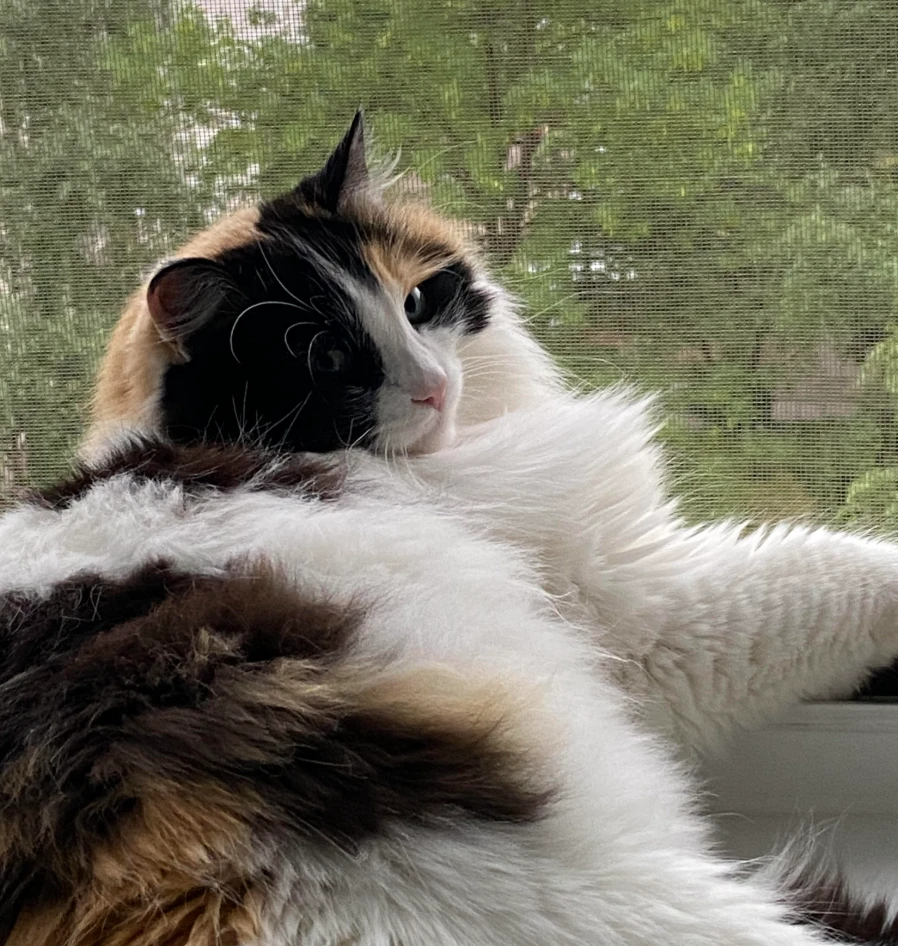
White patches are added to the orange and dark areas through a separate genetic mechanism.
Wherever pigment cells express the mutated X chromosome, orange patches form. Where the other X is active, dark patches can appear. That's how individual cell lineages piece together a patchwork coat.
The white spots on a calico cat stem from a different mechanism altogether. Typical white spotting is linked to an insertion of viral-derived DNA into the KIT gene—an inherited trait. Thus, a single coat can showcase the results of two distinct genetic events: a deletion in one part of the genome and an insertion in another.
The cells in the orange and dark patches of a standard tortoiseshell cat contain the exact same DNA sequence. The color variation comes down entirely to which X chromosome happens to be active.
Add your comment
You might be interested in:













Voyage Coat: a convertible jacket for travel without

A fan of the anime "One Piece" made a mini-copy
Curly Kittens Resembling Plush Toys Leave No One
Defying Gravity: 30 Cats Who Couldn't Care Less About the

A brilliant jacket for air travelers

An unusual residential complex will be built in Amsterdam

Laughter is the best medicine: You can't look at these

Subaru revived the iconic STI sedan (3 photos)

The Pagani company presented a new work of art - the Utopia

Peak Dad Jokes: The Ultimate Examples of Dad Trolling (32

A young woman from Ireland shows how she changes a tractor

GTA VI mocks radical animal rights activists

How Humanity Reached the Moon (21 Photos)

17 Reasons Every Country Could Use a Little More Japan (18

“Now I’ve Seen It All”: 25 Photos That Will Make You Say
35 Objects That Are Flawlessly Perfect (36 Photos)
15 Tiny Baby Animals That Fit Right in the Palm of Your

Genius and Truly Unique Design Solutions (21 Photos)