Autumn Alert! 10 Seasonal Changes Impacting Our Health (11 Photos)
Autumn brings changes not only in the weather, but also within our bodies. The transition from summer to winter affects us in various ways, often taking a toll on our well-being.
What happens to our bodies when the cold weather sets in? Here are a few unwelcome shifts. 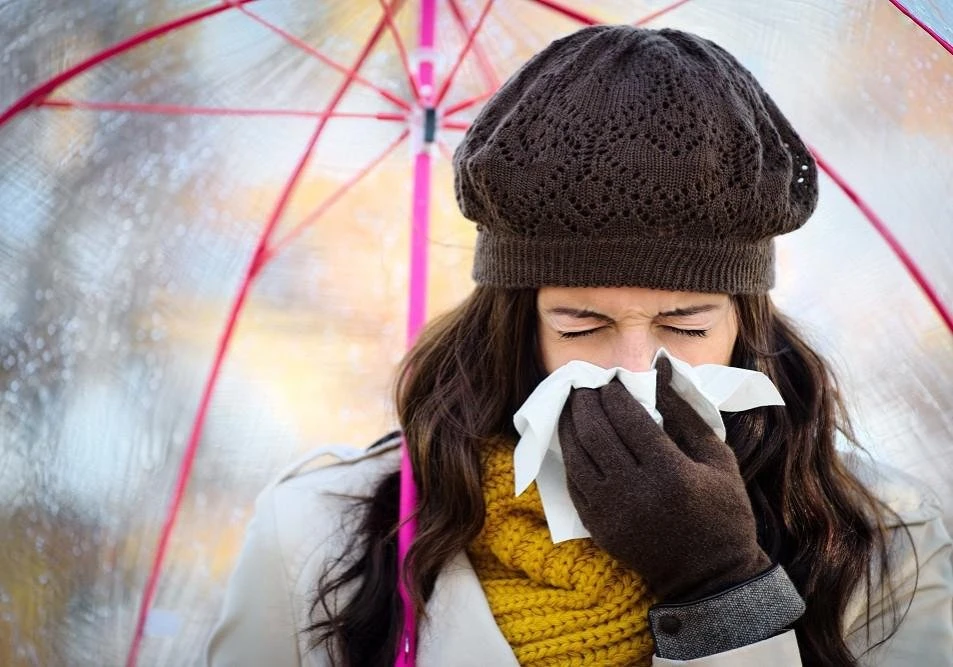
Increased Risk of Heart Attack 
Fluctuations in atmospheric pressure directly impact blood pressure. Sudden shifts can increase the risk of cardiovascular events during autumn and winter.
Dry Eyes 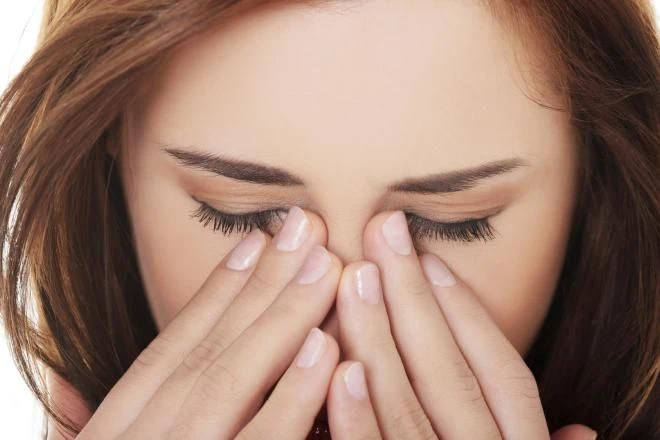
The dry air and chilly winds typical of autumn can cause eye irritation or worsen symptoms for those already prone to dry eye syndrome.
Dry Skin 
Low humidity also takes a toll on your skin, leaving it irritated and flaky. To counteract the harsh weather, keep your skin hydrated with appropriate moisturizers.
Joint and Back Pain 
As temperatures drop in autumn, joint, lower back, and spine pain often flare up. Even in people without musculoskeletal conditions, this discomfort can be triggered by falling atmospheric pressure, which causes mild swelling in muscle tissue, tendons, and surrounding areas. This leads to pain, stiffness, and sometimes reduced mobility.
Drop in Vitamin D Levels 
During summer, longer sunny days and lighter clothing allow our bodies to readily absorb sunlight needed to synthesize Vitamin D. As autumn and winter set in, daylight shrinks and we bundle up, drastically limiting sunlight exposure to the skin.
Low Mood and Depression 
As Vitamin D levels decrease, serotonin levels fall as well, which can trigger low mood, apathy, and even seasonal depression.
Lack of Energy 
Seasonal transitions affect our overall energy levels—something felt most acutely in spring and autumn. Productivity drops, persistent drowsiness sets in, and fatigue takes over.
Higher Risk of Colds and Viruses 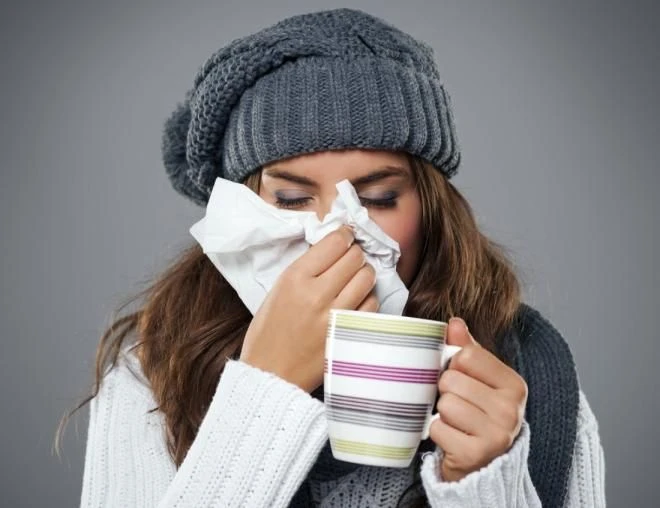
When the weather cools down, we spend far more time indoors. Windows in homes and offices stay closed more often, leading to poor indoor air quality and an increased risk of viral infections.
Allergy Flare-Ups 
Existing allergies can worsen in autumn just as they do in spring, depending on your individual triggers. While autumn brings relief to pollen allergy sufferers, decaying leaves and mold spores can severely aggravate symptoms for those sensitive to mold.
More Time for Quality Sleep 
Finally, some good news for anyone who struggles to sleep during the summer heat. Ideal bedroom temperatures for overall health are around 20–22°C in autumn and winter, compared to 22–24°C in summer. Without air conditioning, summer bedrooms can get stiflingly warm, disrupting sleep. Once autumn arrives, cooler nights allow for restful, uninterrupted sleep without waking up overheated.