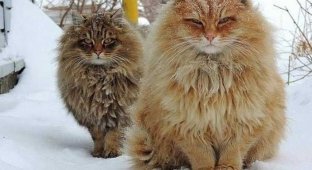
Why Most Ginger Cats Are Male (3 Photos)
Both male and female cats can be ginger, but males are far more common. It all comes down to how coat color is inherited: the mutation responsible for the hue lies on the X chromosome. In 2025, Stanford researchers finally pinpointed the exact genetic change involved. 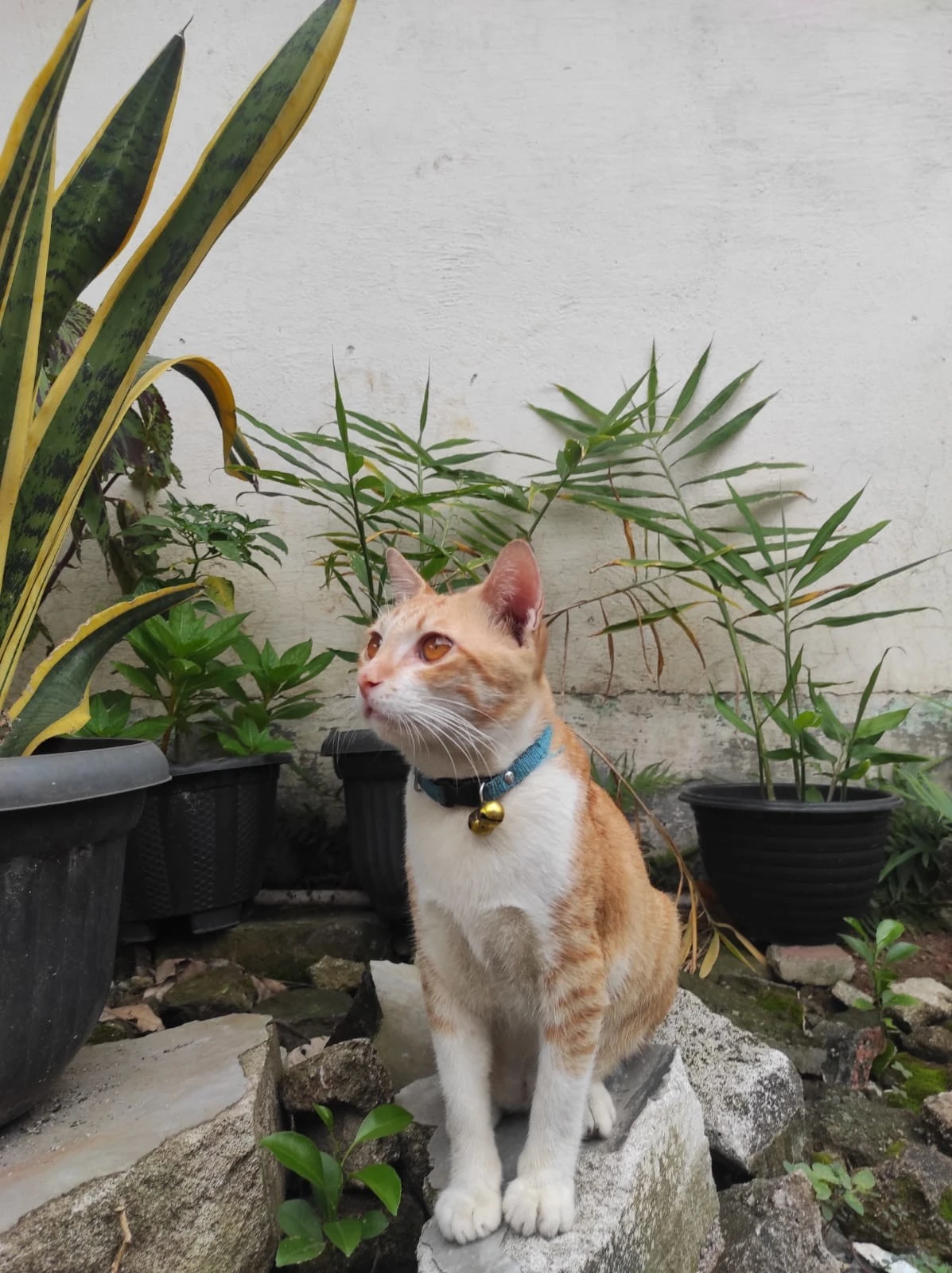
Ginger coat with white patches.
Male cats typically have one X and one Y chromosome. If that single X carries the "ginger" gene variant, the cat will be ginger. Female cats have two X chromosomes: for ginger to dictate their coat color, they must inherit the variant from both parents—a much rarer genetic combination.
If a female cat inherits one X chromosome with the "ginger" variant and one without, she develops a tortoiseshell coat. Because one of the X chromosomes is randomly turned off in each cell, some patches of fur grow ginger while others turn dark, making the cat's genetic mosaicism visible. 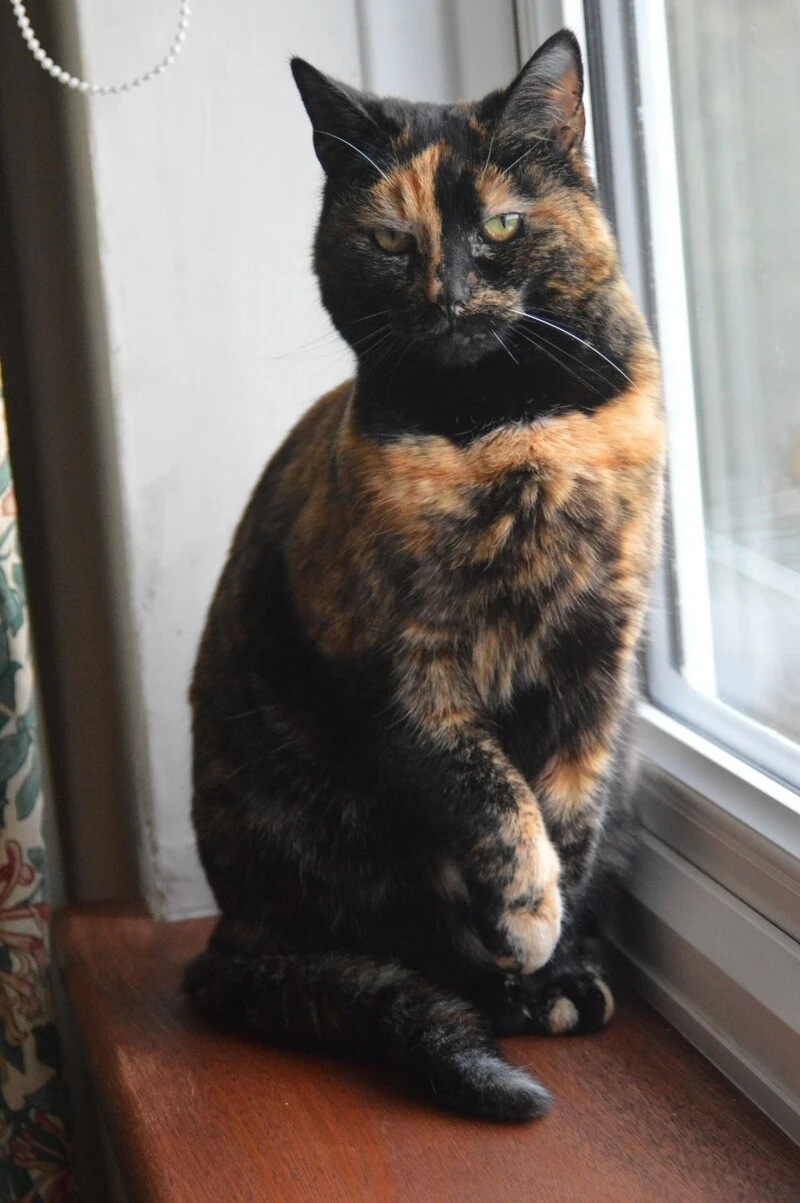
Tortoiseshell pattern:
Scientists have long known about the link between coat color and sex, but this new study explains its molecular cause: a small loss of DNA boosts the activity of the neighboring Arhgap36 gene. It switches on inside pigment cells—where it is normally inactive in non-ginger cats—and alters pigment production.
The mutation is ancient: tri-color cats can be seen in artwork as early as the 12th century. However, the study offered no explanation for the famous "orange cat behavior." Across the tested tissues, including the brain, researchers found no difference in this gene's activity between ginger and non-ginger animals. 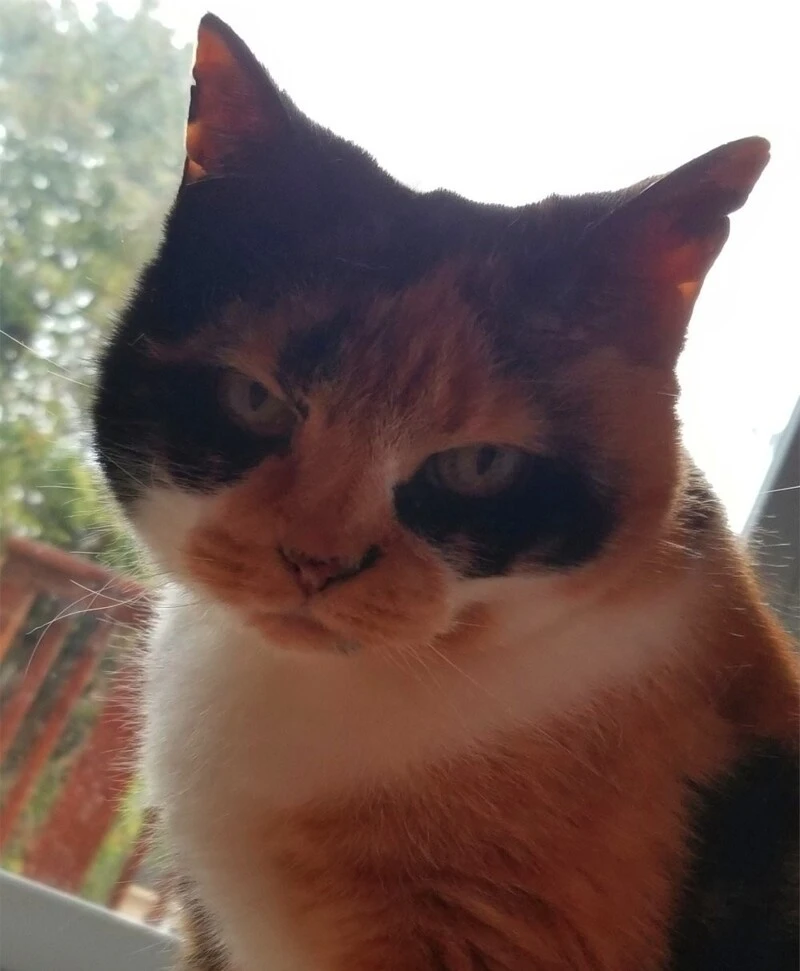
Calico pattern: ginger and dark patches on a white background.