"In Space, No One Can Hear You Scream": Behind the Scenes of the Legendary 1979 Film "Alien" (23 Photos)
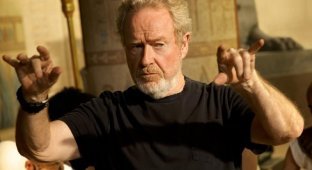
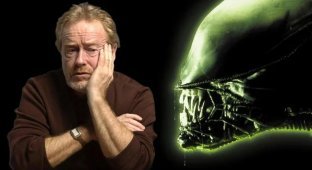
Had Ridley Scott not visited a movie theater in 1977, we might never have gotten *Alien*. Instead, the director would have been making *Tristan and Iseult*, robbing the world of one of the most terrifying and influential sci-fi films in cinema history. 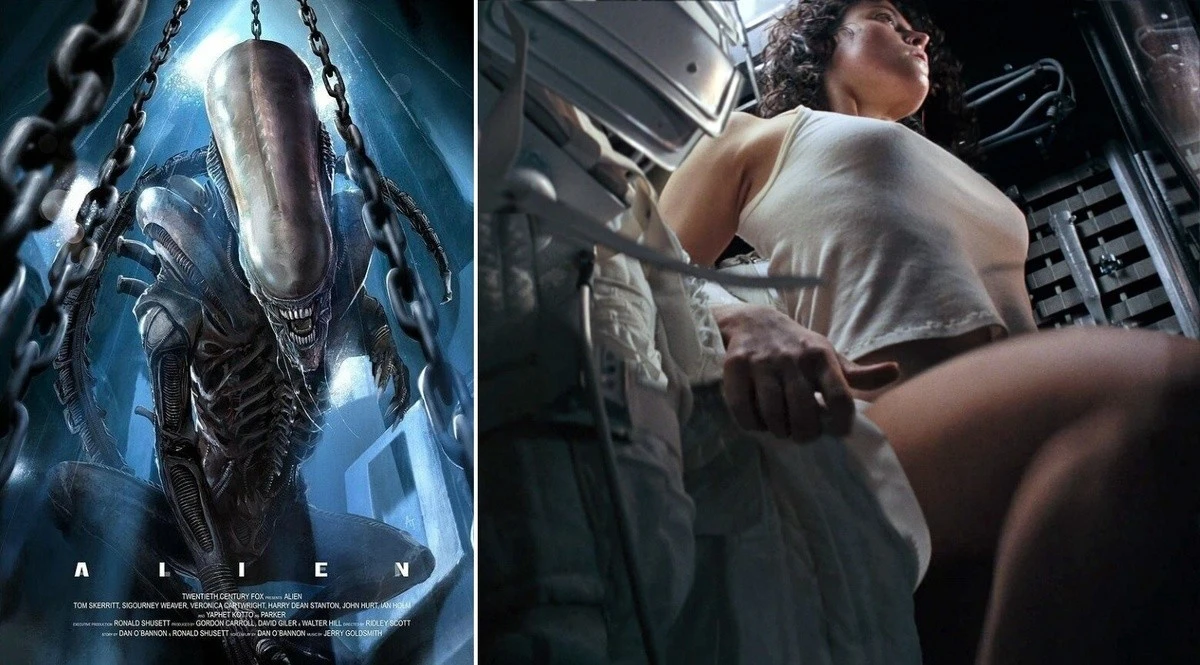
Everything changed in a single day. Ridley Scott was in Los Angeles promoting his directorial debut, *The Duellists*, when producer David Puttnam invited him to the premiere of *Star Wars* at Grauman's Chinese Theatre.
"The atmosphere in the theater was electric. I’d never seen an audience so deeply engaged," Scott recalled. "
After watching it, I was depressed for three months. That’s the ultimate form of recognition—to fall into a deep depression first, and then become fiercely competitive."
That wake-up call forced him to rethink his career path. A few months later, while *The Duellists* was screening at Cannes, a script titled *Alien* landed on his desk.
"I’m still baffled how anyone looking at *The Duellists* could put two and two together and say, 'This is the guy for *Alien*,'" laughs the director.
Before diving into the making of the film, here’s a quick recap of the plot. 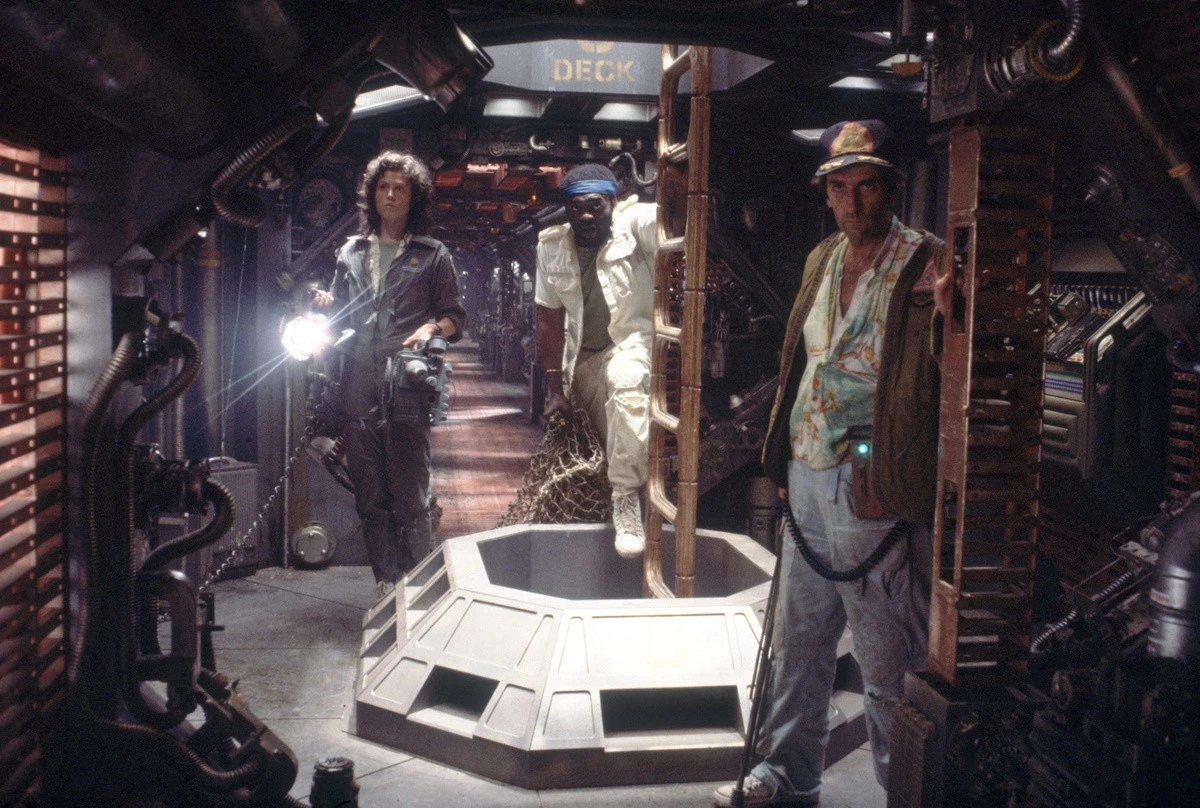
The commercial space tug *Nostromo*, carrying a crew of seven, is heading back to Earth. Awakened early from hypersleep by a distress signal from an uncharted planet, the crew lands to investigate. There, they discover a strange egg; a creature hatches from it and latches onto the face of one of the crew members. Soon after, an alien bursts from his chest—a bloodthirsty monster with acid for blood that begins hunting the crew members down one by one. In the end, only a single survivor remains. 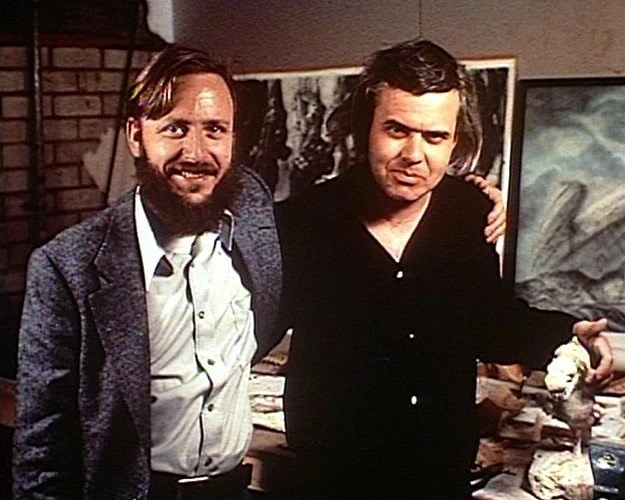
Dan O'Bannon alongside H.R. Giger
It all started with a humiliating failure. Dan O'Bannon had co-written the script for *Dark Star* with John Carpenter. Originally Carpenter’s student film, it later became a cult sci-fi comedy. But its most memorable element was an alien made out of a painted beach ball. It was this absurd prop that drove the entire concept forward. "That beach ball made me want to make a real alien so badly," O'Bannon admitted. He wanted to create a creature that would make audiences scream with terror, not laugh. 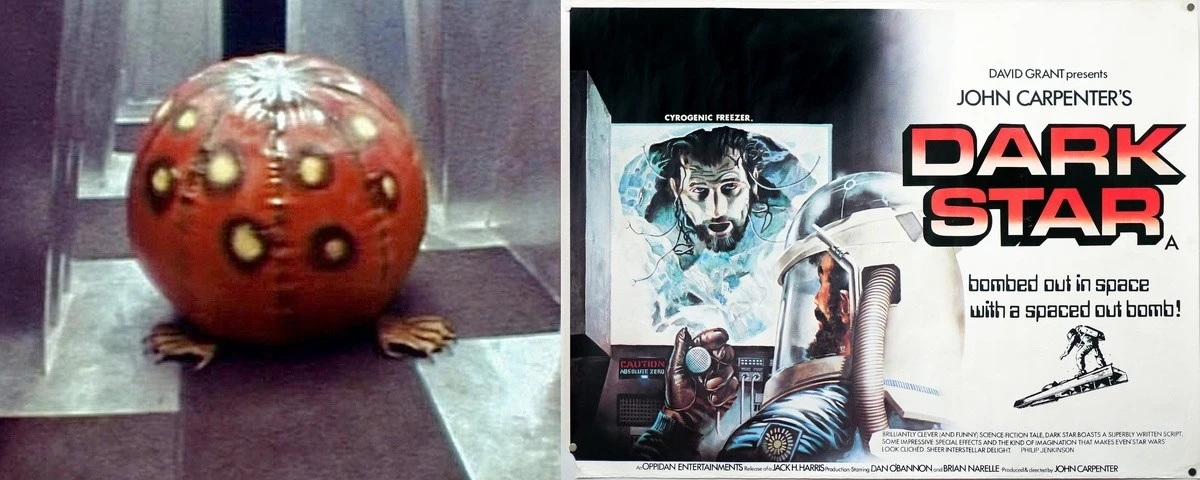
Following the collapse of Alejandro Jodorowsky's ambitious adaptation of *Dune*—which sadly never reached the big screen—O'Bannon found himself broke and unable to pay rent. He moved in with his friend and co-writer Ronald Shusett. Desperate to escape financial ruin, they channeled their energy into a screenplay that would forever change sci-fi cinema.
They drew inspiration from nature—specifically parasitoid wasps, which lay their eggs inside caterpillars. The host remains alive while the larva consumes it from within. This nightmare of biological horror became the core concept behind the facehugger.
The original working titles were a far cry from the iconic *Alien*: first *Memory*, then *They Bite*, followed by *Star Beast*. The final title emerged when the writers realized how often the word "alien" appeared in the script. It was simple, punchy, and perfectly captured both the foreign threat and the sense of unknown horror.
Pitching it as "*Jaws* in space," they had a concise logline that instantly conveyed the concept. Yet studios were initially hesitant. That all changed in 1977 when *Star Wars* shattered box-office records, turning sci-fi into a goldmine. Having already struck gold with George Lucas, 20th Century Fox quickly greenlit the project.
The script then passed to producers David Giler and Walter Hill at Brandywine Productions. They revised it, introducing Ash—a treacherous android who became pivotal to the plot. They also insisted that Ripley be female—a groundbreaking decision that redefined cinema history. O'Bannon and Shusett had originally written the roles to be unisex, but they never imagined the sole survivor would be a woman rather than a conventional male action hero like John Hurt.
Ridley Scott read the script in just 45 minutes and immediately recognized the potential that had scared off four previous directors. 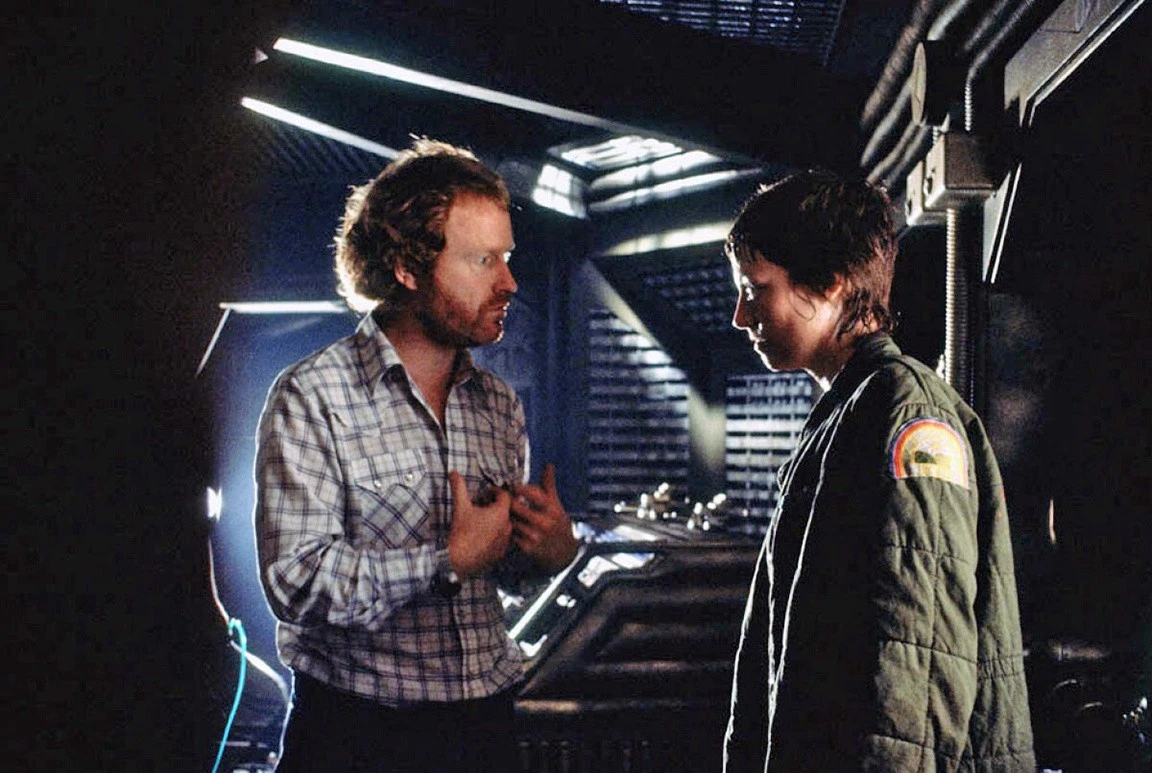
Ridley Scott and Veronica Cartwright.
"It was building up page by page. And then I got to the part where this thing bursts out of the guy's chest. I thought, 'This is what scared off four directors.' But coming from a design background, I knew exactly what to do with it."
His vision was bold and revolutionary: instead of the gleaming, sterile universe of *Star Wars* or *2001: A Space Odyssey*, he wanted a "used universe." Worn-down cargo ships, battered equipment, gritty blue-collar workhorses—essentially, "truckers in space." He drew heavy inspiration from French artist Moebius:
"Moebius is the defining artist of comic art; nobody touches him. I thought, 'I'm going to apply his aesthetic to this film.' The script wasn't character-driven—it was driven by the monster." 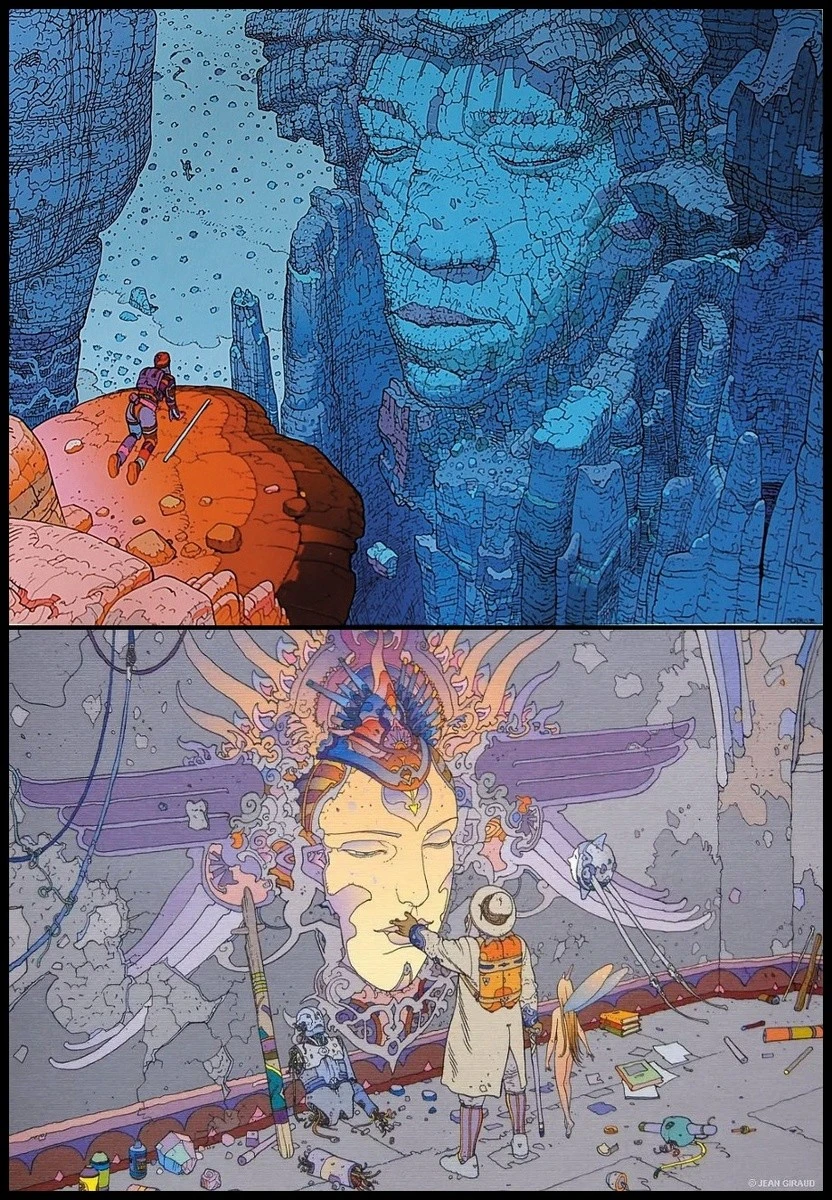
Artwork by Jean Henri Gaston Giraud, better known by his pseudonym Moebius.
Beyond Scott, there was another visionary without whom *Alien* would have been an entirely different movie. Hans Rudolf "Rudi" Giger and his signature "biomechanical" style offered far more than unsettling imagery; it was a unique philosophy where organic forms merged with mechanics to create something primal yet futuristic. As Giger himself put it: "I always wanted my alien to be a beautiful thing, something aesthetic. A monster isn't just grotesque; it can possess a rare kind of beauty." 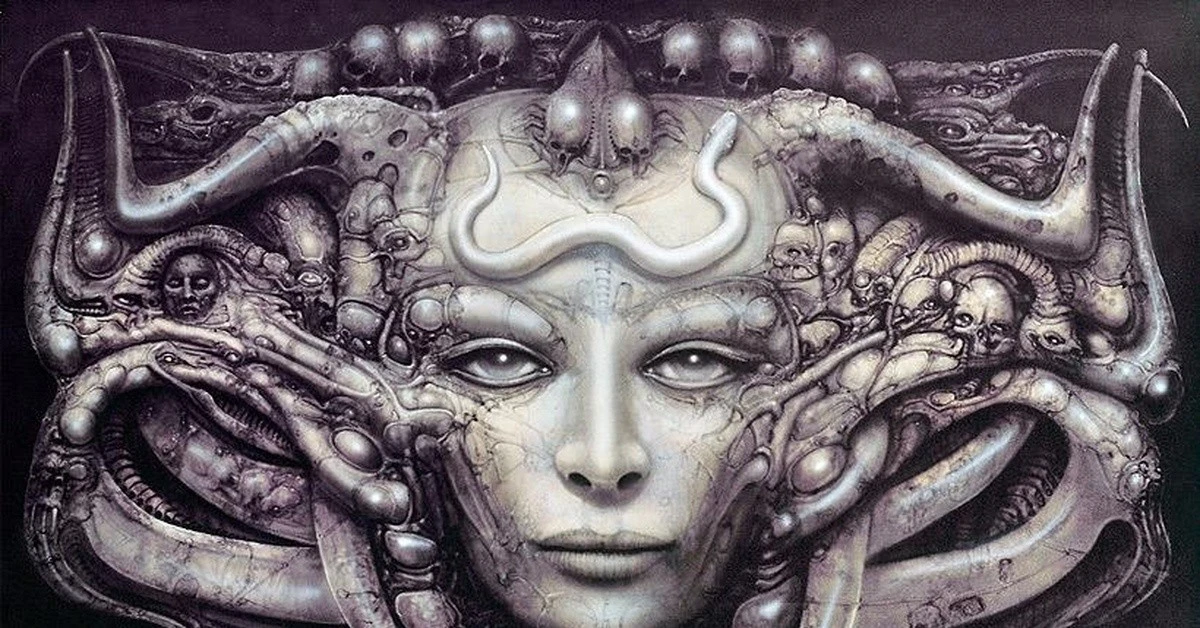
Artwork by H.R. Giger
Dan O'Bannon suggested hiring the Swiss artist. He showed Scott a copy of *Necronomicon*, a collection of Giger's art, and the director immediately knew they had found their visionary. He was especially struck by the painting *Necronom IV* (1976)—the work that served as the blueprint for the Xenomorph.
Scott traveled to Zurich in person to meet the artist. Their encounter was momentous. "I found him to be a sweet, gentle man..." Scott recalled. However, Giger had one major phobia: he was terrified of flying. Scott reassured him: "Don't worry, we'll bring you over by train." Giger agreed, coming to England and spending nine months at Shepperton Studios, personally designing every detail of the alien world and creature. 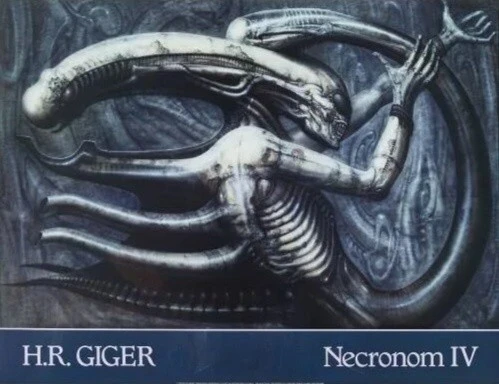
H.R. Giger's artwork "Necronom IV" (1976)
Ridley Scott later admitted: "In my career, I've met only two true geniuses. One of them was Giger. If I hadn't found him, we wouldn't have had this film."
Giger approached the project with painstaking detail. He developed a complete "life cycle" for the alien, turning a static painting into a living creature with its own biology. His ingenuity was remarkable:
Inside the Xenomorph's elongated head, he placed a real human skull to achieve precise anatomy.
The creature's iconic lips were crafted using everyday condoms.
The suit incorporated snake vertebrae, cooling tubes, and other unexpected materials.
Executives at 20th Century Fox, however, didn't share Scott's enthusiasm and were horrified by Giger's concepts, finding them overly obscene and disturbing. Scott stood firm, telling them, "I like all of it"—a stance that nearly cost him his directing job. But he refused to back down. 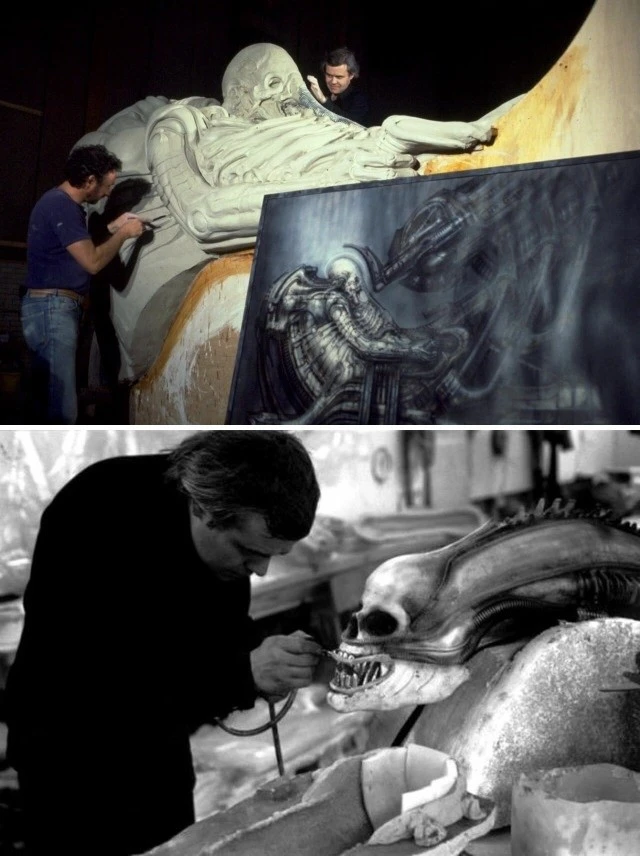
H.R. Giger
Recognizing how vital Giger's vision was, Scott promoted him to production designer. The artist was responsible not only for the creature itself, but also for the alien landscape and the derelict spacecraft. Giger went on to win an Academy Award for his work, though he always felt his contributions to the subsequent sequels were unfairly overlooked.
Filming took place at Shepperton Studios near London. The original budget was set at just under $4 million—a decent sum at the time, but Scott knew it wasn't enough. Drawing on his art background, he spent three and a half weeks meticulously crafting detailed storyboards. 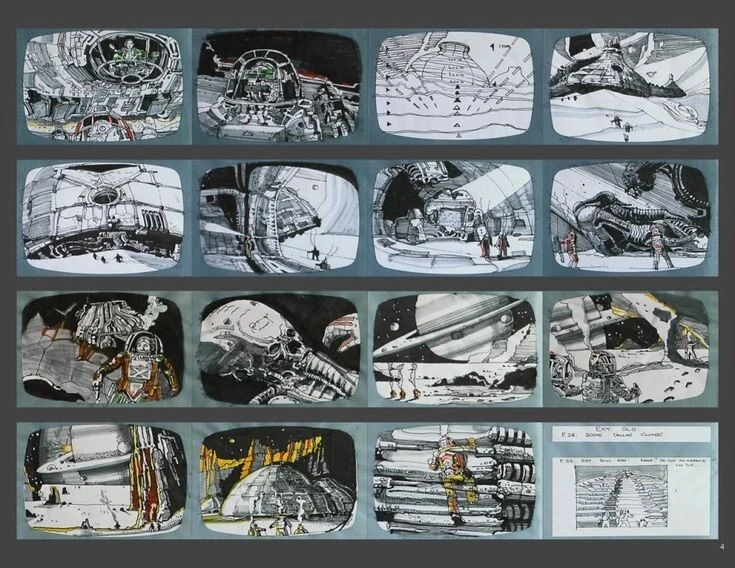
"I went back to Los Angeles with the whole film drawn out in precise detail. By the end of that meeting, the budget doubled to $8.2 million. That's the power of drawing: when you know what you want and can show exactly how you'll do it, it makes a massive difference."
When it came to casting, Scott aimed for an authentic "working-class in space" vibe—no polished Hollywood heartthrobs, just grounded, believable characters.
Tom Skerritt (Captain Dallas) was one of the first choices, but he only signed on after Scott was officially attached to direct. Harry Dean Stanton (Brett) was hesitant at first, agreeing only after being assured that the film was less sci-fi and more of a visceral thriller. 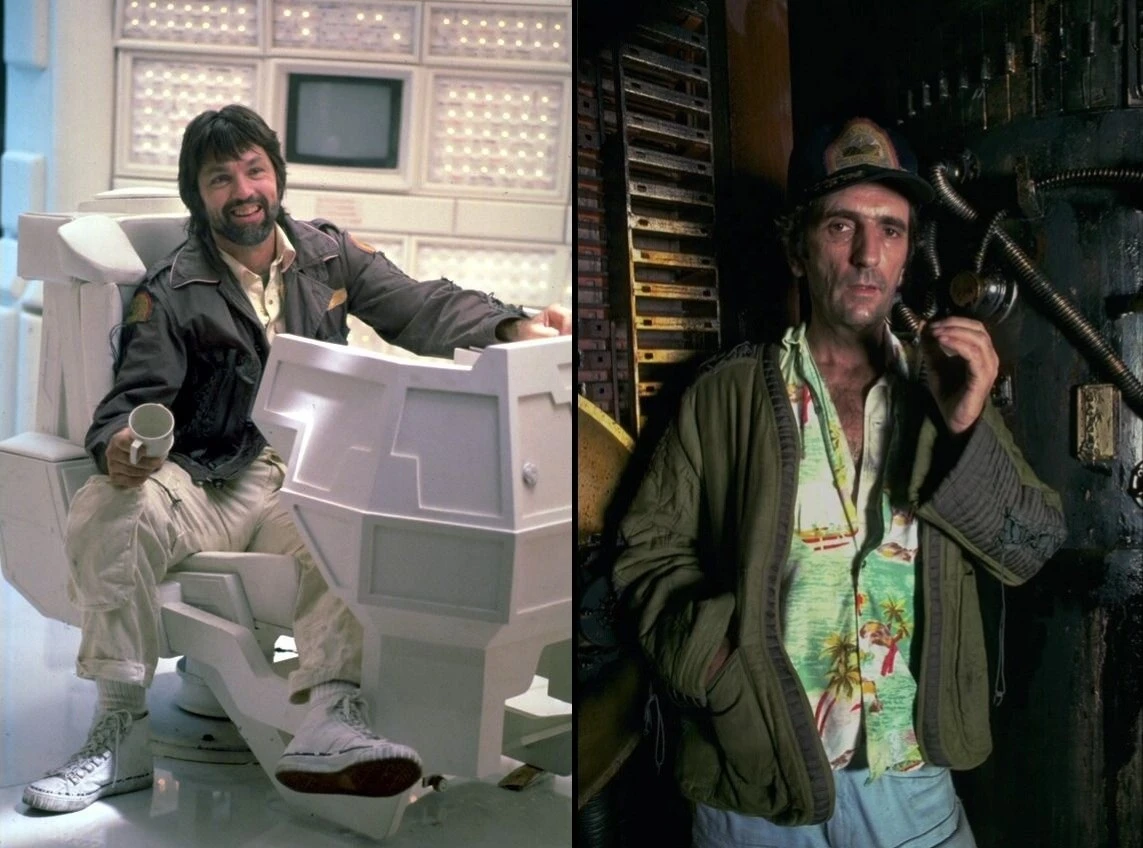
Tom Skerritt and Harry Dean Stanton.
Casting Kane—the crew member destined to birth the monster—came with its own drama. The role originally went to John Finch (star of Polanski's *Macbeth*).
However, on the very first day of shooting, Finch fell severely ill with diabetes and bronchitis. Luckily, John Hurt became available unexpectedly: he had been turned away at the South African border after being mistaken for an anti-apartheid activist. 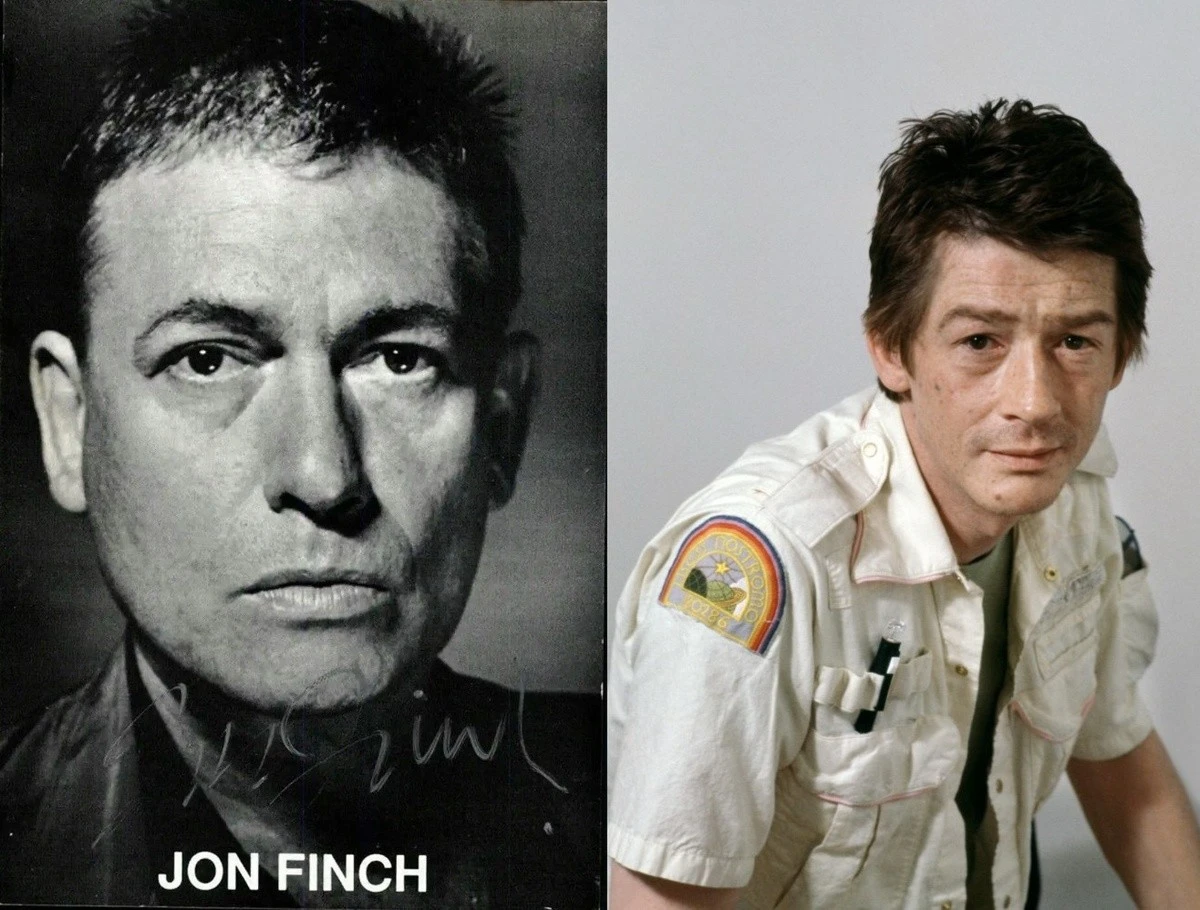
John Finch and John Hurt
The iconic role of Ripley could have gone to Meryl Streep. A rising star at the time, she was seriously considered by the studio. However, Streep was grieving the death of her partner, John Cazale (star of *Dog Day Afternoon* and *The Godfather Part II*), and declined to audition.
Veronica Cartwright flew to London convinced she was auditioning for Ripley, only to find Scott had cast her as navigator Lambert instead. 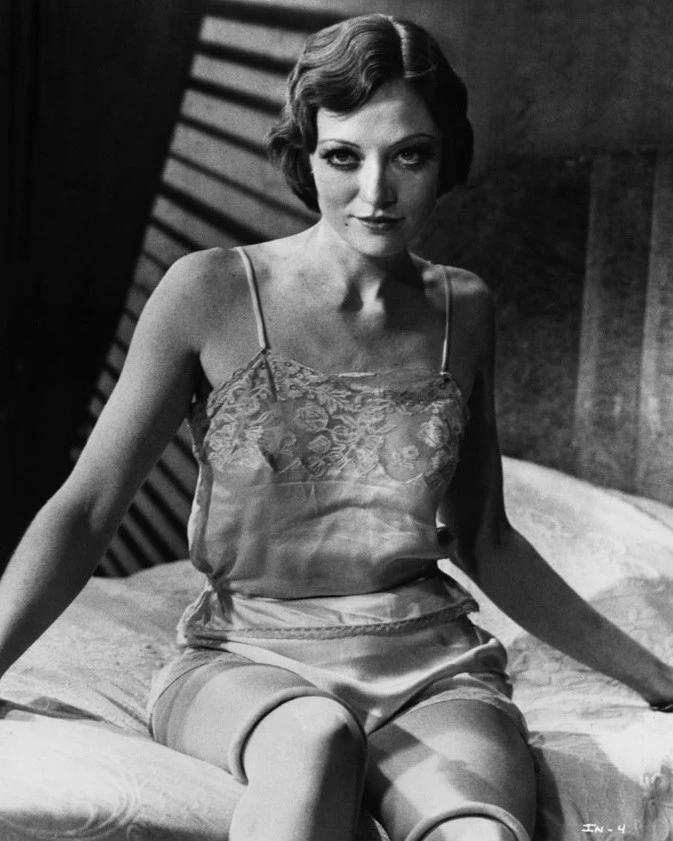
Veronica Cartwright.
Then a twist of fate intervened. Warren Beatty, having seen a young actress named Sigourney Weaver in an off-Broadway play, called producer David Giler and said, "You need to check her out."
Weaver, then a 30-year-old Yale School of Drama graduate, had little interest in doing science fiction. "I wasn't interested. Sci-fi—I didn't get it at all," she recalled. "I thought, 'Did I really survive drama school for this?'"
Reading the script, she found it "very, very dark" and Ripley's personality off-putting. She envisioned aliens as shapeless, amoeba-like blobs. 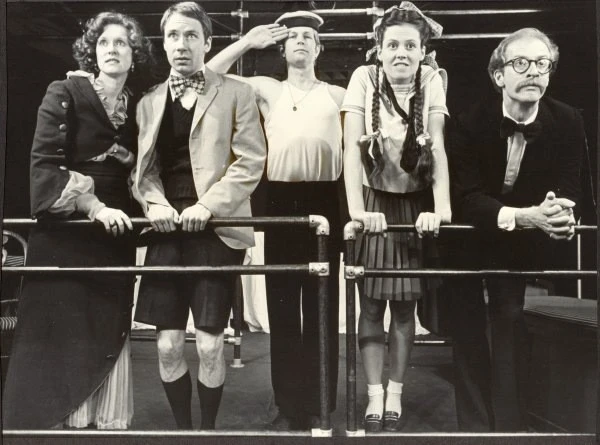
A young Sigourney Weaver (second from right, in pigtails) performing in the 1976 Vandam Theatre (New York) production of Christopher Durang's absurdist play *Titanic*.
Everything changed after she met Ridley Scott. He built a full set specifically for her screen test—an unusual move at the time. "I was a theater actress. I wasn't even sure I wanted to do movies! I think I was the only one who actually had to do a full screen test."
What truly sold her was Giger's art. "That's when I saw those breathtaking drawings... and thought, 'I've never seen anything like this.'" Weaver came to realize that *Alien* wasn't just another sci-fi movie—it was "a Shakespearean drama that just happened to take place in space."
Her first question to Scott concerned an early script draft that included a love scene:
"Do you really think she'd be doing that while a monster is loose on the ship?"
During the audition, she performed seven scenes—and lit up a cigarette. It looked so awkward that studio head Alan Ladd Jr. laughed and remarked, "Great, let's hire her. But don't let her smoke—she looks ridiculous!"
Filming ran from July to October 1978 at Shepperton Studios—14 grueling weeks in the dead of summer, with studio temperatures soaring to 45°C (113°F). 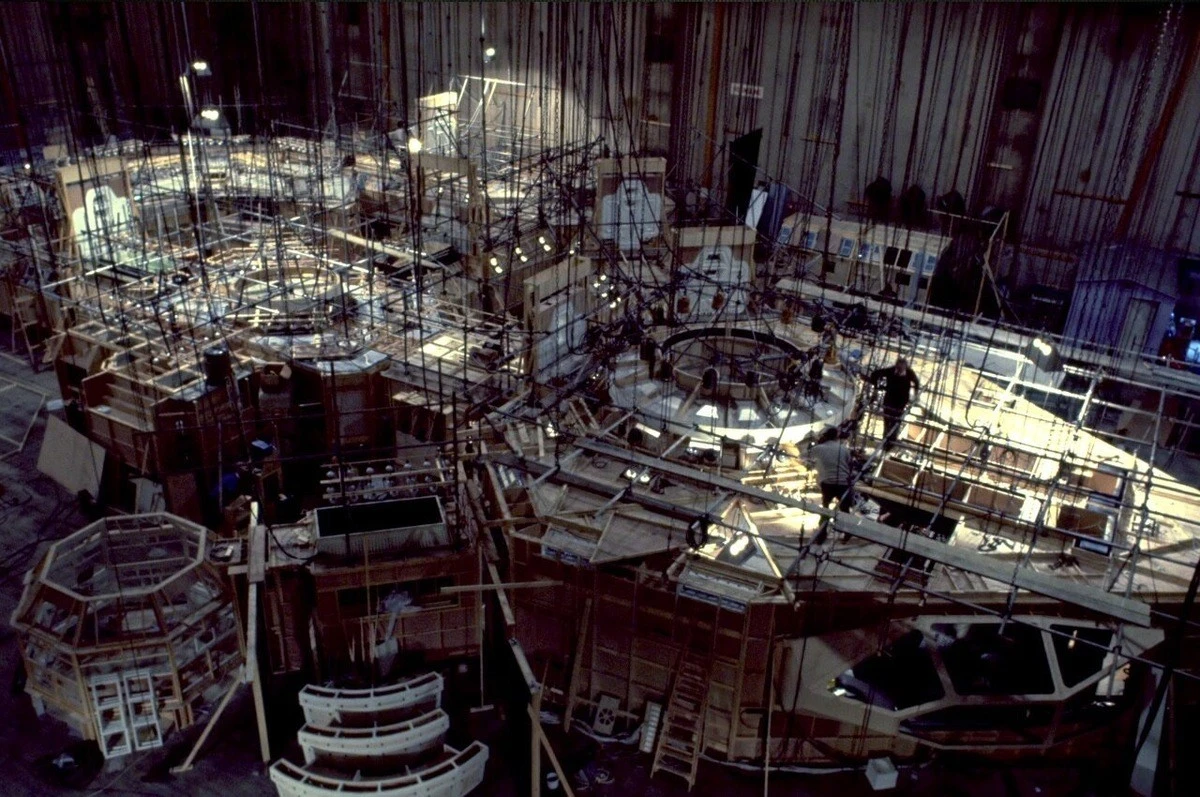
The spacesuits were a nightmare. While they looked stunning, they lacked internal ventilation, forcing actors to breathe in their own carbon dioxide. 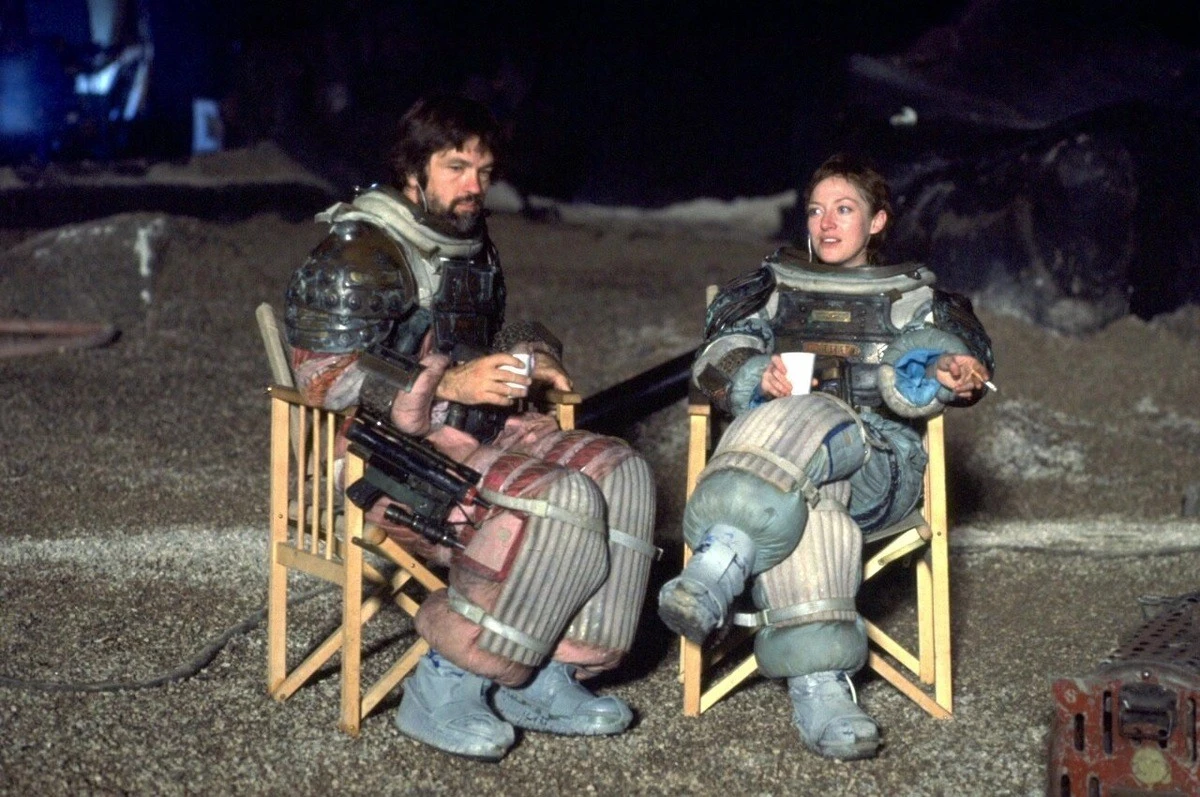
Tom Skerritt and Veronica Cartwright
"We were passing out like flies!" Veronica Cartwright recalled. "Poor John Hurt—by the time he made it across the set, a nurse was standing by with an oxygen tank. He was sweating so much he couldn't see a thing!" 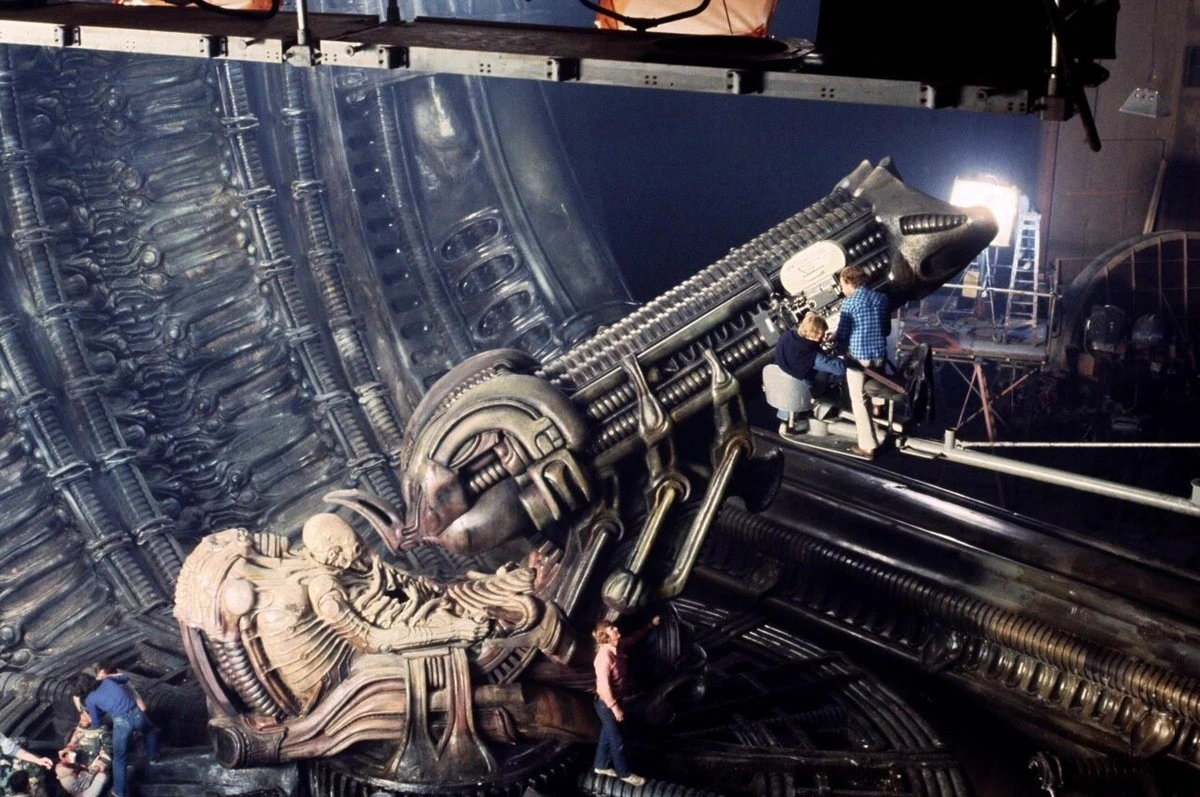
Behind the scenes of filming the Space Jockey (Pilot) scene.
Things only changed when child actors—including Ridley Scott's two sons—were brought in for wide shots to make the set look larger. When the children began fainting in the suits as well, production finally addressed the safety hazard and installed air lines. 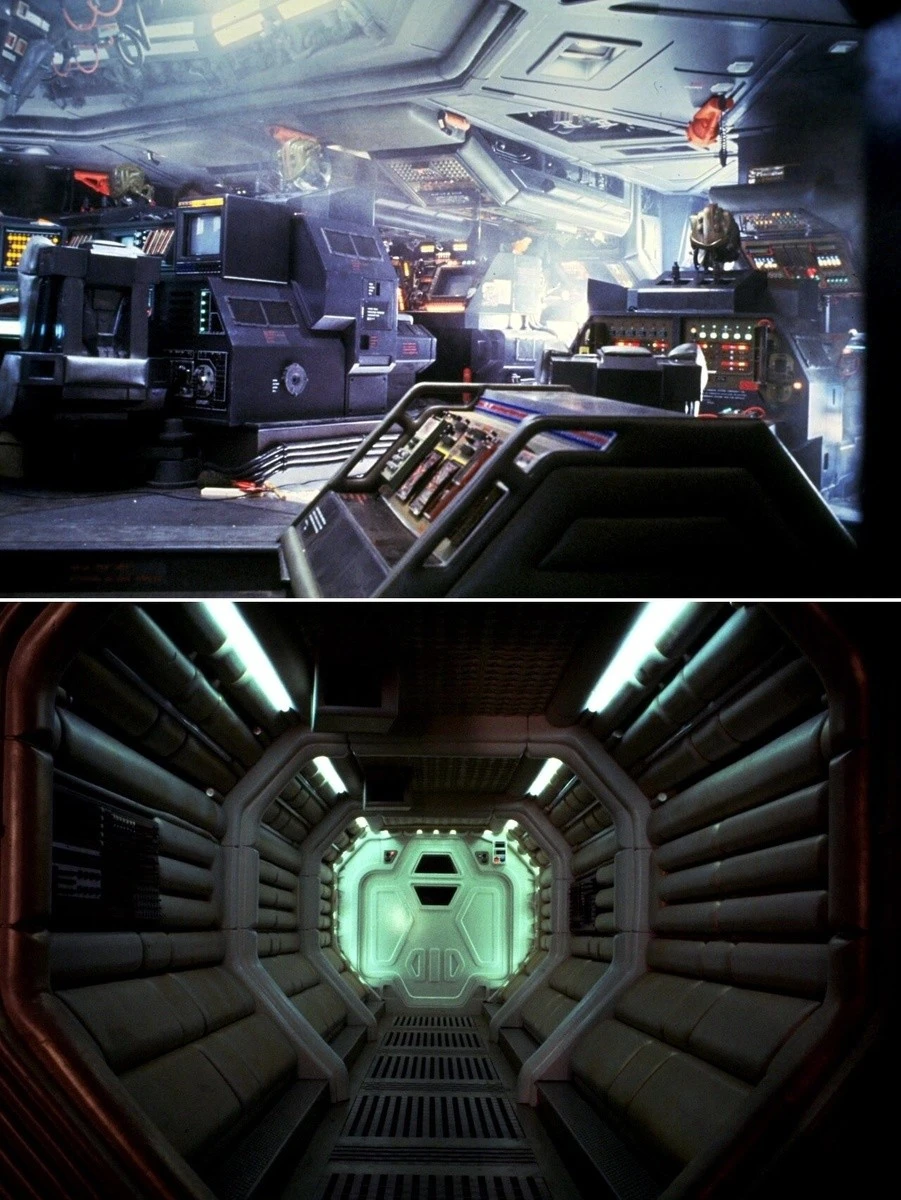
For Weaver, the shoot was an endurance test. She carried a prop weapon weighing nearly 50 pounds. "Trying to run down corridors while carbon dioxide replaced all the oxygen, day after day, was exhausting. I was covered in bruises." 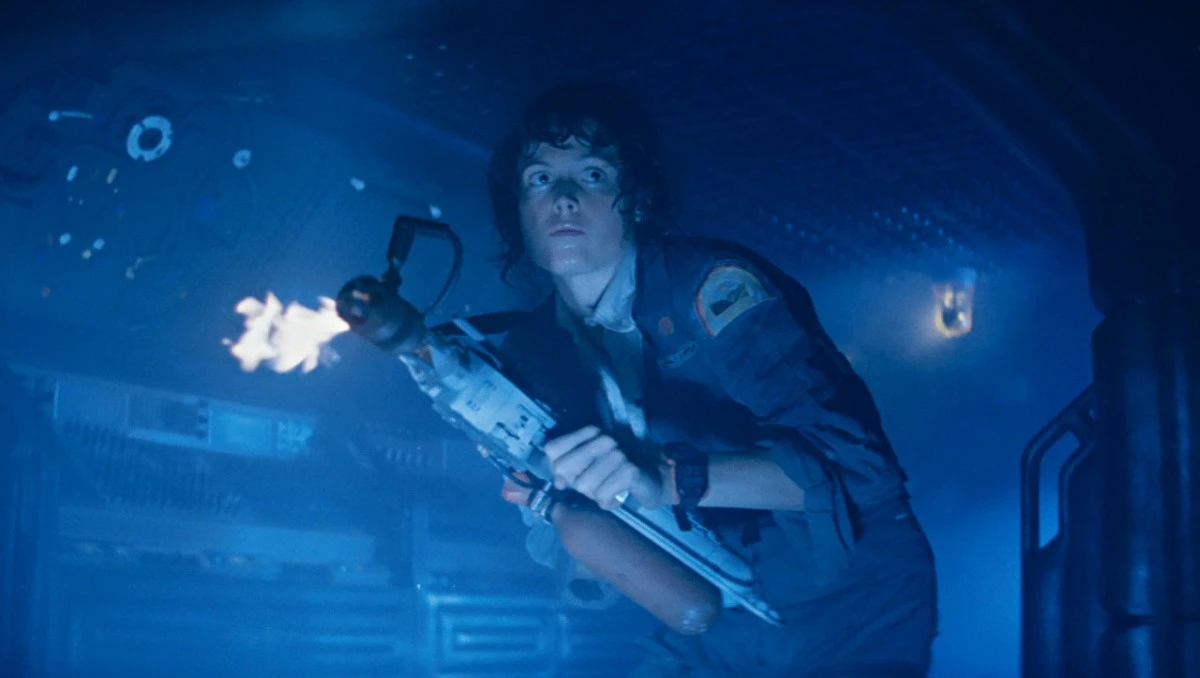
Weaver admitted she couldn't detach from the production off-set: "*Alien* deals with such terror and loss that after working on it for a while... I don't think I ever really decompressed." She even had nightmares: "I was staying with friends on a farm in Vermont, and suddenly the Alien came out of the chimney. It sounds silly, but it had stopped being just a movie—it bled into my dreams."
The infamous chestburster scene was particularly disturbing for her: "What shocked me most was seeing John Hurt lying on the table with a fake torso—most of his body was hidden underneath, where a cavity held the puppet. Just seeing John not whole was creepy. And when it finally burst out, it was grotesque. I knew they were trying to spray blood at me. I felt sick. There were tubs of animal kidneys, livers, and guts sitting around the set for two days—the stench was awful." 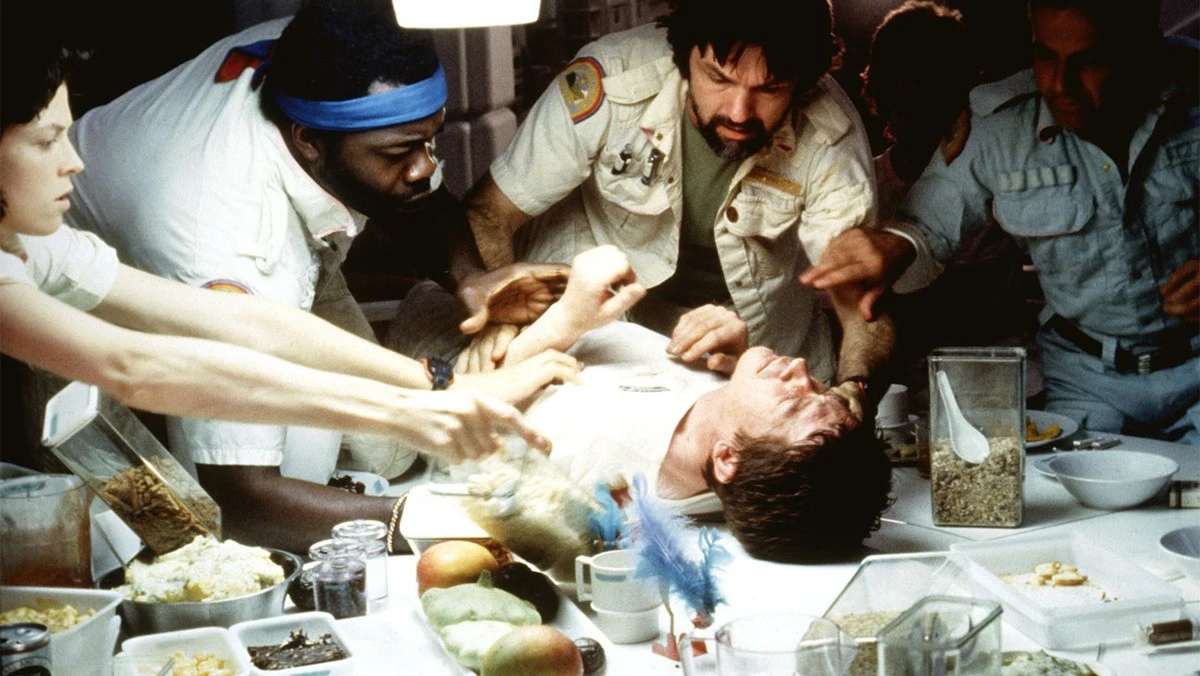
Many accounts claim the scene was shot in a single take, but they actually did two. On the first try, the chest apparatus failed to punch through Hurt's shirt, so Scott stopped filming and personally sliced the fabric with a razor blade. The second take went off without a hitch. The actors were unaware of just how realistic the sequence would be; their horror and screams were genuine.
Technical Challenges
Lighting proved a nightmare for cinematographer Derek Vanlint. The alien costume, monitors, LEDs, fluorescent tubes, and standard bulbs all had vastly different color temperatures. Balancing them on film was a massive technical hurdle.
The blue lasers used in the alien egg chamber were borrowed from The Who! The rock band was testing stage equipment in an adjacent soundstage, and Scott persuaded them to lend him the lasers.
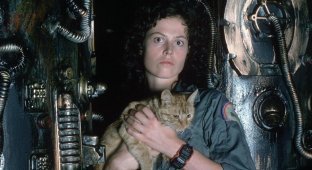
Jones the cat presented a unique challenge. To get an authentic reaction to the alien, crew members placed a German Shepherd behind a screen and pulled it away at the right moment. The cat immediately puffed up and hissed.
*Alien* premiered on May 25, 1979—exactly two years after *Star Wars*. But whereas *Star Wars* audiences walked out smiling, viewers rushed out of *Alien* screaming. Some fainted in their seats, while others had to be helped out of the theater, unable to stomach the horror. 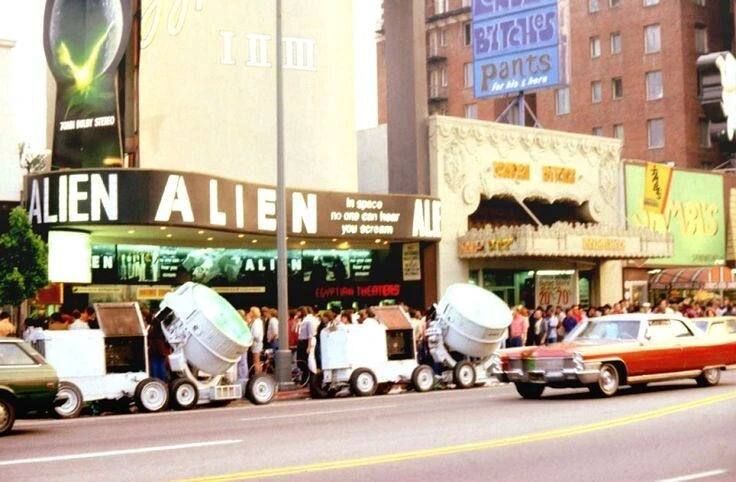
Word of mouth spread like wildfire across Los Angeles and New York. Rumors swirled that the film was so terrifying people were passing out, which only lured daredevils eager to test their nerves. Theaters packed out, with lines stretching around the block.
Scott remembered those days fondly:
"There were reports of people running out into the street screaming and fainting. Total chaos, man. I loved it!" 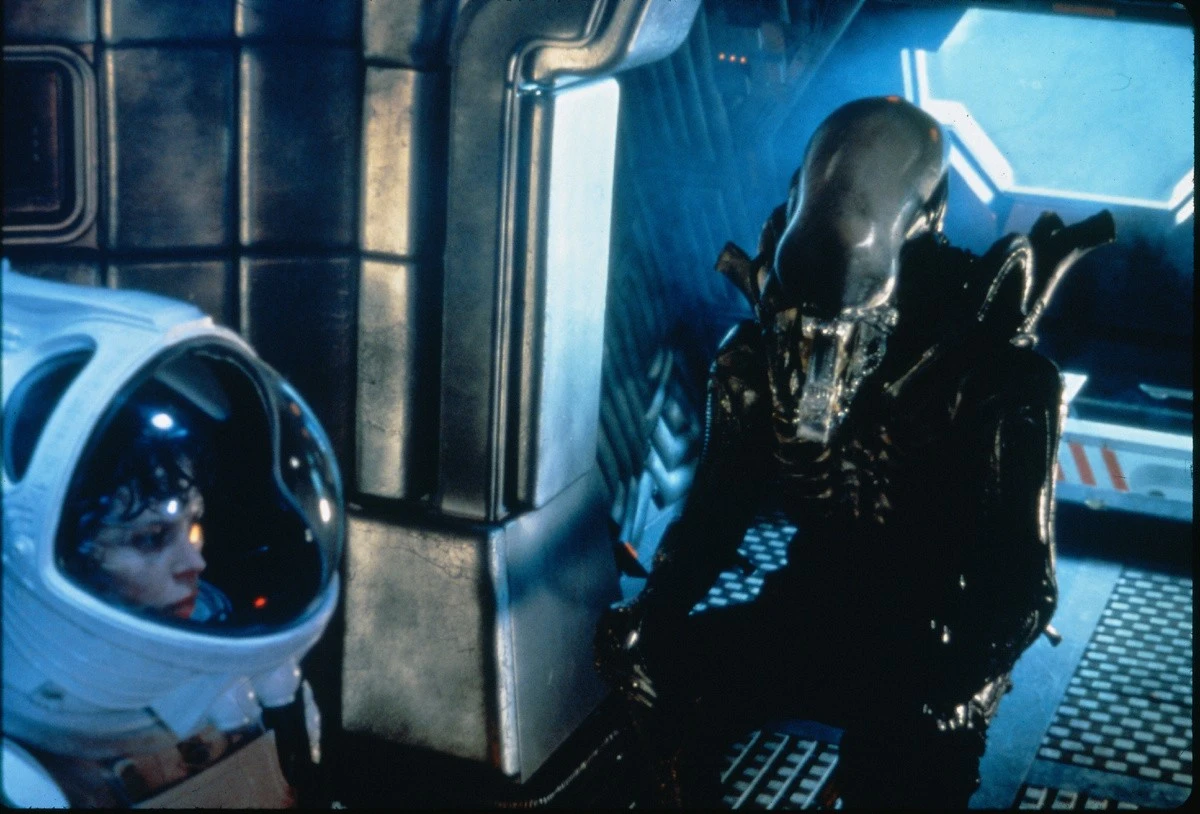
Fearing the film was too graphic for mainstream audiences, 20th Century Fox delayed the wide release by six weeks to run test screenings. Scott was furious:
"They held it back for six weeks! When you've got a movie like that, don't overthink it—just go for it! They should have unleashed it immediately, at full throttle, just like they did with *Star Wars*."
Despite the delay, the film grossed over $60 million domestically and upwards of $100 million worldwide. For an $8.2 million production, it was a box-office phenomenon—not to mention the countless fans who returned again and again to relive the primal dread.
Critics embraced the film, comparing it to Spielberg's *Jaws* and praising its atmospheric dread, visual mastery, and relentless tension. More importantly, it became a cultural sensation. *Alien* was discussed everywhere, its iconography saturated pop culture, and its tagline—"In space, no one can hear you scream"—became legendary.
Sigourney Weaver believes the film's lasting legacy stems from its ambiguity: "I think each of us actors projected our own fears onto the Alien. That's why the movie endures—it isn't just a monster. There's a malice to it that transcends reality." 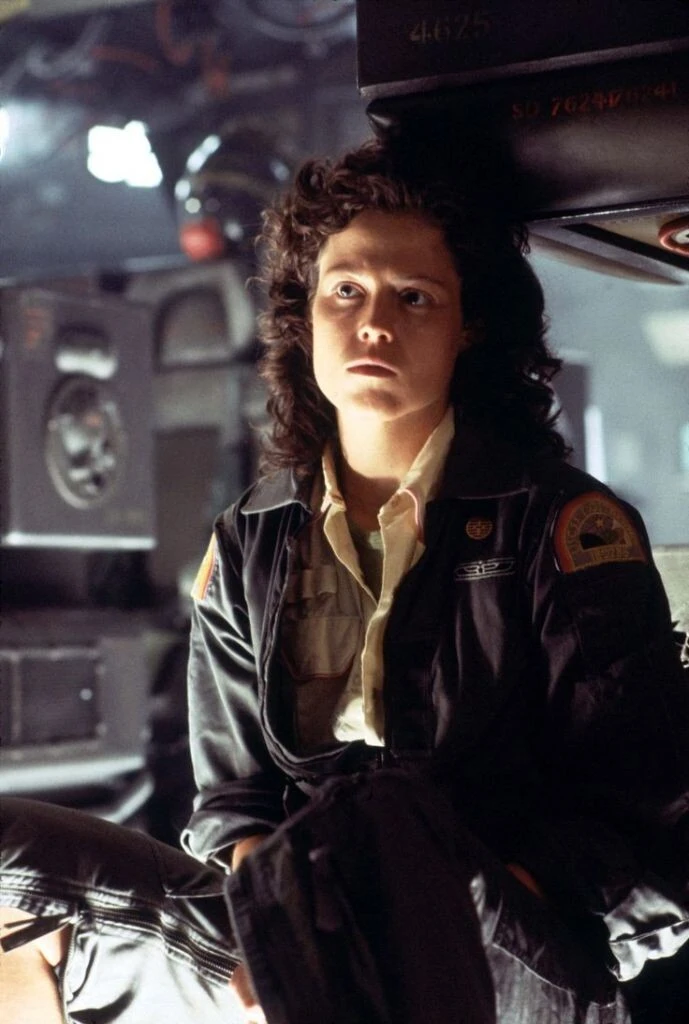
Asked about surviving against all odds, Weaver noted with irony: "Nobody in their wildest dreams expected the girl to be the survivor. Everyone assumed it would be John Hurt, the brave hero type. It completely subverted expectations."
Ridley Scott and his team delivered far more than a scary movie; they created a cultural phenomenon that terrified audiences so deeply they kept coming back for more. It spawned an entire universe of comics, video games, novels, and collectibles. Today, the Xenomorph stands alongside Dracula and Frankenstein as an iconic embodiment of horror, while Ripley remains one of cinema's greatest protagonists—proof that a woman could be far more than a victim, standing tall as the ultimate monster hunter.