6 Deadly Beauty Products of the Past That Killed Women (7 photos)
While beauty seekers of previous eras didn't have access to plastic surgery, their vanity routines were no less risky than those of today. Back then, many popular cosmetics concealed a deadly secret—a fact many women discovered far too late. Here are 6 lethal beauty products and procedures that disfigured and killed women in the pursuit of perfection. 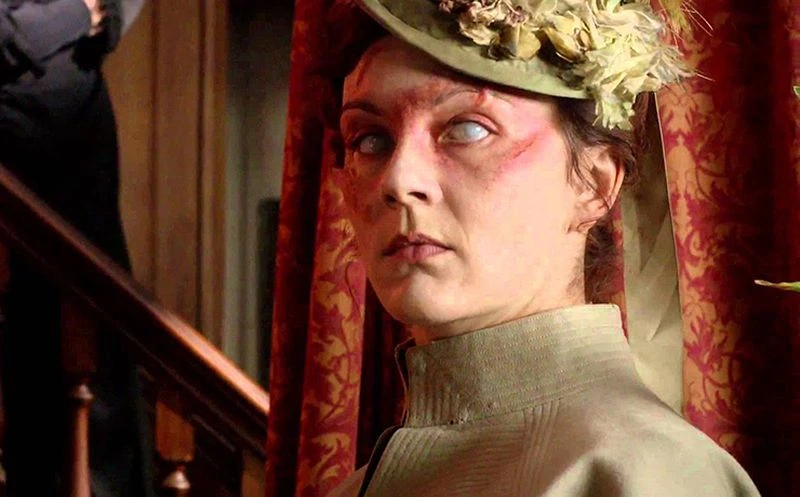
Belladonna 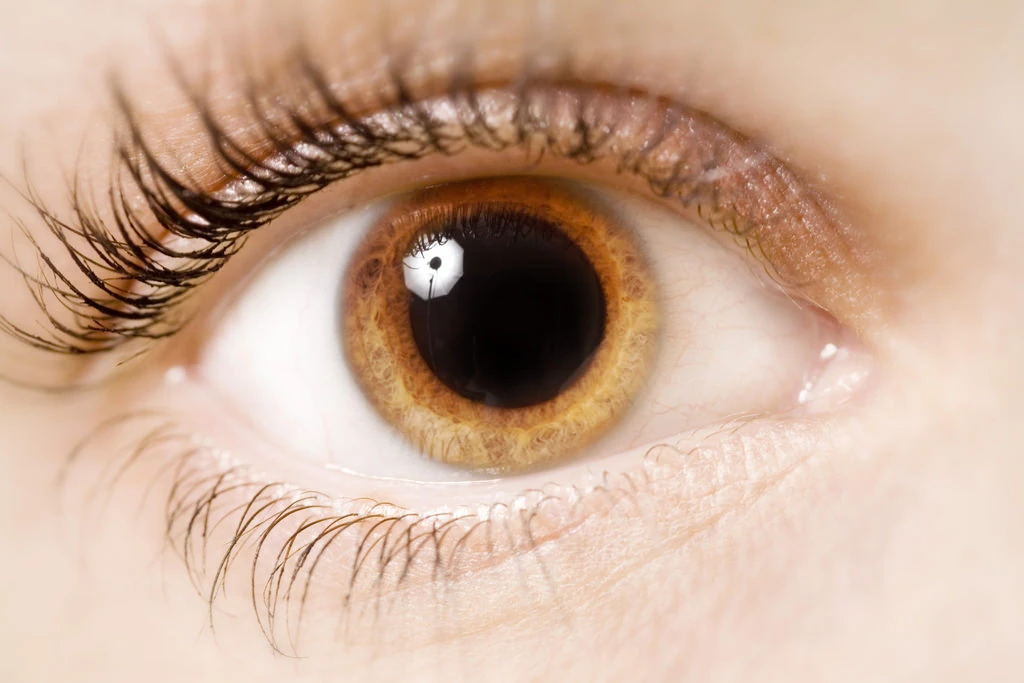
Belladonna—also known as deadly nightshade—is toxic from root to leaf. Ancient healers were well aware of its narcotic properties, making its cosmetic use seem baffling today. Yet, women routinely used belladonna juice as eye drops to give their eyes a striking, luminous shine. While it dilated pupils to create a captivating look, it gradually destroyed their vision, eventually leading to complete blindness.
Arsenic 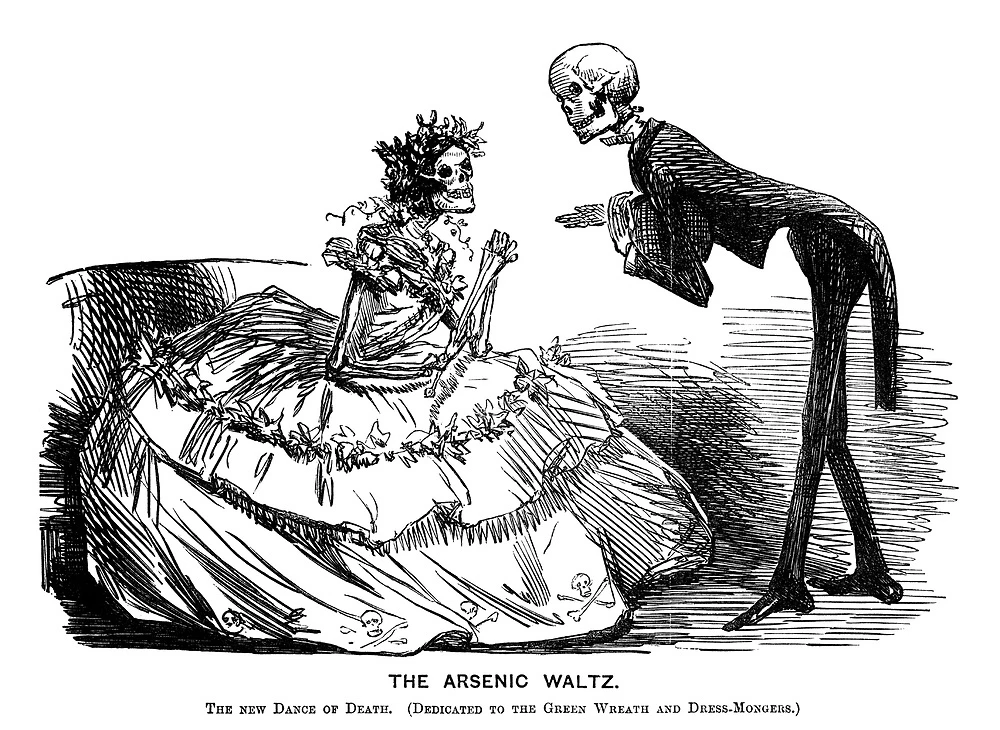
Arsenic trioxide originally gained widespread popularity as a way to eradicate rodents. In the 19th century, pharmacists began using small doses of the poison for medicinal and cosmetic purposes. Arsenic wafers were prescribed to clear skin complexions and help women gain weight, as a fuller figure was considered the height of fashion at the time. The pills did help patients put on weight—mostly by causing toxic goiters and severe thyroid dysfunction.
Mercury 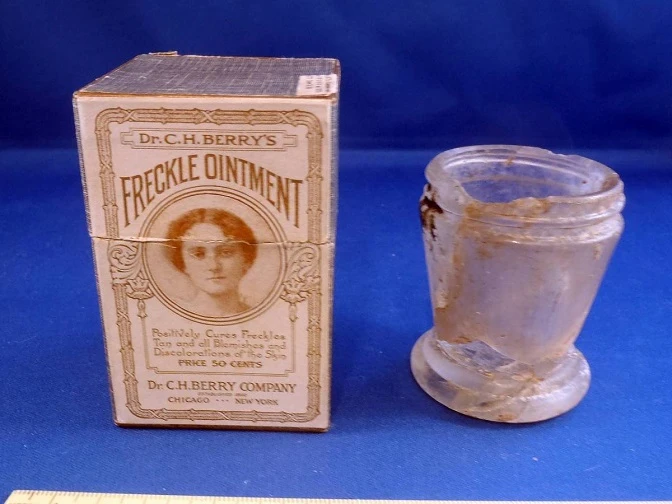
This heavy metal claimed countless lives. Long before benzoyl peroxide came along, mercury-based ointments were the go-to cure for acne and skin blemishes. Pharmacists used mercury to formulate anti-inflammatory treatments, unaware—or unconcerned—that the metal and its derivatives systematically destroy the nervous system. Shockingly, mercury-based freckle creams were not officially banned until the 1970s.
Depression was often the first symptom of mercury poisoning, leaving victims too lethargic to care about their failing health. Continued use guaranteed severe damage to the respiratory system, liver, kidneys, and gastrointestinal tract. As the toxin accumulated in the body, it slowly and painfully brought its victims closer to death.
Lead 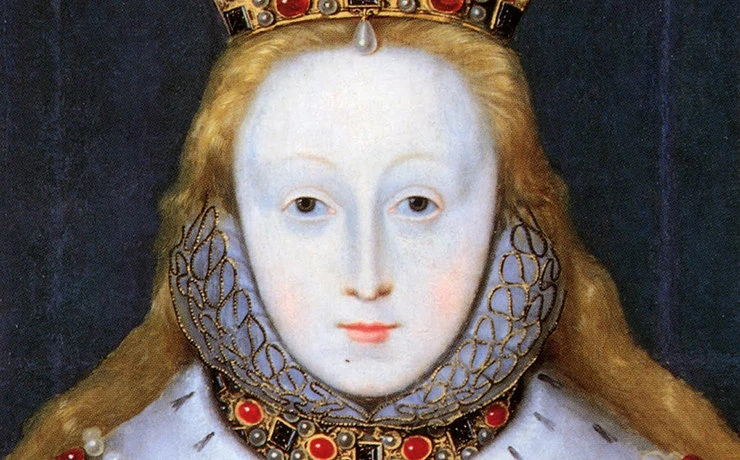
From the Middle Ages right up through the 19th century, women routinely slathered their faces with lead-based white paint and powders, unaware of the hidden danger. Its popularity endured because it delivered results: it gave skin a desired porcelain finish. Along with that coveted pale complexion, however, aristocrats suffered the devastating effects of lead poisoning, including severe weight loss, disorientation, and loss of appetite. Countless fashionable women died slow, painful deaths from heavy metal poisoning.
Radium 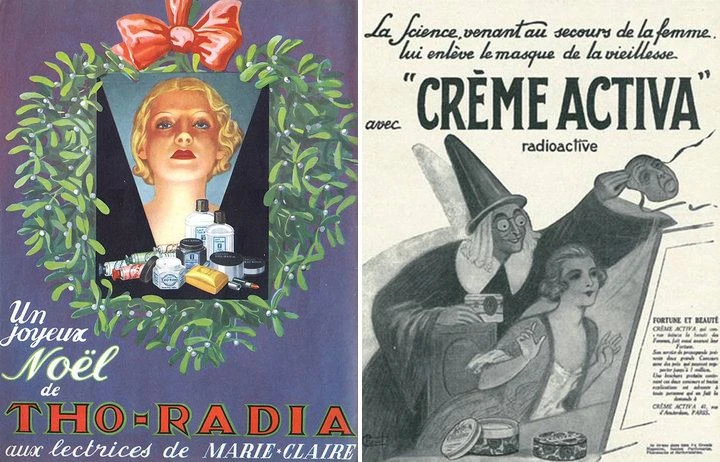
The ultimate beauty innovation of the 1930s was Tho-Radia, a French cosmetics line infused with radium bromide and thorium chloride. Advertisements promised a youth-restoring glow by "boosting blood circulation, shrinking pores, and eliminating acne and dark spots." Tho-Radia was a massive commercial hit—until it left its customers horribly disfigured and chronically ill.
X-Ray Radiation 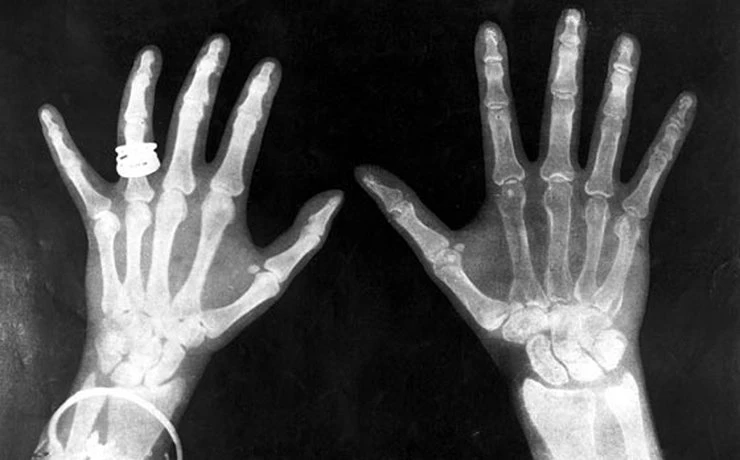
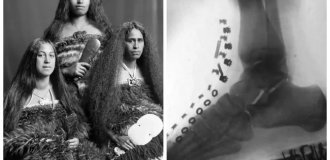
Nearly everyone today has undergone an X-ray scan at some point. The discovery of radiation was a massive medical breakthrough, but the beauty industry quickly rushed to exploit it too. X-rays were marketed as a revolutionary, foolproof method for hair removal. A few sessions caused unwanted hair to fall out effortlessly, but it also caused premature aging, severe skin thinning, and tissue destruction. The most tragic consequences appeared years later, as X-ray hair removal caused a massive surge in skin cancer cases.