Winter is Coming! 10 Simple Ways to Insulate Your Home (12 photos)
As winter hits with full force, everyone is bundling up in warm clothes. Unfortunately, some people have to layer up even inside their own living rooms. Building standards state that room temperatures shouldn't drop below 18°C in winter, but for many, that’s still far too chilly. Read on to discover simple ways to warm up your home, ditch the heavy sweaters indoors, and stay cozy all season long. 
Unseen Drafts Are Stealing Your Heat 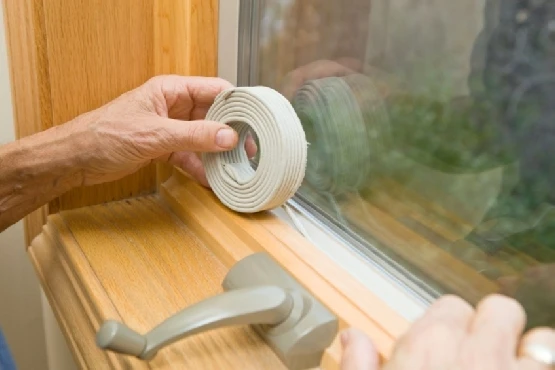
The easiest way to raise the temperature in your home is to hunt down and seal off every crack and gap. Your top priority should be window frames and small vents.
Vinyl or modern double-glazed windows seal well, but older wooden frames are notorious for letting cold air in. You can seal gaps with self-adhesive weatherstripping tape, though it usually only lasts a single season. That said, even modern windows might need a quick tune-up: if they’ve been in place for a few years, adjusting the hinges or replacing worn seals can cut heat loss significantly.
Making a habit of keeping vestibules and main entrance doors closed—and encouraging your neighbors to do the same—can boost your building's overall interior temperature by up to 10%.
Enclose or Glass In Your Balcony 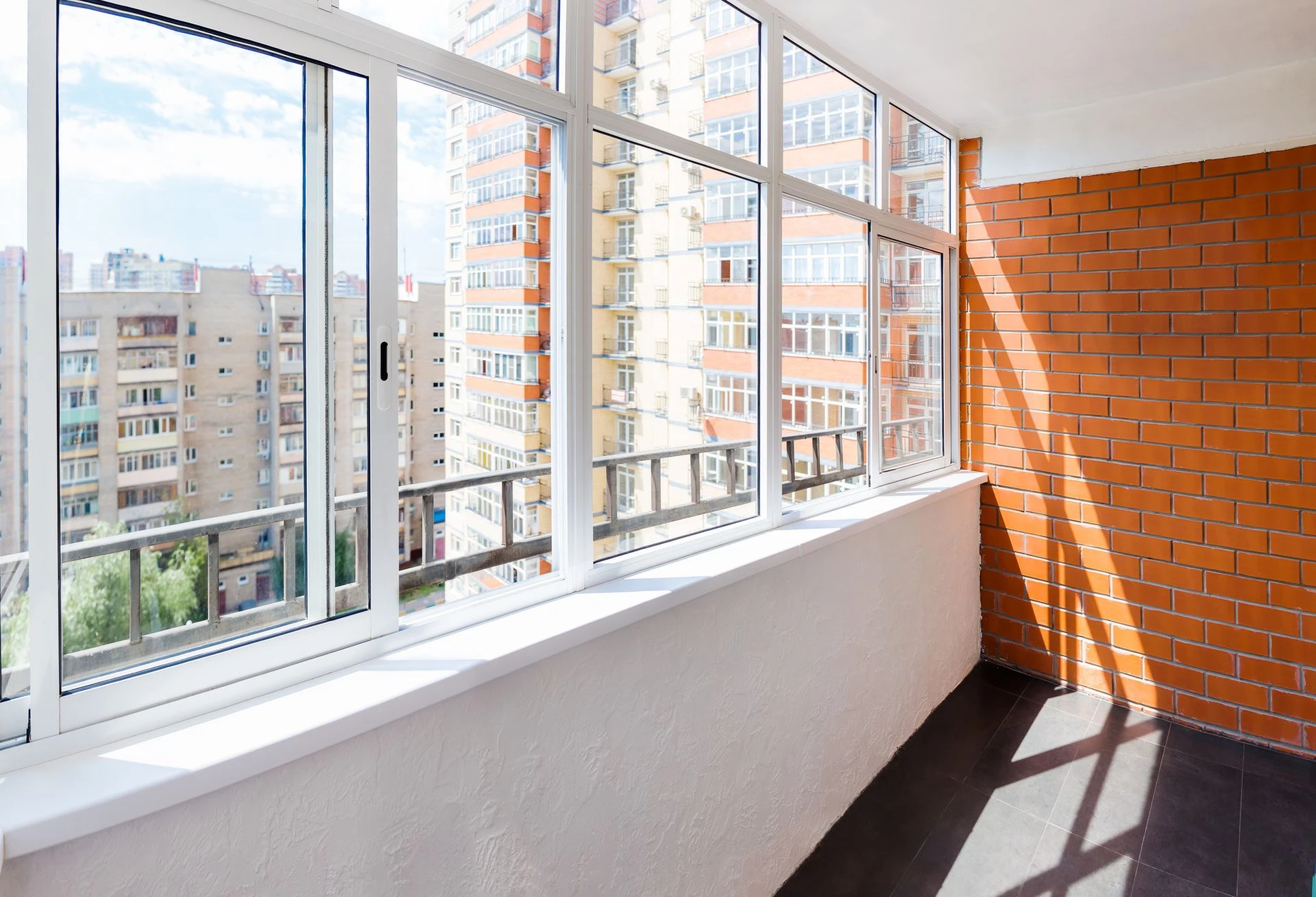
An enclosed balcony or sunroom acts as a buffer zone that noticeably boosts indoor temperatures, especially if it adjoins multiple rooms. Engineers estimate that an enclosed balcony can prevent up to 15% of heat loss.
Expanding Foam is Your Best Friend 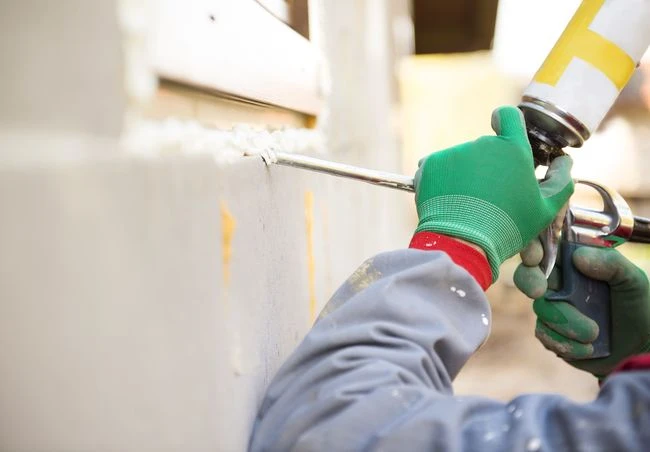
Spray foam is an exceptional insulator that works wonders around window frames. If your windows were installed by sloppy contractors, they might have left hollow gaps under the sill before rushing to cover up their work.
If you feel a draft beneath your window sill, tap along the wall to check for hollow spots and fill them with expanding foam. It’s also great for sealing gaps around exterior doors, another major culprit behind lost heat.
Rugs Might Feel Retro, But They Work Wonders 
Save modern minimalist decor for the warmer months. As old-fashioned as area rugs and wall hangings might seem, they served a very practical purpose in the past.
Plush floor coverings and wall hangings add an effective layer of insulation against cold floors and walls. Plus, if you have noisy neighbors, they double as great soundproofing.
Seal Up Drafty Vents 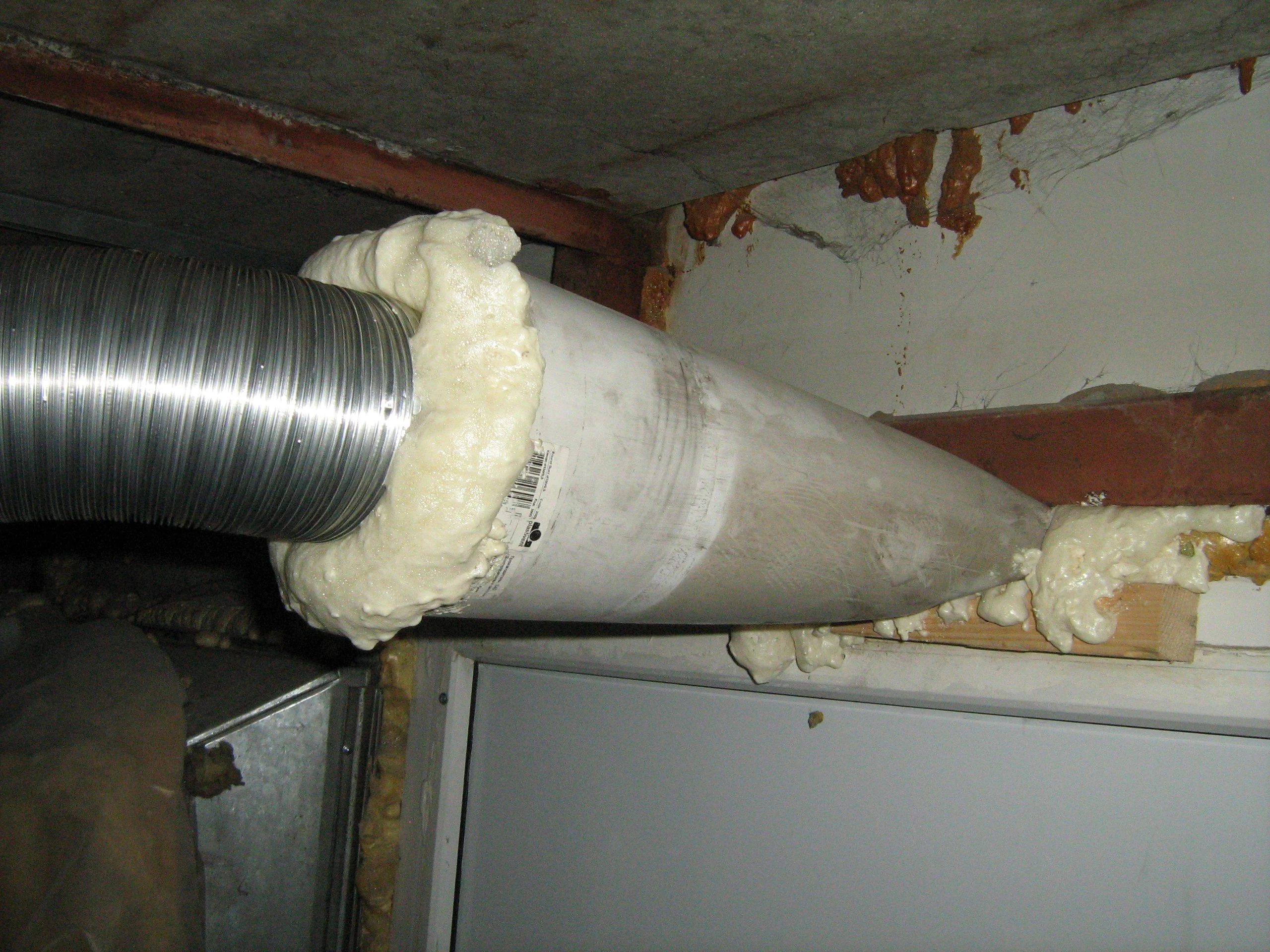
Every home has air vents, but they can be major sources of cold drafts. Before winter sets in, inspect your vent covers to ensure they fit snugly against the wall, and seal any excess gaps around the edges if cold air is leaking through.
Draft-Proof Your Doors 
Gaps around doorways invite icy drafts and let warm air escape. If installing a second entrance door isn't an option, insulate your current one. Inspect the door frame, seal any cracks with expanding foam, and add foam weatherstripping along the edges to block out the cold.
Use a Fan to Circulate Heat 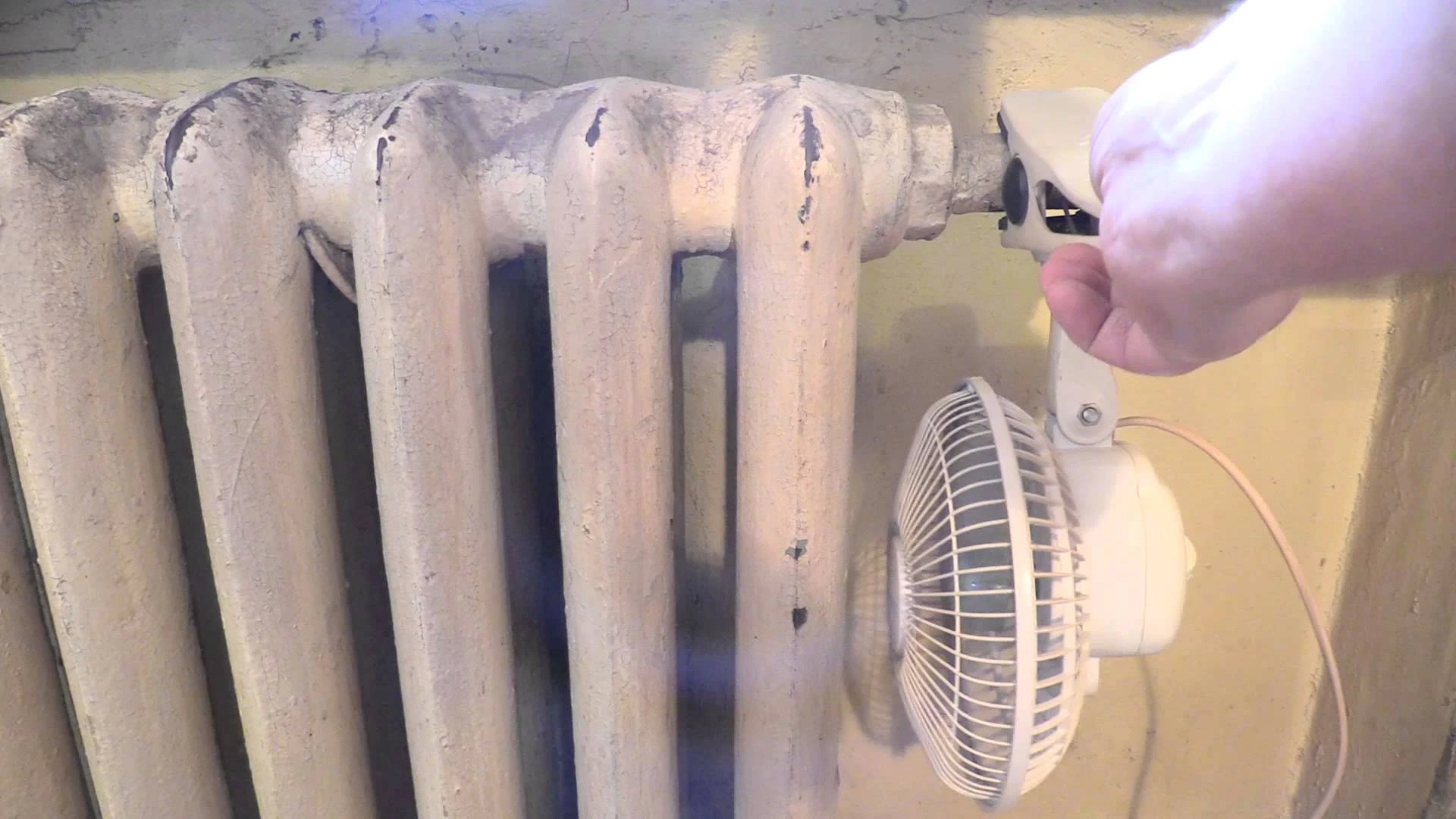
A simple fan can raise your room’s temperature by a few degrees. Place it near a radiator and point it toward the hot surface; the airflow will push the trapped warm air out and quickly circulate it throughout the room.
Install Heat Reflectors Behind Radiators 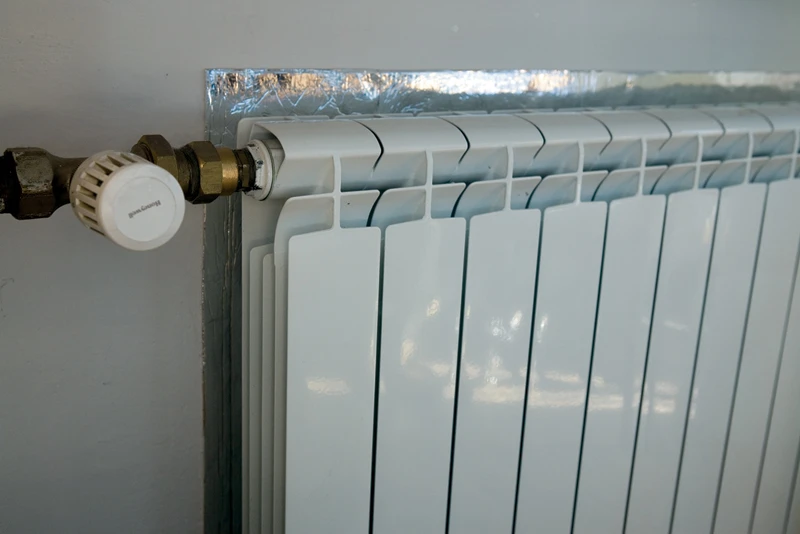
Radiators often end up heating the concrete wall behind them rather than the living space. You can easily prevent this heat loss by placing a reflective insulation sheet—or even a foil windshield sunshade—behind the radiator.
The reflective surface bounces heat back into the room instead of letting it soak into cold exterior walls. Just make sure to leave at least a two-centimeter gap between the reflector and the radiator so air can circulate freely; otherwise, it could have the opposite effect.
Cozy Up with Hot Water Bottles 
A classic hot water bottle is a lifesaver on cold nights, which is when indoor heat loss peaks. If you want to wake up feeling fresh instead of sore and scratchy-throated, fill up a hot water bottle before climbing into bed.
An electric blanket or heated mattress pad works wonders too, maintaining a cozy warmth all night long—though getting out of such a warm bed the next morning might prove to be a challenge!
Check Your Heating System 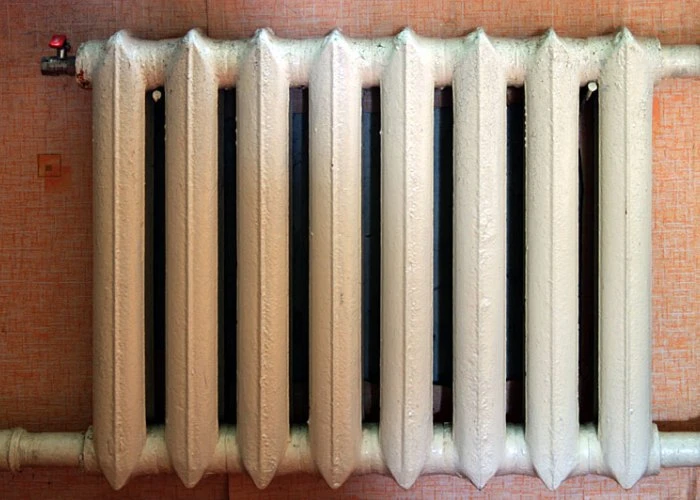
Your pipes, radiators, and heating risers should all feel consistently warm. If some parts are cold, your heating system isn't running properly. This could be caused by trapped air, restrictive valves, system wear, or a malfunctioning boiler. Be sure to check your system and troubleshoot any issues before severe cold weather arrives. 
If it’s still chilly indoors after trying all these tricks, there’s only one thing left to do: cuddle up with a loved one—or pack your bags for a warm tropical getaway!