22 Photos From the Past Packed With Stories, Names, and History Worth Knowing (23 photos)
A gorilla on a surfboard plugging beer. A nun counting orphans in Havana. Yuri Gagarin playfully pulling Valentina Tereshkova's ear. Stacked punch cards reaching the ceiling—all for a mere 5 megabytes. Every image in this collection hits like a punch in the gut: a single split-second frozen in time, preserved forever. 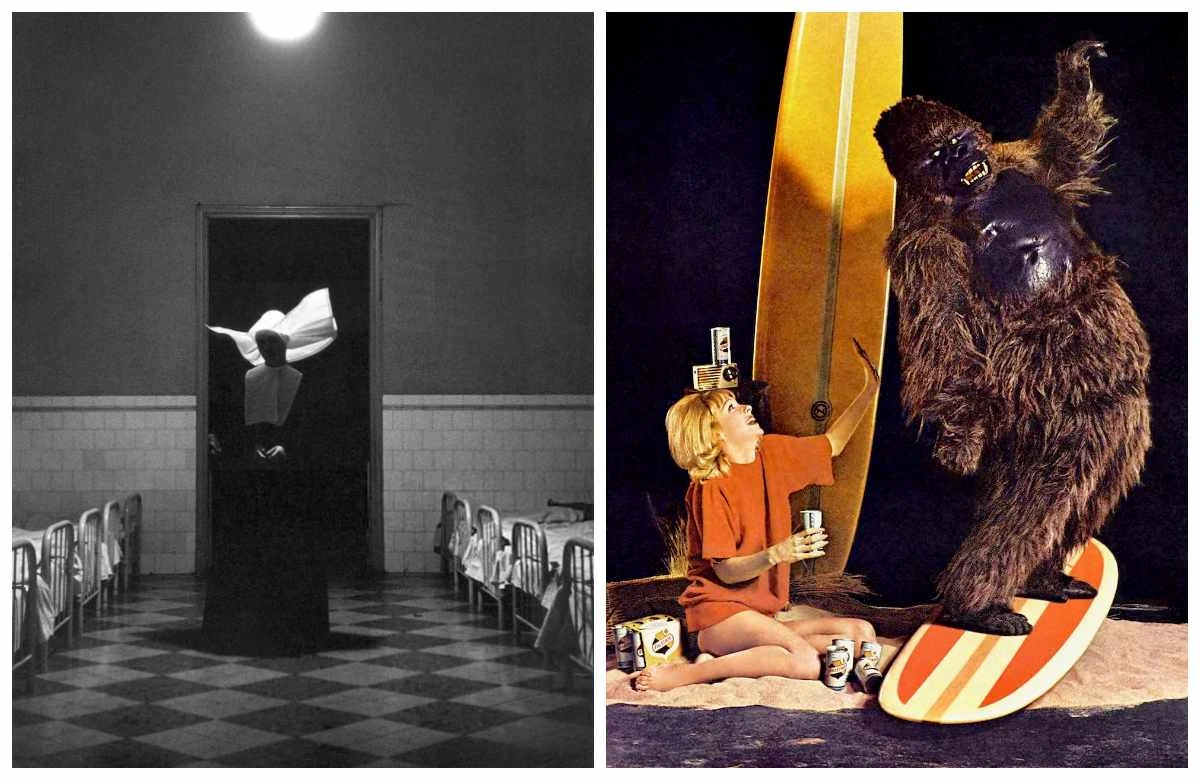
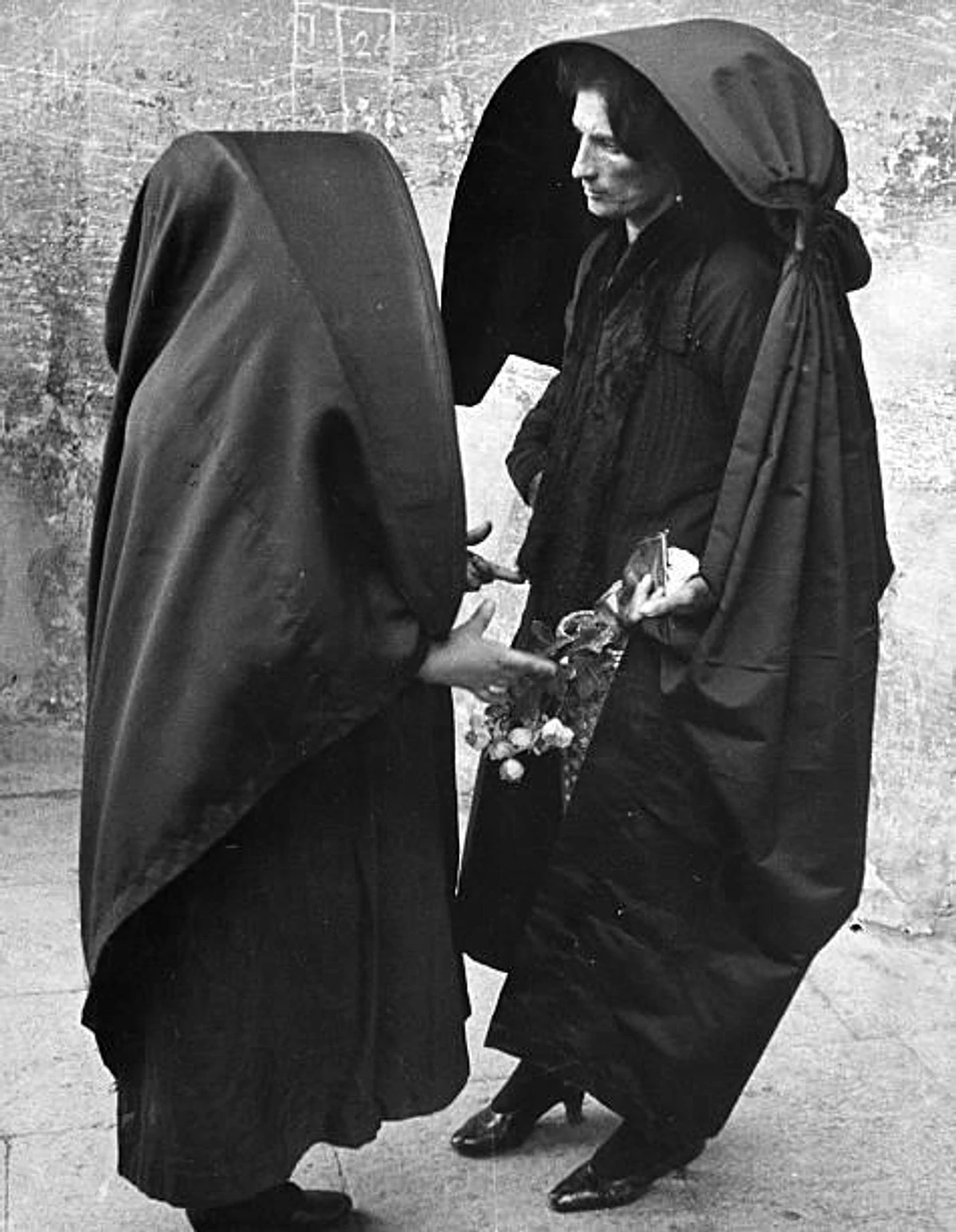
Malta, 1950s. The ghonnella—a traditional women's garment unique to Malta and Gozo.
The ghonnella (also known as the faldetta) was a hooded cloak worn by Maltese women for centuries. Its distinctive arched top maintained its shape thanks to a rigid frame made of whalebone or cane. Following World War II, Western fashion trends gradually pushed the ghonnella out of style; by the 1970s, it was rarely seen outside of elderly churchgoers and members of the lay Catholic movement Societas Doctrinae Christianae. 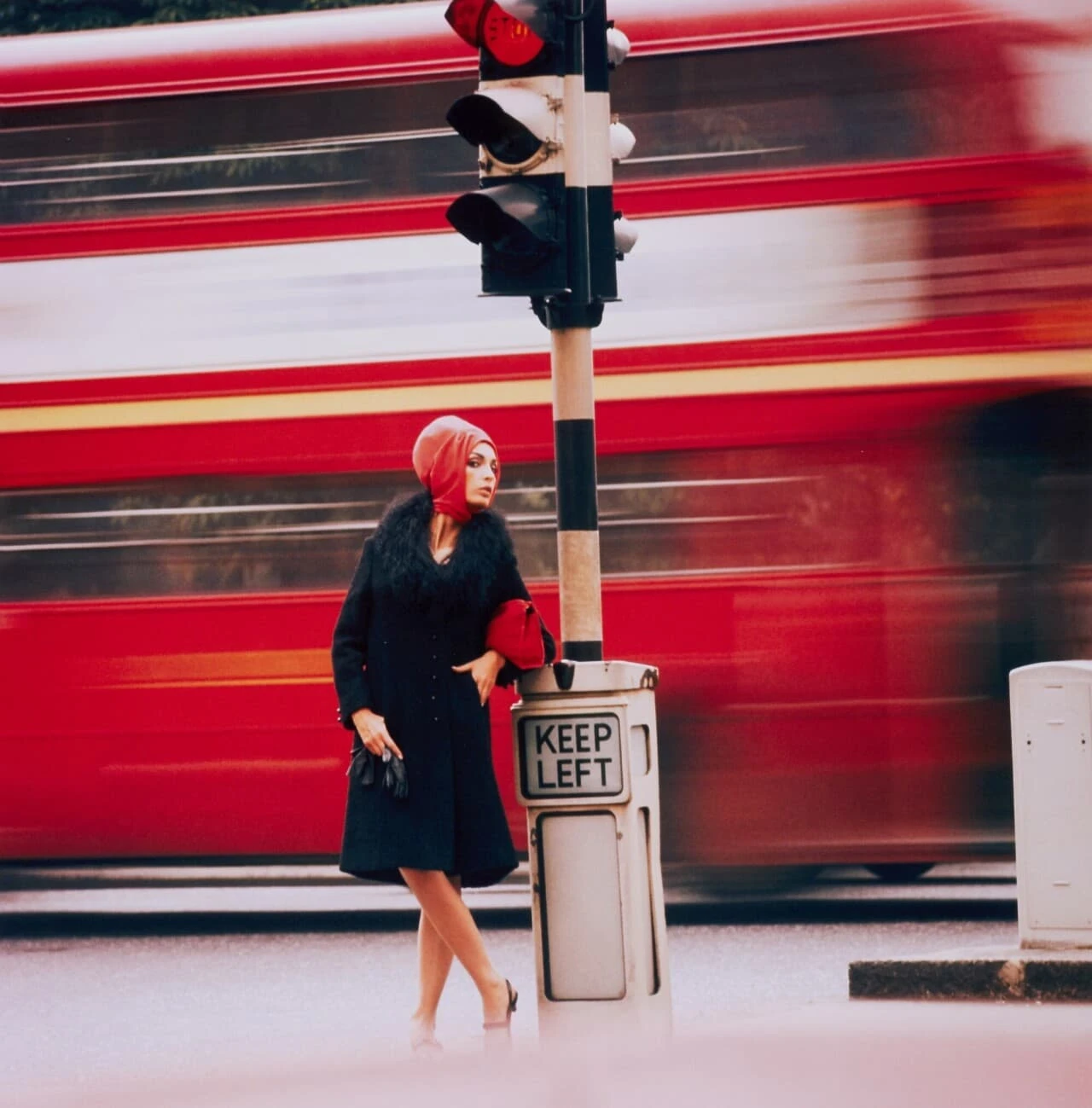
"Traffic," 1957. Norman Parkinson—the British fashion photography pioneer who took models out of studios and onto real city streets.
Norman Parkinson (1913–1990) shot for Vogue and Harper’s Bazaar starting in the late 1930s, revolutionizing fashion photography by turning routine photoshoots into vibrant street narratives. His "Traffic" series showcases one of his signature visual styles: placing high fashion in the middle of gridlocked traffic—a splash of bold color amidst urban chaos. Parkinson’s vast archive contains more than 500,000 images. 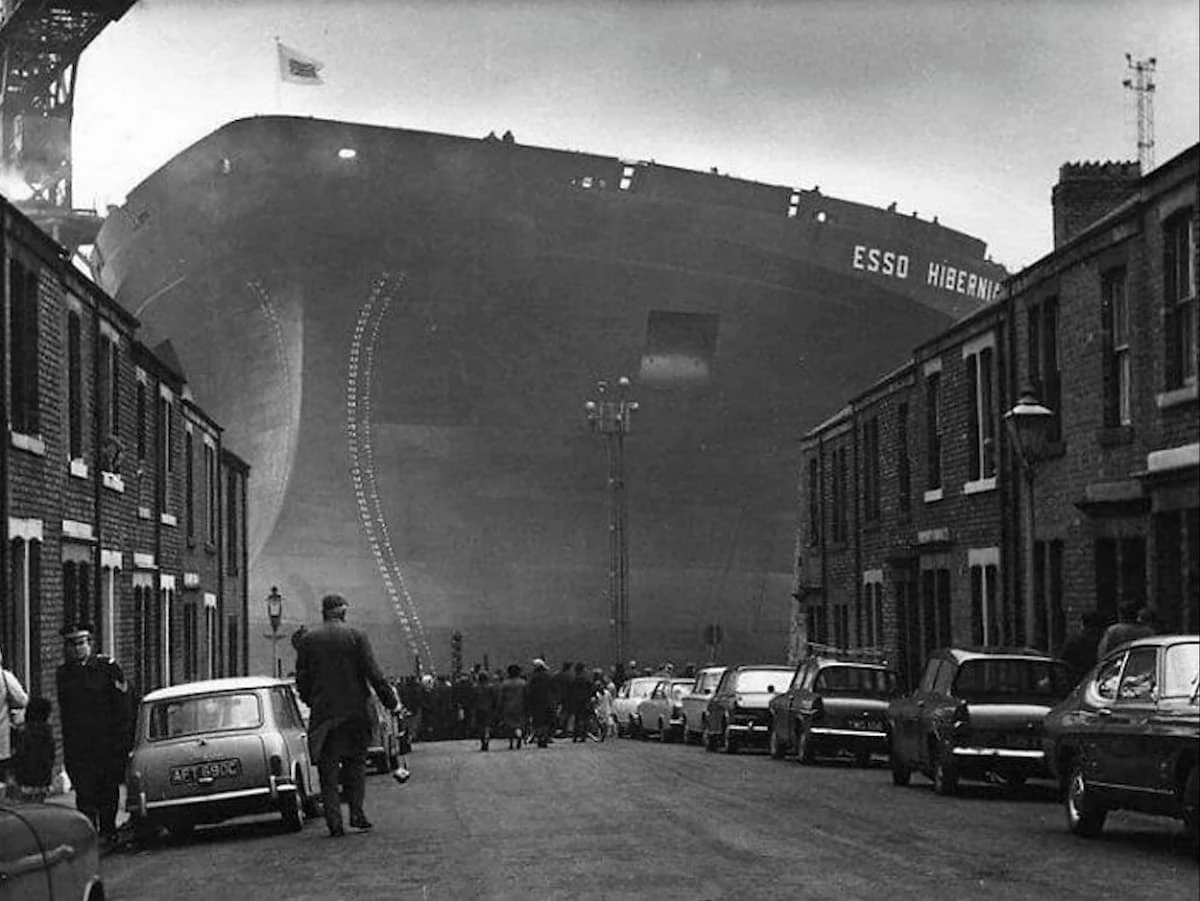
Wallsend, UK, 1970. The supertanker Esso Hibernia on the slipway at the Swan Hunter shipyard—a massive vessel displacing 250,262 tons.
The Esso Hibernia was the sister ship to the Esso Northumbria, which had been the largest vessel ever built in Britain when launched in 1969. Both supertankers slid down the slipways at Swan Hunter in Wallsend just months apart. They were commissioned to transport crude oil from the Persian Gulf around the Cape of Good Hope, bypassing the Suez Canal, which had been shut down following the 1967 Six-Day War. Delivered in December 1970, the Esso Hibernia was eventually scrapped in Taiwan in 1983. 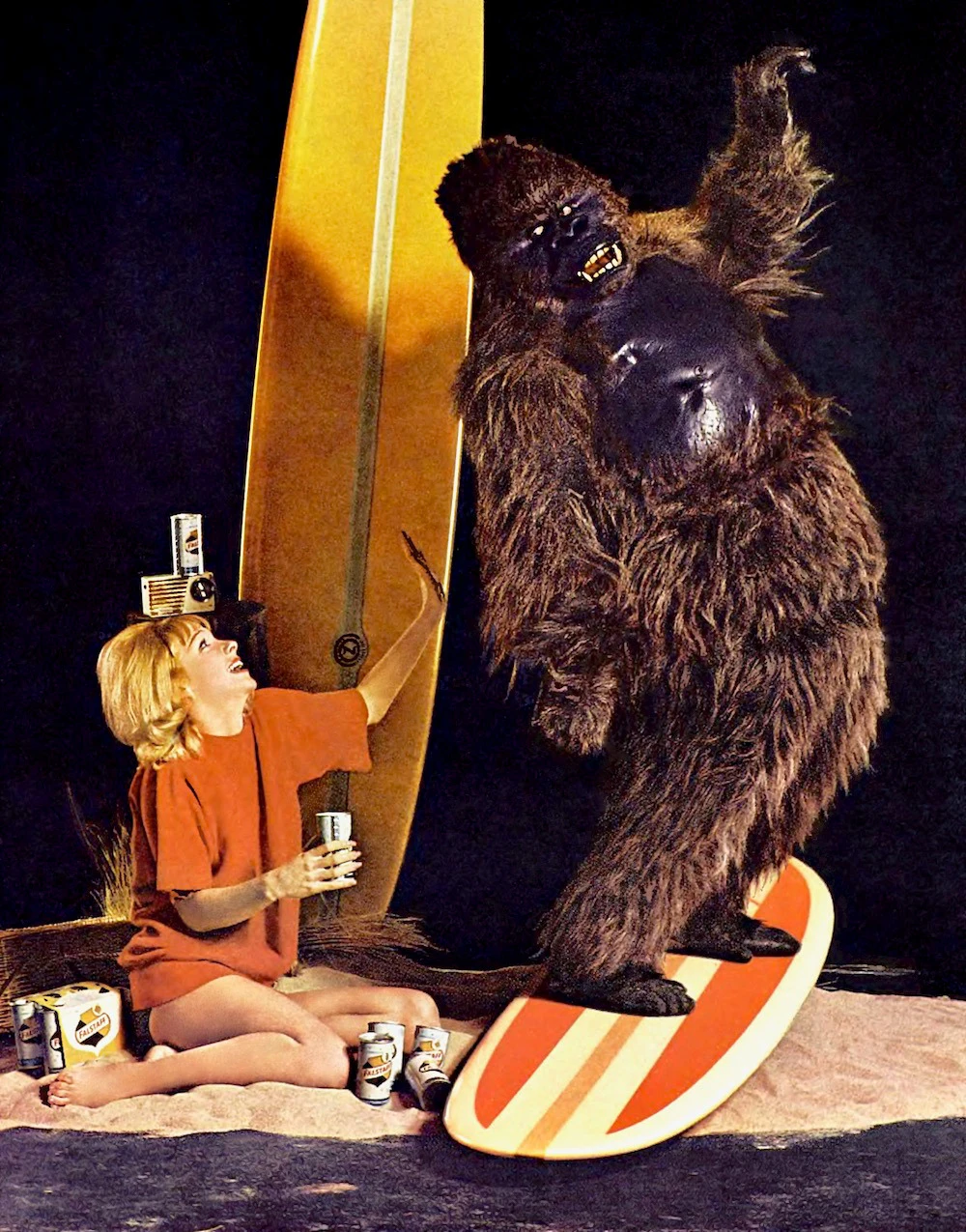
USA, 1965. An ad for Falstaff Beer—a gorilla riding a surfboard epitomizing the wild marketing tactics of the "Mad Men" era.
Founded in St. Louis in 1903, the Falstaff Brewing Corporation had climbed into the top three largest US breweries by the mid-1960s. As television advertising hit its stride, brands pulled out increasingly bizarre gimmicks to grab viewers' attention. A surfing gorilla turned out to be pure marketing gold. 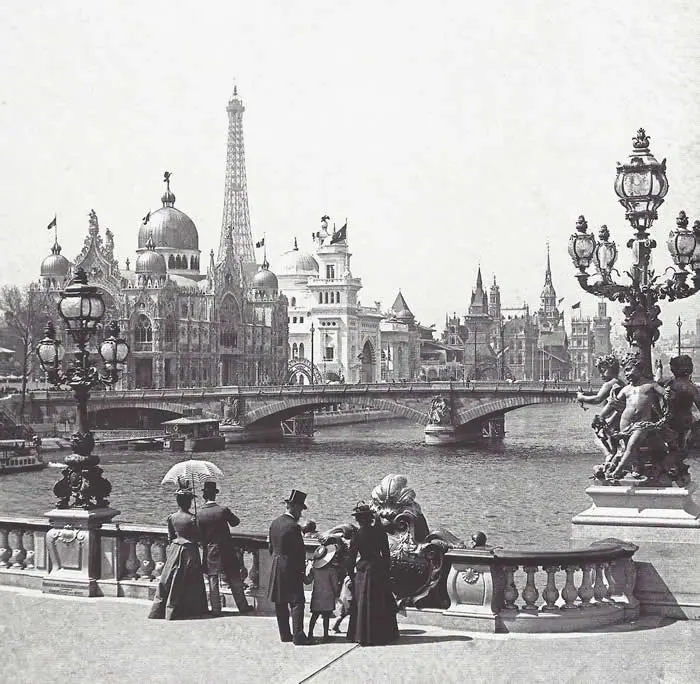
Paris, 1890. Opened just a year earlier, the Eiffel Tower had already permanently reshaped the city’s skyline.
Completed on March 31, 1889, for the World's Fair marking the centennial of the French Revolution, the tower was initially despised by many Parisians. Outraged critics dismissed it as a "tragic street lamp." Granted a 20-year permit, it was slated for demolition. What saved it was a military radio antenna installed at the top in 1903, proving the landmark had practical value after all. 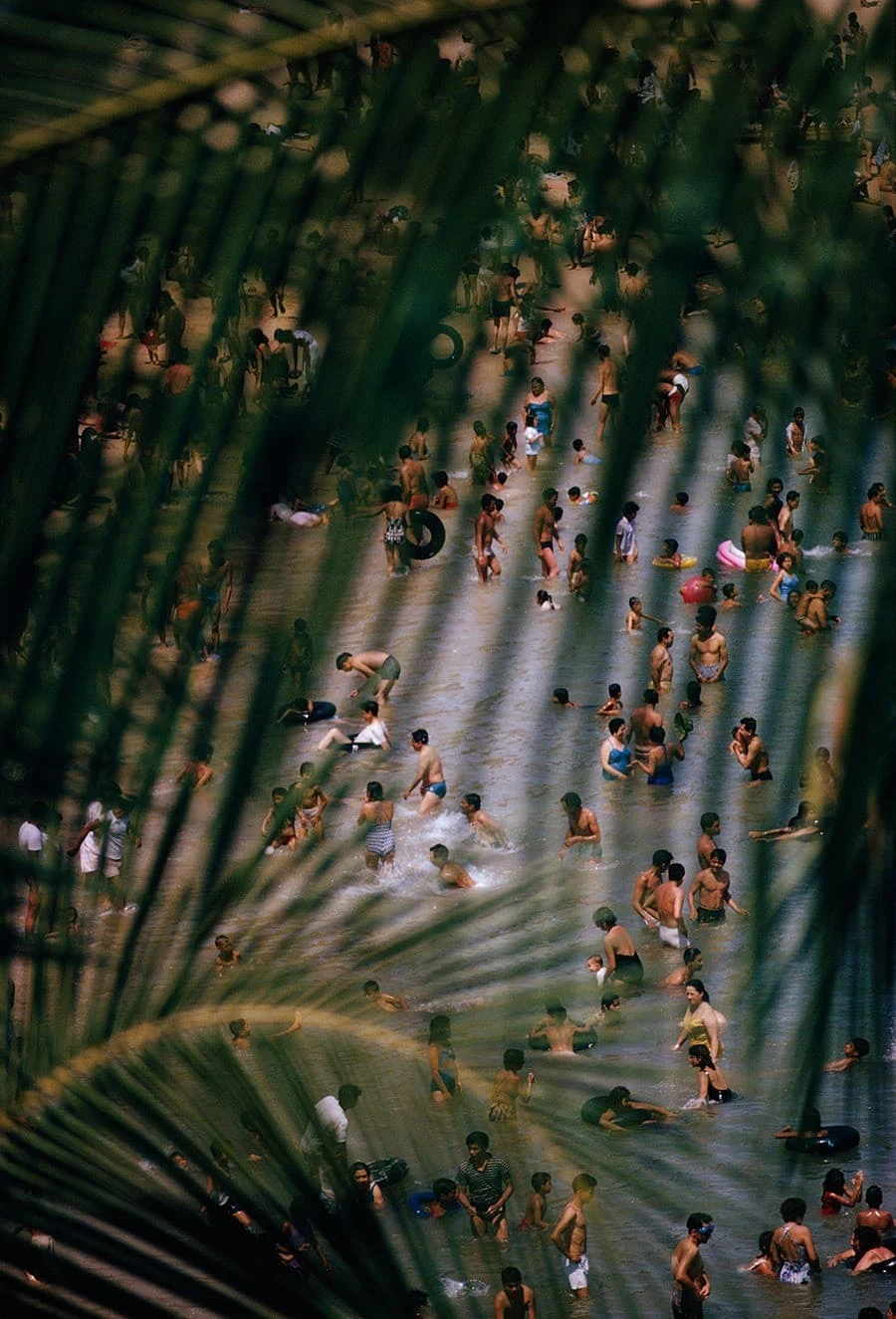
Acapulco, Mexico, 1964. Photo: Thomas Nebbia/ National Geographic.
During the 1960s, Acapulco hit its golden era: Hollywood stars, jet-setters, and Pacific surfing turned the resort town into the ultimate symbol of glamour. Thomas Nebbia, who shot for National Geographic from 1959 to 1985, captured Acapulco at its peak—long before the economic downturns of the 1980s caused its sparkle to fade. 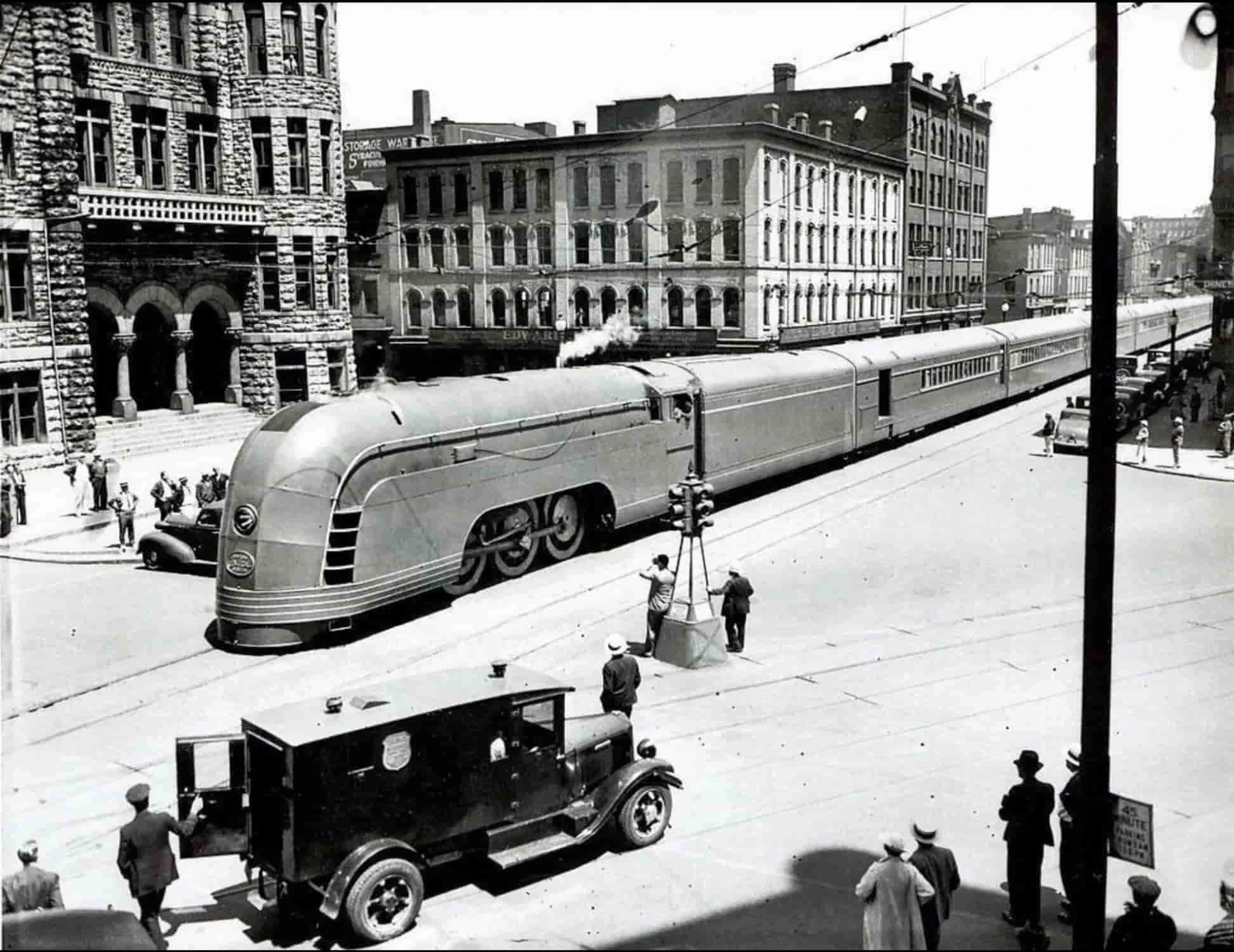
Syracuse, New York, July 2, 1936. A K-5b steam locomotive powering the Mercury train during a test run prior to launch.
The Mercury streamliner debuted on July 15, 1936, servicing the Cleveland-to-Detroit route. Famed industrial designer Henry Dreyfuss reimagined train travel, replacing heavy Victorian aesthetics with sleek Art Deco curves, plush seating, and air conditioning. The Mercury was such a sensation that Dreyfuss was hired to design the legendary 20th Century Limited—the crown jewel of the New York Central Railroad. 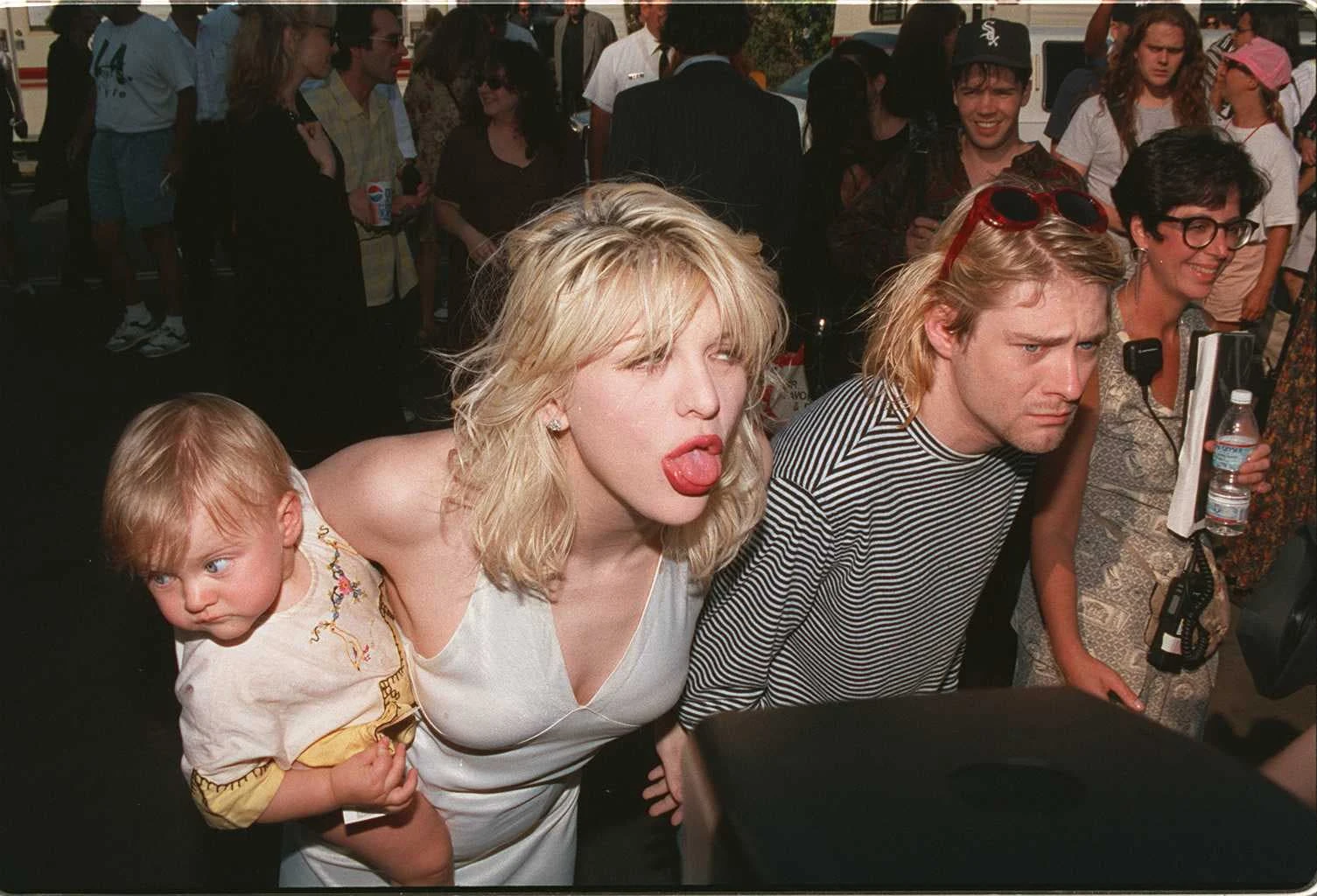
MTV VMAs, September 2, 1993. The Cobain family’s final public appearance together—Kurt died 7 months later.
At the 10th Annual MTV Video Music Awards on September 2, 1993, Kurt famously got into a backstage confrontation with Axl Rose that same night. By then, the Cobains were living under intense media scrutiny—Courtney had admitted in a Vanity Fair interview to using heroin early in her pregnancy, leading to a fierce custody battle over Frances Bean. Both Kurt and Courtney were battling addiction under the relentless spotlight. Just 7 months later, Kurt was gone. 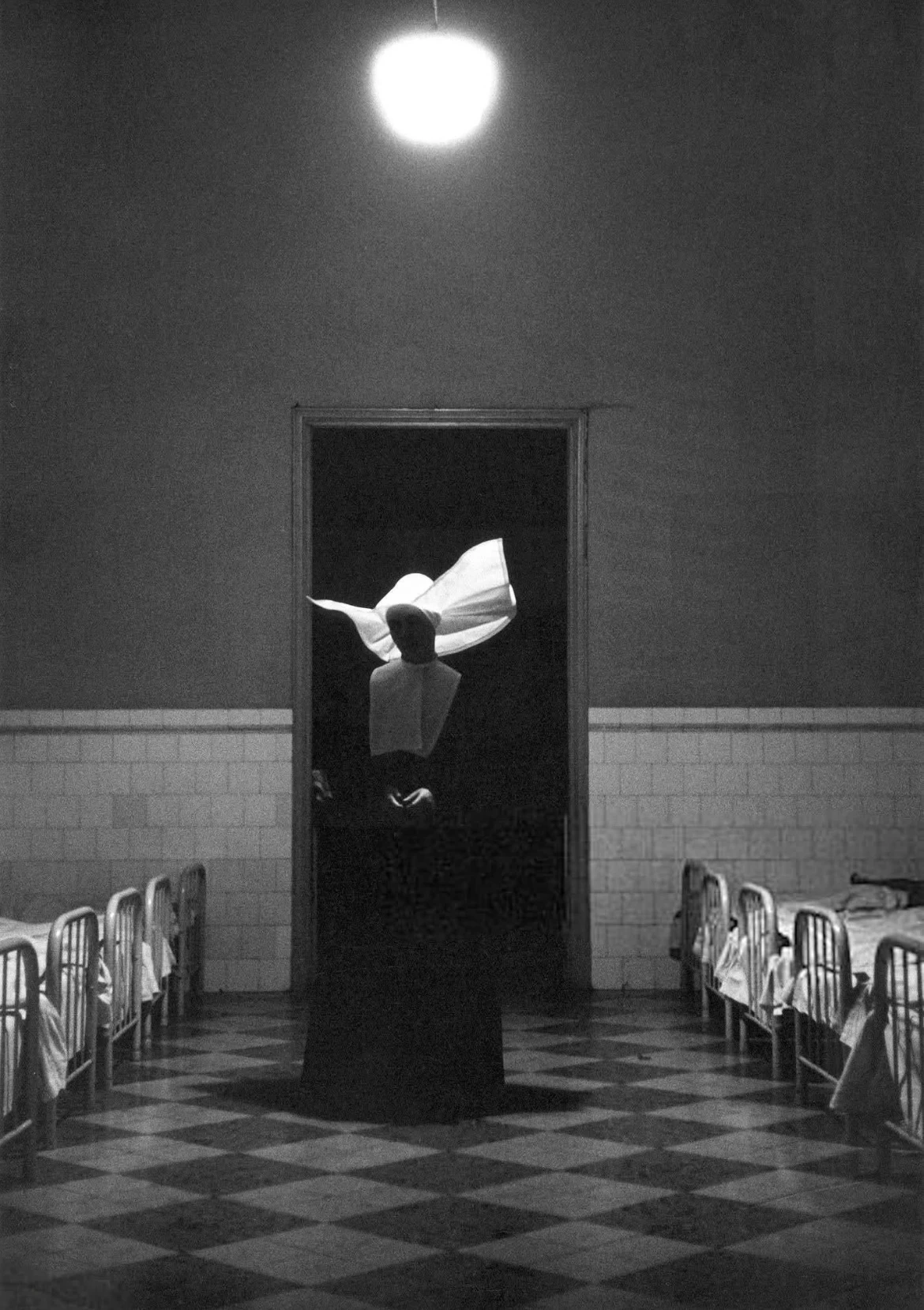
Havana, Cuba, 1940s. A nun watches over children at an orphanage.
Prior to the 1959 revolution, the Catholic Church operated an extensive network of schools, hospitals, and orphanages across Cuba. Once Fidel Castro seized power, most religious institutions were shut down, and priests and nuns were expelled from the island. This photo serves as a window into a world that vanished overnight. 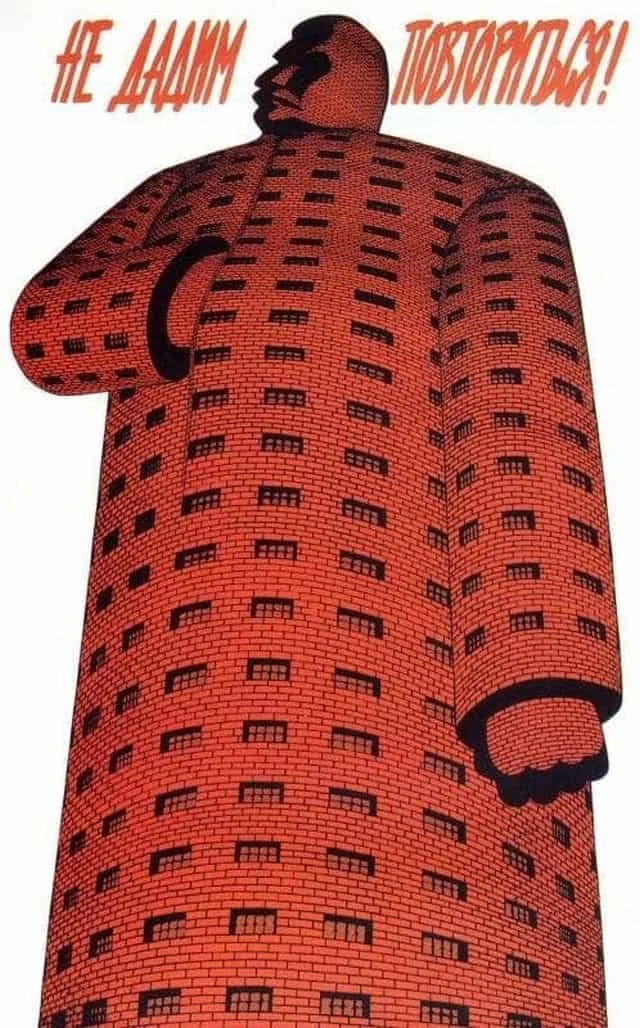
Efim Tsvik. "Never Again!", 1990. Silkscreen poster, USSR.
This poster was released during a watershed year marked by German reunification, the collapse of the Soviet Bloc, and the republics' first free elections. A dictator’s silhouette constructed from prison bricks forms its own cell. The imagery needs no caption: a monstrous state and a human prison captured in a single profile. Amid the sweeping changes of 1990, the graphic served as a stark warning: regimes fall, but the threat of totalitarianism lingers. 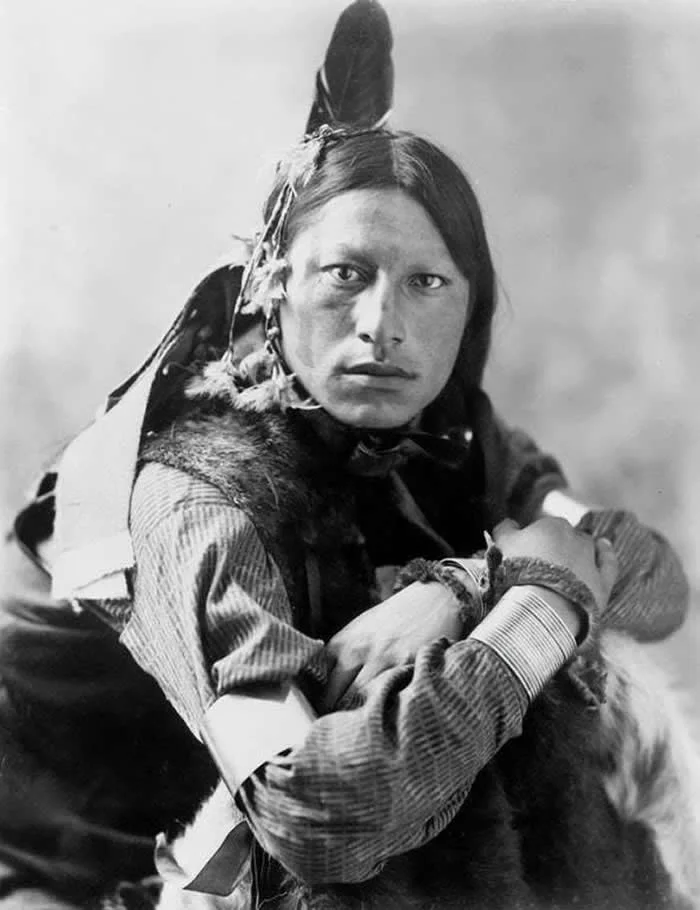
Joseph Two Bulls, Dakota Sioux. Portrait, June 22, 1900.
The turn of the 20th century saw a wave of American ethnographic photography, as photographers rushed to document Indigenous cultures being systematically dismantled by expansion. By 1900, the Dakota Sioux had spent a decade forced onto reservations following the Wounded Knee Massacre of December 1890, where US troops killed between 150 and 300 Native men, women, and children. 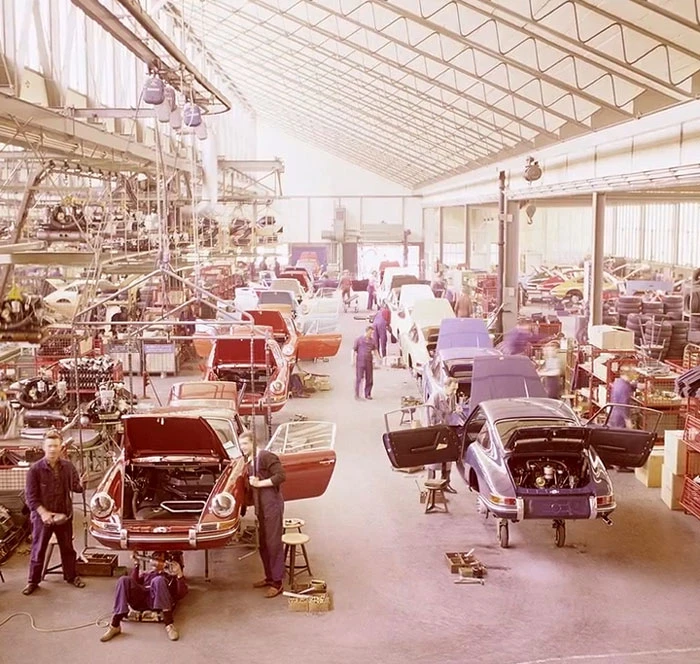
Stuttgart-Zuffenhausen, 1970s. The Porsche 911 assembly line—mass production first launched here in 1964.
The Porsche 911 has rolled off the Zuffenhausen assembly line continuously since 1964—an unprecedented run for any sports car model. Back in the 1970s, the plant turned out a few thousand hand-assembled cars a year. Today, that same facility builds every single 911—more than 50,000 annually—alongside the all-electric Taycan. 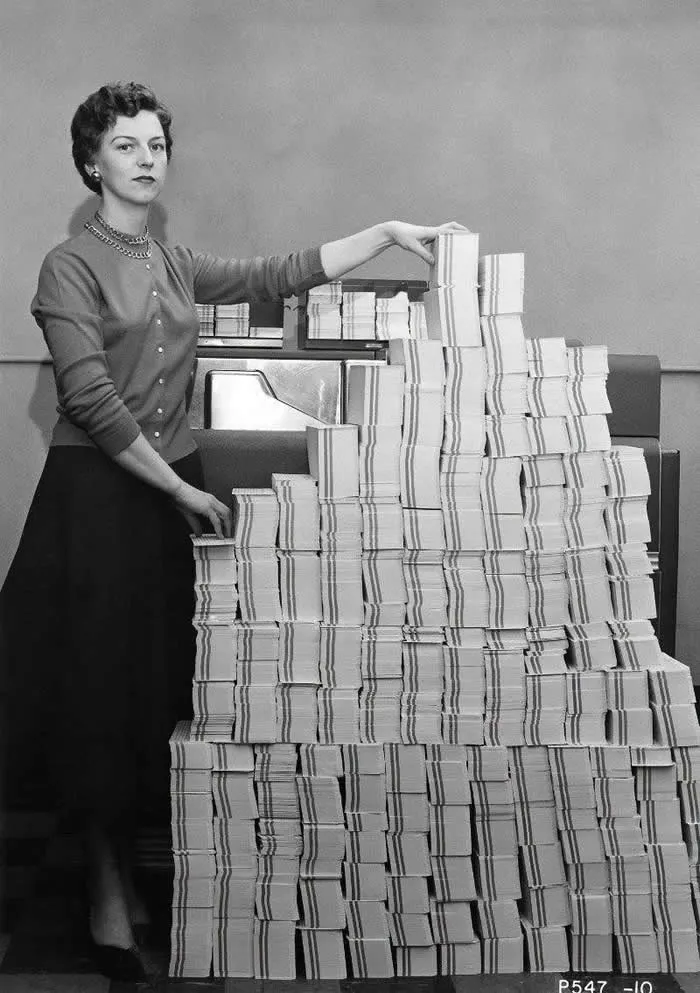
1966. What 5 megabytes of data used to look like: 62,500 punch cards stacked human-high.
Standard IBM punch cards could hold 80 characters each—one character per column. A stack of 62,500 cards held exactly 5,000,000 bytes. Punching meant physically keying in every single column. A single bent or missing card would break the entire program, and feeding the stack into a reader took days. For comparison, a single photo taken on a modern smartphone takes up a thousand times more storage space. 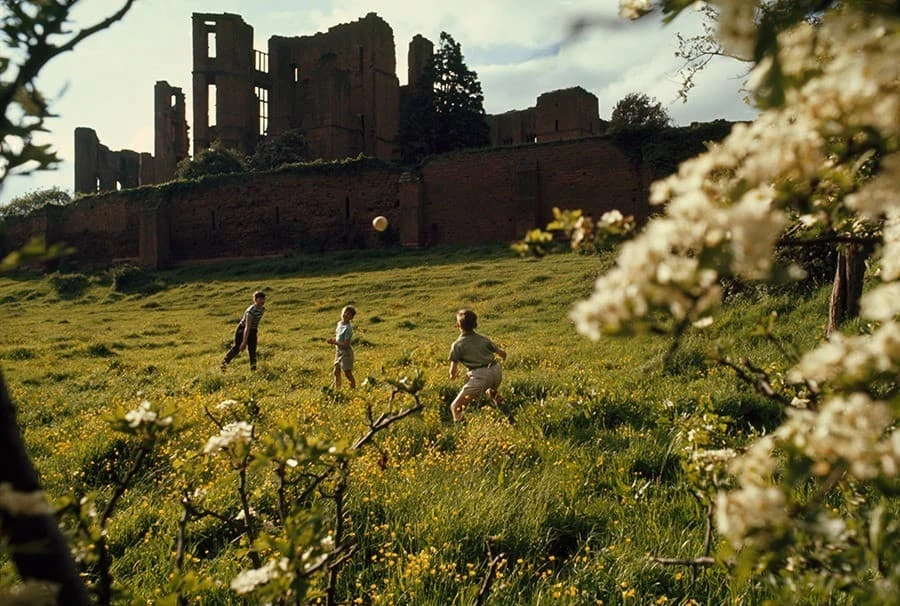
Warwickshire, England, 1968. Photo: Ted Spiegel/ National Geographic.
Ted Spiegel spent 30 years taking photos for National Geographic, frequently setting carefree children against historic architectural backdrops to create his signature thematic contrast. Warwickshire is famed for its grand castles, including Warwick Castle and Kenilworth Castle, immortalized in Sir Walter Scott’s iconic novel. 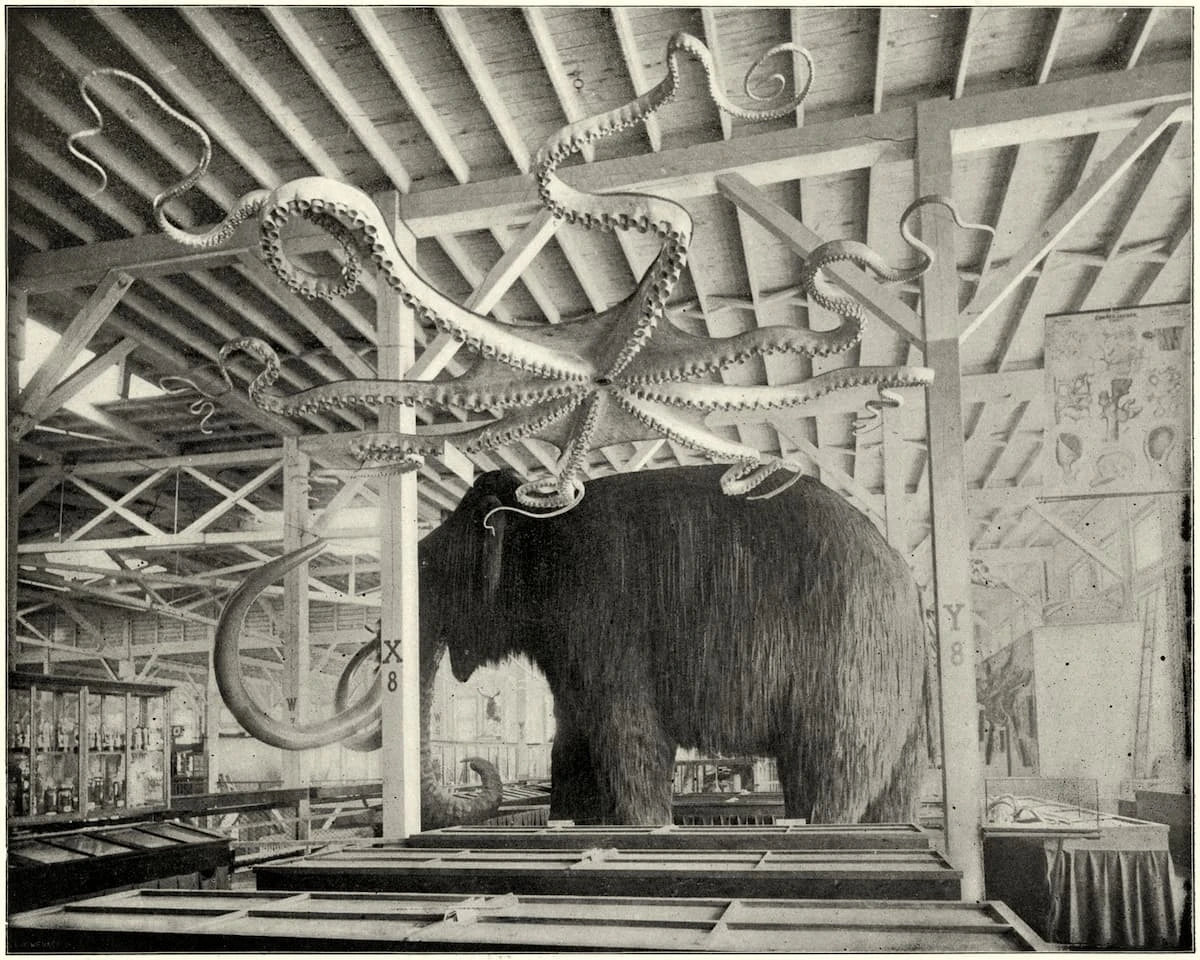
Chicago, 1893. A display hall before the opening of the World's Fair—featuring a mammoth model and a giant octopus to draw in crowds.
The 1893 World's Columbian Exposition in Chicago was a defining event of the 19th century: drawing 27 million visitors over six months, it debuted the original 264-foot Ferris Wheel and lit up an entire city complex with electricity. Mounting exotic taxidermy displays at exhibit entrances was standard practice, as natural history museums aggressively competed to showcase the biggest marvels. 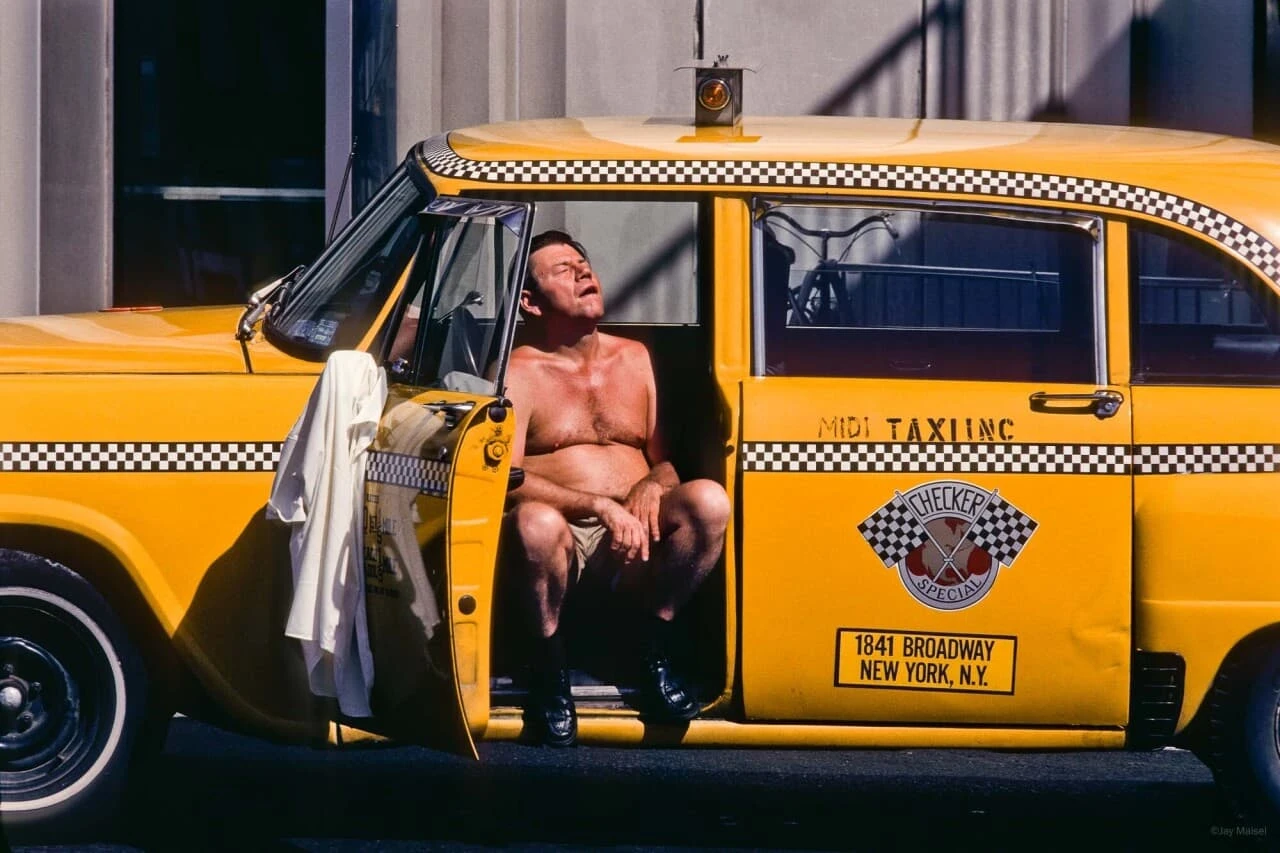
A New York City cab driver, 1983. Photo: Jay Maisel—master of color contrast and street photography.
Jay Maisel began shooting for Life magazine in the 1950s and went on to become one of New York City’s premier street photographers. In 1983, New York was grappling with high crime rates and economic distress—yet that raw urban chaos yielded some of the decade’s most compelling photography. 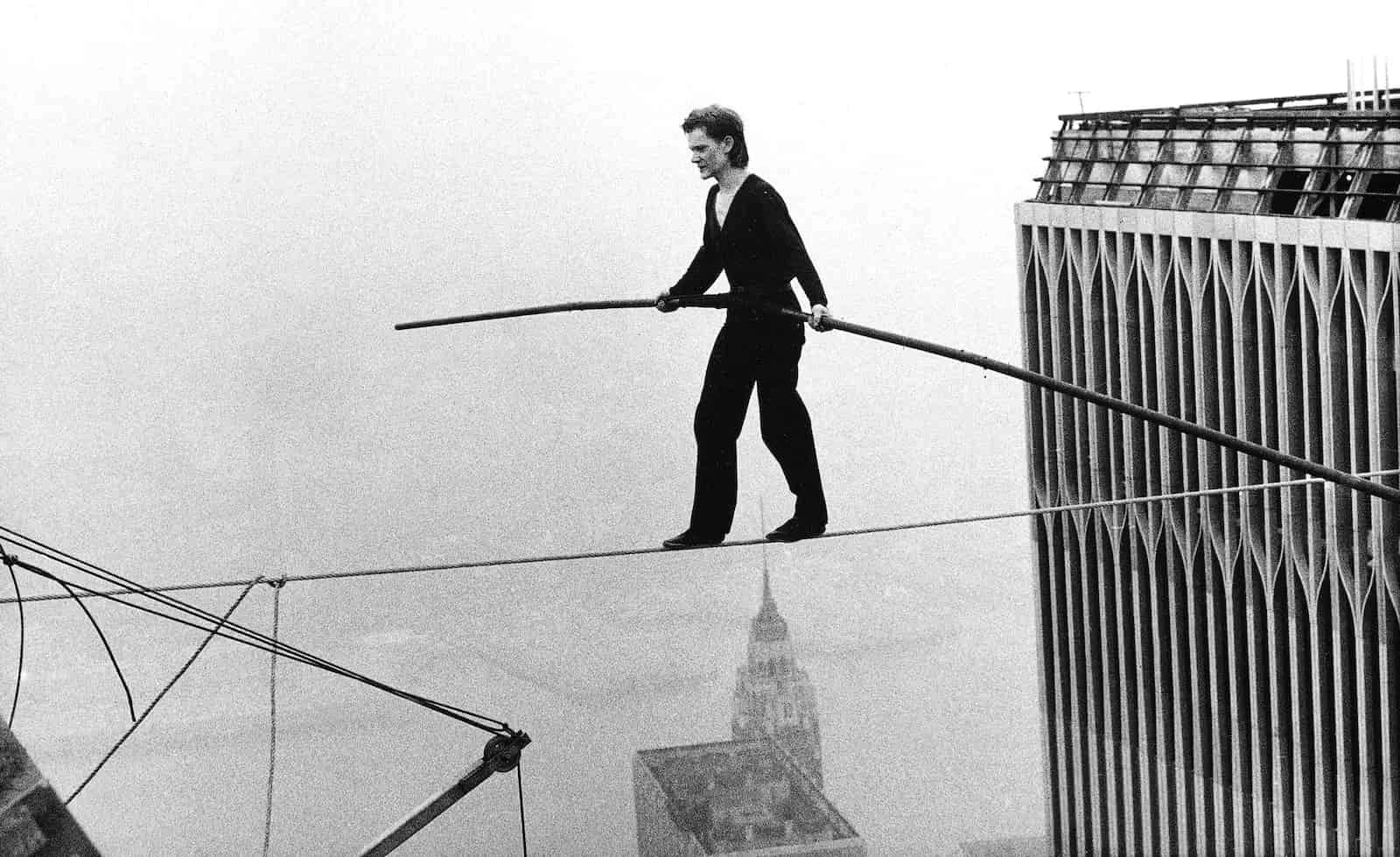
New York, August 7, 1974. Philippe Petit walks a high wire between the Twin Towers at a dizzying height of 1,350 feet (411 meters).
At 7:15 AM on August 7, 1974, 24-year-old French high-wire artist Philippe Petit stepped onto a cable rigged between the 110-story World Trade Center towers. With no harness and no safety net, he spent 45 minutes crossing the void eight times—dancing, lying on the wire, and saluting seagulls. Following his arrest, his "sentence" was a free outdoor performance in Central Park. Petit famously dubbed the stunt the "artistic crime of the century." 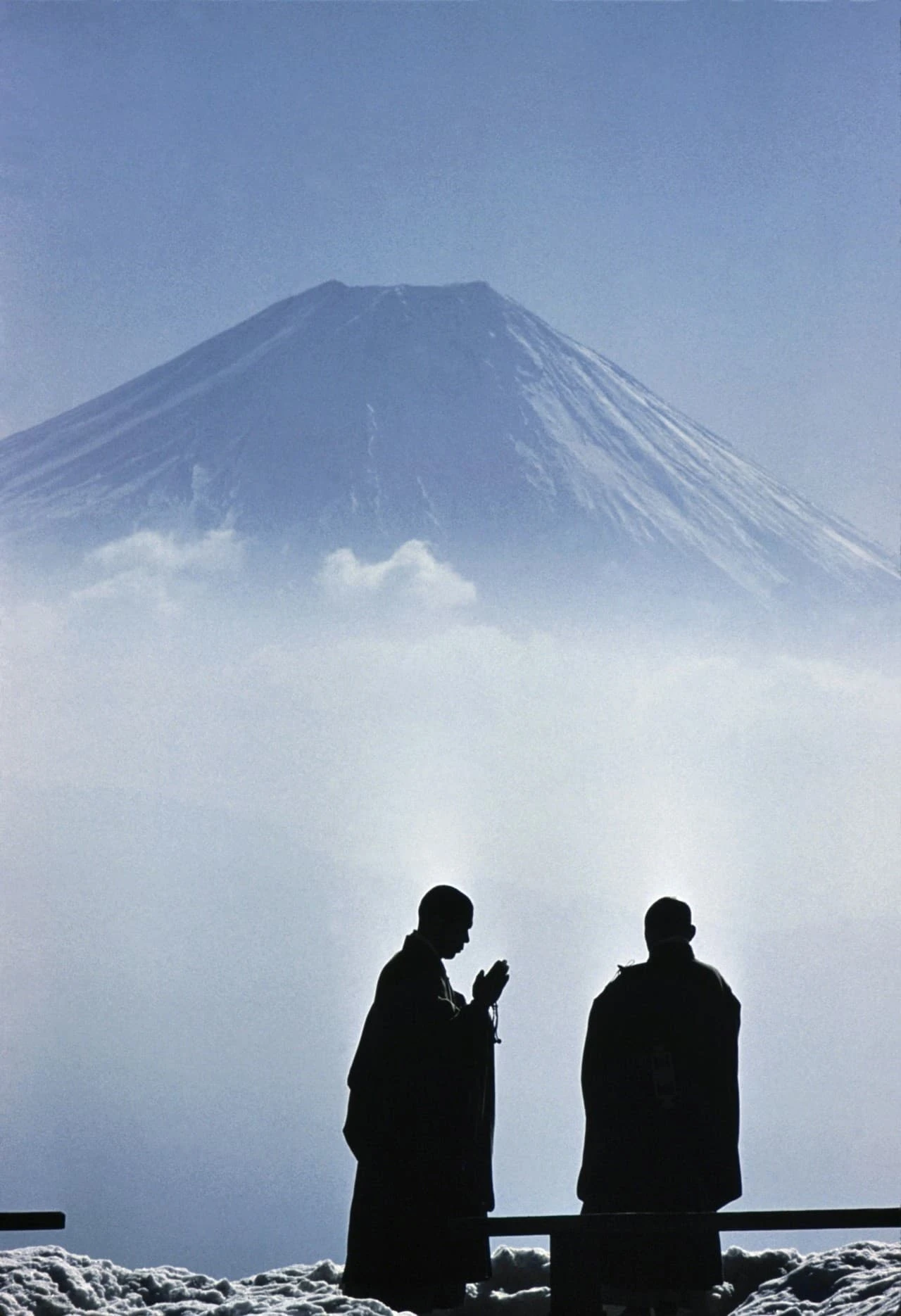
Japan, 1961. Photo: Burt Glinn/ Magnum Photos.
Burt Glinn joined Magnum Photos in 1954, covering world events ranging from the Cuban Revolution to peaceful changing seasons in Japan. Standing at 12,388 feet (3,776 meters), Mount Fuji is Japan's highest peak and a sacred Shinto-Buddhist pilgrimage site for over a millennium. In this shot, humanity and nature move on completely different timelines: the monks exist in fleeting moments, while Fuji stands for eternity. 
USSR, 1960s. Yuri Gagarin and Valentina Tereshkova—the first man and woman in space.
Gagarin launched into orbit on April 12, 1961, and Tereshkova followed on June 16, 1963. It would be another 19 years before another woman went into space (Svetlana Savitskaya in 1982). In this playful moment, Gagarin lightheartedly tugs Tereshkova's ear—though history leaves the backstory unexplained. Gagarin tragically died in a jet crash in 1968 at the age of 34. 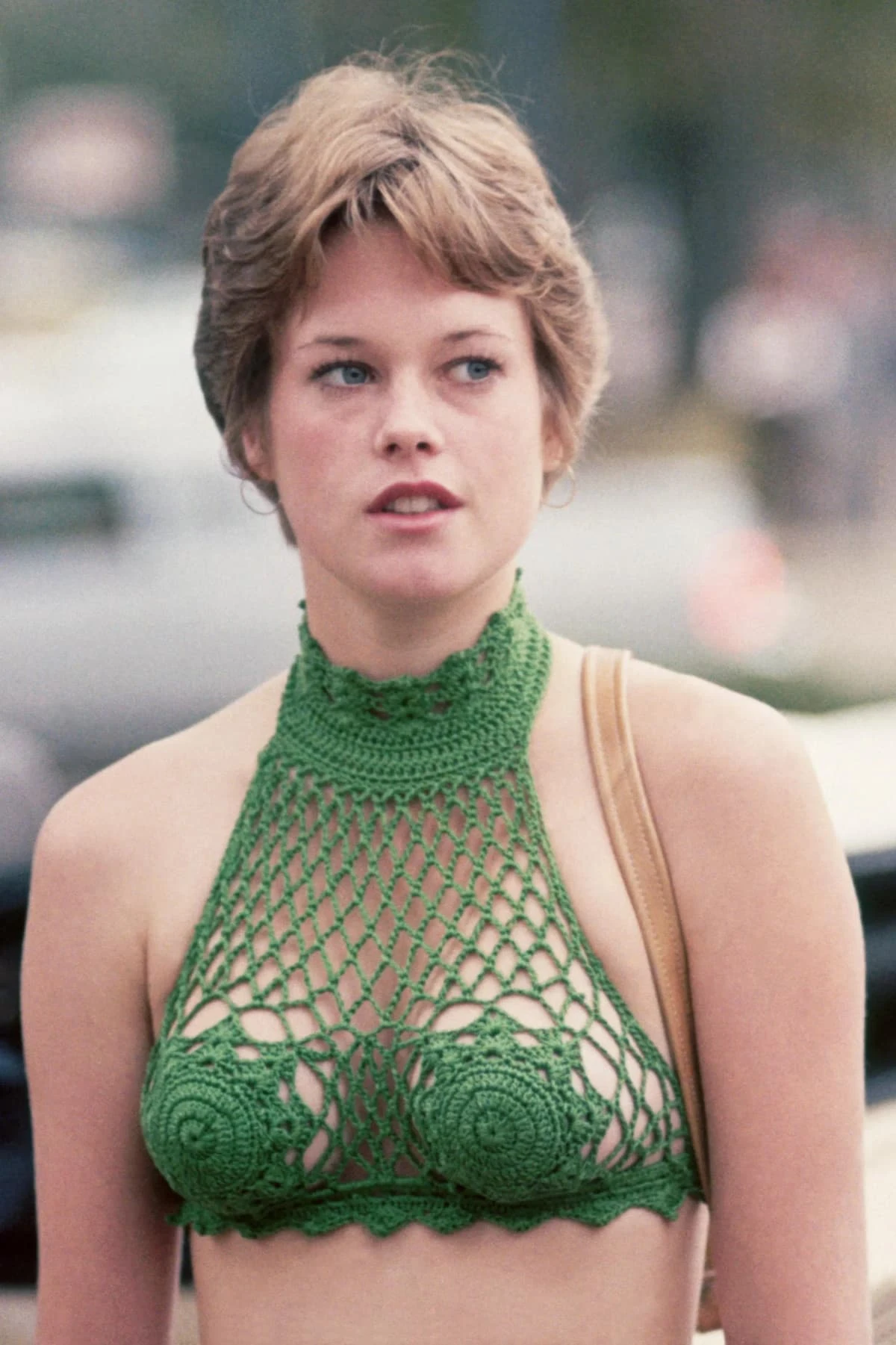
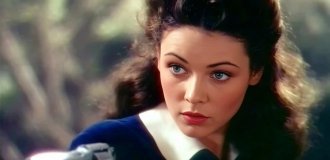
Melanie Griffith in The Drowning Pool (1975).
Melanie Griffith made her screen debut in 1969 at age 11. The Drowning Pool was a mystery neo-noir starring Paul Newman as private investigator Lew Archer. It marked one of Griffith's early breakout roles, long before her star-making turn in Working Girl (1988) earned her an Academy Award nomination.
Which photo in this collection struck you the most? The surfing gorilla, the ceiling-high stack of punch cards, or the Cobain family captured just months before tragedy struck?