How Jantzen Swimwear Revolutionized Beach Fashion (13 Photos)
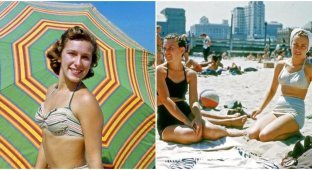
Once upon a time, swimsuits were known merely as "bathing suits" and served a strictly utilitarian purpose. To anyone living in the late 19th or early 20th century, the concept of a "sexy swimsuit" would have been completely foreign. The very first swimwear that could truly be called fashionable, stylish, and alluring came from the American brand Jantzen. 
The First "Wet" Suits
It all started with a modest outfit called the Portland Knitting Company, which sold knitwear in Portland, Oregon. Founded in 1910 by three entrepreneurs—John Zehntbauer, Carl Jantzen, and C.R. Zehntbauer—the firm focused on hosiery and sweaters and could hardly boast massive revenues. 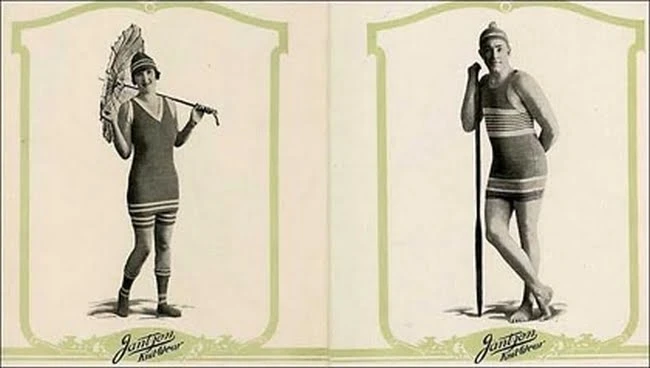
The three founders shared more than just a business; they shared a passion for staying active and loved rowing. All three were active members of the Portland Rowing Club. One day in 1913, a fellow club member asked if they could design a woolen suit for rowing during the chilly fall and winter months. 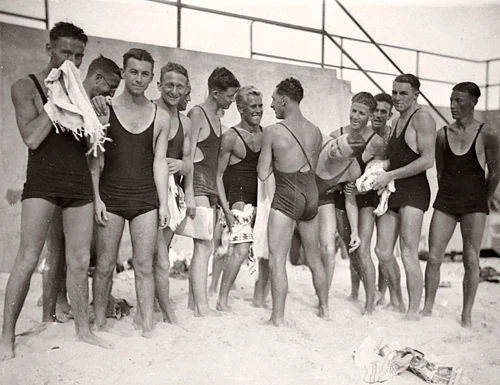
Before long, the Portland Knitting Company introduced the world’s first mass-produced thermal suit for water sports. Featuring rib-knit cuffs, the suit clung snugly to the athlete’s body. It was an instant hit—not just with rowers, but with swimmers and divers as well. While far from the modern swim trunks we know today, it was a breakthrough. The suits sold like hotcakes, leaving customers thrilled. Designing athletic gear struck a chord with the Zehntbauers and Jantzen. They doubled down on the idea, and the business took off.
Birth of a Brand: Highs and Lows
Even as World War I raged on, the swimwear market in the United States boomed. In 1918, the firm was renamed Jantzen Knitting Mills. Putting co-founder Carl Jantzen’s name front and center was no accident: he had spearheaded the company's new focus, pouring his time and energy into its success. By this point, men's and women's swimwear made up a substantial portion of the company’s product line. 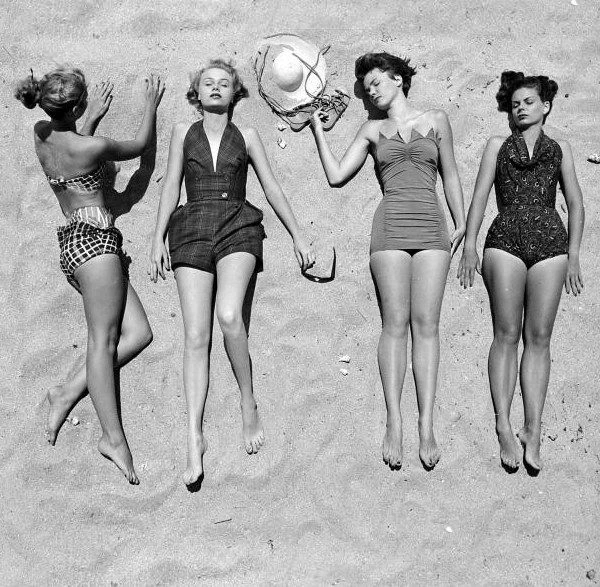
By 1920, billboards featuring glamorous women in Jantzen suits lined the streets of Los Angeles, San Francisco, and Miami. In 1921, Jantzen’s designs graced the covers of Vogue and Life—magazines that were already dictating the world's fashion trends. An aggressive international expansion soon followed. 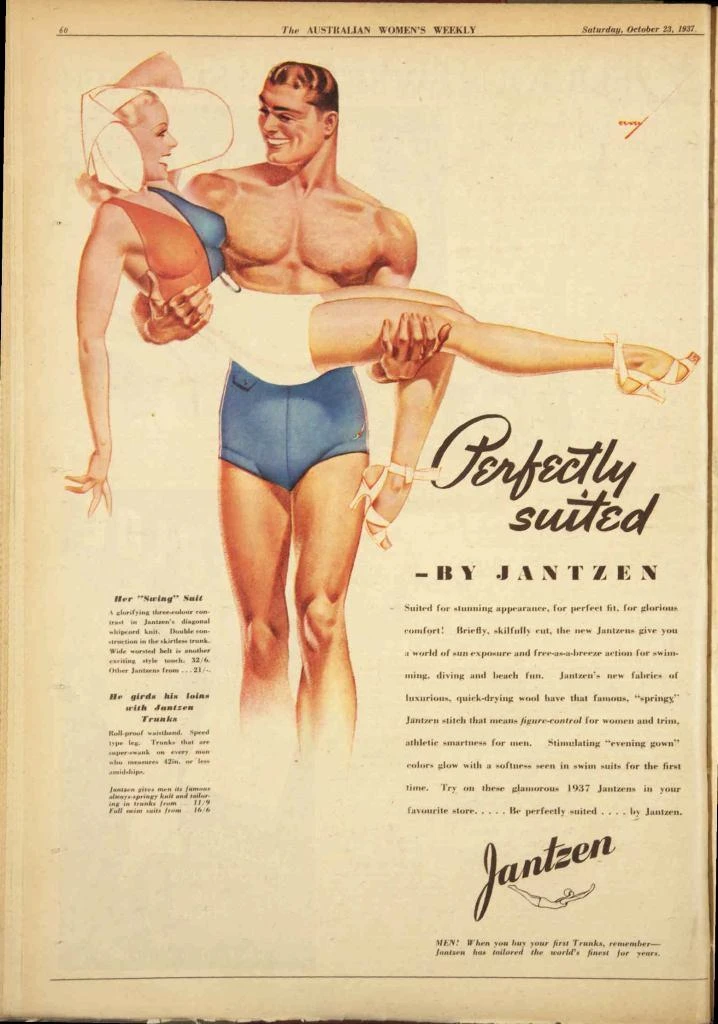
By 1932, Jantzen was undeniably a global powerhouse and a beachwear trendsetter across both hemispheres. In fact, it was ranked the seventh most recognized trademark in the world. Hard times, however, followed almost immediately. The Great Depression was hardly conducive to beach parties, forcing even the wealthiest to tighten their belts. As a result, Jantzen lost the bulk of its customer base and struggled to stay afloat. 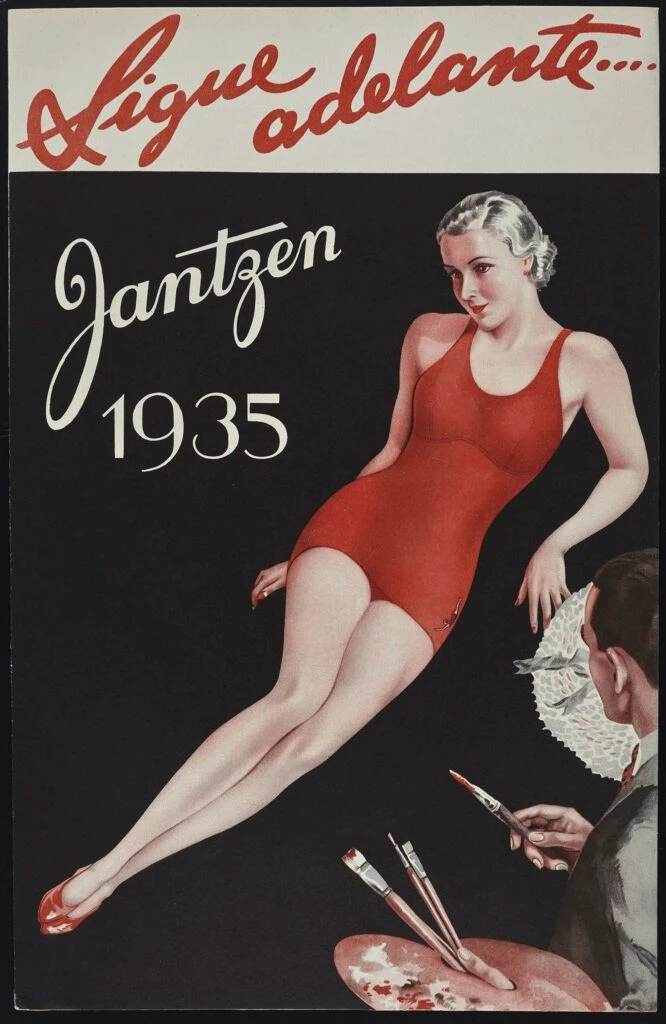
Fortunately, the company weathered the storm, rebuilding its production volume almost entirely just before the outbreak of World War II. However, the owners returned to their roots, manufacturing socks and sweaters once more. Hard times had taught them an important lesson: people can easily live without swimwear, but warm clothing remains essential in any crisis. Even so, the brand didn't abandon the beach, launching its "Sun Clothes" leisure and sportswear line in 1940, featuring cutting-edge swimwear. 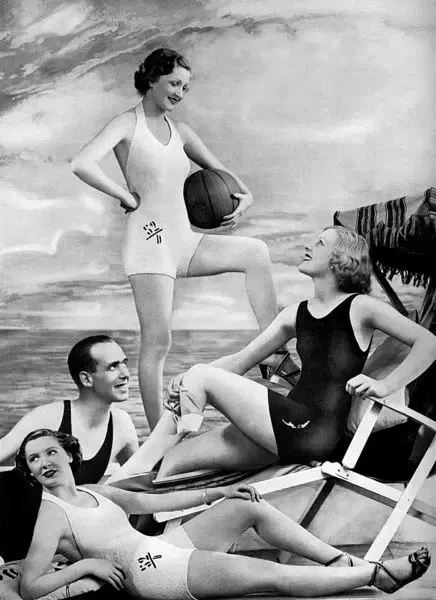
In 1941, the United States entered World War II, and Jantzen shifted almost entirely away from civilian production. The company returned to its usual catalog in the late 1940s, and in 1951 opened a new factory in Seneca, South Carolina. It also began partnering extensively with trading companies across Asia. 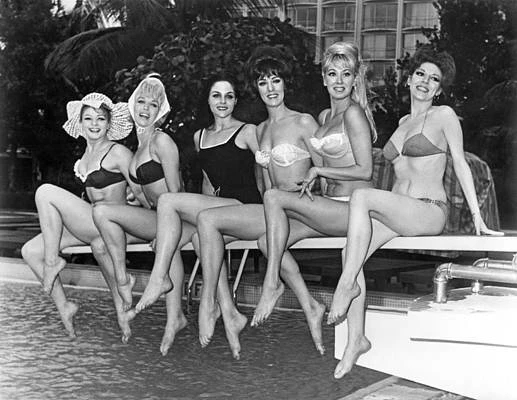
The Restless Years of Jantzen
In 1954, Jantzen Knitting Mills was streamlined simply to Jantzen Inc. The second half of the 20th century proved to be a whirlwind. The brand opened and closed manufacturing operations around the world at a rapid pace. From sweaters and socks to swimwear, lingerie, novelty adult merchandise, and athletic uniforms—there seemed to be nothing the American firm wouldn't try. 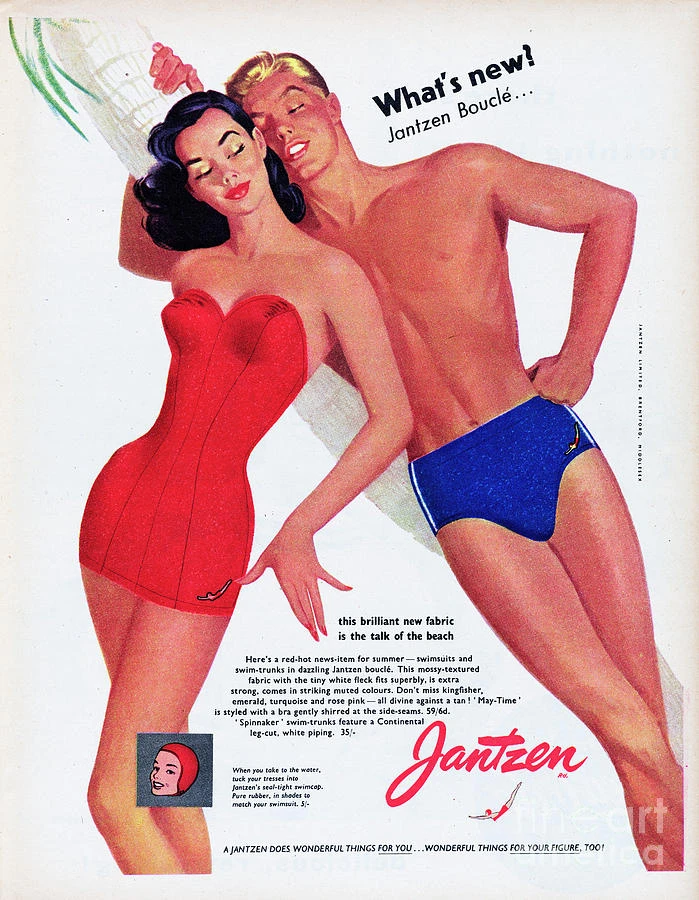
Daring experiments like adult novelty items were short-lived. The company was quick to dive into new ventures, but just as swift to pull the plug if they failed to deliver. By the 1970s, leadership realized that licensing the brand was far more lucrative than maintaining factories worldwide. However, the resulting influx of licensed merchandise somewhat diluted the label's prestige. 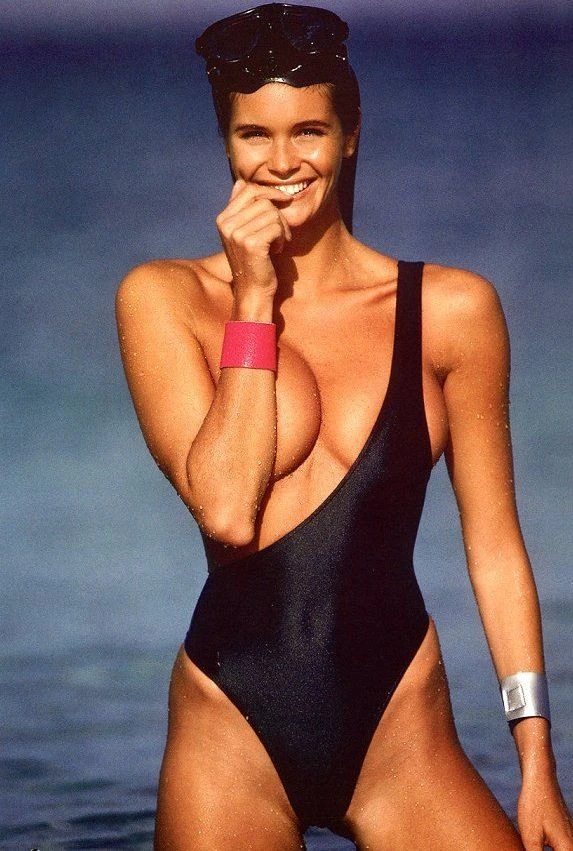
In 1980, denim giant Blue Bell acquired Jantzen Inc. By 1986, the brand had changed hands again, acquired by VF Corporation. Under the conglomerate's control, Jantzen was stripped of its status as an independent brand and reduced to a mere division. That could have been the final chapter for the storied Portland company, but fate had other plans. 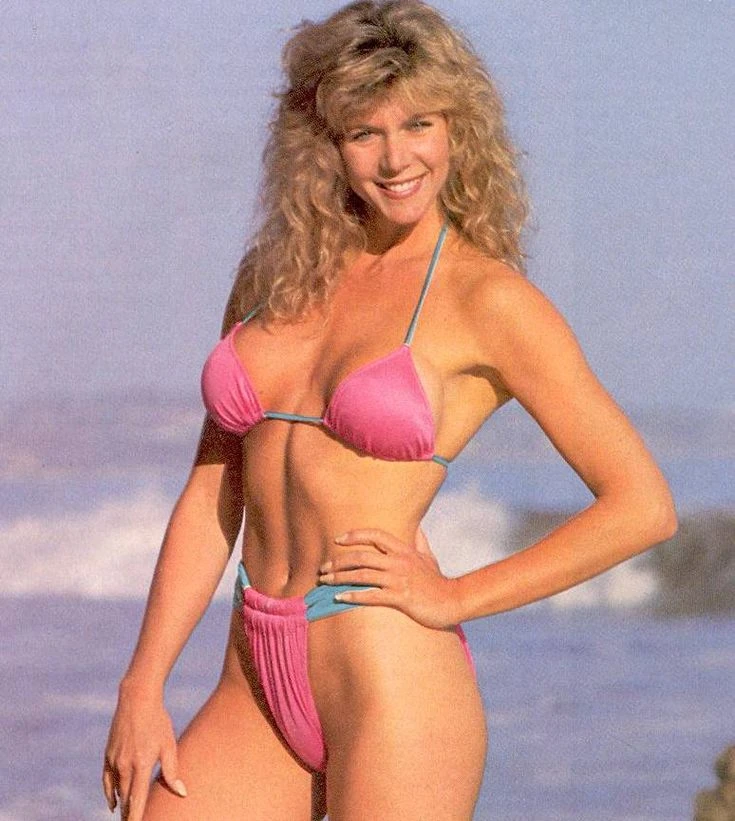
In the early 1990s, the brand regained its standing, marketing swimwear and women's apparel under its own iconic logo once again. In 2002, the label underwent its latest transition when Perry Ellis International purchased Jantzen from VF. Today, the company continues to cater to beach lovers with premium collections, its swimsuits remaining the timeless classics they have always been.