Why We Crave Blankets in the Fall: The Science and History of Seasonal Comfort (10 photos)
Every autumn, throw blankets reclaim their place as a household essential for millions around the world. But reaching for one isn't just about escaping the chill. The urge is intertwined with skin biology, Victorian fashion trends, and Danish philosophy. September 30 marks Cozy Knit Blanket Day—an unofficial holiday, but the perfect excuse to bundle up. 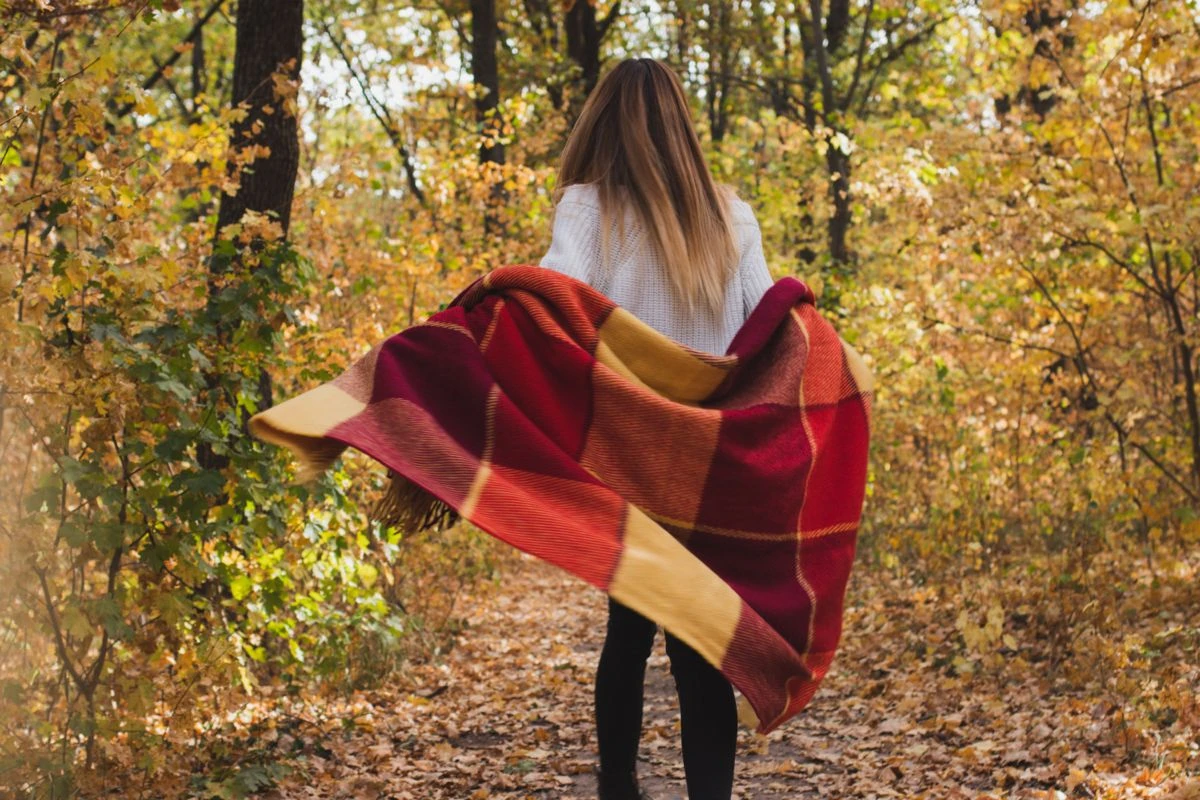
Why Our Bodies Crave Warmth as Days Grow Shorter
Starting in late September, daylight hours shrink noticeably. As the retina receives less sunlight, the brain produces less serotonin—the hormone responsible for mood and alertness. In search of a way to compensate for the slump, the body begins craving warmth, heavy fabrics, and physical touch. 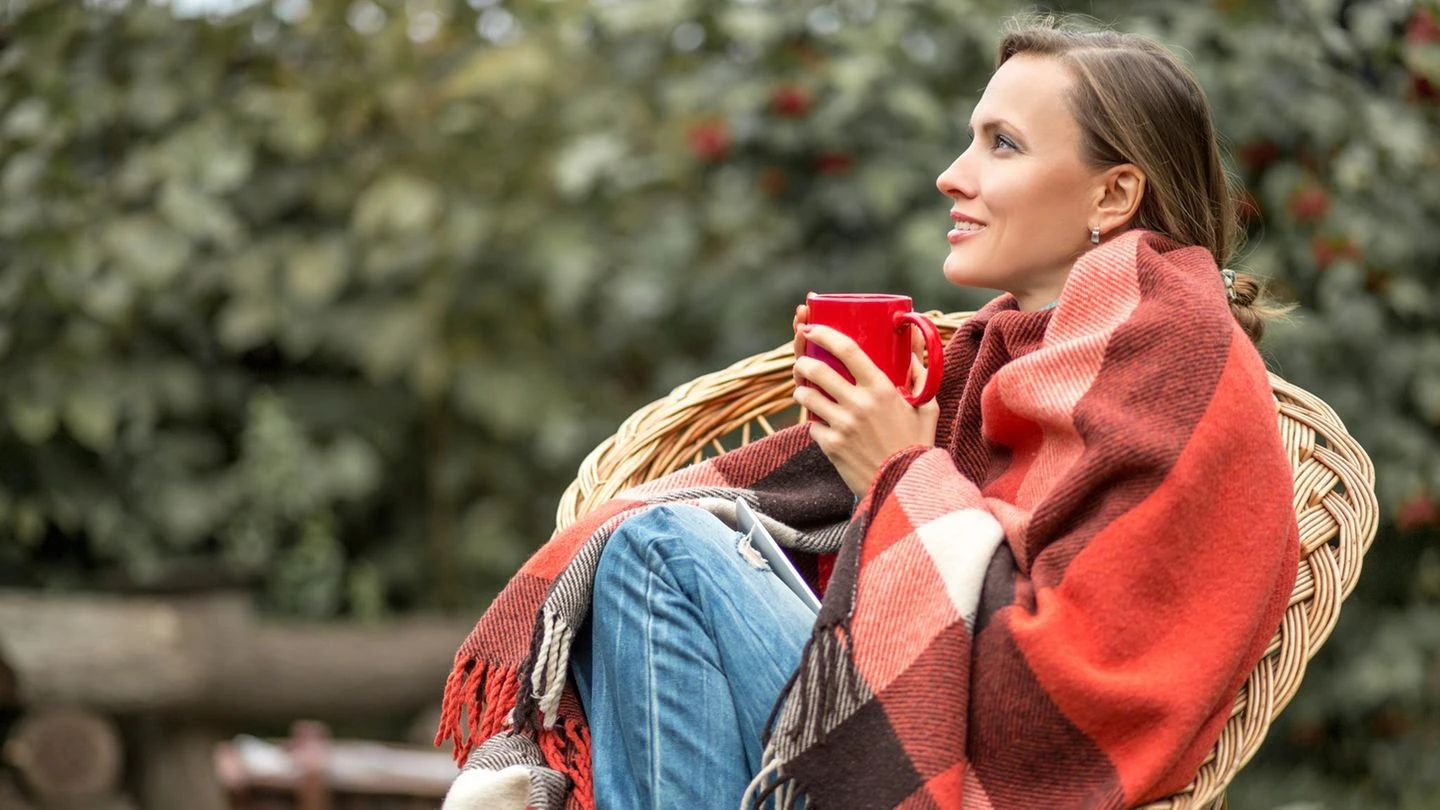
A cozy throw is the body's instinctive response to shortening days.
Often dubbed the autumn blues, this shift rarely amounts to a clinical diagnosis. Instead, it is the body conserving energy ahead of the cold season—a primal instinct to bunker down for winter. In that sense, a blanket acts as protective armor for the nervous system. By offering literal, physical warmth, it signals to the brain that there is no danger and it is safe to unwind.
A Touch as Soothing as a Hug
Human skin contains a specialized class of nerve fibers known as C-tactile afferents. They respond to slow, gentle touch—much like a soft caress. Studied extensively by researchers at the University of Liverpool and the University of Manchester, these fibers send signals straight to brain regions responsible for pleasure and emotional bonding. 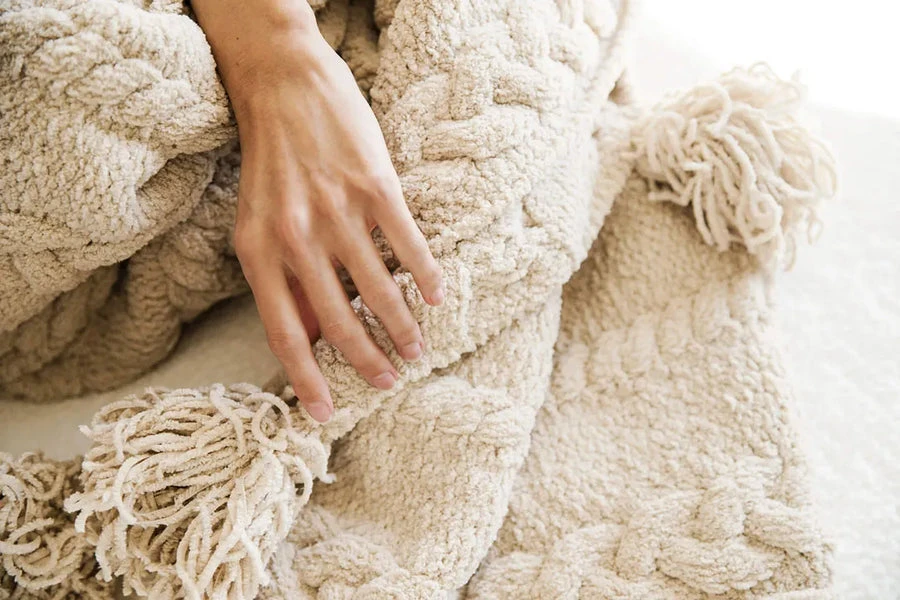
A blanket's soft texture stimulates the skin much like a gentle caress.
The weight and texture of a blanket activate these exact receptors, sending signals to the brain that mimic the sensation of a hug, even when you're alone. At the same time, levels of the stress hormone cortisol begin to fall. That is why curling up under a throw can feel just as comforting as a heart-to-heart conversation with a loved one. Scientists believe this mechanism also explains why weighted blankets are so effective at easing anxiety.
The Plaid Revolution: From the Scottish Highlands to Aristocratic Salons
The word "plaid" comes from Scottish Gaelic, where "plaide" simply meant "blanket." Scottish highlanders wrapped themselves in large lengths of woven woolen cloth that served as both a cloak and bedding. The widespread belief that each clan had its own distinct pattern is actually a myth—historians view this tradition as a 19th-century invention rather than an ancient custom. 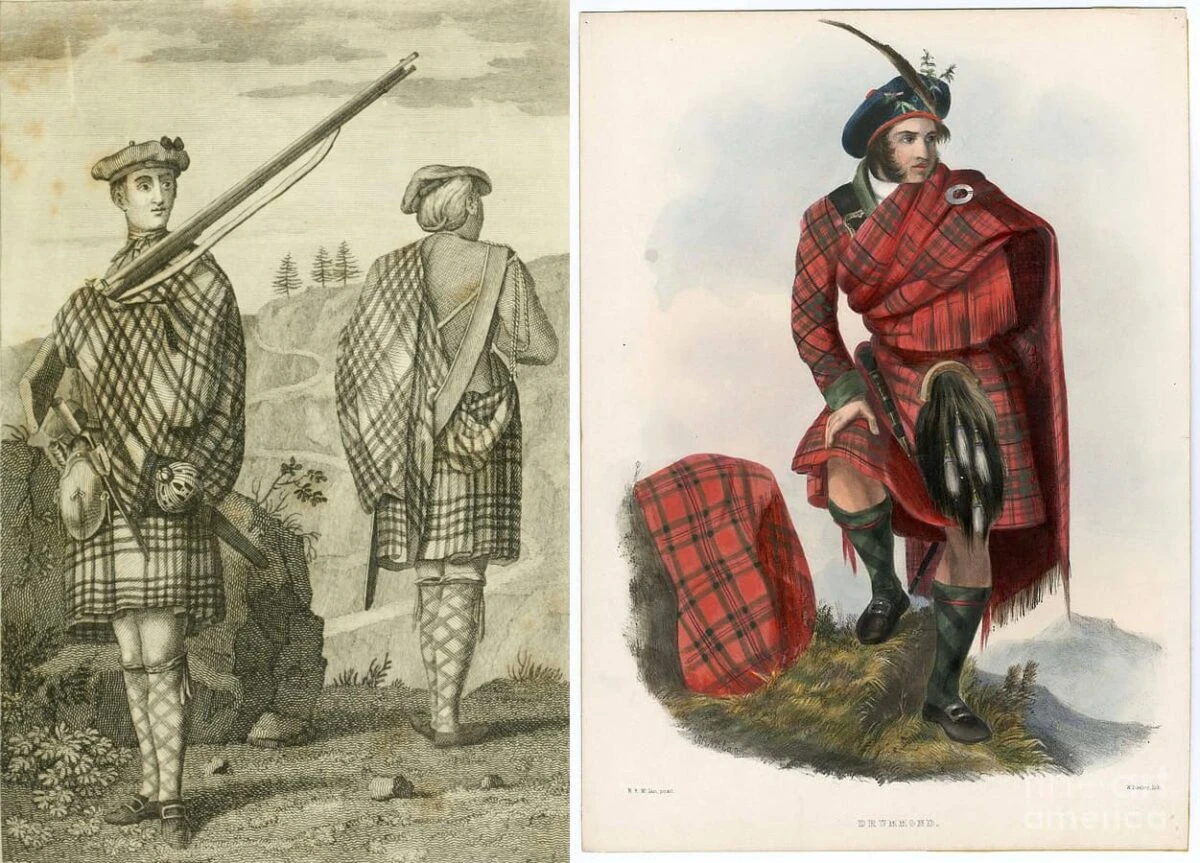
Scottish highlanders wore a large piece of tartan cloth that doubled as clothing and shelter.
The turning point arrived in the mid-19th century. Queen Victoria fell in love with Scotland and purchased Balmoral Castle. She and Prince Albert commissioned a custom tartan for the estate, decking out the carpets, curtains, and upholstery in plaid. This royal trend quickly swept across Europe, transforming tartan from rugged military and peasant garb into high society chic. 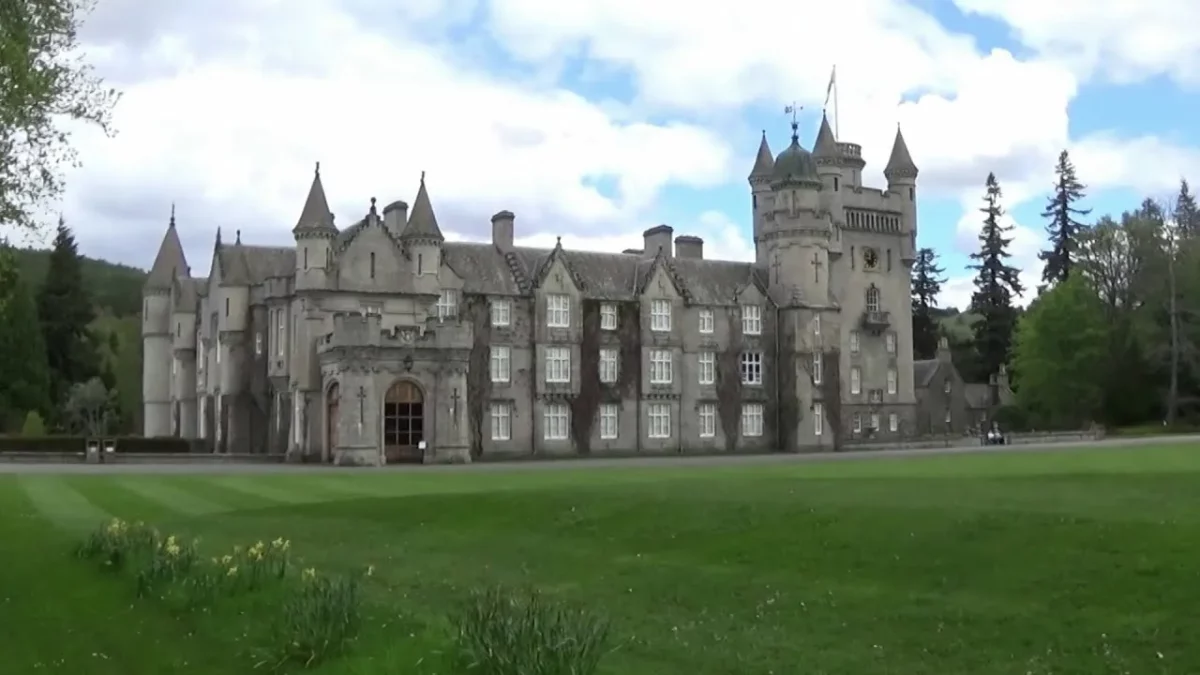
Balmoral Castle, rebuilt for Queen Victoria and draped in tartan from floor to ceiling.
From that moment on, the blanket stepped far beyond the borders of Scotland. What had once been a warrior's cloak became an enduring symbol of domestic comfort and prosperity.
A Revolution Without Needles: The Rise of Hand-Knitted Blankets
In the 2010s, Kyiv-based Ukrainian artisan Anna Marinenko began knitting blankets entirely by hand, without needles. Working with super-chunky yarn she had on hand, Marinenko used her fingers to create massive, multi-inch stitches. She went on to name her brand Ohhio. 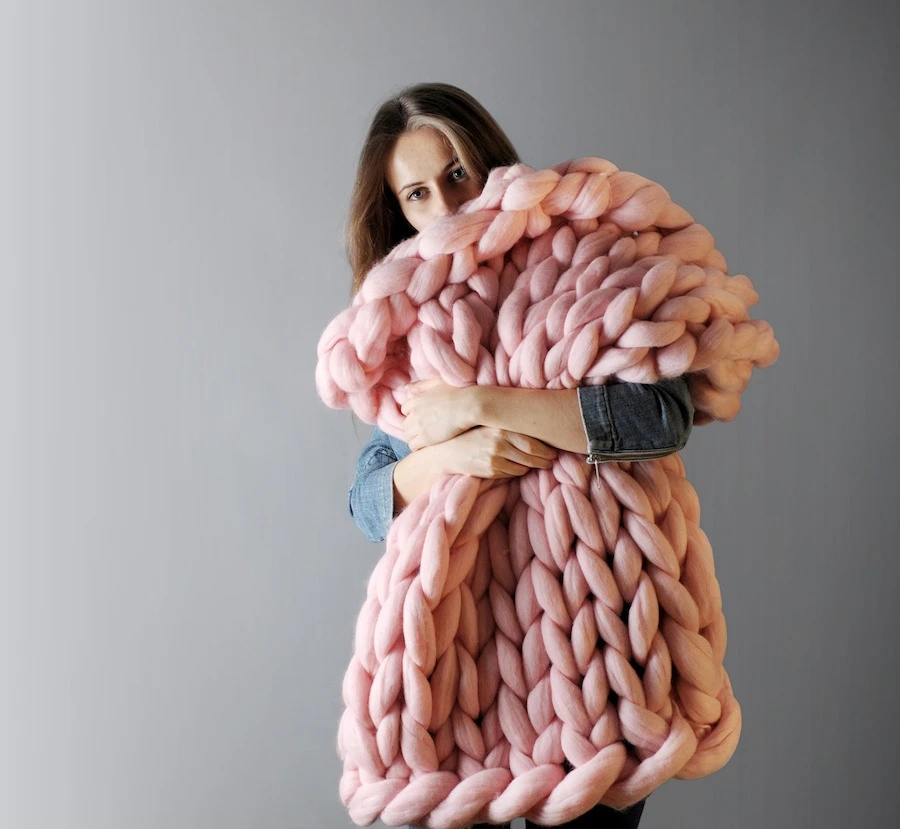
The stitches in Ohhio blankets are several inches thick and can only be knitted by hand.
Photos of the chunky creations went viral almost overnight. Fashion designer Christian Siriano even showcased arm-knitted blankets and scarves at New York Fashion Week. In no time, one artisan's DIY project blossomed into a global home decor trend. To this day, chunky knits remain one of social media's most iconic symbols of coziness.
Hygge: How the Danes Mastered the Dark
The word "hygge" boasts a long history, first appearing in written Danish in the 19th century, nearly two hundred years ago. While notoriously hard to translate, its essence comes close to "cozy contentment" or "warm serenity." 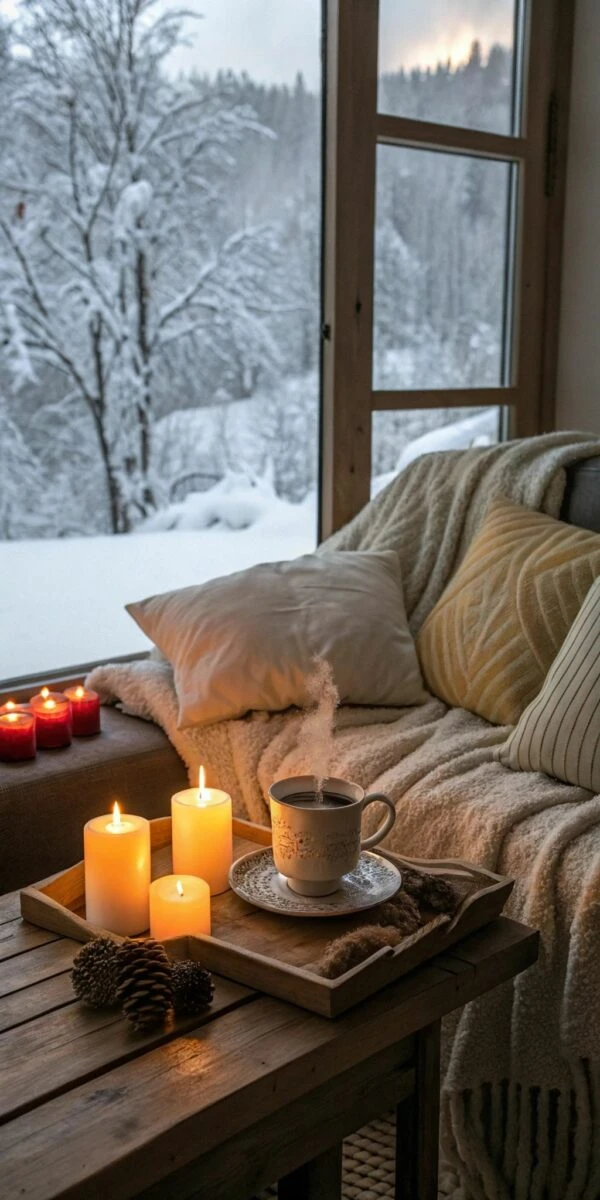
Candles and a warm blanket are more than mere decor in Denmark—they are central to the daily ritual of hygge.
According to Statistics Denmark, the country sees rain or snow about 121 days a year—ideal conditions for cultivating an appreciation for indoor comfort. In fact, research firm Statista reports that Danes burn through more candles per capita than anyone else in Europe. All the while, Denmark consistently ranks among the happiest nations on Earth. 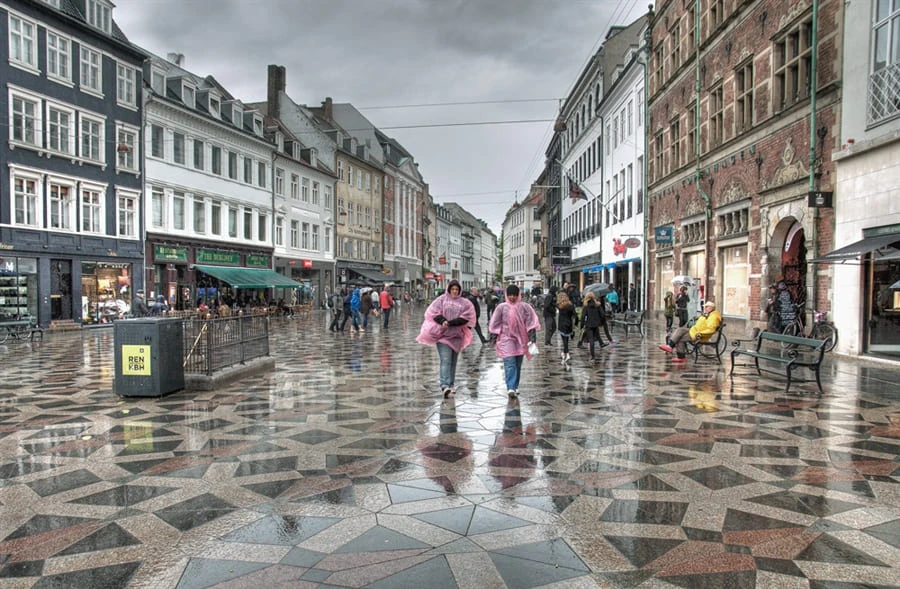
Denmark's drizzly weather is a big reason why hygge evolved into a national philosophy.
In 2016, "hygge" was shortlisted for Oxford Dictionaries' Word of the Year, and in 2017, it earned an official entry in the Oxford English Dictionary. A local Danish concept had officially become part of the global lexicon of comfort.
A Record-Breaking Blanket: 3,952 Square Meters of Coziness
The world's largest knitted blanket is an official Guinness World Record. Crafted by a team led by Kanika Kapur in Dubai, United Arab Emirates, the record was set on September 13, 2019. Spanning a staggering 3,952 square meters, the blanket was large enough to cover several football pitches. 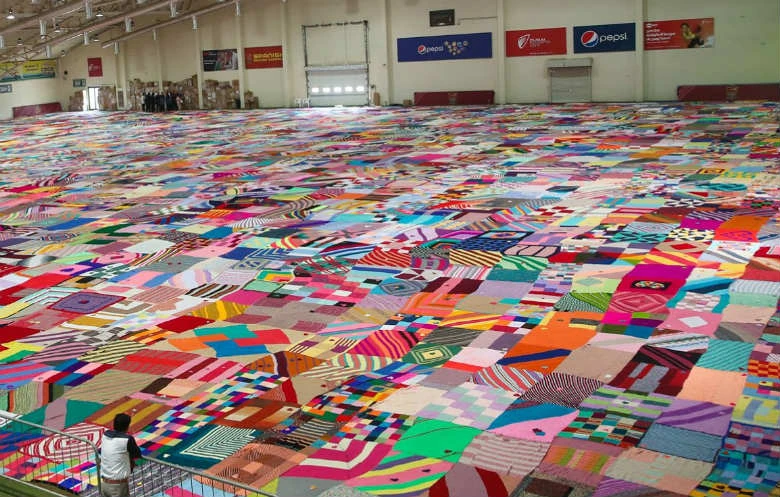
The record-breaking Dubai blanket was later divided up and donated to orphanages.
Once the measurements were verified, the blanket was disassembled into individual throws and distributed to orphanages worldwide, turning an ambitious world-record attempt into a heartfelt charitable mission. Similar large-scale knitting initiatives have since been staged in Ireland and the UAE.
Street Art Spun from Yarn
In 2005, Houston artist Magda Sayeg knitted a custom cozy for her boutique's doorknob. Passersby immediately took notice, stopping to snap photos of the quirky touch. Delighted by the response, Sayeg took it a step further and wrapped yarn around a nearby stop sign. That playful experiment gave birth to the global movement known as yarn bombing, or knit graffiti. 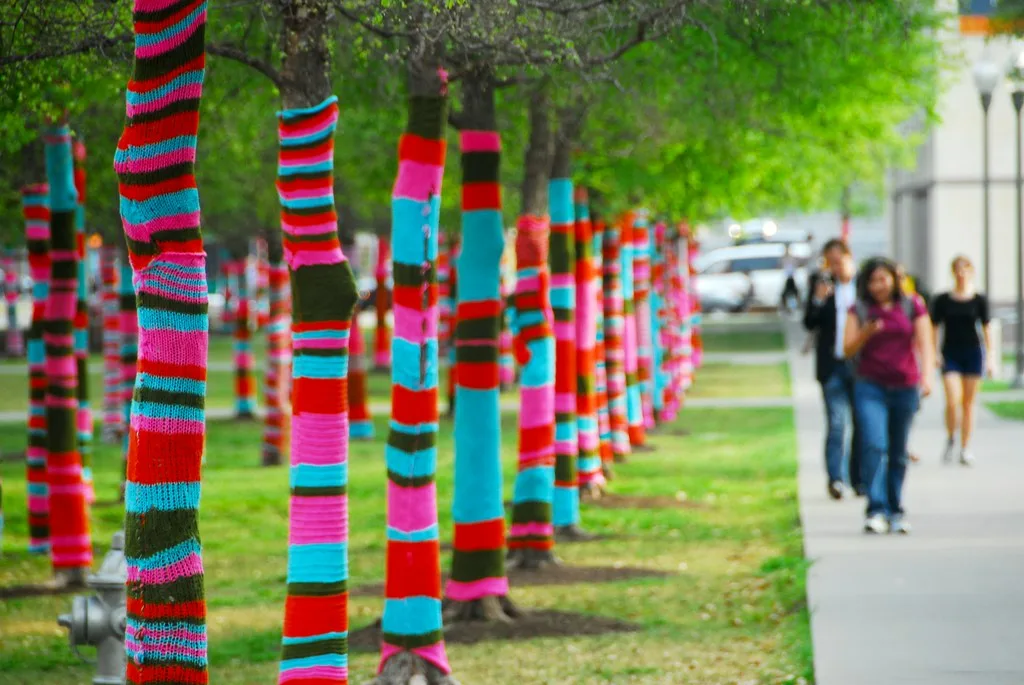
Lampposts, trees, and park benches serve as familiar canvases for yarn bombers around the world.
Today, yarn bombing brightens streets across dozens of countries, with artists dressing up trees, park benches, and even city buses in colorful knitwear. It remains a gentle, non-destructive form of street art: yarn leaves no trace and can be easily removed. In that sense, the blanket has come a long way—from a warrior's Highland cloak to whimsical urban decor.
From Scottish clan tartans to Dubai's record-setting creation, the humble throw blanket weaves biology, fashion, and street art into a single cozy tale.
What does a blanket mean to you: just an extra layer on the sofa, or an essential daily ritual of comfort?