Foie Gras, Oysters, Cognac, and Cigars: How Winston Churchill Indulged Himself During WWII (8 photos)
We all know about the historical impact of world leaders, their monumental actions, and even their personal lives. But we rarely hear much about their dining habits. What were the favorite dishes of Winston Churchill—one of the mid-20th century's most pivotal political figures—at a time when half the planet was engulfed in World War II? 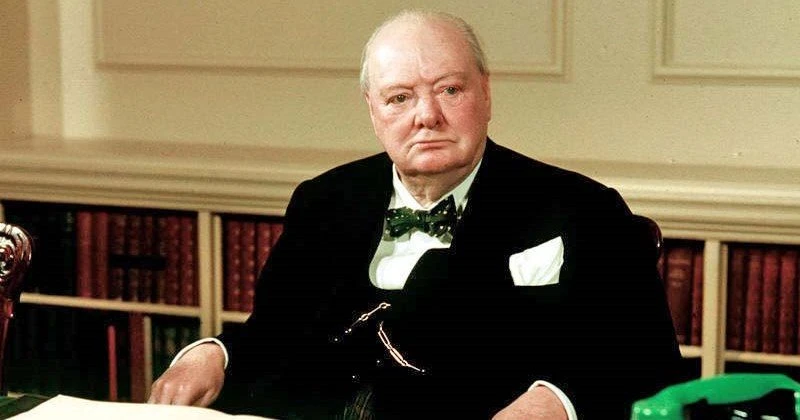
Sir Winston Leonard Spencer Churchill was the leader of one of the few nations that stood firm through the horrific meat grinder of the twentieth century's deadliest conflict.
In 2002, he was voted the Greatest Briton of all time—a title few could dispute. But what was actually served at the table of the man making these fate-defining decisions for his country? 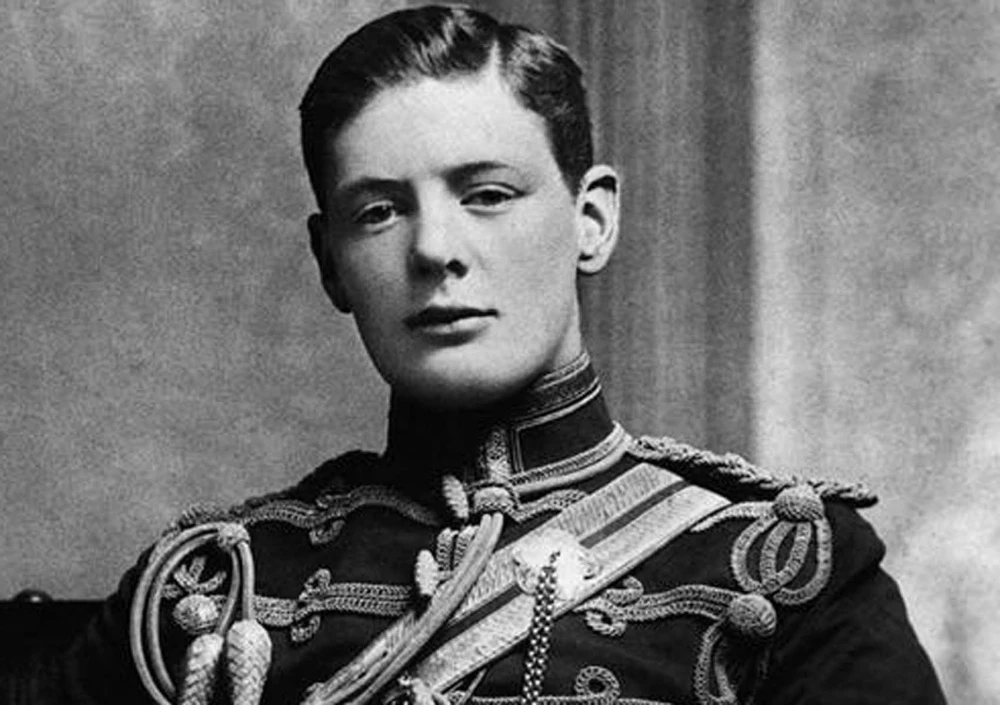
Sir Winston Leonard Spencer Churchill in his youth
As it turns out, Winston Churchill was a firm believer in fine food, deep sleep, and a good drink when the mood struck. As a scion of the Dukes of Marlborough and born into an ancient aristocratic family, he never abandoned the grand tastes of his titled ancestors.
"All you need in life is a hot bath, cold champagne, fresh peas, and old cognac." 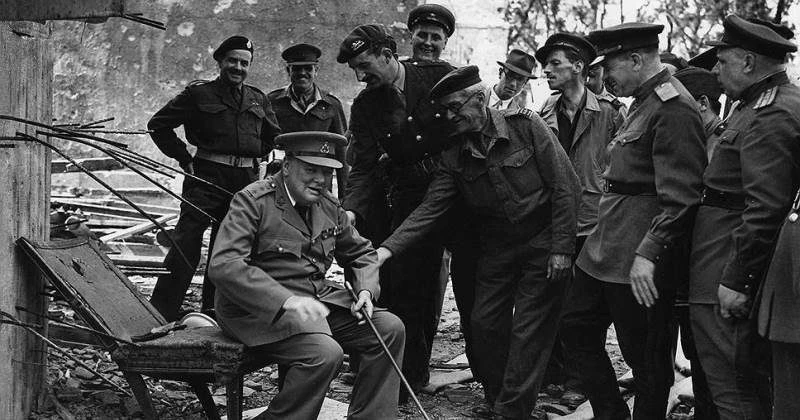
Here, Churchill was being a bit modest: he generally favored far more sophisticated cuisine than humble peas washed down with fine spirits. For the British Prime Minister, every meal was a sacred ritual—so private, in fact, that even his beloved wife was rarely invited. Legend has it that in his later years, Churchill could recall only a couple of occasions over 40 years of marriage when his wife joined him for lunch, admitting candidly that he hadn't enjoyed the experience.
The Prime Minister liked to start his morning with melon, followed by an omelet or a classic dish of bacon and eggs. But that was merely the warm-up; the main event of his breakfast featured roast chicken or a solid chop. To round out the meat courses, he was served coffee with cream alongside buttered toast and jam. 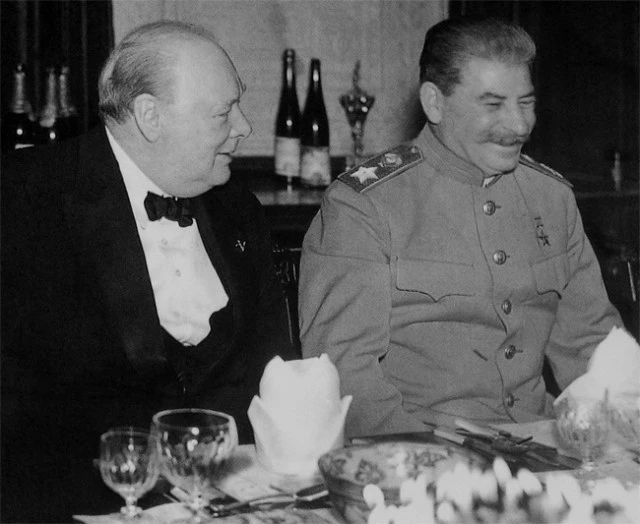
Two gourmets at the same table
Having dined so heartily, Sir Winston would then set off... not to his office, nor to address workers at a tank factory. Instead, he would retreat to his bedroom for an hour's nap. Only after his morning rest did he turn his attention to urgent affairs of state.
Between breakfast and lunch, Churchill—ever loyal to tradition—enjoyed a late-morning meal. Here, the aristocratic leader indulged in oysters, a habit he had acquired while living in France. Following the shellfish, depending on his mood, he might request Savoy potato soup or baked salmon. 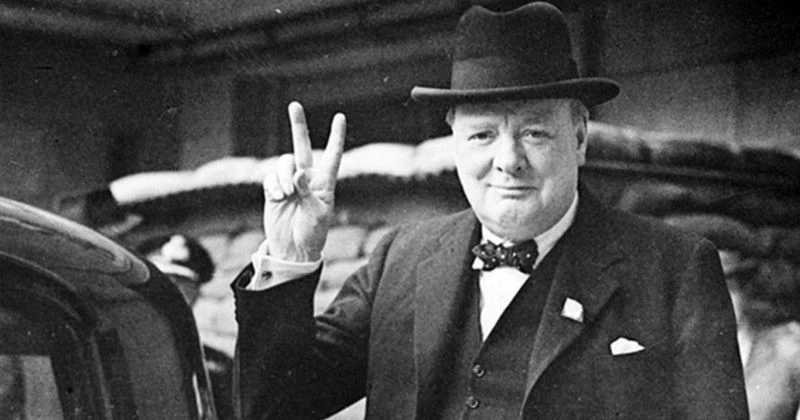
For lunch, Winston Churchill preferred a feast. Roast venison, foie gras, roast beef with Yorkshire pudding, and truffle sauce—his appetite could easily rival Gargantua's. Cheeses were never forgotten either: Swiss Gruyère was held in high regard, while English Stilton was his favorite finale. Port was a staple lunch companion. On days when he wasn't in the mood, however, he would forego the feast altogether and simply request a tin of sardines. A large one.
Such a heavy meal didn't mean dessert was off the table. He would request ice cream or an éclair, washed down with strong coffee and brandy. Lunch was always capped off with a cigar before Churchill got back to work. 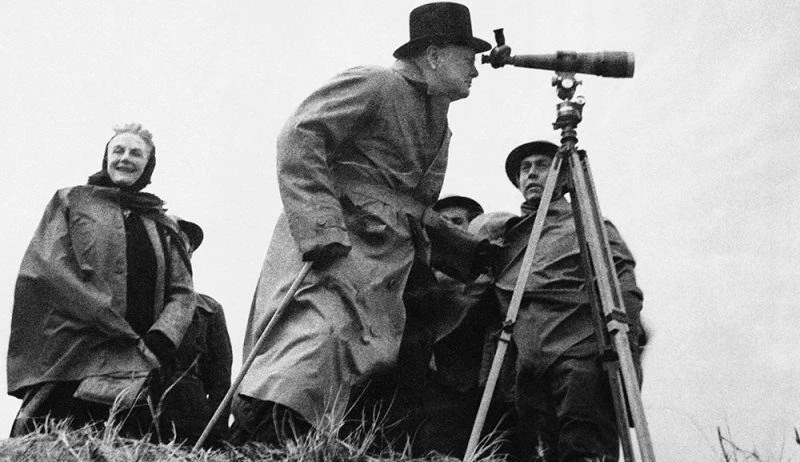
Contemporaries recalled that the great statesman was meticulous about table settings and might reject a dish for reasons known only to him. In one famous incident, Sir Winston ordered a pudding sent back to the kitchen because, in his words, it "had no music."
Dinner began with a modest meat broth, followed heartily by a substantial sandwich paired with champagne. Interestingly, despite being an unrepentant carnivore, Churchill was deeply saddened whenever livestock was slaughtered on his farm. 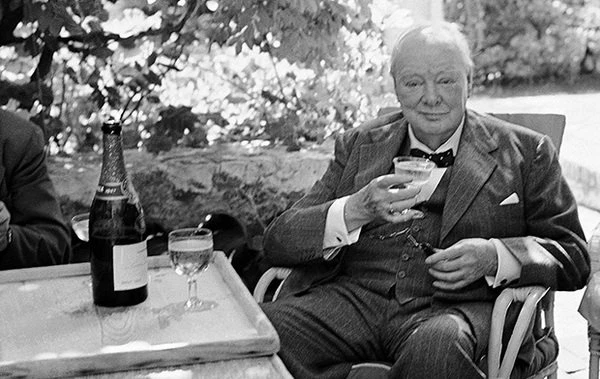
Churchill had a legendary, complex relationship with alcohol. Rumor had it that he could drink cognac endlessly. Yet, there is no solid evidence that the Prime Minister suffered from alcoholism—a glass of cognac and a cigar were simply part of Sir Winston's public persona, which he believed brought him closer to the people.
A case in point occurred in 1947. After undergoing hernia surgery, doctors forbade him from smoking. Though he followed their orders strictly, he would still light a cigar before every public appearance so as not to disappoint his audience. 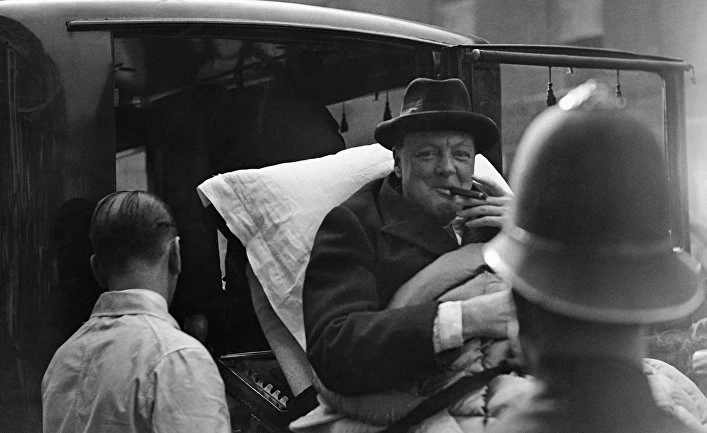
Even in an ambulance, Churchill refused to part with his signature cigar
Remarkably, despite ignoring diets, indulging in alcohol and heavy smoking, and holding a complete disdain for exercise, Sir Winston Churchill lived to a ripe old age while retaining a sharp mind and vibrant spirit. He passed away in 1965 at the age of 90, outliving all the wartime heads of state.