Fur-Covered Bindings: What Scientists Found on Medieval Books (3 Photos)
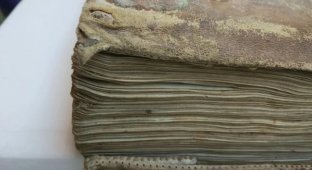
Some medieval manuscripts have survived with unusual outer covers that still retain hair on the leather. Long believed to be pigskin or deer hide, recent analysis reveals that seal skin was also used. 
Troyes Manuscript Ms. 35, c. 1141–1200.
A 2025 study examined 12th–13th century bookbindings from Clairvaux and affiliated Cistercian monasteries. Collagen protein analysis linked the samples to pinnipeds, while ancient DNA in select cases specifically identified harbor and harp seals. 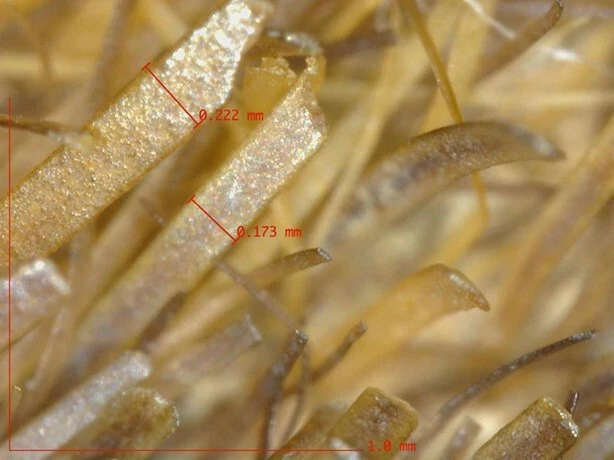
A hair on the manuscript's protective cover
Comparisons with genetic data from modern populations point to a Northern European and North Atlantic origin for the material. This provides evidence of long-distance trade networks connected to monastic workshops, though the exact route of each hide cannot be fully traced.
These findings apply to the protective outer chemise binding rather than the pages themselves. The brownish hue of the surviving fur is also not necessarily original, as the material altered over time. Featured in the photos are a manuscript from the Troyes collection and magnified close-ups of the hair fibers. 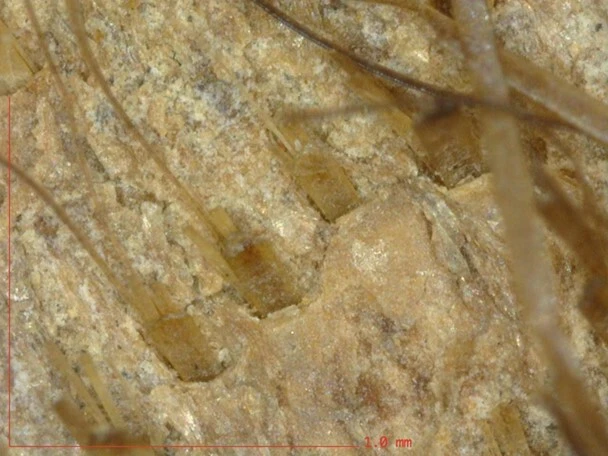
Hair fibers and their arrangement on the hide