How Coffee Was Used Before It Became a Brew: You’ll Be Surprised... (6 photos)
Coffee is one of the most popular beverages on Earth. For millions, starting the day without a fresh, fragrant cup is unthinkable, while others sip it all day long. Beyond drinking, coffee finds its way into cooking, medicine, and the beauty industry. Yet few realize that this global favorite had a rather unglamorous start—and back then, almost nobody thought to actually brew the beans into a drink. 
The tradition of coffee drinking is believed to have originated in the Middle East during the 15th century. What happened to coffee before then remains obscure to most people. For historians and scientists, however, it is no secret: they have traced coffee's history long before it became a staple in Persian and Arab coffeehouses. 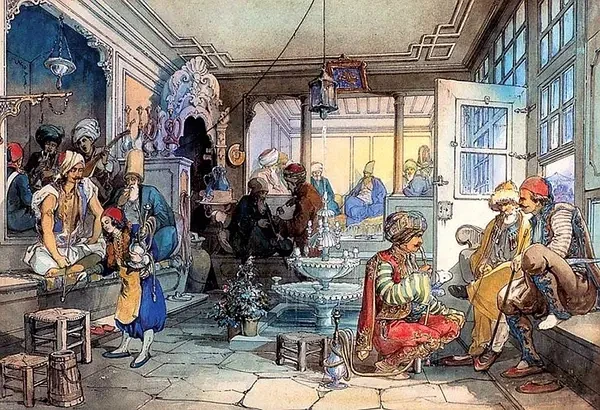
A medieval Turkish coffeehouse
Long before coffee became a beverage, it was put to very different uses—most notably, washing hands. Archaeologists and botanists have mapped the entire journey of coffee beans from humanity's first encounter with them. The plant that gives us Arabica today originated in southwestern Ethiopia, in a region called Bonga. This led Arabs to refer to coffee beans as buna or bunn. It was from here that the beloved crop began its journey around the world.
A Mysterious Commodity from Yemen
Coffee first appeared in Arabic medical and botanical texts in the 10th century. While early descriptions were vague, scholars have confirmed that they were indeed referring to coffee. Back then, it was called bunk rather than bunn. Scholars of the era recommended it for personal hygiene—specifically, using ground beans as a hand wash. 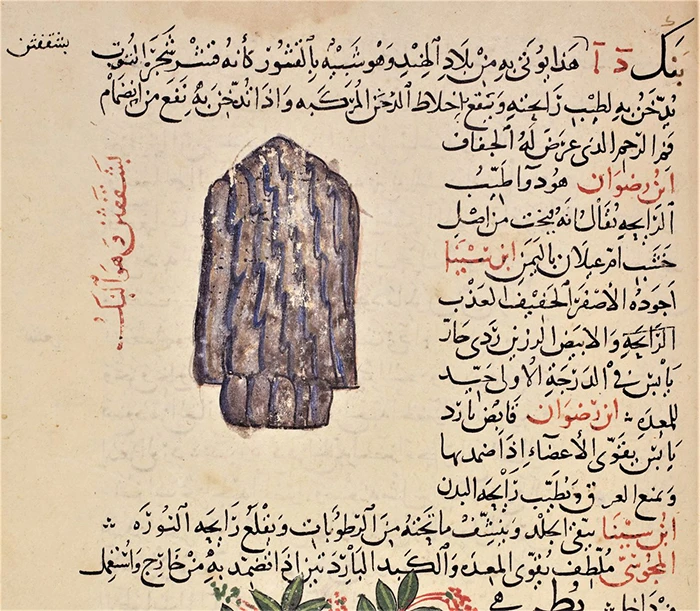
In a 12th-century treatise, coffee is depicted as tree bark—suggesting the artist had only ever seen it ground
Earlier, in the 9th century, the Abbasid physician Ibn Masawayh documented the beneficial beans in his treatise Jawahir al-Tibb. The physician had obtained them from Yemen, where he noted local women used them for cosmetic purposes. However, he failed to correctly identify the plant, mistaking it for the fruit of a desert acacia species.
Ibn Masawayh was far from alone in his confusion. During the Middle Ages, very few people knew what a coffee tree actually looked like. This was hardly surprising, as they only ever saw the processed beans brought by Yemeni merchants. People used coffee in every conceivable way—formulating cosmetics, medicines, and aromatic additives from it. 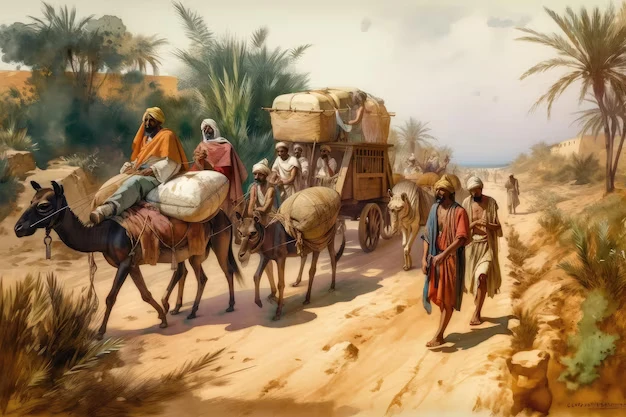
A similar story unfolded with black tea around the same time. Brought from China by merchants in the form of thin black leaves, tea was primarily used as a compress for headaches and swelling. Physicians prescribed it left and right, with many viewing it as a near-miraculous cure-all.
Unusual Uses
As for coffee, people spent centuries trying to figure out the best way to use it. In the 10th century, the physician Al-Razi noted that it could treat smelly feet. Coffee was also recommended as a deodorizer to mask foul odors of all kinds. It became particularly popular in hair-removal parlors of the era, where quicklime baths were used for depilation; ground coffee helped overpower the harsh chemical stench. 
Ibn Sina (Avicenna)
The physician Ibn Sina asserted that coffee gave the body a pleasant fragrance and softened the skin. He was also among the first to write that a decoction of roasted beans could boost energy and sharpen the mind, making him an early pioneer in studying caffeine's effects on the human body.
Coffee's ability to absorb foul odors turned the ground bean into a sought-after hygiene product across the East. A 10th-century Baghdad treatise on aromatics, Ibn Sayyar al-Warraq's Kitab al-Tabikh, recommended washing hands with coffee after meals. A special brew was prepared for this purpose, blended with cloves, black cardamom, fruit peels, and cinnamon. 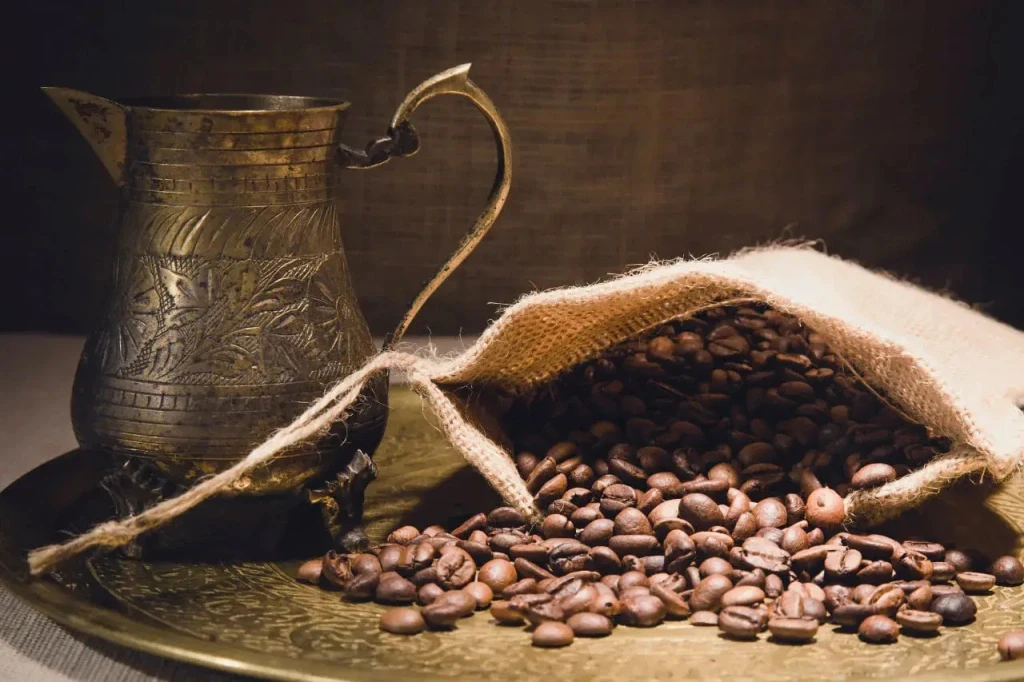
The concoction not only eliminated odors but was also remarkably effective at stripping away grease and sticky sugar residues, leaving the skin soft and smooth. People used coffee as a hand wash for at least five centuries before the world finally appreciated its rich flavor and energizing kick. In recent decades, beauty brands have rediscovered coffee's original purpose, bringing it right back into skincare and cosmetics.