12 Masterpieces You’ll Want to Instantly Delete and Forget After Watching (13 photos)
We usually count among our favorite movies the ones we’ve watched over and over, easily quoting iconic lines and recounting our favorite scenes. But almost all of us can also point to a film that is universally recognized as a masterpiece or a milestone in cinema—yet we have zero desire to ever watch it again. 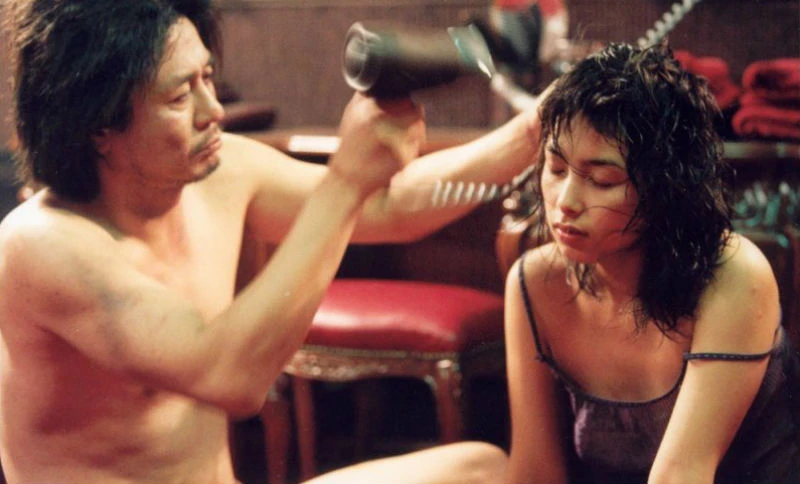
Some of these films simply fell short of our expectations, others disappointed us with their endings, and some lost all appeal once the big twist was revealed. Others were nothing short of a two-hour ordeal.
Grave of the Fireflies (1988)/ Hotaru no haka 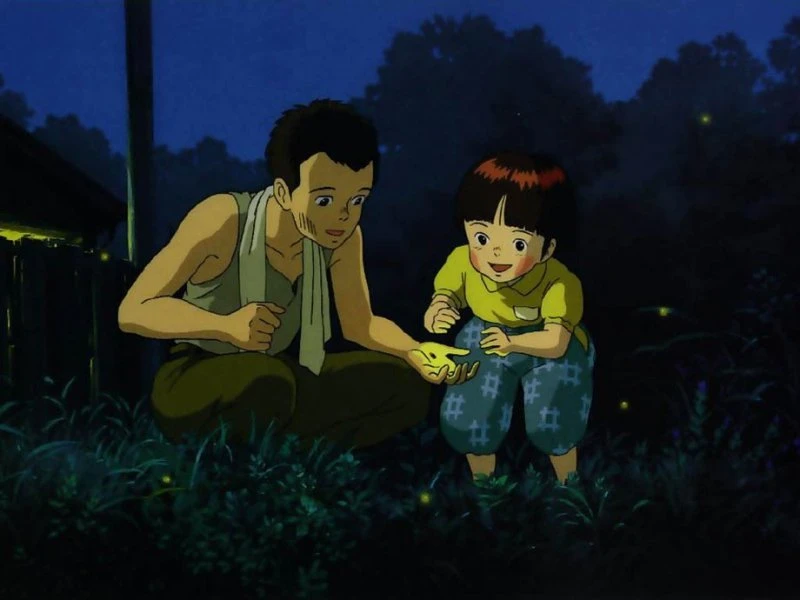
For the average viewer, Japanese feature animation is usually associated with the vibrant, fairytale-like worlds of Studio Ghibli and Hayao Miyazaki. But Isao Takahata’s *Grave of the Fireflies* shares only its visual style with the animation powerhouse—in every other respect, this wartime drama belongs to an entirely different universe.
The sheer emotional weight of this story—following two children trying to survive in a war-torn city—stems largely from the fact that it is based on a semi-autobiographical novel detailing the author’s own childhood trauma. It is deeply heartbreaking, so much so that you wouldn't wish a viewing upon anyone, child or adult. War rarely looks more grotesque, terrifying, and cruel on screen. Discovering their mother's body alone is a scene you’ll wish you could unsee.
Requiem for a Dream (2000)/ Requiem for a Dream 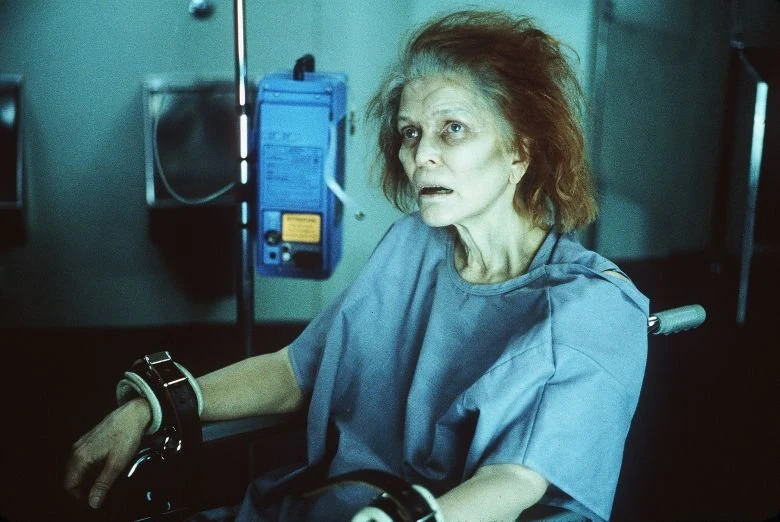
Following his visual experiments in *Pi*, Darren Aronofsky shattered every traditional cinematic rule in *Requiem for a Dream*. The film features three times as many cuts as a standard movie, relying on split screens, time-lapses, slow motion, and disorienting camera angles.
Yet it isn't Aronofsky’s technical virtuosity that makes people recoil from rewatching one of his finest works—it’s the agonizing downward spiral of his characters. *Requiem* begins with a belief in a beautiful dream—that anyone can succeed with a little effort—but ends with harrowing depictions of decay, madness, and selling one's soul for a fix. It's a brilliant piece of filmmaking crafted at the highest level, but few would ever dare to take that trip twice.
Irréversible (2002)/ Irreversible 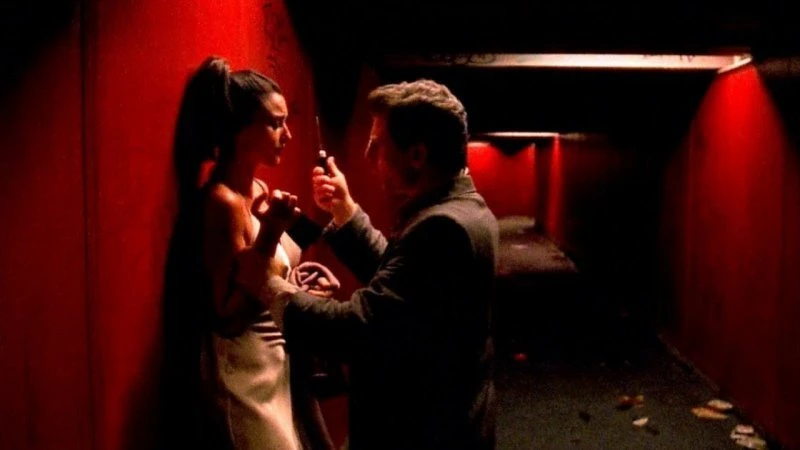
Director Gaspar Noé is hardly known for restraint; viewers of his films must always brace themselves for a rough ride. You’re forced to navigate the sharp, agonizing edges of his narratives while admiring the relentless camerawork and visceral staging. The most notorious example of Noé's provocative style is *Irréversible*, which could be mildly described as a crime mystery about the hunt for a sinister pimp terrorizing a Parisian neighborhood. But once you see it, it gets lodged in your brain like a rusted nail.
Yes, we mean that infamous, grueling scene involving Monica Bellucci's character, shot in an unbroken three-minute take, which hits hard not just because of its graphic violence, but because of society's chilling apathy. Remember the passerby who turns away instead of helping her? No? Well, feel free to rewatch it—if you dare.
Oldboy (2003)/ Oldboy 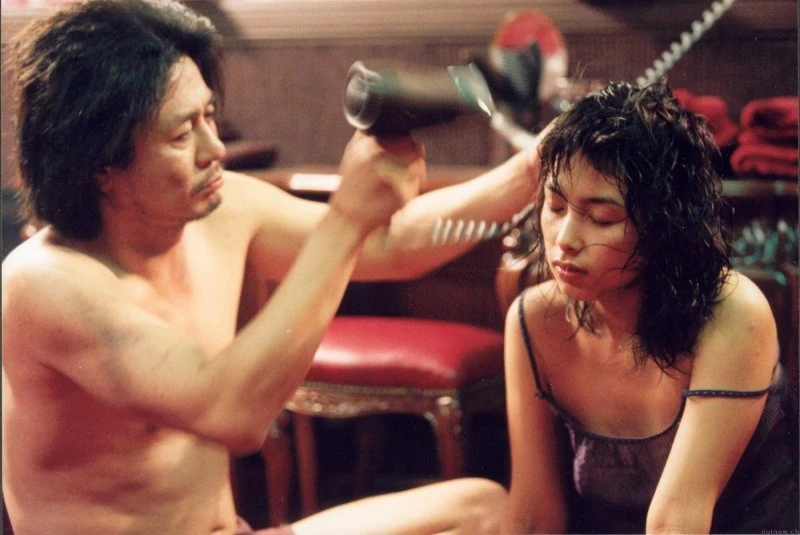
Park Chan-wook’s *Oldboy* arrived at a perfect time, when Western audiences were turning their attention toward Asian cinema, and almost every major release became an instant sensation. But let’s not discount the film’s sheer merit: *Oldboy* is a brilliant mystery thriller, shot in such an unconventional way that it left viewers slack-jawed. Its famous three-minute corridor fight shot in a single take remains a masterclass in staging.
However, the film’s climax delivers a shock far greater than watching a man eat a live octopus. After 15 years of inexplicable imprisonment, the protagonist finds himself caught in a twisted game that leads to an unwitting incestuous relationship with his own daughter. It’s a horrific end to a magnificent movie, and one that almost no one wants to experience again.
Dead Man’s Shoes (2004)/ Dead Man’s Shoes 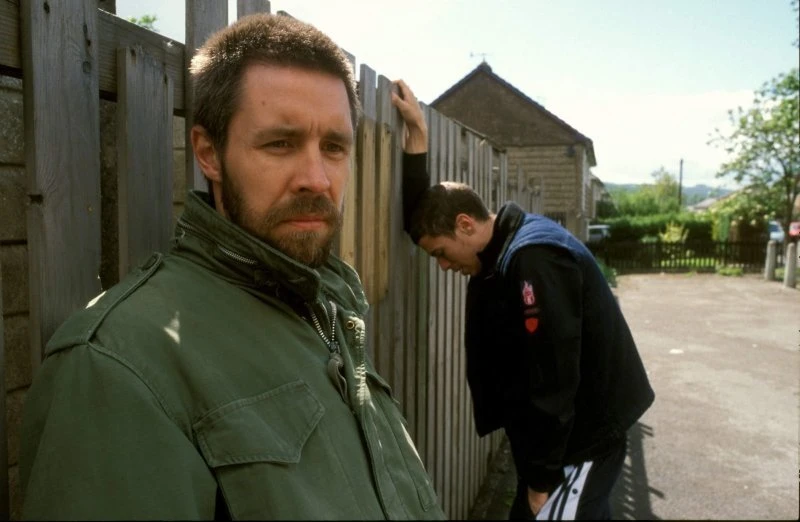
Shane Meadows’ *Dead Man’s Shoes* is a true gem of British cinema, blending elements of drama, horror, thriller, and a dash of dark comedy. This inventive tale follows two brothers—one who leaves for the military, abandoning his vulnerable brother to a world of abuse, and later returns seeking vengeance. It captures the dark underbelly of small-town England better than almost any other film, powered by an unforgettable performance from Paddy Considine.
Yet once you've witnessed the ending, you’ll be permanently turned off from plunging back into this bleak, bloody, drug-fueled nightmare. Even knowing the twist doesn't give it the rewatch value of *The Sixth Sense* or *Fight Club*; *Dead Man's Shoes* is a film you'll never feel inclined to revisit.
The Boy in the Striped Pajamas (2008)/ The Boy in the Striped Pajamas 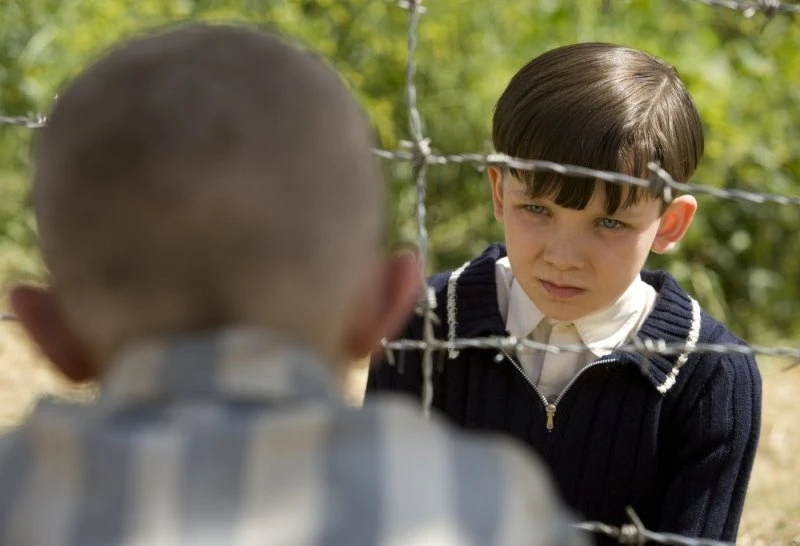
If you haven't read the novel by Irish author John Boyne, *The Boy in the Striped Pajamas* will likely leave an indelible mark on you. Spoiled by Hollywood tropes and guaranteed happy endings, we automatically expect a hopeful resolution, even in movies set during the Holocaust. The story centers on two young boys separated by a barbed-wire fence.
One is a concentration camp prisoner, the other the son of the Nazi commandant. Despite the divide, a deep friendship blossoms between them. As the ending approaches, we hope for Shmuel's miraculous rescue—hoping Bruno will help his friend escape, or that his father will find a place for the Jewish boy in their home. Instead, the film delivers a devastating gut punch. Rather than salvation, it ends in pure heartbreak, offering a painful journey you wouldn't wish on your worst enemy.
Orphan (2009)/ Orphan 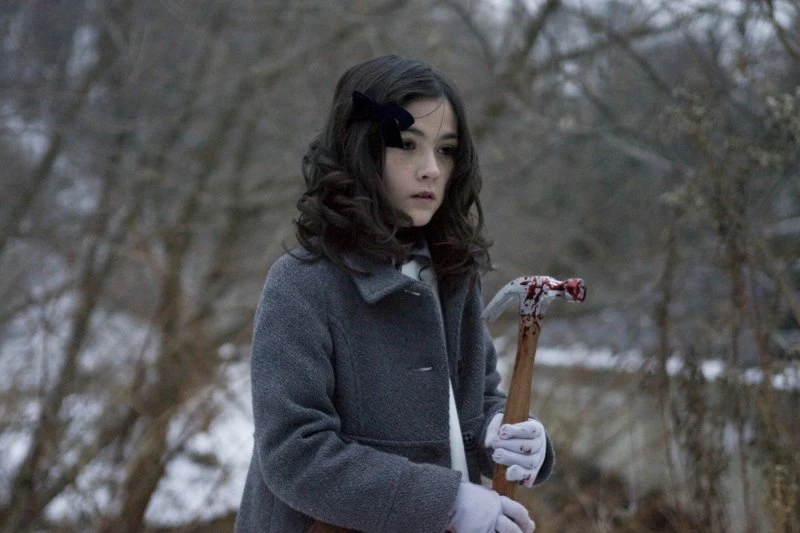
While concerned pundits debated whether child violence belonged on screen, director Jaume Collet-Serra went ahead and crafted *Orphan*, a gripping psychological thriller about a couple who adopts a nine-year-old girl who turns out to be a vessel of pure malice.
The film is expertly constructed, keeping viewers guessing as they second-guess every member of the Coleman family. But once the big twist lands, it’s not disappointment you feel, but an instant loss of interest. The final minutes, once Esther's secret is revealed, drag on endlessly. Everything is clear, and the suspense vanishes. Beyond that, few viewers will ever want to relive the deeply uncomfortable scene where the adopted daughter attempts to seduce her new father, even knowing the truth.
Blue Valentine (2010)/ Blue Valentine 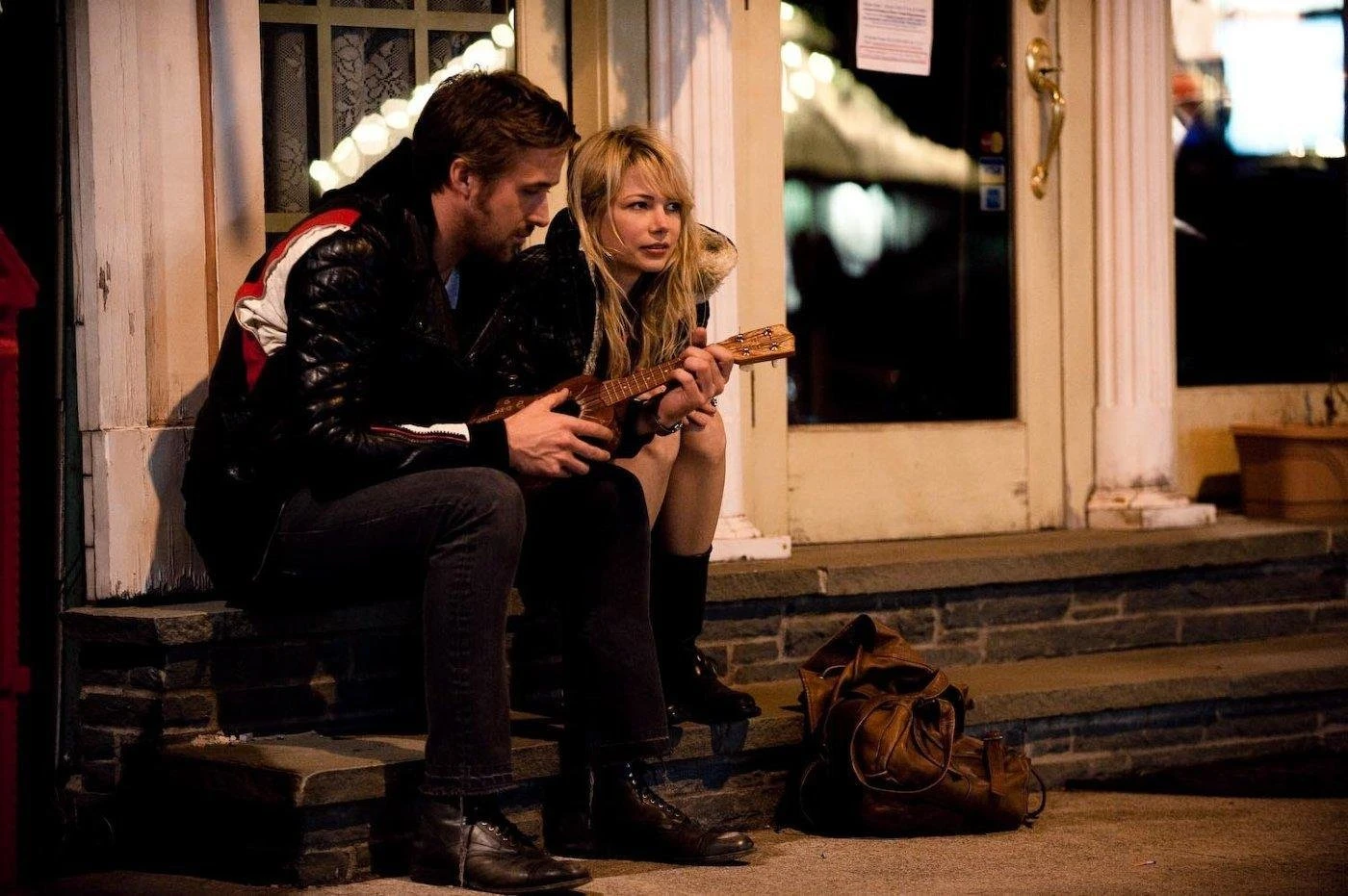 Derek Cianfrance’s romantic drama *Blue Valentine* is a tour de force for Ryan Gosling and Michelle Williams. The brilliant script charts the heartbreaking breakdown of a marriage, highlighting the growing fractures inside a once-perfect couple and the deep chasm opening up where passion used to live. The magnetic chemistry between Williams and Gosling makes their ultimate collapse all the more painful to watch.
It's so heartbreaking that by the time the credits roll, you almost regret putting it on—wishing you hadn't witnessed all that grief and conflict. Sure, *Blue Valentine* is infinitely more honest than typical fairy-tale rom-coms, but that doesn't mean you'll want to swallow another heavy dose of its bitter reality.
We Need to Talk About Kevin (2011)/ We Need to Talk About Kevin 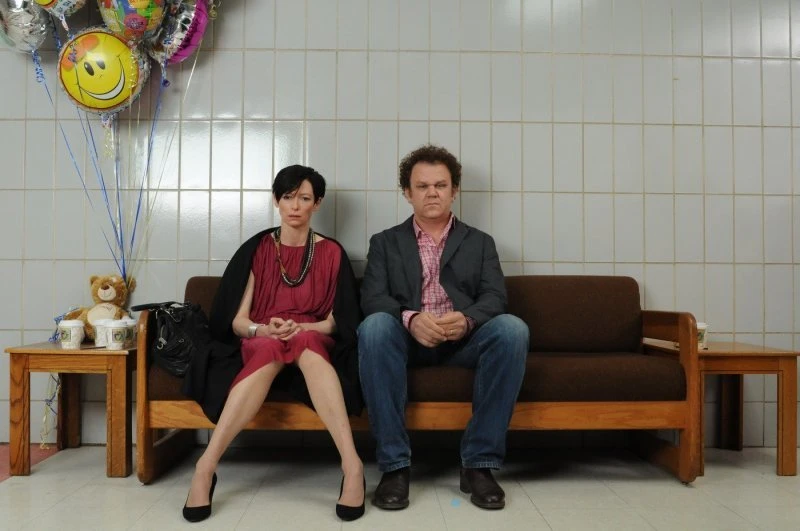 The tragic story of Eva and her son in Lynne Ramsay’s *We Need to Talk About Kevin* earned every bit of applause it received on the festival circuit. It is an utterly transfixing watch, striking at the deepest, most vulnerable parts of the human psyche.
The film tackles a dark, uncomfortable subject that few are willing to confront: the terrifying thought of sharing blame for a child's actions, of failing as a parent, or turning a blind eye to early warning signs. It hits particularly hard for mothers who believe they've given their children everything, only to be horrified by the outcome. Tilda Swinton gives a powerhouse performance as a tormented mother grappling with the aftermath of Kevin's horrific massacre, but as brilliant as it is, the film is far too painful to ever watch twice.
The Tree of Life (2011)/ The Tree of Life 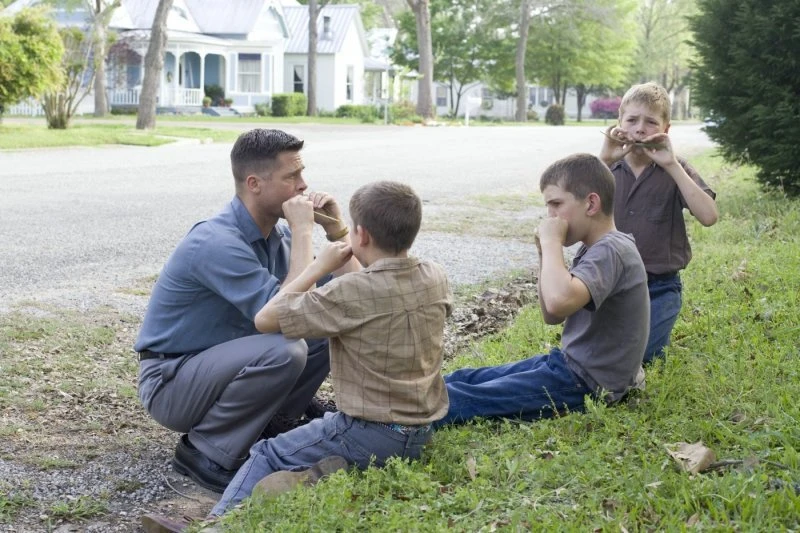
Let’s be honest: rewatching any recent Terrence Malick film is a test of endurance. But *The Tree of Life*, an impressionistic portrait of a mid-century American family, stands out even among the director's unique filmography. Don't listen to critics who claim it lacks a plot or dismiss it as a self-indulgent trip—this movie is a visual masterpiece that immerses the viewer into existential philosophy as deep as they are willing to plunge.
Yet despite its cosmic scope, stellar performances, breathtaking cinematography, and layers of meaning, you’ll rarely find anyone eager to sit through *The Tree of Life* a second time. It's a film best experienced through its lingering aftermath—and the relief of knowing you never have to watch it again.
127 Hours (2010)/ 127 Hours  James Franco’s career has been a rollercoaster—alternating between critically acclaimed roles and unwatchable flops, big-budget blockbusters and cheap indie projects destined for the bargain bin.
The year 2010 brought him a career-defining triumph in Danny Boyle’s *127 Hours*. Given the floor to shine, Franco delivered a phenomenal solo performance. Yet despite all its merits, the movie leaves viewers feeling squeamish at the mere memory of it. A true story about a trapped climber couldn't skip the infamous scene where he amputates his own pinned arm, but the way Boyle and Franco stage it—a dull pocket knife battling tendons, nerves, muscle, and bone—will make you break into a cold sweat every time. Definitely do not attempt a second viewing.
12 Years a Slave (2013)/ 12 Years a Slave 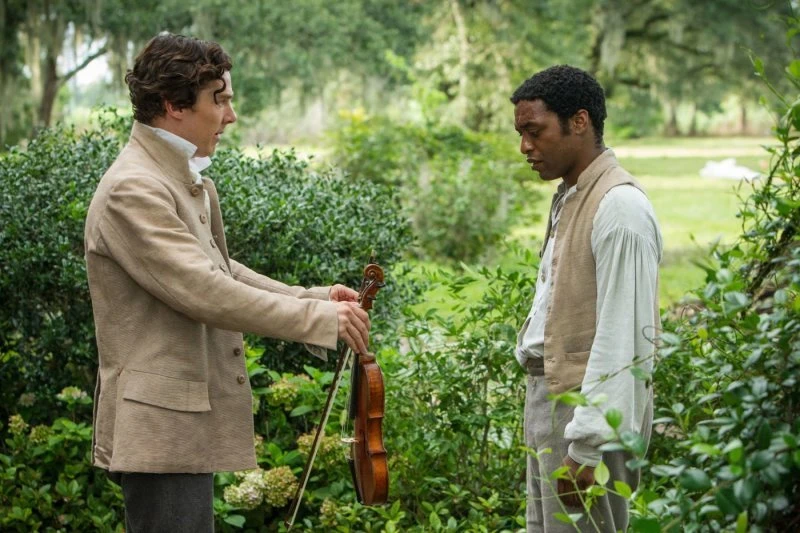 Steve McQueen’s historical drama *12 Years a Slave* might not have seemed surprising on paper—films about American slavery are released regularly, the lead actor was not yet a mega-star, and Solomon Northup’s memoir reads almost like a harrowing survival tale. Yet everything clicked so perfectly that critics and audiences alike were left stunned, turning the film into a runaway winner throughout award season.
There’s just one catch: when Solomon finally reunites with his family at the end, the sigh of relief comes not just from the characters, but from the audience as well. Yes, the grim reality of American slavery is depicted brilliantly; yes, the brutal violence and terrifying powerlessness of those trying to help Solomon hit hard. But as the credits roll, one feeling remains above all else—the sensation of having lifted an unbearable weight that you never, ever want to shoulder again. With all due respect.
Which of these movies did you watch most recently—and would you ever watch it again?