8 Shockingly Massive Industrial Graveyards (10 photos)
Humans aren't the only ones to reach a final resting place. When vehicles and heavy machinery reach the end of their lifespan, they have to go somewhere—and recycling isn't always the answer. That is how unusual graveyards for phone booths, old tires, and retired transport popped up in various corners of the globe. 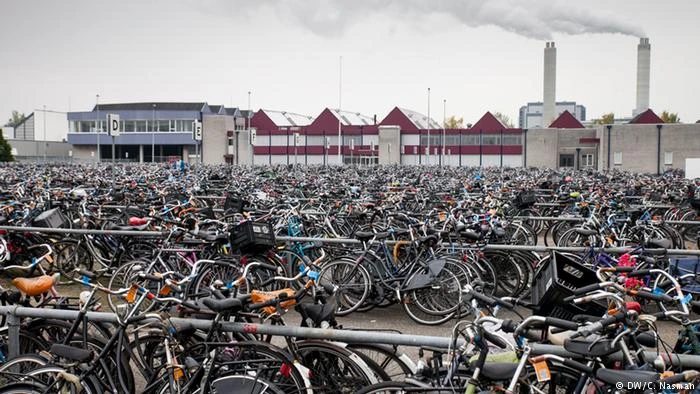
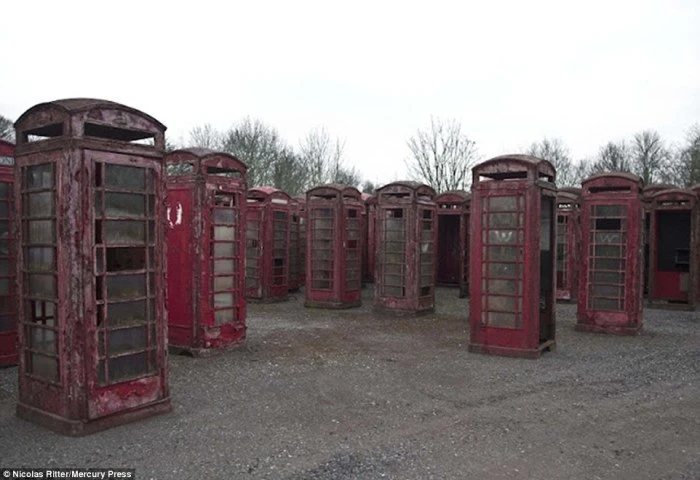
Payphones are a rare sight these days, but you can still find them if you know where to look—especially at dedicated graveyards. In the UK, for instance, there are two specialized scrapyards where the world-famous red phone boxes end up. One of these sites is owned by 80-year-old Mike Shores. Having spent his life collecting decommissioned payphones, he amassed hundreds of them before deciding to restore and repaint them in their iconic red. 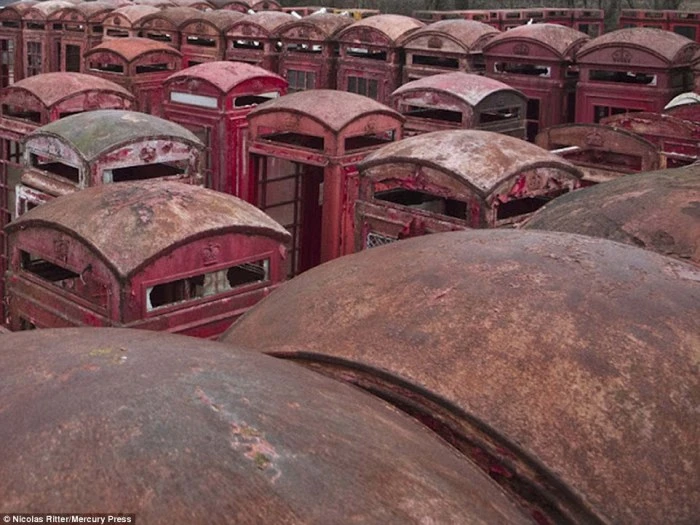
However, the largest active phone box graveyard belongs to Unicorn Restorations and is located in Surrey. Anyone looking for a piece of history can buy a fully restored red telephone booth here for £2,000. 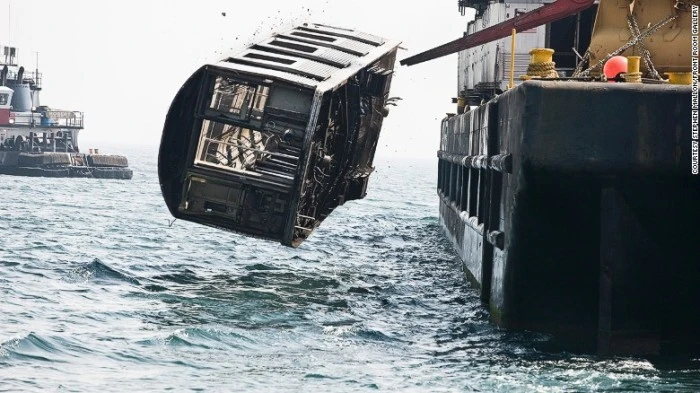
What happens to retired train cars from the world's oldest subway systems? As it turns out, for a time, they were dumped straight into the ocean. When the New York City Transit Authority decommissioned 2,500 subway cars, workers stripped them of their seats, wheels, and anything else removable. Some parts were recycled, while others were sold off. The stripped metal shells were then loaded onto barges, hauled out into the Atlantic Ocean, and dropped into the water to create artificial reefs. The MTA wrapped up this underwater reef project in 2010. 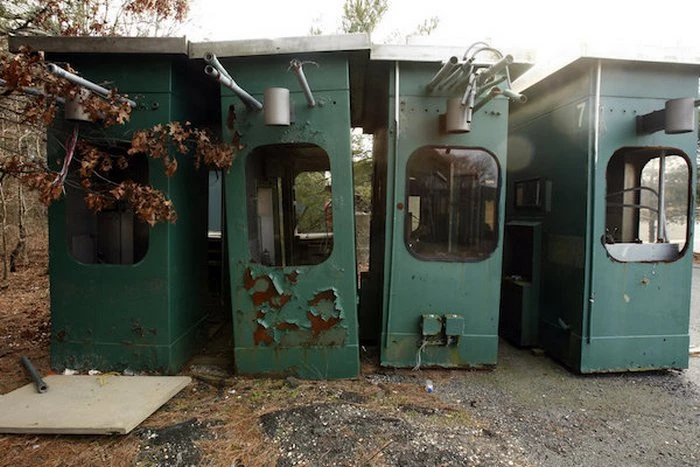
New Jersey is home to a unique graveyard dedicated to decommissioned highway toll booths. Before these booths are dumped, workers strip them of their windows, air conditioners, and stainless-steel doors. Here is a video report on this unusual scrapyard: 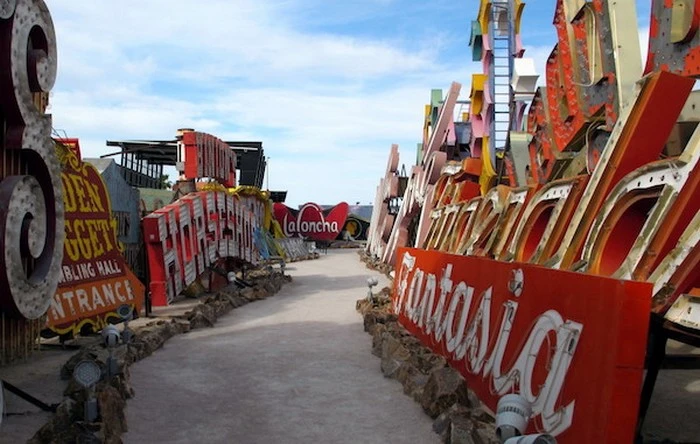
Even neon signs have an official resting place. Established in Las Vegas in 1996, the Neon Boneyard spans nearly three acres. Vintage signs from wedding chapels, parking lots, legendary casinos, and other iconic Sin City landmarks have found their final home here. Today, tourists can even buy a ticket to tour this quirky outdoor museum. 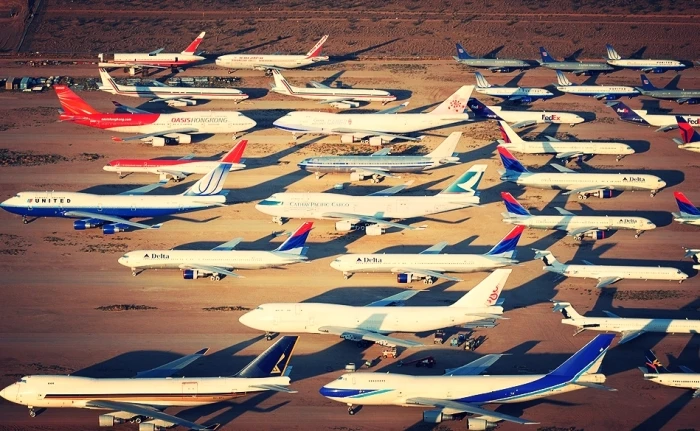
Roughly 90 miles northeast of Los Angeles lies the city of Victorville, home to a boneyard where almost every retired commercial aircraft in the U.S. eventually meets its end.
Formerly George Air Force Base, now Southern California Logistics Airport, this site is one of the largest and most famous commercial aircraft graveyards in the world. Once an airliner reaches around 20 years of service, it is either scrapped or refurbished and sold to another carrier. Others are stripped down for spare parts. While there are three major aircraft boneyards in the U.S., Victorville is the most popular, as the dry desert climate helps preserve the airframes. 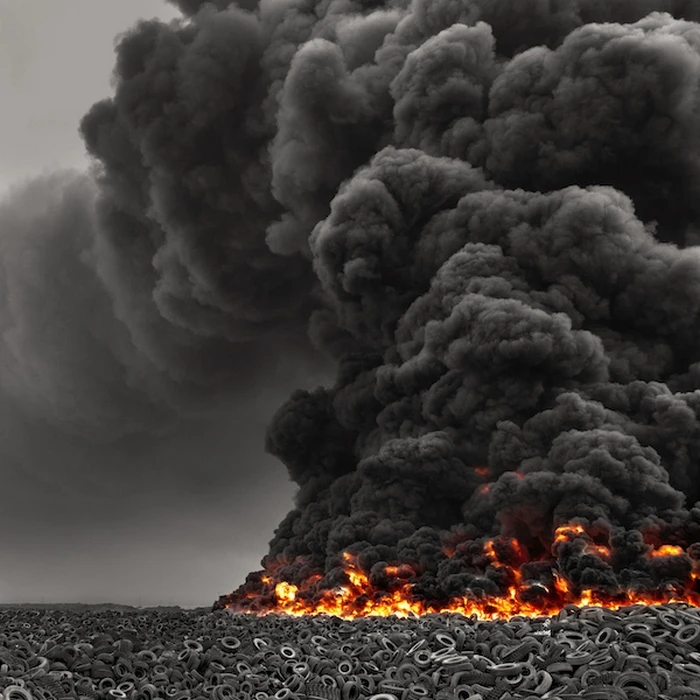
On the outskirts of Kuwait City, the Sulaibiya area is pitted with massive trenches packed with discarded car tires. Reports suggest that at least seven million tires lie buried here. This industrial graveyard is so massive that it can be seen from space. Used tires are shipped here from all over the world, with foreign countries paying Kuwait to bury their rubber waste. Unsurprisingly, it's an environmental nightmare—especially in 2012, when a massive fire broke out at a nearby tire dump in Jahra. Over 5 million tires spewed toxic smoke into the air, and firefighters struggled for days to bring the inferno under control. 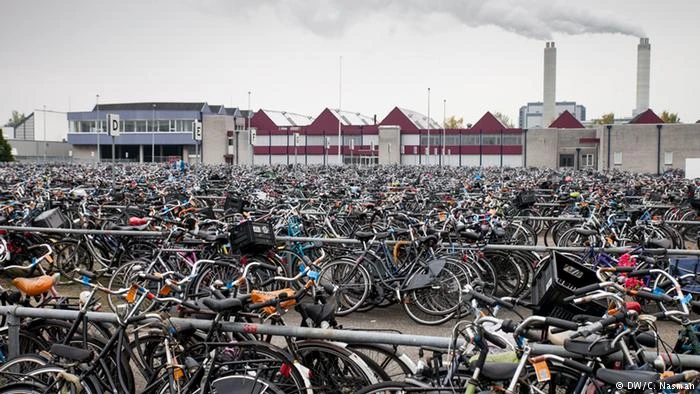
Located in Amsterdam, the Fietsdepot functions more like an impound lot than a scrap heap, though it serves as the final stop for thousands of abandoned bikes retrieved by local police. Residents of the Dutch capital own an estimated one million bicycles. With official parking racks constantly packed, illegally parked bikes are a common sight—and bicycle theft remains a chronic issue.
Every year, around 65,000 bicycles of all shapes and sizes end up at the Fietsdepot. Each bike is logged in a central database detailing its make, color, distinguishing marks, and serial number before being checked against police theft reports. Unclaimed bikes are held for three months, during which about 40% are reunited with their owners. The rest are auctioned off, stripped for parts, or sold as scrap metal. 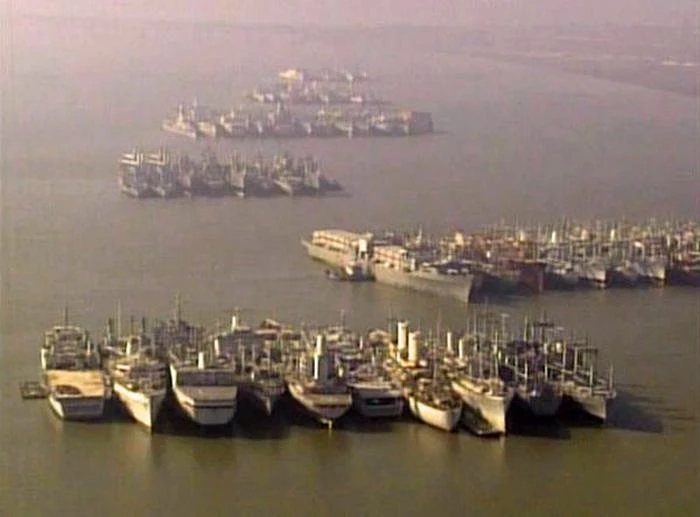
For decades, a massive armada of towering naval vessels sat anchored in Suisun Bay, serving as one of the most intriguing tourist attractions for visitors to San Francisco. Following World War II, the U.S. Maritime Administration established the Suisun Bay Reserve Fleet—often referred to as the "Mothball Fleet" or "Ghost Fleet."
Originally intended as a national defense reserve in the event of war, the fleet grew to roughly 100 ships at its peak. However, by 2007, the ghost fleet began to vanish. Following a protracted legal battle, environmental activists successfully campaigned to have the decaying ships towed to Mare Island and Brownsville shipyards, where they were dismantled and scrapped.