Mid-Autumn Festival: A Traveler's Guide to Being in Asia in Late September (8 photos)
In late September 2026, three Asian nations will look up at the very same full moon. For over 2,000 years, hundreds of millions of families from Beijing to Ho Chi Minh City have gathered to celebrate the festival behind this lunar phenomenon. Known as Zhongqiujie in China, Chuseok in South Korea, and Tết Trung Thu in Vietnam, the occasion manifests uniquely across the region. Here is what travelers can expect on the streets of each country—and why shops grind to a halt in one while swarming with lantern-bearing children in another. 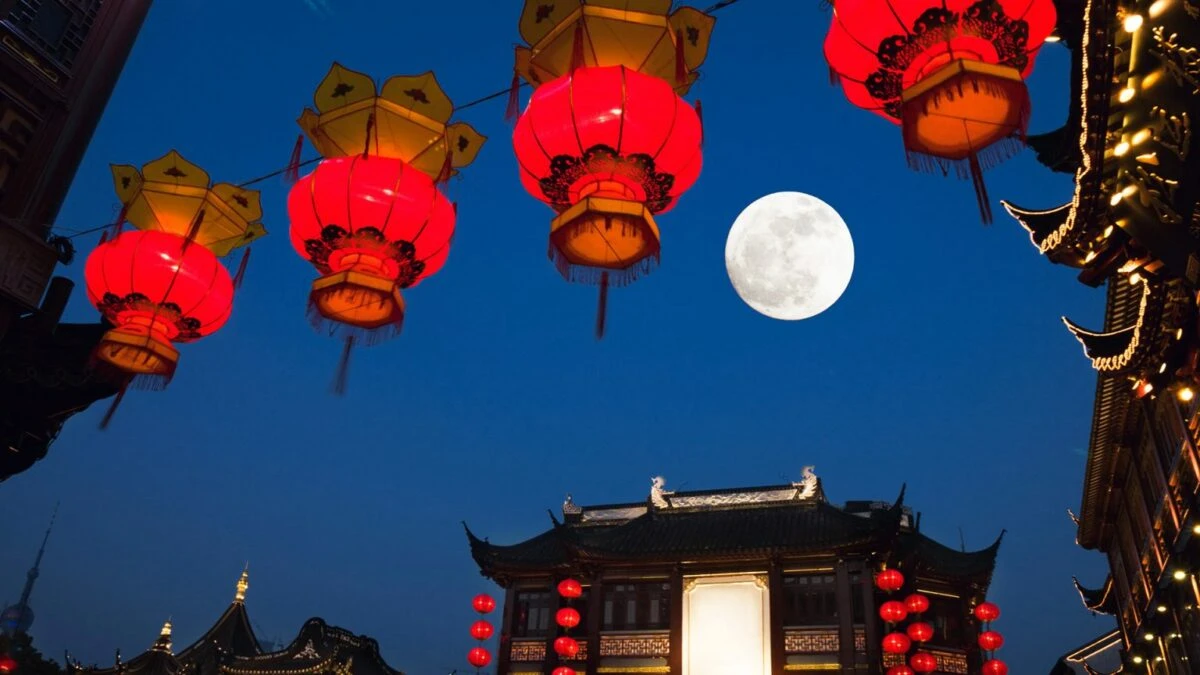
One Moon, Three Distinct Festivals
All three celebrations hinge on a single point in the lunar calendar: the 15th day of the eighth lunar month, when the moon reaches its brightest and fullest point of the year. For East Asia’s agrarian societies, this date marked the end of the harvest and served as an occasion to give thanks to the land. Over millennia, the tradition spread across the region, evolving into distinct local rituals in every nation. 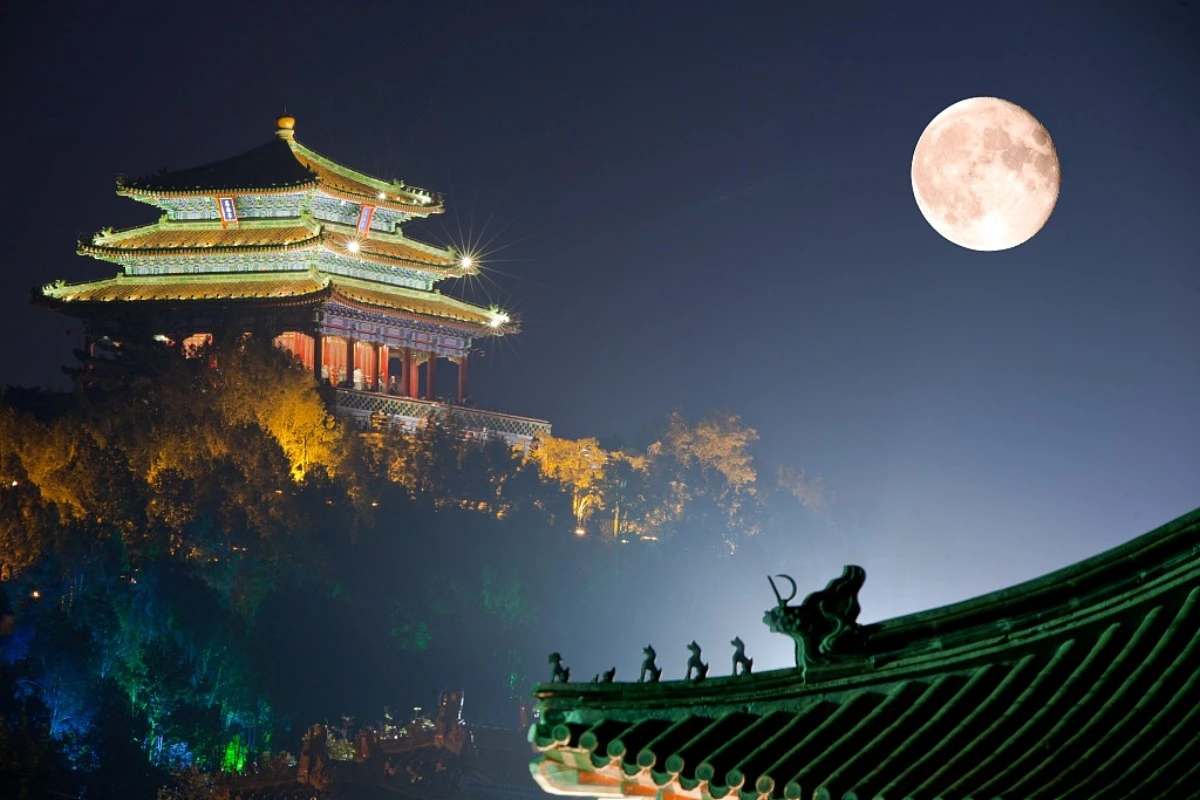
For East Asian farmers, this moon has signified the end of the harvest for thousands of years. Today, while the occasion remains the same, the traditions vary widely by country.
The differences are apparent even in their names. "Zhongqiujie" translates to "Mid-Autumn Festival," "Chuseok" means "autumn eve," and "Tết Trung Thu" literally translates to "Mid-Autumn Celebration." Though the core meaning is shared, public life on the streets plays out very differently.
China: Zhongqiujie and Mooncakes
In 2026, China celebrates Zhongqiujie on Friday, September 25. It is predominantly a family holiday: relatives gather around the dinner table before heading outdoors or to waterfront promenades to gaze at the moon. The undisputed star of the feast is the mooncake (yuebing)—round pastries traditionally stuffed with lotus seed paste, sweet bean paste, or salted duck egg yolks. 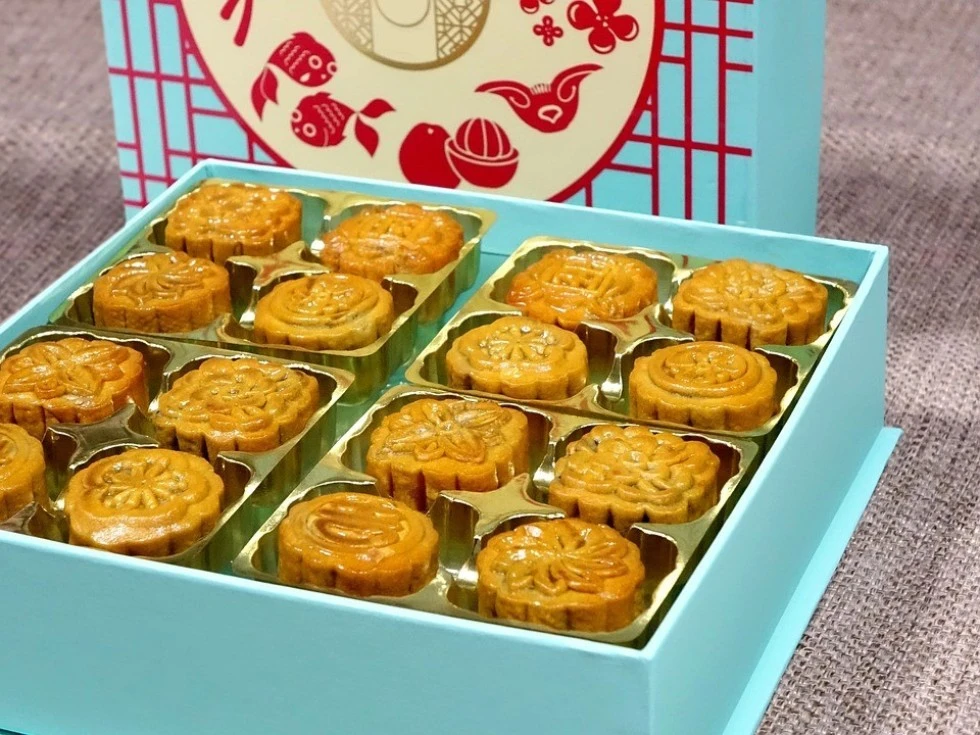
Mooncakes hit store shelves weeks in advance. The packaging often costs more than the pastries themselves, as presenting them in elaborate gift boxes is a crucial social custom.
Visitors during this time will encounter markets overflowing with decorated mooncake boxes, crowded waterfronts packed with people photographing the full moon, and vibrant lantern installations across major cities like Beijing, Shanghai, and Guangzhou. The myth of the archer Hou Yi and his wife Chang'e—who drank the elixir of immortality and ascended to the moon—resonates everywhere through children’s books, plays, and broadcasts.
South Korea: Chuseok and the Year's Largest Migration
In South Korea, the festival is known as Chuseok and is observed as a three-day national holiday—running from September 24 to 26 in 2026. With roots tracing back over 2,000 years to the Silla Kingdom, Chuseok places its main emphasis on ancestor veneration rather than moon-gazing. On the morning of the holiday, families perform charye—a ritual offering of food to ancestral spirits—before visiting family burial sites to pay their respects and tend the graves. 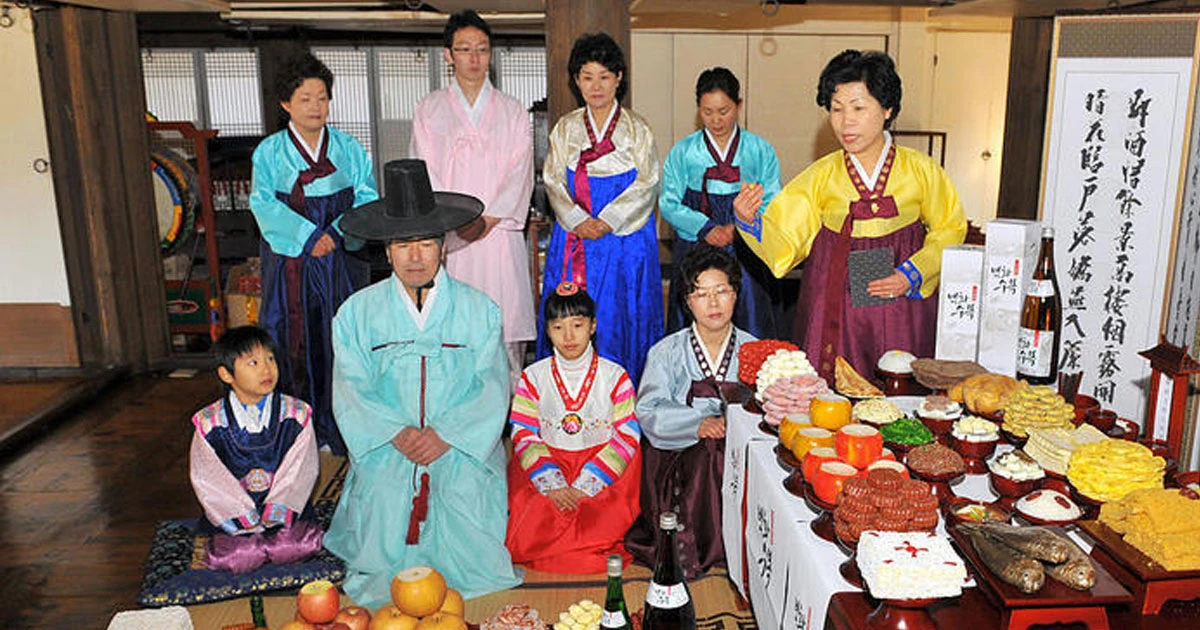
Female family members traditionally spend the entire preceding day preparing the elaborate feast required for the charye ritual.
For travelers, Chuseok creates a unique phenomenon: normally bustling Seoul empties out for several days as millions of residents travel to their hometowns. As the country's largest annual domestic migration, highways and train stations are overwhelmed, while many museums, restaurants, and shops in the capital shut down. While traveling during this window is entirely doable, visiting Seoul specifically for its energetic urban scene is ill-advised.
Vietnam: A Celebration Centered on Children
In Vietnam, Tết Trung Thu diverges the most from its regional counterparts, functioning primarily as a children’s festival. Instead of solemn ancestral rites, the streets come alive with parades featuring lanterns shaped like stars, carp, and dragons, while children are gifted traditional masks and toy drums. 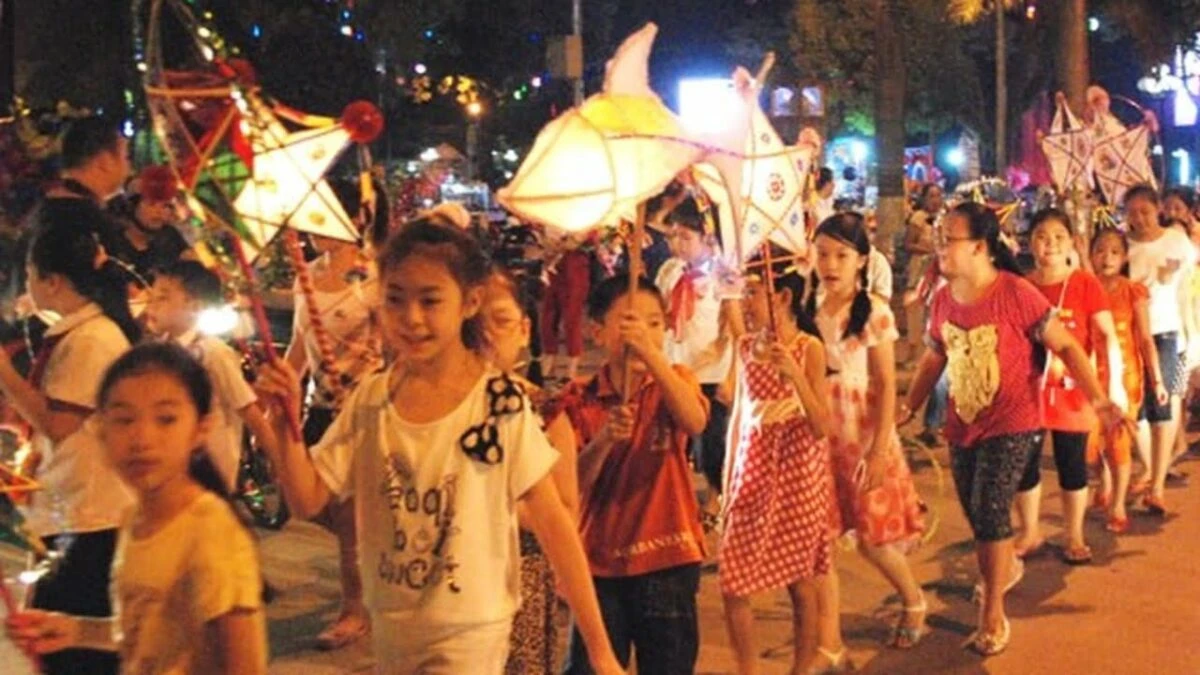
Star-shaped paper lanterns are the most iconic symbol of Vietnam's Mid-Autumn Children's Festival.
Sources vary on the exact date for Vietnam's celebration in 2026, listing either September 25 or 26. Travelers should double-check the local calendar upon arrival. This discrepancy stems from the Vietnamese lunar calendar being calculated in its local time zone, which occasionally shifts dates by a day relative to China's calendar.
Hoi An: The Town That Dims its Lights for a Night
Hoi An—a historic trading port in central Vietnam and a UNESCO World Heritage Site—warrants special mention. Once every lunar month, on the night before the full moon, the Ancient Town shuts off its electric lights, illuminating the streets and the Thu Bon River with glowing paper lanterns. In September 2026, this monthly lantern night falls on September 24—the eve of the Mid-Autumn Festival itself. 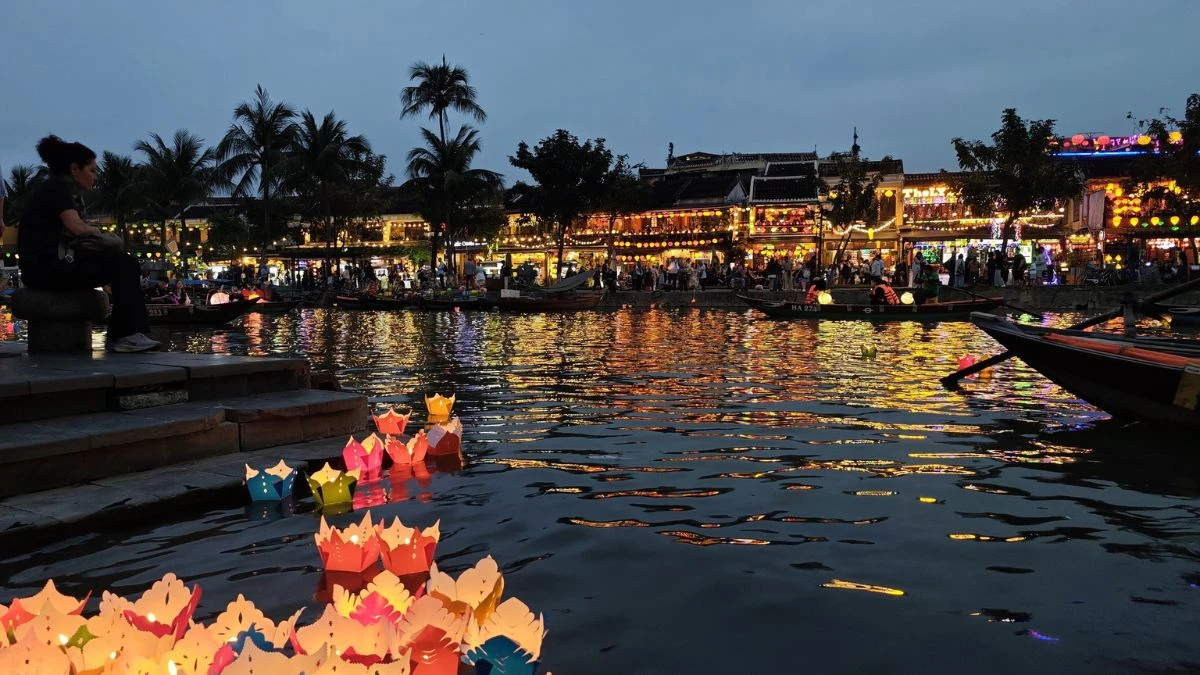
Floating lanterns are set adrift by hand—tradition holds that a wish made while releasing one will come true.
It is worth distinguishing between these two events: Hoi An's monthly lantern festival and the nationwide Mid-Autumn celebration. While they often coincide on the calendar, they stem from distinct traditions with separate histories.
Why One Moon Leads to Three Different Dates
Conflicting festival dates are not calendar errors, but rather an inherent feature of lunar reckoning. The Chinese, Korean, and Vietnamese calendars technically share the same foundation, defining the 15th day of the eighth lunar month by identical astronomical rules. However, one-day shifts occur because each country marks the exact moment of the new moon within its own time zone—meaning what counts as the 15th day in China might still be the 14th in Vietnam. 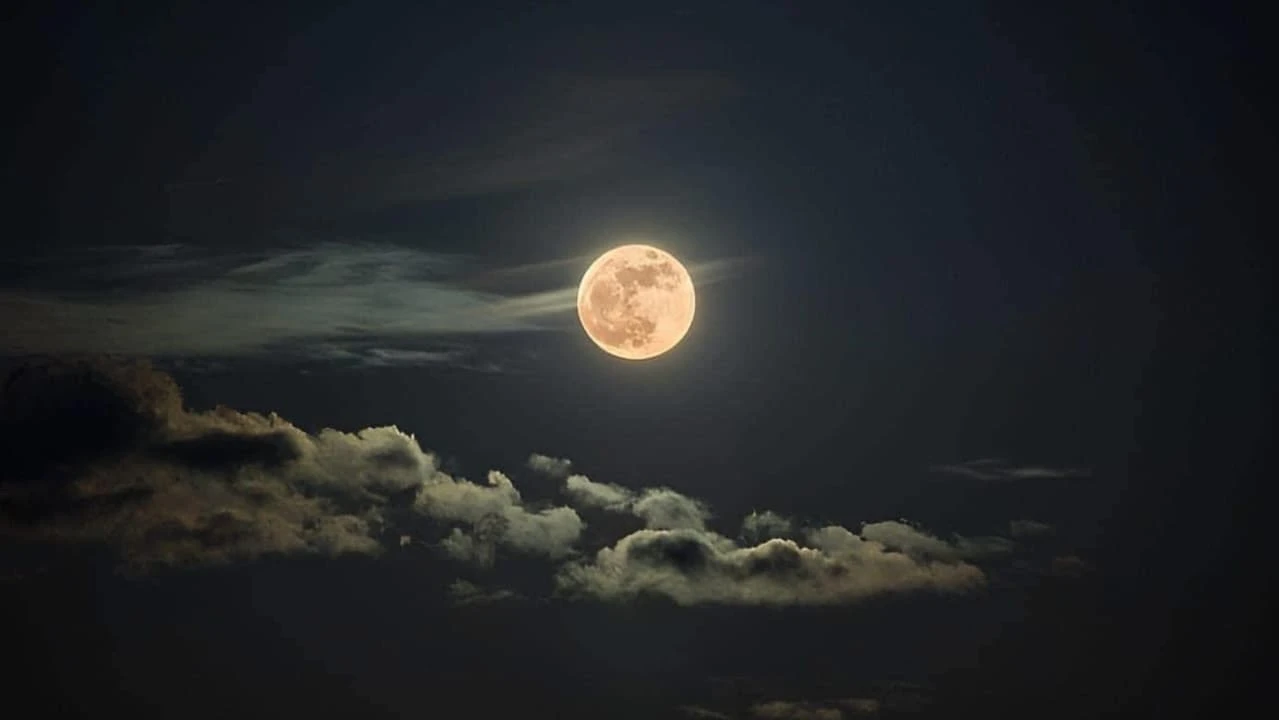
While all three nations await the very same full moon, calendar discrepancies are determined not by astronomy, but by the local time zone used to calculate the new moon.
A similar divergence occasionally happens with Lunar New Year, as dates across East Asia shift by a day for the exact same reason. For travelers, the takeaway is simple: verify local event dates on official hotel or travel sites a week before departure rather than relying blindly on initial search engine results.
Travel Tips if Your Trip Coincides with the Holiday
If your trip falls in late September, these cultural nuances will directly impact your itinerary. In South Korea during Chuseok, avoid scheduling a packed sightseeing itinerary in Seoul, as many venues will be closed and intercity transit overloaded with domestic travel. In China, the holiday rarely disrupts sightseeing, though booking accommodations well in advance is essential due to a spike in domestic tourism. 
The holiday in China barely disrupts the tourist experience, though booking hotels early is strongly advised due to increased domestic travel.
Vietnam is perhaps the most effortless destination for travelers seeking to experience the festivities without rearranging their plans: evening lantern parades leave daytime sightseeing completely uninterrupted. Meanwhile, those visiting central Vietnam should consider extending their stay near Hoi An by an extra day for the monthly lantern night—an event far easier to align with travel dates than any annual regional holiday.