How an Island Formed in Iceland Half a Century Ago and Became One of the Most Off-Limits Places on Earth (12 photos)
Surtsey is a unique Icelandic island that emerged on November 14, 1963, following a three-year eruption of the underwater Vestmannaeyjar volcanic system. Almost immediately, public access to Surtsey was strictly banned so scientists could reserve the site for research and observation. Their goal is to understand how an entire ecosystem forms from scratch without any human intervention. Only a select few scientists are ever permitted to set foot on the island, making it one of the most off-limits places on Earth. 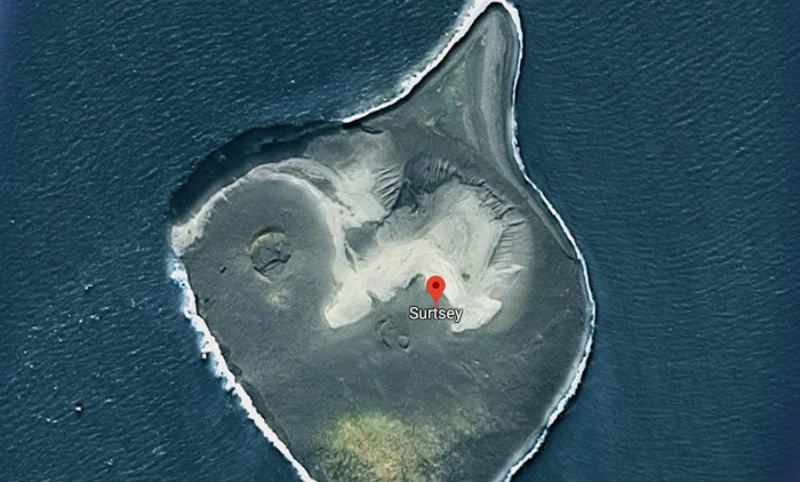
One of the island's most curious mysteries involves a tomato—yes, an ordinary tomato plant that suddenly began growing there. But how could it have gotten there when scientists go to extreme lengths to prevent anything from interfering with the natural development of life? The territory is heavily protected. Anyone visiting Surtsey is thoroughly searched before arrival, as one of the cardinal rules of being on the island is that no seeds may be brought in under any circumstances. So when a tomato plant unexpectedly sprouted on the island, scientists were utterly stumped.
The mystery turned out to have a surprisingly simple explanation. 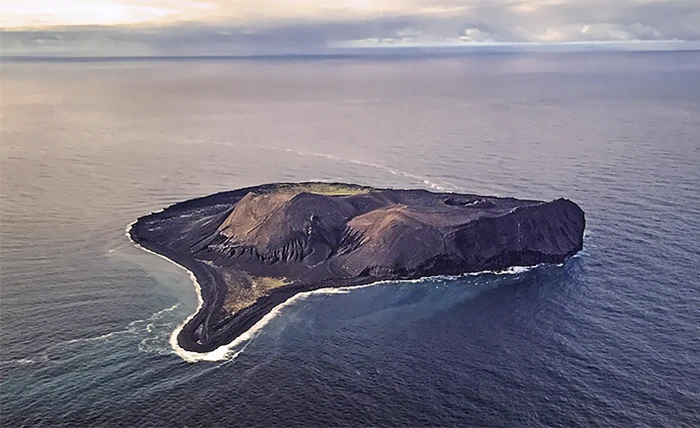 It turned out someone hadn't taken the strict guidelines very seriously and—pardon the detail—relieved themselves outdoors. And since there were no bushes on the island yet, the offender had done their business directly onto the hardened lava.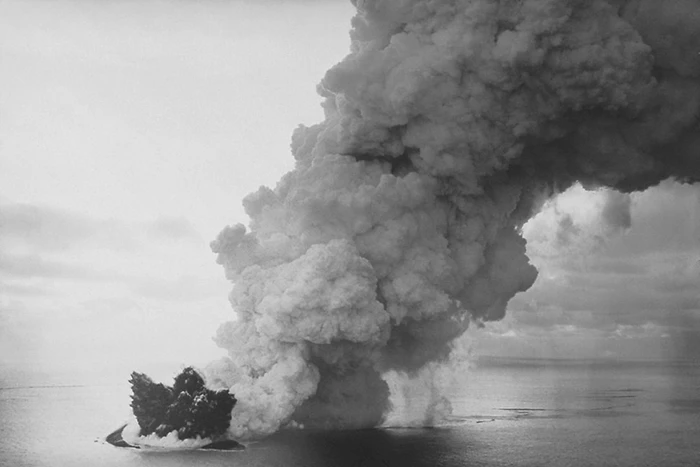
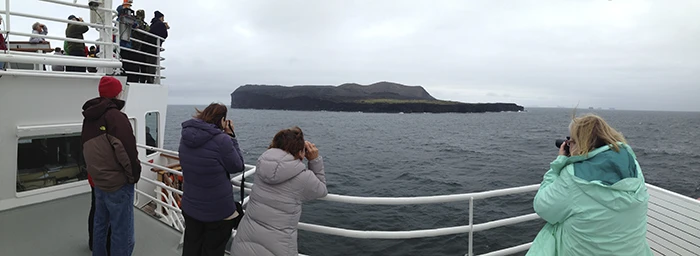
Once scientists realized where the plant had come from, they immediately removed it so it wouldn't disrupt their research. 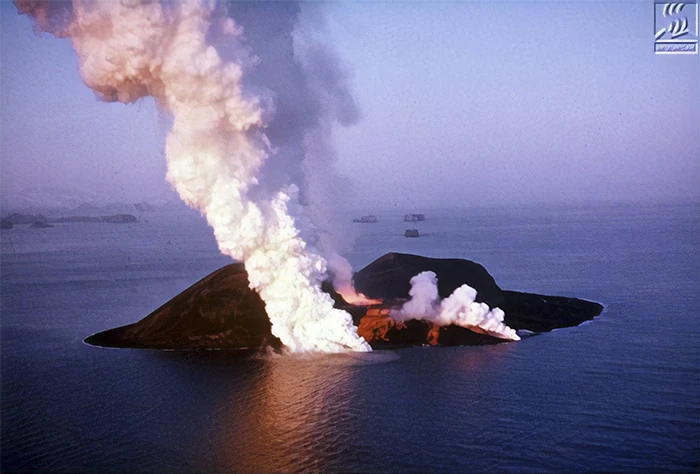 Located off the southernmost point of Iceland, the island is designated as a UNESCO World Natural Heritage site.
  The eruption that gave birth to Surtsey began at a depth of 130 meters below sea level. The lava first breached the surface on November 14, 1963.
 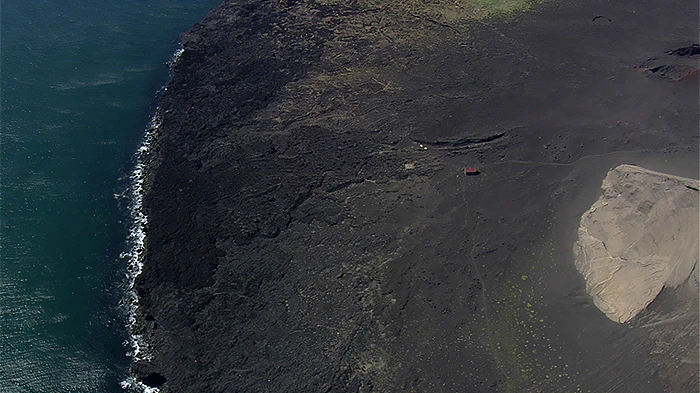 The eruption lasted until June 5, 1967, by which time the island had reached its peak area of 2.7 square kilometers. Since then, ocean waves have been eroding the island—by 2012, its area had shrunk to 1.3 square kilometers.
 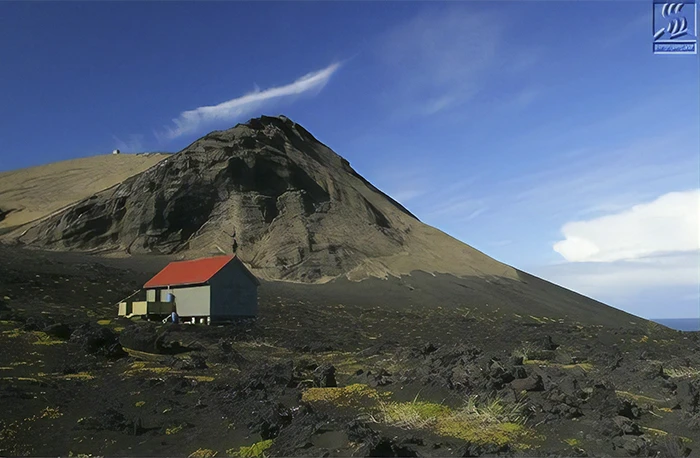 In Icelandic, "Surtsey" means "Surtur's Island." It was named after Surtr ("the black" or "swarthy one"), the ruler of the fire giants in Norse mythology.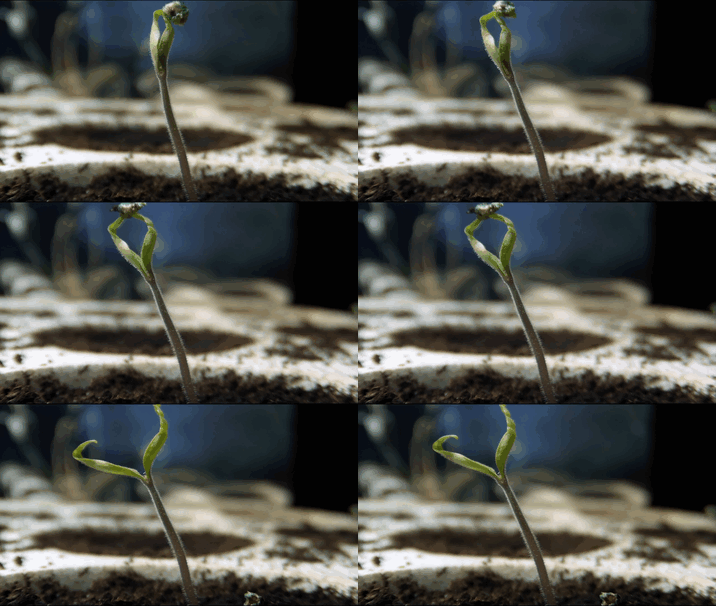
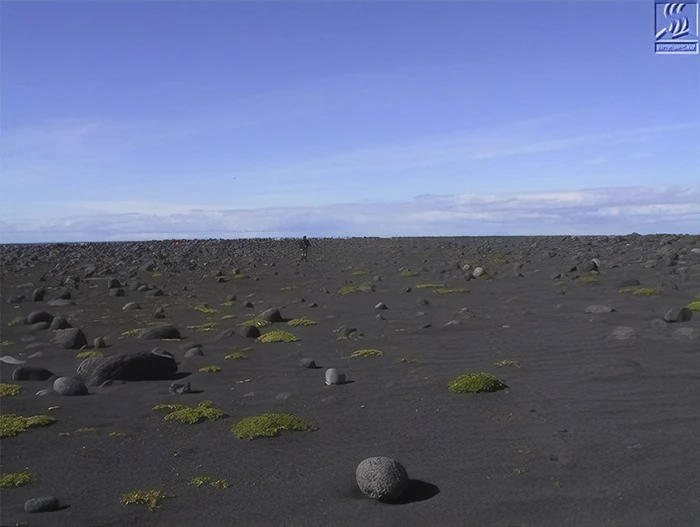 Surtsey was initially composed of nothing more than volcanic pumice. Even so, scientists were captivated by the newborn island as a unique vantage point to watch life begin from scratch.
 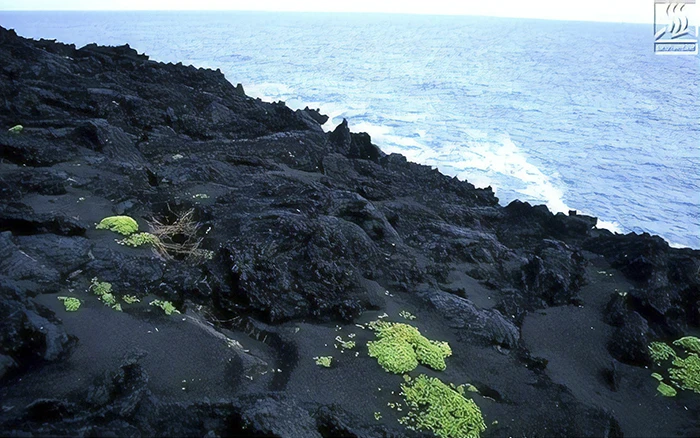 Within just hours of the island's formation, bacteria and other microorganisms had already taken up residence.
 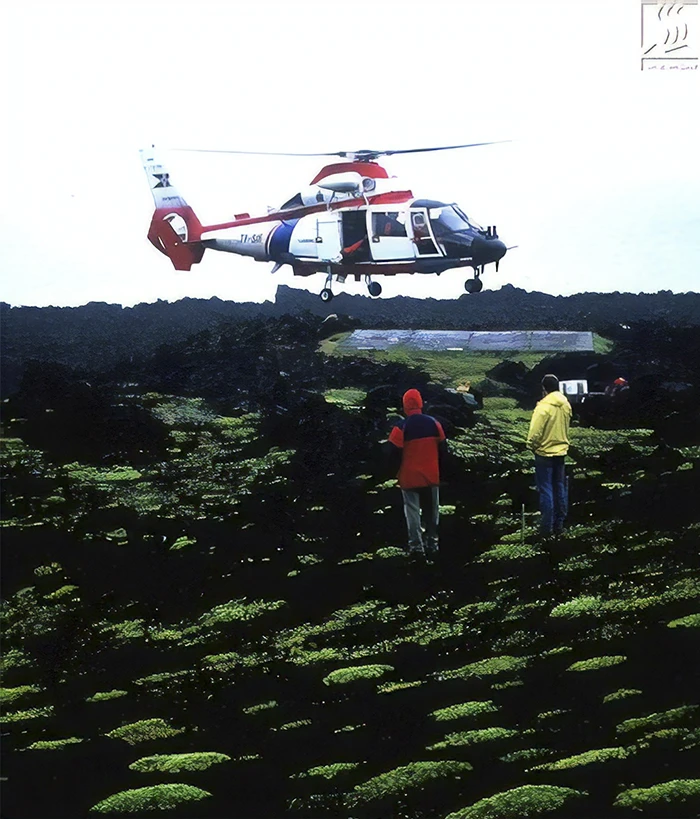 Mosses and lichens were the pioneer plant species, appearing as early as 1965. By the 1980s, scientists had documented over 20 plant species, including European sea rocket, marram grass (Ammophila arenaria), sea sandwort (Honckenya peploides), and sea bluebell (Mertensia maritima).
 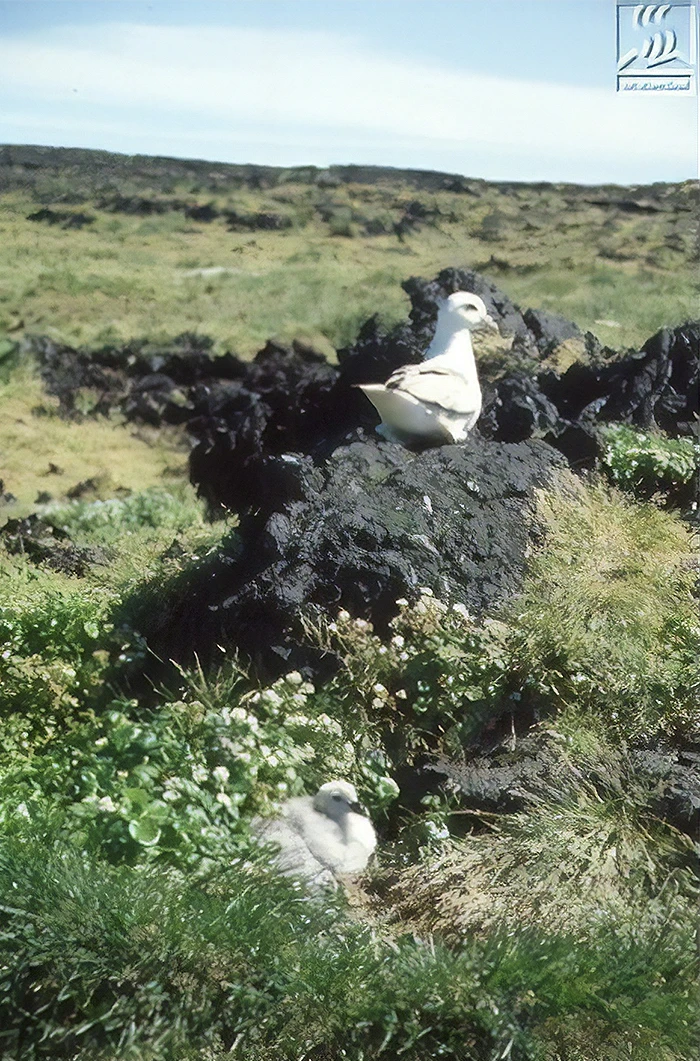 The first shrub, a tea-leaved willow, took root in 1998. Birds were the first animals to inhabit the island, bringing seeds along with them. Petrels, auks, and gulls have been spotted here, as well as swans, wild geese, and ravens. The island is also home to earthworms, spiders, beetles, flies, and mites.
According to scientific estimates, the island—though constantly eroding—will remain above sea level for another 100 years.