Mundaneum: How a "Paper Google" Was Born in Belgium a Century Ago (8 photos)
Got it, I will update the alt tags in the post code using the title and captions.
Today, finding an answer to virtually any question takes just seconds—all it takes is a quick search query. But as it turns out, people were trying to build something similar more than a century ago. In 1910, Belgium launched the Mundaneum archive, which today is often referred to as the "paper Google." 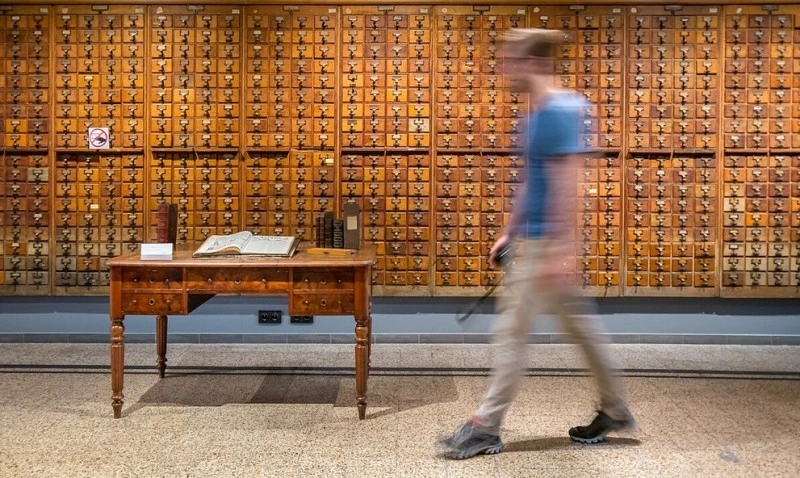
Imagine a massive database built entirely on paper. The Mundaneum archive comprised 12 million index cards spanning every conceivable topic. This ambitious early 20th-century project was the brainchild of Belgian lawyers Henri La Fontaine and Paul Otlet. Their goal was simple yet audacious: gather all world knowledge under one roof and make it accessible to everyone. 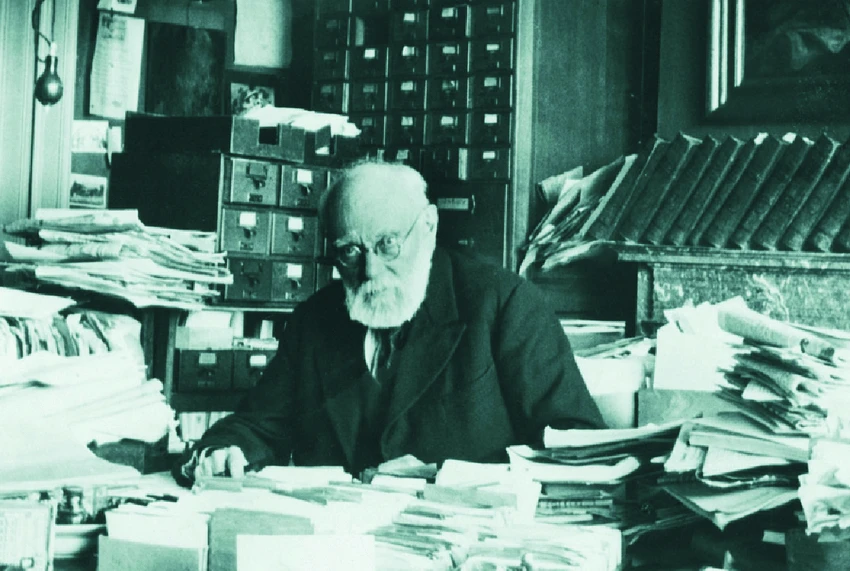
Paul Otlet among the index cards of the Mundaneum
At the time, paper was the only viable medium for storing such a vast amount of information, so La Fontaine and Otlet opted for an index card system. They spent a decade developing the Universal Decimal Classification. Using this system, the visionaries built a catalog of 12 million cards meticulously arranged in filing drawers. 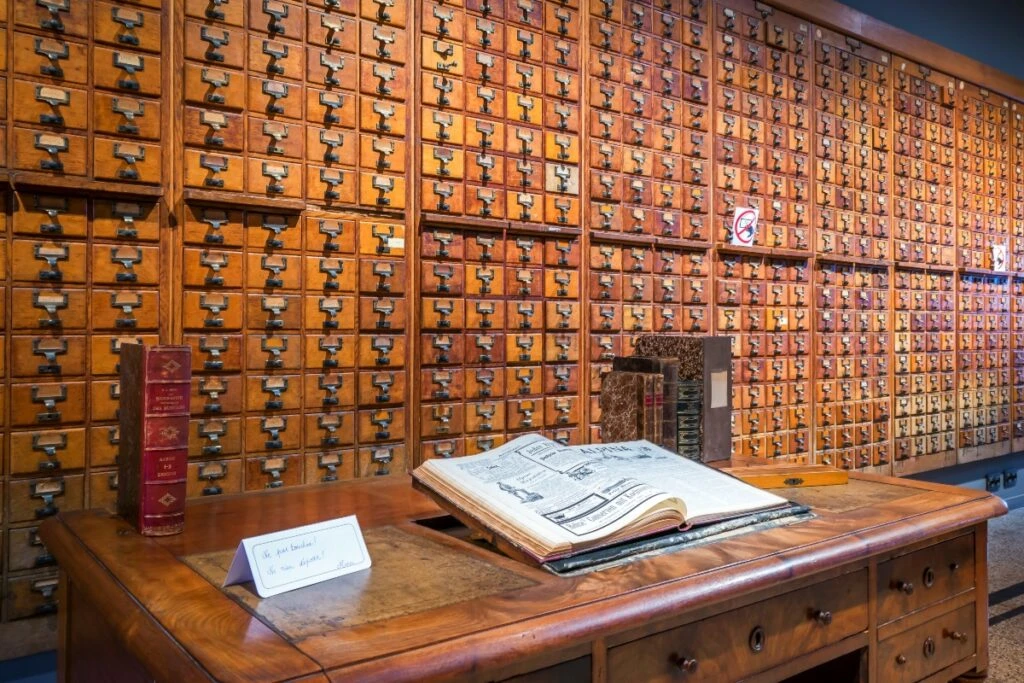
A technology ahead of its time
The cataloging system devised by the Belgian duo proved so practical that some libraries around the world still use it today. Yet back in 1910, making life easier for librarians was the last thing on their minds. Instead, they launched a fee-based search service, answering inquiries sent by mail and telegraph from all over the globe. 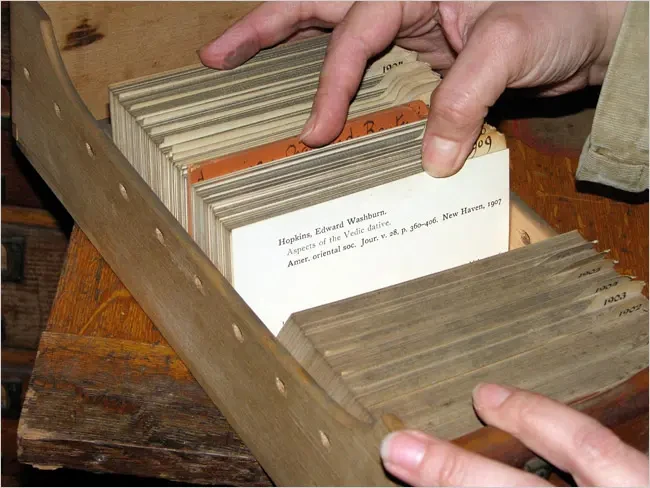
The venture proved successful and profitable. As the Mundaneum's collection grew, the Belgian government stepped in to support the creators, granting them over 100 rooms in Brussels' Cinquantenaire Palace to store the index cards. Unfortunately, the founders couldn't keep the space for long—it was soon repurposed for a project related to rubber production. 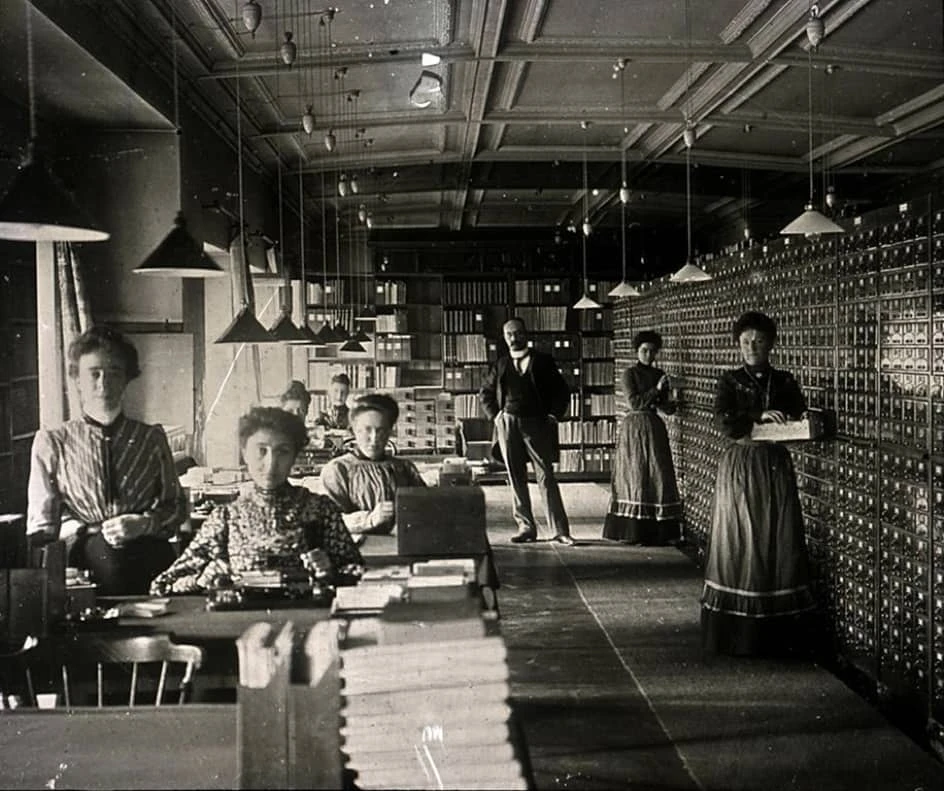
Eventually, the Mundaneum expanded to the point where navigating it manually became overwhelming. Its creators envisioned automating their brainchild with a mechanical retrieval system. In their vision, users would receive answers across a global network powered by telegraph and telephone lines. 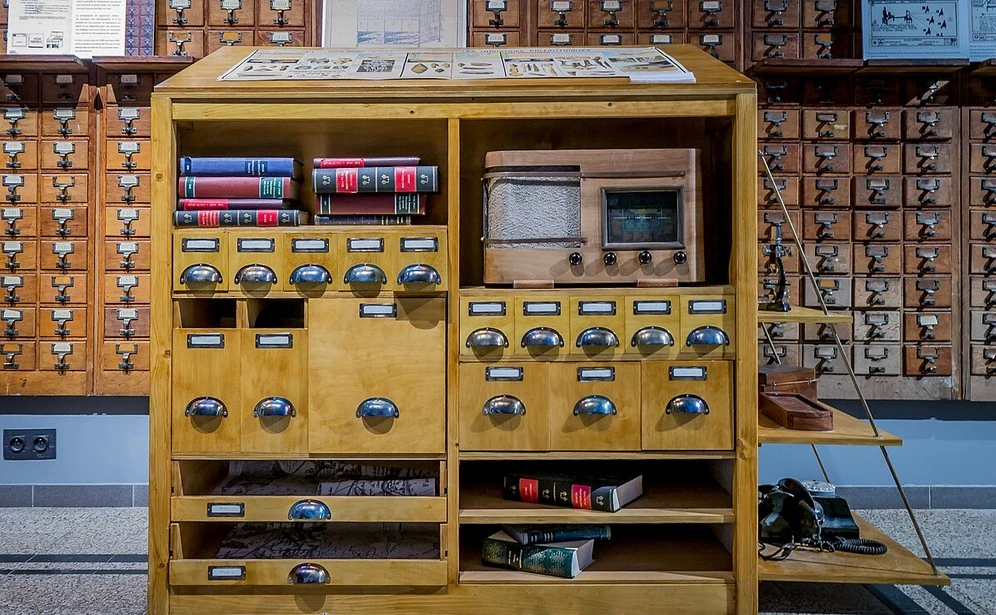
Why the Mundaneum is no more
Unfortunately, the Belgian government soon lost enthusiasm for the ambitious project. Running this information behemoth required substantial funding, which was gradually scaled back and practically came to a halt by the onset of World War II. The collection was moved from spacious, well-lit rooms to damp, poorly ventilated warehouses, where the cards fell victim to mold and rodents. 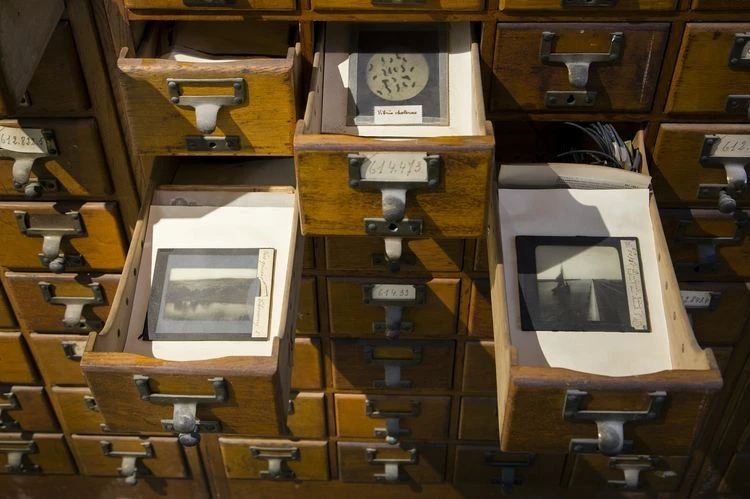
During the German occupation, Nazi forces destroyed part of the archive, viewing the Mundaneum with suspicion. By the end of the war, only a fraction of the index cards survived, which were then relocated to a small room in Brussels' Leopold Park. 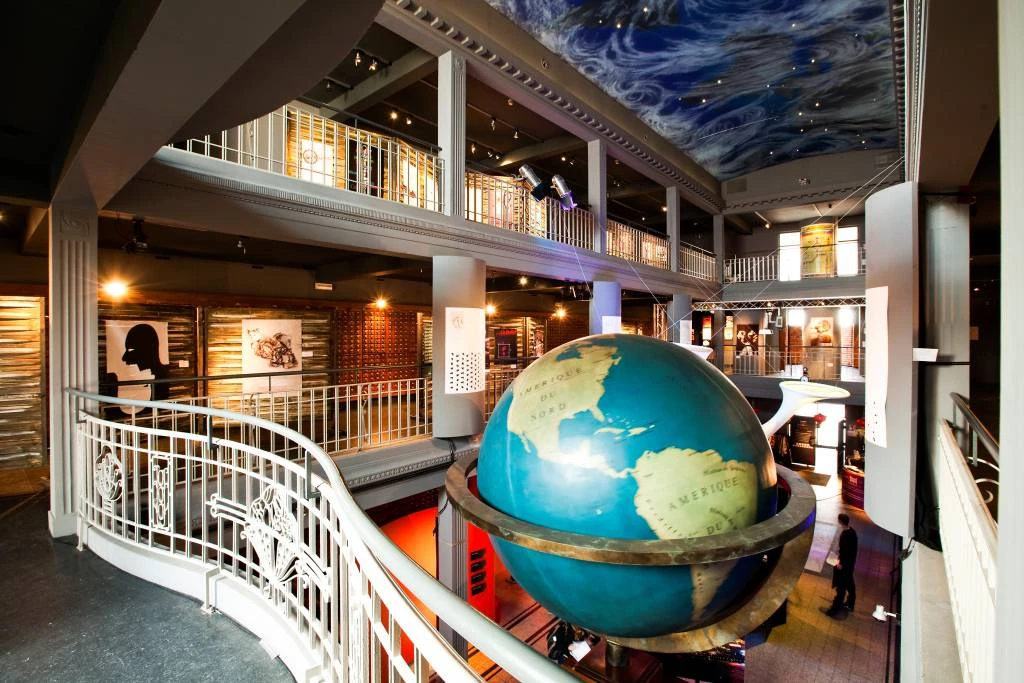
Today, what remains of the "paper Google" is housed in a museum in Mons. Preserving this surviving piece of the monumental archive was made possible through donations from Google and former Belgian Prime Minister Elio Di Rupo.