10 Answers to Odd Questions You’ve Definitely Wondered About (11 photos)
There are certain questions that lurk in the back of our minds for years, yet we never quite get around to answering them. You might wonder why something is built a specific way, why an object sits right where it is, or how your own body performs a particular trick. Still, the answers remain elusive, even though you know they must exist.
Here are 10 everyday questions people often ask themselves—along with the straightforward answers you’ve been looking for. 
1. Why is smoking banned on airplanes?
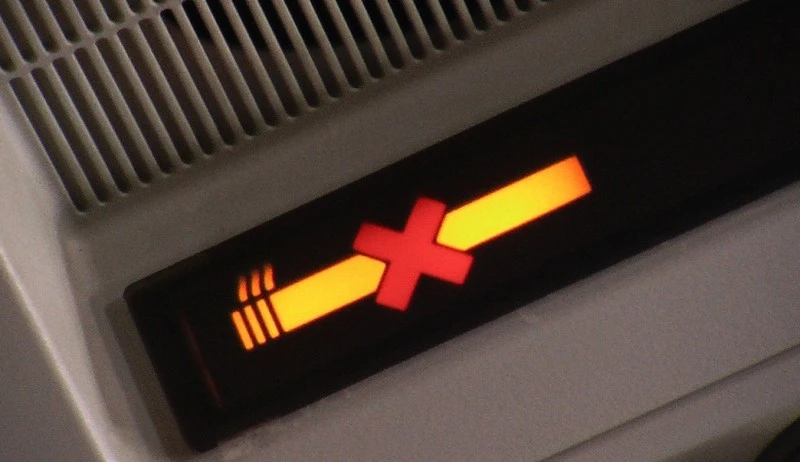
Smoking is banned on virtually every airline in the world. Beyond being unpleasant for fellow passengers, cigarette smoke poses a severe fire hazard—which is likely what caused the tragedy of Varig Flight 820.
Even with the strict ban, it’s hard not to notice that airplane lavatories still feature ashtrays. This isn't just a leftover from older models; even brand-new aircraft come equipped with them.
The reason is simple: ashtrays are a mandatory safety requirement set by the Federal Aviation Administration (FAA). Despite the ban and the presence of smoke detectors, the FAA knows that some passengers will break the rules anyway. Providing a safe place to extinguish a cigarette butt was deemed essential for flight safety. 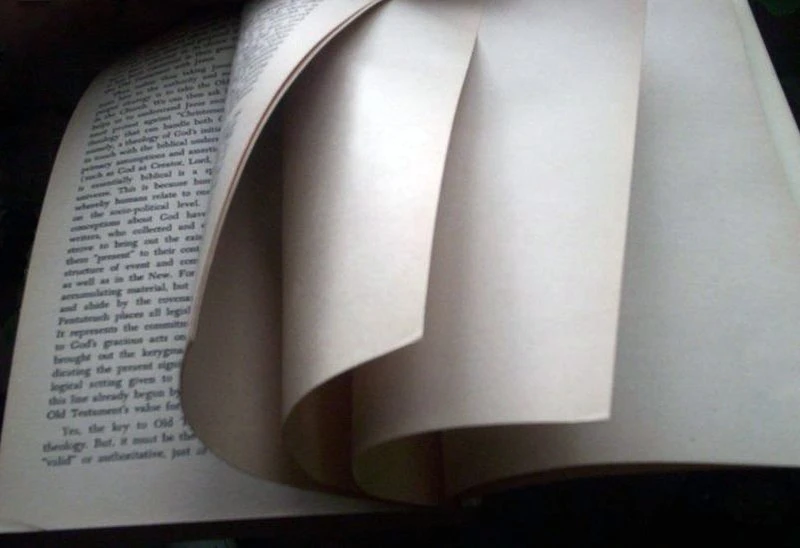
2. Why do books have blank pages?
Many books are published with one or two blank pages at the end, sometimes even more. In Western publications, these pages often carry the notice: "This page intentionally left blank."
These blank pages aren't a waste of paper by publishers, but rather a byproduct of the printing process. Books are typically printed on large master sheets of paper rather than individual pages. Printing presses fold and cut these sheets into page groups, but if a book's total text doesn't divide evenly into these blocks (often multiples of 8 or 16), extra blank pages remain.
Sometimes these pages are intentionally included for notes, or labeled with a disclaimer so readers don't assume there was a printing error. 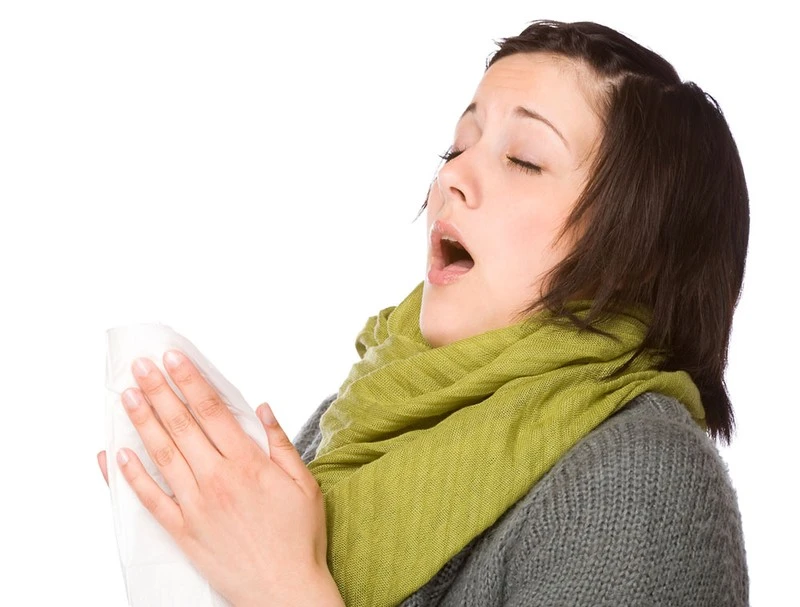
3. Why do people sneeze when looking at a bright light?
About a third of the population experiences an uncontrollable urge to sneeze when stepping into bright light, like walking out of a dark building on a sunny day. It’s a phenomenon that has baffled scientists for thousands of years.
Sneezing is an involuntary reflex typically triggered by nasal irritation. However, with the photic sneeze reflex, the trigger is looking directly at a light source. Scientists have proposed various theories to explain why this happens, though none have gained universal agreement.
Today, most researchers believe it results from a bit of "cross-talk" between nerves in the brain. The optic nerve, which detects light, runs right next to the trigeminal nerve, which controls sneezing. When a sudden burst of light triggers electrical signals in the optic nerve, they can bleed into the trigeminal nerve, tricking the brain into thinking the nose is irritated and causing a sneeze. 
4. Why does hair turn gray?
It happens to everyone as they age. Starting around age 30 (or sometimes earlier), people begin noticing their hair losing its natural color, turning gray and eventually white. Despite how common this is, the science behind it isn't as widely understood.
Hair gets its color from pigment cells called melanocytes. These cells produce melanin—which creates black, brown, red, or yellow tones—and pass it along to the cells building keratin, the primary protein in hair. As we age, melanocytes wear down and produce less pigment, causing the hair to appear gray. Eventually, these cells stop functioning altogether, leaving the hair completely white. 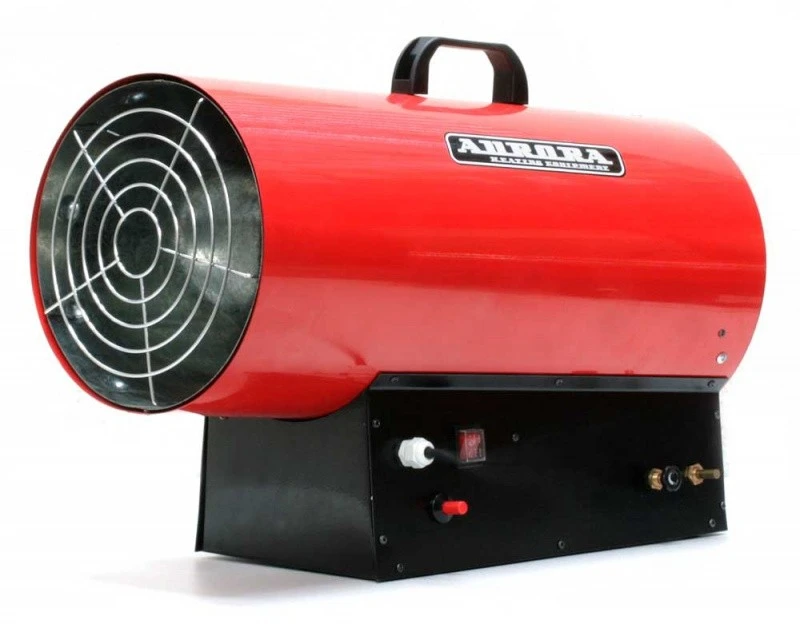
5. Why do stores blast you with air when you walk in?
Quite often, stepping through the entrance of a store or shopping mall comes with a blast of air. It’s not just to cool you off. Known as an "air curtain," this setup is common in restaurants, factories, and loading docks. While it serves several purposes, its main goal is climate control—keeping inside air from escaping and outside air from rushing in. It keeps warm air inside during winter and cold air in during summer, which is especially crucial when doors stay wide open. Plus, the turbulent airflow acts as an invisible barrier against bugs, dust, and outdoor debris. 
6. What causes "butterflies in your stomach"?
Almost everyone has felt that fluttery sensation known as "butterflies in the stomach." Whether caused by anxiety before a public speech or excitement before a first date, various emotions trigger physical changes in your gut thanks to what’s known as the gut-brain axis.
Your brain interprets strong emotions like fear or excitement as forms of stress. In response, it floods your system with adrenaline to prepare for a fight-or-flight response, redirecting blood flow toward your heart, lungs, and muscles. Since blood supply is finite, diverting it away from non-essential organs like the digestive tract creates that distinct fluttery, uneasy sensation. 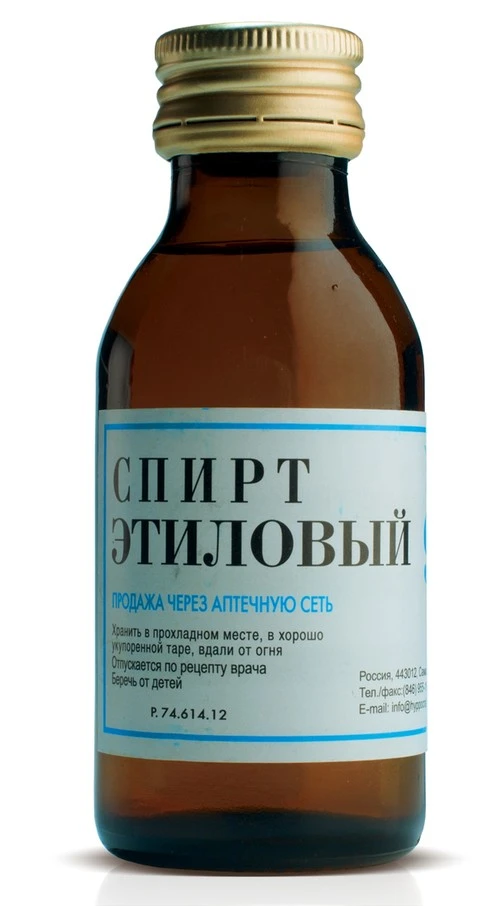
7. Why does rubbing alcohol sting on a cut?
Rubbing alcohol has long been used to disinfect cuts and scrapes. Anyone who’s used it knows it stings intensely—sometimes worse than the injury itself. This burning sensation isn't actually caused by alcohol killing bacteria, but by how it tricks your body.
When rubbing alcohol hits open skin, it targets the VR1 receptors, which are responsible for sensing heat. Normally triggered by high temperatures, these receptors have their threshold lowered by alcohol to the point where normal body temperature triggers them. The receptors send a signal to your brain that the area is literally burning, even though no thermal damage is taking place. 
8. Why does orange juice taste terrible after brushing your teeth?
Eating or drinking right after brushing your teeth is rarely enjoyable. Toothpaste can alter almost any flavor, but drinking a glass of orange juice right after brushing creates one of the most foul taste combinations imaginable.
It turns out the culprit is a foaming agent found in most toothpastes: sodium lauryl sulfate (SLS). SLS temporarily numbs your sweet taste receptors, meaning orange juice—or anything else you consume immediately after—loses all its sweetness.
At the same time, SLS breaks down phospholipids, which normally suppress bitter flavors. By dampening sweetness and amplifying bitterness, toothpaste turns a glass of sweet OJ into a harsh, bitter mess. 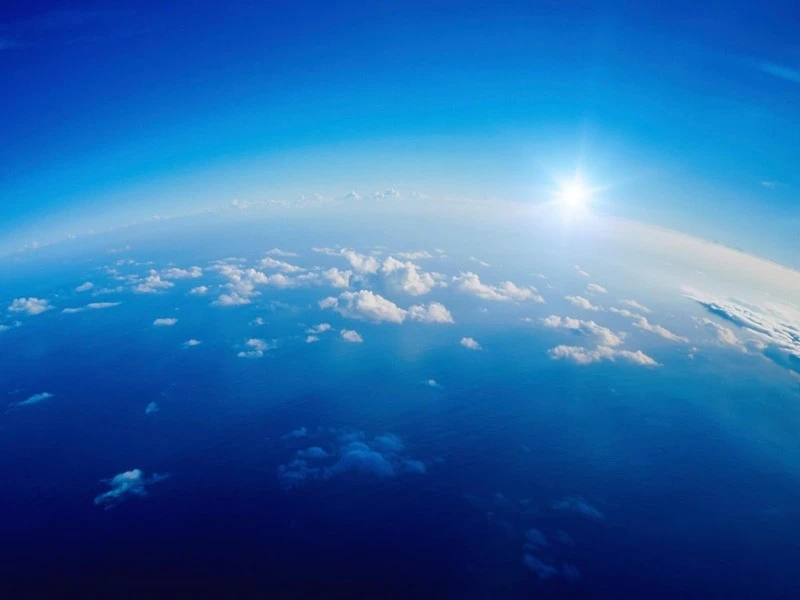
9. Why is the sky blue?
Aside from cloudy days, sunrises, and sunsets, the sky is almost always blue. This comes down to how light interacts with the atmosphere. Just as light splits into a rainbow through a prism, atmospheric particles scatter light. Sunlight—which appears white—strikes oxygen and nitrogen molecules in Earth's atmosphere. Because blue light travels in shorter, smaller waves than other colors, it gets scattered in every direction far more than other colors.
This same scattering effect explains other colors in the sky. Near the horizon, the sky fades to a lighter blue because sunlight passes through more air, scattering even further and mixing with other light. At sunset, when the sun dips low, light has to travel through a much thicker layer of atmosphere. This scatters away most of the blue light entirely, allowing longer red and yellow wavelengths to reach our eyes. 
10. Why is it so hard to remember your dreams?
Most people have woken up from a vivid dream only to feel it slip away seconds later. As frustrating as it is, even with dream-journaling techniques, dreams tend to fade from memory within minutes.
Scientists have pinpointed several reasons for this. During REM (Rapid Eye Movement) sleep, when most dreaming occurs, the brain operates under conditions that aren't ideal for creating long-term memories. Additionally, the brain lacks norepinephrine, a neurotransmitter crucial for memory retention that drops sharply during sleep.
Another contributing factor is that hippocampal neurons behave differently during REM sleep. They don't communicate with other memory-encoding brain regions in the usual way, causing memory formation to misfire and letting dreams dissolve into thin air.