12 Survival Myths That Pose a Real Danger (13 Photos)
These days, there’s certainly no shortage of advice on how to survive extreme situations. Countless TV shows, movies, online forums, and specialized guides eagerly offer tips meant to save your life when disaster strikes.
As it turns out, following many of these "classic" survival rules in real life can actually do far more harm than good. 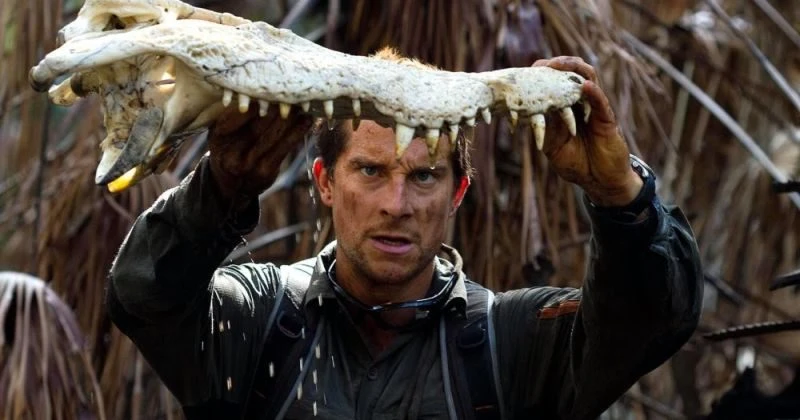
1. Sucking poison out of a snakebite
When a venomous snake strikes, venom enters the bloodstream and spreads rapidly. Trying to suck the poison out won't make a dent in neutralizing it—especially if a few minutes have already passed since the bite. 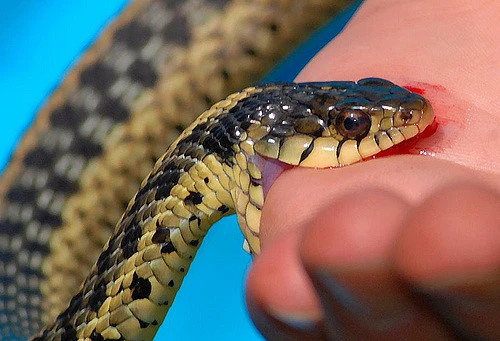
If anything, trying to suck out venom endangers the person offering help, particularly if they have any small cuts or sores in their mouth. Attempting to suck out your own venom is even worse: any micro-tear in your mouth's lining will only speed up the poison's absorption into your body.
2. Playing dead when facing a predator
Many seemingly authoritative sources advise playing dead to avoid a wild animal attack. In reality, dropping to the ground the moment you spot a bear, wolf, or big cat is far more likely to make matters worse. 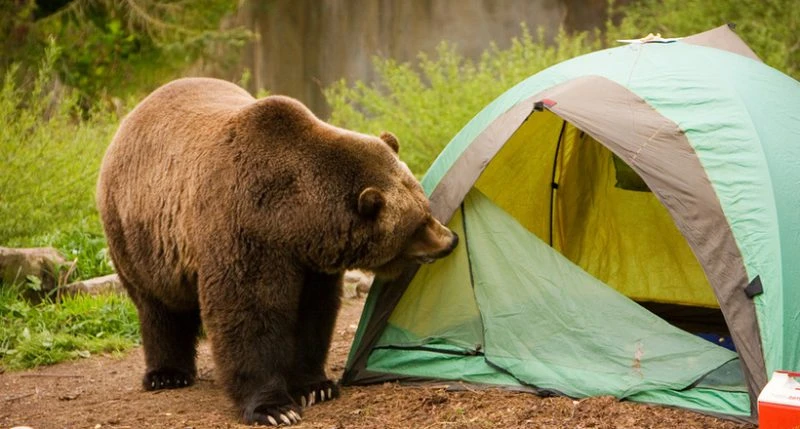
Most apex predators are naturally curious, and sudden, bizarre behavior will only pique their interest. The animal will likely approach to investigate—and the outcome of that encounter is unpredictable at best. A far safer move is to slowly back away without making sudden movements. Wild animals rarely see humans as prey and usually just want to scare you off.
3. Prioritizing finding food right away
In most TV shows and adventure novels, someone stranded in the wilderness immediately starts hunting or foraging to keep from starving. In real life, focusing on food first will only hasten your demise. 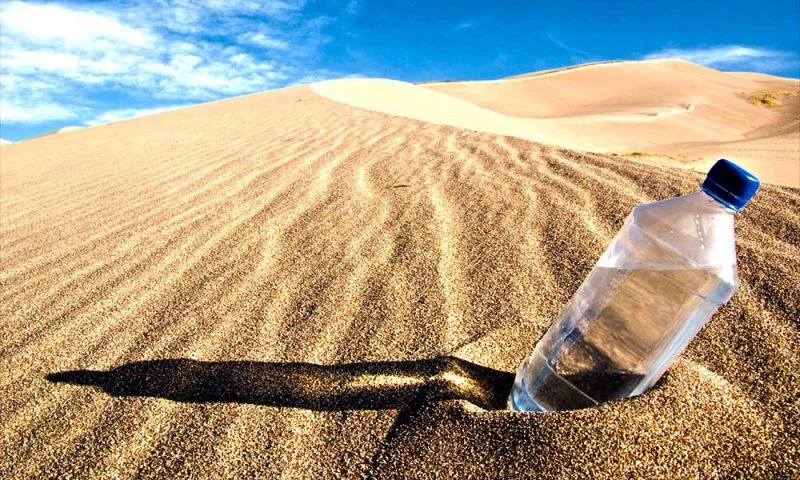
You can survive without food for several weeks, but you’ll last no more than three days without water. Extreme cold or heat, meanwhile, can kill you in just a couple of hours. That’s why finding clean drinking water and setting up shelter to protect yourself from the elements should always come first.
4. Drinking plant sap for hydration
Survival guides often recommend drinking plant sap to stave off thirst. While this might sound like a clever trick, it is incredibly dangerous unless you know exactly what you are doing. You’d be surprised by how many deadly poisonous plants look nearly identical to harmless species. 
A mistake here can cost you dearly. Even if the sap doesn't prove fatal on its own, it can trigger severe vomiting, which rapidly accelerates dehydration. After that, dying from thirst and exhaustion is only a matter of time.
5. Using moss to find north
This classic navigation rule taught in school science classes has proven to be a remarkably persistent myth. It's terrifying to imagine how many lost hikers have gotten into serious trouble trying to pinpoint cardinal directions based on moss growing on trees and rocks. 
Here is the truth: moss doesn't care which way north is. It simply grows wherever conditions are dampest and shadiest. Moisture, light levels, and local temperature dictate where moss flourishes, not compass points. If you take a compass into the woods, you’ll quickly discover that moss often grows far more densely on the south side of a tree trunk or stump.
6. Foraging and eating whatever animals eat
Some of the most popular moments in TV survival shows feature hosts eating gross, seemingly inedible things for shock value. Tree bark, random leaves, tubers, insects, and even raw meat—anything goes in the name of high ratings. 
The real danger is that viewers end up believing the myth that whatever animals eat is safe for humans. This misconception has proven fatal time and again. Case in point: deer and elk happily feast on toxic mushrooms like fly agarics and death caps. Needless to say, eating those same mushrooms would end disastrously for a human.
7. Punching a shark in the snout
Survivors of shipwrecks or plane crashes in warm waters sometimes face the threat of shark attacks. Advice on how to defend against these marine predators abounds, with the most common tip being to punch the shark square in the nose so the blow stuns the fish and drives it off. 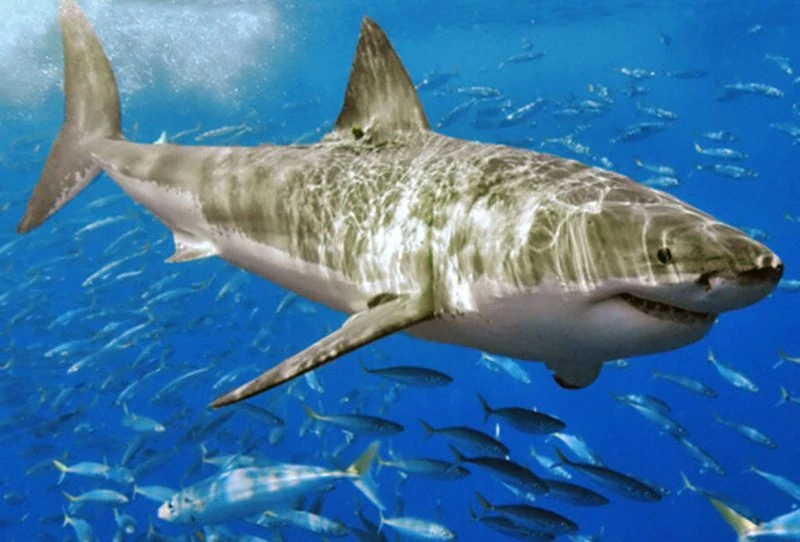
Only someone who has never encountered a shark in the wild would offer such advice. The sensitive spot on a shark's snout is tiny, and the predator moves through the water with lightning speed. If you miss and land your fist on its body, the shark's rough, sandpaper-like skin will severely cut your hands, and the resulting blood will only attract more sharks.
Experts recommend putting any solid object you have between yourself and the shark's jaws. If you must defend yourself with your bare hands, target the eyes or gills—the shark's actual vulnerabilities.
8. Making fire by rubbing sticks together
Few people ever try friction fire-making until they find themselves in a dire emergency. That's a shame, because a quick reality check would shatter a dangerous illusion: starting a fire by rubbing sticks together in the wild is extremely difficult—if not nearly impossible. 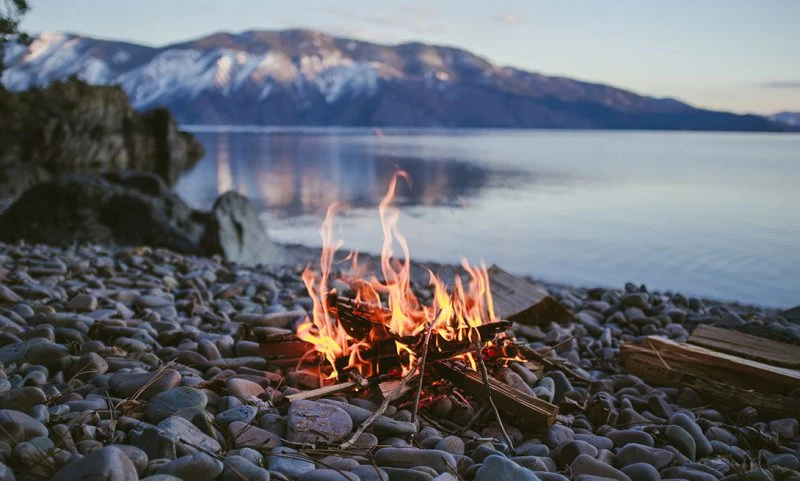
TV survivalists rely on pre-selected wood, perfectly dry tinder, and pre-harvested materials that you'll rarely find in a real survival scenario. If you have matches or a lighter, guard them carefully—in the wilderness, they are your only reliable way to spark a flame.
9. Boiling water makes it completely safe to drink
Boiling is a fantastic way to kill dangerous pathogens and microorganisms. However, heating water to a boil does not eliminate chemical contaminants or heavy metals. An unmarked spring found in the woods or mountains might look pristine, yet contain toxic chemical compounds, arsenic, or radioactive elements. 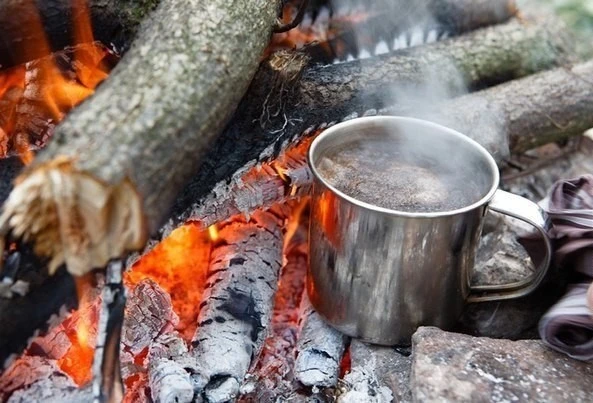
Boiling won't purge chemical toxins, so you should always try to source water near signs of safe human use whenever possible. Passing water through a improvised cloth filter before boiling can help remove dirt and sediment, but it will not neutralize chemical hazards.
10. Eating snow to quench your thirst
Counterintuitive as it may sound, eating snow for hydration in an extreme scenario is a terrible idea. Your body has to expend a massive amount of valuable core energy just to melt the snow inside you. 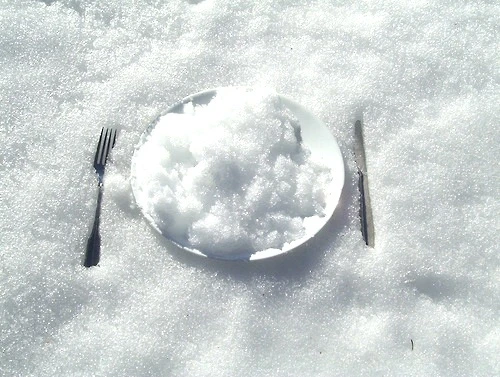
Eating raw snow is the fastest track to hypothermia, especially if you are already exhausted, weak, or injured. If snow is your only water source, always melt it first before drinking if you have the means to do so.
11. Drinking alcohol to warm up
This is one of the most dangerous myths on the list, and it has claimed countless lives. Alcohol creates a temporary illusion of warmth by dilating blood vessels near the skin. In reality, this causes your body to lose core heat much faster, drastically reducing your chances of survival. 
What's more, alcohol dulls your instincts and impairs judgment when you need to stay sharp. If you find yourself stranded with a bottle of spirits, save it for disinfecting wounds or starting a fire, and rely on proper insulation to keep warm instead.
12. Rubbing frostbitten skin to warm it up
In freezing temperatures, ears, noses, fingers, and toes are the first to suffer. The risk of frostbite is high, and misguided actions can easily make matters worse. Many people believe that vigorously rubbing cold limbs is the best way to restore heat, but doing so actually causes severe tissue damage. 
Rubbing frozen flesh tears damaged tissue without doing anything to restore circulation. The safest way to treat frostbite outdoors is to wrap the affected area in dry, warm fabric and place bottles of warm—never hot—water around it.
These are just a few dangerous survival misconceptions. In reality, there are hundreds of them, and in the digital age, bad advice spreads faster than ever. Online myths travel quickly—and far too often, people accept them without question.