Fooluru: How an Australian Mountain Has Tricked Tourists for a Century—and Now Hosts Them for Dinner (13 Photos)
One of Australia's most iconic natural landmarks is Uluru, historically known as Ayers Rock—a colossal sandstone monolith located roughly 450 kilometers from Alice Springs. 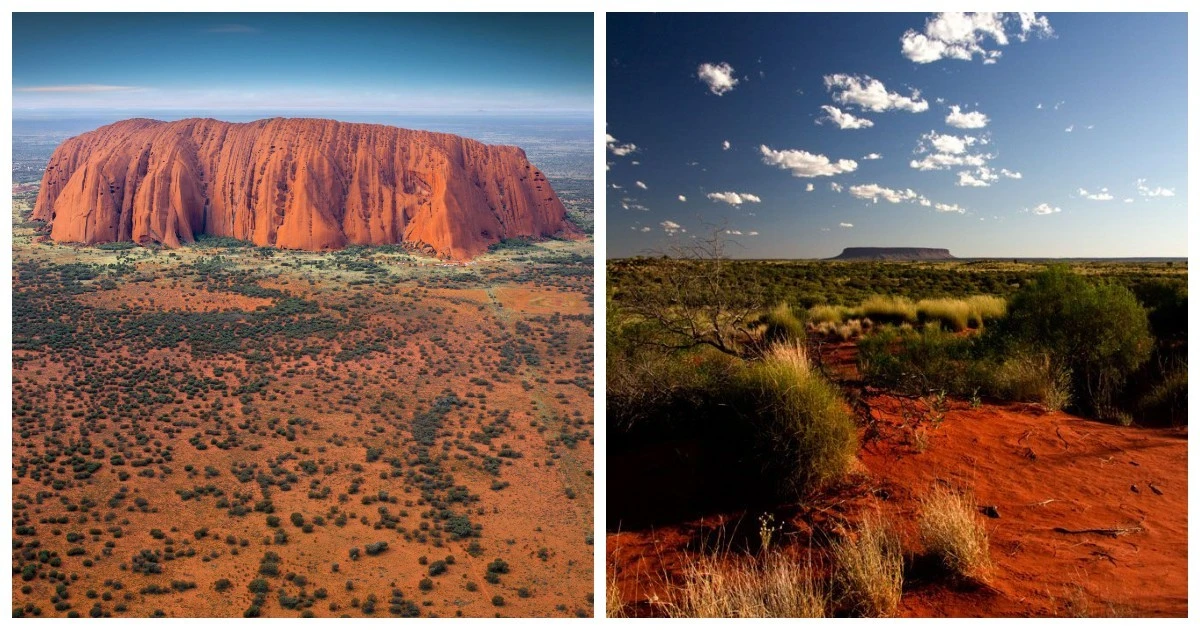
Every year, more than a quarter of a million tourists travel the highway to see the famed rock and its nearby counterpart, Kata Tjuta. At a certain point along the long drive, the silhouette of a massive rocky mountain rises on the horizon, filling travelers with excitement and awe. 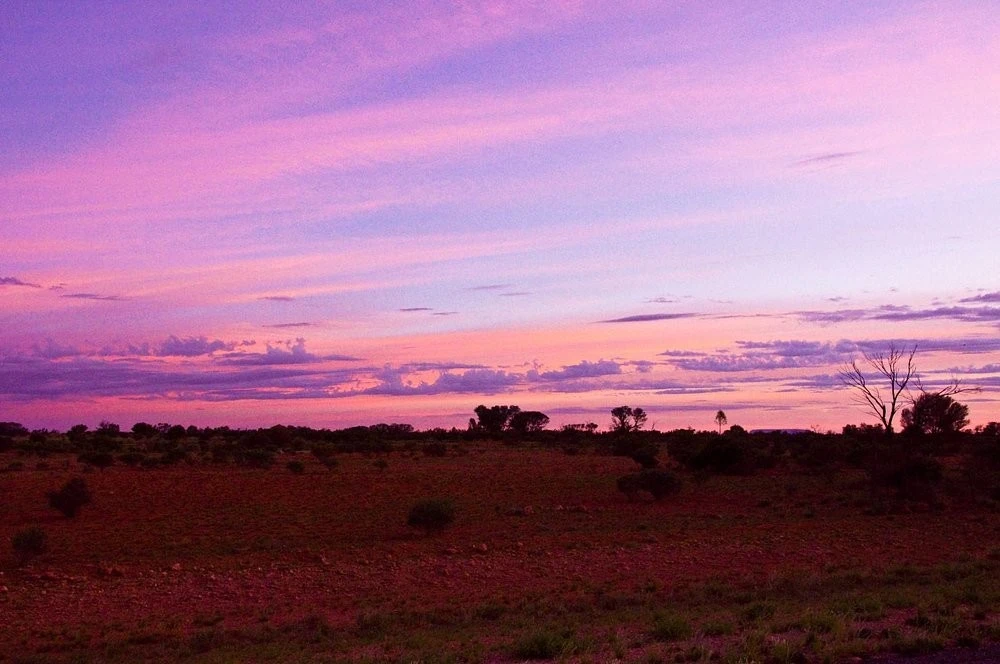
It feels as though they’ve finally caught sight of the legend. But after snapping dozens of photos, most gradually realize that this rock looks noticeably different from Uluru's famous outline. 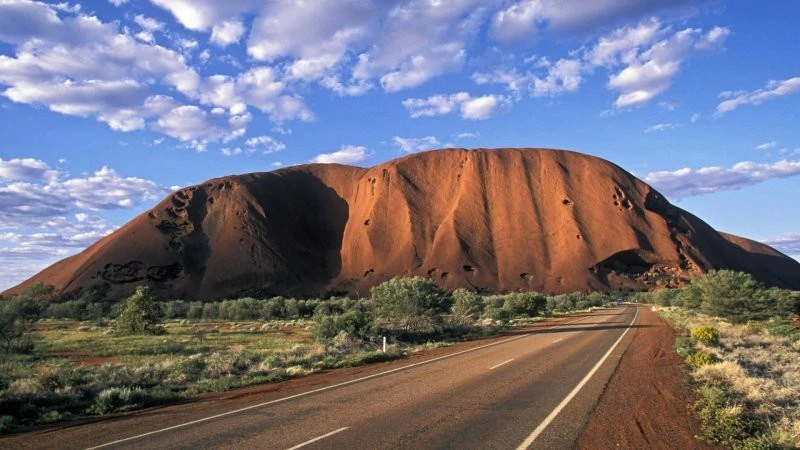
Ayers Rock or Uluru
The mountain greeting travelers on their way to Uluru-Kata Tjuta National Park is actually the lesser-known Mount Conner. Locals often dub it "Fooluru" because of its knack for tricking unsuspecting tourists. 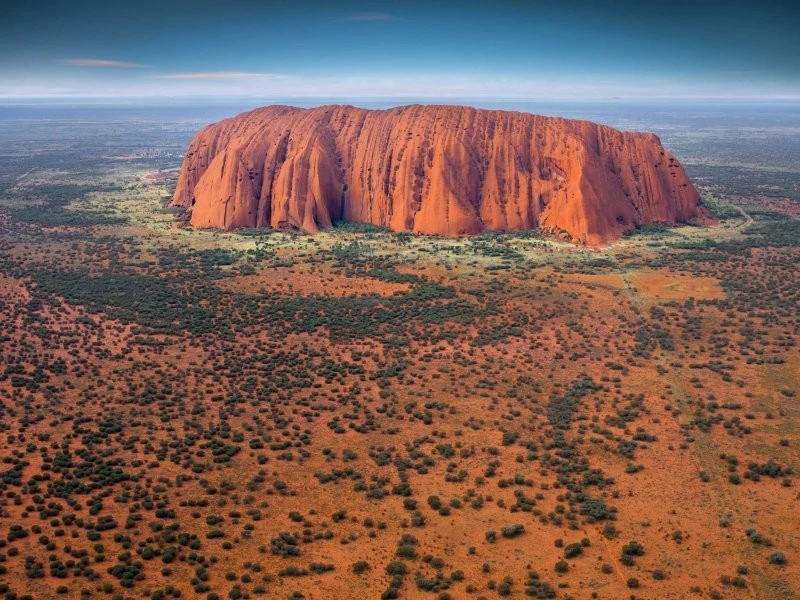
Uluru
In reality, Mount Conner stands roughly 100 kilometers away from Outback Australia's most famous icon. Like Uluru, it is a classic inselberg, or "island mountain," formed as softer surrounding rock eroded over millennia, leaving behind a resilient cap of hard conglomerate and quartzite. 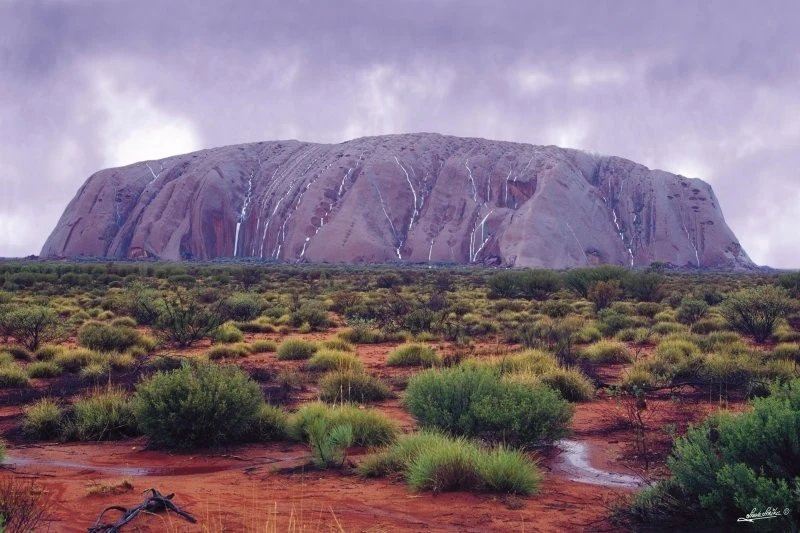
Uluru
The rock was named in 1873 after South Australian politician M. L. Conner. However, local Aboriginal people knew it as Attila or Artilla, believing it to be the home of the formidable Ice Men, who brought cold weather to the desert. 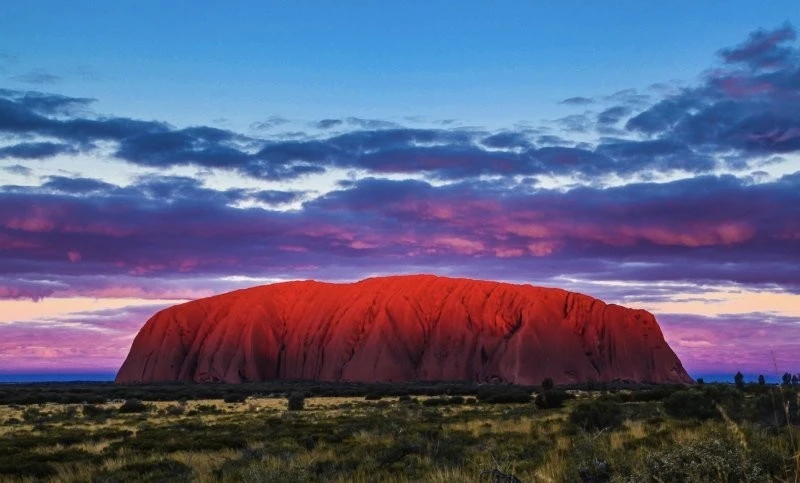
Uluru
While Uluru has a rounded dome, Mount Conner features a flat-topped, horseshoe-shaped profile. Standing 300 meters high—just shy of Uluru’s 348 meters—its upper 90 meters consist of sheer vertical cliffs, while the lower two-thirds slope gently down to the desert floor. Mount Conner’s shape is actually distinct enough from Uluru that it’s a wonder people mistake the two at all. 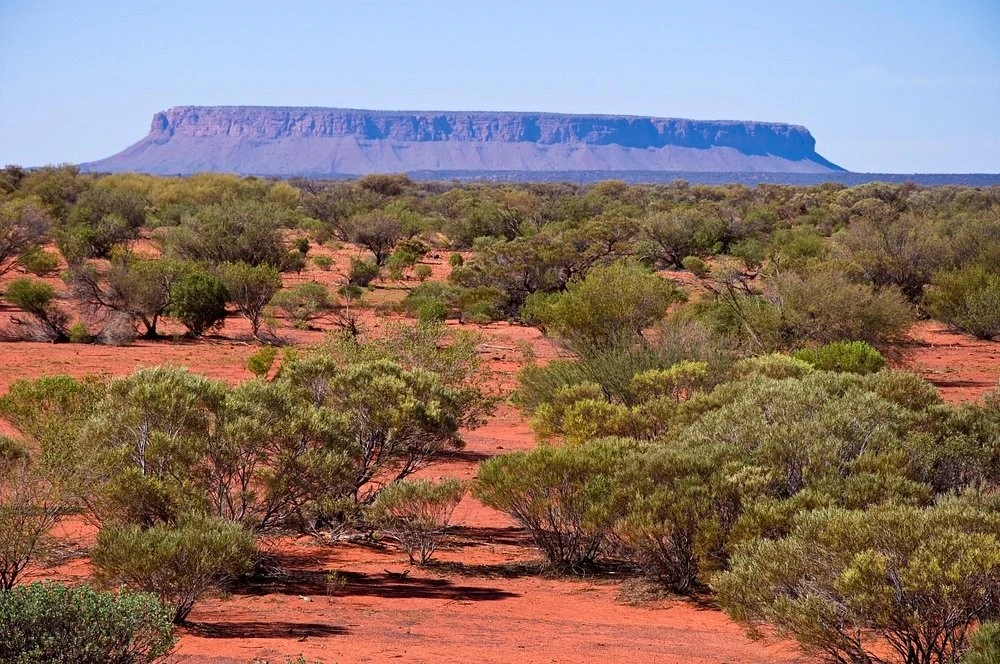
Mount Conner
The reason Mount Conner is missing from most standard tour itineraries is that it sits on private land. While visitors can admire it from afar, getting up close requires booking a specialized tour. 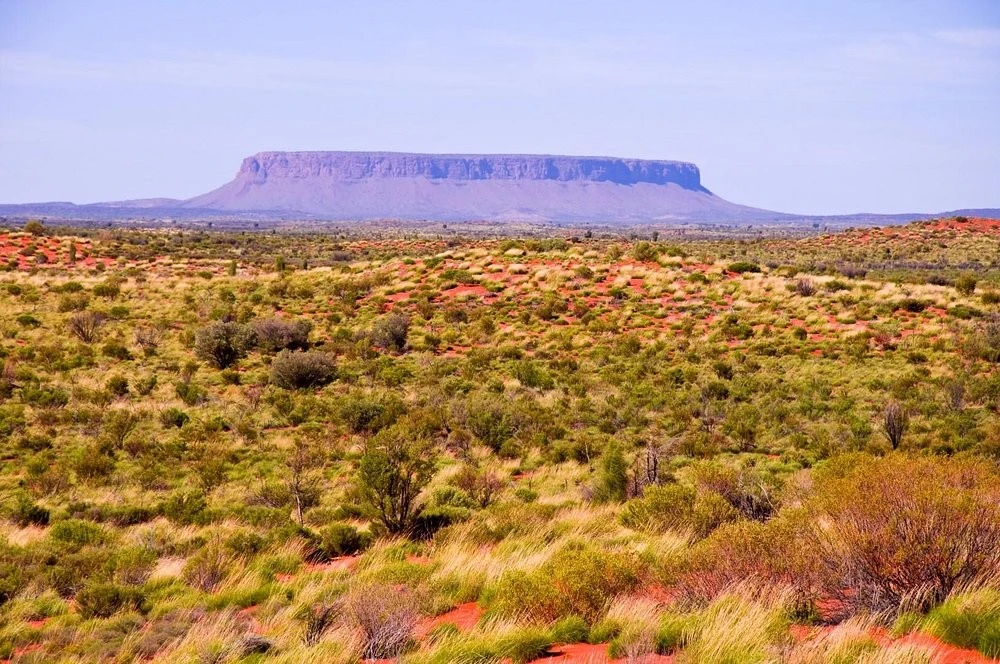
Mount Conner
Mount Conner is located on Curtin Springs Station, a vast pastoral property right next to the rock. The station has been run by the Severin family since 1956. When they first took on the lease, Uluru was not yet a tourist hotspot, the road was unpaved, and few travelers passed through. The early years were grueling due to sheer isolation and drought: after a light rain during their first year, not a single drop fell for the next seven. 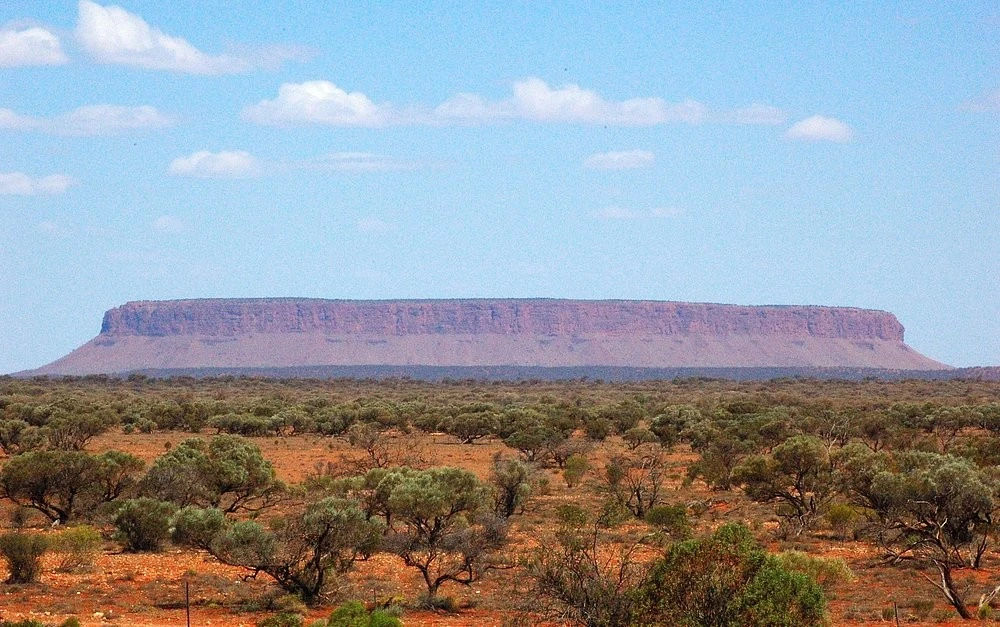
Mount Conner
Fortunately, the Severins held on, earning a modest living by selling tea to the occasional traveler passing by. Today, Curtin Springs Station is a bustling hub, complete with accommodation, a gas station, a store, a pub, and camping grounds. 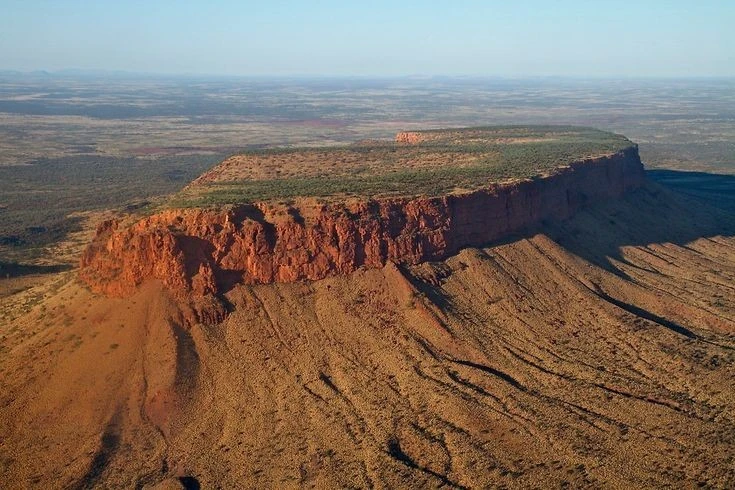
Mount Conner
Beyond Mount Conner, the property is home to Lake Swanson, an expansive salt lake. During the dry season—which is most of the time—its surface is covered in a thick salt crust tinged pink by algae and bacteria. 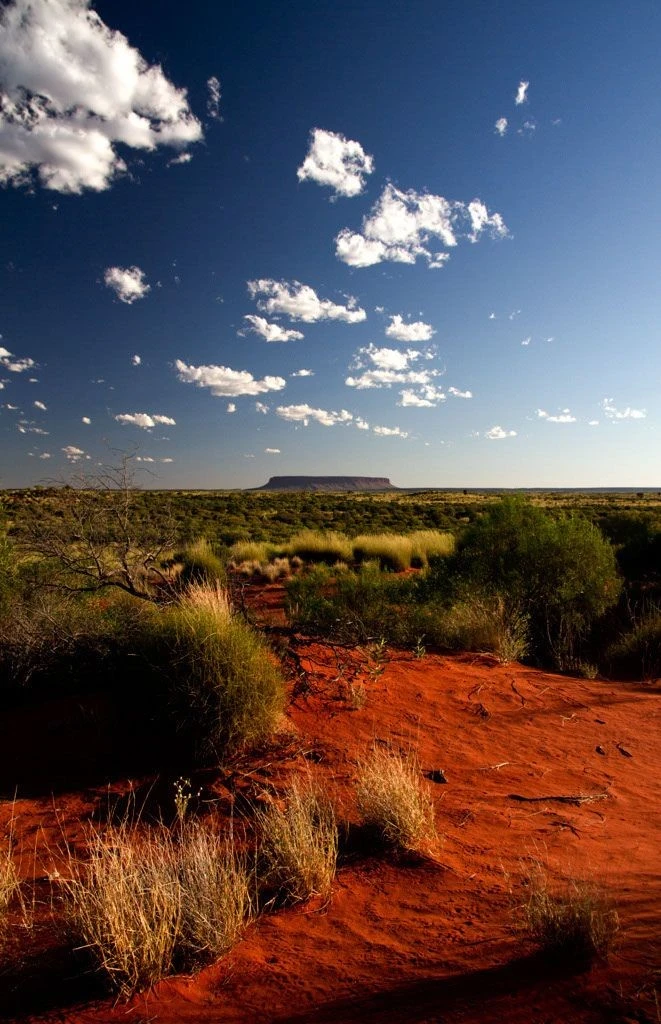
Mount Conner
Even though Mount Conner sits on the privately owned Curtin Springs cattle station, travelers are not limited to viewing it from the free highway lookout—they can also join guided tours across the property. 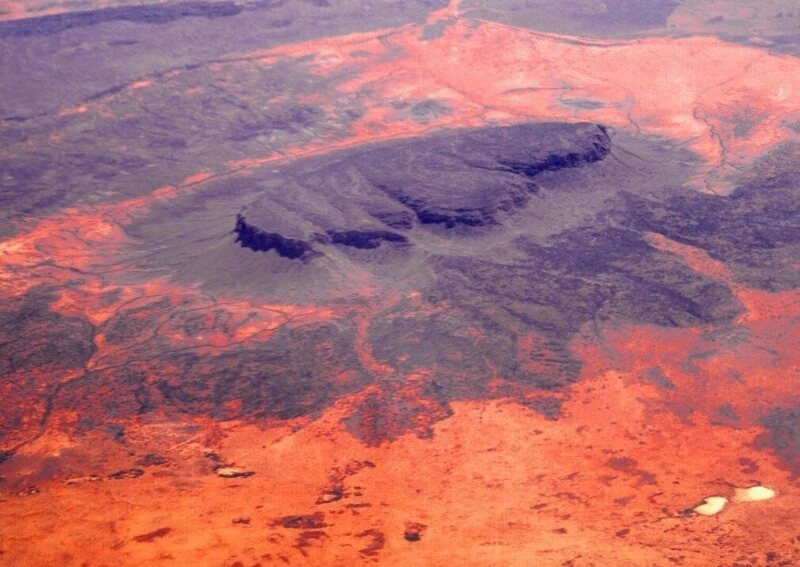
Mount Conner
Popular tours feature a 4WD drive around the station, a stop at the ancient salt lake, a home-cooked dinner at Curtin Springs, and, of course, a front-row seat to sunset as Mount Conner glows in shades of red and purple. The mountain that tricked drivers for decades has now become a destination in its own right for those seeking to experience Australia’s "other" rock without the crowds. 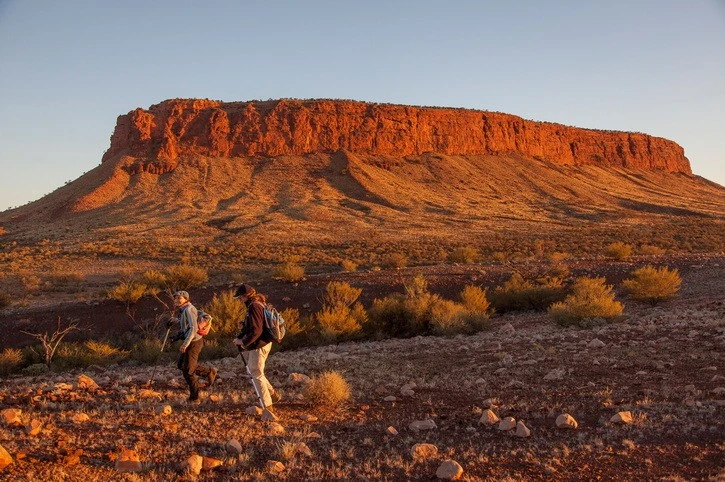
Mount Conner