Fascinating Artifacts from the Past (18 Photos)
Imagine holding a teapot that looks like a piece of weathered wood, but is actually made of fired clay—and happens to be nearly 700 years old. Ancient Chinese artisans possessed the extraordinary skill to make ceramics look like wood and bronze look like living creatures. And that’s just the beginning. In this collection, you’ll find 3,000-year-old golden sandals fit for a pharaoh, an 11th-century astrolabe used to map the stars, a bronze stag preserved in the Siberian permafrost, and an Aztec altar that once dripped with blood. Here are 18 incredible artifacts proving that history isn't just about dry dates—it's full of beauty, madness, genius, and a touch of magic. From Panama to Thailand, and Sumerian ziggurats to Venetian platform shoes, take a look and prepare to be amazed!
1. A ceramic teapot crafted to resemble wood. China, Ming dynasty, 1368–1644. 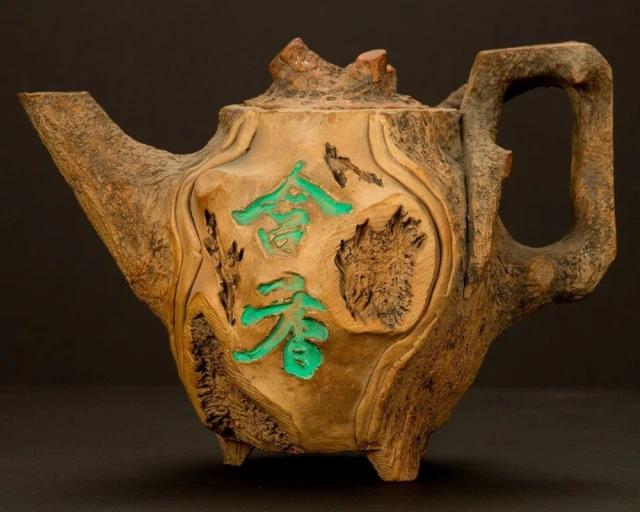
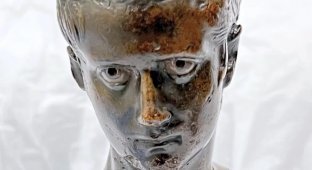
2. Bust of Princess Meritaten. 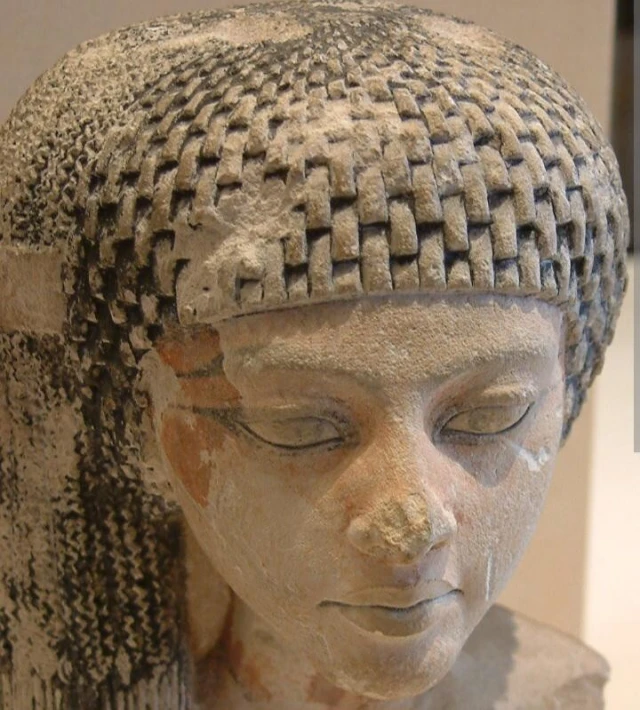
3. The Ziggurat of Ur (c. 2040 BCE). Ancient Sumer (modern-day Iraq). 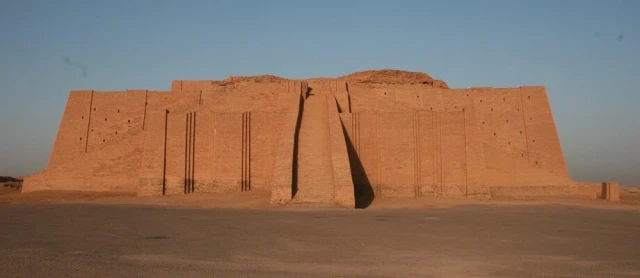
4. Bronze elephant-shaped vessel, Middle Western Zhou period, 10th century BCE. 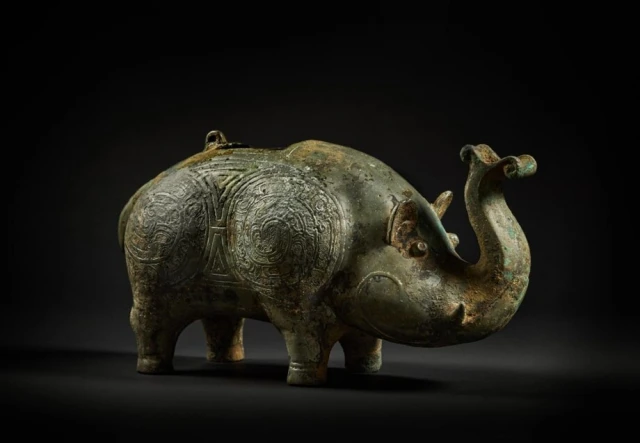
5. Brass planispheric astrolabe made by Ibrahim ibn Said al-Sahli. Spain, 1067. 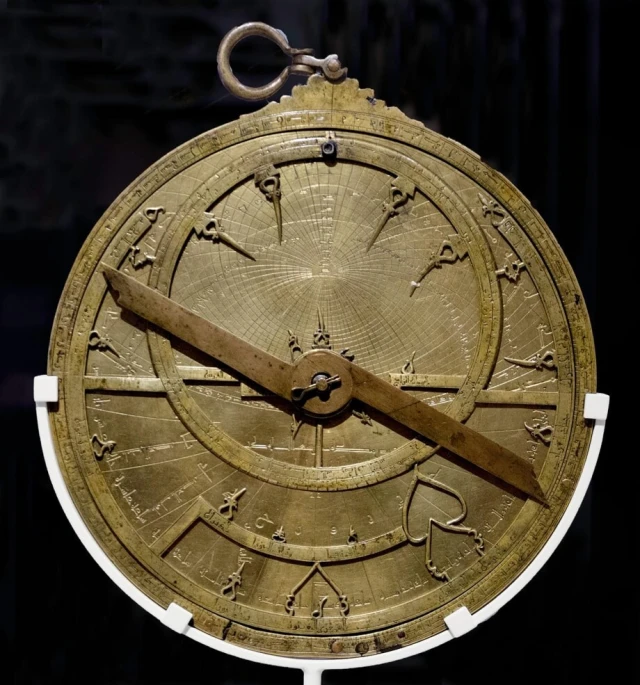
6. A pair of backless Venetian chopines made of pine wood wrapped in embossed goatskin, c. 1600. 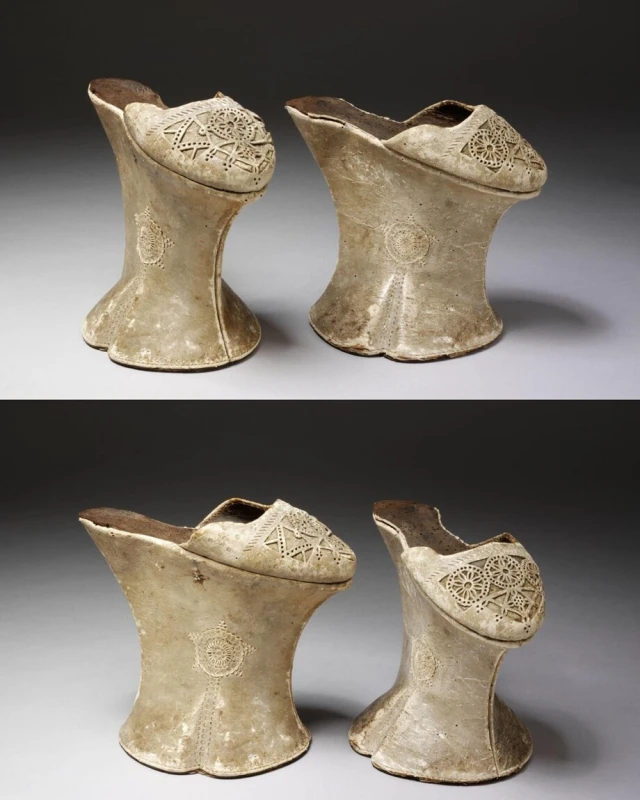
7. 3,000-year-old golden sandals and toe stalls discovered in the tomb of Tutankhamun. 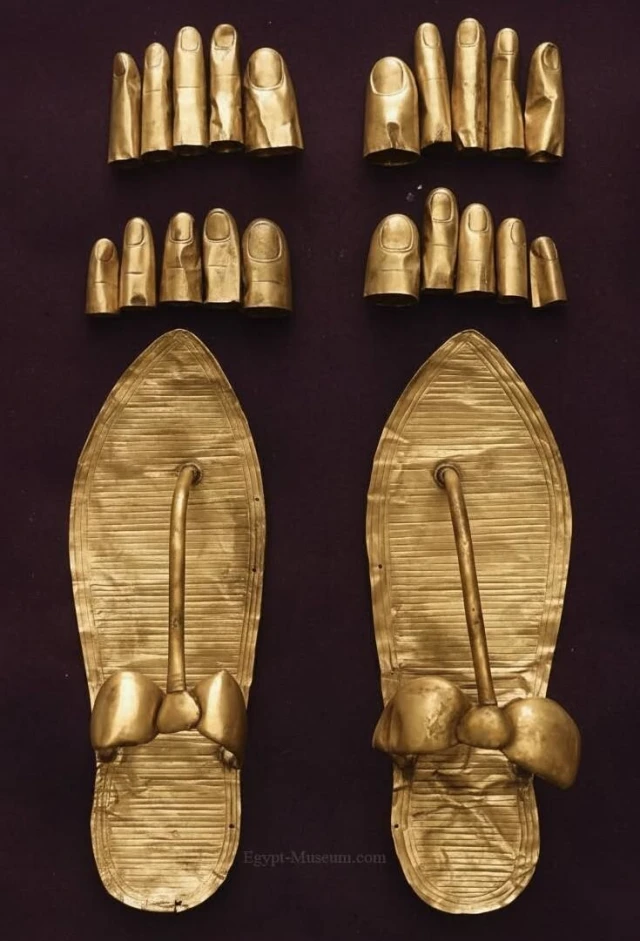
8. Glass bowl inscribed with the words "I contain water." Syria, Mamluk Sultanate, 1320–1370. 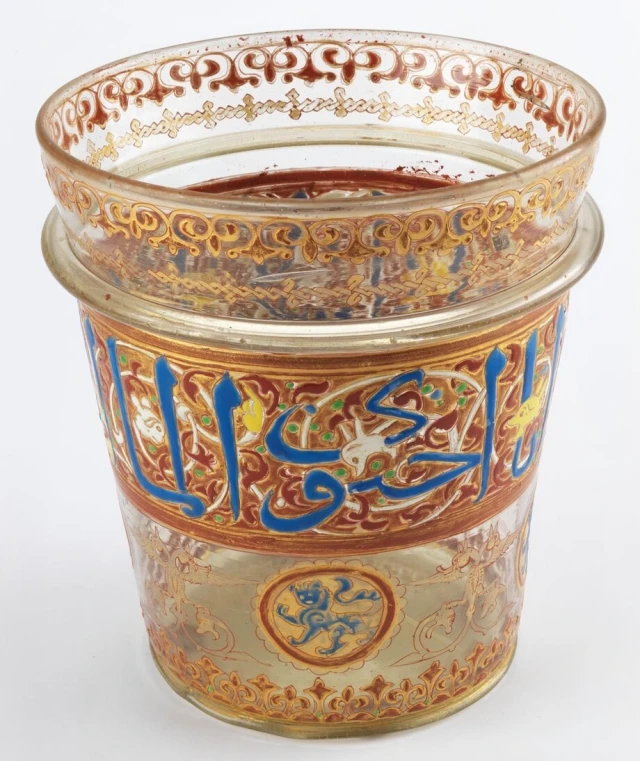
9. "Stag Finial on a Sphere." Pazyryk culture, 5th century BCE. Made of leather and wood. 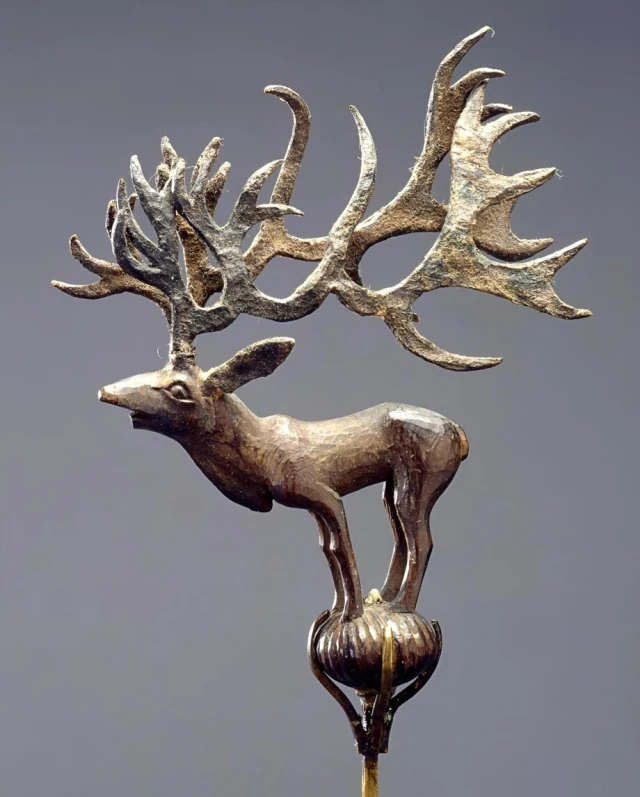
10. Gold ring set with a ruby. Thailand, 16th century. 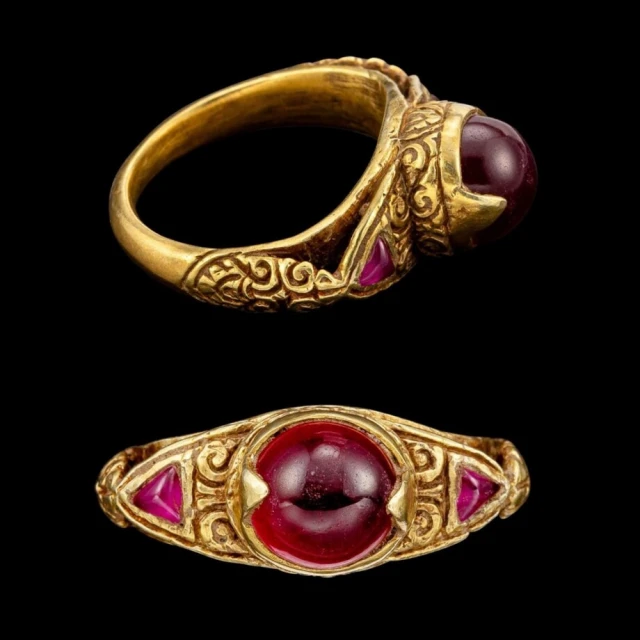
11. Scepter with a jade finial inlaid with semi-precious stones. India and Ottoman Empire, c. 18th century. 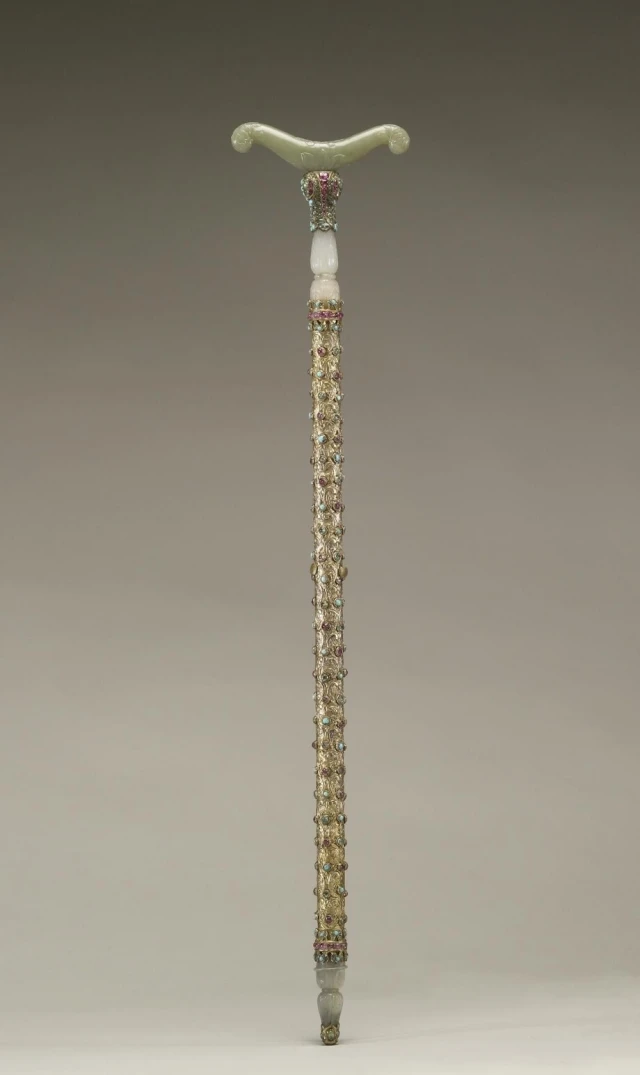
12. Aztec techcatl—a sacrificial altar stone. 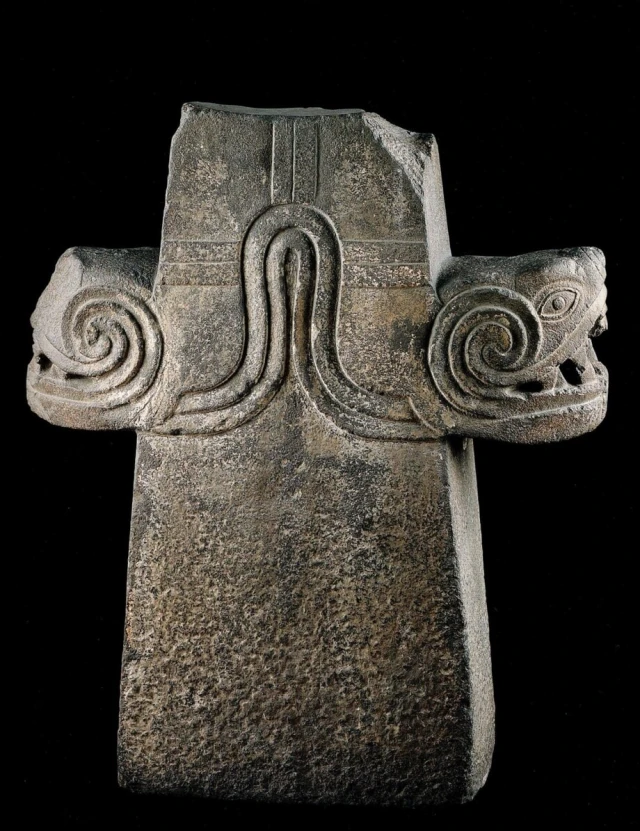
13. Ram's head amulet (747–656 BCE). Nubia, modern-day Sudan. 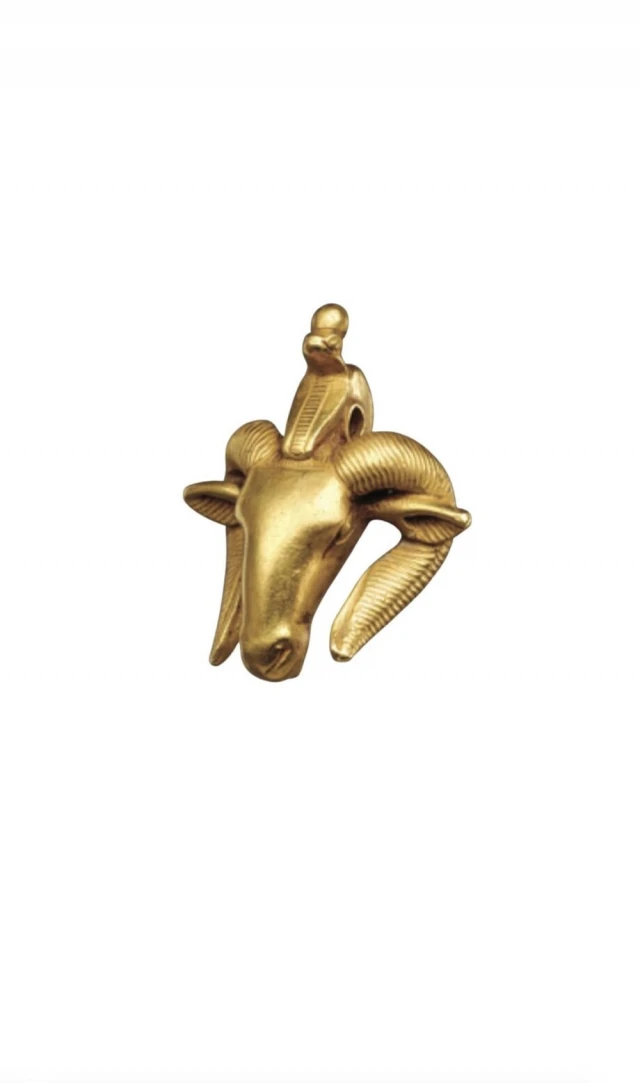
14. Deer-shaped vessel. Gran Coclé culture, Panama, c. 650–1250. Earthenware painted with orange, cream, and black slip. 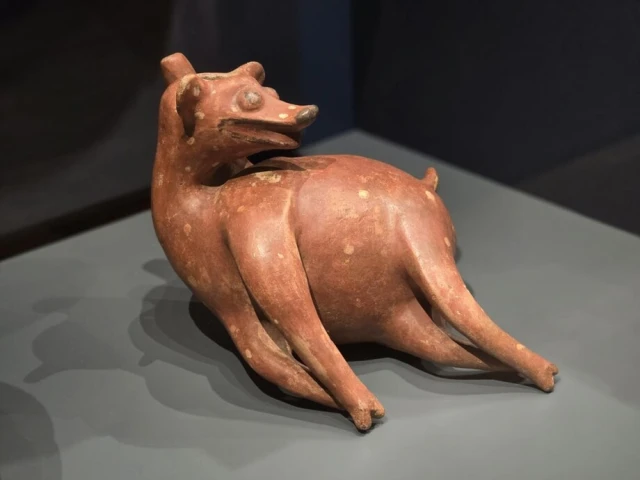
15. Dish depicting a deer. Los Tuxtlas culture, present-day Veracruz, Mexico, Late Classic to Epiclassic period, c. 650–1000. Polychrome slip-painted earthenware. 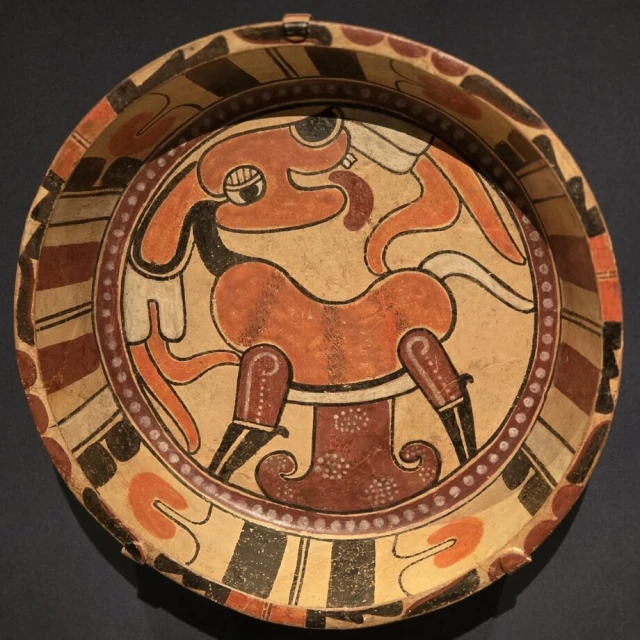
16. Copper food mold shaped like a shoe, France, c. 1800–1900. 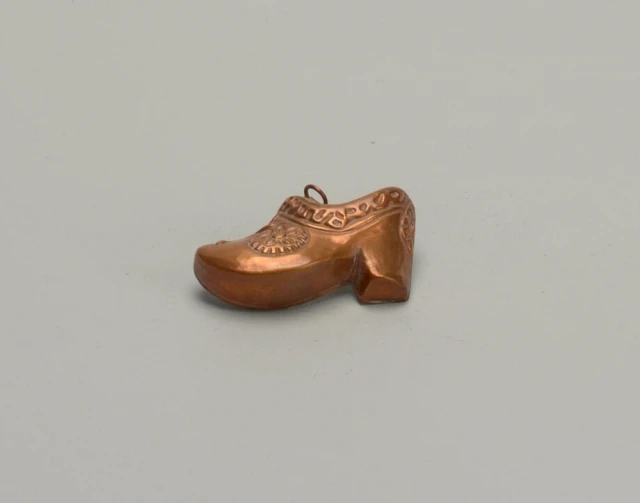
17. A portion of the 2 million Wu Zhu coins discovered in the tomb of Emperor Liu He, who ruled for just 27 days. Jiangxi, China, Han dynasty, 59 BCE. 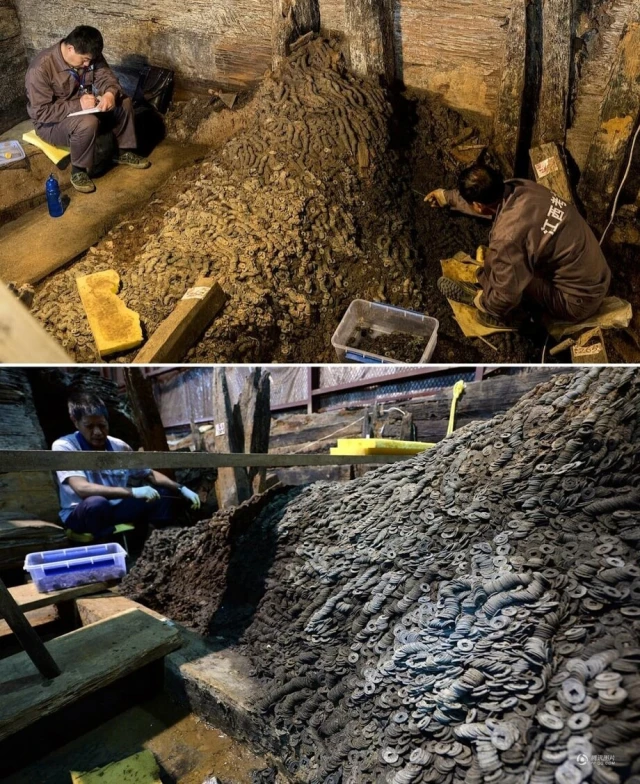
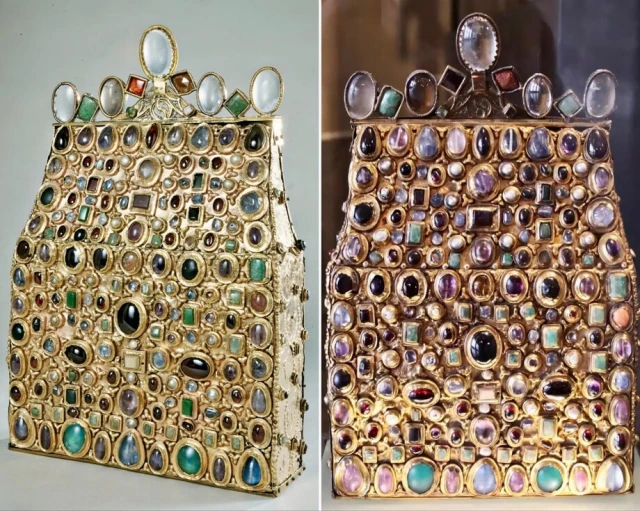
18. The Burse of Saint Stephen—a 9th-century rectangular gold reliquary studded with gemstones. Part of the Imperial Regalia of the Holy Roman Empire.