5 of the Most Absurd Triggers for War in History (14 photos)
The root causes of any war are usually grave: years of geopolitical friction, bitter territorial disputes, power struggles, and economic instability. The spark that ignites them, however, can be utterly absurd—like a pig wandering into a potato patch, a stolen wooden bucket, or a stray dog crossing a border.
Here are five of the most ridiculous triggers that turned real-world conflicts into pure tragicomedy. 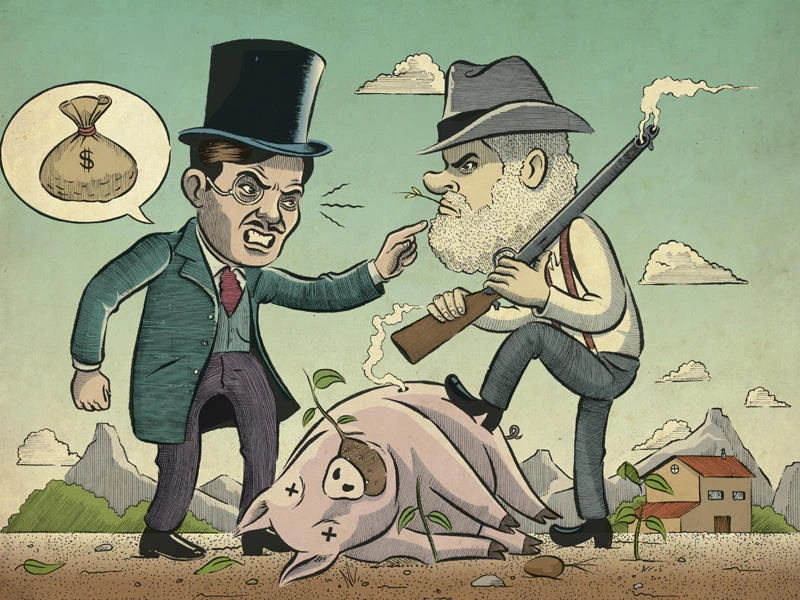
The War of the Bucket 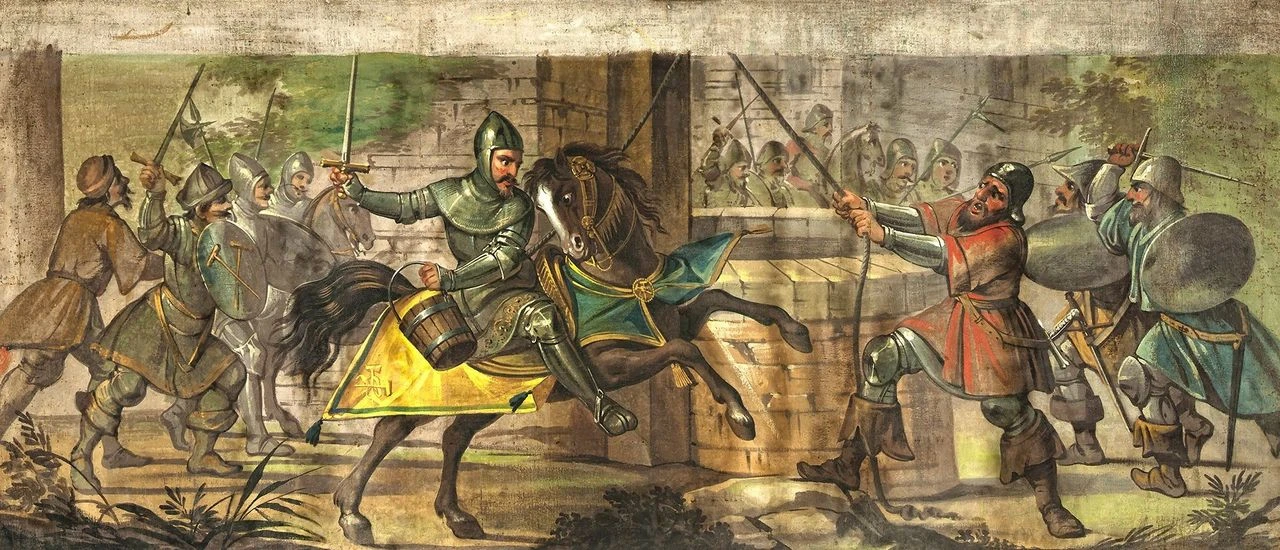
This one easily takes first place for sheer absurdity. A bloody conflict that claimed thousands of lives—all to reclaim an ordinary oak bucket.
In the 14th century, two neighboring city-states in northern Italy—Bologna and Modena—were constantly on the brink of war. Bologna backed the Guelphs, while Modena sided with their arch-rivals, the Ghibellines. Situated barely 30 miles apart, either city could expect an enemy army at its gates at any given moment. Bloodshed was inevitable, but the pretext was utterly ludicrous.
According to one version of the story (the dumber one), a mercenary cavalryman deserted Bologna for Modena, snatching a wooden well bucket on his way out. The Bolognese government demanded its return, arguing that the bucket was municipal—and therefore public—property. 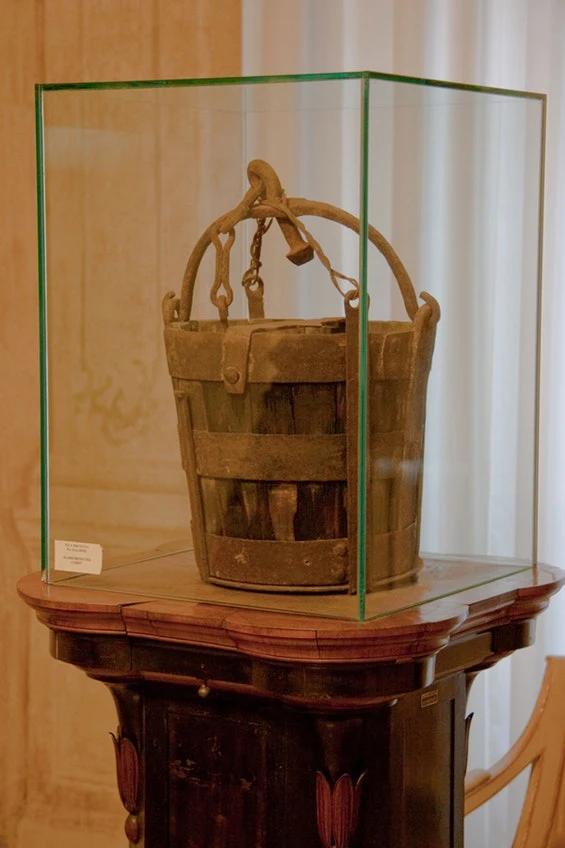
The actual bucket in question
Another, slightly less humiliating account claims that a group of cavalrymen fled with the bucket full of loot plundered from Bolognese citizens. Either way, Bologna insisted on getting the bucket back. Sanctity of private property wasn't much of a concept back then, but stealing public city property was a step too far.
A heated dispute ensued. Diplomacy failed, leaving the battlefields to settle the score. The climax came at the Battle of Zappolino, which left 2,000 soldiers dead. Modena won, successfully defending their prize. The bucket remains on display in Modena to this day as a historic relic. The mini-state gained no territory, no political leverage—just a damn bucket.
The Pastry War 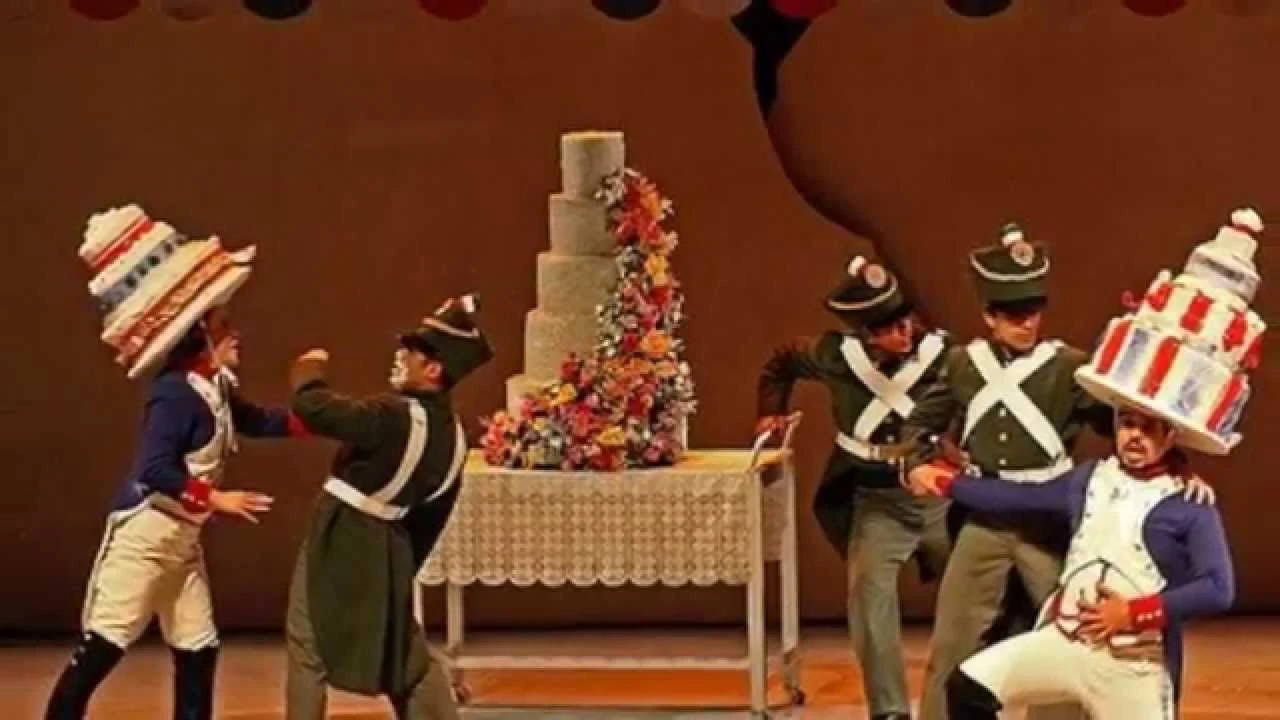
Today's stereotype paints Mexicans as lovers of spicy food. If 19th-century stereotypes were anything to go by, they also had a severe hatred for baked goods. At least, that seemed to be the case in 1828 when rioting Mexican officers inexplicably ransacked a bakery owned by a French expatriate.
Cakes and pastries were trampled, the shop was vandalized, furniture smashed, dishes broken, and chocolate fondue mistreated in ways best left unsaid. The outraged baker demanded compensation, eventually appealing directly to King Louis-Philippe I of France. Sympathizing with the tradesman's plight, the French monarch issued an ultimatum demanding Mexico pay 60,000 pesos in damages—an astronomical sum at the time. 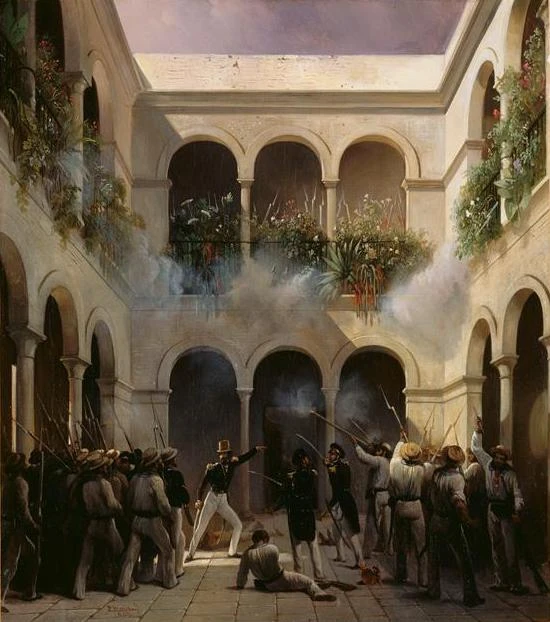
To prove he meant business, the king also demanded the immediate repayment of Mexico's outstanding foreign loans to France. When Mexico ignored the ultimatum, Louis-Philippe effectively declared war: his fleet blockaded the port of Veracruz and opened fire on the fortress of San Juan de Ulúa. 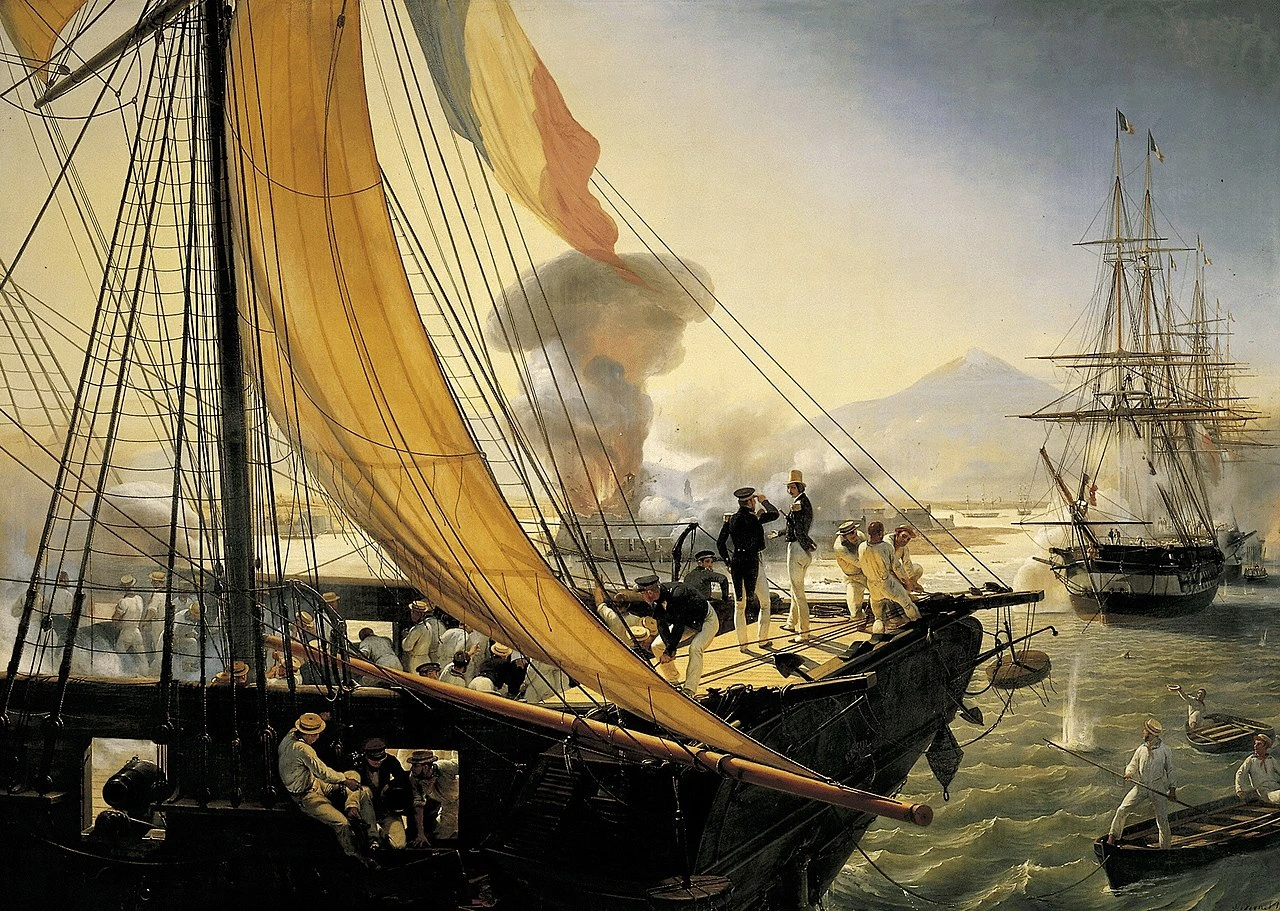
In response, Mexico declared martial law and attempted to recruit Texas, then an independent republic, as an ally. Realizing that a broke nation couldn't stand against the French military, Mexico eventually caved, agreeing to pay both the damages and the debt. The moral? Don't mess with a Frenchman's pastries.
The Pig War 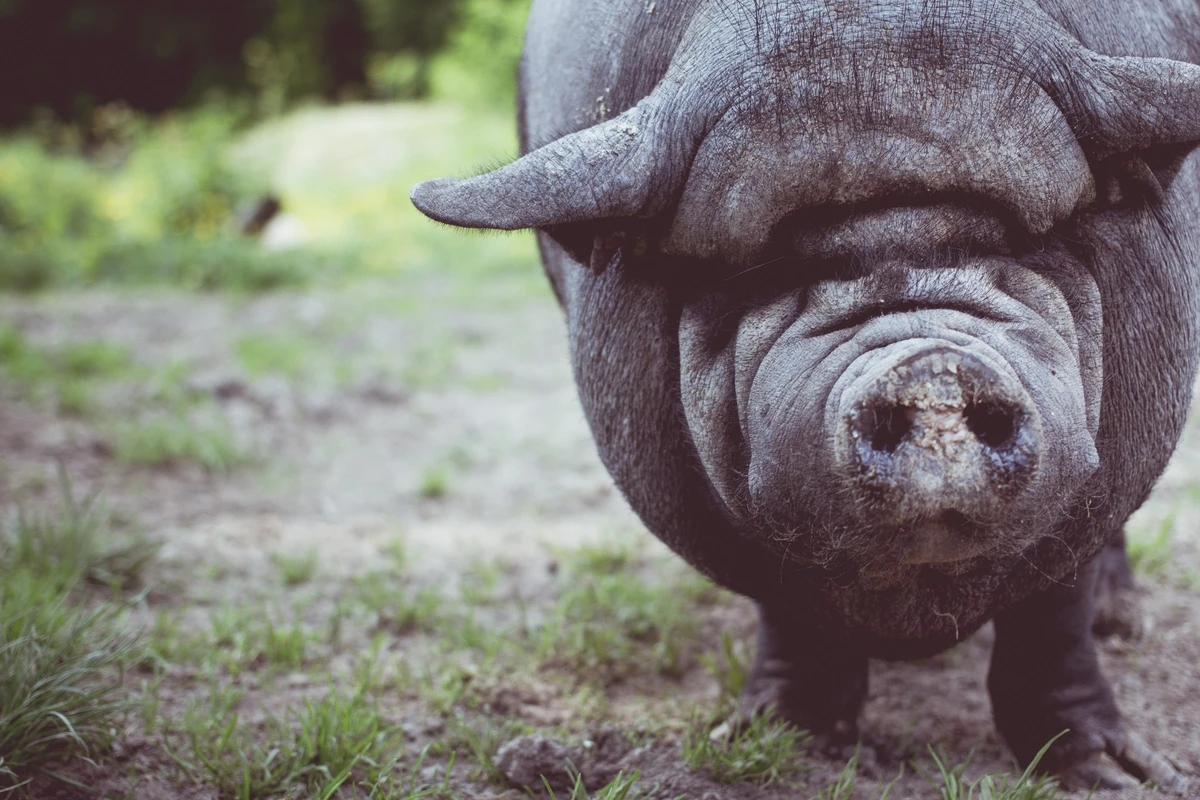
A tense standoff between Britain and the United States that nearly escalated into full-scale war—all over a pig trespassing in a potato patch.
On June 15, 1846, Britain and the United States signed the Oregon Treaty to establish the Pacific Northwest border. The treaty was supposed to settle territorial disputes once and for all, but vague phrasing only ended up muddying the waters. Poor mapping led both nations to claim the San Juan Islands as their own. Settlers from both sides moved in, each considering the other illegal squatters.
Exactly 13 years later, on June 15, 1859, tension finally boiled over into one of history's most foolish standoffs.
That afternoon, American farmer Lyman Cutlar caught a large black pig rooting around his garden and devouring his potatoes. It wasn't the first time the animal had raided his crops. Having previously tried chasing it off with kicks and sticks, Cutlar finally lost his temper, grabbed his rifle, and shot the pig dead.
As it turned out, the pig belonged to an Irishman named Charles Griffin. Because the two men belonged to opposing nationalities, a simple neighborly dispute quickly snowballed into an international incident. Both farmers appealed to their respective authorities, who responded with baffling escalation.
The U.S. dispatched 400 soldiers to the island. Not to be outdone, the British sent five warships armed with over 2,000 troops. The governor of the British colony ordered Rear Admiral Robert L. Baynes to land troops and engage the Americans. Fortunately, Baynes refused the order, refusing to escalate a war over a pig. For weeks, troops on both sides traded insults to pass the time, but strictly adhered to orders not to fire unless fired upon. 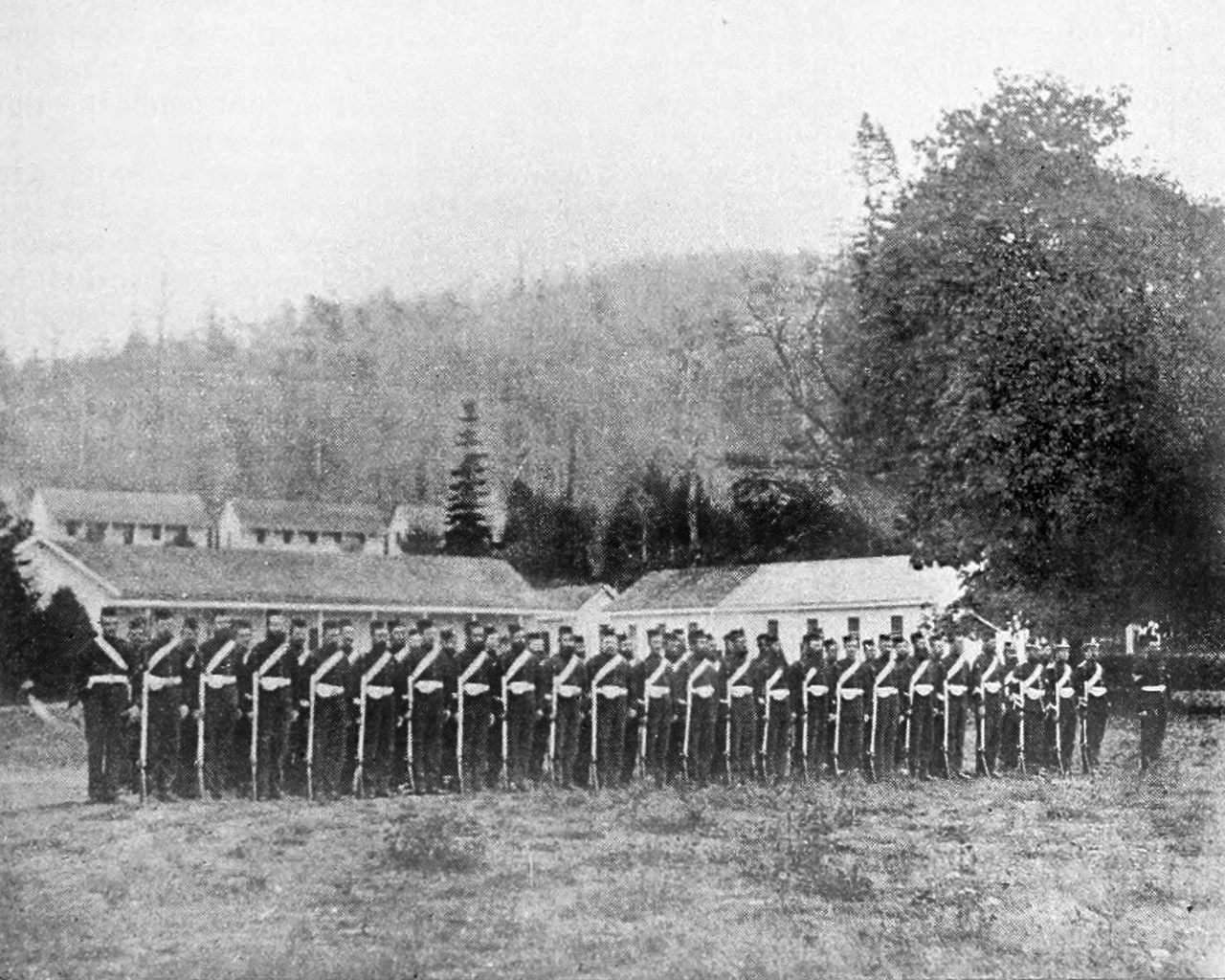
British troops on San Juan Island
When news of the near-war over a hog reached London and Washington, officials were appalled and moved quickly to de-escalate. To resolve the dispute, both nations turned to an international arbitrator, Kaiser Wilhelm I of Germany, who ultimately ruled in favor of the United States and awarded them the islands.
The War of the Stray Dog 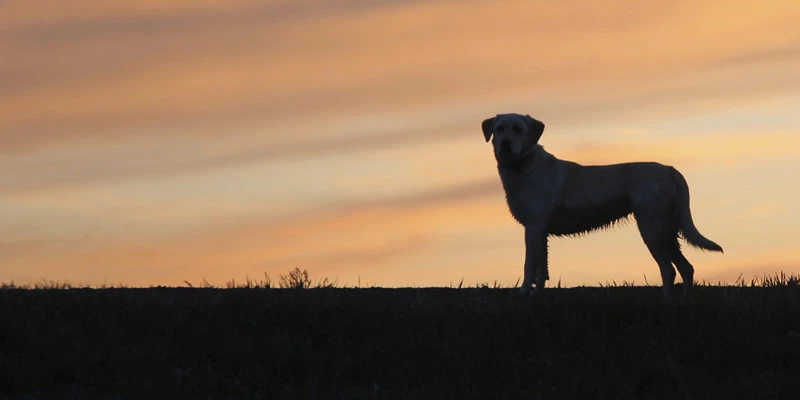
A remarkably similar—yet far more tragic—incident unfolded along the Greek-Bulgarian border in 1925. This time, the culprit wasn't a pig, but a stray dog that wandered across the frontier.
Tensions between the two nations were already at a boiling point: they had fought on opposing sides in World War I and harbored lingering territorial claims. To make matters worse, anti-Greek paramilitary groups operated freely in Bulgaria. One such group, the Internal Macedonian Revolutionary Organization (IMRO), effectively ran the border district of Petrich as a state within a state. It was here that disaster struck. 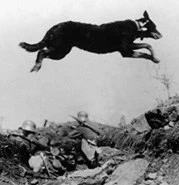
On October 18, a stray dog befriended by a Greek border guard sprinted across the border. The soldier ran after his hound and was immediately shot dead by Bulgarian border patrols from Petrich. When a Greek officer rushed over to investigate, he too was killed on the spot. Skirmishes quickly broke out along the line, with both sides blaming each other for triggering the violence. 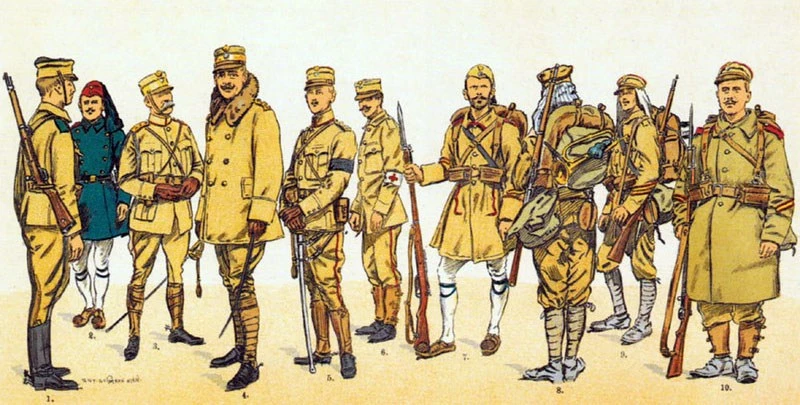
The Greek Army
The situation rapidly deteriorated. Greece demanded an official apology and financial compensation for the victims' families. When Bulgaria failed to respond within a 48-hour deadline, Greek forces invaded the Petrich region, capturing several border villages and laying siege to the town itself. The League of Nations stepped in to halt the invasion, ultimately ordering Greece to withdraw and pay reparations for the damage and 50 Bulgarian casualties.
As for the dog, it was never seen again—likely terrified by the gunfire and long gone.
The Football War 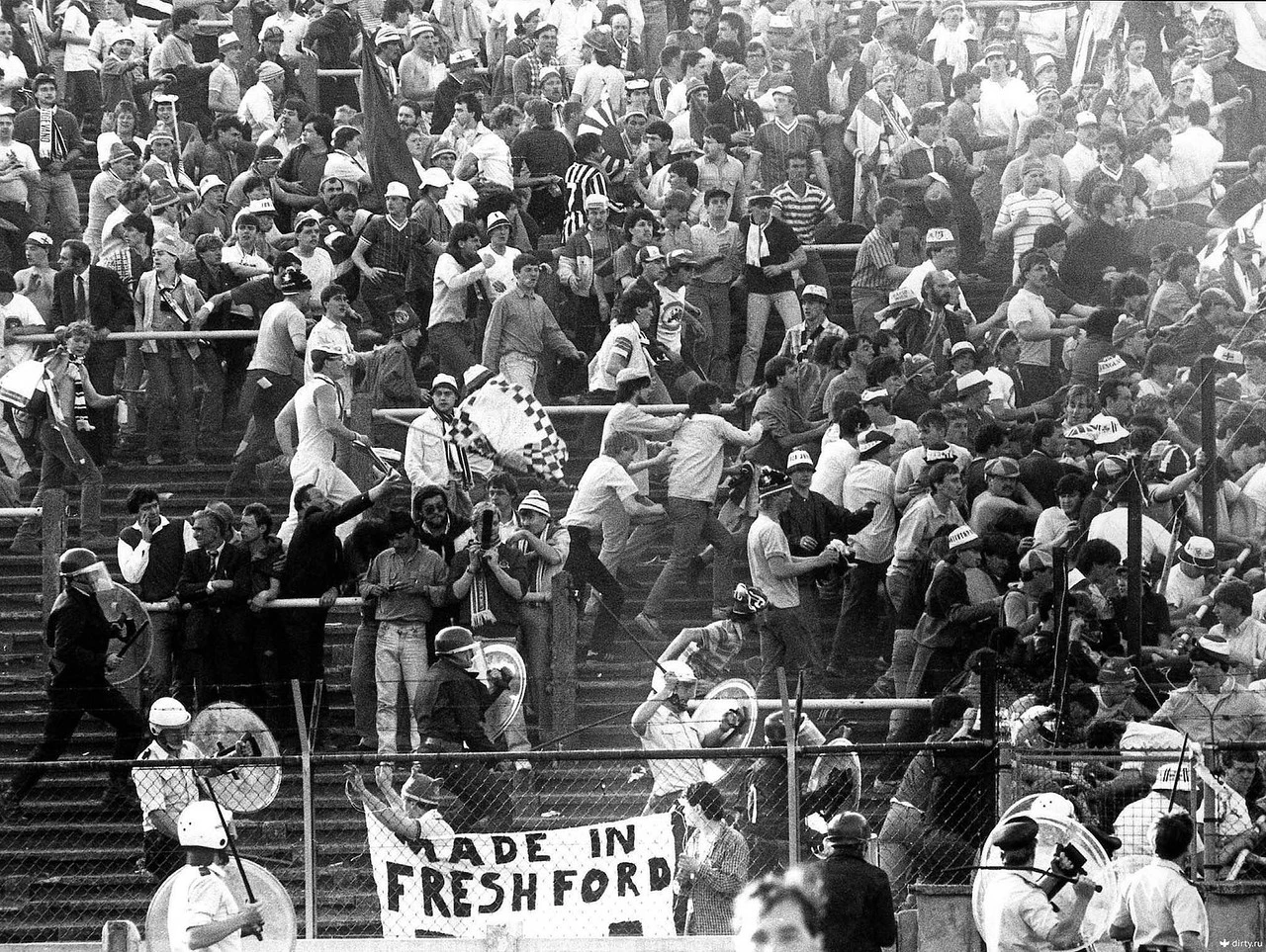
We've previously written about one of the most absurd armed conflicts in modern history: the "Football War" between El Salvador and Honduras. What started as a dispute over a soccer match ended with thousands dead and both nations plunged into years of economic turmoil.
In 1969, the national teams of El Salvador and Honduras met in a World Cup qualifying round. Existing political animosity fueled athletic rivalries into a frenzy. After El Salvador won the deciding match on home soil, fanatical locals began attacking visiting Hondurans, spiraling into widespread violence and murky political demands. 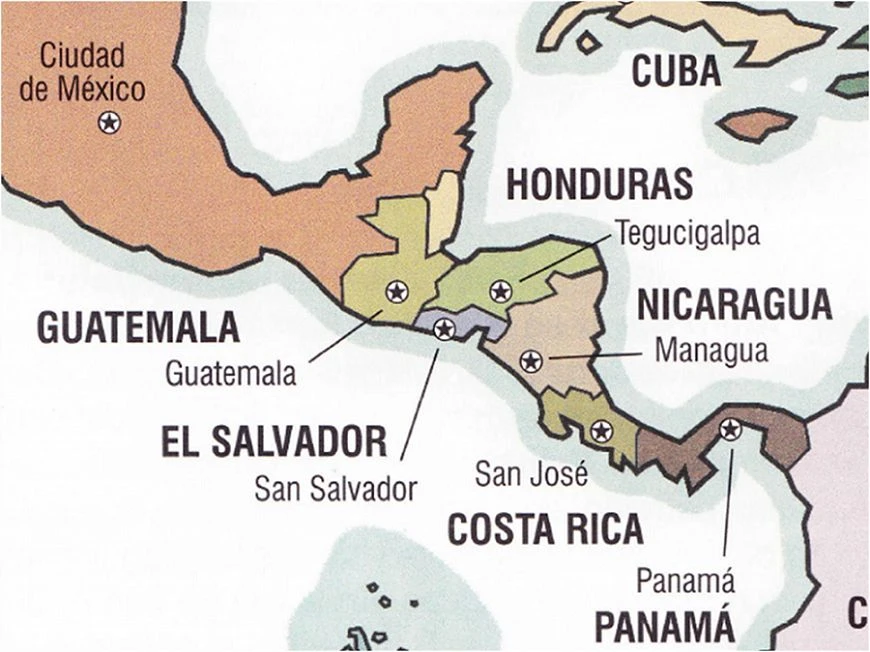
The conflict escalated into full war when El Salvador launched airstrikes into Honduran airspace. The resulting conflict devastated infrastructure on both sides before neighboring nations intervened, threatening El Salvador with an economic blockade so severe it might never recover. 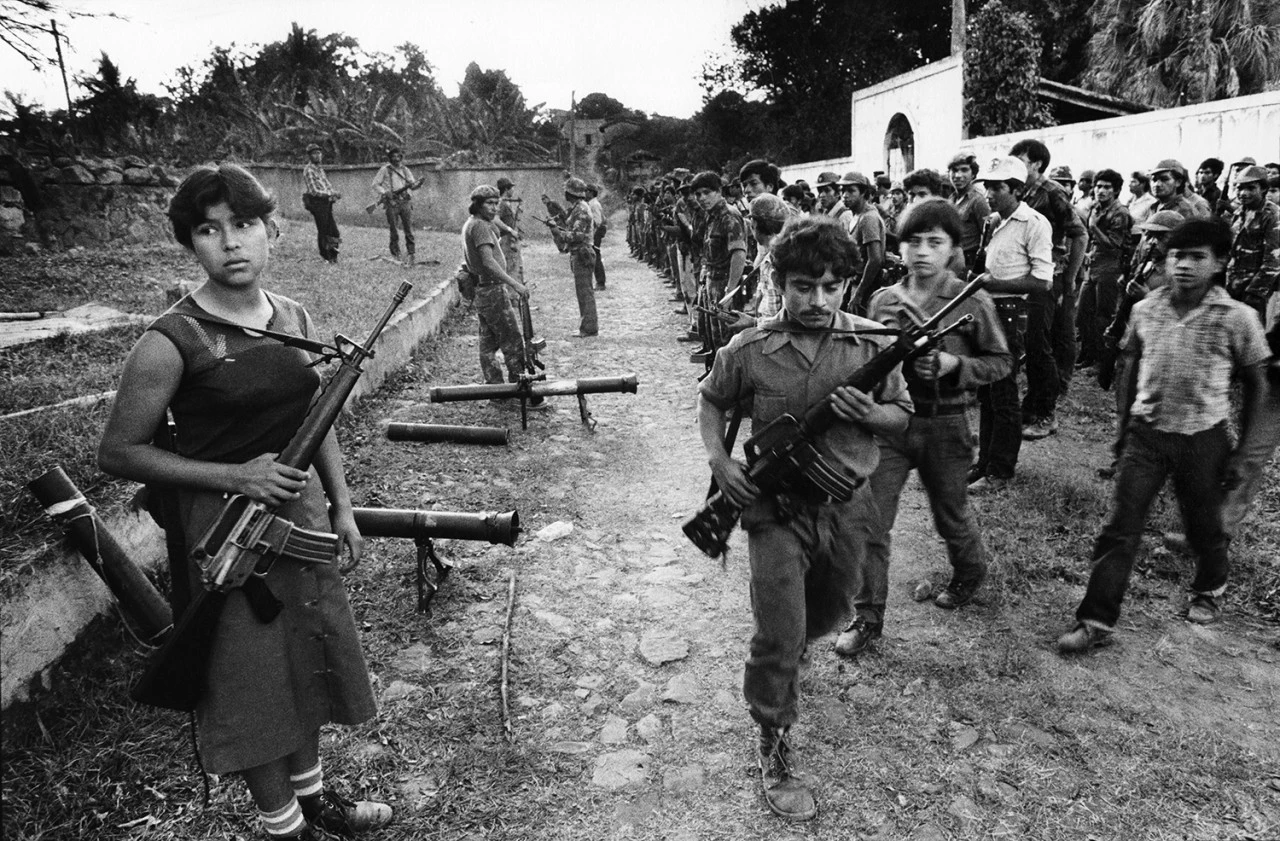
Incidentally, the Football War was the last military conflict to feature active dogfights between WWII-era piston-engined fighters. Neither country was wealthy, forcing them to rely on vintage aircraft that modern pilots would have been terrified to fly.