How Dimples Form and Whether You Can Create or Remove Them (7 Photos)
Dimples have long been considered attractive, giving people a youthful and friendly appearance. That is why many might be surprised to learn that cheek dimples are actually a genetic mutation—a harmless cosmetic flaw. You could say it is one of those rare cases where an abnormality works entirely in your favor. But how do cheek dimples form, can you get them artificially, and is there any way to get rid of them? 
Cheek dimples are visible indentations in the skin that appear when a person smiles. They can be bilateral (on both cheeks) or unilateral (on just one side). Dimples vary widely in size, depth, and shape—ranging from subtle, barely-visible dints to deep, elongated grooves. 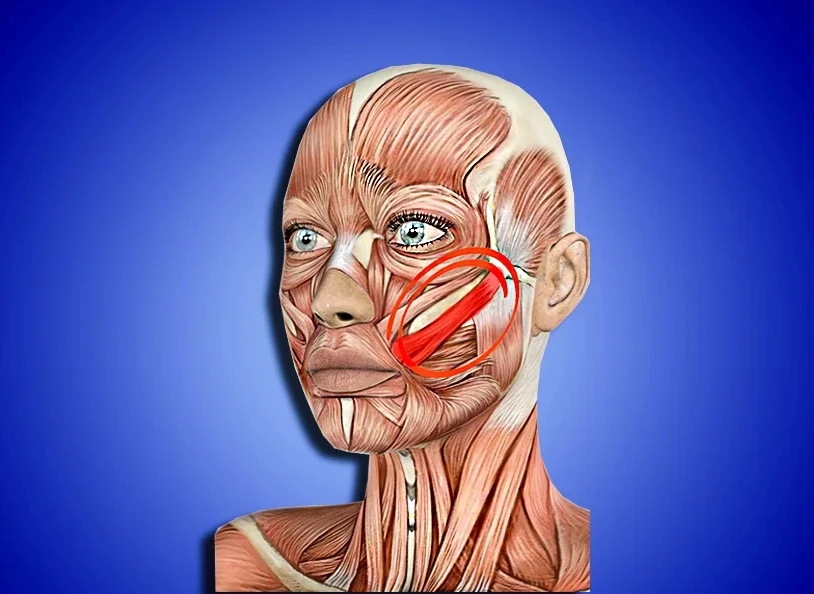
Dimples occur due to a variation in the zygomaticus major muscle, often referred to as a split muscle. When you smile, the muscle contracts, pulling the overlying skin inward to create a depression in the gap. In essence, a dimple forms right where muscle tissue is lacking, making it technically an anatomical facial defect. 
Research shows that dimples are hereditary. Considered a dominant trait, if even one parent has them, there is a very high chance their children will inherit them too. Conversely, if no one in your family tree has dimples, you are unlikely to develop them naturally. But what if genetics did not bless you with dimples and you still really want them?
How to Get Coveted Dimples—and How to Get Rid of Them
The simplest way to get coveted cheek dimples is through cheek piercings. However, the goal is not to keep the jewelry in long-term; instead, the piercing is allowed to heal to form scar tissue. Healing takes time because facial movements constantly agitate the area. But once fully healed, the result is a pair of prominent dimples, though they may not always look entirely natural. 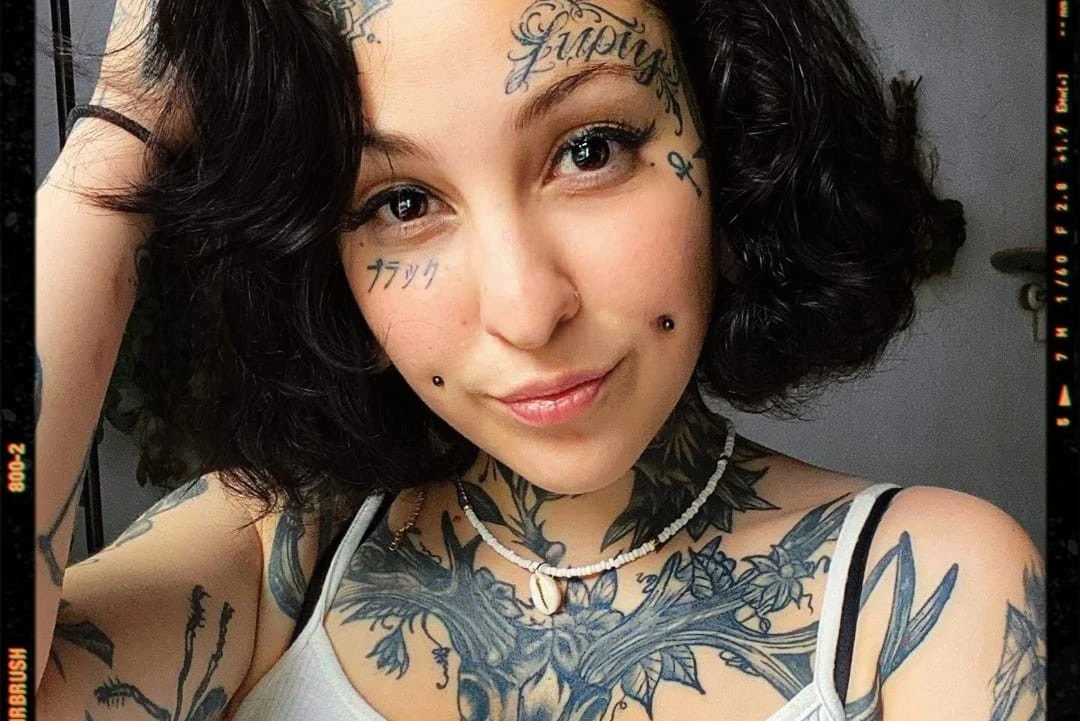
Another option is a cosmetic surgery called dimpleplasty (or dimple-ectomy). A surgeon creates a subtle defect in the cheek muscle to mimic a natural dimple. It is worth noting, however, that this is a surgical procedure that comes with potential risks and contraindications. 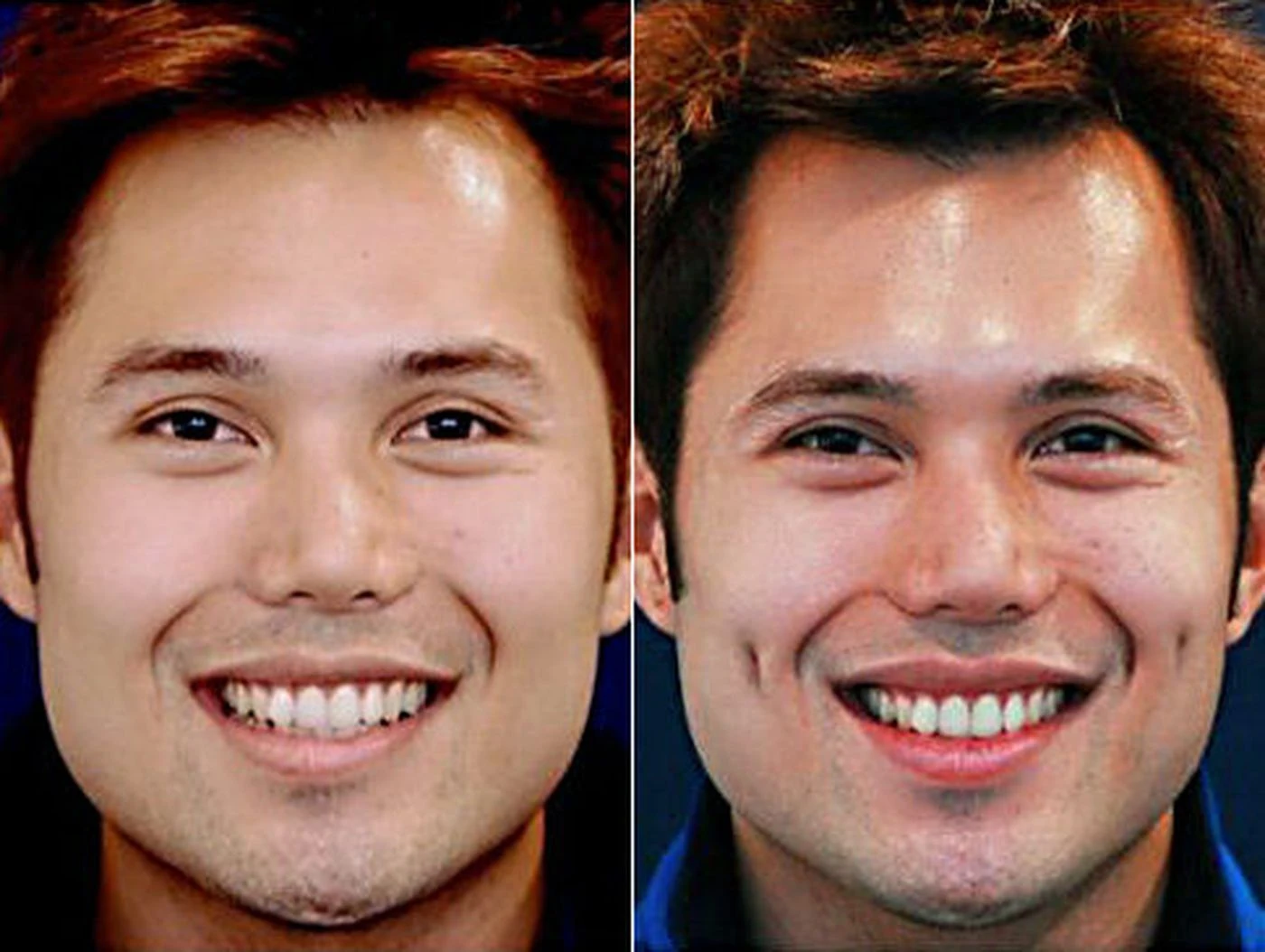
Dimpleplasty: Before & After
The least expensive and non-invasive method is using makeup. Skilled makeup artists can contour fake dimples so convincingly that they are hard to tell apart from the real thing. On the flip side, manual techniques, facial massages, and exercises will not help at all. At best, they do nothing; at worst, they leave behind unsightly bruises. 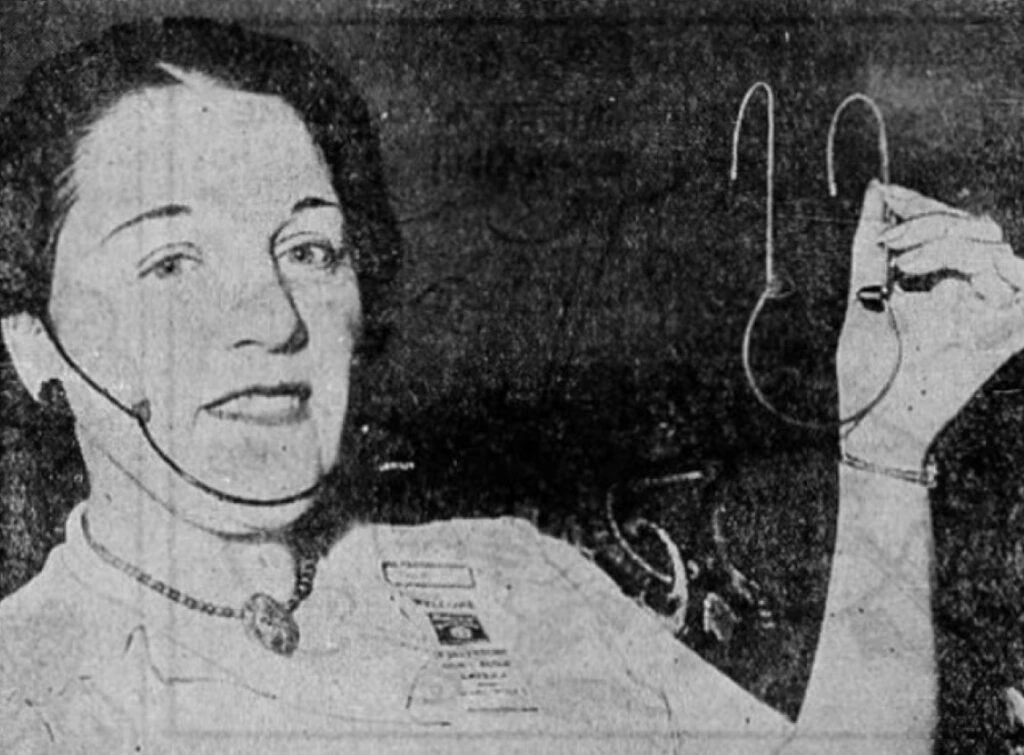
In 1936, American inventor Isabella Gilbert created the "Dimple Maker." Advertisements promised that regular use guaranteed cute cheek indentations. The device sold well for two years before being debunked as quackery in 1938. Unsurprisingly, wearing a rigid wire contraption strapped to your face yielded no real results. 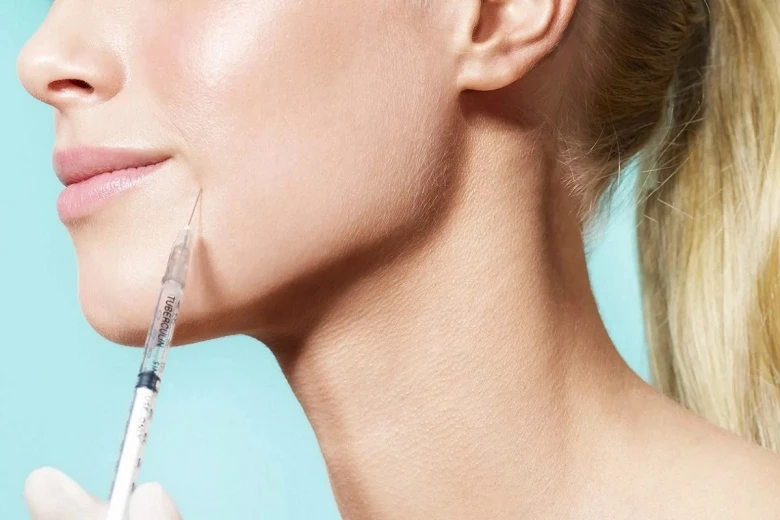
Before chasing these symbols of youth and beauty, keep in mind that dimples do not suit everyone. Plenty of men and women actually want to get rid of theirs. This can be achieved using dermal fillers injected into the targeted area. The effects are temporary, meaning the treatment needs to be repeated periodically to maintain results.