The millions of insect species inhabiting the Earth today play a vital role in our planet's ecosystem. While most are harmless, some can cause severe trouble, and a few are venomous or even lethal. From common ants and flies to more exotic beetles, here is a list of the 25 most dangerous insects in the world. 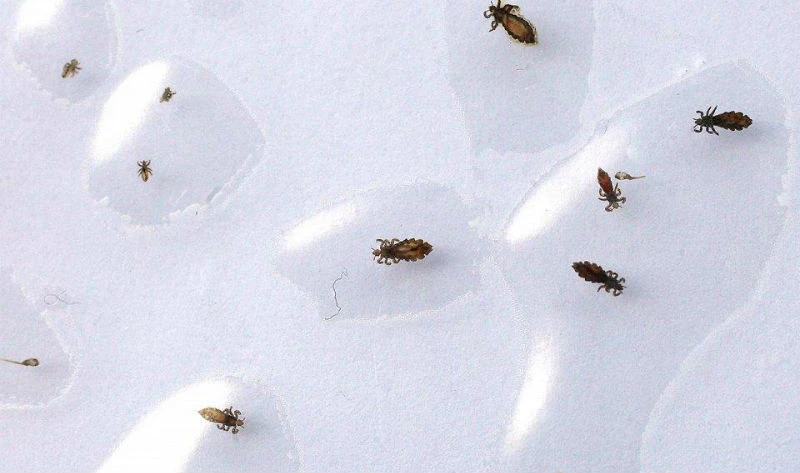
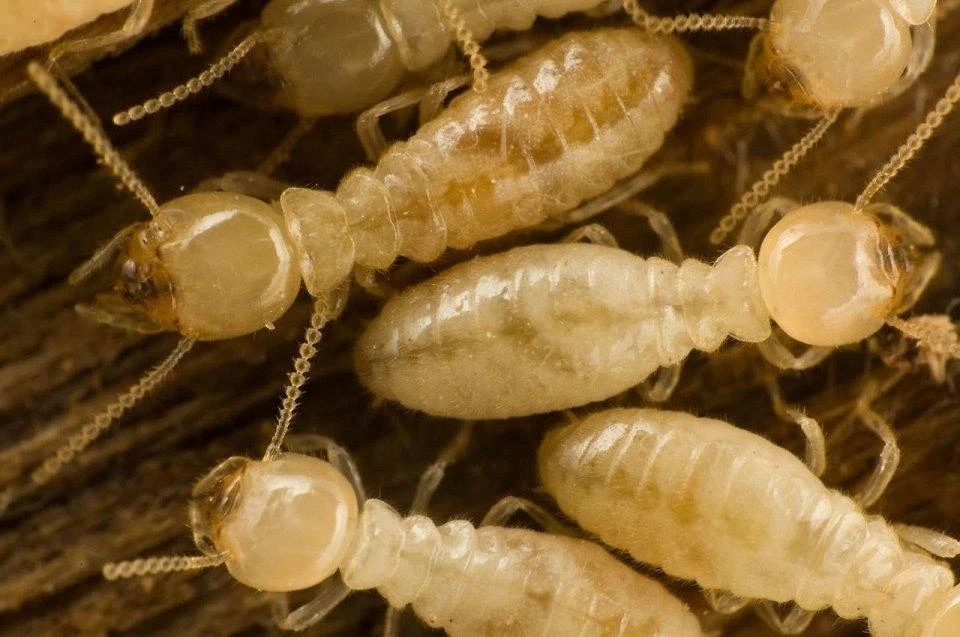
1. Termites
Termites pose no direct physical threat to humans, play a crucial role in the environment, and are even eaten as a delicacy in some cultures. However, these tiny creatures can inflict catastrophic damage on infrastructure, sometimes rendering homes entirely uninhabitable. 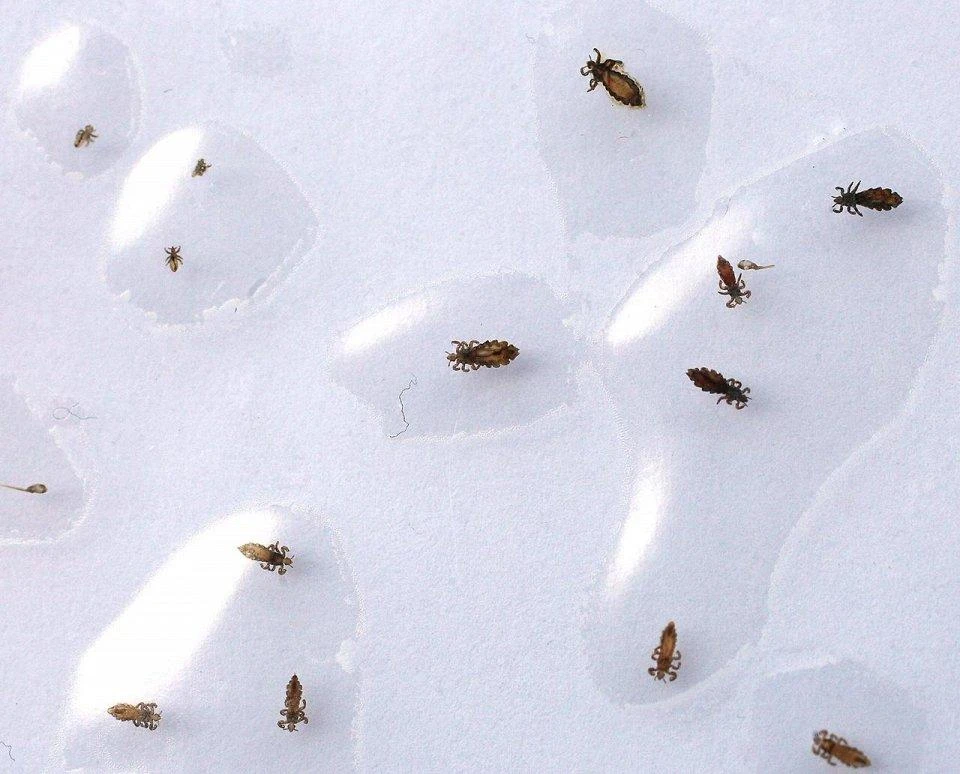
2. Lice
Lice are wingless parasites that feed on skin flakes, blood, and other bodily secretions. Humans are the primary hosts for these insects, which encompass roughly 15 distinct species. Much like termites, lice aren't inherently deadly to humans, but they can act as vectors for dangerous diseases. 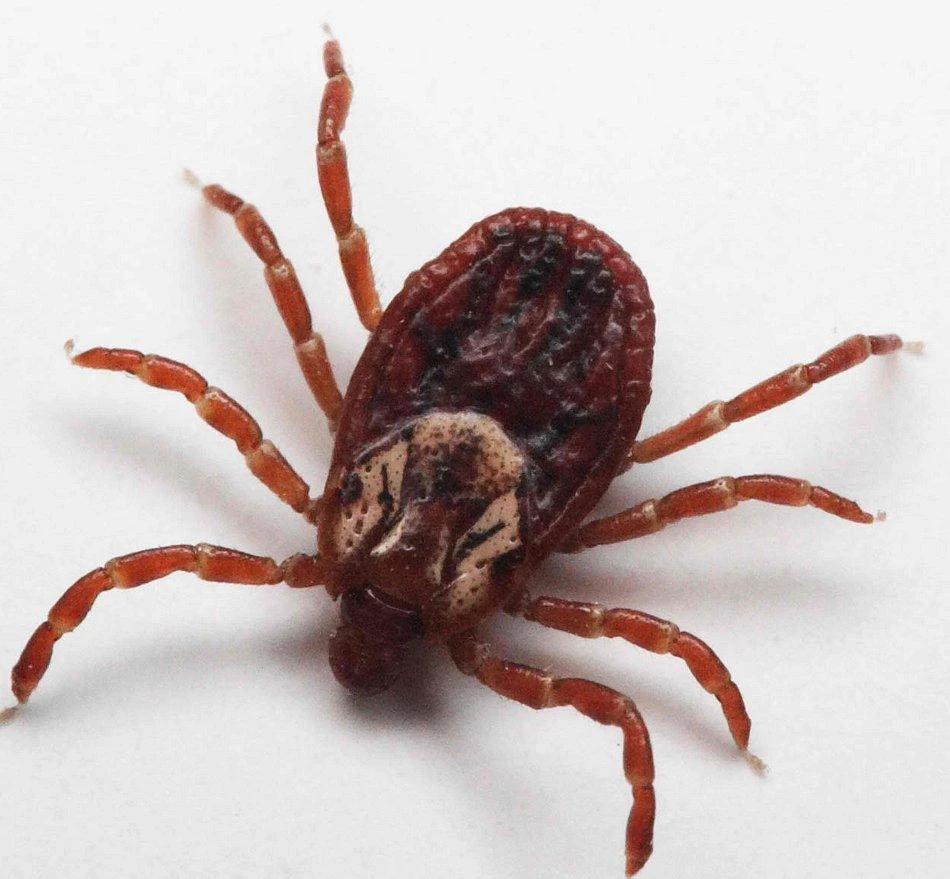
3. Black-Legged Tick
Every year, the black-legged tick infects thousands of people with Lyme disease, which typically begins with a characteristic bullseye-shaped rash around the bite location. Early symptoms include headaches and fever. As the illness progresses, patients may suffer severe cardiovascular complications. While fatal bites are rare, the debilitating effects can linger for years after an encounter. 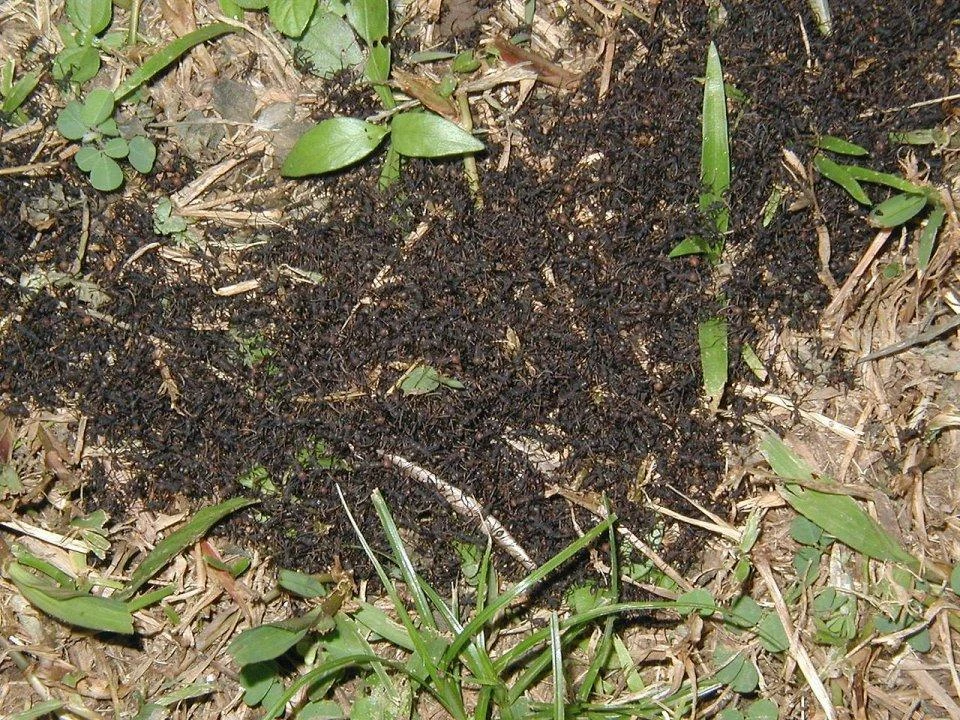
4. Army Ants
The first creature on our list that presents a direct physical danger is the army ant, notorious for its predatory aggression. Unlike other ant species, army ants do not build permanent nests; instead, their entire colony migrates from place to place. Constantly on the move throughout the day, these predators hunt insects and small vertebrates. In fact, a single unified colony can slaughter over half a million creatures in just one day. 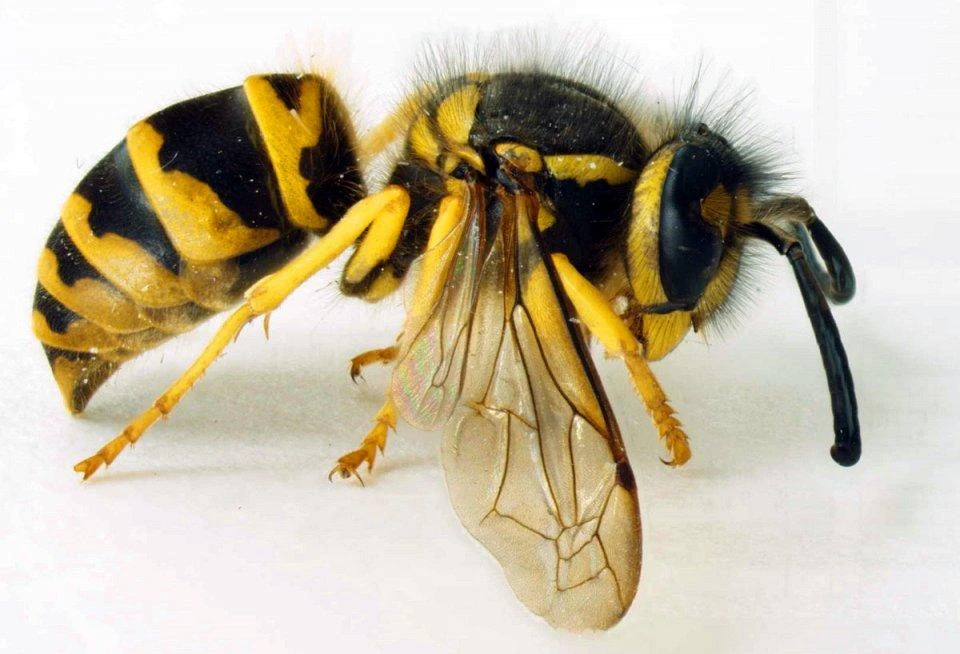 5. Wasps
Most wasps pose little direct threat, but certain species—such as the German wasp found in North America—grow quite large and can be extraordinarily aggressive. If they perceive a threat or an invasion of their territory, they will sting repeatedly and fiercely. They can mark invaders with chemical signals and relentlessly pursue them. 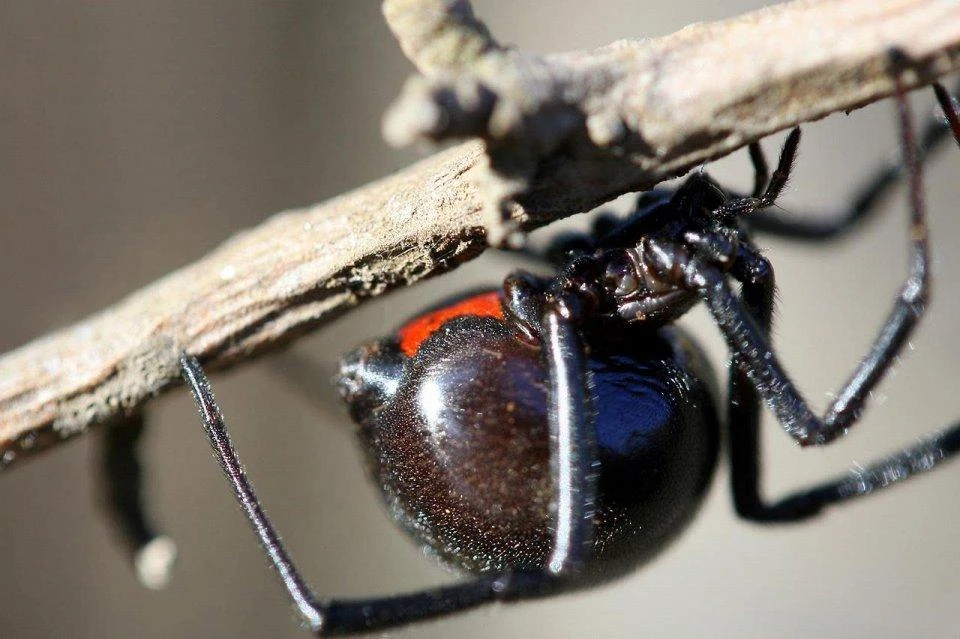
6. Black Widow
Although the bite of a female black widow spider is dangerous due to the neurotoxins it injects, prompt medical attention usually limits the outcome to localized pain. Unfortunately, fatal black widow bites do still occur occasionally. 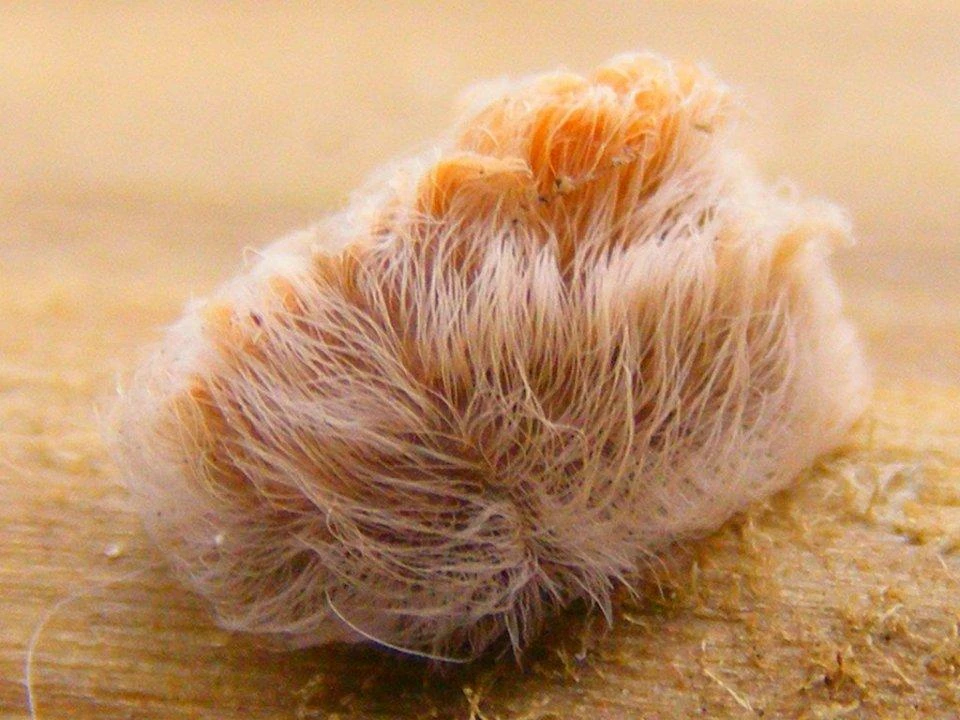
7. Puss Caterpillar
The caterpillars of the puss moth (Megalopyge opercularis) look cute and fluffy, but don't let their cartoonish appearance fool you: they are highly venomous.
People often assume the soft hair causes the sting, but the venom actually secretes from hidden, brittle spines buried within the fur that break off in the skin upon contact. The venom causes intense burning around the affected area, headaches, dizziness, vomiting, severe abdominal pain, swollen lymph nodes, and sometimes respiratory distress. 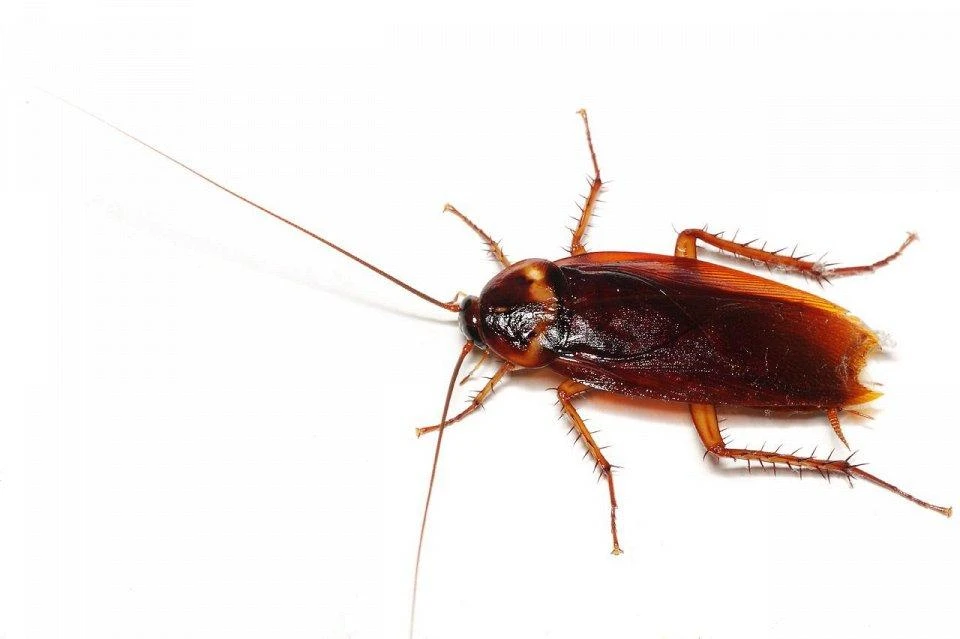
8. Cockroaches
Cockroaches are infamous carriers of numerous dangerous pathogens. The main hazard of cohabiting with cockroaches is their tendency to crawl through toilets, trash bins, and other bacteria-laden environments, spreading contaminants across surfaces. They can trigger diseases ranging from intestinal parasites and dysentery to tuberculosis and typhoid. Cockroaches transport fungi, protozoa, bacteria, and viruses—and fun fact: they can survive for months without food or water. 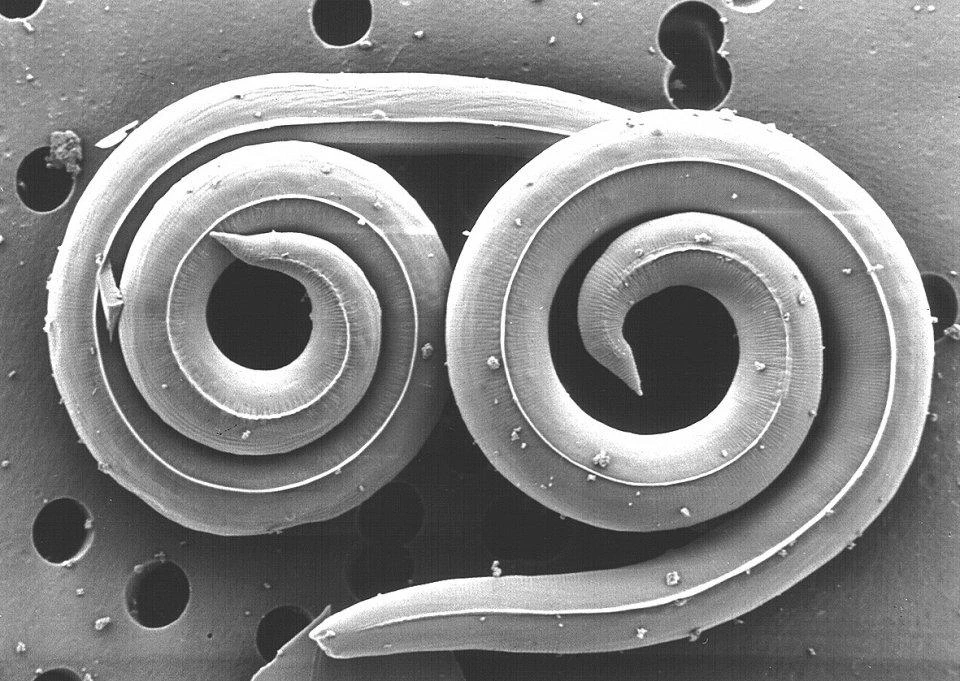
9. Parasitic Worms
Parasitic worms are eukaryotic parasites that primarily inhabit the human digestive tract. They are known to cause insomnia, nausea, vomiting, and a wide array of other health problems. 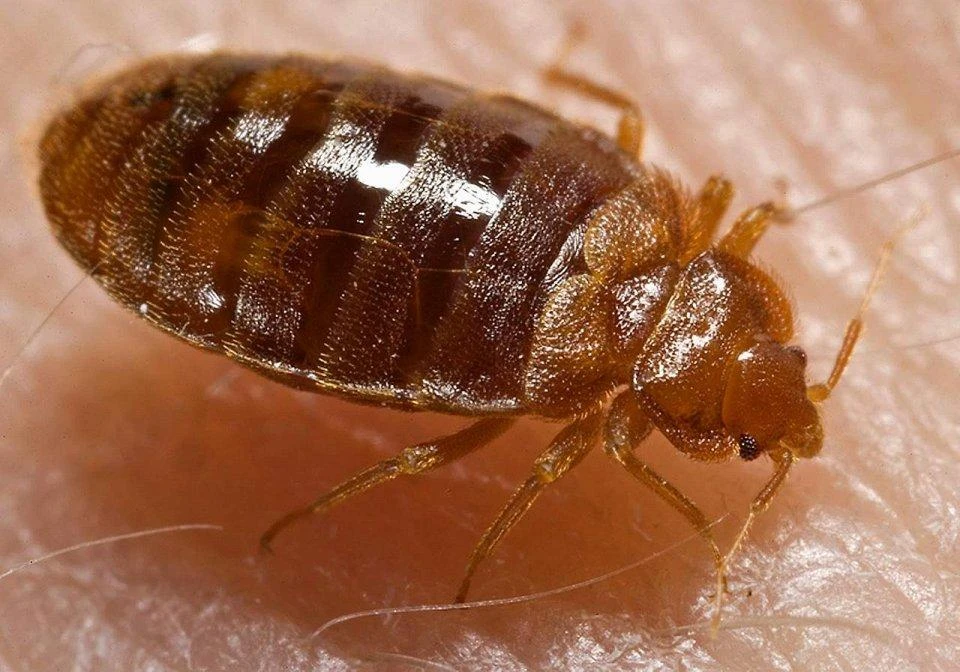
10. Bedbugs
A bedbug's bite is initially painless because its saliva contains an anesthetic. If a bedbug fails to reach a blood vessel on its first attempt, it will bite several times. The bite site typically turns into an intensely itchy welt. While severe allergic reactions do occur occasionally, nearly 70 percent of people experience almost no adverse reaction at all.
While household bedbugs are not considered primary disease vectors, they can harbour blood-borne pathogens inside their bodies for extended periods, including hepatitis B, plague, tularemia, and Q fever. Their primary harm, however, stems from their bites, which deprive victims of sleep and rest, eventually taking a heavy toll on mental well-being and productivity. 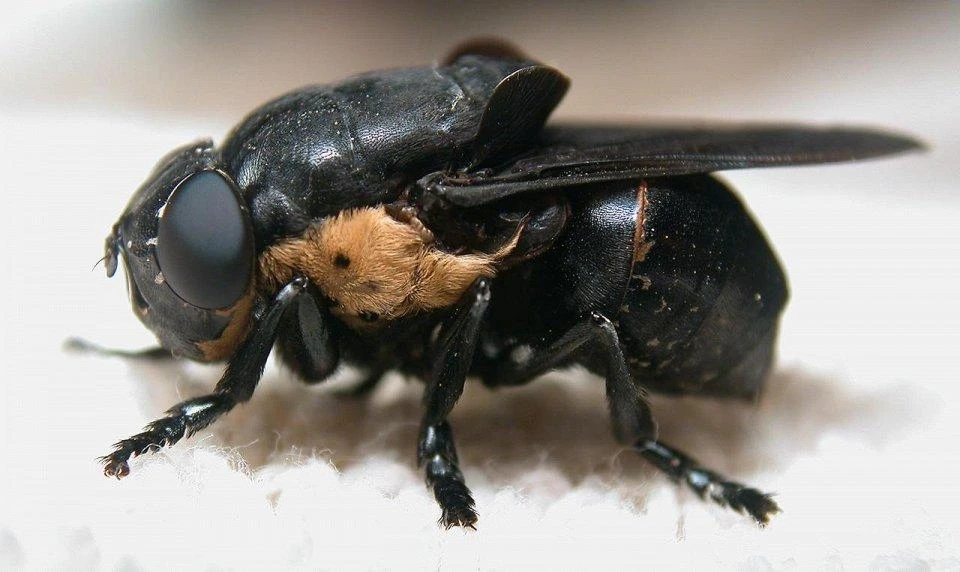
11. Human Botfly
Human botflies produce larvae that can infest humans with hazardous parasites. Also known as torsalo, botfly eggs are typically transported by mosquitoes. When a mosquito carrying botfly larvae lands on human skin, the larvae penetrate the host's tissue. Within days, they grow beneath the skin, causing severe infections if left untreated. 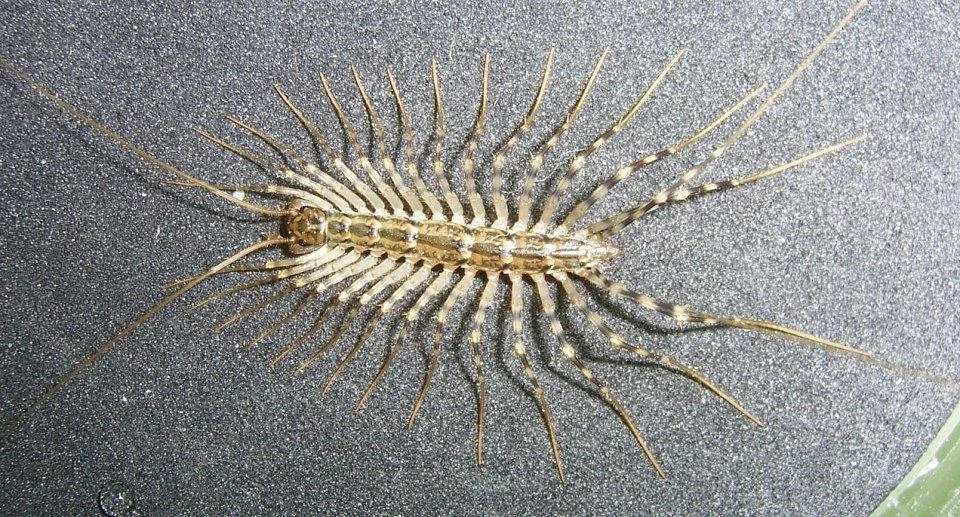
12. House Centipede
The house centipede (Scutigera coleoptrata) is believed to have originated in the Mediterranean region, though some sources point to Mexico. Today, it is found worldwide. Despite their unappealing look, centipedes are actually beneficial pest controllers that feed on other insects and spiders. Of course, that fact offers little comfort to anyone suffering from entomophobia (fear of insects). People often kill them on sight due to their creepy appearance, though in certain southern regions, they are actually protected.
Centipedes are predatory hunters that inject venom to kill their prey. They frequently settle in homes without damaging food or furniture. Drawn to moisture, they are common sights in basements, bathrooms, and under tubs. House centipedes can live for 3 to 7 years; hatchlings start with just four pairs of legs and gain an additional pair with each molt.
A house centipede bite is rarely serious for humans, typically feeling similar to a mild bee sting. While it can be painful enough to cause tears, centipedes are hardly responsible for mass casualties. Nevertheless, fatal allergic reactions to their venom do occur on very rare occasions. 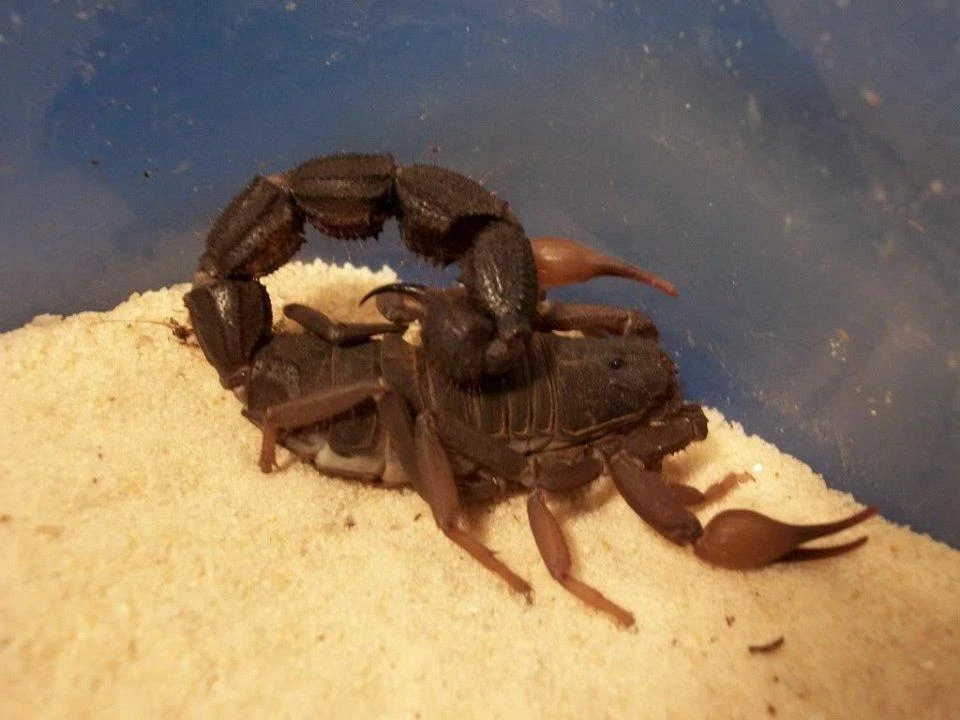
13. Black Fat-Tailed Scorpion
Although scorpions are arachnids rather than insects, we included them because the black fat-tailed scorpion is among the world's most deadly creatures. Predominantly native to South Africa's arid regions, they are easily recognized by their thick tails and slender pincers. A black scorpion's sting injects a potent venom that causes excruciating pain, paralysis, and potentially death. 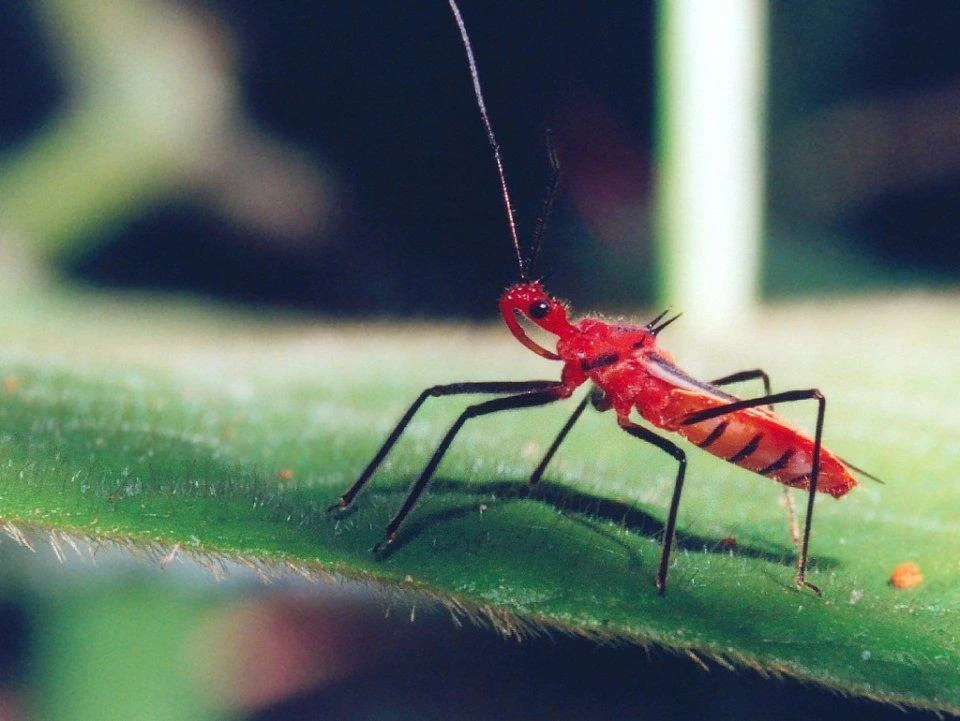
14. Assassin Bug
Another bloodsucker is the assassin bug (family Reduviidae). While most feed on insects and larvae, several tropical species target the blood of small animals and humans. The assassin bug is infamous for transmitting Chagas disease, frequently infecting inhabitants of impoverished rural areas. 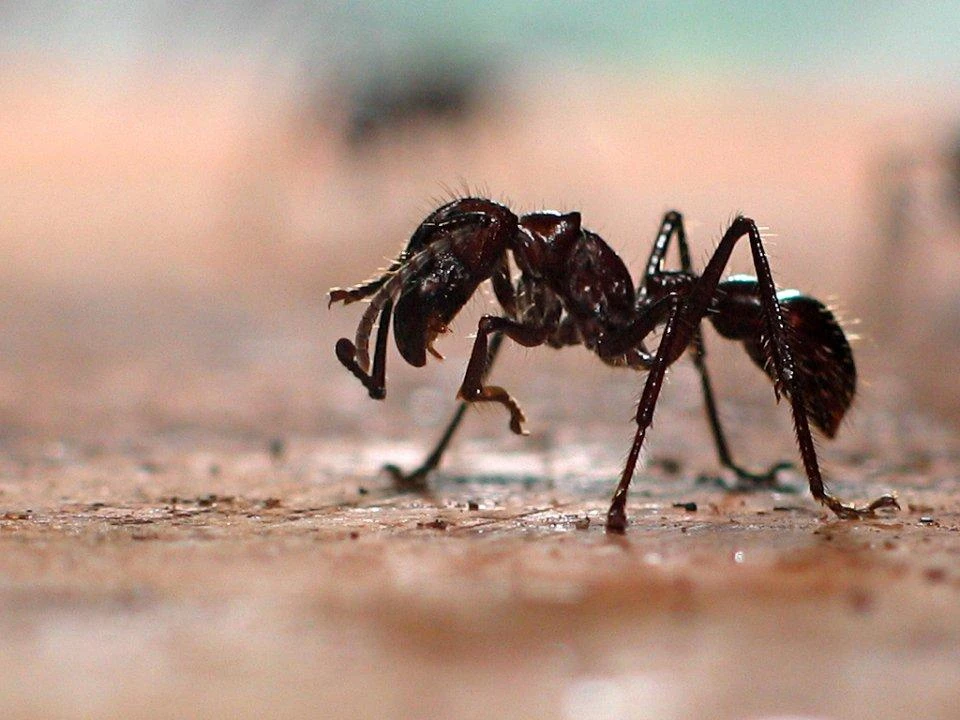
15. Bullet Ant
Paraponera clavata is a large tropical ant species belonging to the subfamily Paraponerinae, armed with a formidable sting. It earned the name "bullet ant" because victims compare its agonizing sting to being shot with a gun.
A bullet ant sting causes throbbing, relentless pain that lasts for up to 24 hours. Certain indigenous tribes in Brazil (such as the Sateré-Mawé) use these ants in excruciating manhood initiation rituals, resulting in temporary paralysis and blackened fingers. Research into the chemical composition of their venom led to the discovery of a paralyzing neurotoxin peptide named poneratoxin. 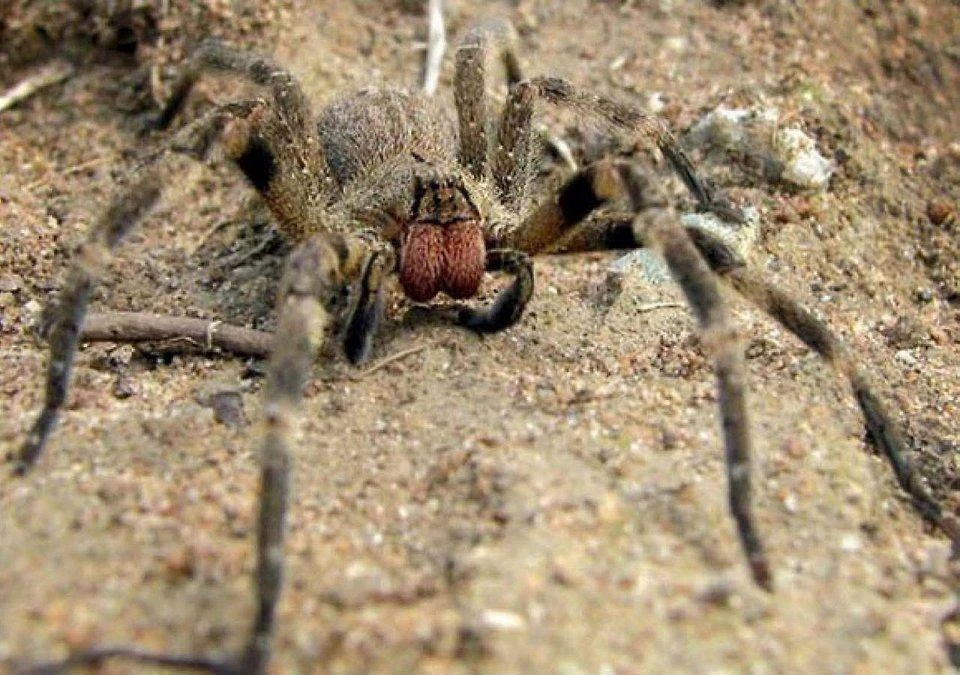
16. Brazilian Wandering Spider
Also known as Phoneutria, Brazilian wandering spiders are venomous arachnids native to tropical Central and South America. In 2010, the Guinness World Records named this genus the most venomous spider in the world.
The spider's venom contains a powerful neurotoxin known as PhTx3. At lethal doses, this toxin causes loss of muscle control and severe respiratory distress, leading to paralysis and eventual asphyxiation. Though the bite itself is moderately painful, the venom rapidly spreads through the lymphatic system; entering the bloodstream results in heart failure in 85% of untreated cases. Victims experience intense muscle rigidity, and male victims frequently suffer from priapism. Antivenom is available and administered alongside antibiotics, but given the severe damage caused by the toxin, detoxification is a critical battle for survival. 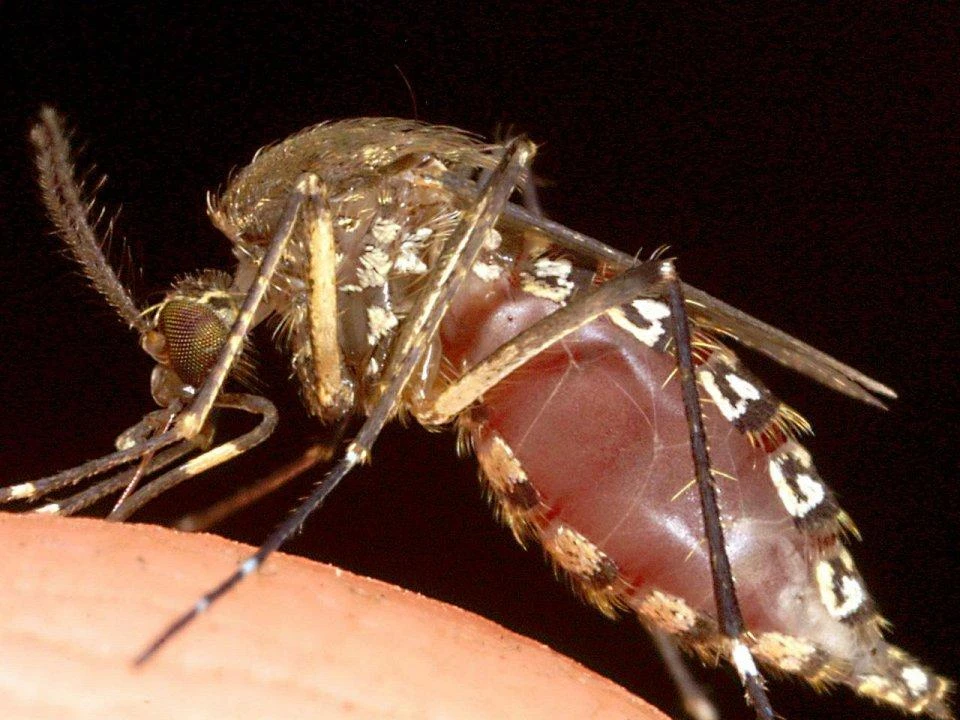
17. Anopheles Mosquito
Mosquitoes of the genus Anopheles are well known for transmitting human malaria parasites (Plasmodium). A mosquito contracts the parasite by feeding on an infected human host. The parasite then undergoes a sexual reproduction cycle inside the insect. Between 4 and 10 days later, the mosquito becomes infectious to humans and remains so for 16 to 45 days. These mosquitoes also vector other Plasmodium species that cause malaria in animals. 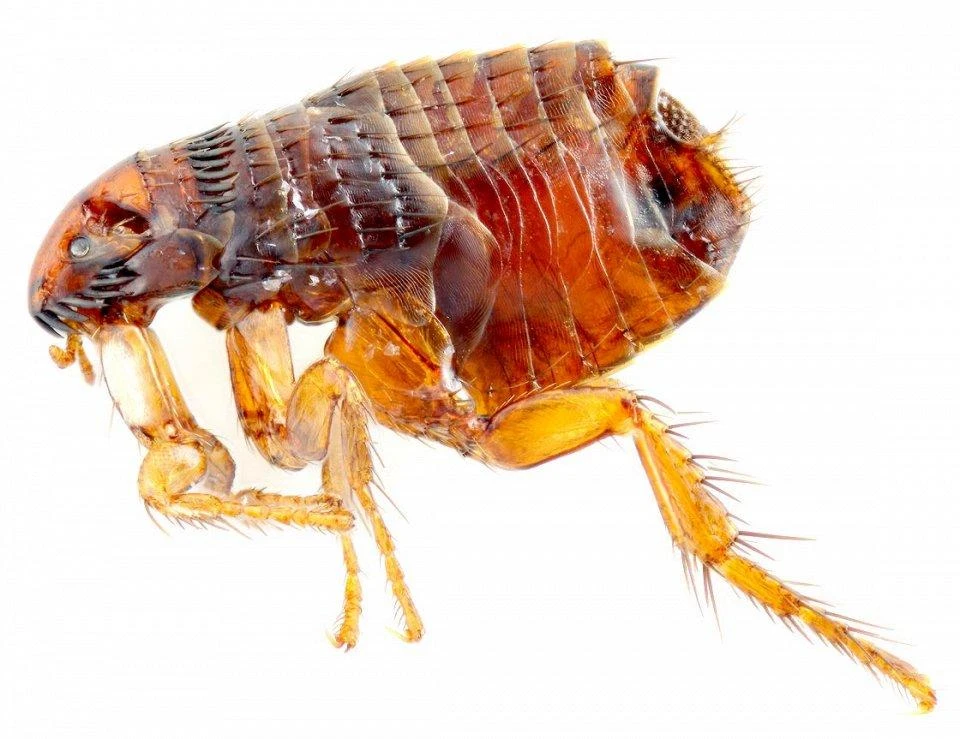
18. Oriental Rat Flea
The oriental rat flea is one of the most dangerous flea species (Pulicidae) and a major vector of the plague. Parasitizing rats (Rattus, Nesokia) and gerbils (Gerbillinae), these fleas carry Yersinia pestis (plague) and Rickettsia typhi (murine typhus). They also act as intermediate hosts for tapeworms like Hymenolepis diminuta and Hymenolepis nana. Diseases can even be passed vertically from one generation of fleas to the next through their eggs. 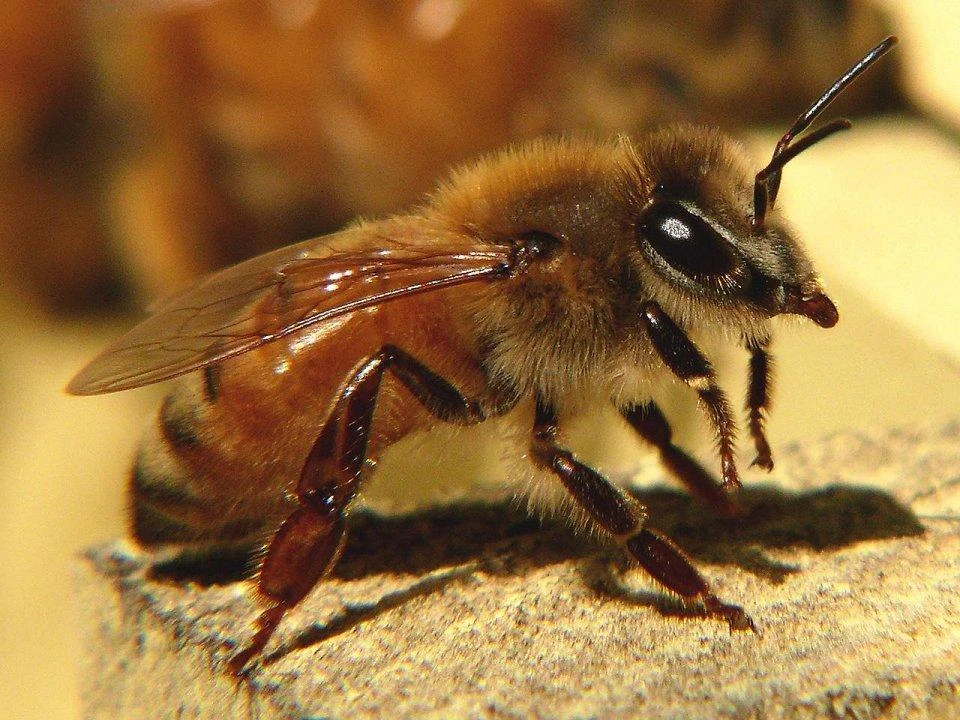
19. Africanized Honeybee
Africanized honeybees (commonly known as "killer bees") descended from African bees brought to Brazil in the 1950s in an effort to boost honey production. Some African queens interbred with local European bees, creating hybrids that migrated north and can now be found as far as Southern California.
Africanized bees look nearly identical to standard European honeybees and behave similarly most of the time. They can usually only be identified through DNA analysis, and their stingers are identical to those of common honeybees. However, the crucial difference lies in their defensive behavior when protecting their hive. Swarms in South America have been known to kill livestock and humans, earning them their notorious "killer bee" moniker.
These bees are also known for their invasive habits. Swarms will attack established European honeybee hives, overthrowing the resident population and installing their own queen. They defend their colonies fiercely and will relentlessly attack anyone threatening their queen. 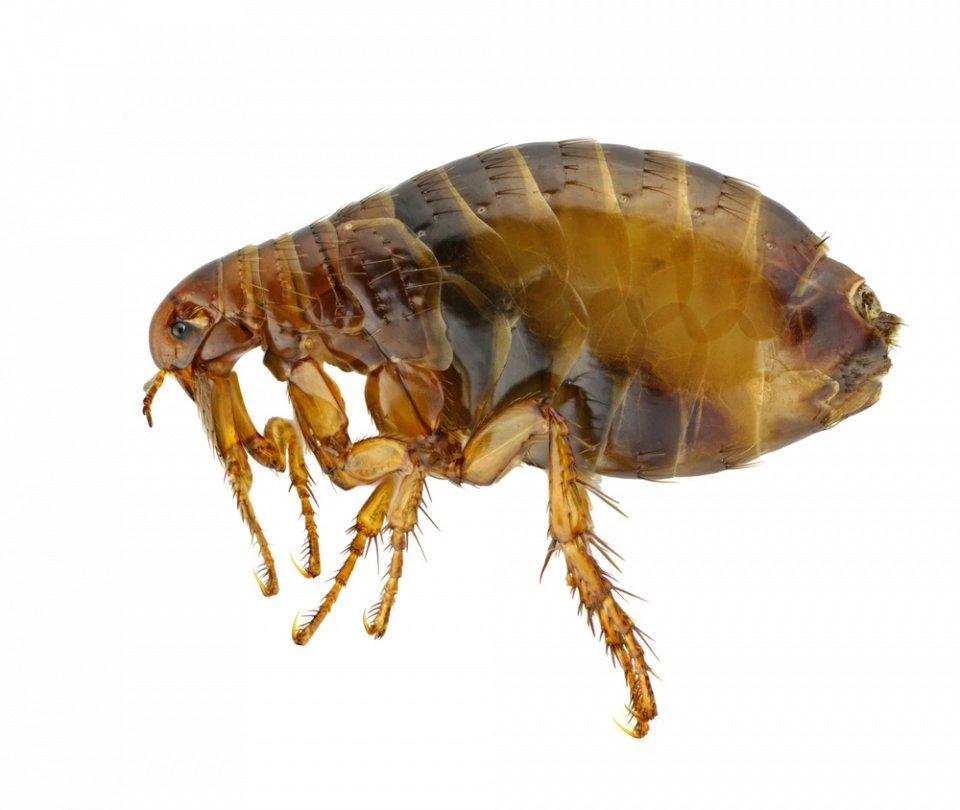 20. Fleas
Although fleas are often dismissed as mere annoyances, they are vectors for numerous diseases transmitted between animals and humans. Throughout history, fleas have fueled devastating epidemics, including the bubonic plague. 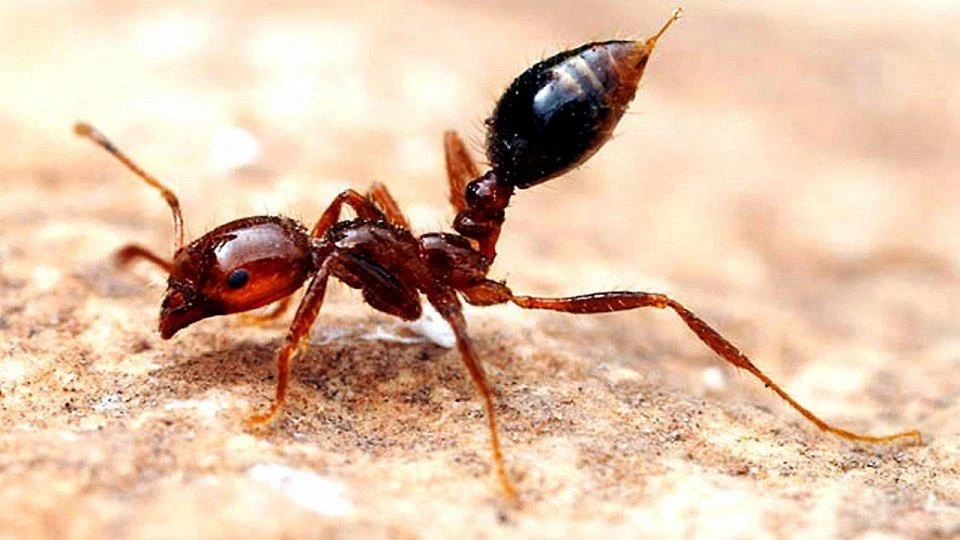
21. Fire Ants
Fire ants comprise several related species within the Solenopsis saevissima species group, armed with potent stings that produce a painful burning sensation—hence their name. The most notorious among them is the invasive red imported fire ant, which has spread worldwide. Severe stings can trigger anaphylactic shock, and in extreme cases, prove fatal. 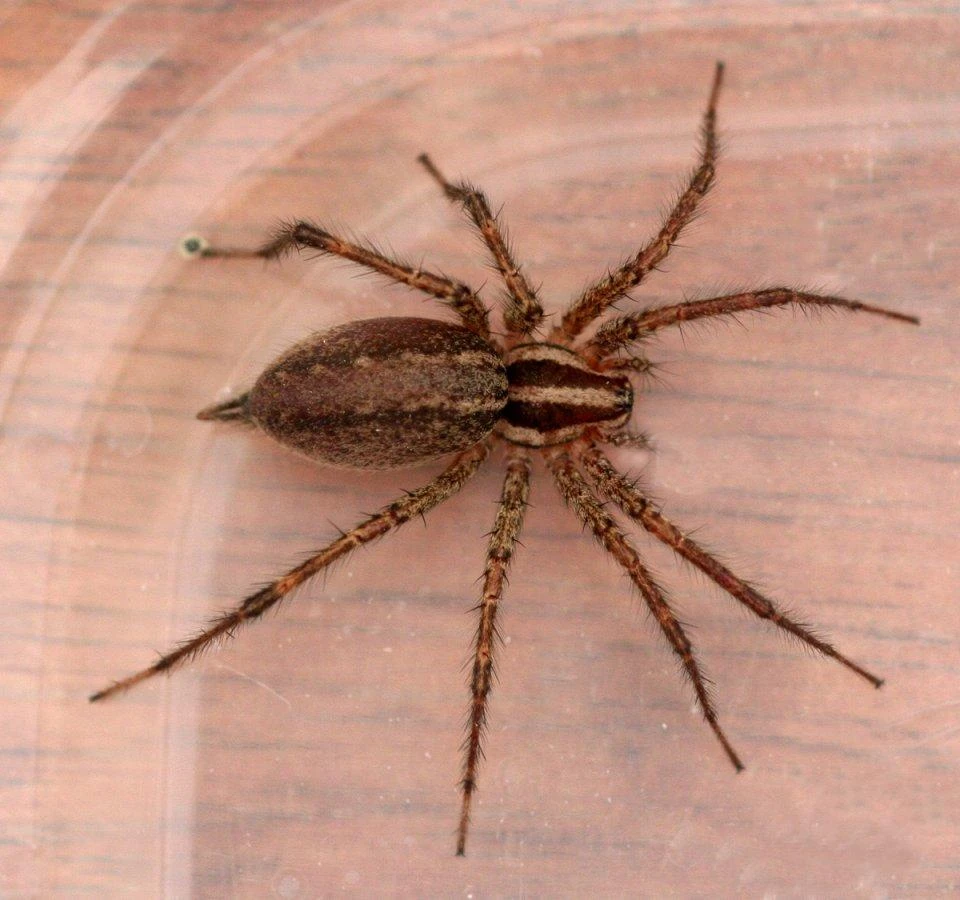
22. Brown Recluse Spider
The second spider on our list, the brown recluse, does not rely on neurotoxins like the black widow. Instead, its bite destroys soft tissue, causing necrotic lesions that can take months to heal.
Initial bites often go unnoticed, feeling like nothing more than a pinprick. Within 2 to 8 hours, however, severe pain sets in. The severity depends on the amount of venom injected. Because brown recluse venom is cytotoxic and necrotic, it breaks down cellular tissue. For young children, the elderly, or immunocompromised individuals, a bite can be fatal. 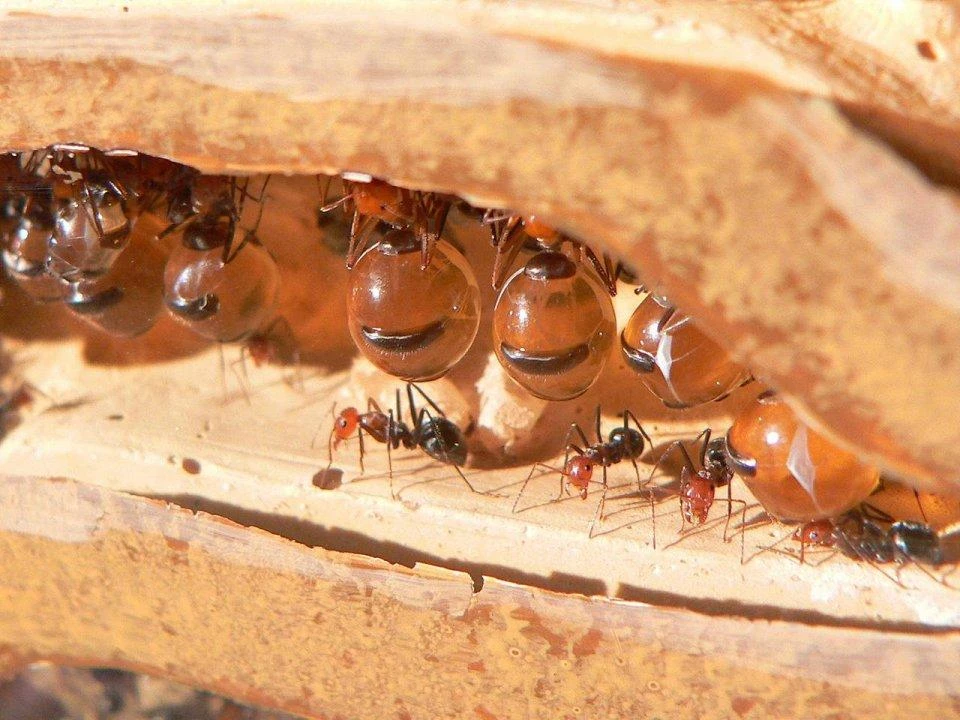
23. Driver Ants (Siafu)
Siafu, or driver ants (Dorylus), are nomadic ants predominantly found in East and Central Africa, as well as parts of tropical Asia. Their colonies can number up to 20 million blind individuals that navigate entirely via pheromone trails. Lacking a permanent nest, the colony is constantly on the move, attacking any invertebrates in its path to feed its larvae.
The colony features a specialized caste of soldier ants equipped with hook-like mandibles and growing up to 13 mm in length. Their jaws are so powerful that indigenous Africans have traditionally used them as natural surgical sutures to close wounds for up to four days. A single bite usually causes minimal long-term harm, but children and the elderly are particularly vulnerable to severe complications. Statistically, driver ants cause between 20 and 50 deaths each year, largely due to their fierce aggression when defending a colony that someone accidentally disturbs. 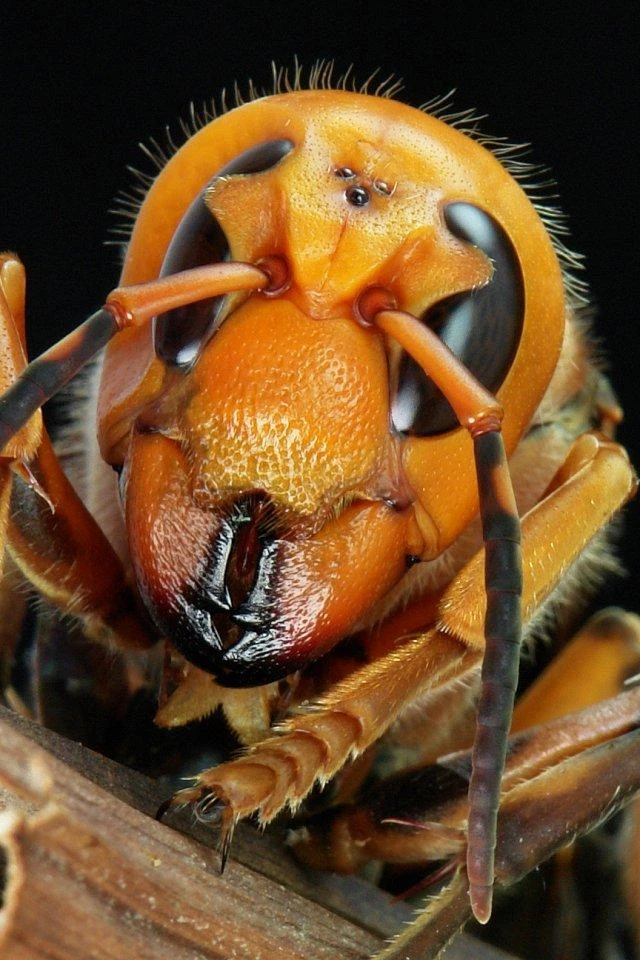
24. Asian Giant Hornet
Most people are familiar with bumblebees and find little reason to fear them. But imagine one on steroids—or simply look at the Asian giant hornet. These hornets are the largest in the world, growing up to 5 cm (2 inches) long with a wingspan of 7.5 cm (3 inches). Equipped with a stinger up to 6 mm long, their attack makes a bee or wasp sting pale in comparison, and they can sting repeatedly. While rare in Europe or the US, travelers in East Asia and the mountains of Japan may encounter them. Victims describe the sensation of being stung as akin to a red-hot nail driven into their flesh.
Their venom contains eight distinct chemical compounds that destroy tissue and emit a pheromone attracting more hornets to the attack. While people with bee allergies are at risk of fatal anaphylaxis, the hornet's mandaratoxin can be lethal on its own if injected deeply enough. An estimated 70 people die from these stings every year. Interestingly, the stinger isn't their main hunting weapon—they crush prey using powerful mandibles. 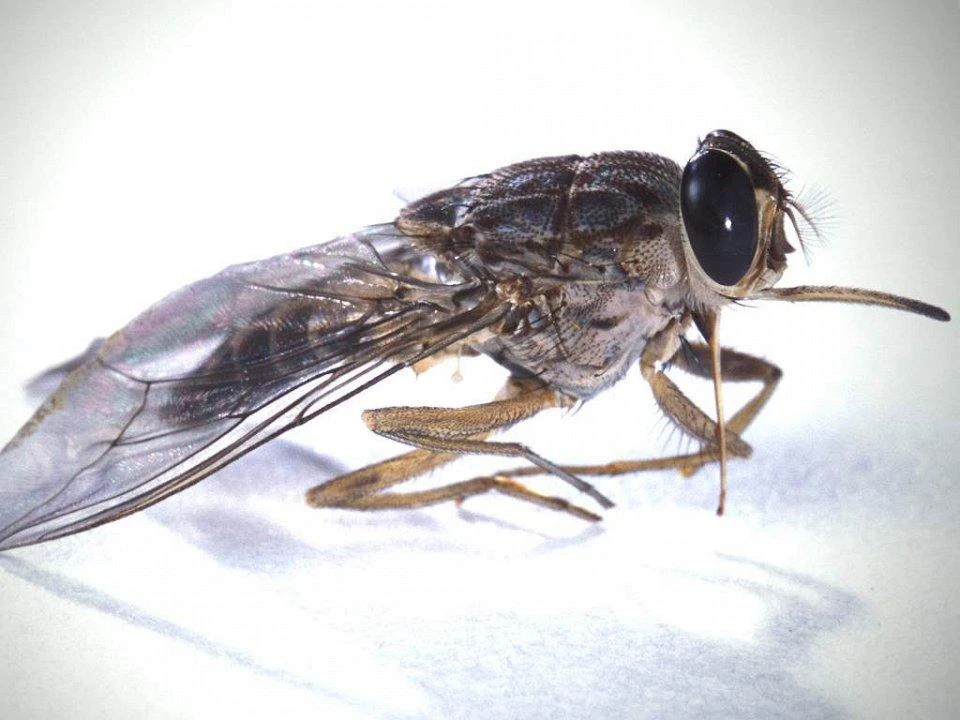
25. Tsetse Fly
The tsetse fly inhabits tropical and subtropical Africa, notably areas around the Kalahari and Sahara deserts. These flies transmit trypanosomes, parasites responsible for sleeping sickness in humans and animals. Anatomically similar to common houseflies, tsetse flies can be distinguished by the proboscis on their heads and the way they fold their wings flat over their backs. That proboscis allows them to feed on their primary food source: the blood of African mammals. There are 21 species across the continent, ranging in length from 9 to 14 mm.
Tsetse flies are far from harmless; they are responsible for countless human deaths. Up to 500,000 people in Africa are believed to be infected with sleeping sickness spread by this insect. The disease disrupts the endocrine and cardiovascular systems before attacking the central nervous system, causing confusion and severe sleep disruptions where bouts of exhaustion alternate with hyperactivity.
The last major epidemic was recorded in Uganda in 2008; the disease is listed as a neglected tropical disease by the WHO. However, in Uganda alone, 200,000 people died from sleeping sickness over a six-year period. The disease is widely blamed for hindering economic development across Africa. Curiously, tsetse flies will attack almost any warm object—even cars—yet leave zebras alone, perceiving them as merely a blur of black-and-white stripes. Paradoxically, tsetse flies have also helped protect African wilderness from overgrazing and soil erosion by limiting cattle farming.
Humans have devised various strategies to control these pests. In the 1930s, wild boars were eradicated along the west coast, though this only curbed populations for about two decades. Current control methods include culling wild animals, clearing brush, and sterilizing male flies through radiation to prevent reproduction.
Add your comment
You might be interested in:













24 photos proving that time flies inexorably (25 photos)
Unique photos of insects from the University of Texas team

Unusual find: half of a Ferrari supercar was found in a

A huge rat shows its owner its newborn cub (5 photos + 3

The head of Bugatti explained why he sees no point in

What Liverpool Was Like in the Early '80s: Candid Photos by

Trailer for the film "Joker 2: Madness for Two"

The project of the terminal for "flying taxis" in

25 Photos That Will Give Visual Learners an Aesthetic

How to start a 102-liter engine

Protective film Removing it with a power screwdriver

When a child plays hide-and-seek at a professional level

Man sets up bedroom camera and discovers the reason for his

Super dads who swoop in to save the day

Precision carpentry

Looks like it's time to buy WinRAR

How to hang wallpaper neatly

How metal buckets are made in Pakistan
