Jade Belt Bridge (18 photos)
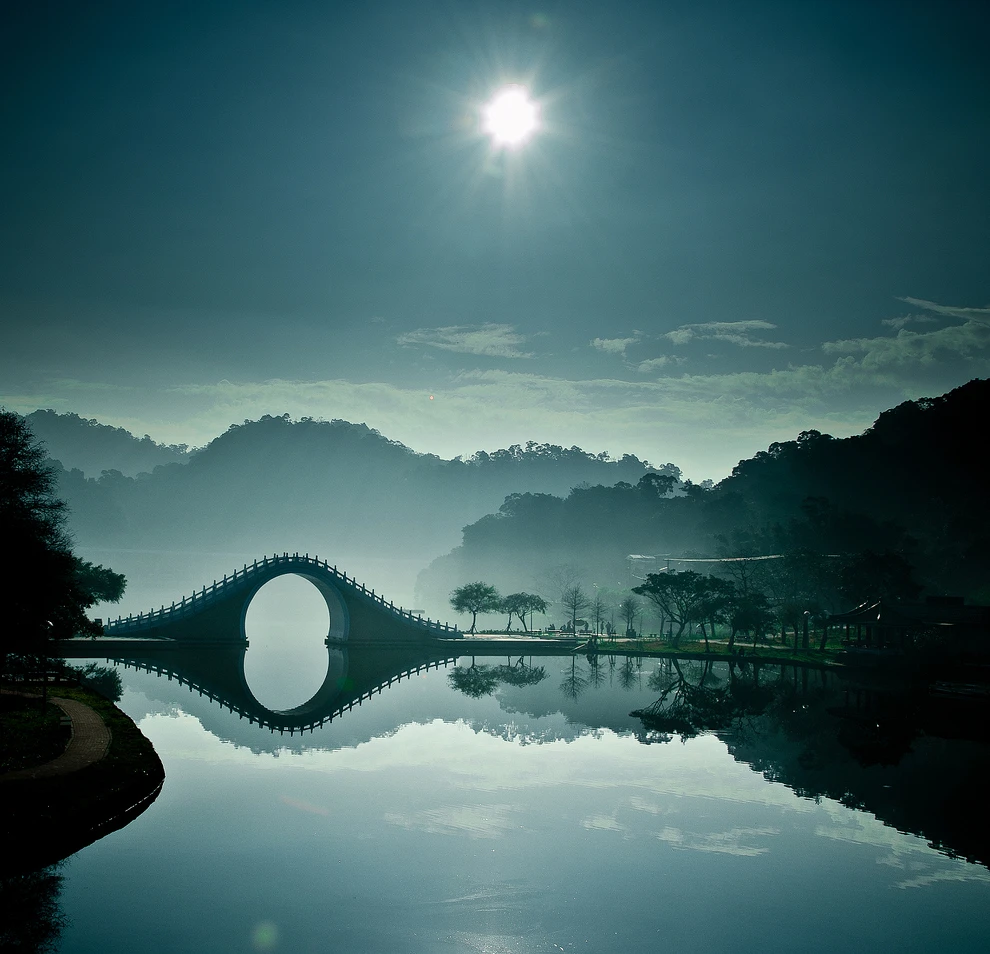
A moon bridge is a footbridge with a steep, crescent-shaped arch typical of traditional gardens in China and Japan. Highly practical, it takes up minimal space while allowing small vessels to easily pass beneath. It is equipped with steps and handrails. 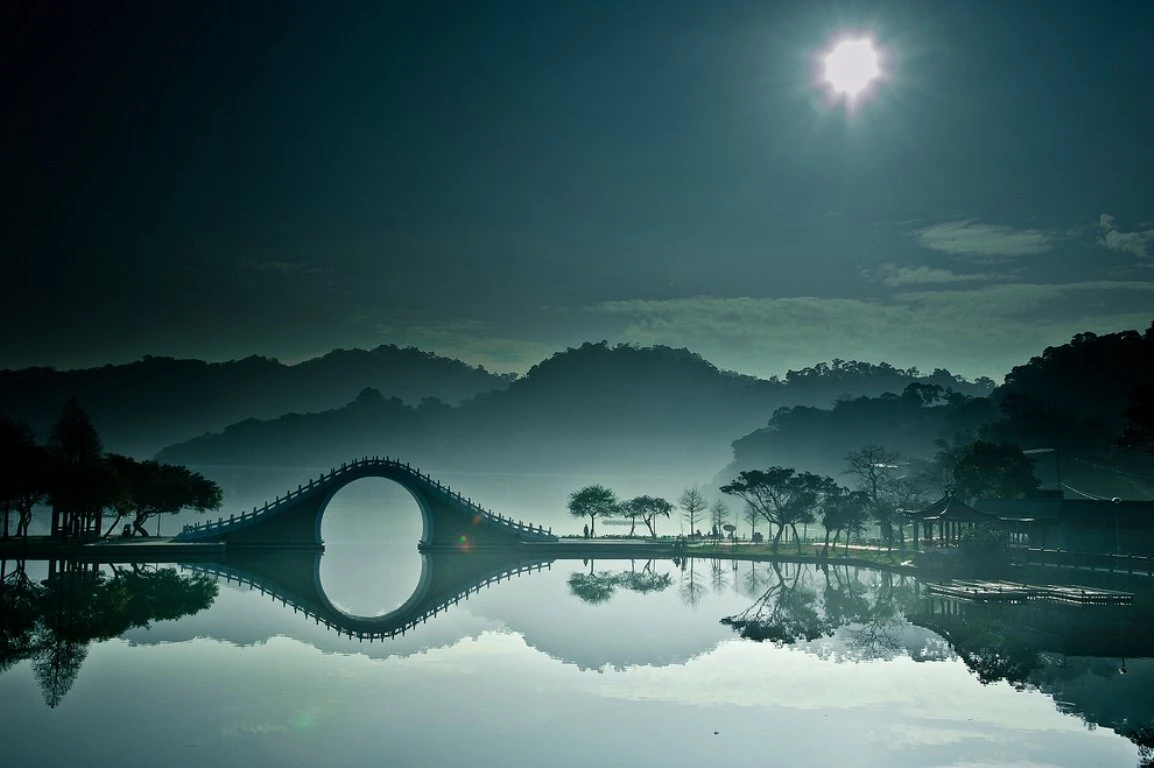
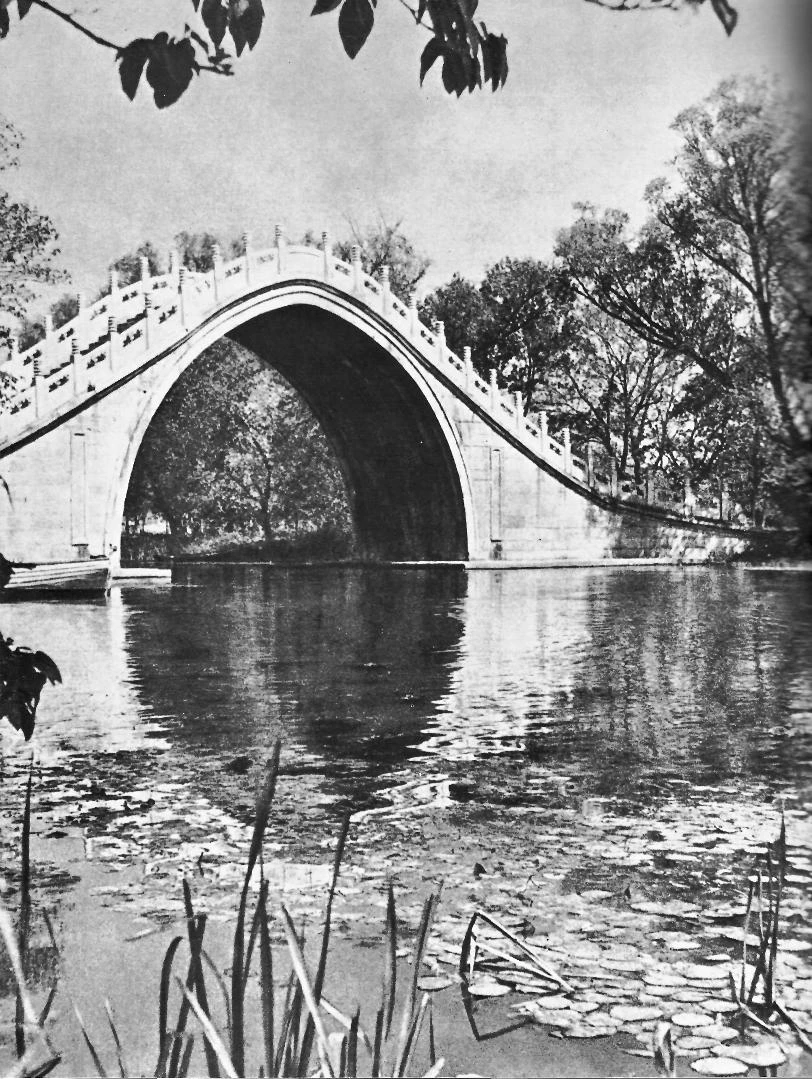
A classic example is the Jade Belt Bridge (Yudai Qiao) on the western shore of Lake Kunming at Emperor Qianlong's Summer Palace. Built between 1751 and 1764, this stone bridge was specifically designed to accommodate the passage of the imperial dragon boat. 
Located near the imperial Summer Palace on the outskirts of Beijing, this striking stone arch bridge captivates visitors with its deceptively delicate structure and elegant lines. 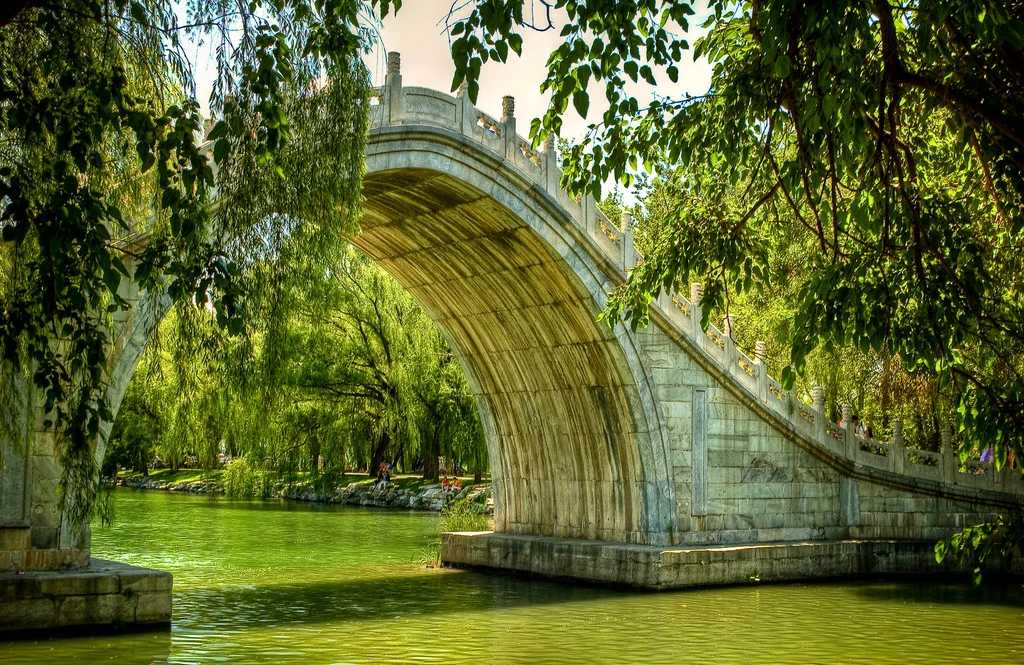
The Jade Belt Bridge is the most famous of six bridges lining the western shore of Lake Kunming, largely due to its tall, slender arch—a masterwork of stone and marble from both an architectural and aesthetic standpoint. 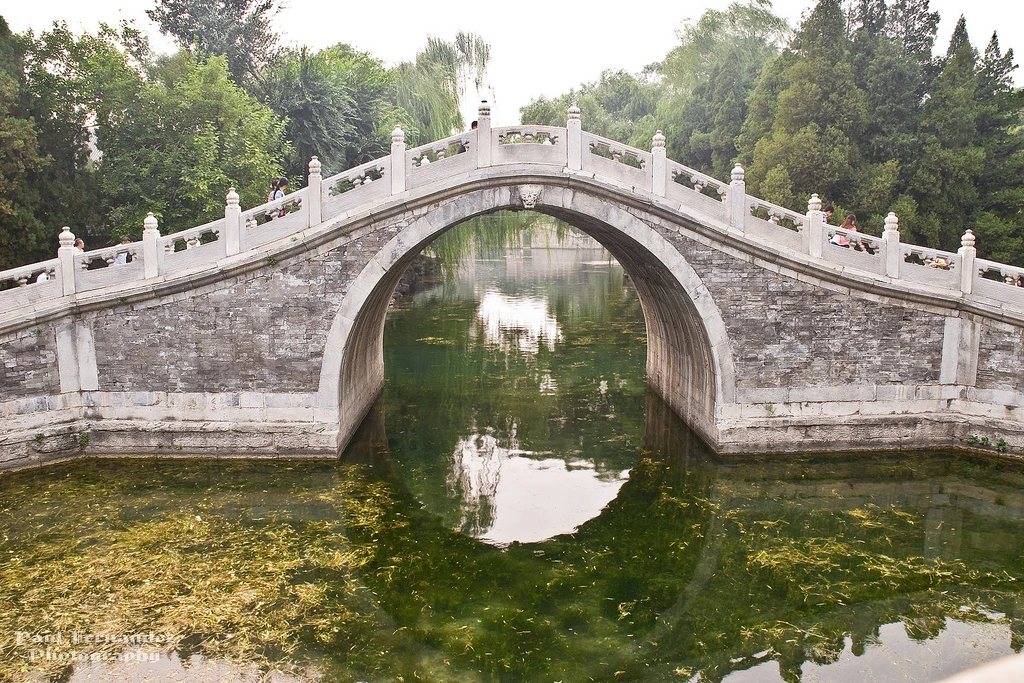
Bridges of this shape are called "moon bridges" because the arch resembles a crescent moon. 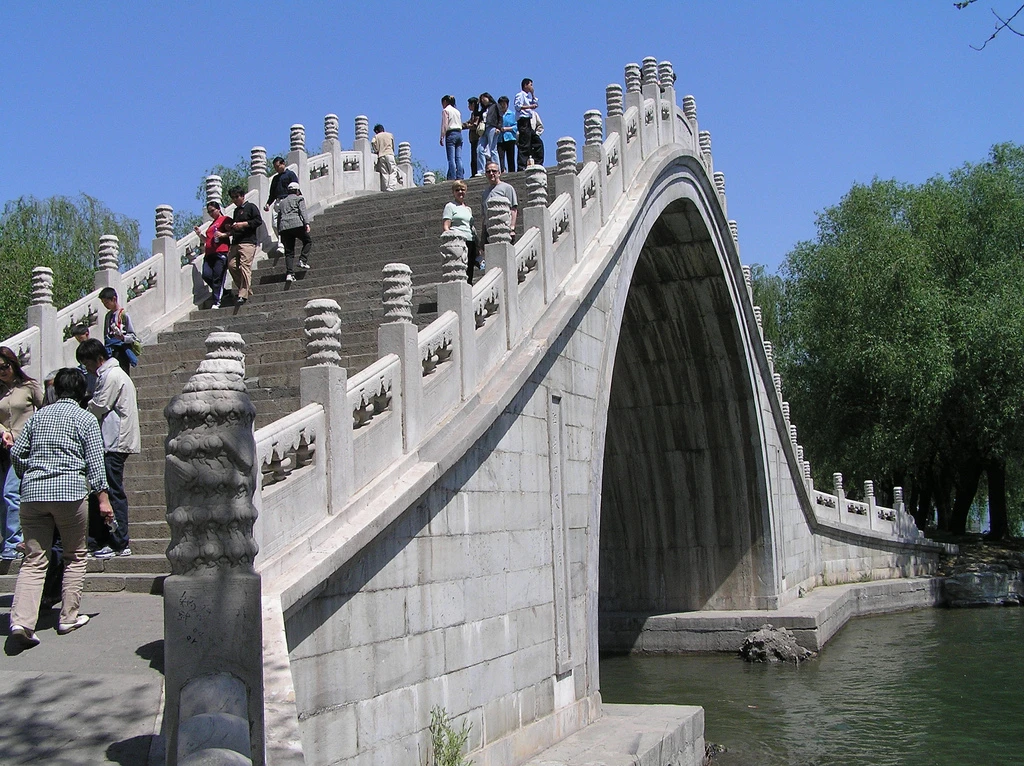
Moon bridges feature convenient, wide steps and handrails, making crossing them relatively effortless. 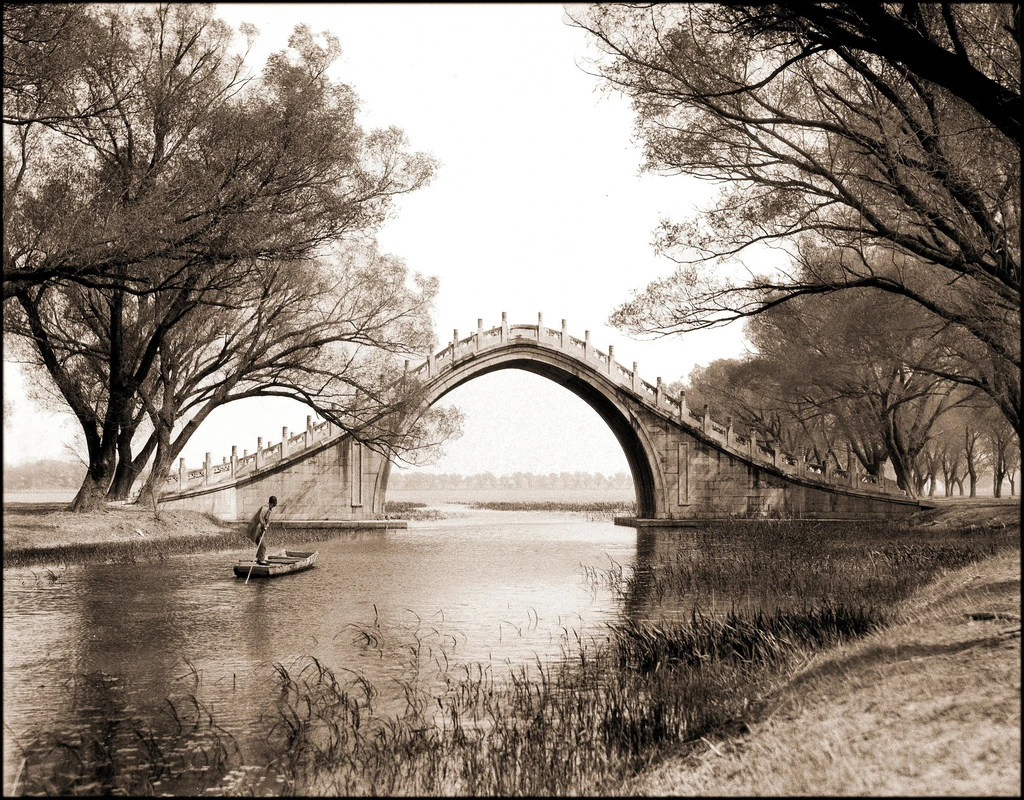
These footbridges are widespread throughout China and Japan for their practicality, as the high arch leaves ample clearance for larger vessels to pass along the waterway. 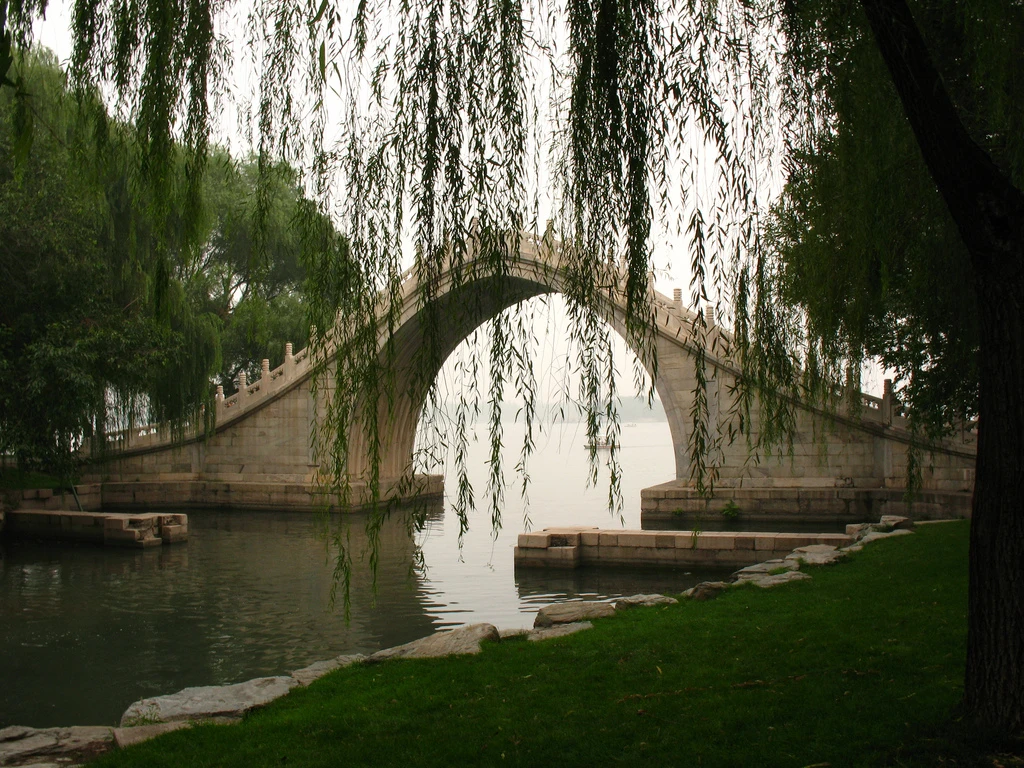
Arch bridges were the most common bridge design in medieval China, celebrated for their beauty and remarkable durability. Builders used a lime mortar mixed with ox blood to bind the heavy stone blocks together. 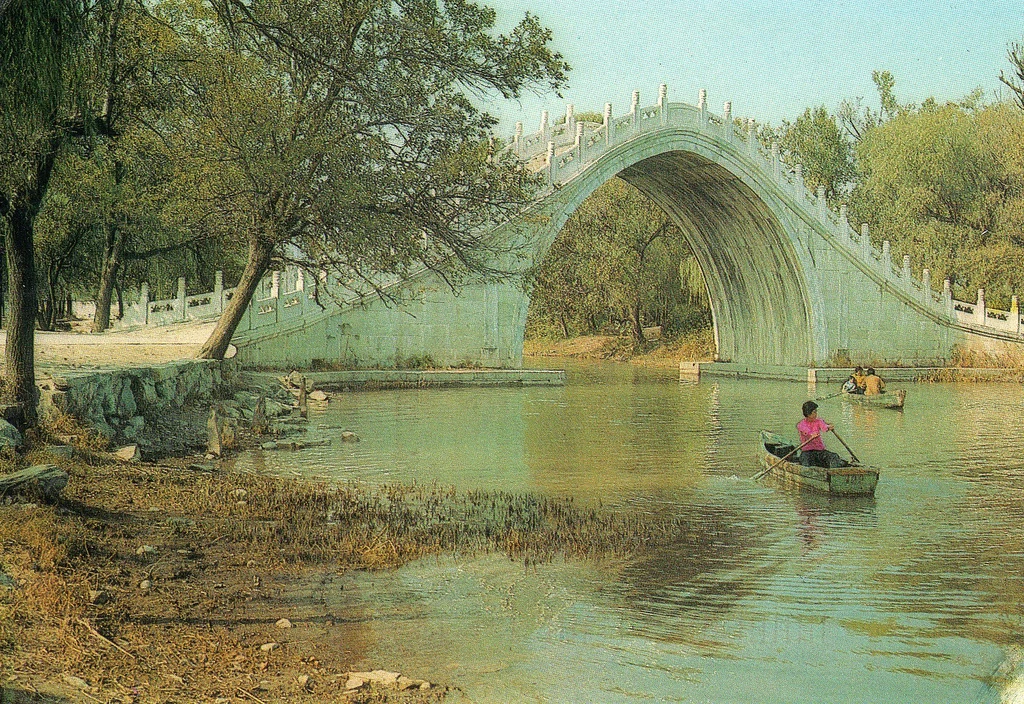
The Jade Belt Bridge (Yudai Qiao) is one of China's most exquisite arch bridges. Inspired by a similar bridge in Hangzhou, its design was adapted to complement the local natural landscape. 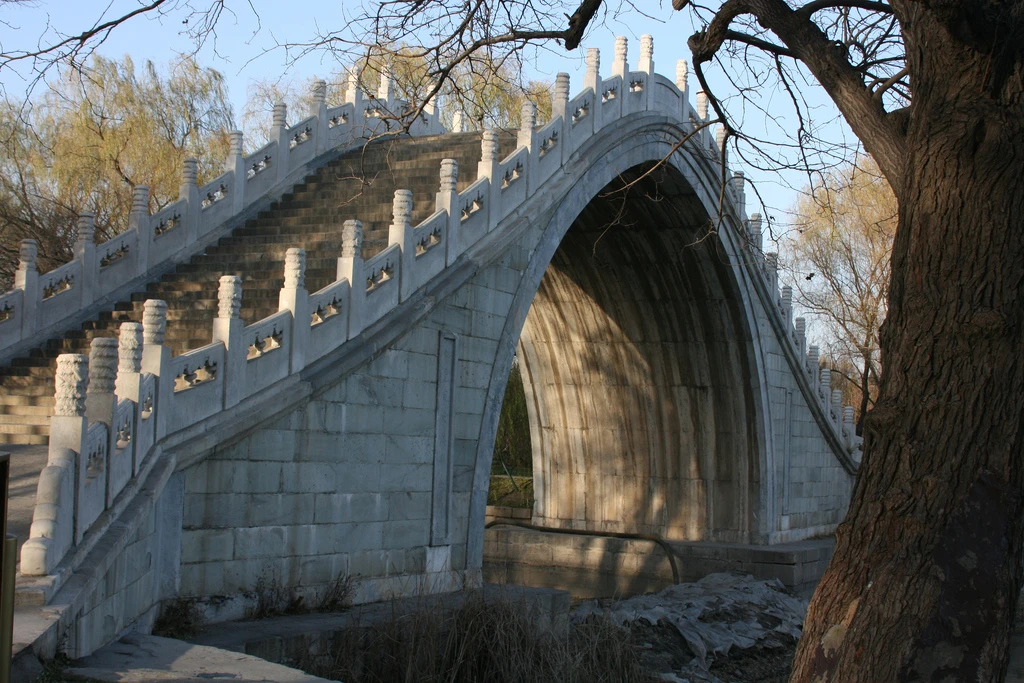
Yudai Qiao (Chinese: 玉带桥; pinyin: Yù Dài Qiáo; lit. 'Jade Belt Bridge') is an 18th-century moon bridge located in Beijing on the grounds of the former imperial Summer Palace. 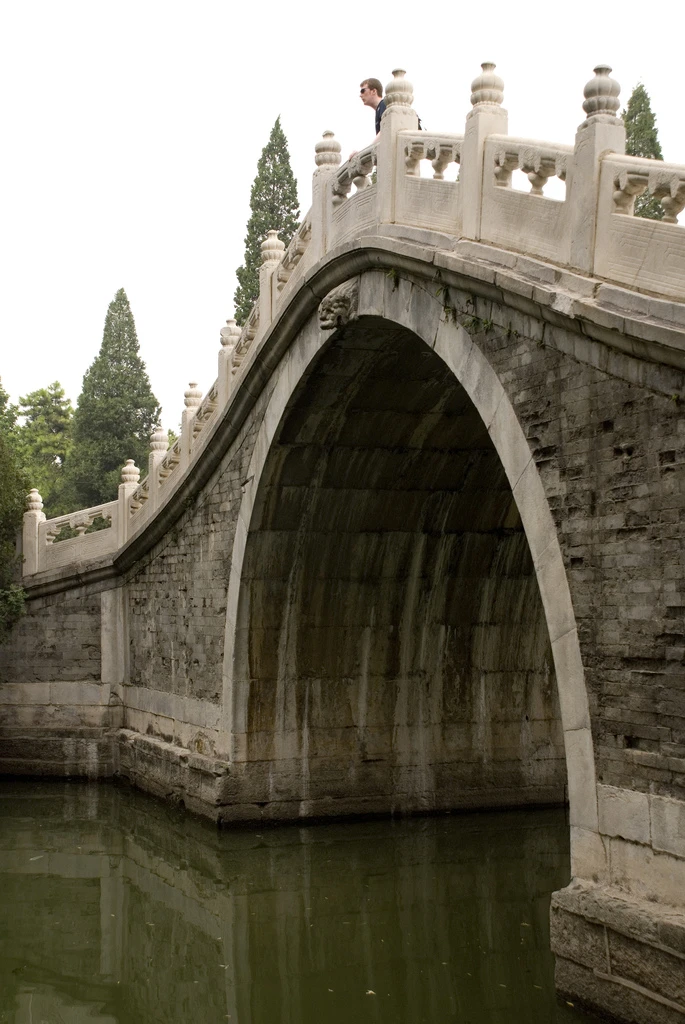
The bridge's railings are intricately carved with cranes and other animals. 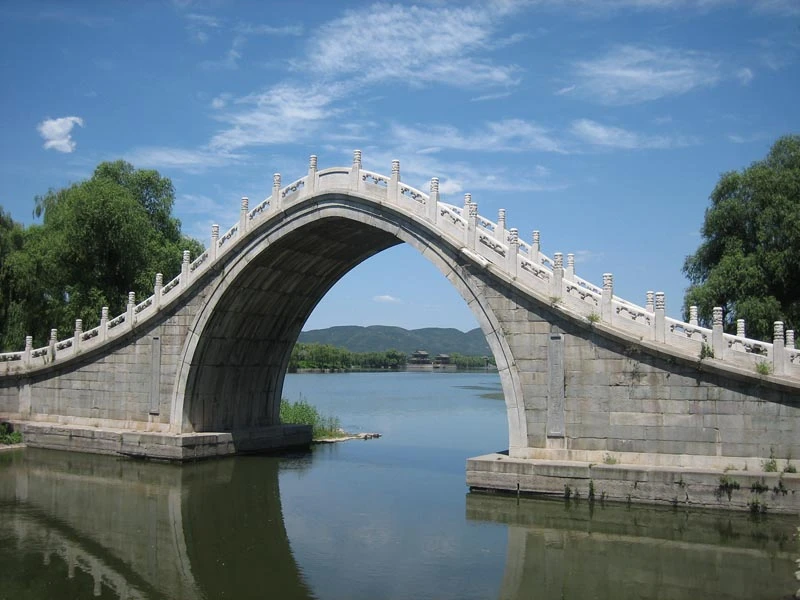
Famous for its tall, slender arch, the Jade Belt Bridge is the standout among the six bridges along the western shoreline of Lake Kunming. 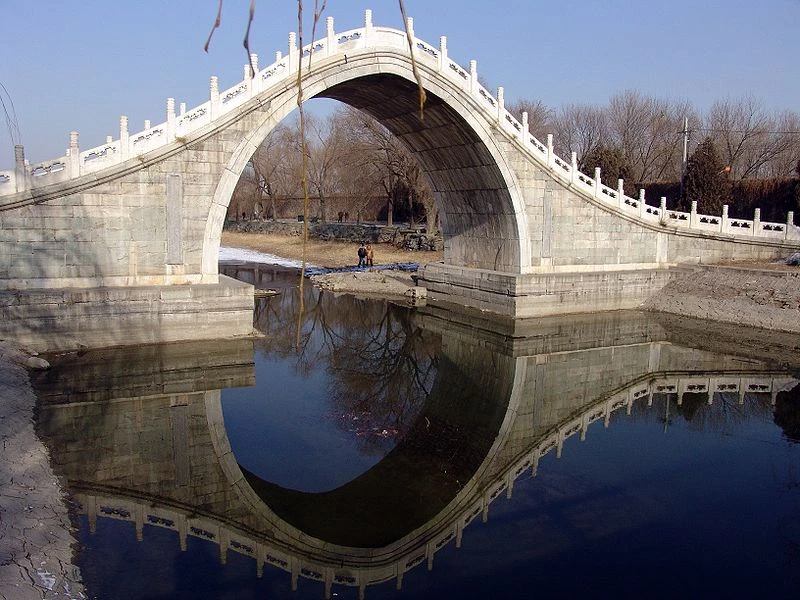
Built between 1751 and 1764 during the reign of the Qianlong Emperor, it was designed in the style of bridges typical of rural southern China. 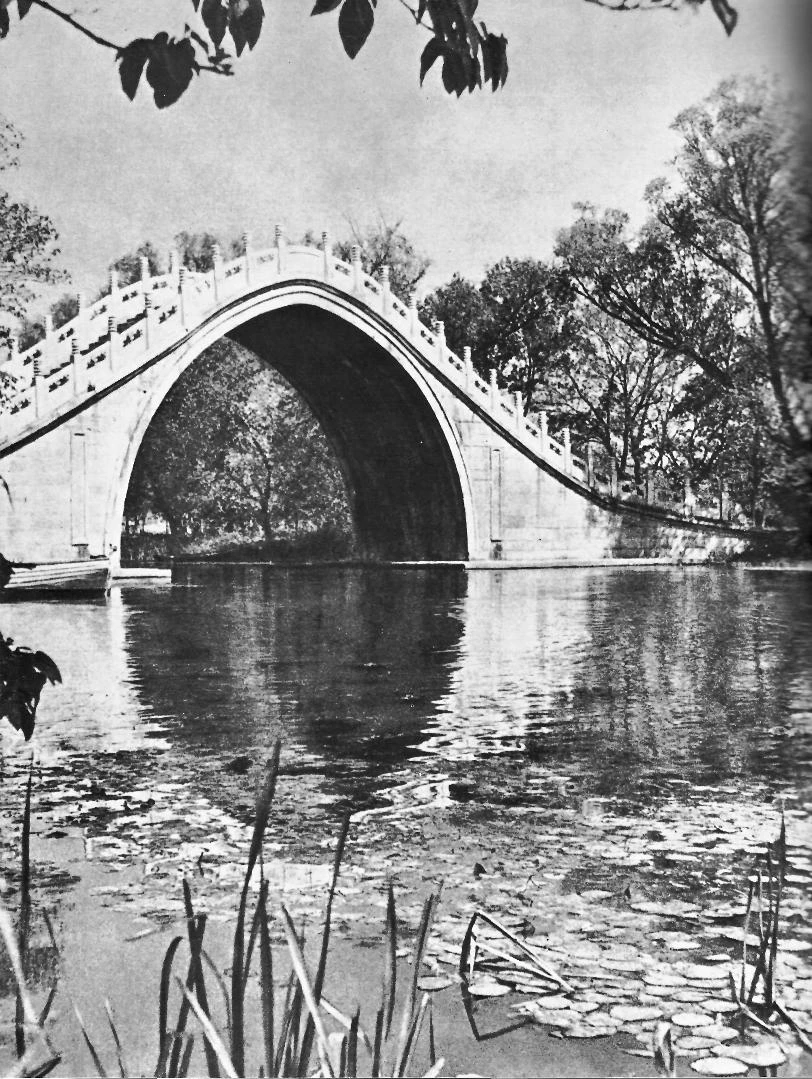
White marble and other pale building materials were used in its construction. 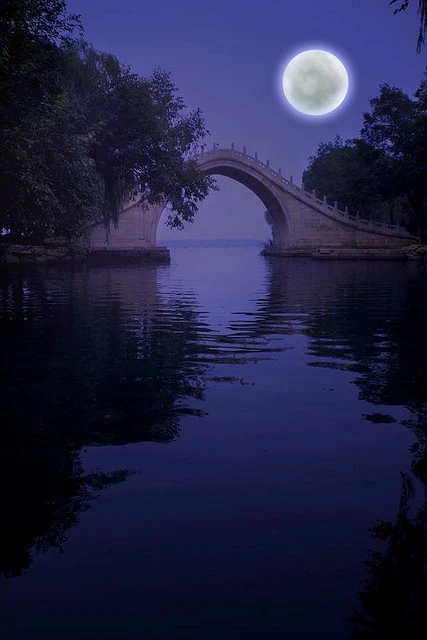
The arch shape was chosen specifically so the emperor's dragon boat could pass beneath it. The impressive height of the Jade Belt Bridge served a practical purpose: enabling seamless crossing on foot while leaving enough clearance for the imperial dragon boat—a large 20-seat canoe featuring a carved dragon head and tail. 
Because Lake Kunming is connected to a river network, the Emperor and Empress would occasionally set out on journeys aboard the dragon boat, requiring the vessel to pass under the bridge. 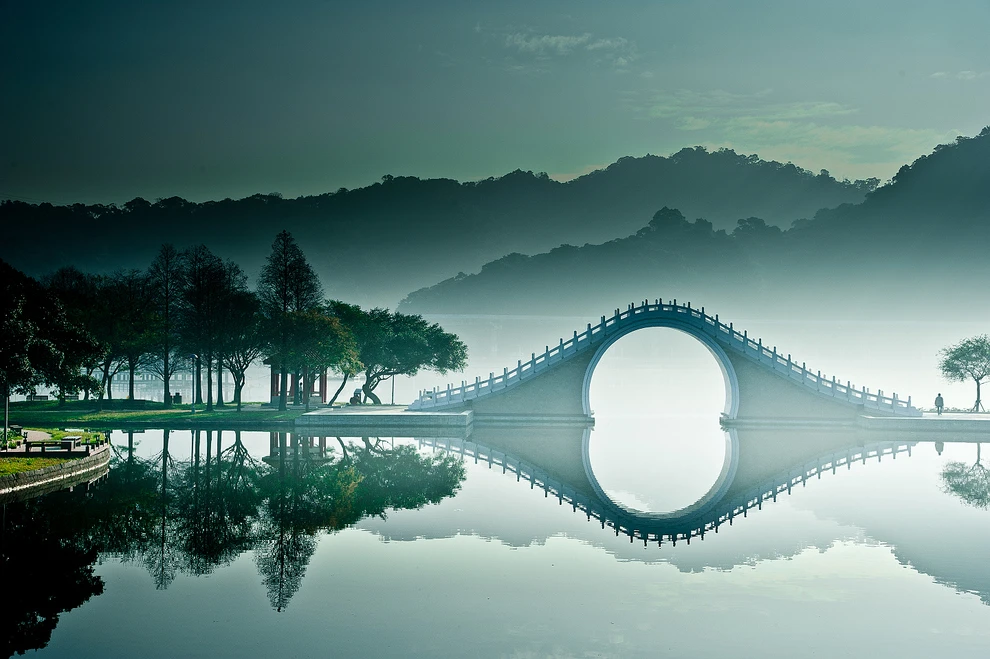
Of course, the imperial canoe didn't carry 20 ordinary passengers—it was luxuriously appointed for the utmost comfort of the monarch and his wife, crewed by an elite team of hand-picked rowers. The dragon vessel was used whenever the imperial family embarked on journeys along the river connected to the lake.