Scientists Reveal the Purpose of Nightmares—and Why We Need Them (5 photos)
Everyone has experienced a nightmare at least once in their life. Setting superstition aside, explaining why we have them has never been easy. People have pondered this question since ancient times, but Swiss scientists have only recently uncovered the answer. As it turns out, nightmares aren't pointless—they actually happen for our own good. 
Neuroscientists at the University of Geneva have finally unlocked the purpose behind terrifying dreams. Their study was built on threat simulation theory, which posits that every dream serves a vital neurobiological function.
Under this hypothesis, nightmares act as a dry run for our nervous system, conditioning our behavioral responses to various extreme situations. In other words, these bad dreams keep us on our toes and train our reflexes just in case a real-life threat arises. 
The research was conducted in two stages. First, neuroscientists monitored 18 volunteers while they slept, using electroencephalography (EEG). They measured activity in various regions of the brain and periodically woke the participants up.
Each time subjects were awakened, researchers asked them what they had been dreaming right before waking up. By comparing the EEG readings with the volunteers' accounts, the team identified which brain regions lit up during specific types of dreams. 
The results revealed that the fear triggered by nightmares originates in the anterior cingulate cortex and the insula. Beyond governing social behavior and consciousness, these brain regions also coordinate our reactions to real-world threats while we are awake.
For the second phase of the study, researchers recruited 89 volunteers and asked them to keep a dream journal for a week. Participants logged the storylines of their dreams alongside brief descriptions of the emotions they experienced—ranging from fear, joy, and frustration to anxiety and more complex feelings.
Next, the volunteers were shown disturbing footage on a screen, such as images of tsunamis or active warfare, while undergoing MRI scans. The findings showed that participants who experienced nightmares more frequently were better equipped to cope with distressing content and remained noticeably calmer. 
Lead study author Virginie Sterpenich explained her team's findings to reporters during a press briefing:
Emotions experienced while dreaming and while awake rely on similar neural mechanisms. Our experiments demonstrated a reduced emotional response to threatening stimuli in people who frequently had nightmares. In a sense, nightmares serve as valuable practice for the nervous system. 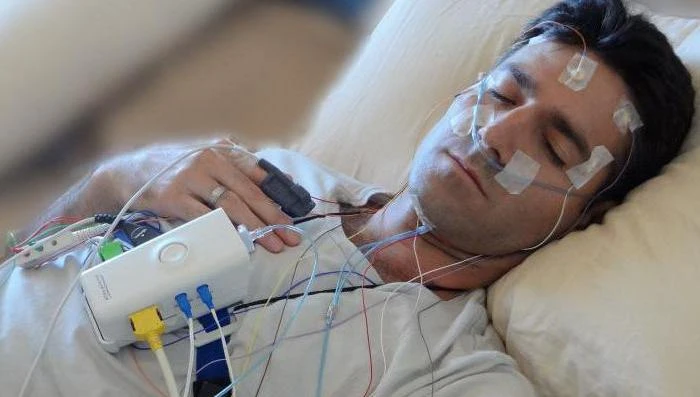
Does this discovery offer practical value for modern medicine? Unquestionably. Researchers are already developing clinical applications, aiming to harness dreams to treat depression and anxiety disorders. By stimulating specific brain regions to trigger controlled nightmares, neuroscientists hope to make patients less susceptible to stress and negative emotions in everyday life.
We now have a clearer picture of how neuroscientists interpret the purpose of dreams. However, psychologists following in the footsteps of Carl Jung hold their own distinct perspective on the nature of dreaming.