Spitting out its own organs and acting like a kamikaze: The wild life of the sea cucumber (8 photos)
Sea cucumbers—also known as holothurians—are invertebrate echinoderms. Yes, you read that right: they are actual animals. They eat, mate, and live surprisingly complex lives. Plus, they’re considered a delicacy. 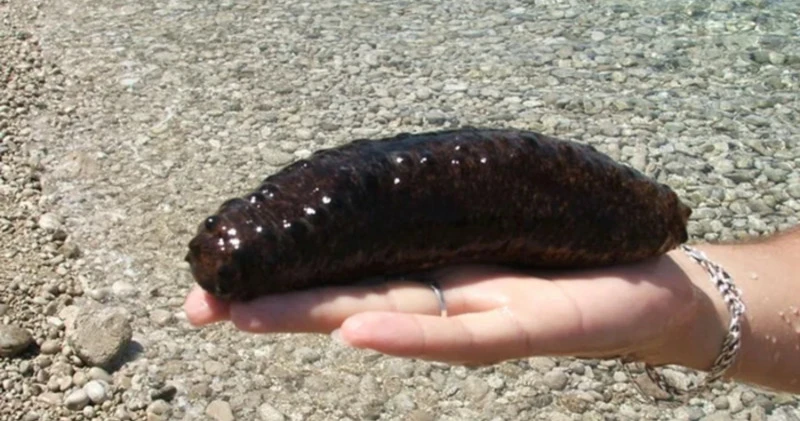
These creatures earned the name "sea cucumber" because of their habit of contracting into a cucumber-like shape at the slightest touch. But don't judge them all by one standard: there are roughly 1,150 species in the wild, each varying in shape, size, color, and tentacle style. 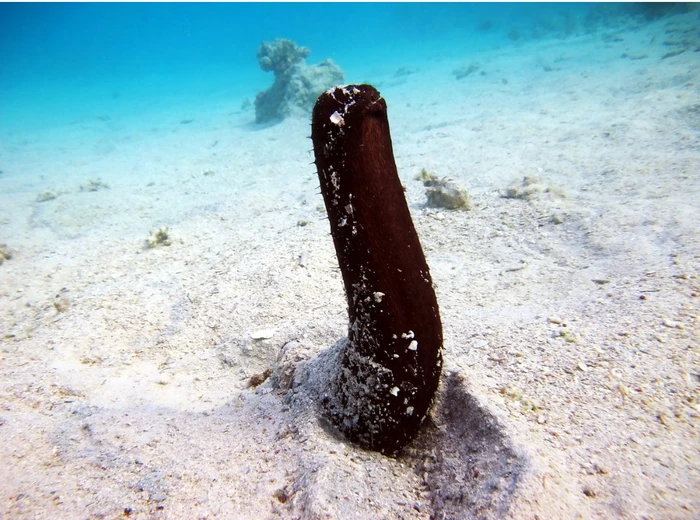
They range in length from less than half a centimeter to over five meters, feeding on plankton and decaying organic matter that settles on the ocean floor. While they are mostly found in the Sea of Japan and the Yellow Sea, they typically live at extreme depths starting from 100 meters down.
At first glance, a sea cucumber might look like a shapeless worm, but it actually has a head, a main body, and tiny tube feet used to gather food. 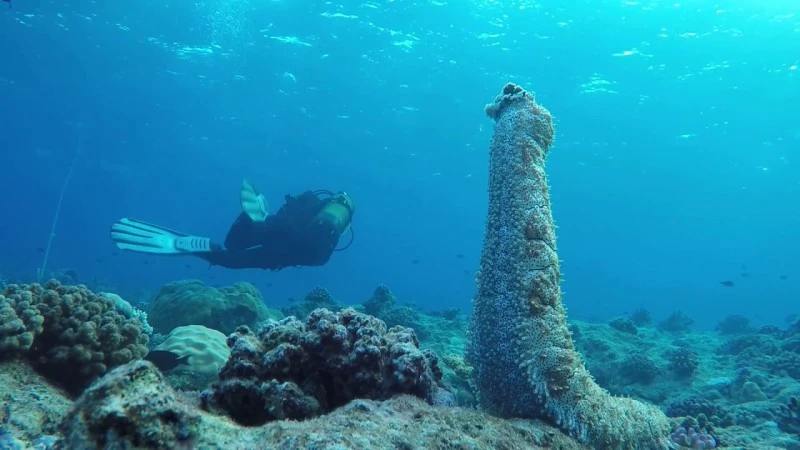
In Asian cuisine, sea cucumbers are considered a rich, savory delicacy; in Japan, they are even eaten raw. They don't taste quite like fish, meat, or vegetables, but they definitely have a unique appeal. They’re also low in calories—just 33 kcal per 100 grams—and packed with essential nutrients.
In traditional Chinese belief, sea cucumbers possess healing properties, boost stamina and libido (likely inspired by their shape), and promote overall longevity. 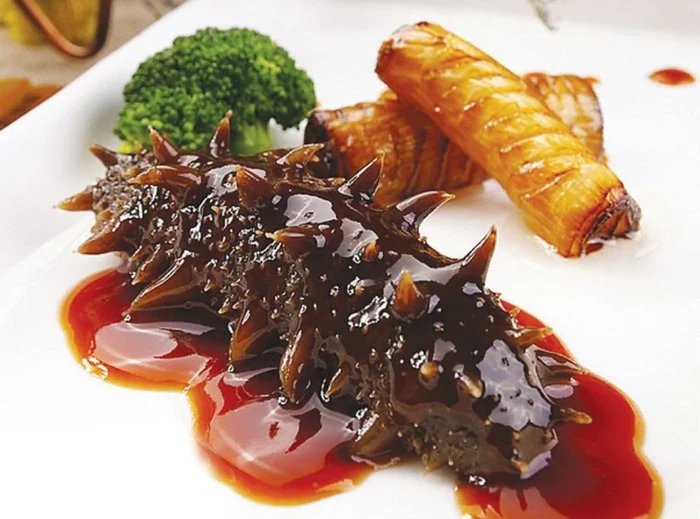
Some holothurian species are truly bizarre. Take the giant California sea cucumber, for instance: it can feed through both its mouth and its anus. What's more, it literally breathes through its backside. 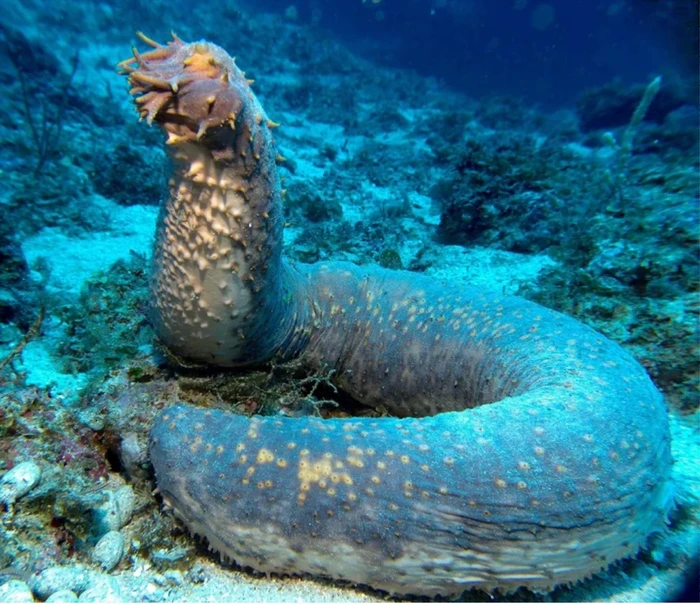
Their defense mechanisms against predators are equally fascinating. Nature equipped them with Cuvierian tubules—specialized structures that shoot sticky threads out of their cloaca when threatened, which harden instantly in water. While it won't trap an aggressive fish forever, it startles and confuses attackers long enough to make them think twice.
In some species, this discharged substance is actually toxic, leaving the attacker in serious trouble. 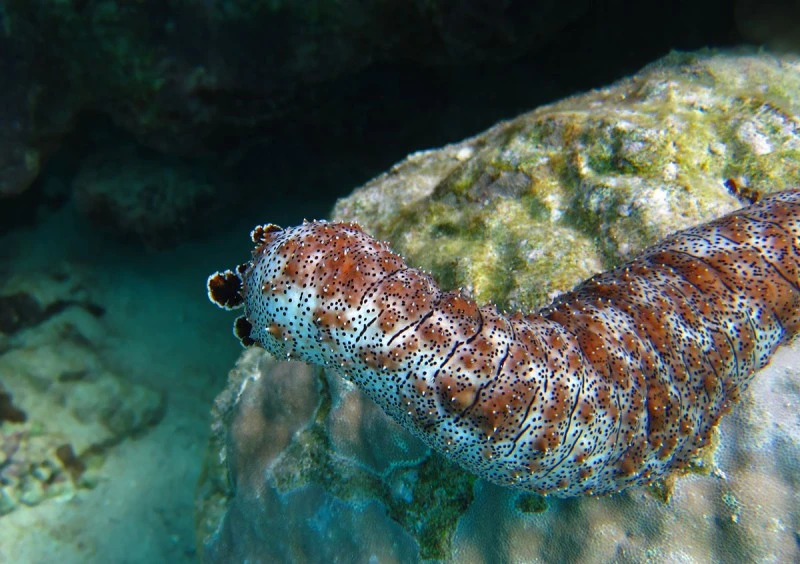
And that's not all—sea cucumbers can literally expel their internal organs. If an attacker persists, the creature shoots out part of its gut to distract the predator with a meal. While the attacker dines, the sea cucumber crawls to safety and regenerates its lost body parts.
In extreme situations where sacrificing a single organ isn't enough, the sea cucumber can tear its own body apart, scattering pieces everywhere. While the predator grazes on the feast, the front portion of the sea cucumber retreats to safety and regrows the rest of its body. 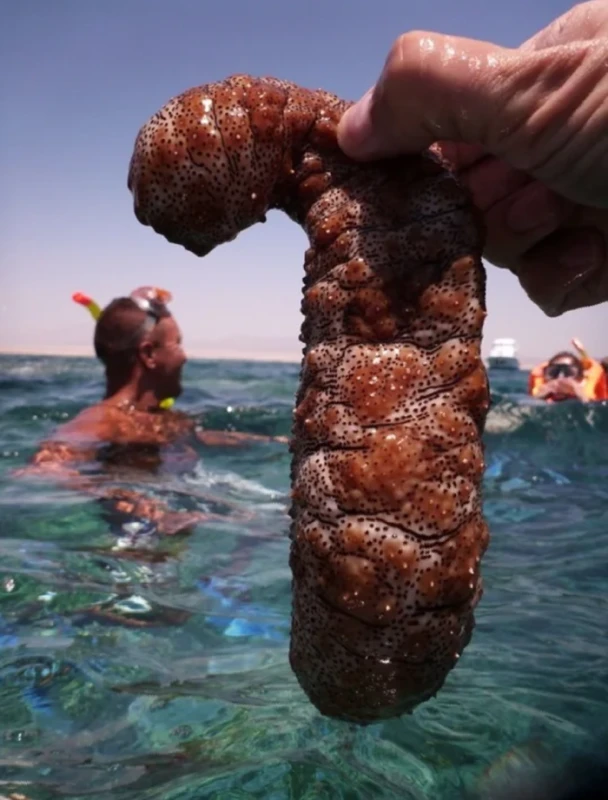
For certain eel-like fish, sea cucumbers serve as a living shelter. The fish actually swim right inside through one of the sea cucumber's body openings to hide from danger.
When it comes to reproduction, sea cucumbers typically mate, though some species are single-sexed. A female can lay up to 50 million eggs a year. Once she finishes spawning her massive clouds of eggs, she goes dormant for two months to recover. 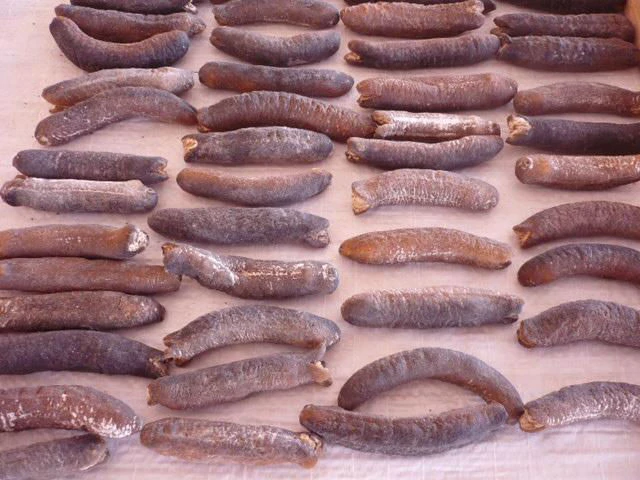
Upon waking, the female is voraciously hungry and devours everything in sight. On average, sea cucumbers live for about 10 years.